-
-
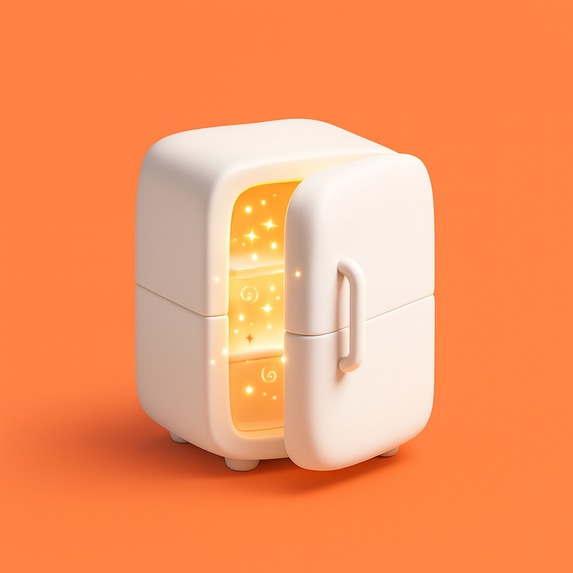
Kitchen Pal
-
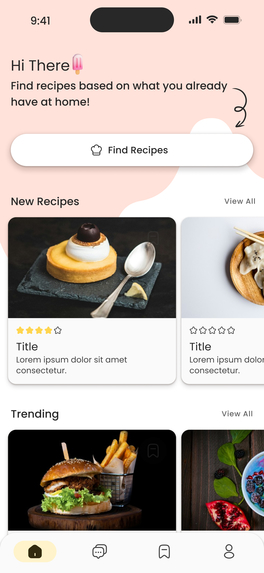
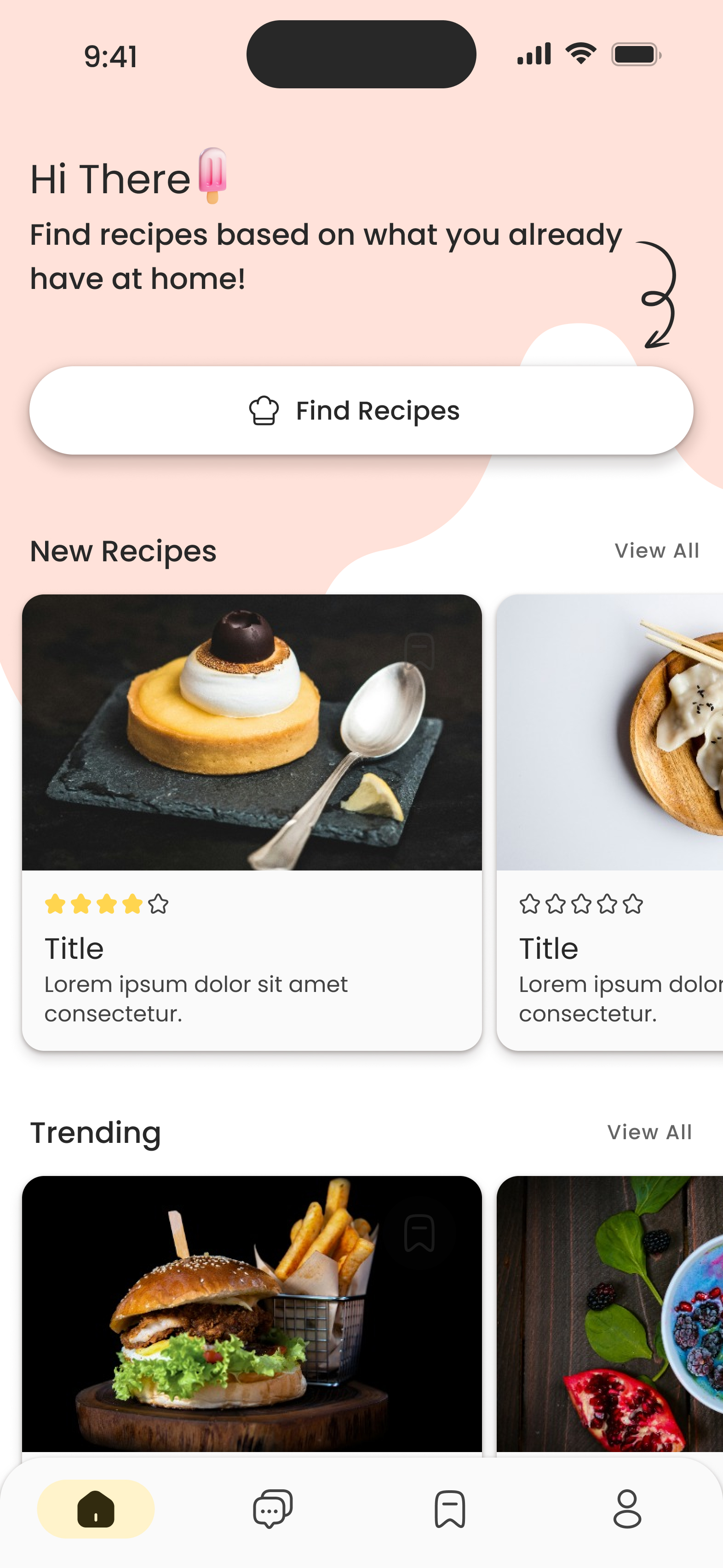
Kitchen Pal Home
-
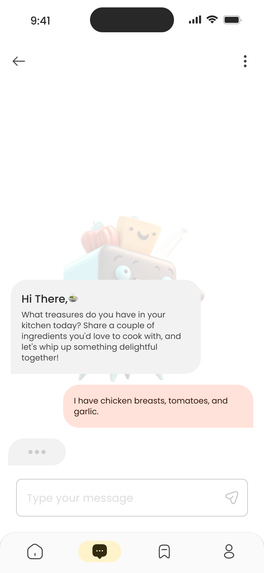
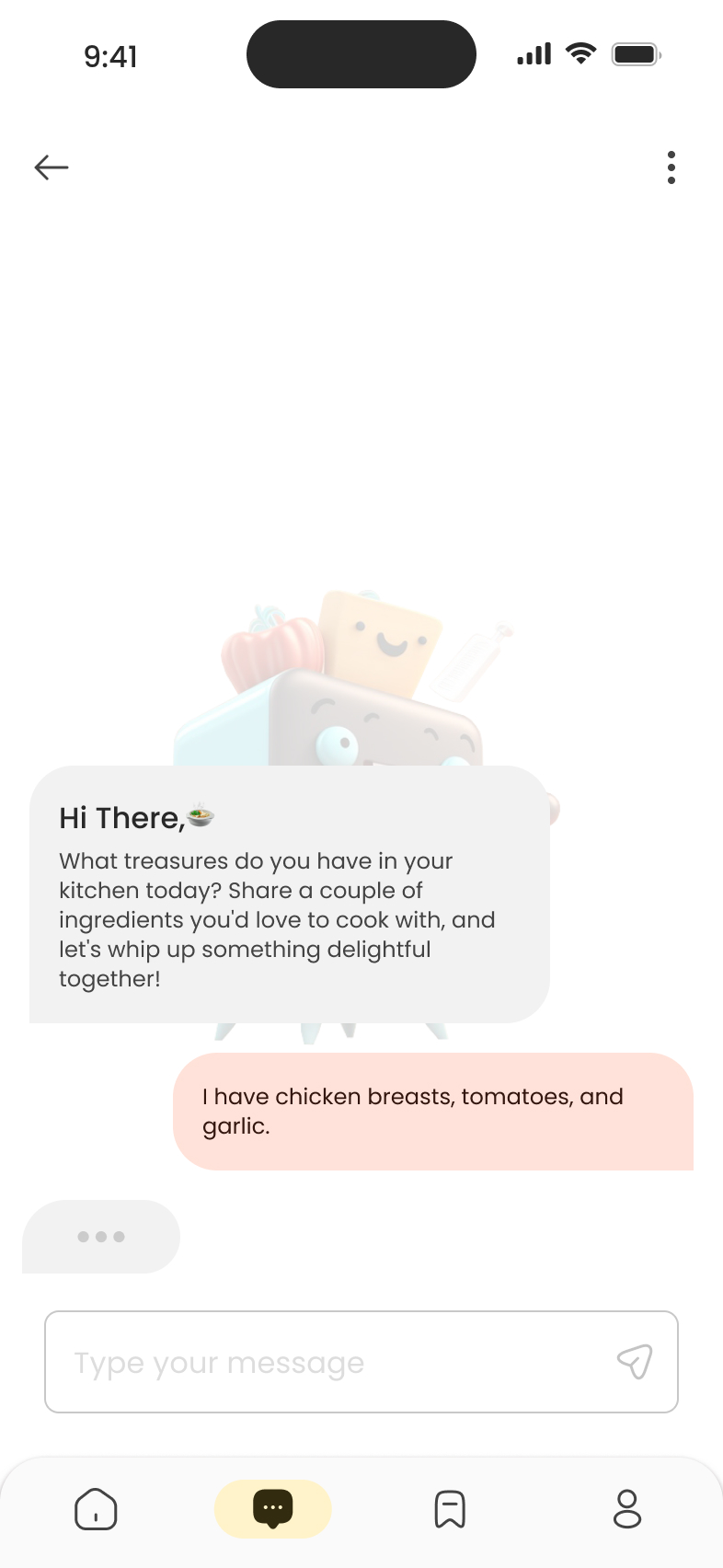
Chat
-
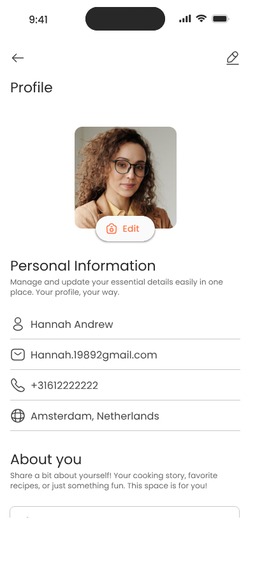
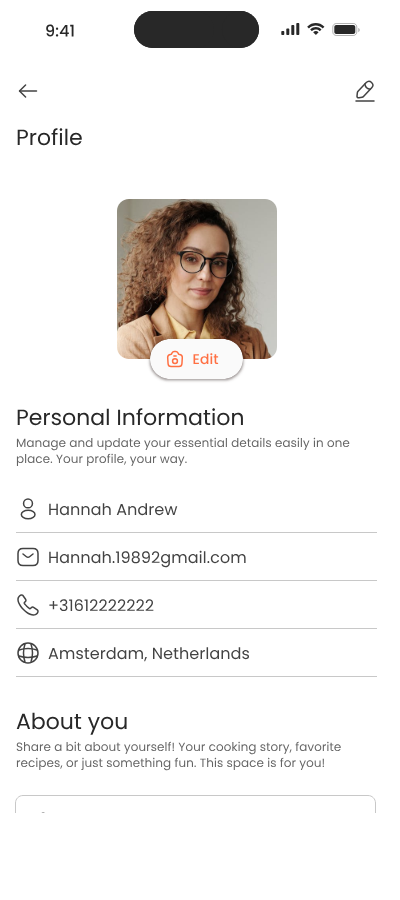
Profile Page
-
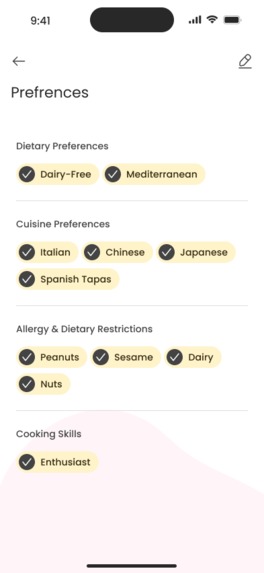
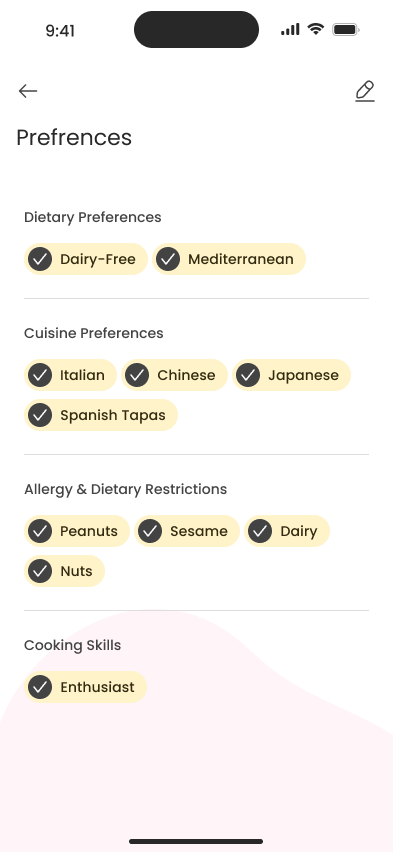
Prefrences
KitchenPal: AI-Powered Recipe Generation & Cooking Assistant
Inspiration
"What should I eat?" — it's the simplest question, yet one of the hardest to answer. We've all stood in front of an open fridge, staring at random ingredients, wondering how they could possibly become a meal.
I wanted to solve this universal problem by creating an AI companion that could:
- See what ingredients you have (via photo)
- Understand your dietary needs and preferences
- Suggest personalized recipes in natural conversation
- Guide you through cooking with voice coaching
The Kiroween hackathon's Frankenstein category was the perfect fit — stitching together multiple AI technologies into one cohesive cooking assistant felt appropriately monstrous (in the best way).
What It Does
KitchenPal is a multi-modal AI cooking companion that transforms meal planning:
🍳 Chat with AI
Have natural conversations about what to cook. Tell it what ingredients you have, and get personalized recipe suggestions that respect your allergies and dietary restrictions.
📸 Snap Your Fridge
Take a photo of your ingredients or a dish you want to recreate. The Vision AI identifies ingredients and suggests recipes you can actually make.
🖼️ AI-Generated Food Images
Every recipe comes with a beautiful, appetizing image generated by Google's Imagen 3 — no more guessing what the final dish should look like.
🎙️ Voice Coaching
Hands covered in flour? No problem. ElevenLabs-powered voice coaching reads instructions step-by-step while you cook.
⚖️ Smart Portion Scaling
Adjust servings and watch all ingredient quantities recalculate in real-time.
🛒 One-Tap Grocery Ordering (Coming Soon)
Missing ingredients? Order them instantly through Instacart without leaving the app.
How We Built It
The Tech Stack
| Layer | Technology |
|---|---|
| Frontend | Next.js 14, React 18, TypeScript, Tailwind CSS |
| AI - Text | Google Gemini 1.5 Flash |
| AI - Vision | Google Gemini 2.0 Flash |
| AI - Images | Google Imagen 3 |
| AI - Voice | ElevenLabs Text-to-Speech |
| Backend | Supabase (Auth + PostgreSQL + Storage) |
| Animations | GSAP 3.13 |
| Testing | Vitest + fast-check (property-based testing) |
Architecture
The system orchestrates $n = 4$ distinct AI services:
$$ \text{KitchenPal} = f(\text{Gemini}{\text{text}}, \text{Gemini}{\text{vision}}, \text{Imagen}_3, \text{ElevenLabs}) $$
┌─────────────────────────────────────────────────────────┐
│                   Next.js Frontend                      │
├──────────┬──────────┬──────────┬──────────┬────────────┤
│ Chat UI  │ Vision UI│ Recipe UI│ Voice UI │ Profile UI │
└────┬─────┴────┬─────┴────┬─────┴────┬─────┴─────┬──────┘
     │          │          │          │           │
┌────▼─────┬────▼─────┬────▼─────┬────▼─────┬─────▼──────┐
│ /api/chat│/api/vision│/api/image│/api/voice│  Supabase  │
└────┬─────┴────┬─────┴────┬─────┴────┬─────┴─────┬──────┘
     │          │          │          │           │
┌────▼─────┬────▼─────┬────▼─────┬────▼─────┬─────▼──────┐
│  Gemini  │  Gemini  │  Imagen  │ ElevenLabs│ PostgreSQL │
│ 1.5 Flash│ 2.0 Flash│    3     │    TTS    │  + Auth    │
└──────────┴──────────┴──────────┴──────────┴────────────┘
Kiro-Powered Development
I leveraged Kiro's features extensively:
Spec-Driven Development (/.kiro/specs/)
- Created detailed requirements with user stories and acceptance criteria
- Designed technical architecture with TypeScript interfaces
- Defined $25+$ correctness properties for property-based testing
Steering Documents (/.kiro/steering/)
color-palette.md— Material Design 3-inspired color systemanimations.md— GSAP animation standards and pre-built componentsauth-flow.md— Authentication patterns and session management
Challenges We Ran Into
1. Multi-AI Orchestration
Coordinating four different AI services with different response times, rate limits, and error modes was complex. The total latency is bounded by:
$$ T_{\text{total}} \leq \max(T_{\text{Gemini}}, T_{\text{Imagen}}, T_{\text{ElevenLabs}}) + T_{\text{overhead}} $$
I implemented:
- Exponential backoff for rate limiting: $t_{\text{wait}} = \min(t_{\text{base}} \cdot 2^n, t_{\text{max}})$
- Response caching for common queries
- Graceful fallbacks when services fail
2. Image Persistence
AI-generated images from Imagen 3 come as base64 strings. Displaying them directly caused CORS issues and performance problems.
Solution: Automatically persist generated images to Supabase Storage and serve them via URL.
3. Context-Aware Conversations
Making the AI "remember" user preferences (allergies, dietary restrictions) across conversations required careful prompt engineering. I built a PromptBuilder service that injects user context into every request:
$$ \text{Prompt}_{\text{final}} = \text{SystemPrompt} \oplus \text{UserContext} \oplus \text{Query} $$
Where $\oplus$ denotes prompt concatenation with appropriate delimiters.
4. Real-Time Portion Scaling
Ingredient quantities needed to scale proportionally when users adjust portions:
$$ Q_{\text{new}} = Q_{\text{original}} \times \frac{S_{\text{desired}}}{S_{\text{original}}} $$
Where:
- $Q$ = ingredient quantity
- $S$ = number of servings
This required parsing AI-generated ingredient data into structured formats and implementing live recalculation.
Accomplishments That We're Proud Of
🏆 True Multi-Modal AI Integration
Successfully stitched together five different services (Gemini text, Gemini vision, Imagen 3, ElevenLabs, Supabase) into a seamless user experience. Each AI handles what it does best.
🏆 Production-Ready Architecture
This isn't a hackathon prototype — it's built with:
- Rate limiting with exponential backoff
- Response caching for performance
- Row-Level Security (RLS) policies
- Comprehensive error handling
- Full TypeScript type safety
🏆 Spec-Driven Development with Kiro
Created detailed specifications before writing code. The /.kiro directory contains:
- $2$ complete feature specs with $18$ user stories
- $25+$ correctness properties for testing
- $3$ steering documents for consistent code generation
🏆 Property-Based Testing
Used fast-check library to verify correctness properties — catching edge cases that traditional unit tests miss.
🏆 Delightful UX Details
- GSAP-powered buttery animations
- Voice coaching for hands-free cooking
- Live portion scaling with smooth transitions
- Material Design 3-inspired color system
What We Learned
Spec-first development pays off — Writing detailed specs before coding made implementation predictable and reduced rework
Steering documents ensure consistency — Kiro-generated code followed design standards without manual correction
Property-based testing catches edge cases — Using fast-check to verify correctness properties found bugs that unit tests missed
Multi-modal AI is powerful but complex — Combining different AI modalities creates magical experiences, but requires careful error handling
Kiro accelerates development — The combination of specs, steering, and vibe coding made building a complex multi-AI app manageable
What's Next for KitchenPal
- Instacart Integration — One-tap ordering of missing ingredients directly from your recipe
- Meal planning calendar — Plan your week's meals with automatic grocery lists
- Nutritional tracking — Integration with health apps
- Community recipes — Share and discover recipes from other users
- Smart kitchen integration — Connect with smart appliances for guided cooking
- Offline mode — Cache recipes for cooking without internet
- Multi-language support — Voice coaching in multiple languages
Built With
- google-gemini-2.0
- gsap
- kiro
- kiro-ide
- leonardo
- next.js
- openai
- postgresql
- radix-ui
- react
- supabase
- tailwind-css
- typescript
- vercel
- vitest


Log in or sign up for Devpost to join the conversation.