-
-
Kitchenhand
-
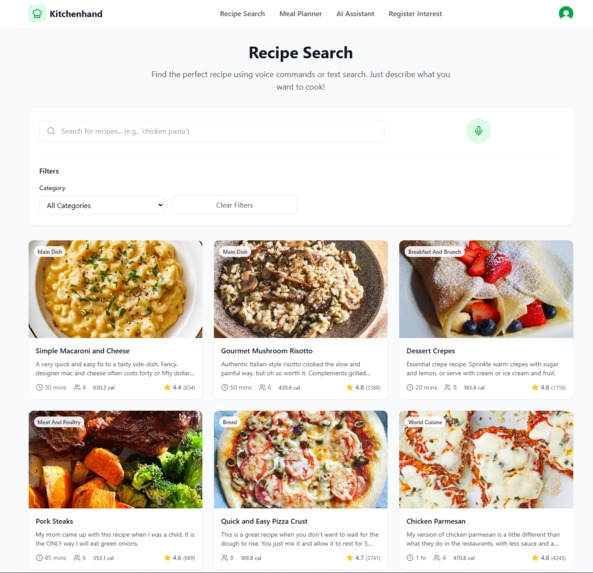
Recipe Search
-
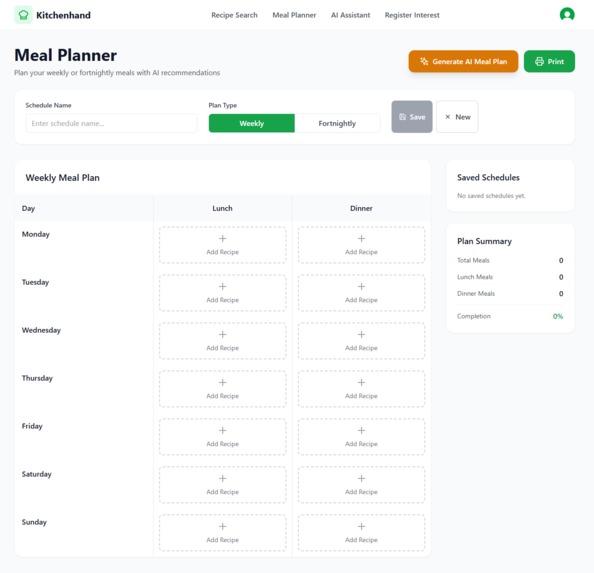
Meal Planner
-
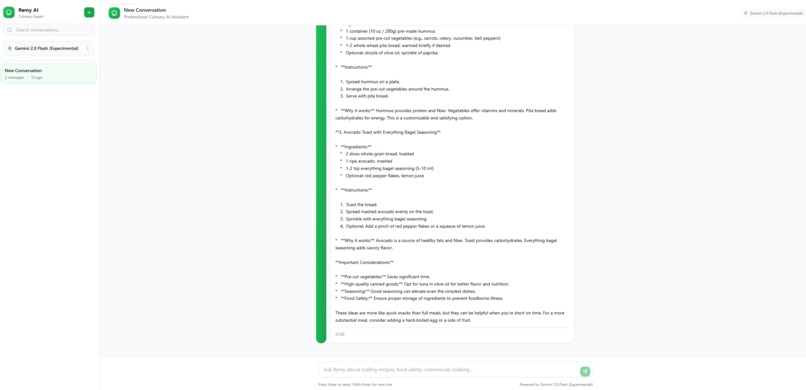
AI Chat
-
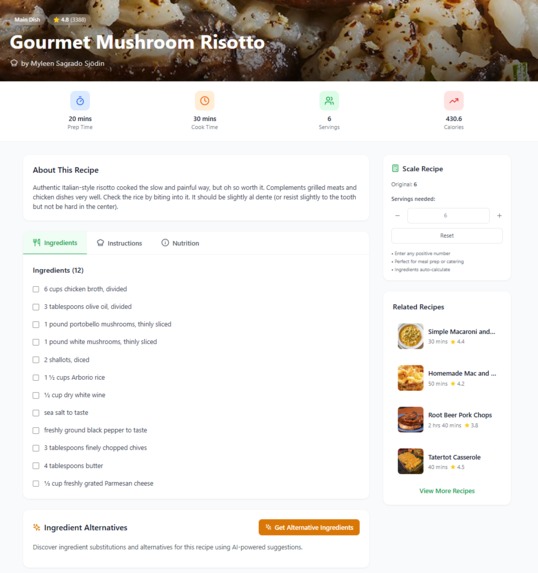
Recipe Information
Inspiration
I was inspired by a friend of mine that works in a commercial kitchen on a mine site. She has been a Chef for a long time and when we were talking she mentioned that a lot of the junior Chefs and trainees do not know how to run a kitchen that primarily deals in catering. As part of that conversation she floated the idea of a system that can manage a commercial kitchen and integrate with their current solutions. She talked about having an AI assistant that could take away the busy work that Chefs have to do as well as provide inspiration for recipe ideas; that way it is easier for Chefs to plan out a week or fortnight of what to serve the miners. This initial version of Kitchenhand was made with bolt.new over a few afternoons in a week; I am planning on added a whole range of new features going forward.
What it does
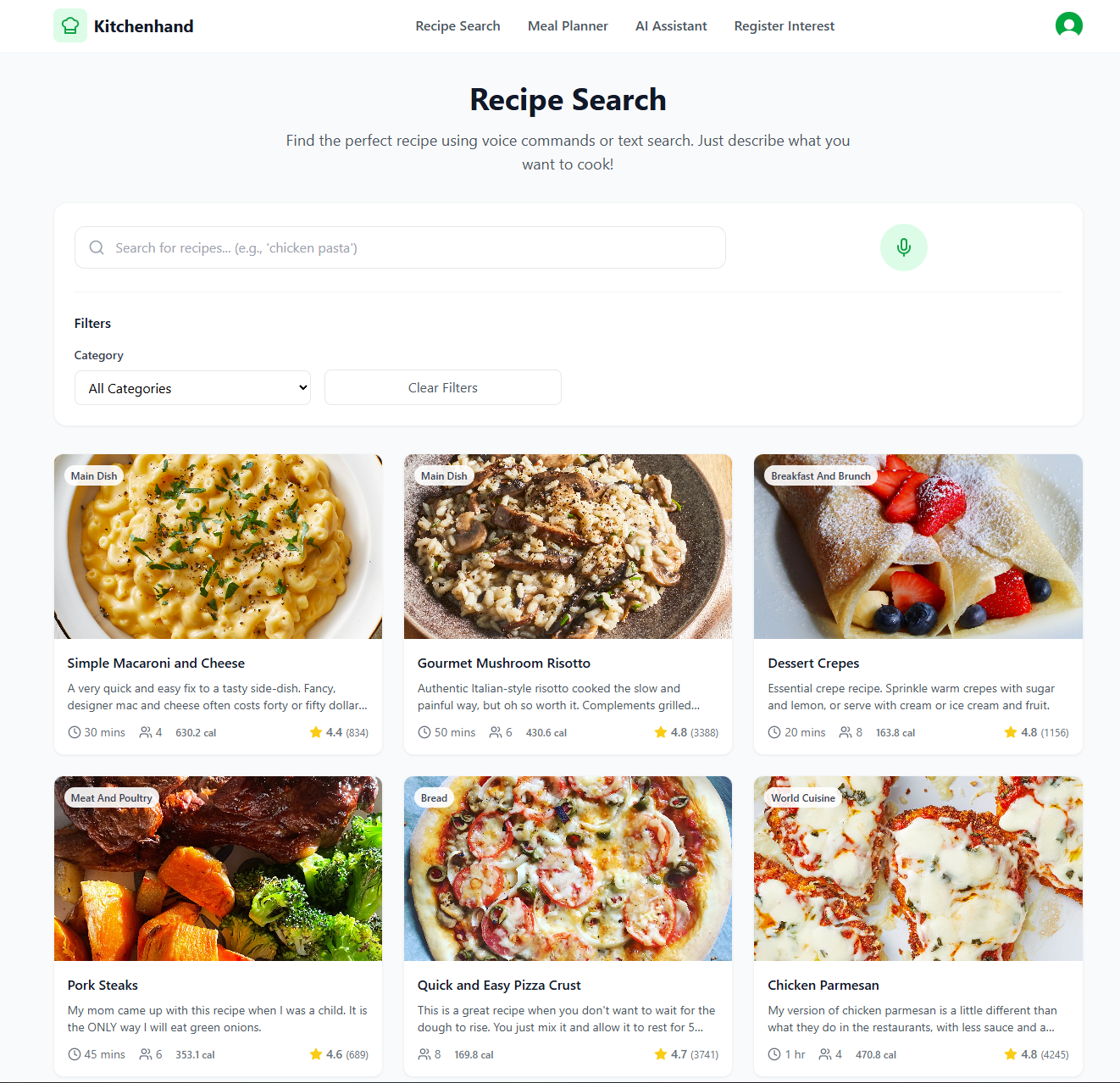
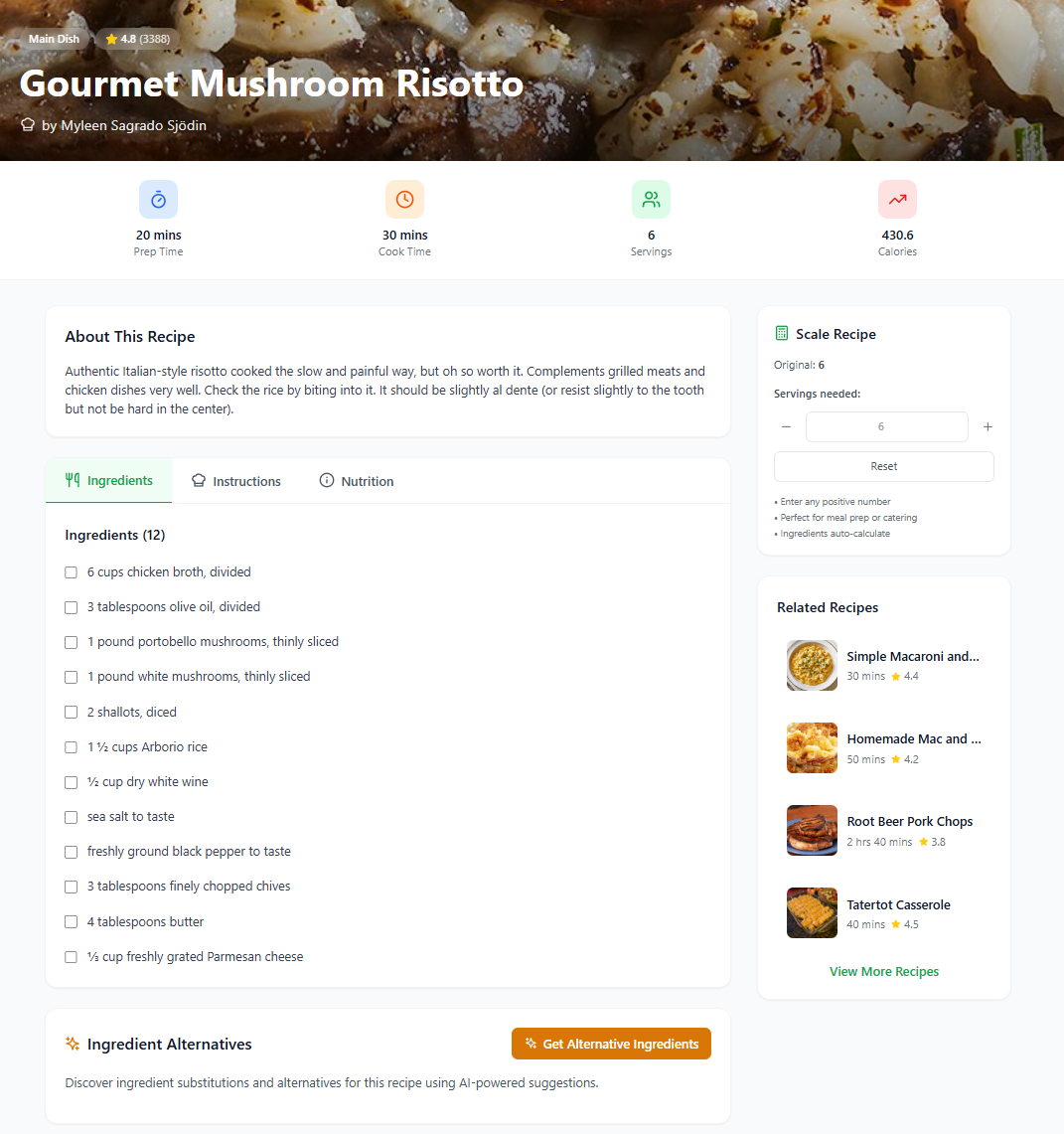
This current version of Kitchenhand is connected to a database of 30K+ recipes; users can search through those recipes with text or with their voice. Each recipe comes with the ingredients, cooking instructions and nutrition information; additionally on the recipe page users can scale the servings up or down depending on how many people they are cooking for. There is a simple AI integration button that can be used to generate alternative ingredient ideas for the recipe that has been selected, this can be useful if a user doesn't have the exact ingredients listed in the recipe.
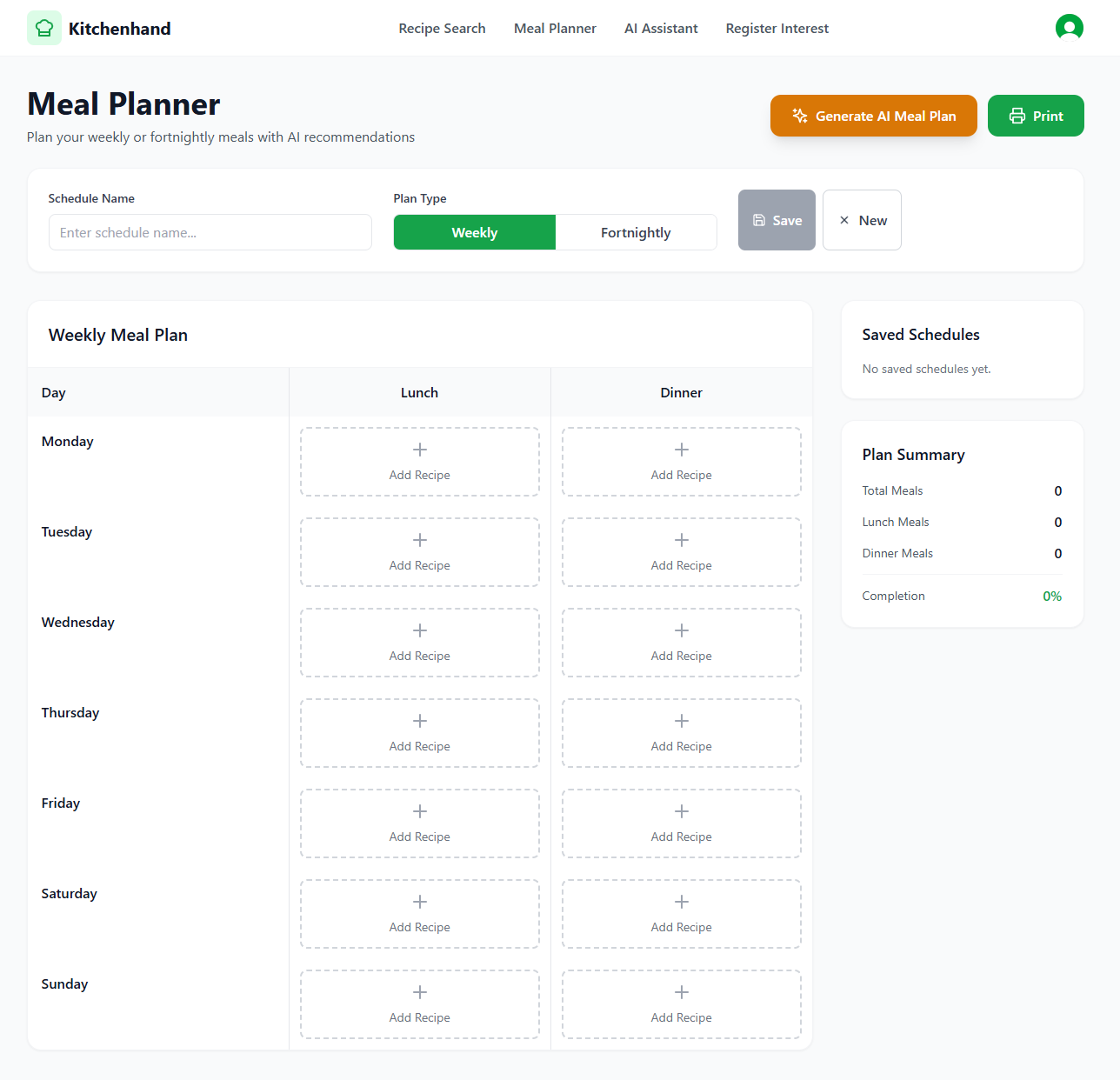
Kitchenhand also has a meal planner section that allows a user to plan out what recipes/meals they will make on specific days for lunch and dinner. Meal plans can be saved to access later, as well as printed out; additionally there is AI integration that can generate a meal plan automatically for a user.
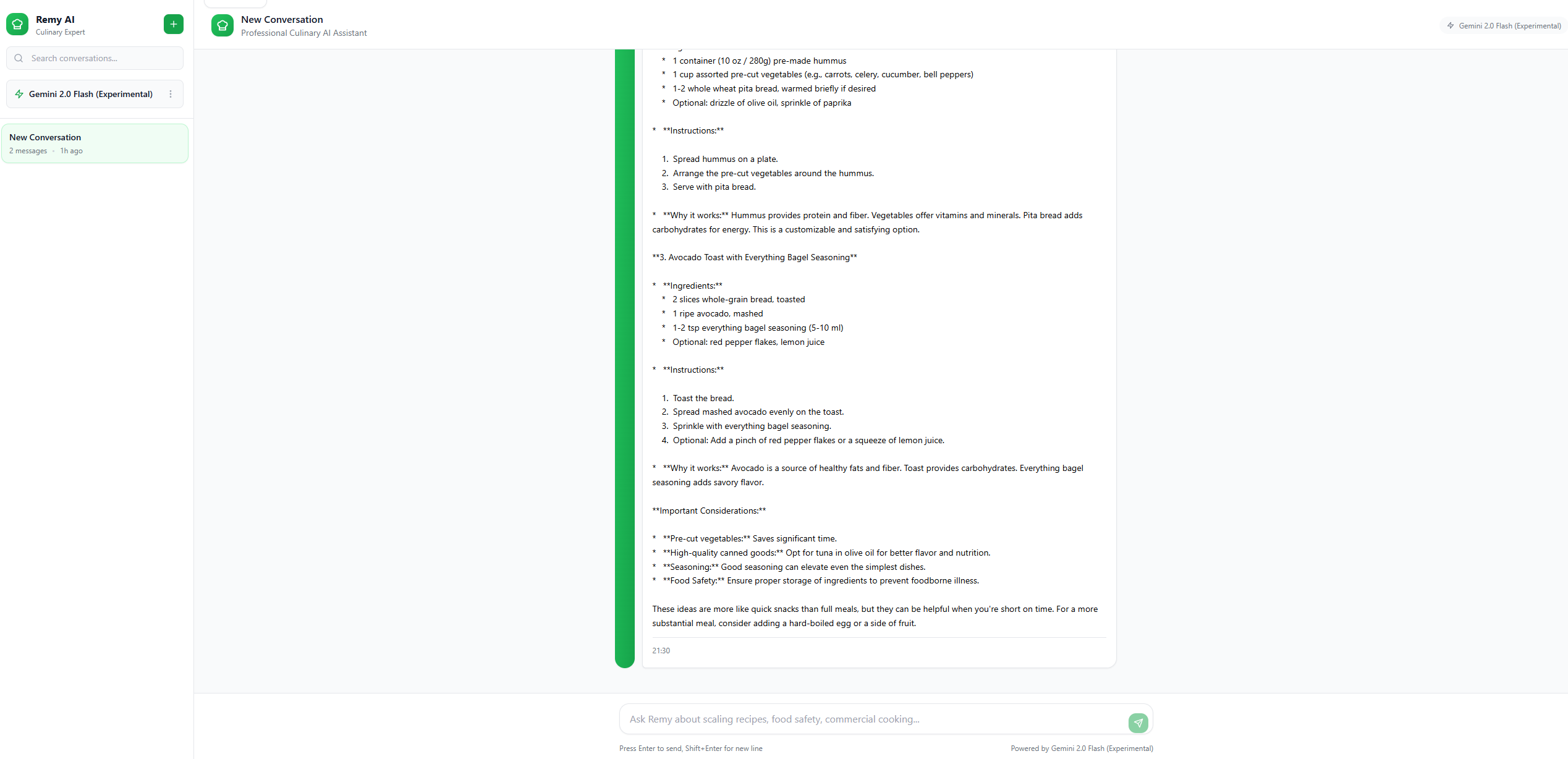
The final component that is in the current version of Kitchenhand is a conversation AI chat assistant called Remy. This is the newest feature and is currently using some older cheaper LLM models however work is continuing to improve it's functionality. It is set-up to answer questions about cooking with a specfic focus on commercial cooking applications in kitchens.
How we built it
This was built almost entirely with Bolt.new, at first I spent a few hours collating a database of recipes that could be used in the product. Then I used Bolt to create the start of a React webapp with Convex as the backend. Once the backend was set-up, the data needed to be processed and cleaned before migrating it into tables in Convex. Each feature was made on it's own page as to ensure usability and consistancy across the UI; however because I had a focus on creating useful applications of AI, it is integrated across all three major functions of the site.
Challenges we ran into
One of the early challenges was parsing ingredient information correctly so that they values could be scaled up or down. I spent a while looking down some AI assited NLP solutions however eventually decided that AI was unnecessary for this purpose, and was able to leverage the parse-ingredient (https://www.npmjs.com/package/parse-ingredient) package to solve that particular problem.
The other big problem comes from a lack of knowledge on my part. As I was learning how to integrate AI into an application for the first time and I have not even used AI that extensively until recently. I ran into issues on how to integrate AI in a robust way that was cost effective, some googling pointed me towards OpenRouter and it was a godsend.
The first AI feature I implemented was the Alternative Ingredients button and I learned a lot about how to get an AI to understand input that is in a specific format and which parts of that information to focus on.
Secondly, I worked on the automatic generation of a meal plan and that was tough because I needed the AI to output in a specific format. So I spent a long time trying different models and prompts to generate a consistent output format from the AI (Llama Instruct models seem to be particularly good at this, at least for my use case).
Accomplishments that we're proud of
I am proud that I was able to put together a site in a couple of afternoons while learning about AI integration at the same time.
What we learned
I learned a ton about how to integrate AI models, not just as a chat but also into other features and use the AI to complete actions on the UI for a user. I learned that I can create quite a lot in a short period of time if I allow myself to embrace a new way of developing which gives me more confidence to continue working Kitchenhand and make it into a fully fledged product in the future.
What's next for Kitchenhand
The current plan is to continue developing Kitchenhand, some upcoming features is MCP and tool calling support in Remy so that it can directly access data from the recipe database, UI updates, inventory management, AI workflow engine that can power more hand-off features and integration engine. If you are interested in this concept, please register interest on the site.
Built With
- bolt.new
- convex
- openrouter
- react
- vite

Log in or sign up for Devpost to join the conversation.