-
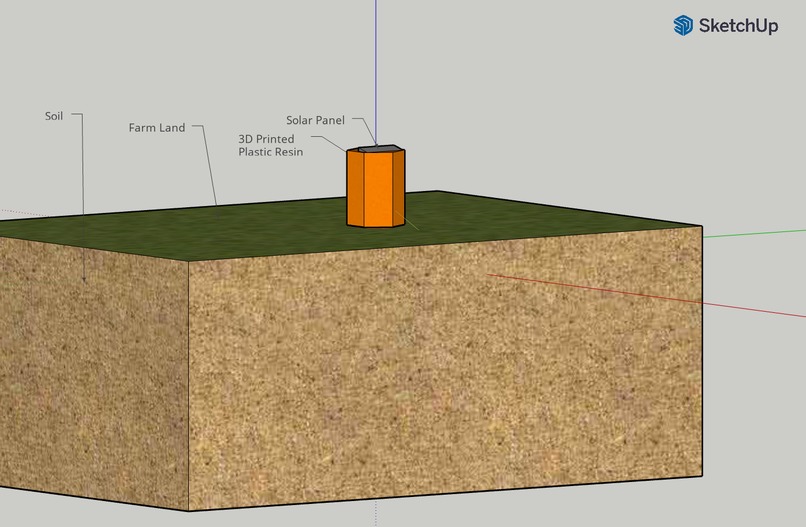
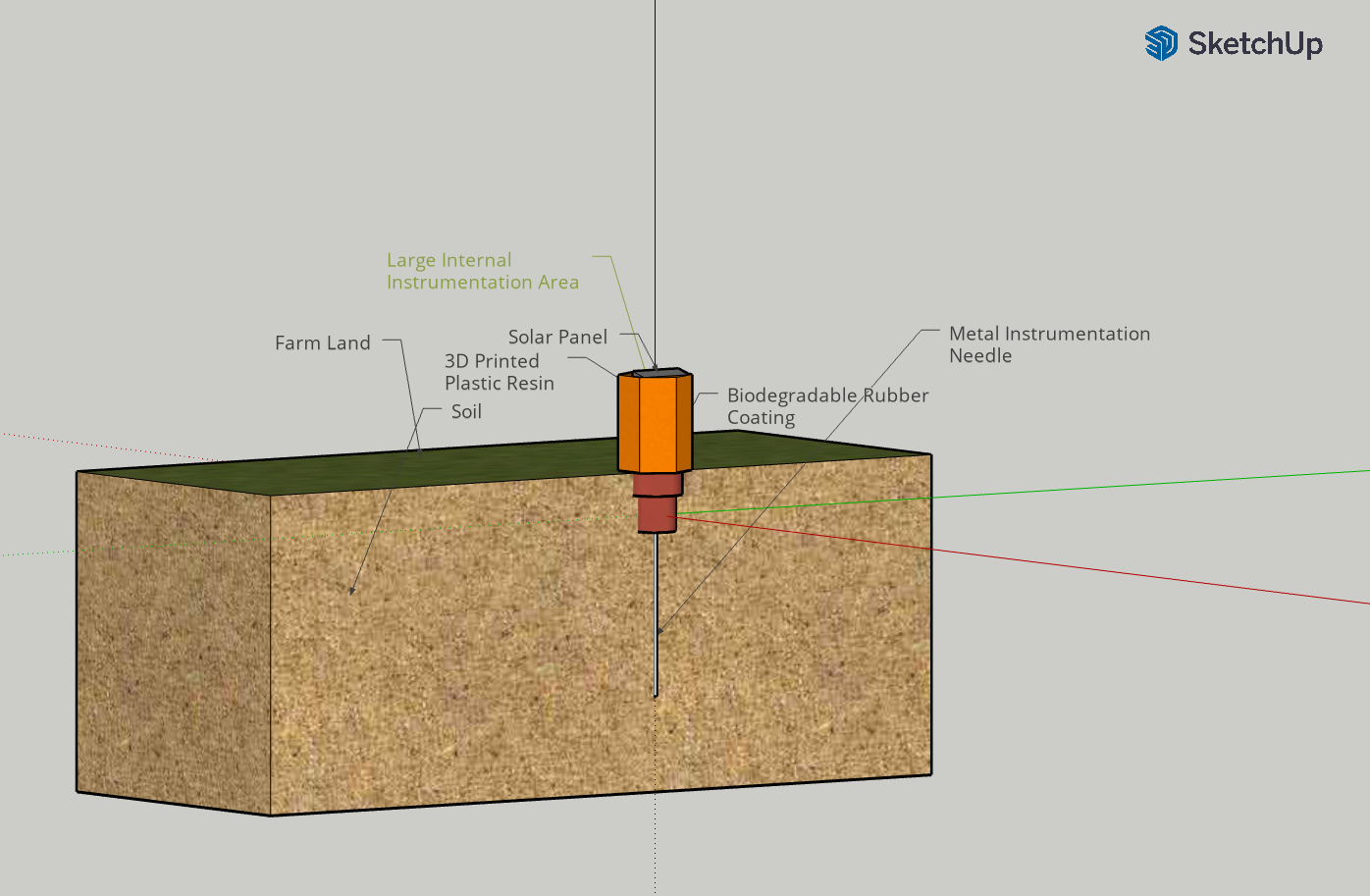
HID Farming Application View
-
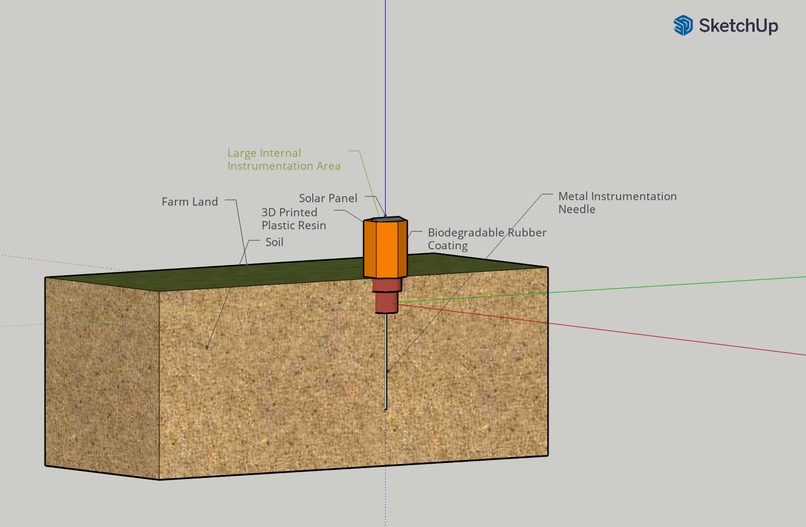
HID Below Soil View
-
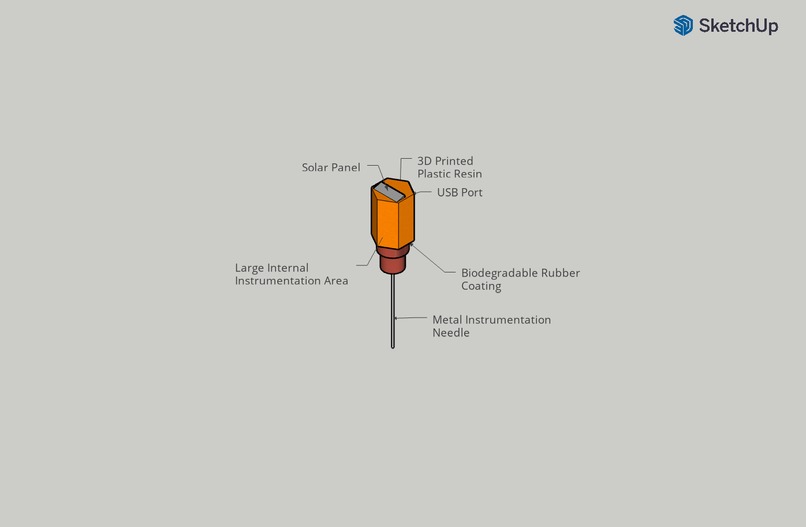
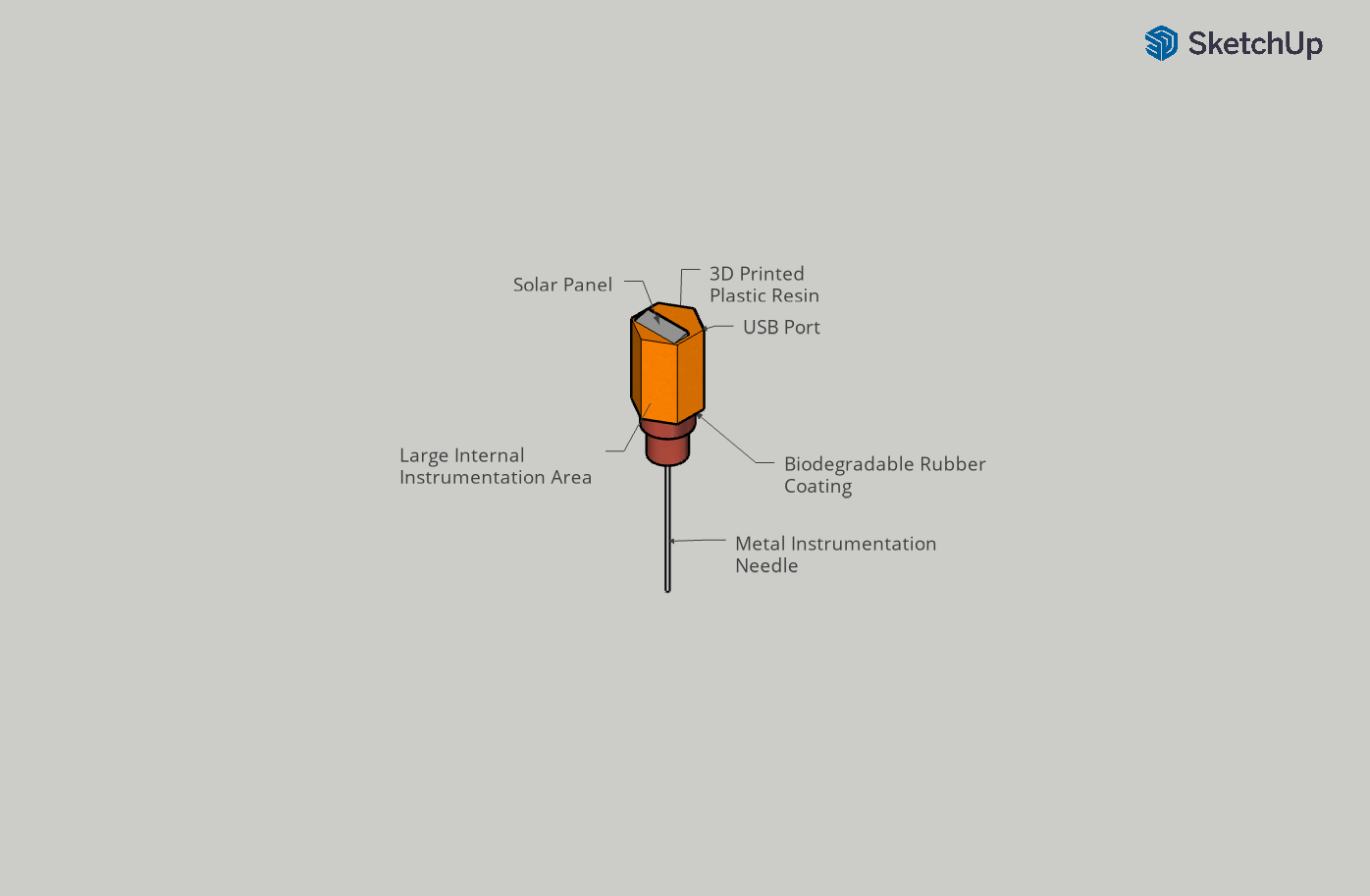
HID Top Side View
-
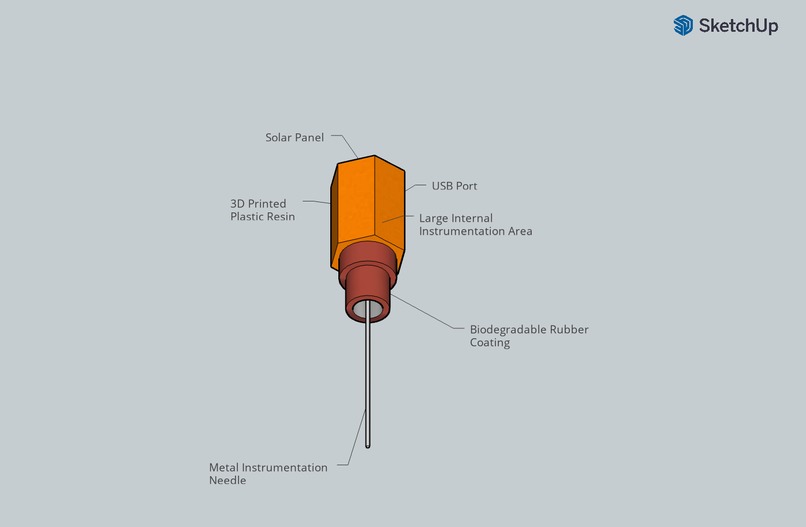
HID Bottom Side View
-
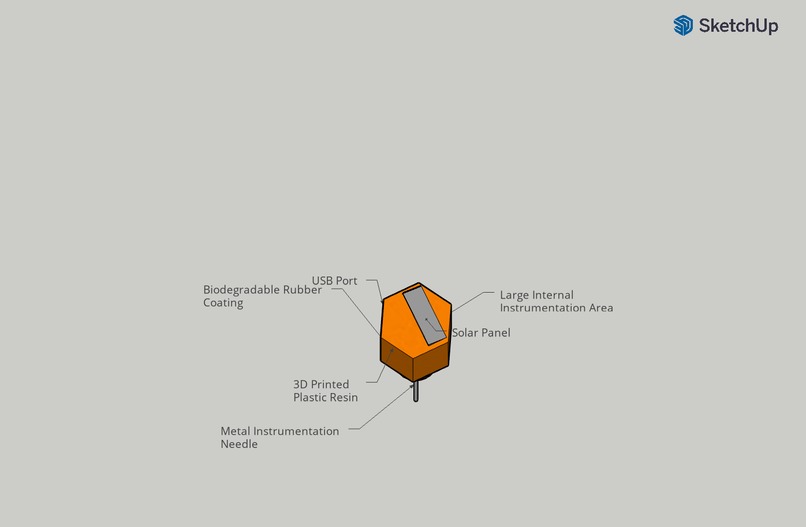
HID Top View
-
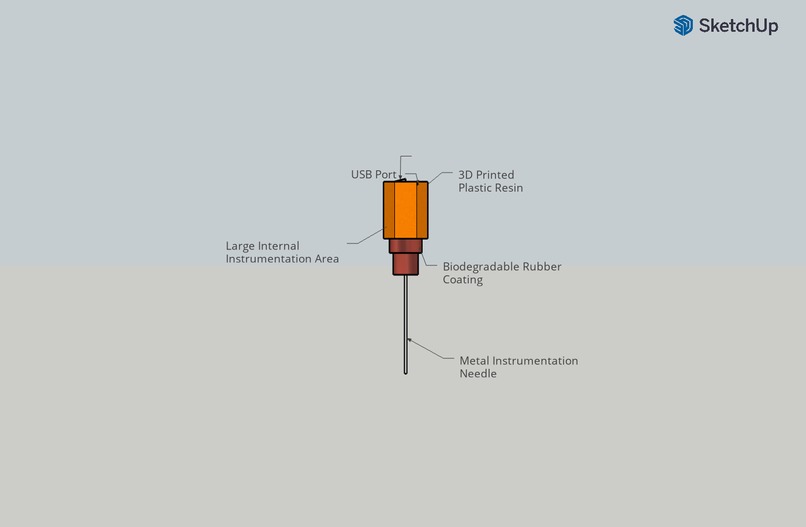
HID Side View
-
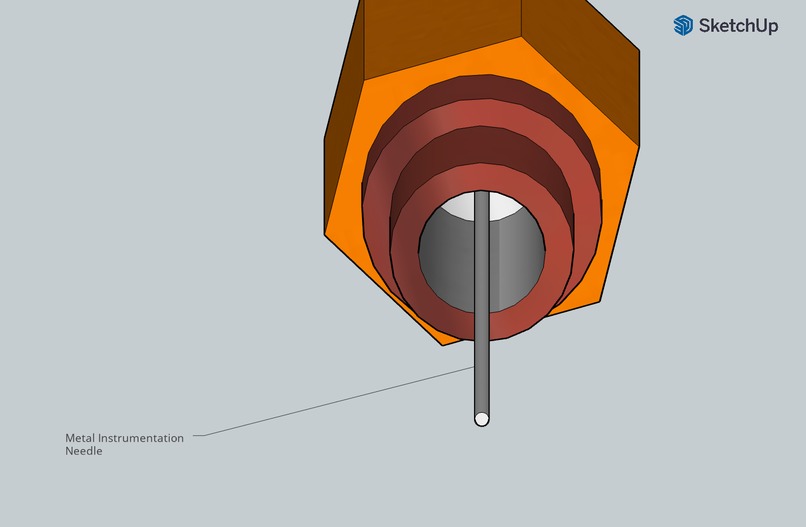
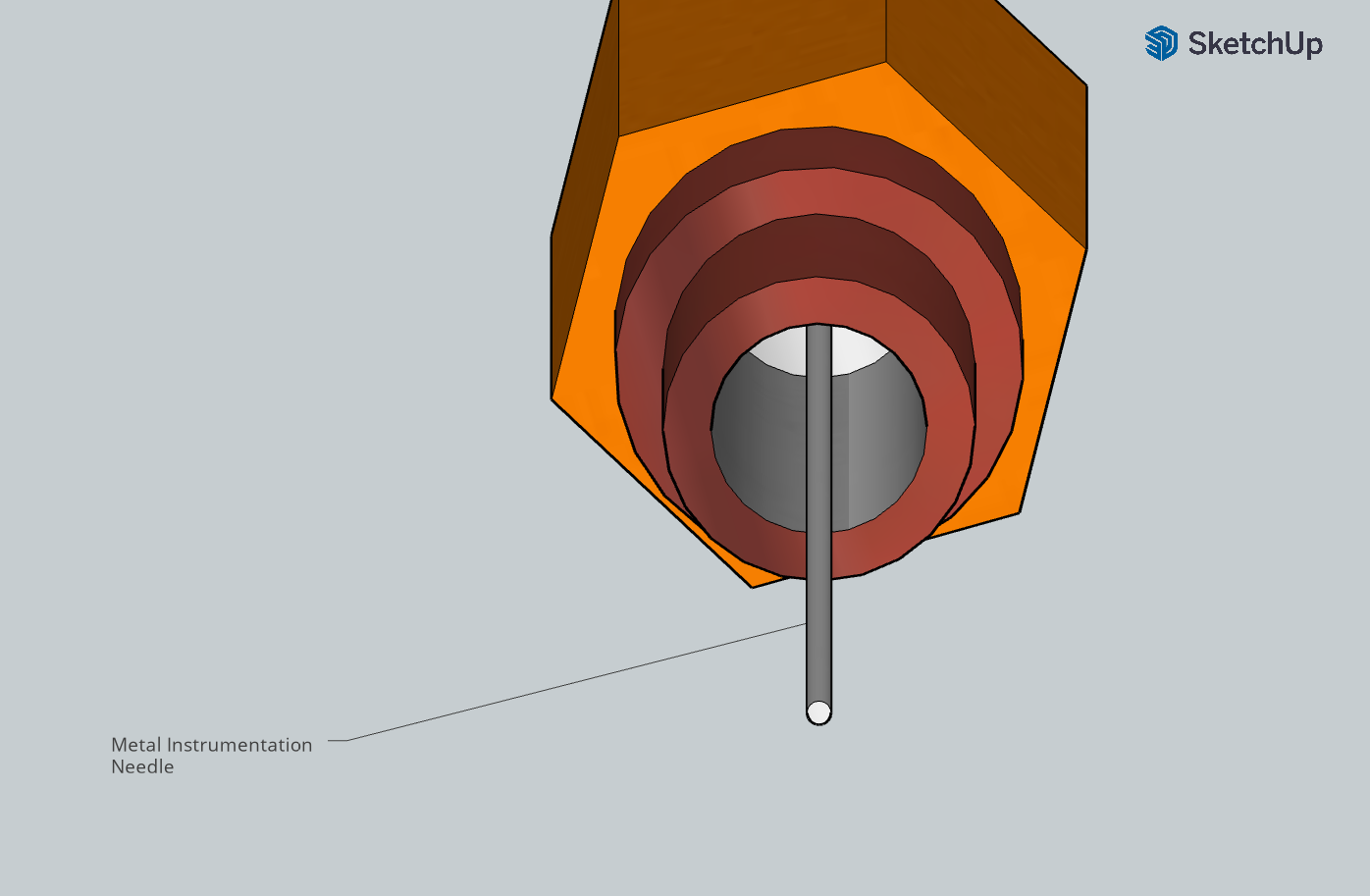
HID Bottom View Close-Up
-
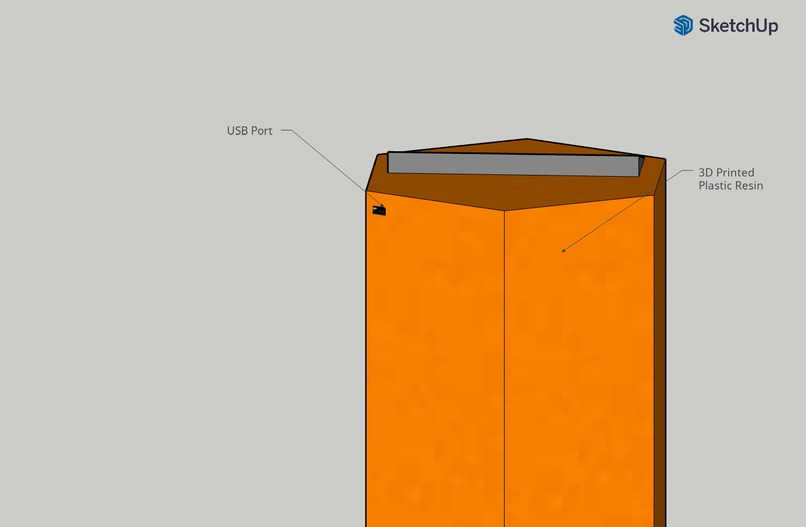
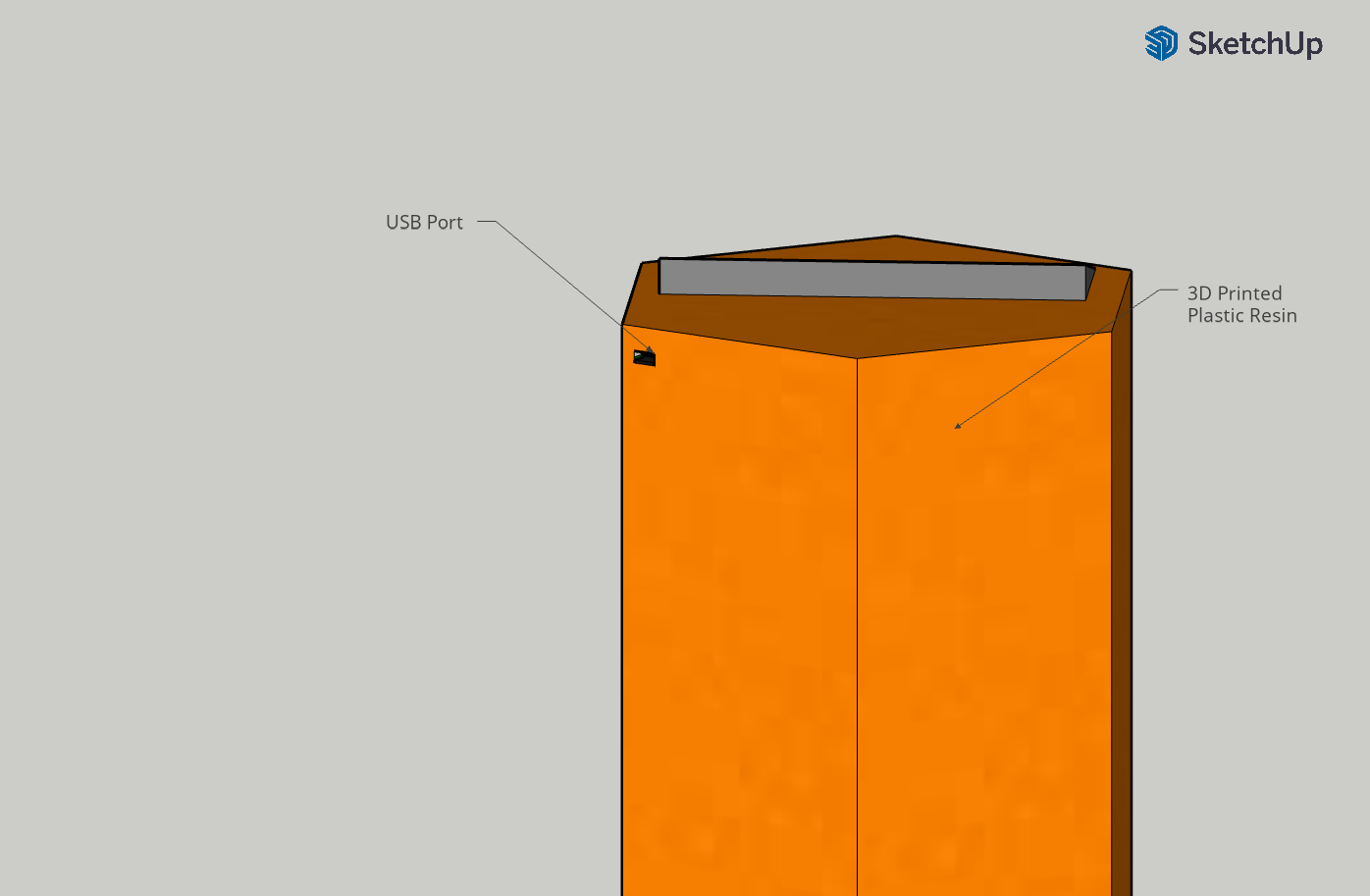
HID Front View Close-Up



Inspiration
In 2021, over 10,881 farmers committed suicide in India and this number has only grown since. This is due to multiple reasons, some major ones being:
1) Unpredictable weather patterns due to climate change. 2) High cost of farming equipment and high interest rate for loans. 3) Lack of scientific infrastructure for testing/monitoring crops and farmland in rural areas. 4) Usage of conventional farming techniques without taking into consideration changing climate and plant genetics (antibiotic resistance). 5) Land Degradation.
These issues have not only caused the ruin of farmers and farmlands in the country, They have also contributed to the steady decline of farming as a profession. After considerable research and ideation, we have come to the conclusion that one of the most efficient solutions to this problem lies within data prediction models and their hardware integration in farmlands all around the country.
What is KissanLite?
We have designed an instrumentation device which will be buried inside the soil/farmland, that works with predictive data models to monitor and test farming methods. This is a small device that we call the 'KissanLite', literally translating to 'Small Farmer'. Like its name suggests, this device assists the farmer in monitoring soil quality and crop growth/yield.
This device will be connected to a predictive climate data model that will provide an accurate description/prediction of the climatic conditions that farmland will experience over the course of the season. This data model will be trained using open data from India Meteorological Department using gridded temperature and rainfall data primarily from Climate Research & Services, Pune (https://www.imdpune.gov.in/lrfindex.php).
Apart from rainfall and temperature analysis, the KissanLite also contains instrumentation and sensors to monitor the PH Level, Moisture, Coarseness and other important soil conditions in order to allow the farmer to safely fertilize and promote environment friendly farming methods. The sensors in the device can be customized according to user preferences and land conditions. This soil data is also collected and analyzed using predictive models built from Large Agricultural Open Data archives. These data points that we consensually collect from users will also be contributed to Open Data Libraries and used to train more accurate agricultural predictive models.
The KissanLite will be primarily operated through a mobile app; 'KissanKonnect' that will be designed to cater to the needs of both hobbyists and large-scale occupational farming. The data models and instrumentation design can also be used to monitor large scale plantation applications if scaled correctly.
The Hardware
We have created a primary model for our Hardware Instrumentation Device (HID) using an online 3D Modeling tool; SketchUP. This rough model is used to demonstrate and anticipate the hardware constraints in building a comprehensive farm monitoring hardware system. The main body is made out of 3D Printable Resin material. We have also included a USB port for troubleshooting and setup. The underbody which will be below ground is made out of biodegradable rubber or other materials of user choice while all the instrumentation hardware/contact points/probes are made of metal alloys that are immune to rust and other environmental factors.
Our Hardware Instrumentation Device (HID) contains the following instrumentation to monitor soil conditions; 1) Single depth soil moisture sensors that measure volumetric water content of the soil. 2) Research grade soil temperature profile probe to measure soil temperature. 3) Low contact direct soil EC tester to monitor the soil conductivity. 4) Soil NPK sensor suitable for detecting the content of nitrogen, phosphorus and potassium in the soil. 5) Multi Depth Single Probe Contact Point PH sensors to monitor pH level of the soil.
Our Hardware Instrumentation Device (HID) contains the following instrumentation to monitor weather conditions; 1) Rainfall Sensor 2) Total Solar Radiation Sensor 3) UV Rays Sensor 4) Negative Oxygen Ion Detector
Where Open Data Comes in
KissanLite relies on Open Data as the core of its application. We use open data archives from IMD and other verified and licensed institutions to train predictive AI models that help us analyze soil/weather patterns and cross relate it with data collected from our Hardware Instrumentation Device (HID).
We also plan to contribute to the ever growing agricultural archives in Open Data repositories by creating a large dataset of key weather and farmland data points collected consensually from our HID users. This dataset will be available to the general public and will also be used to train accurate prediction models for weather and soil conditions.
We believe that Open Data is the key to solving our agricultural crisis. We have the power to create AI models that help us navigate the unpredictability in farming conditions that our country experiences today.
We will also make datasets and analytics gathered from Open Datasets available through our KissanKonnect app. This app will make sure each user will get easy-to-access, readable analytics for their respective farming method.
What's the status now?
We are working towards building our improved HID model using industry standard product design tools. Our team is also working on the internal circuitry designs for the HID and incorporating them into our simulation and models. We have further plans to test and simulate weatherproofing and incorporate IOT circuitry to the hardware design. This rough model is used for planning and development, it may or may not resemble the final hardware. The team has also begun the initial steps in sorting the data and building readable graphs and datasets so we can start training our predictive AI models. Sorting data includes basic Python(pandas) scripts and reliability/cleanliness measurements of government and other institutional open data in order to finalize the list of our initial datasets. We can't wait to work with other like-minded individuals in order to revolutionize agriculture in our country.

Log in or sign up for Devpost to join the conversation.