Inspiration
The terminal is a developer's primary workspace, yet standard shell environments often lack native extensibility and modern automation features out of the box. I wanted to build a customized, highly extensible terminal companion that bridges the gap between low-level system commands and high-level Python scripting, tailored specifically for efficient developer workflows.
What it does
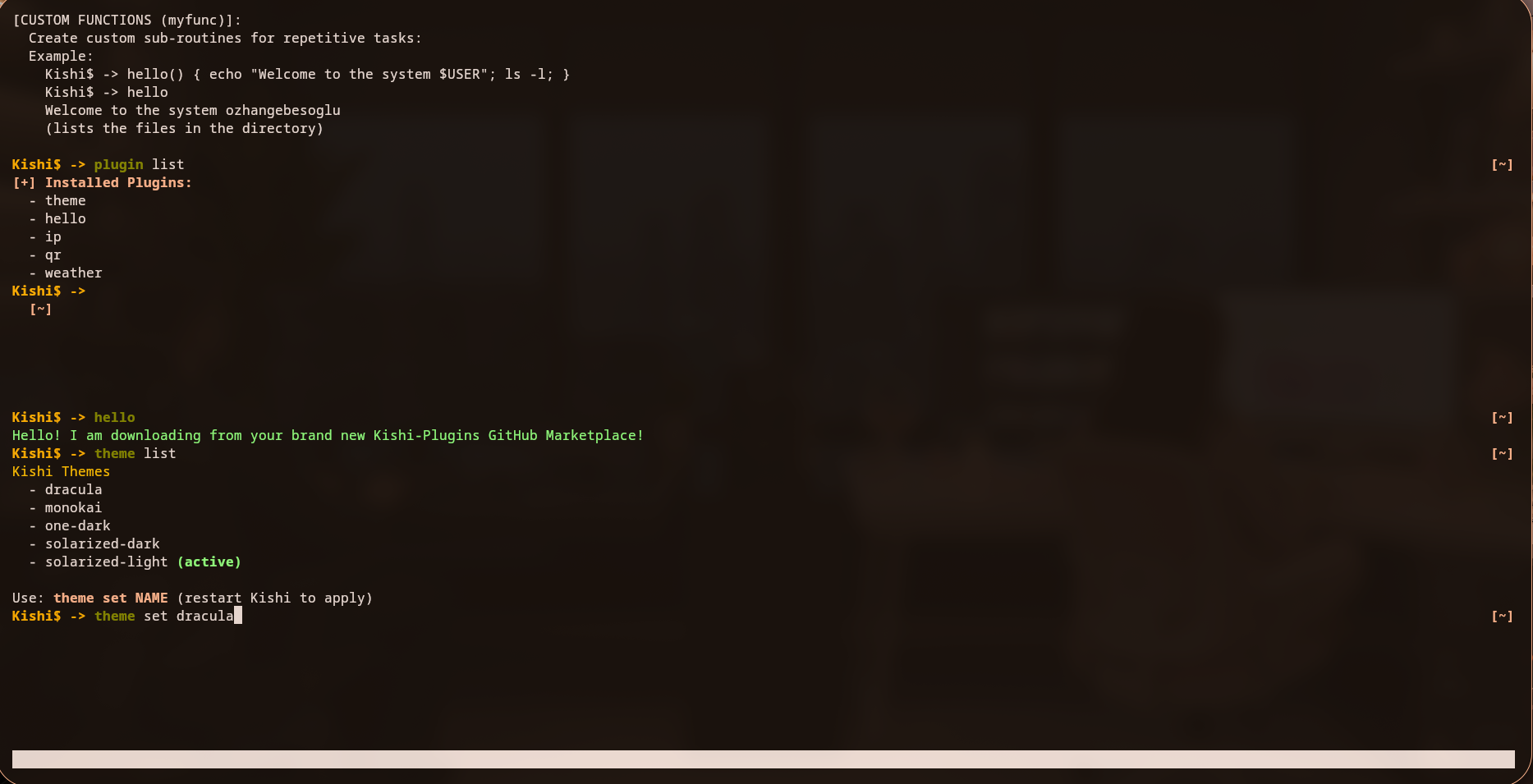
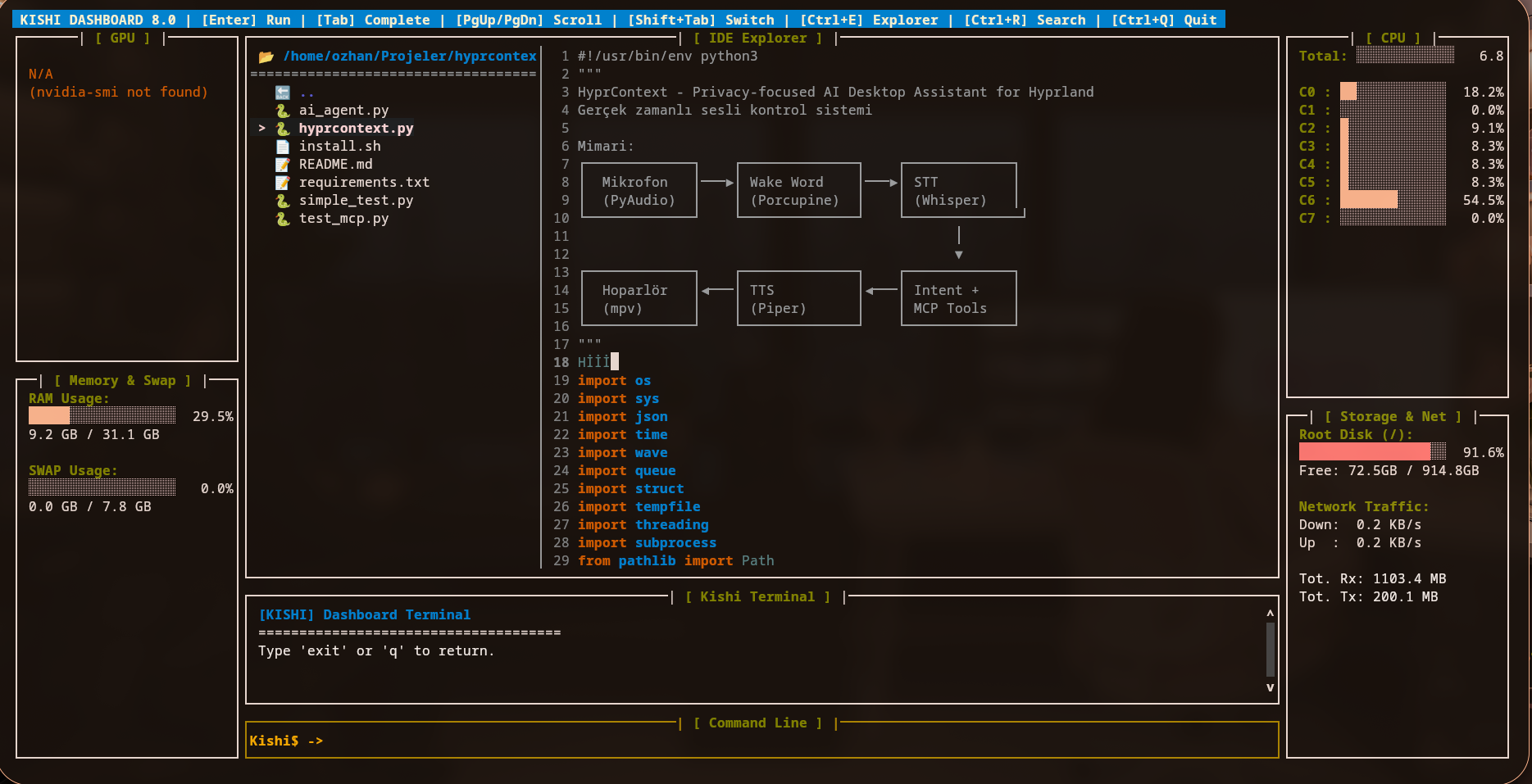
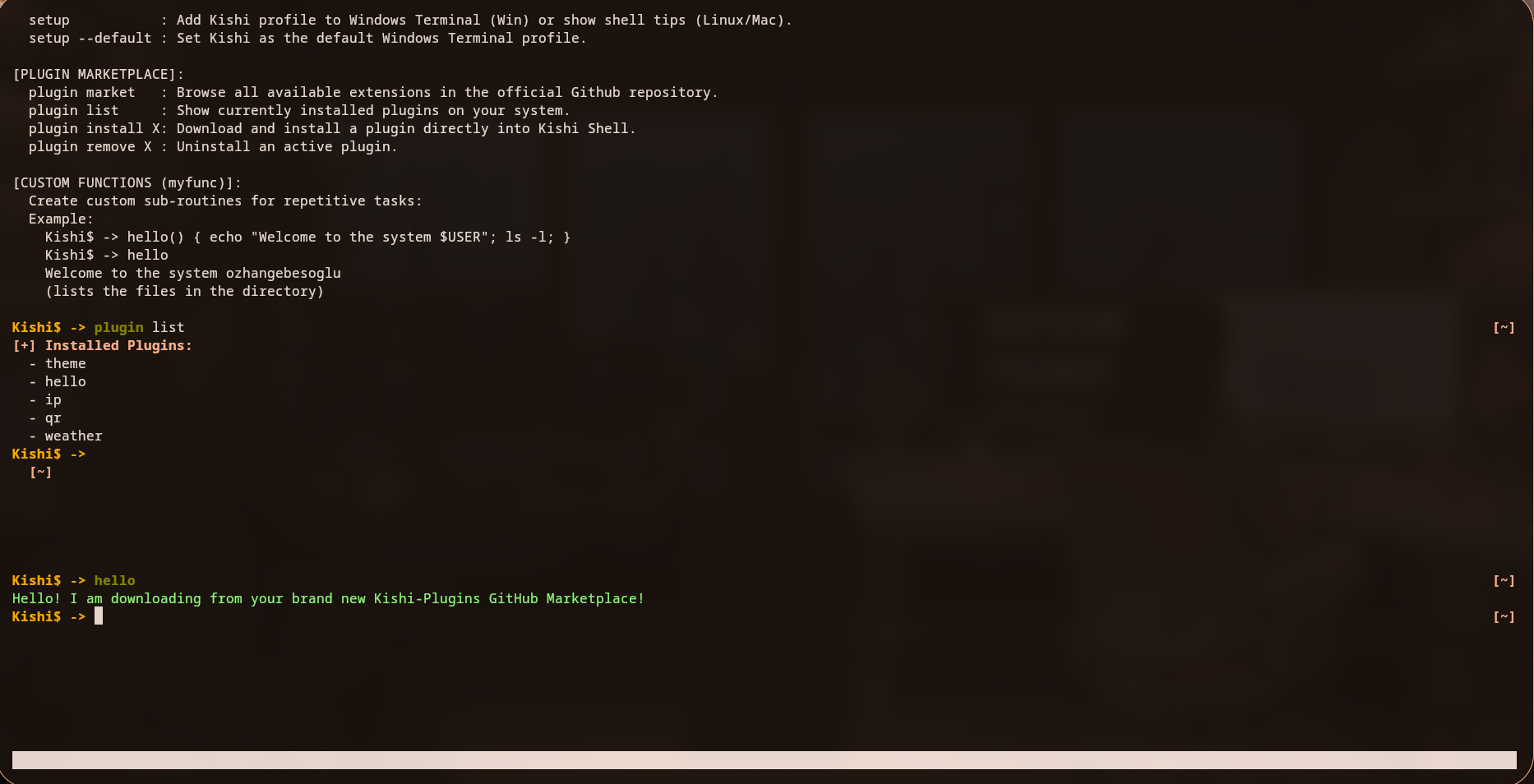
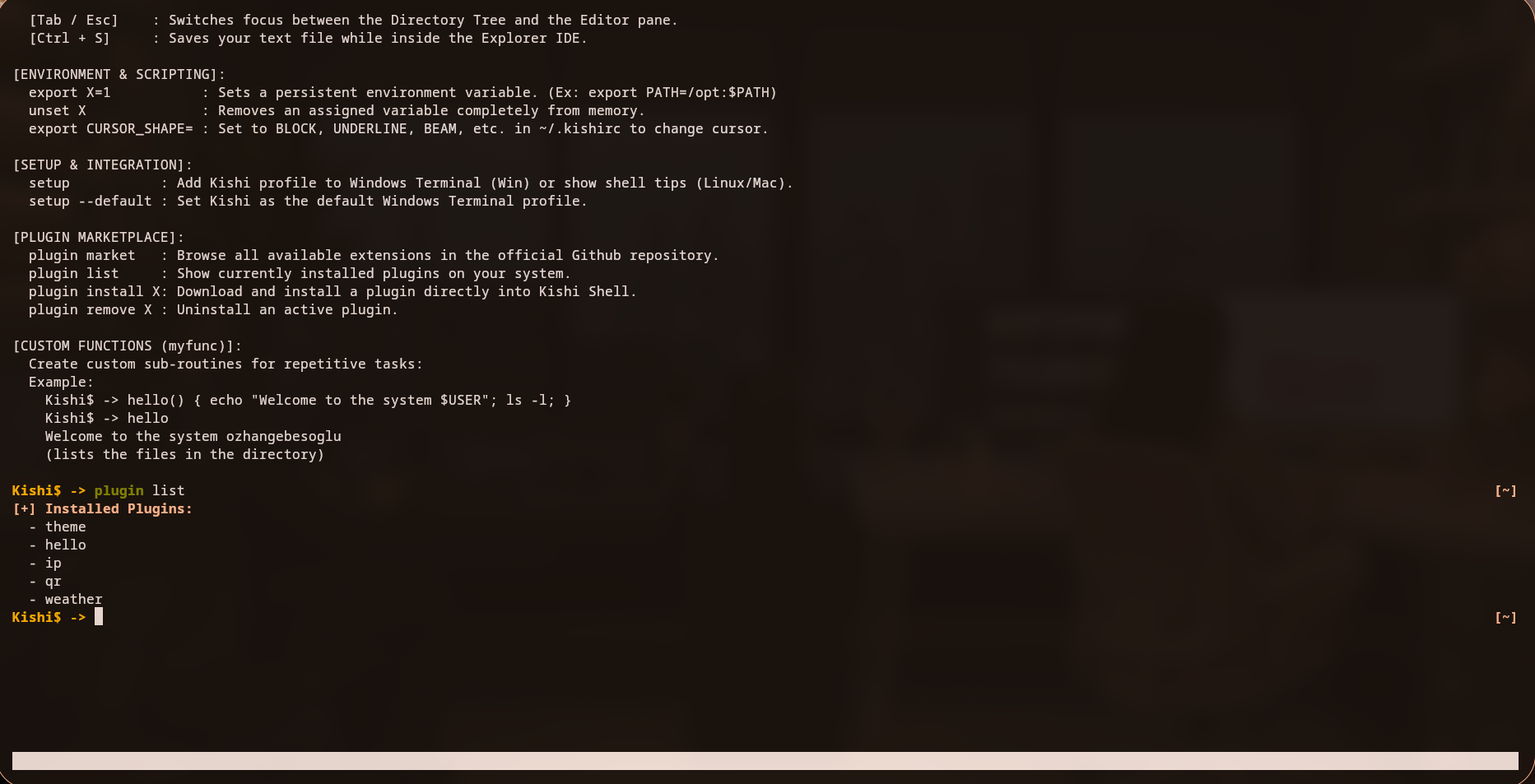
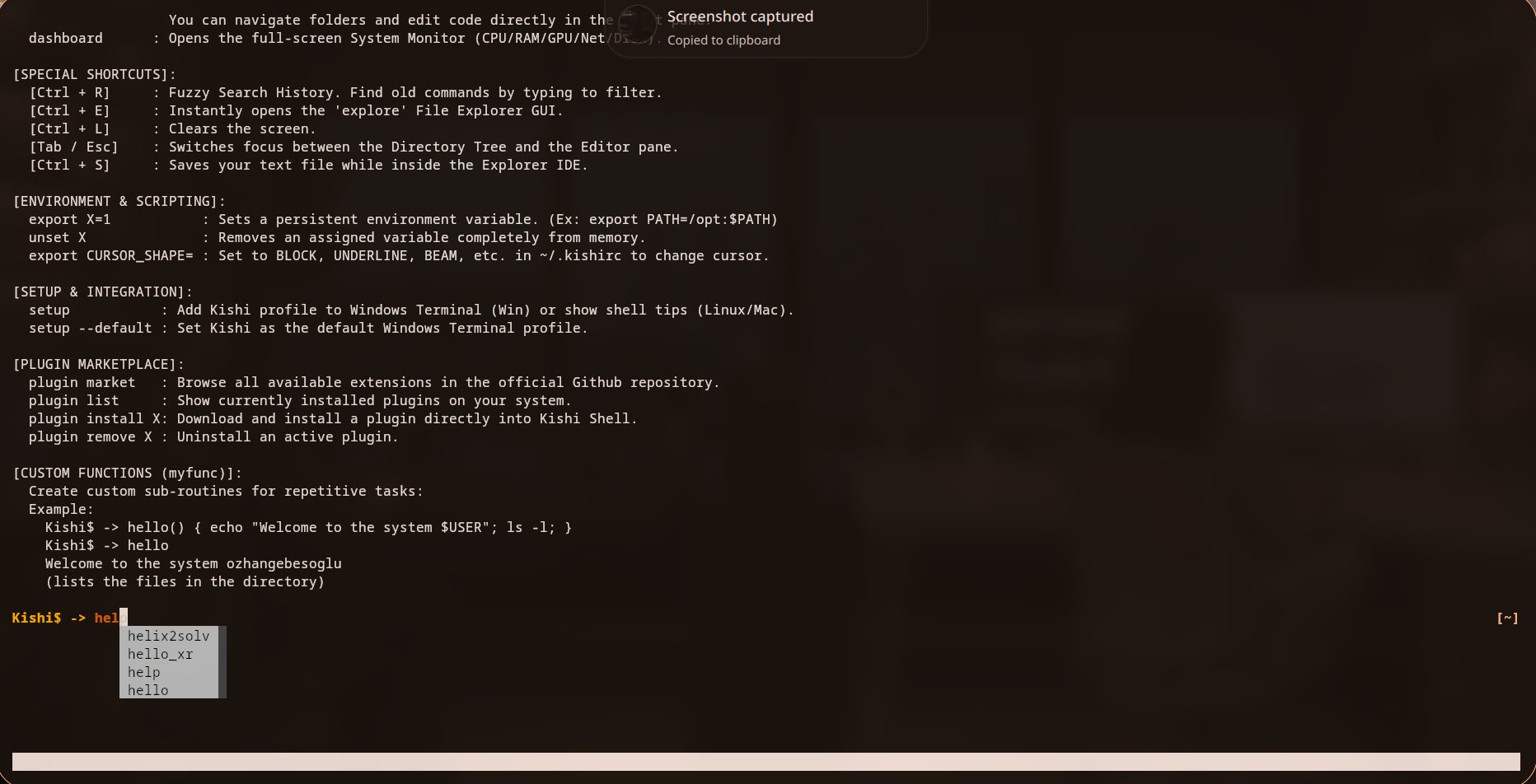
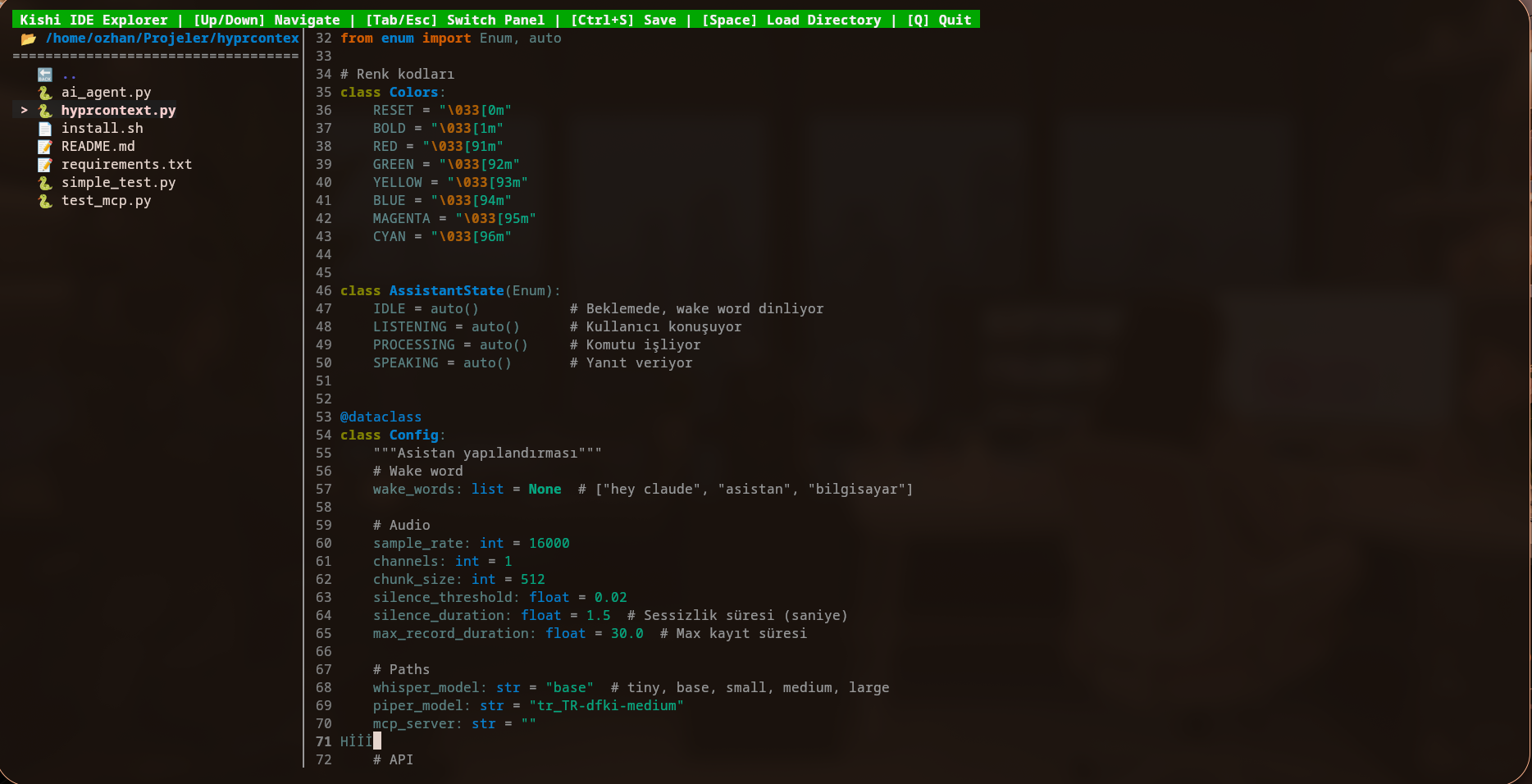
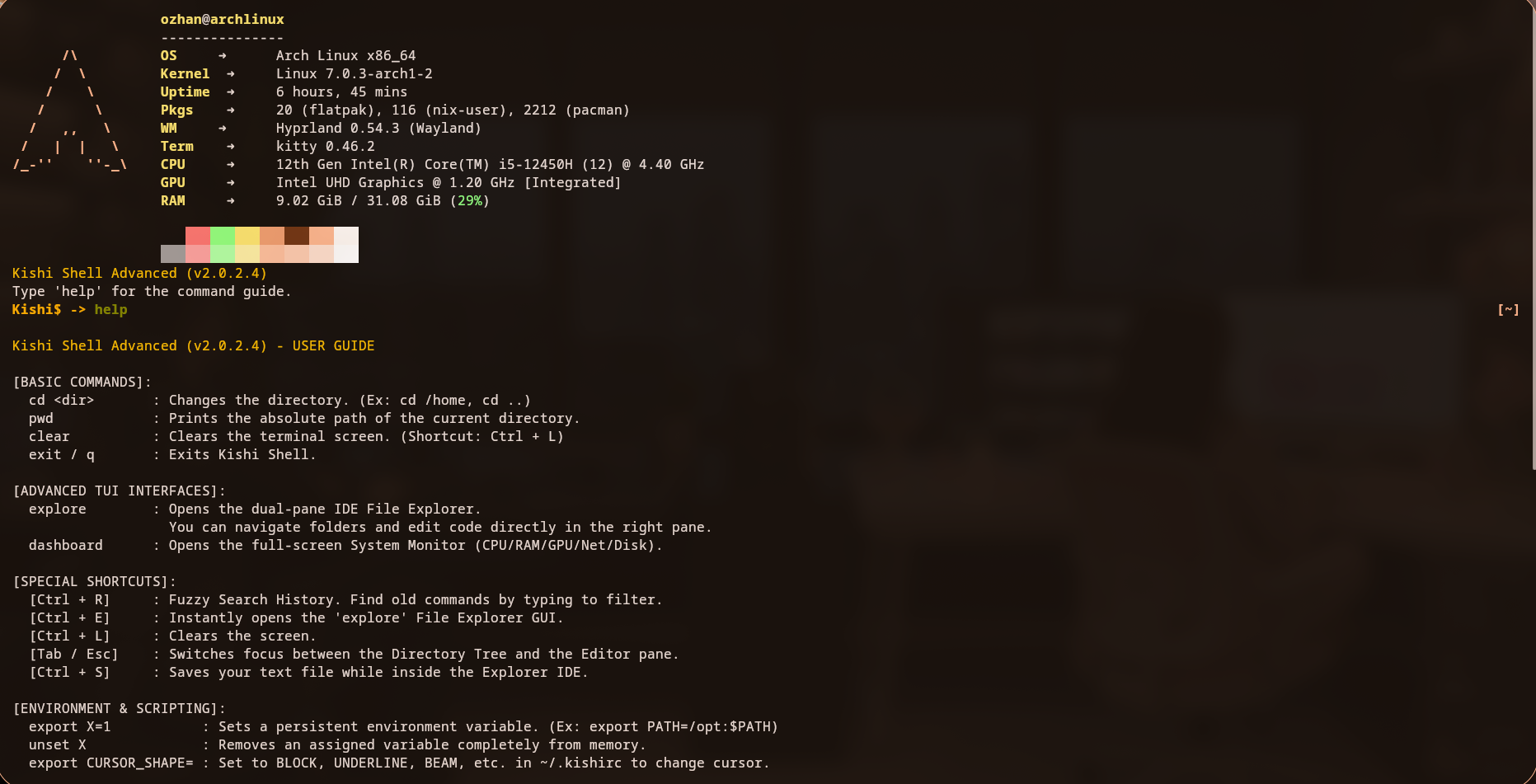
Kishi-Shell is a custom, modular terminal shell environment and assistant built entirely with Python. It intercepts, parses, and executes system commands while providing advanced automation scripting, smart command escaping, and custom workspace management. It transforms regular terminal interactions into an extensible runtime environment where repetitive tasks can be automated seamlessly.
How we built it
The core engine is built using Python, leveraging its powerful standard libraries for process management, input parsing, and environment control.
- Architecture: Designed with a modular architecture where core shell operations, syntax handling, and command execution paths are strictly separated.
- Parsing & Execution: Utilizes customized argument parsing and tokenization algorithms to ensure commands are executed safely across the host operating system.
- Custom Environment: Integrated a dedicated environment state manager to handle persistent histories, custom variables, and interactive sessions.
Challenges we ran into
One of the biggest hurdles was handling complex command escaping and syntax tokenization. Standard CLI command arguments often conflict when interpreted through a custom Python evaluation layer. I had to design a robust parsing logic to ensure special characters, pipes, and nested strings are passed to the system exactly as intended without breaking the shell state. Managing real-time process input/output streaming while keeping the interface responsive was another significant technical challenge.
Accomplishments that we're proud of
- Building a fully functional, stable shell environment from scratch using Python.
- Successfully implementing a reliable custom parsing mechanism that correctly handles edge-case command escaping.
- Keeping the codebase highly modular, clean, and organized, making it incredibly easy for other open-source developers to add custom sub-modules.
What we learned
I deeply explored Python's low-level system execution APIs, process handling, and advanced string manipulation techniques. The project forced me to think deeply about software architecture—specifically how to design robust, error-tolerant interpreters and how to structure code efficiently to meet strict performance and readability standards.
What's next for Kishi-Shell
The next phase for Kishi-Shell includes implementing a dynamic plugin architecture, adding native autocomplete capabilities, and introducing richer visual elements using advanced terminal formatting libraries. I also plan to expand its cross-platform compatibility to make it seamlessly adaptive to any environment setup.


Log in or sign up for Devpost to join the conversation.