-
-
Logo
-
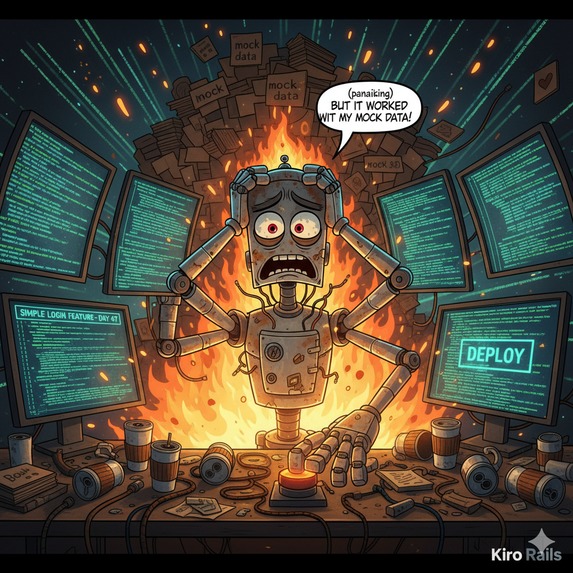
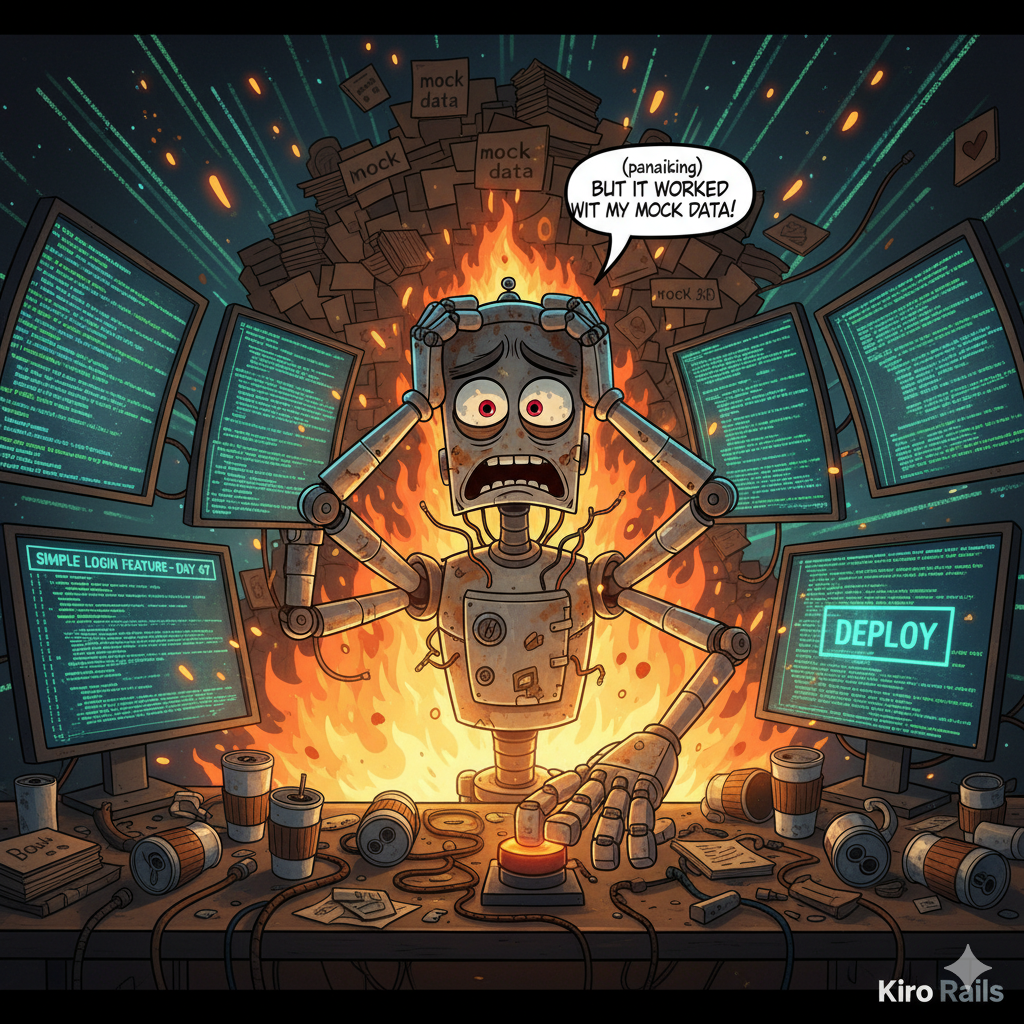
SCENE 1: RUSTY, a frazzled robot developer with coffee-stained metal and sparking circuits, stares at multiple monitors showing endless code
-
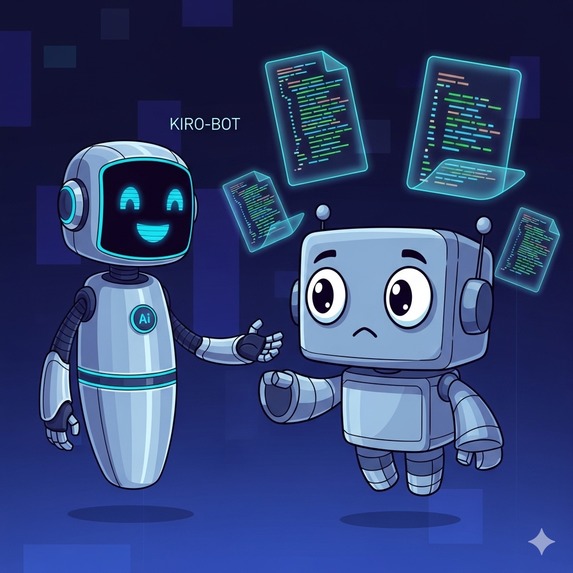
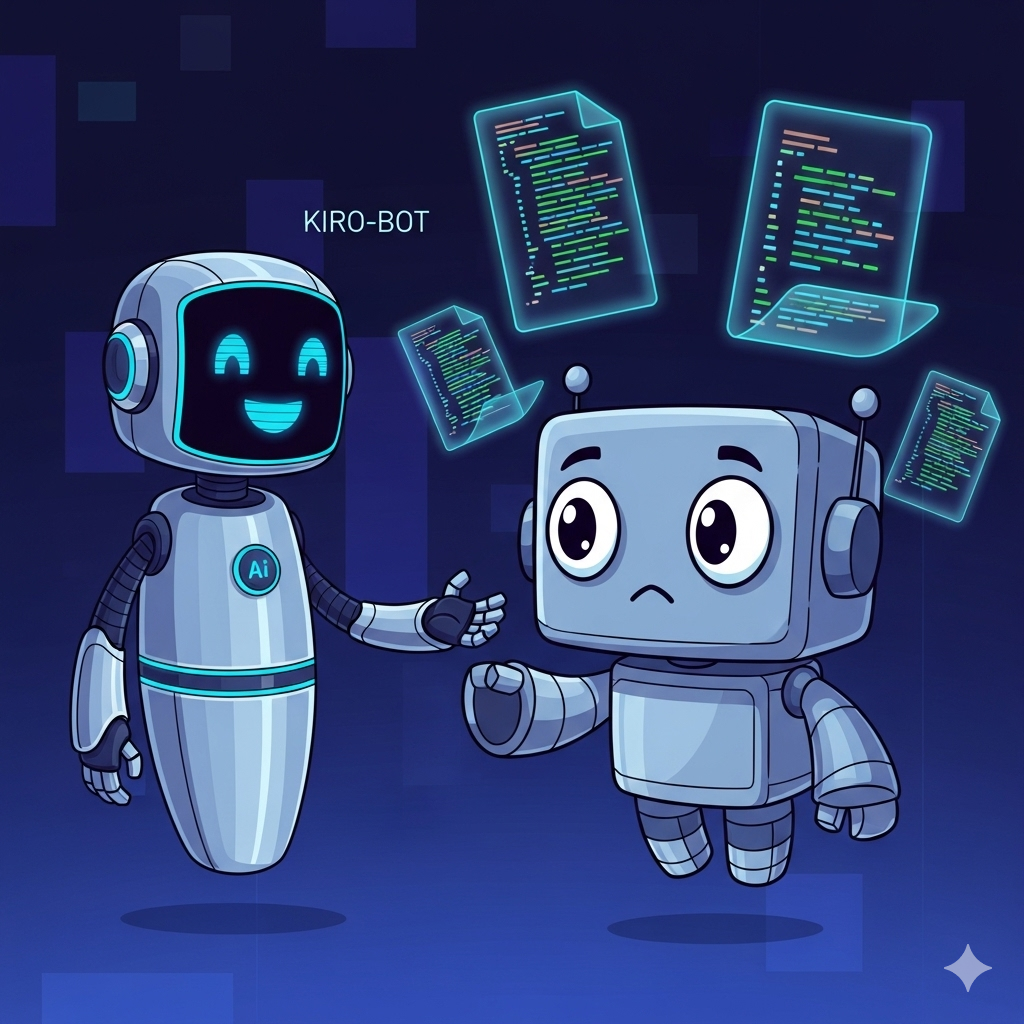
SCENE 2: The Void of Endless Code: Rusty floats in a digital void surrounded by floating code files.
-

SCENE 3: The Rails Arrive: Suddenly, glowing rails appear in the void, creating a clear path.
-
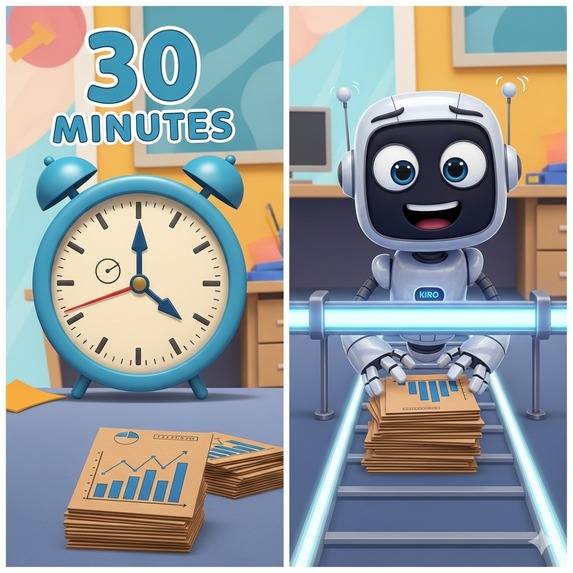
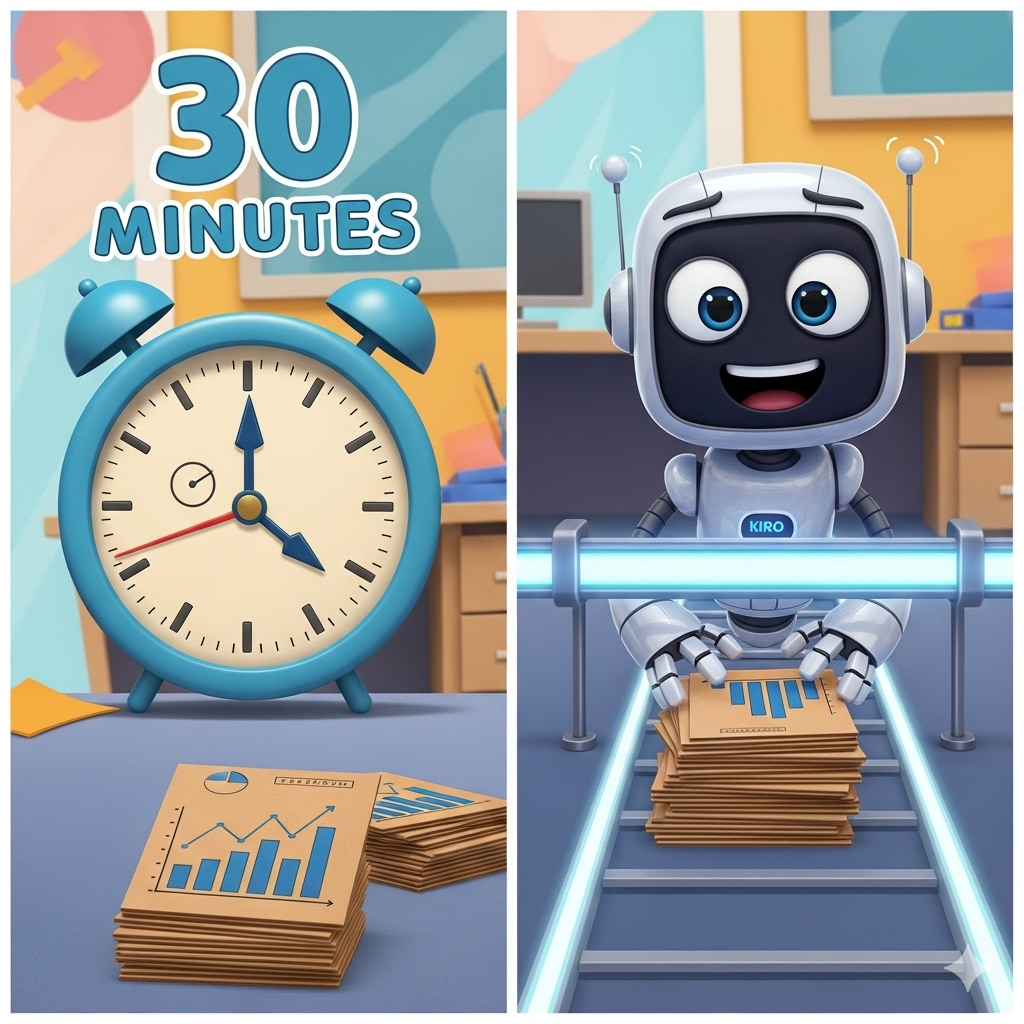
SCENE 4: The Transformation Montage] Quick cuts of Rusty working with Rails guidance: Clock shows 30 minutes


Inspiration
What inspired Kiro Rails: After watching countless developers struggle with AI-generated code that looked perfect but failed in production, I realized the problem wasn't the AI - it was the lack of constraints. AI assistants like Kiro are brilliant at generating code but tend to create elaborate mock systems, exceed reasonable scope, and produce "theoretical" solutions that have never touched real services. I built Kiro Rails to channel Kiro's power toward shipping actual working software.
What I learned:
AI coding assistants need firm boundaries to be truly effective Time-based constraints (like the 30-minute mock timeout) dramatically improve code quality Objective metrics (DRS score) eliminate the guesswork in deployment readiness Small, enforced scope limits actually accelerate development by preventing rework Integration with Kiro's native specification system creates an unbreakable framework for reliable delivery
How I built it:
Kiro Rails is intentionally lightweight - just bash scripts and a single markdown file that acts as a contract between the developer and Kiro. The framework hooks into existing development workflows without requiring any project modifications. I designed it to be installable in 2 minutes with zero dependencies beyond bash.
Challenges faced:
Finding the right balance between constraint and flexibility Making the DRS scoring algorithm accurately predict deployment success Creating scripts that work across different tech stacks (Node, Python, Go) Integrating seamlessly with Kiro's specification-driven development Ensuring the framework adds value without adding complexity
Key Innovation:
Kiro Rails proves that the secret to effective AI coding isn't making the AI smarter - it's giving it the right constraints. By combining time gates, scope limits, evidence requirements, and specification enforcement, we transform Kiro from a brilliant but unpredictable coder into a reliable delivery machine.
Log in or sign up for Devpost to join the conversation.