

Inspiration
Save Japan! was inspired by a simple question: how can we turn people’s love for their hometown and for Japan into a shared feeling of action?
Many digital experiences focus on individual competition. We wanted to create something different: a nationwide cooperative experience where people from every prefecture work toward one goal. The UFO invasion is fictional, but the emotion behind the project is real. We want players to feel that their participation matters, that their hometown matters, and that Japan becomes stronger when people act together.
Defending Japan inside the game is the first step. The larger vision is to awaken motivation, strengthen community spirit, and inspire people to contribute to Japan in the real world.
What it does
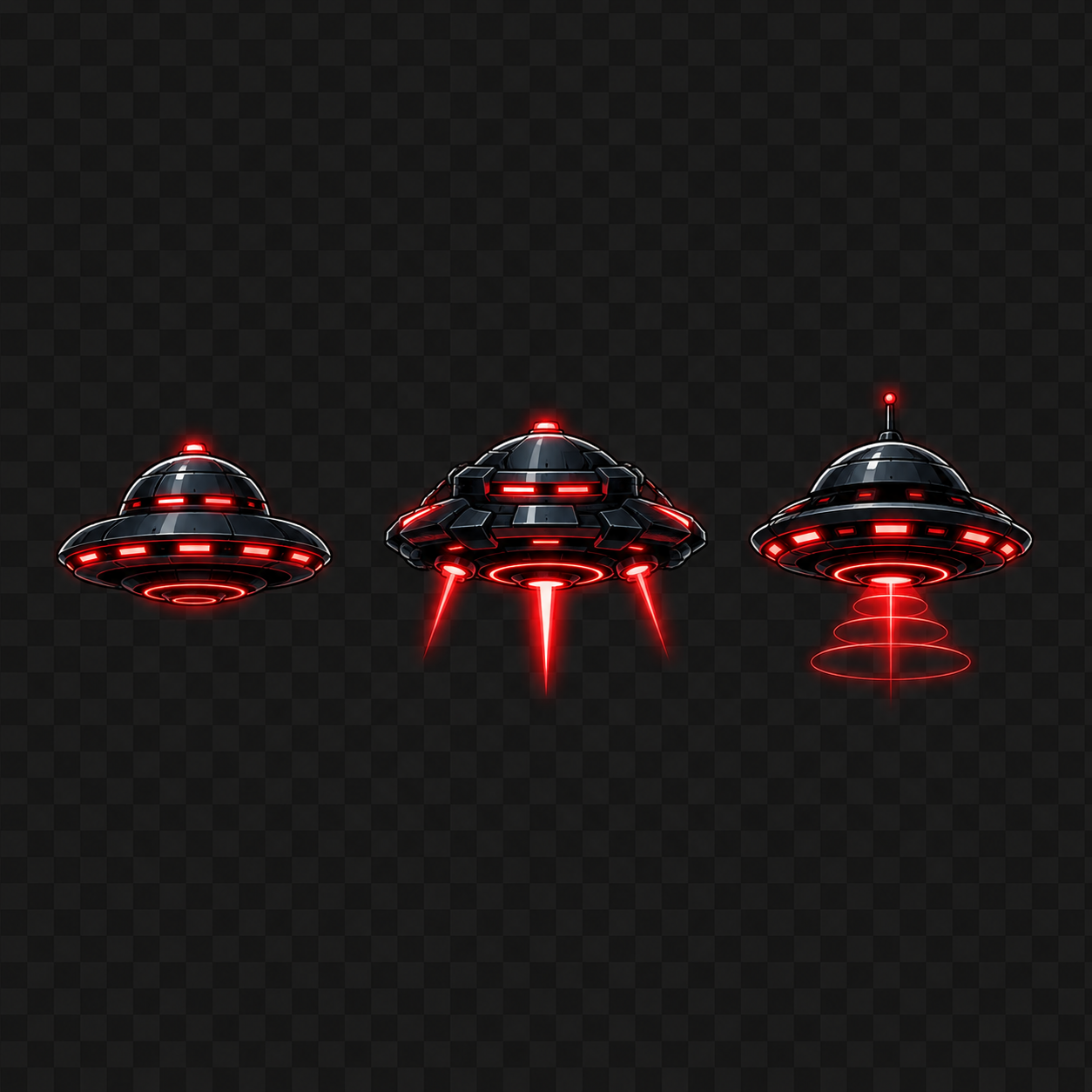
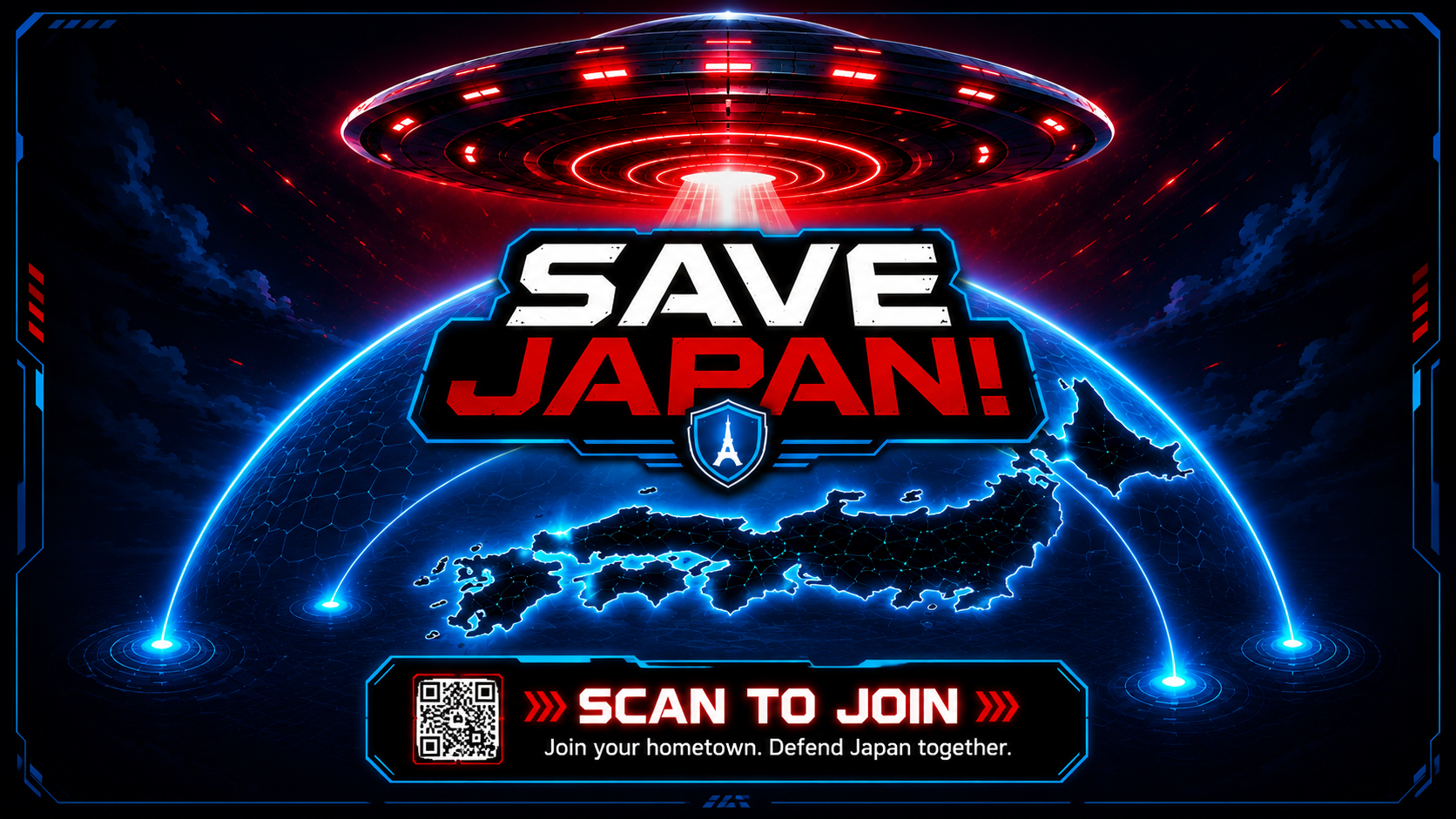
Save Japan! is a cooperative mobile game that brings players together to defend Japan from a UFO invasion.
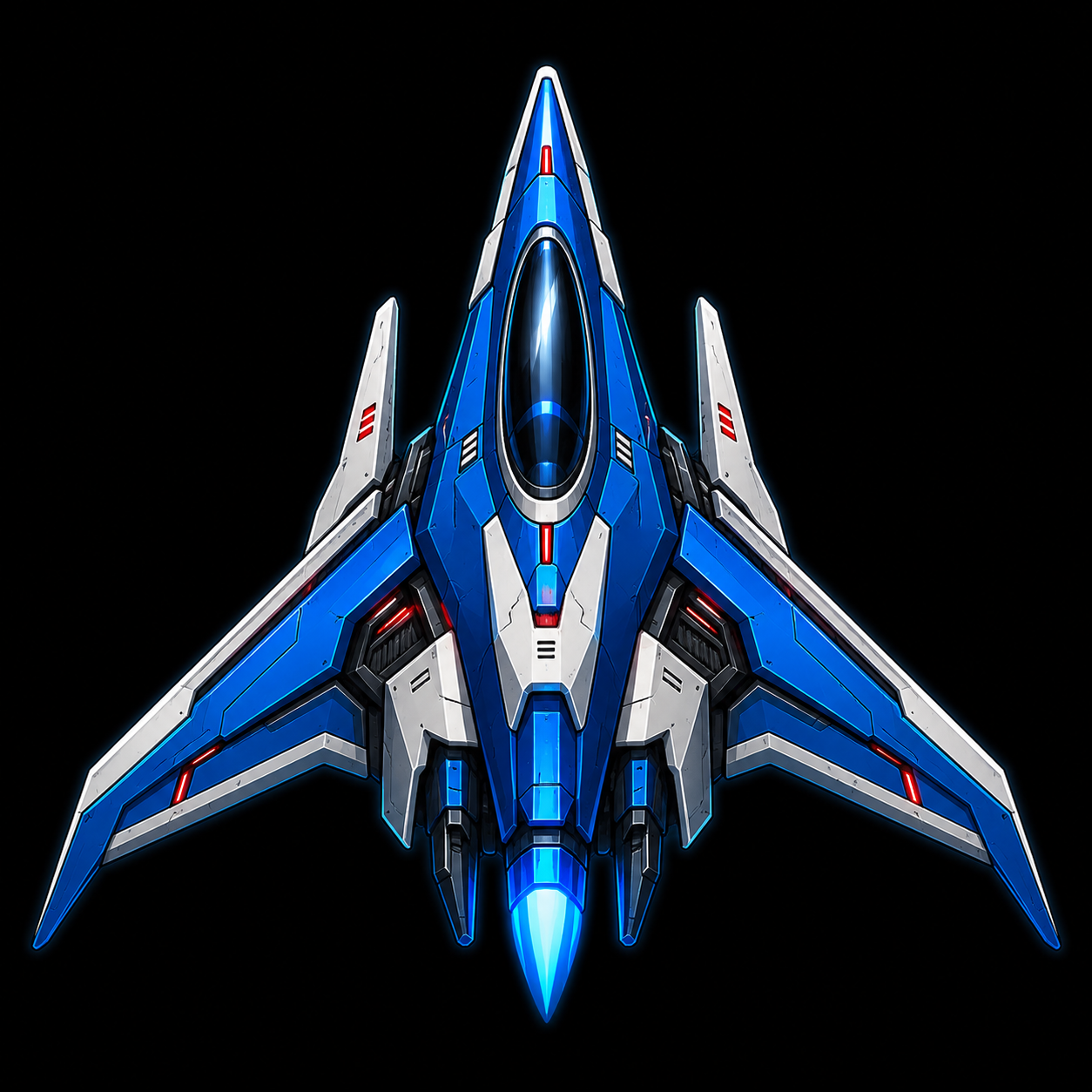
Players scan a QR code, enter a username, and select their hometown prefecture. No GPS or exact address is required. When a player joins, their hometown lights up on a shared map of Japan, and they receive a unique interceptor aircraft on their phone.
During gameplay, each interceptor carries a small floating label showing the player’s username and hometown. The label moves with the aircraft, allowing every player to remain visible without overcrowding the screen. This makes the experience feel personal and shows that each person is representing a real place in Japan.
Players complete a fixed sequence of missions created with GPT-5.6. These include attacking UFOs, supporting other regions, charging regional energy, and preparing for a nationwide final attack. Players are grouped into regional teams, and every action contributes to the shared defense effort.
During the climax, all players receive the same final command and press the Save Japan button together. Energy from the participating prefectures combines to create a defensive barrier around Japan.
The goal is not to make one prefecture defeat the others. Rankings and personal results add excitement, but the final outcome depends on nationwide cooperation.
How we built it
We designed Save Japan! as a shared-screen and smartphone experience.
The smartphone interface handles player registration, hometown selection, missions, movement, attacks, support actions, and the final synchronized command. The shared screen displays the map of Japan, new player arrivals, regional activity, UFO attacks, team progress, and the overall battle.
Each player’s interceptor is connected to a lightweight identity label containing their username and hometown. The label follows the aircraft during movement so that players can recognize themselves and others throughout the experience.
GPT-5.6 is used during the content creation process to produce a fixed set of cooperative missions, regional objectives, mission messages, player titles, and narrative content. Using a prepared mission structure keeps the live experience reliable while still allowing the game to benefit from AI-generated creativity.
Codex supported the development process by helping us plan, implement, debug, and refine the application. We focused on building a clear experience that players could join immediately through a QR code without installing a dedicated app.
Challenges we ran into
One of our biggest challenges was balancing ambition with reliability. Our original concept included missions generated dynamically throughout the live game, but this added unnecessary complexity and made the experience harder to control.
We changed the design so GPT-5.6 creates a fixed mission set before the event. This gives us better pacing, consistent difficulty, and a more dependable multiplayer experience.
Another challenge was keeping every player visible without making the shared screen unreadable. Showing usernames and hometowns is essential to the concept, but large labels would quickly create clutter. We solved this by attaching small moving labels to each interceptor so identity remains visible while the action stays clear.
We also had to make every player feel important even when participation differs across prefectures. We designed the game around larger regional teams while still showing each player’s hometown and individual contribution.
We also had to balance competition and cooperation. Prefecture rankings can motivate players, but the core message would be weakened if the experience ended with regional winners and losers. We therefore made the final result dependent on everyone working together.
Accomplishments that we're proud of
We are proud that Save Japan! connects a simple QR interaction to a large shared national experience.
A player can join in seconds, represent their hometown, see their participation appear on the map, receive a personal aircraft, and immediately contribute to a nationwide mission.
We are especially proud that every player remains visible throughout the battle. The moving username and hometown labels make each aircraft feel connected to a real person and a real community.
We are also proud of the emotional structure of the experience. Individual actions, regional teamwork, and the final synchronized attack all reinforce the same message: Japan can only be saved when people participate together.
Another accomplishment is finding a practical role for GPT-5.6. Instead of using AI only as a chatbot or adding uncontrolled generation during gameplay, we use it to help create the missions and narrative content that shape the cooperative experience.
What we learned
We learned that AI does not need to generate everything in real time to provide meaningful value. For a live multiplayer experience, reliability and pacing are essential. Using GPT-5.6 to prepare structured content gives us the creative benefits of AI without making the game unpredictable.
We also learned that location can create a strong sense of identity without collecting sensitive location data. Asking players to select their hometown prefecture is enough to make the experience personal while respecting privacy.
We learned that identity should remain visible during the action, not only during registration or in the final results. A small moving label can create a strong sense of presence without distracting from the game.
Most importantly, we learned that cooperation becomes more powerful when players can see their individual contribution become part of something larger. Lighting up the map, following named players during battle, building regional energy, and launching the final attack together make participation visible and meaningful.
What's next for Save Japan!
The next step is to expand Save Japan! into a reusable platform for live events, festivals, schools, conferences, and public spaces.
We plan to add more cooperative mission scenarios, improved shared-screen visuals, additional interceptor designs, accessibility options, and event customization tools. We also want to improve how usernames and hometowns are displayed during crowded battles through smarter label positioning and visibility controls.
Organizers could create different versions of the experience while keeping the central structure of personal identity, hometown pride, and nationwide cooperation.
We also want to connect the energy created inside the game to real-world action. Future missions could encourage volunteering, disaster preparedness, community projects, local support, and other positive activities.
The UFO invasion is the beginning. The long-term goal of Save Japan! is to turn shared excitement into lasting motivation to support local communities and build a stronger Japan together.
Built With
- codex
- css3
- express.js
- gpt-5.6
- html5
- node.js
- openai-api
- qr-code
- socket.io
- web-audio-api
- websockets


Log in or sign up for Devpost to join the conversation.