-
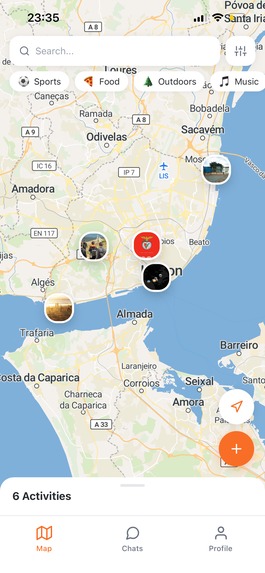
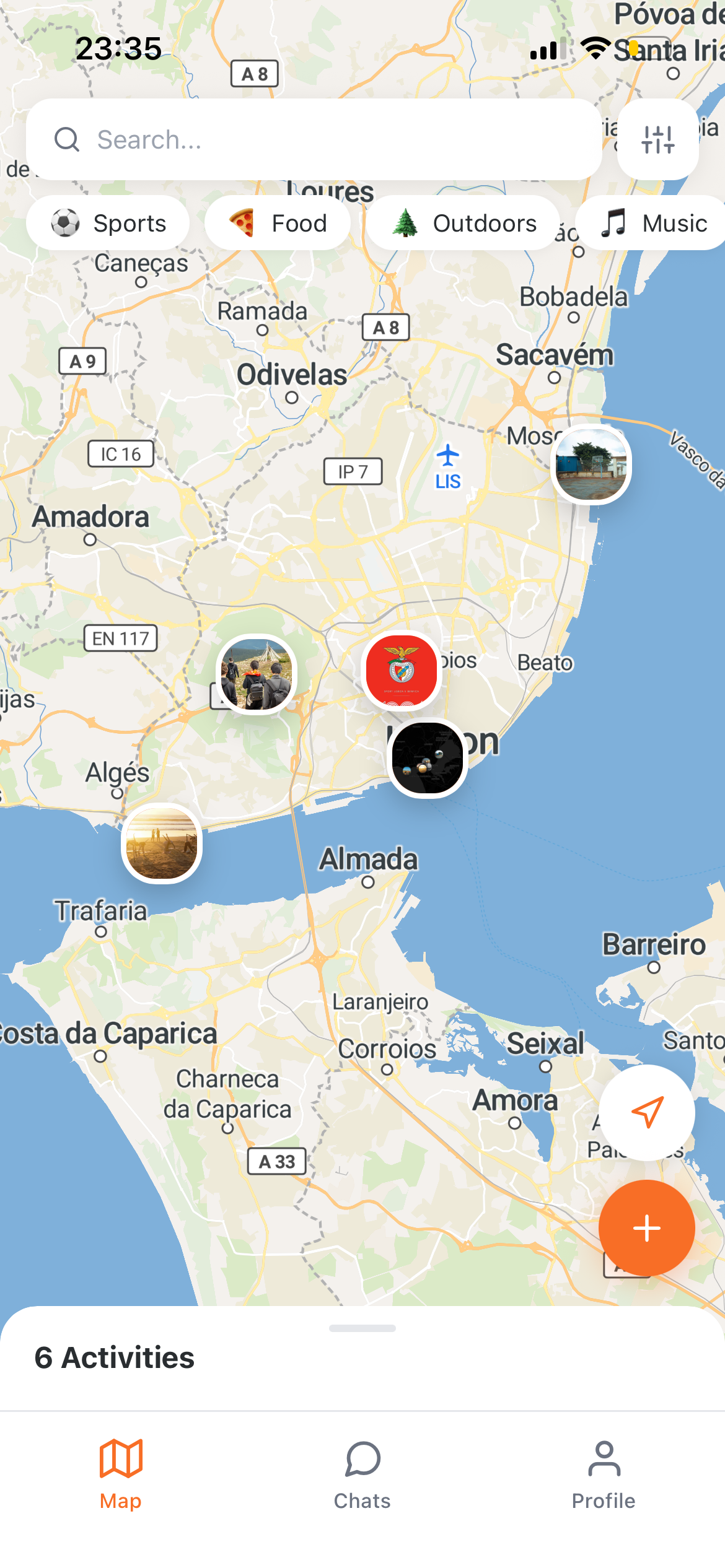
Map
-
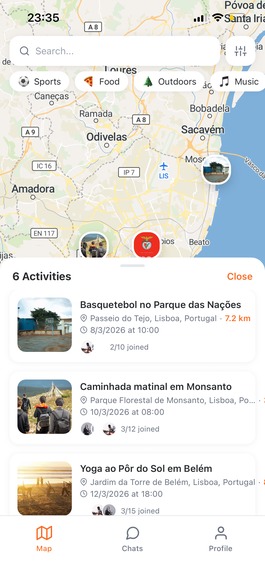
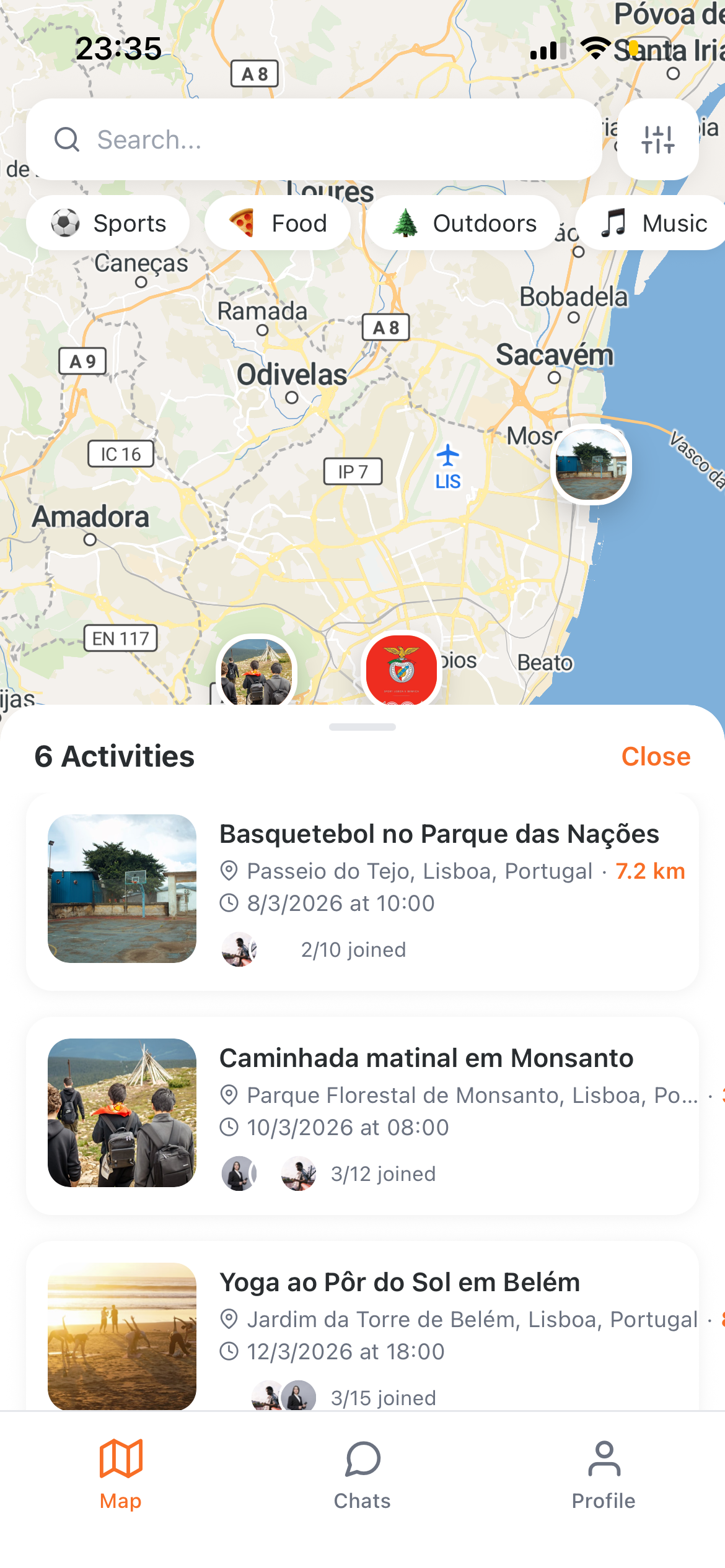
Map + Activities
-
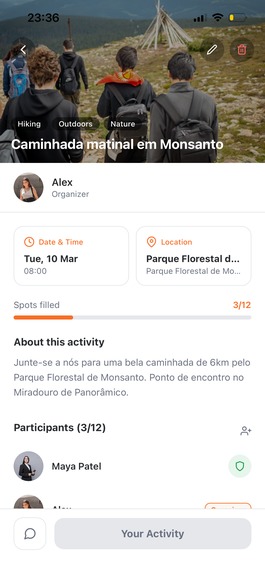
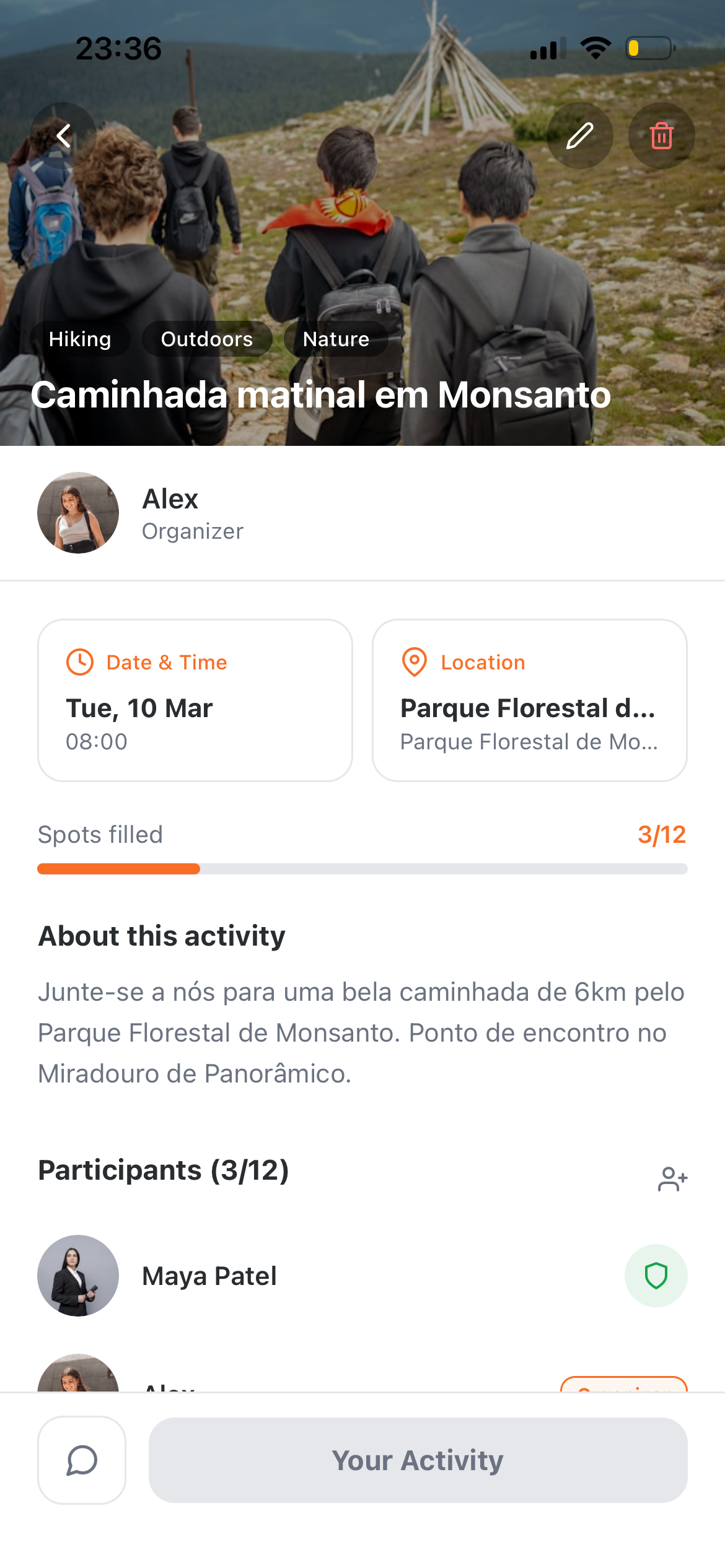
Activity
-
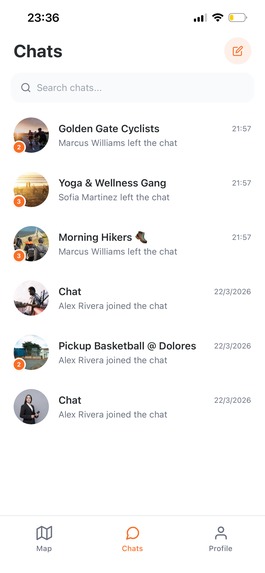
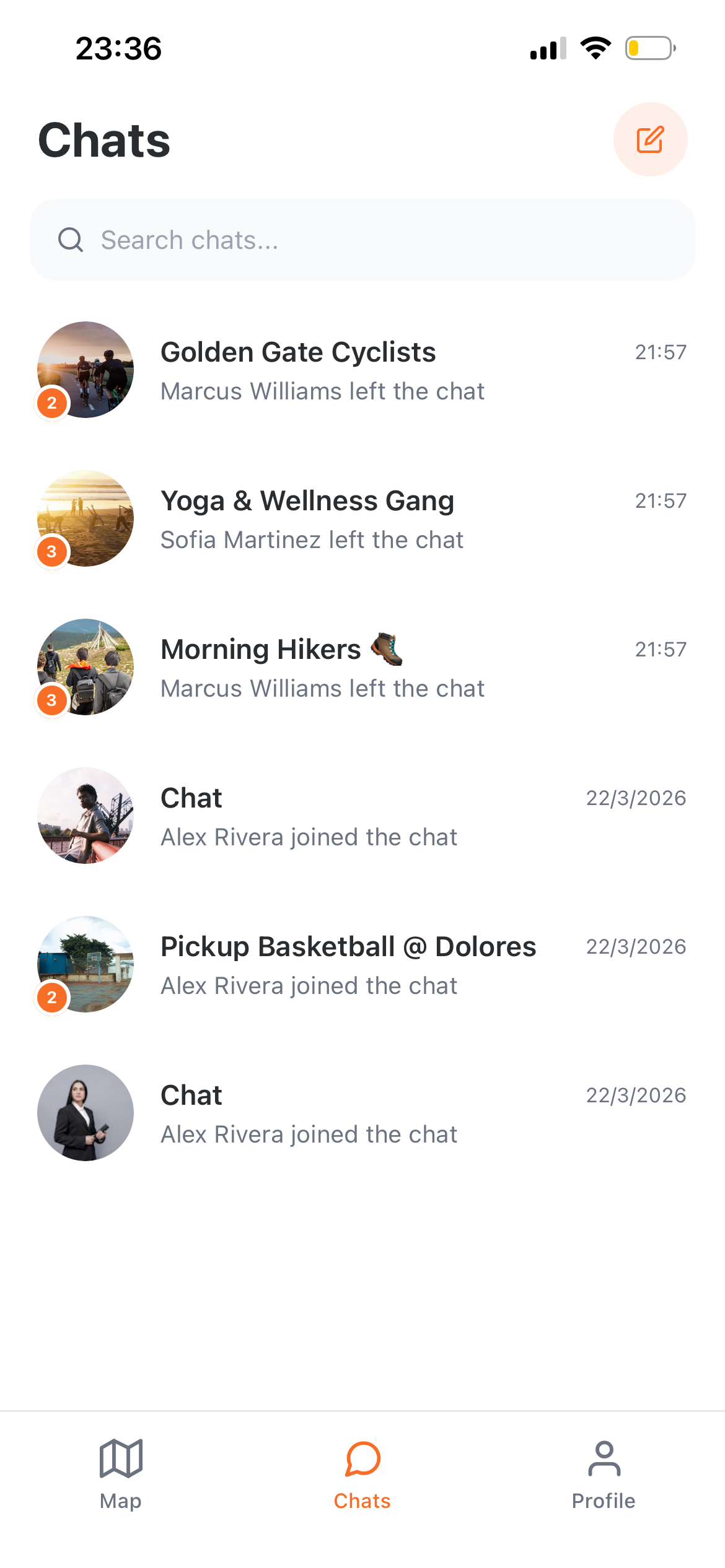
Chats
-
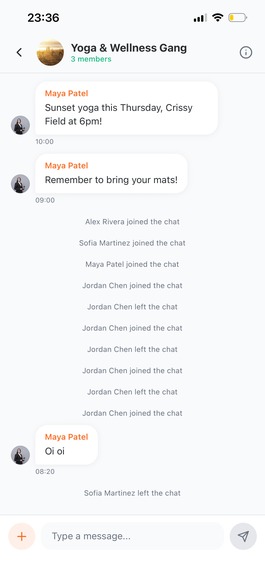
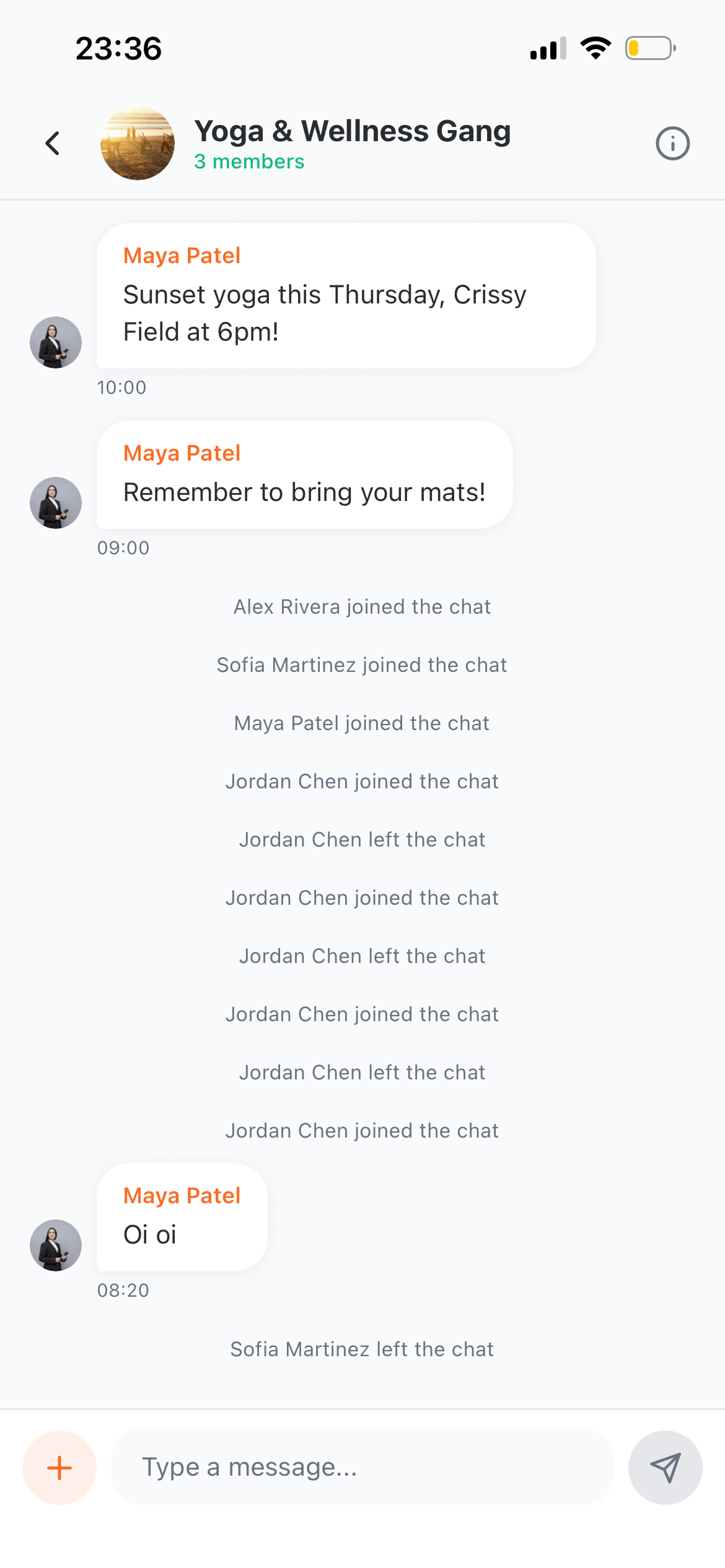
Chat
-
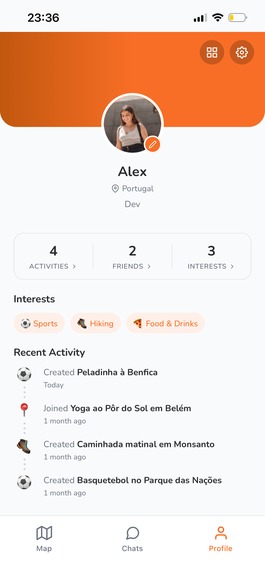
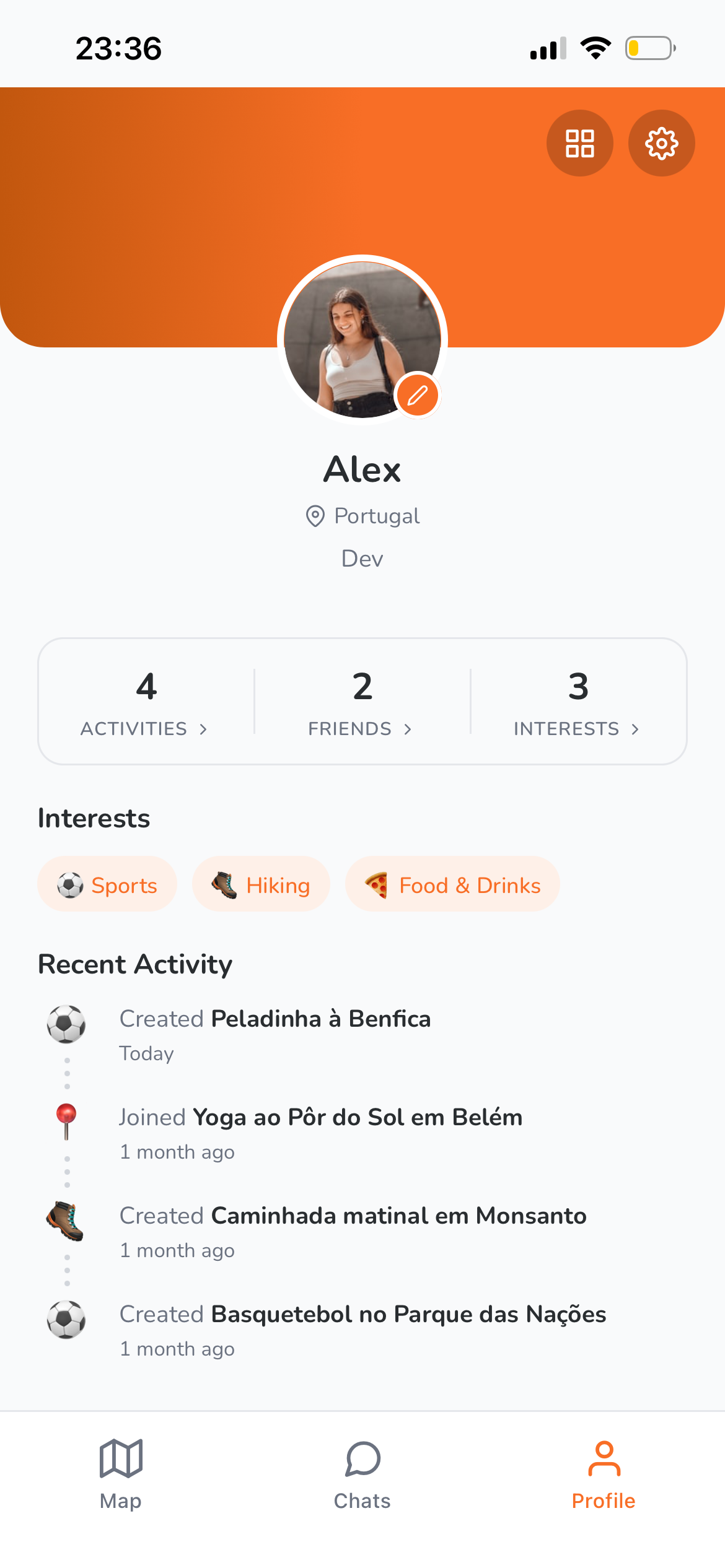
Profile
Inspiration
Kintara came from a familiar frustration: people genuinely want to be more active together, but organizing it is harder than it should be.
What starts as a simple message in a group chat often fades fast. Someone suggests a game, a run, or a hike, people react, a few say “I’m in,” and then life happens. The details get buried, nobody is quite sure who is coming, and by the time the day arrives, the plan feels vague enough to fall apart. We kept seeing the same pattern across sports and recreational groups: plenty of interest, but weak coordination.
That gap between intention and action is what inspired Kintara.
What it does
Kintara helps sports and recreational communities turn scattered interest into actual plans.
It gives groups a better way to organize activities, keep track of attendance, manage recurring sessions, and handle shared costs without relying on a messy mix of chat messages, memory, and manual follow-up. The idea is not to replace conversation, but to make sure the important parts of planning do not disappear inside it.
How we built it
We built Kintara by focusing on the parts of community organizing that usually happen informally and often break down.
Instead of starting with features for the sake of features, we started with the real moments where plans become fragile: when someone proposes an activity, when others need to commit, when recurring events need structure, and when costs need to be shared fairly afterward. From there, we designed a product that keeps those moments visible and easier to manage.
A lot of our thinking went into making the experience feel lightweight. Community organizing should not require spreadsheets, repeated reminders, or someone acting as a full-time coordinator.
Challenges we ran into
One challenge was defining the problem correctly. At first glance, it can look like a scheduling issue, but it is really a mix of timing, visibility, commitment, and habit.
Another challenge was resisting the temptation to overbuild. Communities do not need a complicated management system. They need something simple enough that people will actually use, but structured enough that plans do not dissolve into chat noise. Finding that balance was harder than it looked.
We also had to think beyond one type of activity. The coordination pain is similar across many groups, but each community has its own rhythm, norms, and expectations.
Accomplishments that we're proud of
We are proud that Kintara is rooted in a real behavior, not an invented one.
We are also proud that we focused on a problem that is easy to dismiss but has a real effect on people’s routines and communities. When organizing becomes tiring, activities happen less often, the same people end up doing all the work, and groups slowly lose momentum. Building something that directly addresses that feels meaningful to us.
What we learned
We learned that community friction usually comes from small things, not dramatic ones.
Plans break down because details are unclear, because old messages are hard to find, because interest is mistaken for commitment, or because the burden of organizing quietly falls on one person. None of those problems sound huge on their own, but together they make participation less reliable and communities harder to sustain.
We also learned that good coordination tools should support social energy, not compete with it.
What's next for Kintara
Next, we want to make Kintara even better at helping communities stay consistent over time.
That means making it easier to surface relevant activities, support recurring participation, reduce last-minute confusion, and lower the effort it takes to keep a group active. Our goal is not just to help people plan one event, but to help communities build stronger habits around showing up, staying involved, and doing more together in real life.

Log in or sign up for Devpost to join the conversation.