-
-
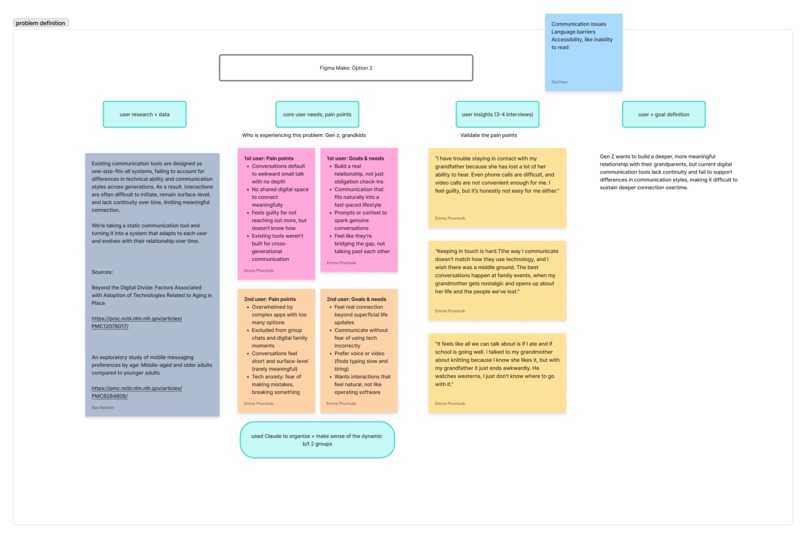
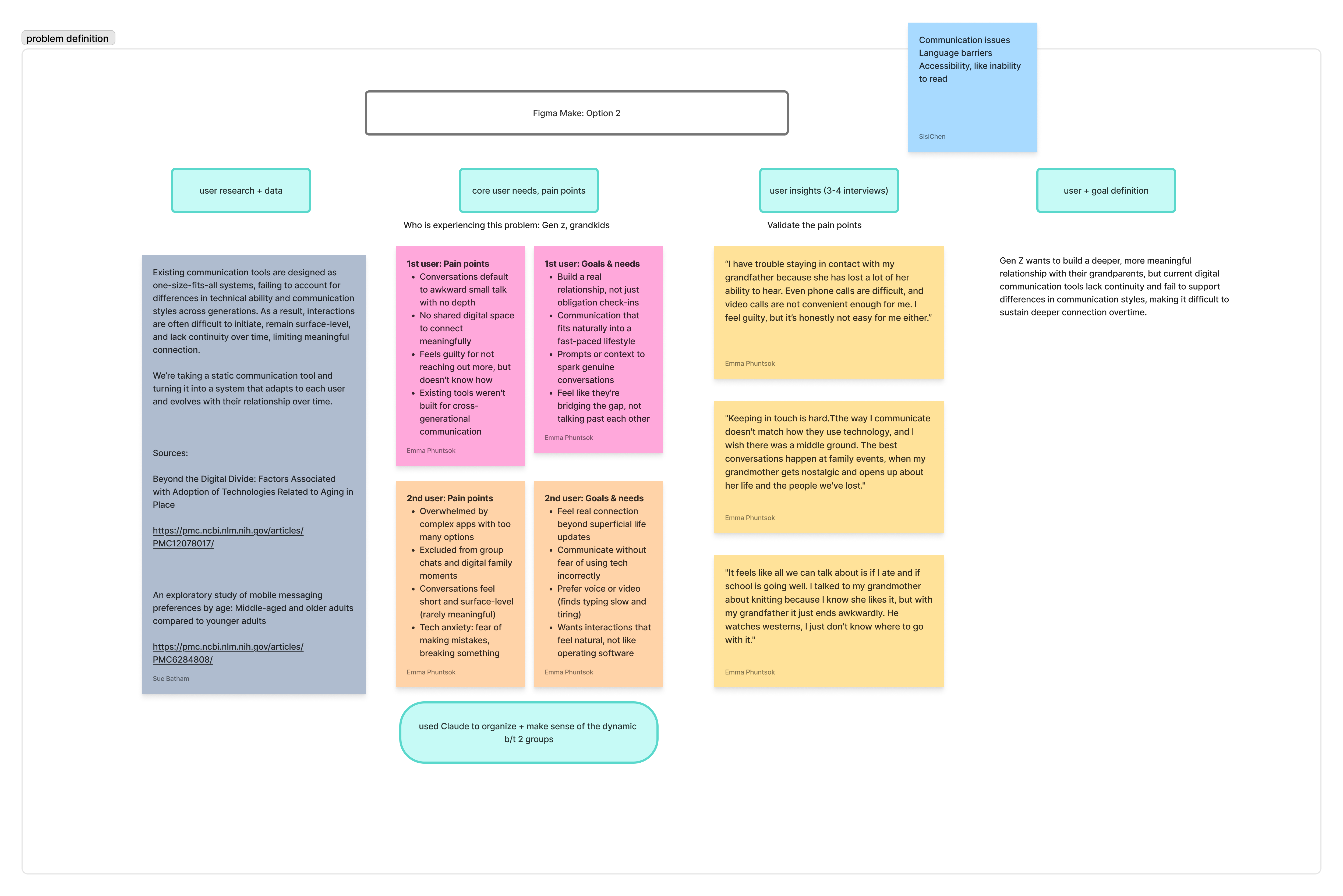
research and analysis
-
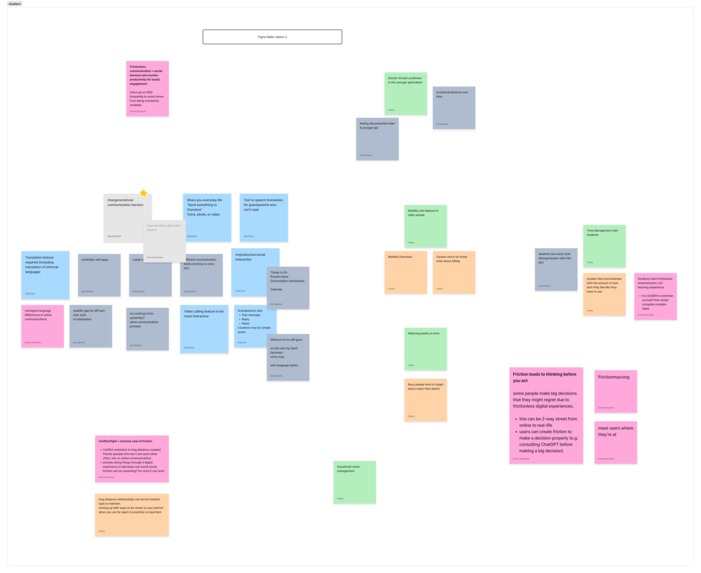
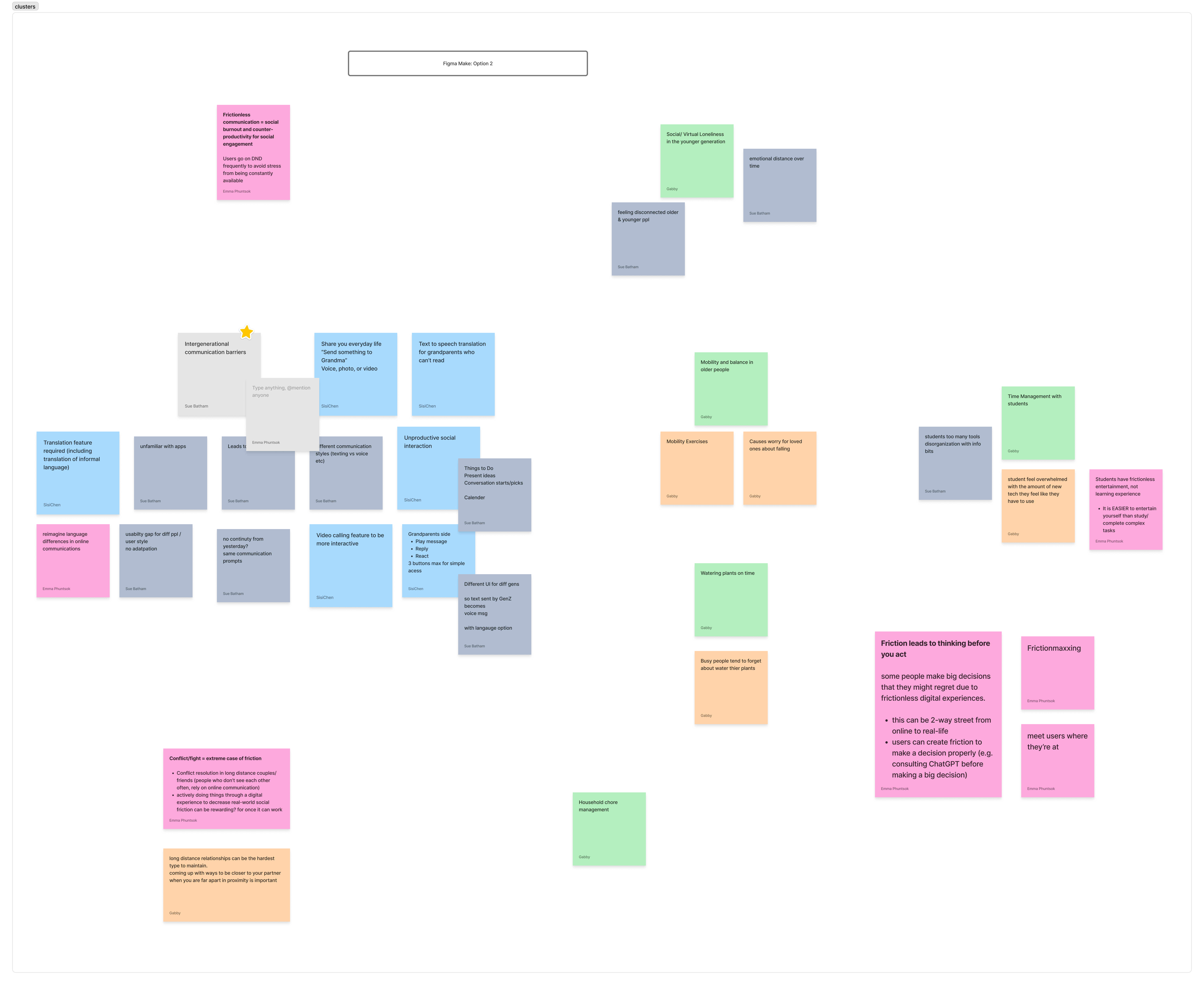
brainstorm
-
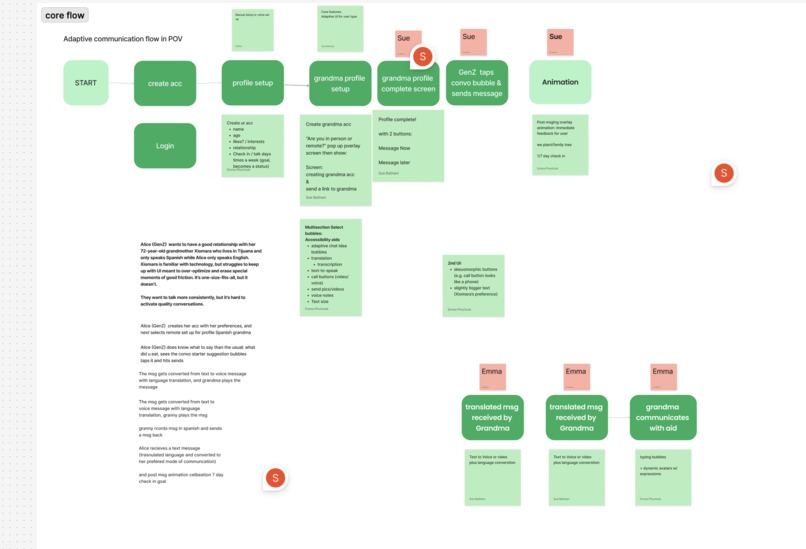
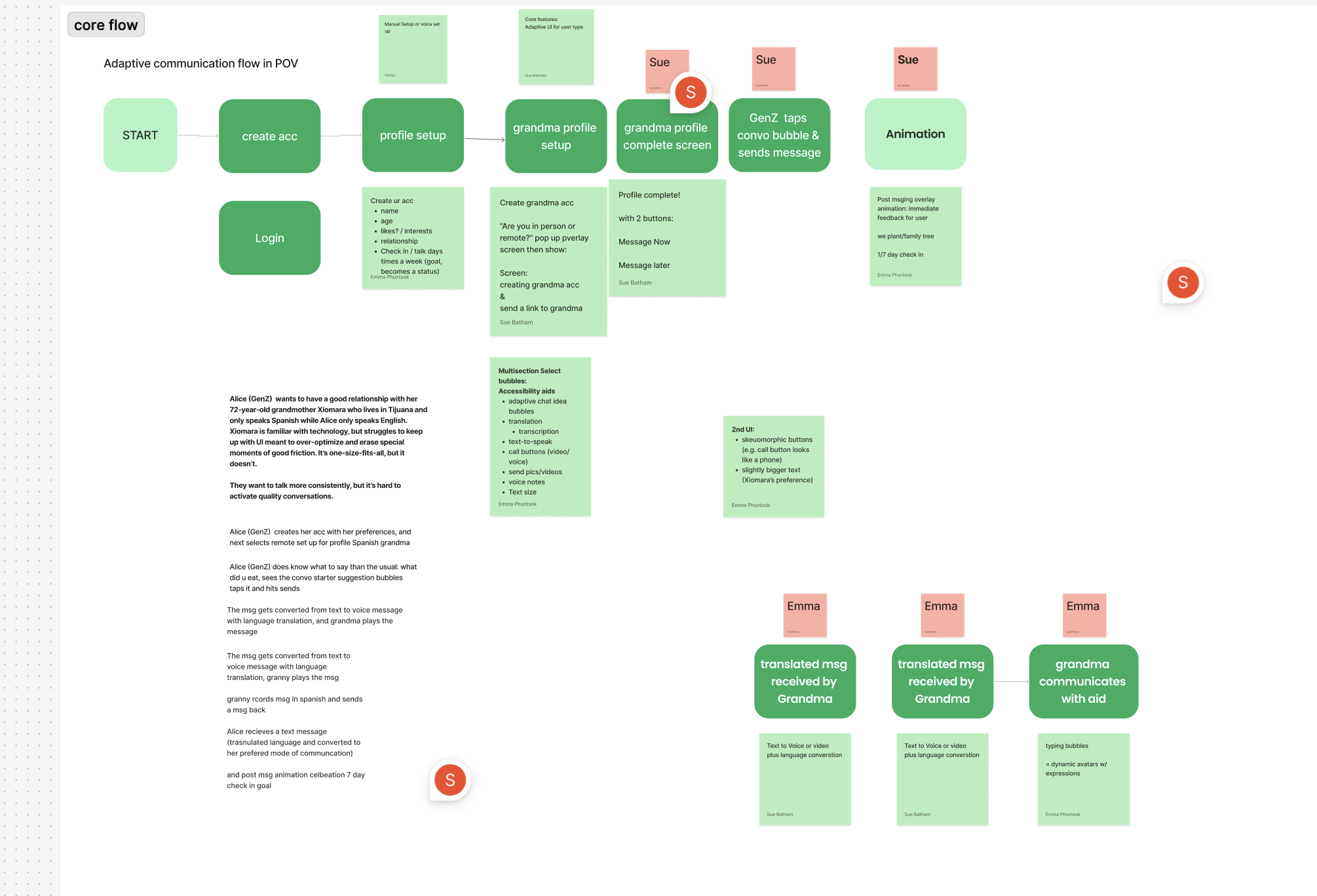
userflow
-
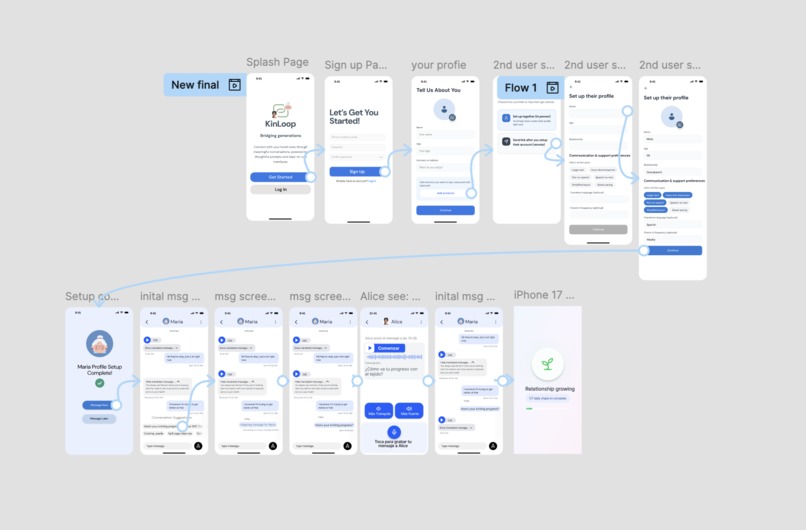
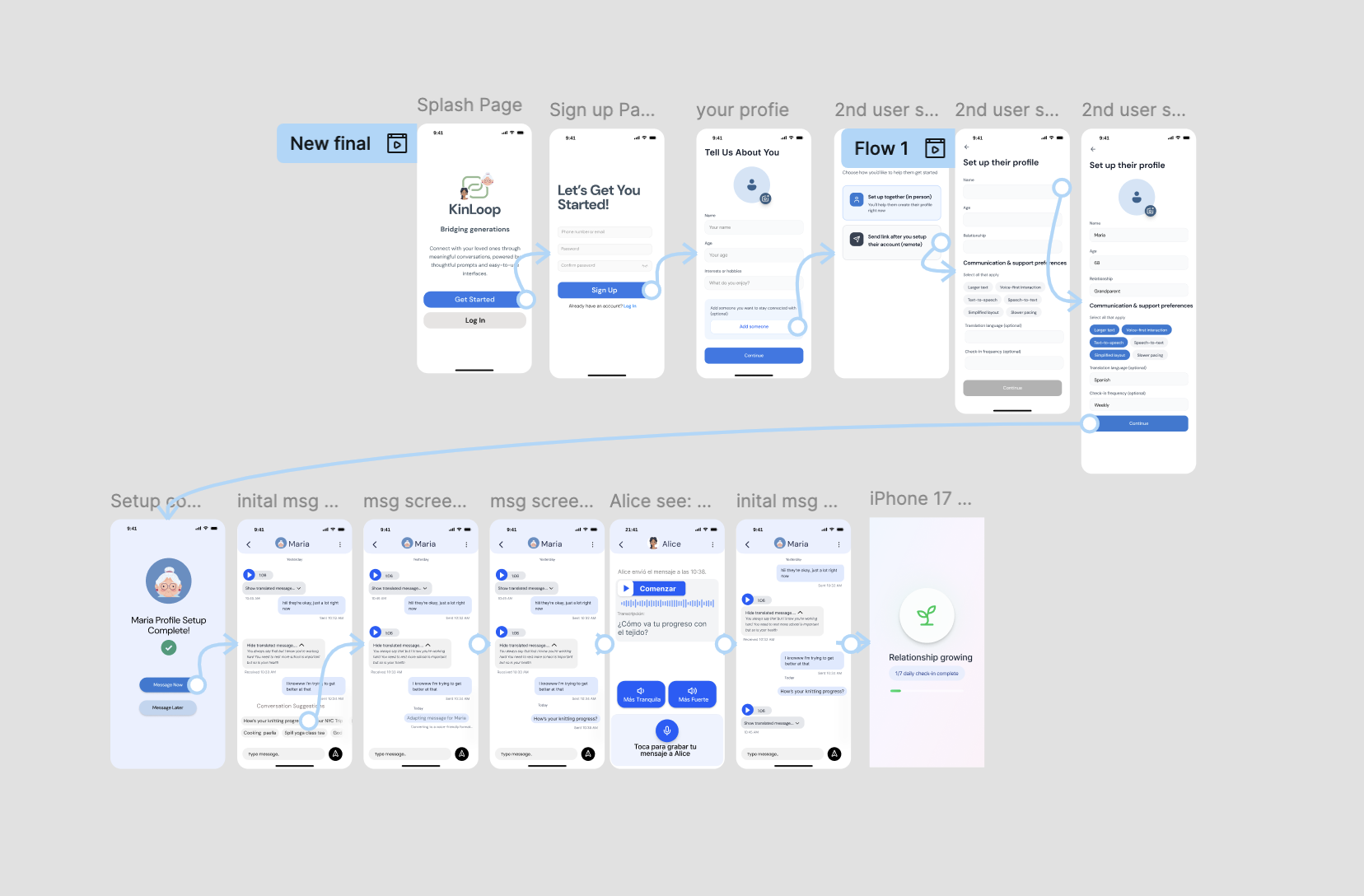
final screens
Inspiration
- We all say we want to stay close to our grandparents, but in reality, those conversations often feel brief and repetitive. A quick check-in, a few familiar questions, and then we hang up. For many families, the gap isn’t just physical, it’s linguistic and technological.
- We were inspired by stories like Alice and her grandmother Maria, two people who deeply care about each other, yet struggle to connect meaningfully due to language barriers, different communication styles, and mismatched pacing in conversations due to generational gaps. Existing tools like messaging apps or video calls are built as one-size-fits-all systems, they don’t adapt to how different generations express themselves.
- We wanted to design something that doesn’t just enable communication, but nurtures connection over time.
What it does
- KinLoop is an adaptive communication platform designed to help bridge generational and cultural gaps between family members.
- It transforms conversations from quick check-ins into ongoing, meaningful exchanges through:
- Context aware convo suggestions / continuity guided (user profile + chat history)
- Personalized prompts help users move beyond surface-level talk into storytelling, memories, and deeper topics.
- Dual UI experiences & Adaptive Message Transformation communication system that adapts to each user, UI adapts, transforming messages, adjusting formats, and supporting accessibility, so people can communicate in ways that feel natural to them.
AI for text to voice msgs, with human like voice, so messages are seamlessly translated while preserving tone and intent, allowing users to speak naturally in their preferred language.
Pacing and interaction design for different generations
The interface adapts to slower reading speeds, simpler navigation, and clearer structures, making it comfortable for older adults. Conversation “loops” Instead of one-off chats, KinLoop builds continuous threads that evolve over time—like shared memory streams.
How we built it
- We generated a high fidelity interface with figma maker and refined it in figma design
Conversation system design
- We structured interactions around “loops” rather than chats, encouraging continuity instead of fragmentation.
- Human-centered research We grounded our decisions in real communication patterns between younger and older generations, focusing on friction points like initiation, language, and depth.
Challenges we ran into
- Designing for two very different users at once Balancing Gen Z expectations (speed, fluidity) with older adults’ needs (clarity, simplicity) was difficult. Sustaining engagement over time
- Many apps solve initiation, but not continuity. Designing for long-term connection was a key challenge. Balancing time between research and design
Accomplishments that we're proud of:
- Designing a system that adapts to generational differences, rather than forcing users into the same interaction model
- Creating a concept that feels emotionally meaningful, not just functional
What we learned
- Meaningful connection isn’t limited by distance, it’s limited by design
- Small UX decisions (like pacing, wording, and structure) have a huge emotional impact
- Designing for inclusivity means going beyond accessibility, it means understanding how people think, feel, and communicate differently
What's next for KinLoop
- Prototype testing with real families to validate interaction patterns
- Expanding prompts using relationship history and shared memories
- Exploring integrations with messaging platforms to meet users where they already are
Built With
- figma
- figmamaker

Log in or sign up for Devpost to join the conversation.