-
-
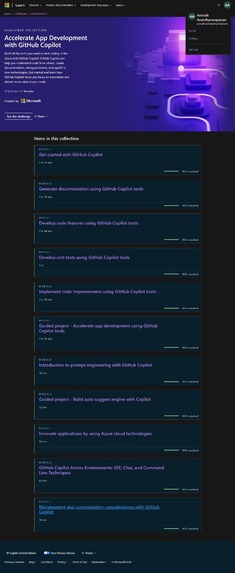
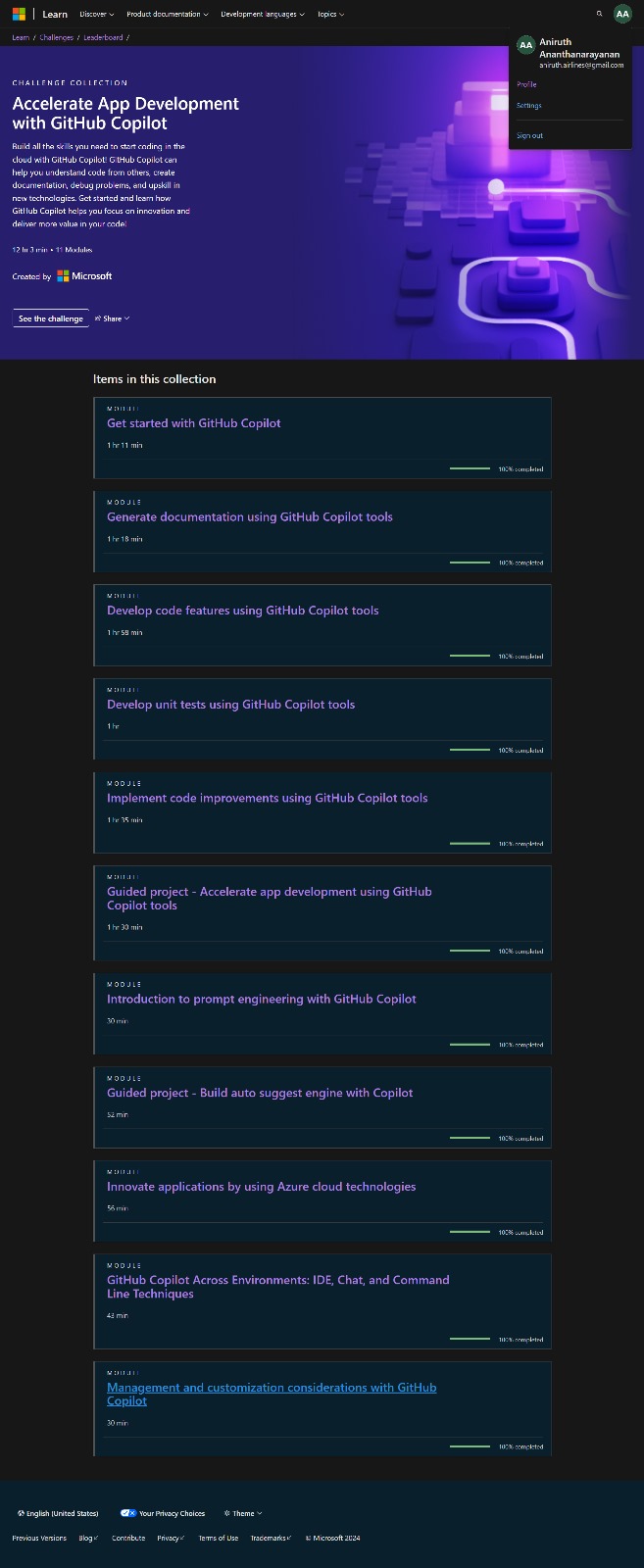
proof completion
About the Project
Inspiration
The inspiration for Kinetik came from the inefficiencies and challenges in traditional software development workflows. Collaboration gaps, poor project tracking, and quality assurance bottlenecks lead to massive delays and financial losses. We envisioned a platform powered by AI to revolutionize these processes, bringing efficiency and trust to the entire development lifecycle.
What We Learned
Throughout this project, we gained a deeper understanding of integrating AI tools with real-world workflows. We discovered how crucial real-time tracking, efficient communication, and automated quality assurance are in addressing pain points in software development. Engaging with developers and organizations provided insights into the demand for secure, scalable, and user-friendly tools.
How We Built It
Kinetik is built on a robust tech stack combining AI, secure architecture, and modern web technologies:
- AI Technologies:
- LangChain for seamless integration of language models into workflows.
- OpenAI and Microsoft Phi Models for natural language processing and advanced reasoning.
- Azure for cloud computing and scalable infrastructure.
- LangChain for seamless integration of language models into workflows.
- Frontend and Backend:
- React and Next.js for a dynamic, responsive, and user-friendly interface.
- Supabase for managing our backend database and real-time updates.
- React and Next.js for a dynamic, responsive, and user-friendly interface.
- Communication and Data Handling:
- SMTP for reliable email communication.
- Microsoft Gwen for privacy-preserving data processing and analytics.
- SMTP for reliable email communication.
- Security:
- Fully Homomorphic Encryption ensures secure and trustless interactions throughout the platform.
- Fully Homomorphic Encryption ensures secure and trustless interactions throughout the platform.
Features and Capabilities
Product Management
- Comprehensive Project Scoping:
Provides tools to create detailed project scopes by integrating natural language inputs, drag-and-drop file uploads, and collaborative refinement with Kinetik AI. - Framework and System Design Guidance:
Automatically generates system architecture recommendations, suggesting technology stacks, frameworks, and integrations tailored to the project scope. - Task Management and Detailed Instructions:
Breaks down project goals into granular tasks with clear instructions for developers. It also ensures seamless code integration and version control processes for modular development. - Developer Progress Tracking:
Real-time updates on developer contributions, task completion, and milestone progress. PMs can communicate with Kinetik AI for on-demand reports and predictive insights on timelines and budgets.
Quality Assurance
- Automated QA and Validation Checks:
Executes industry-standard QA processes, including:
- Unit Testing
- Regression Testing
- Code Convention Verification
- Kinetik's proprietary validation algorithms
- Unit Testing
- Continuous Integration/Delivery (CI/CD) Pipeline Integration:
Supports automated builds, code testing, and deployment through seamless CI/CD integrations. - Error Detection and Insights:
Identifies critical bugs and inefficiencies in the code, providing actionable feedback for resolution. - End-to-End Encrypted Testing:
Ensures the security of sensitive project data during validation using Fully Homomorphic Encryption and other privacy-preserving technologies.
System Design
Input Layer:
- Users input project scope, requirements, and supporting files via the interface.
- AI processes and creates a comprehensive roadmap, system architecture, and task assignments.
- Users input project scope, requirements, and supporting files via the interface.
Processing Layer:
- AI models (LangChain, OpenAI, Microsoft Phi Models) analyze inputs to generate output.
- Kinetik's task orchestration engine coordinates developer assignments and progress tracking.
- AI models (LangChain, OpenAI, Microsoft Phi Models) analyze inputs to generate output.
Quality Layer:
- Automated QA tools validate code against benchmarks and generate detailed reports.
- Automated QA tools validate code against benchmarks and generate detailed reports.
Output Layer:
- Real-time dashboards for PMs to monitor progress and access QA reports.
- Seamless communication tools for cross-team collaboration and developer feedback.
- Real-time dashboards for PMs to monitor progress and access QA reports.
Tech Stack Overview
Frontend:
- React, Next.js, Tailwind CSS, Material-UI
Backend:
- Node.js, Express.js, LangChain, Supabase
AI & Machine Learning:
- OpenAI API, Microsoft Phi Models, Gwen
Cloud & Infrastructure:
- Azure Cloud Services, Kubernetes
Database & Data Handling:
- Supabase, Redis
QA & Testing:
- Jest, Cypress, Kinetik Validation Algorithms
Communication & Security:
- SMTP, JSON Web Tokens (JWT), OAuth 2.0
Built With
- axios
- azure-cloud-services
- babel
- css
- cypress
- docker
- express.js
- figma
- fully-homomorphic-encryption
- git
- github-actions
- graphql
- html
- javascript
- jest
- json-web-tokens-(jwt)
- kubernetes
- langchain
- material-ui
- microsoft-gwen
- microsoft-phi-models
- next.js
- nginx
- node.js
- oauth-2.0
- openai-api
- postgresql
- python
- react
- redis
- redux
- rest-apis
- smtp
- supabase
- tailwind-css
- terraform
- vite
- webpack

Log in or sign up for Devpost to join the conversation.