-
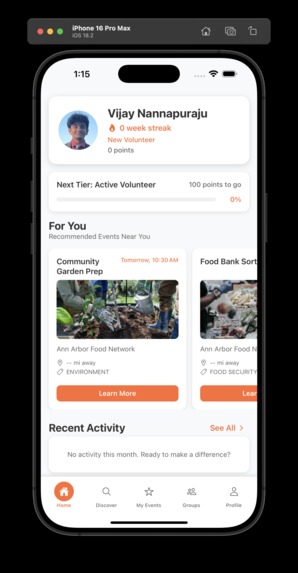
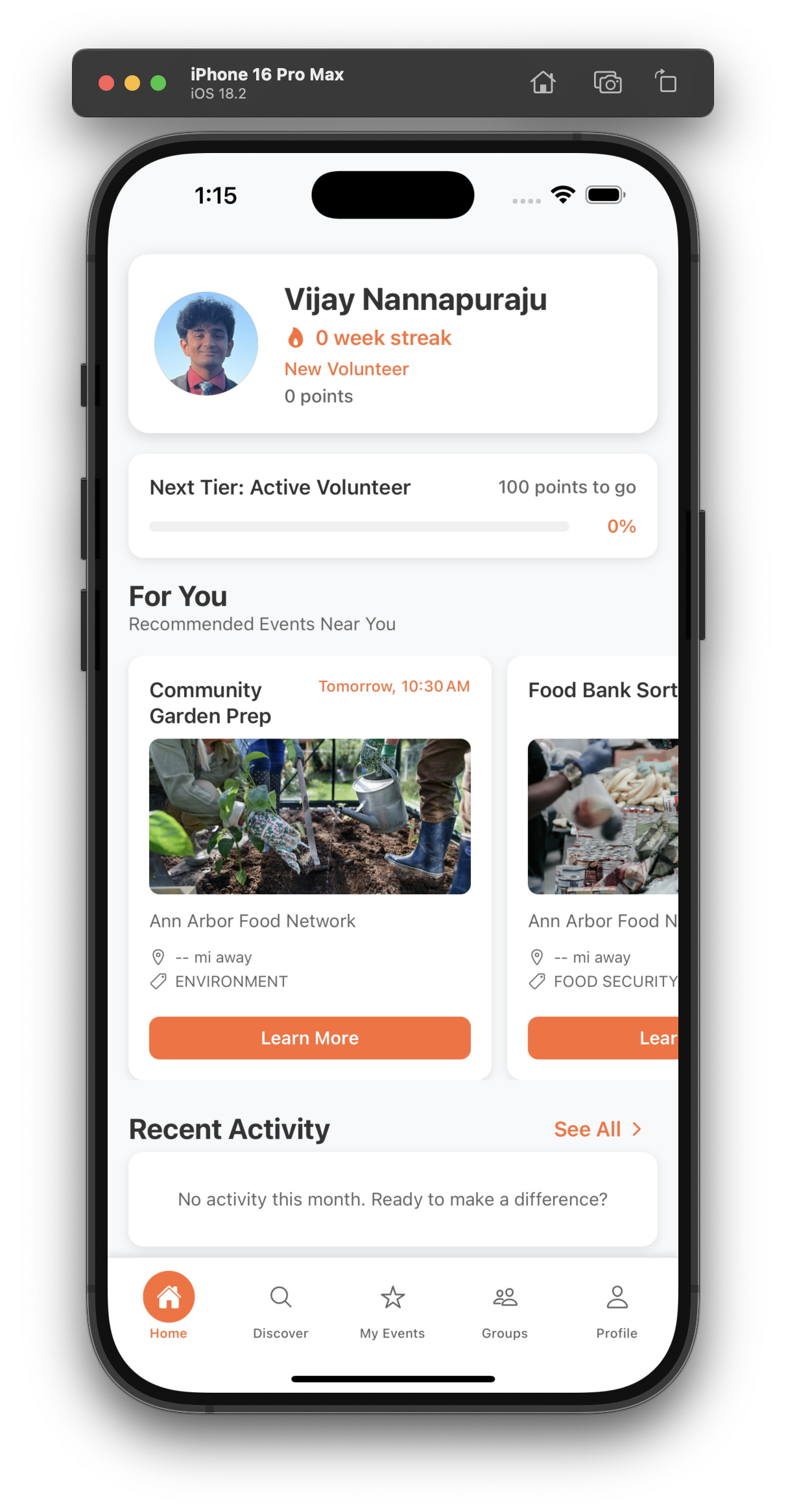
Homepage Light Mode
-
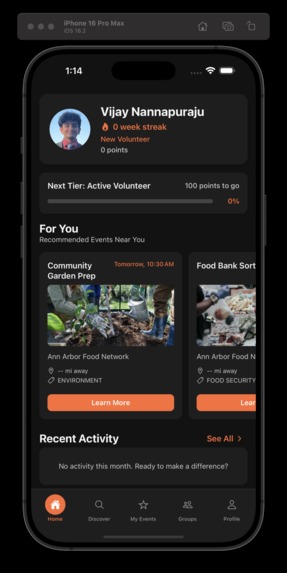
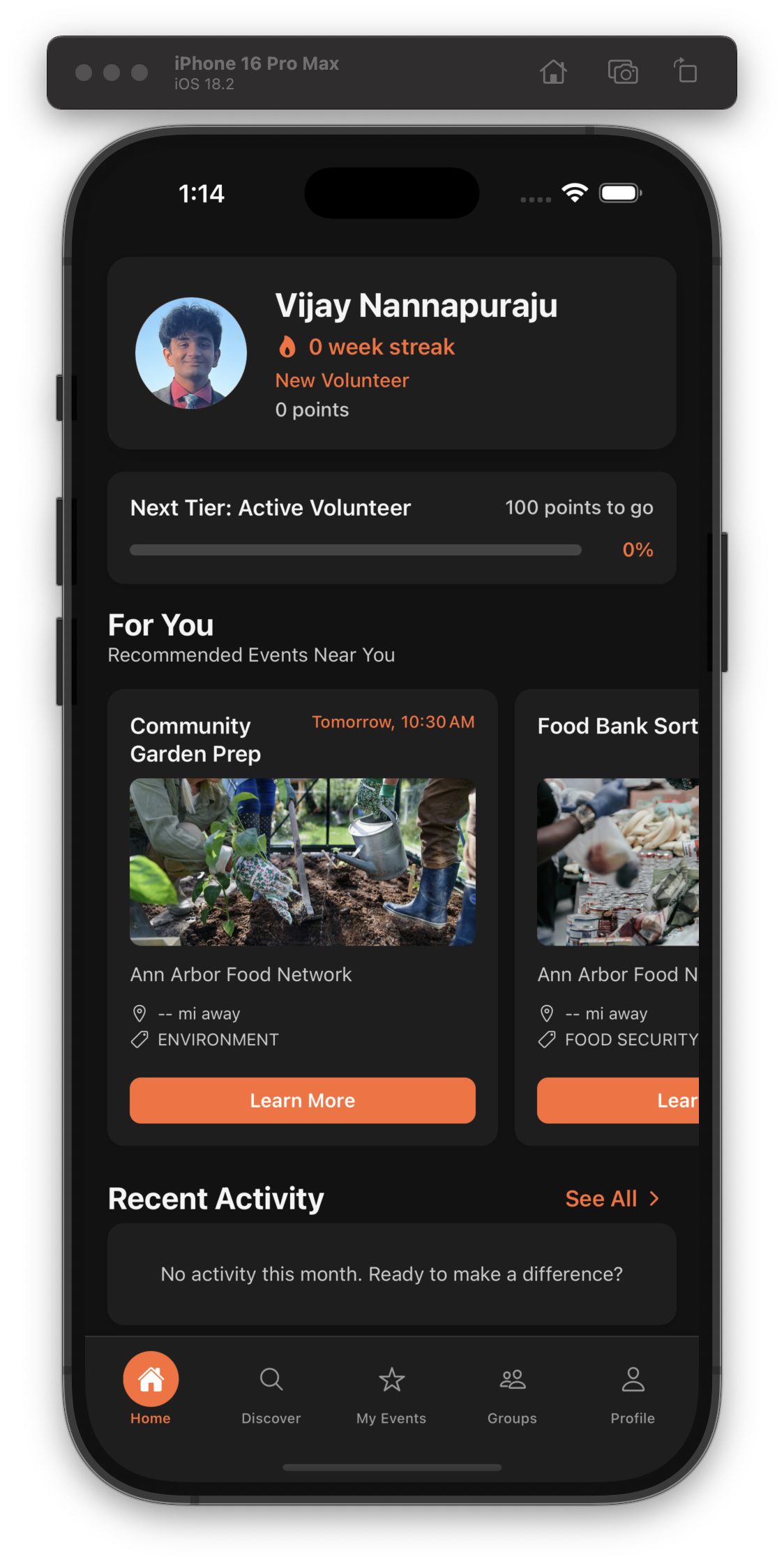
Homepage Dark Mode
-
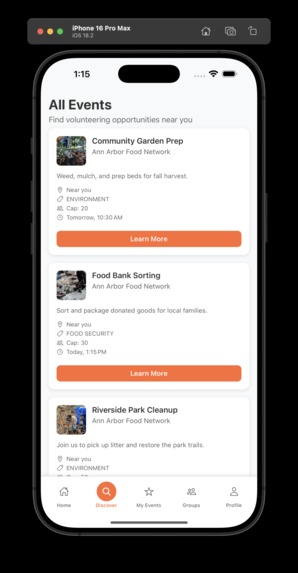
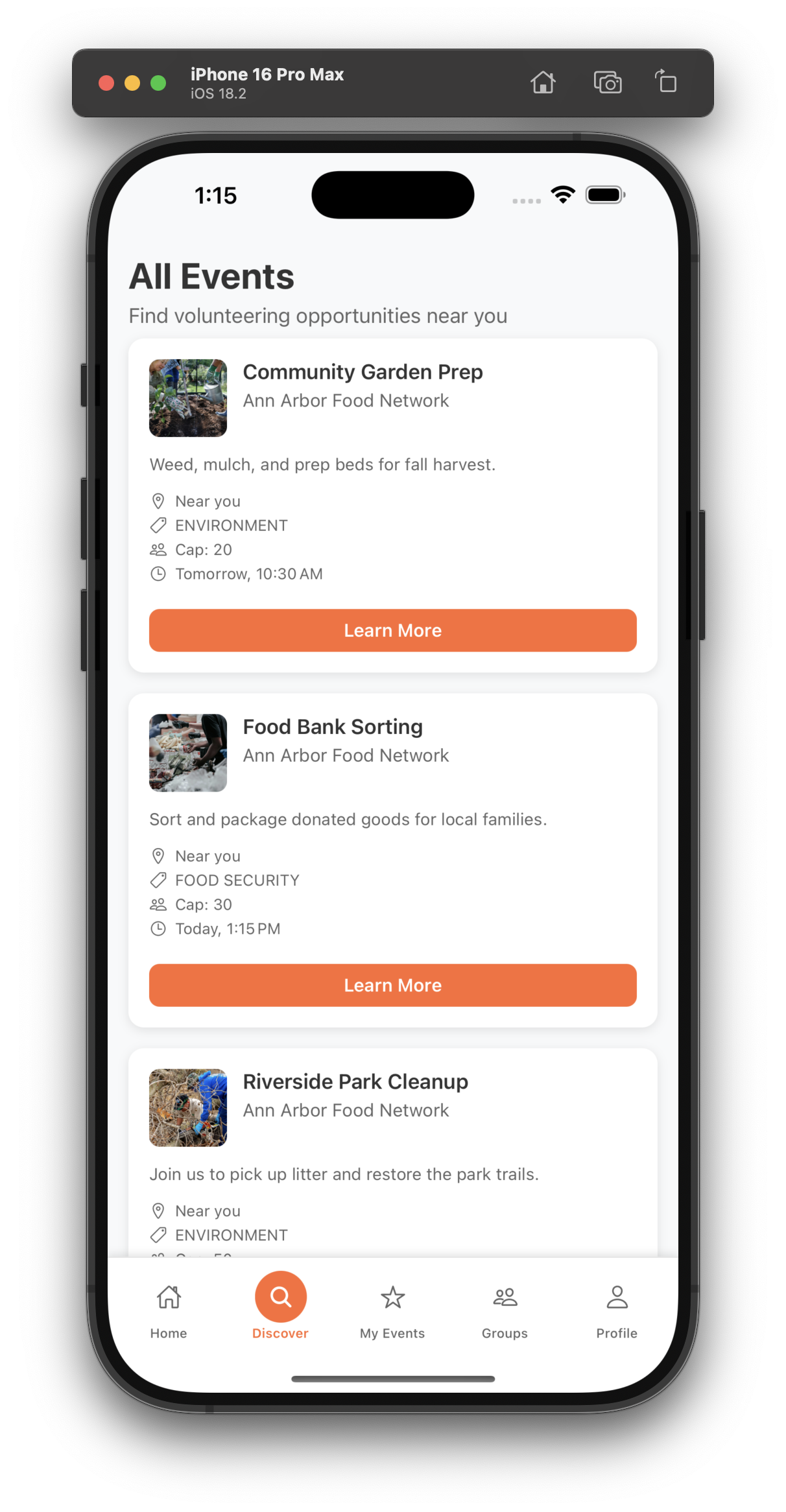
Discovery Tab Light Mode
-
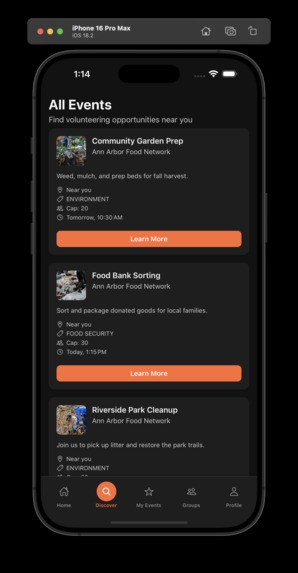
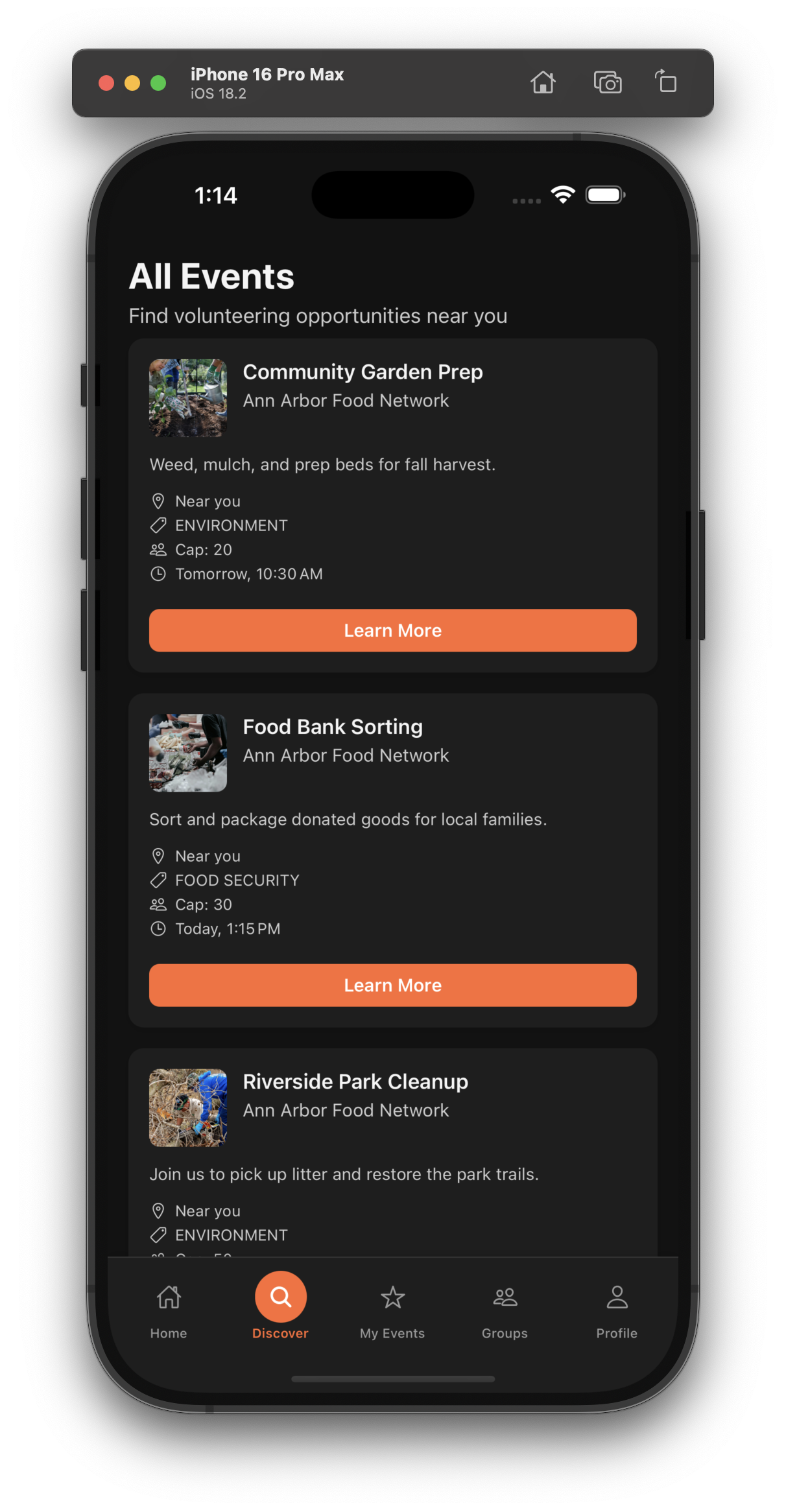
Discovery Tab Dark Mode
-
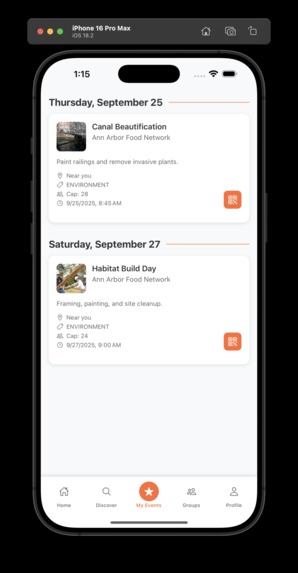
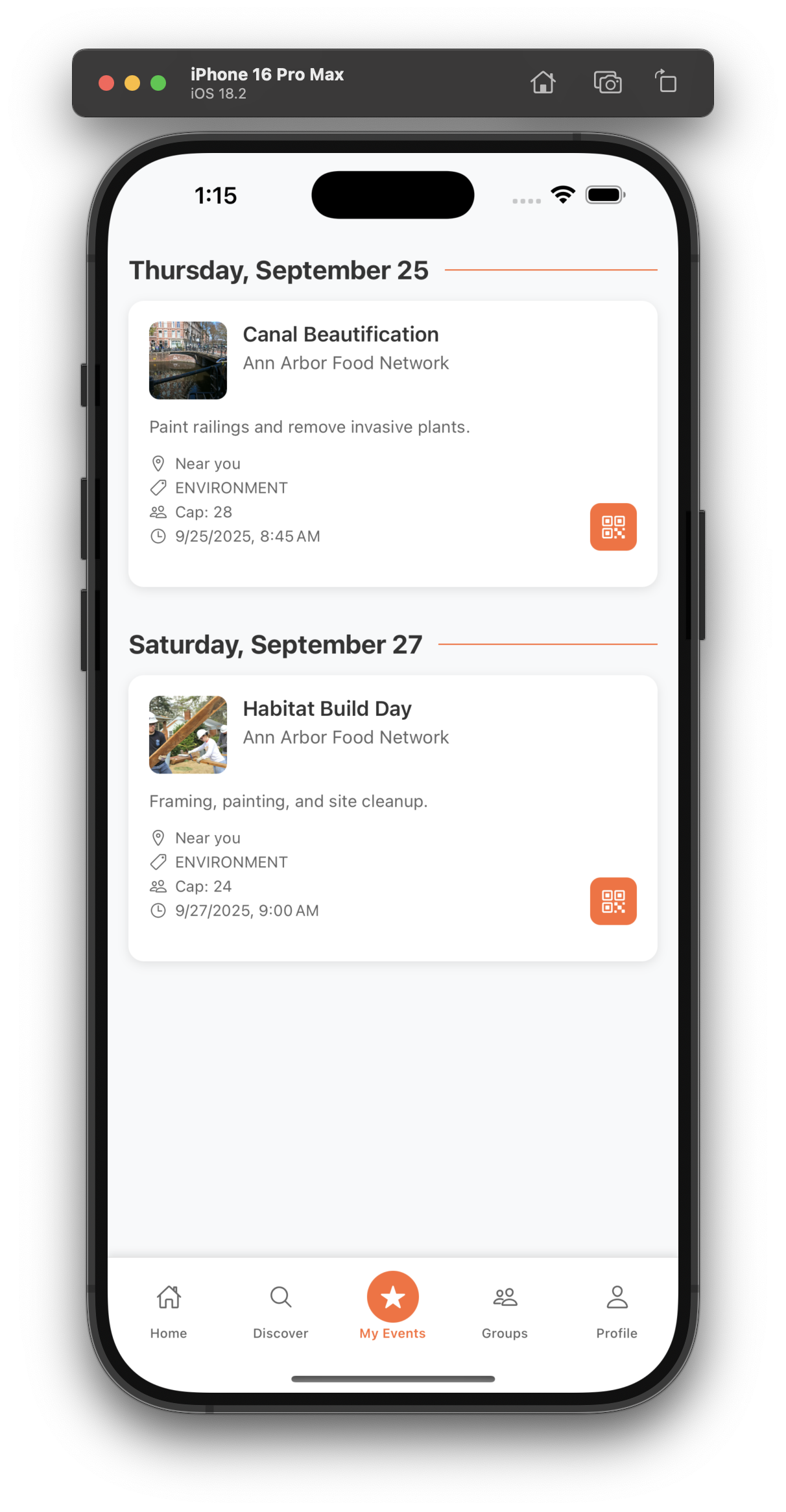
My Events Light Mode
-
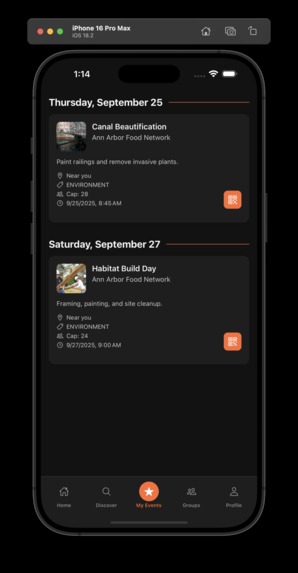
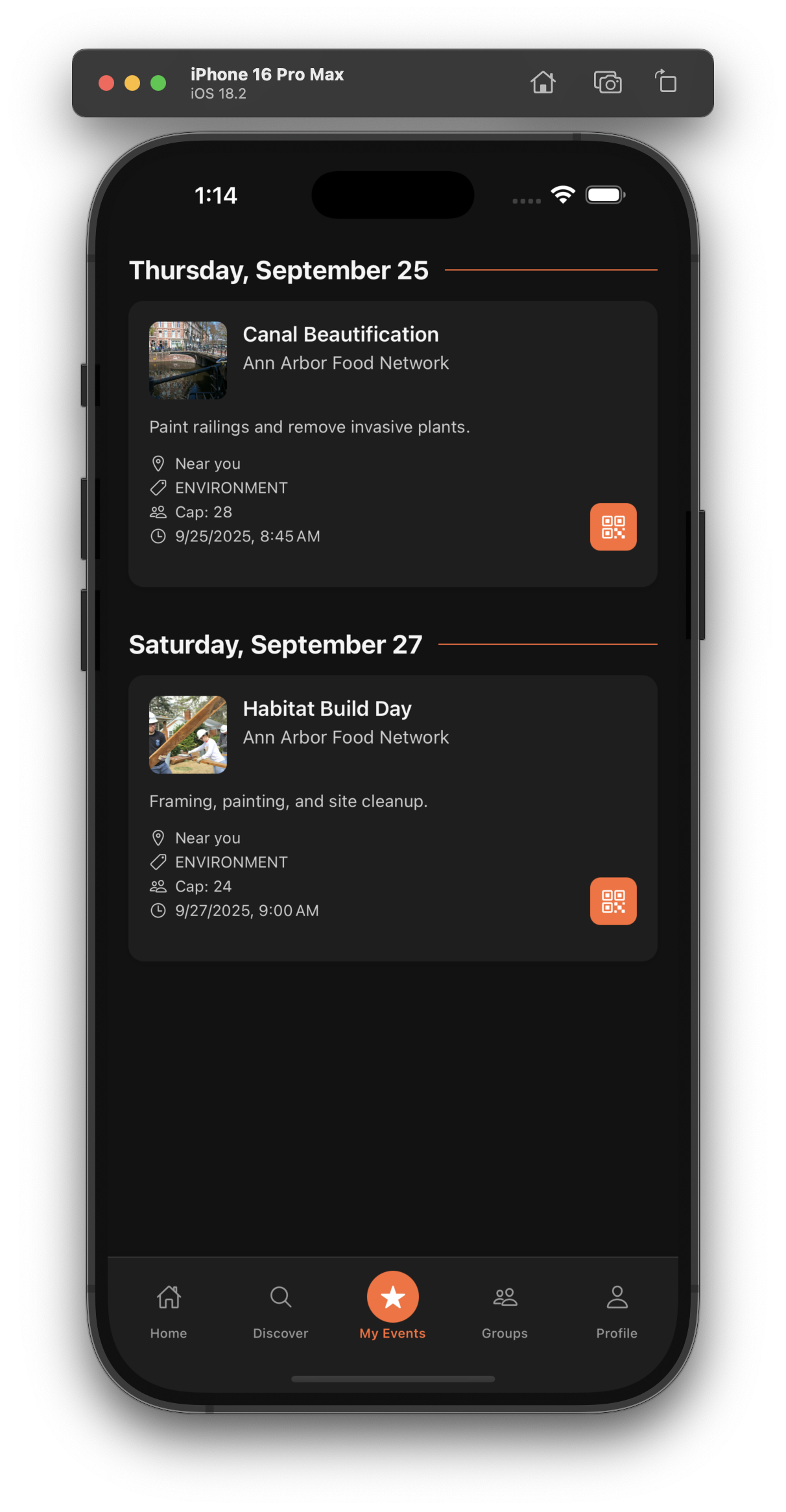
My Events Dark Mode
-
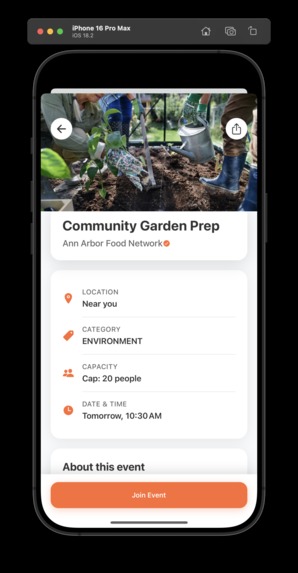
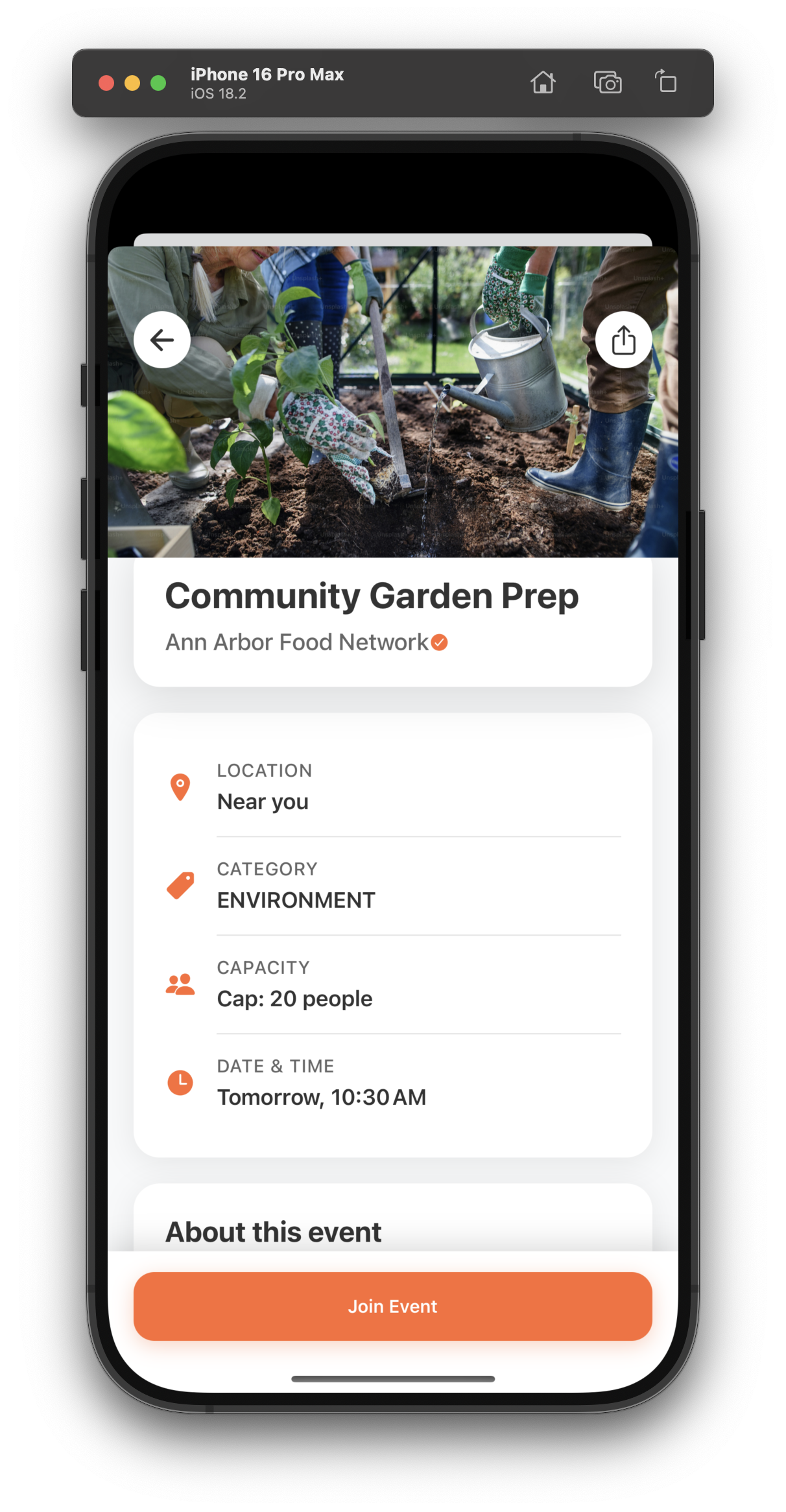
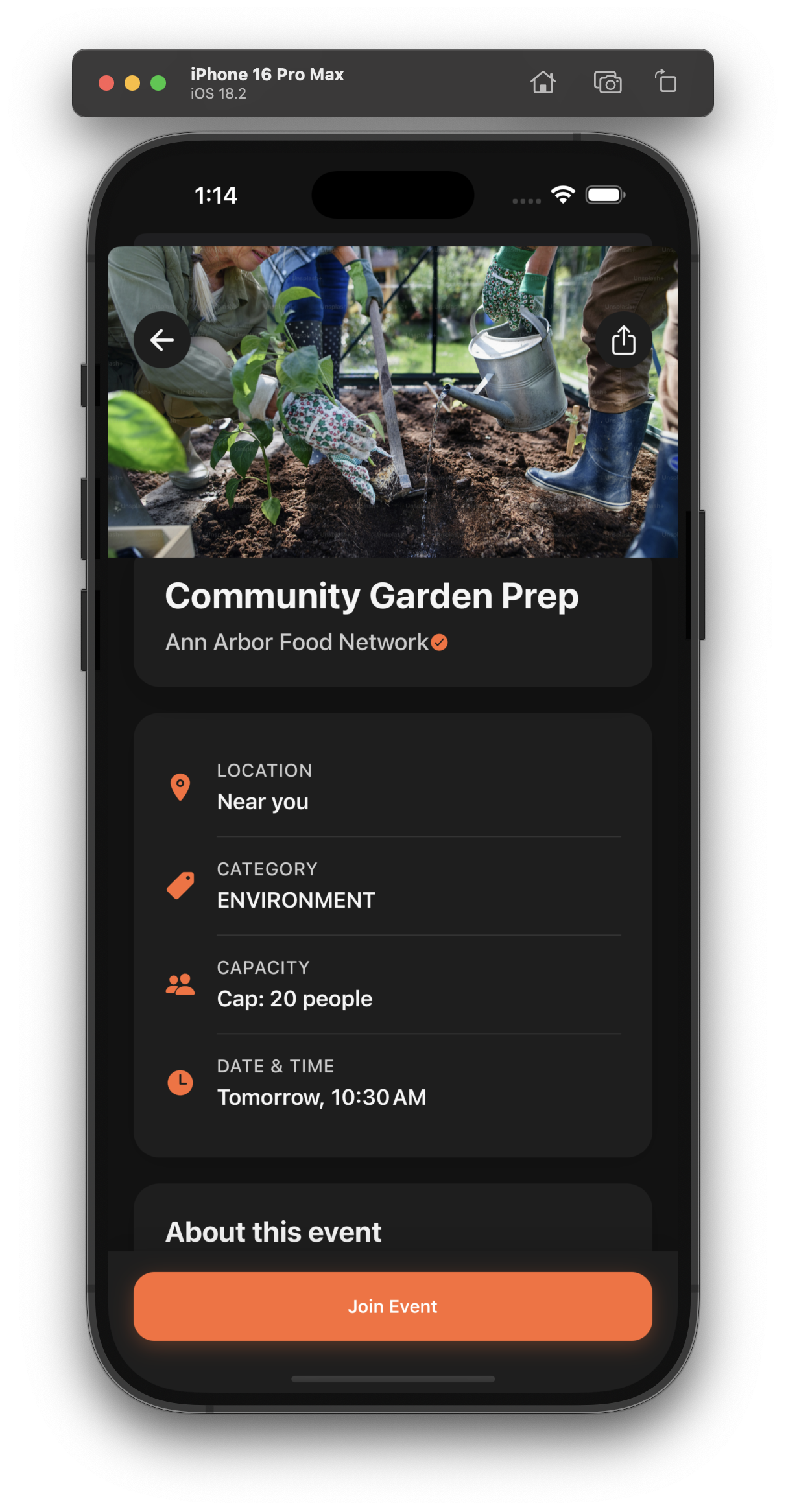
Event Specific Page Light Mode
-
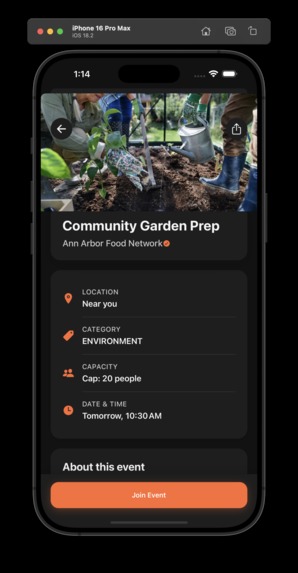
Event Specific Page Dark Mode
-
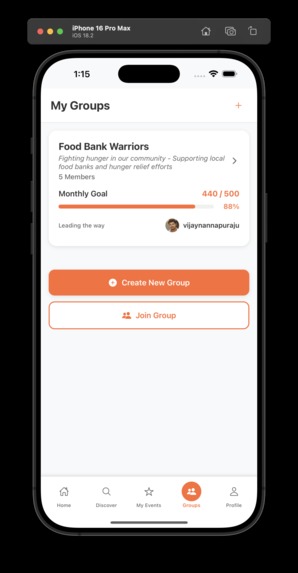
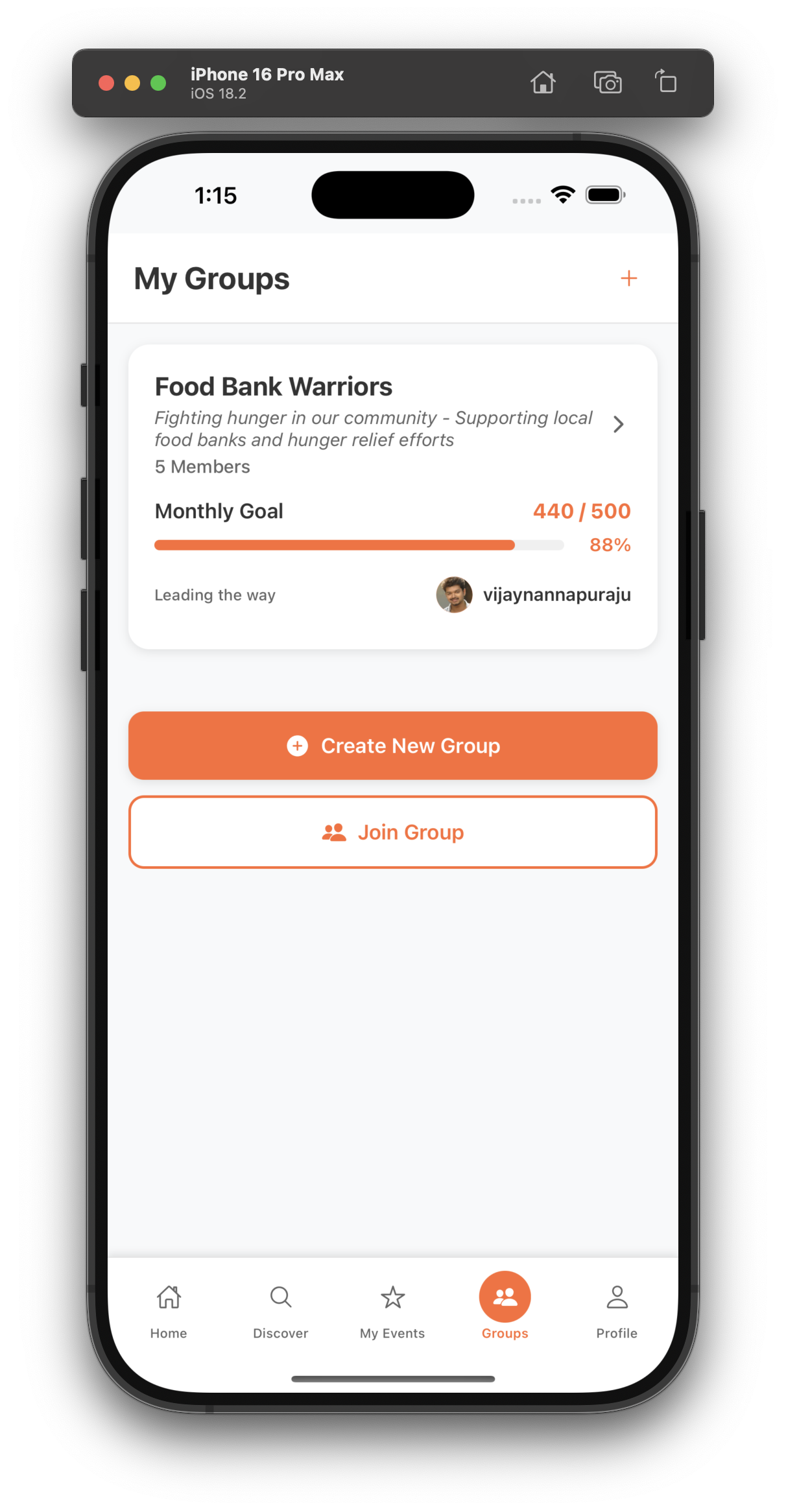
My Groups Light Mode
-
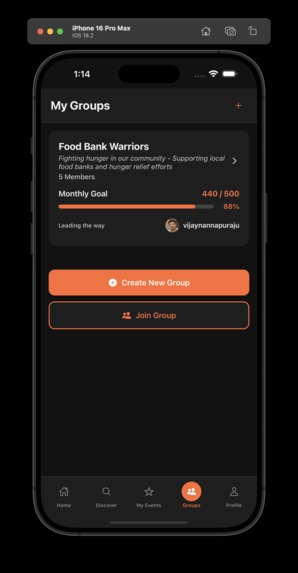
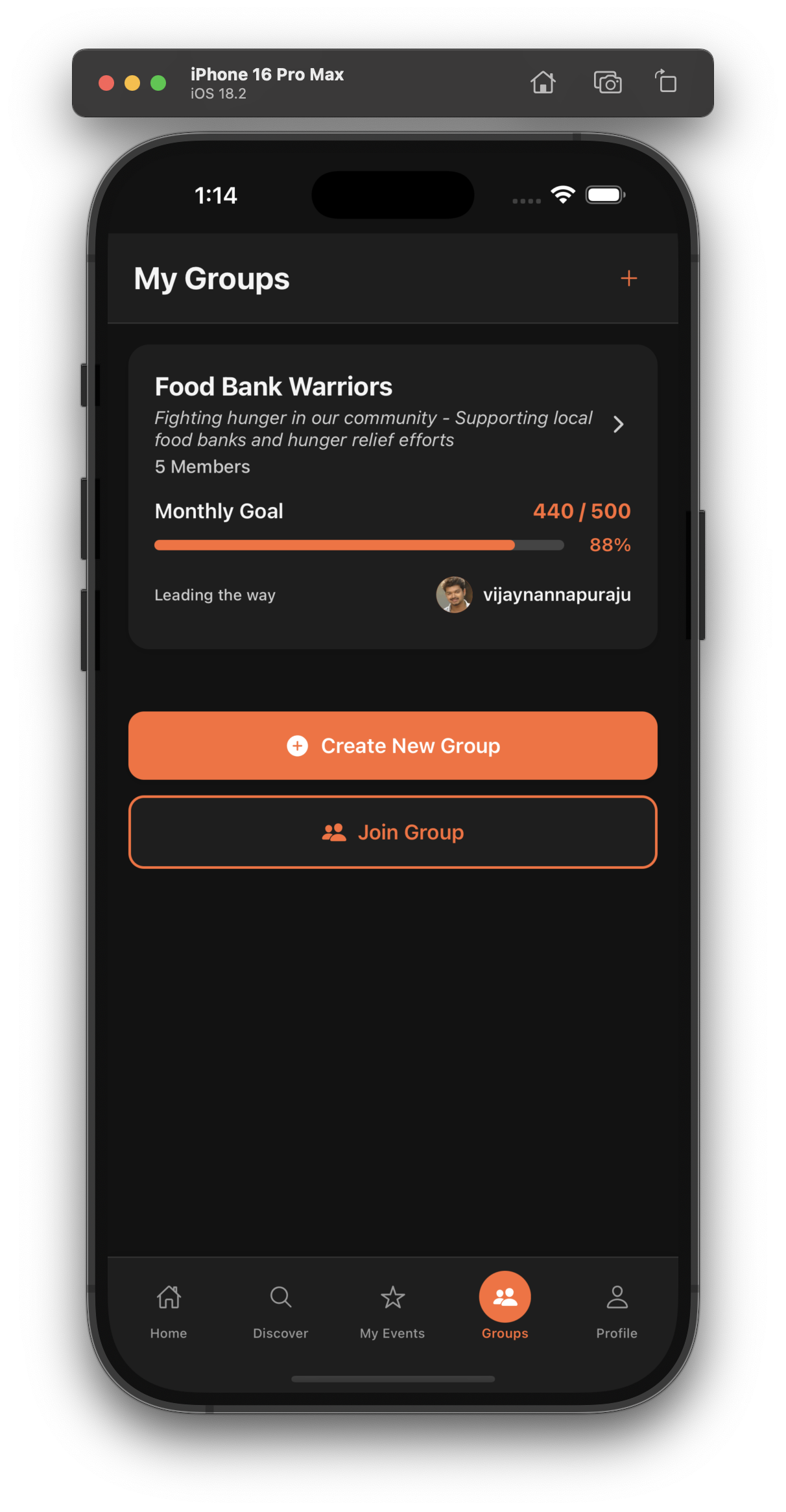
My Groups Dark Mode
-
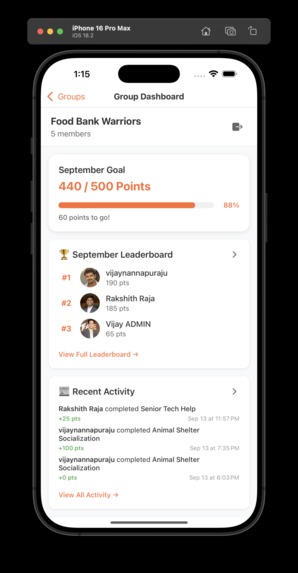
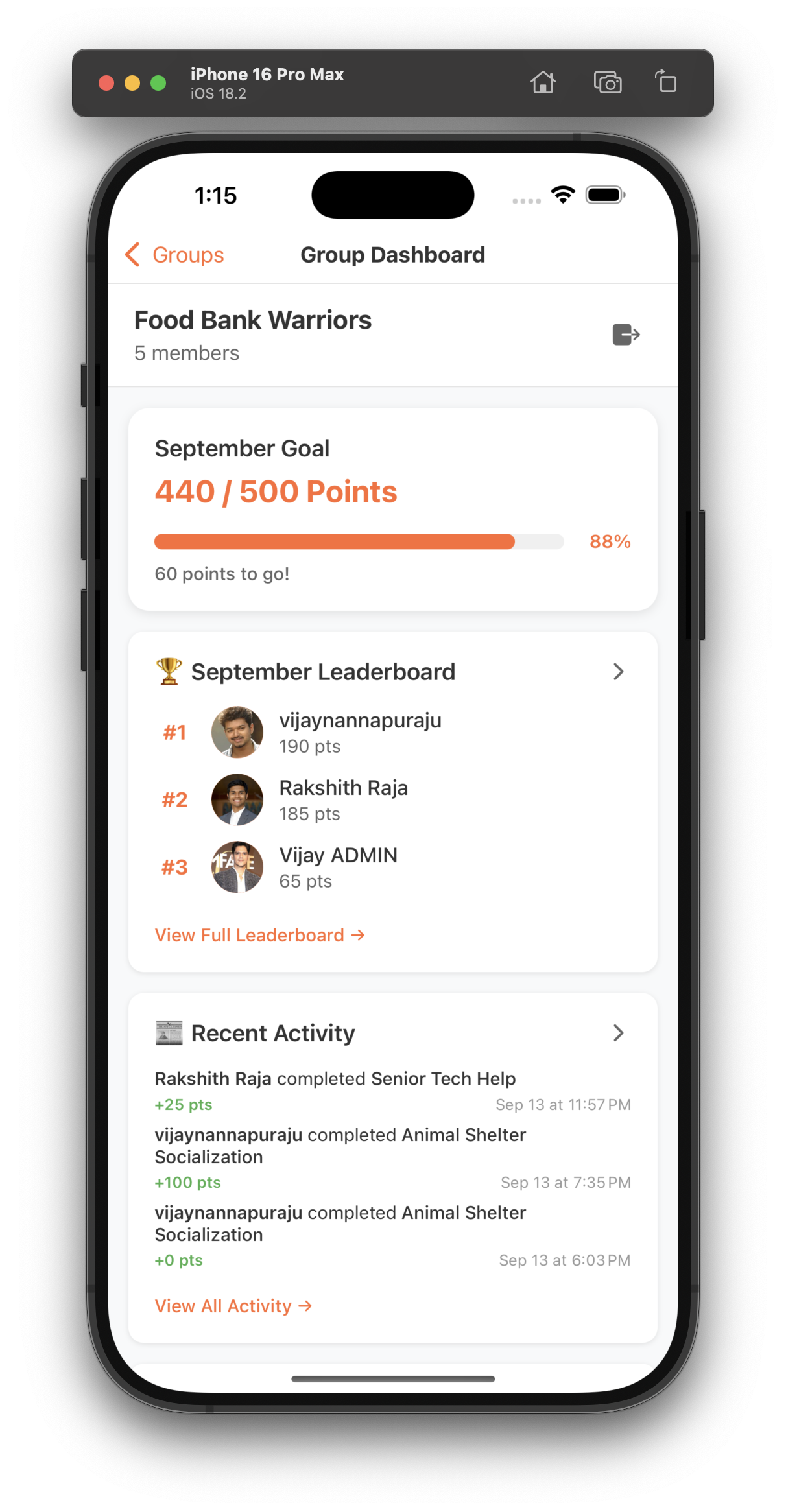
Group Dashboard Light mode
-
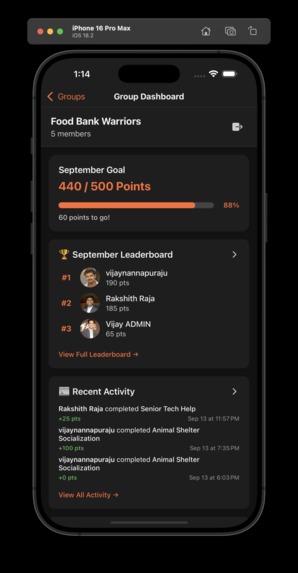
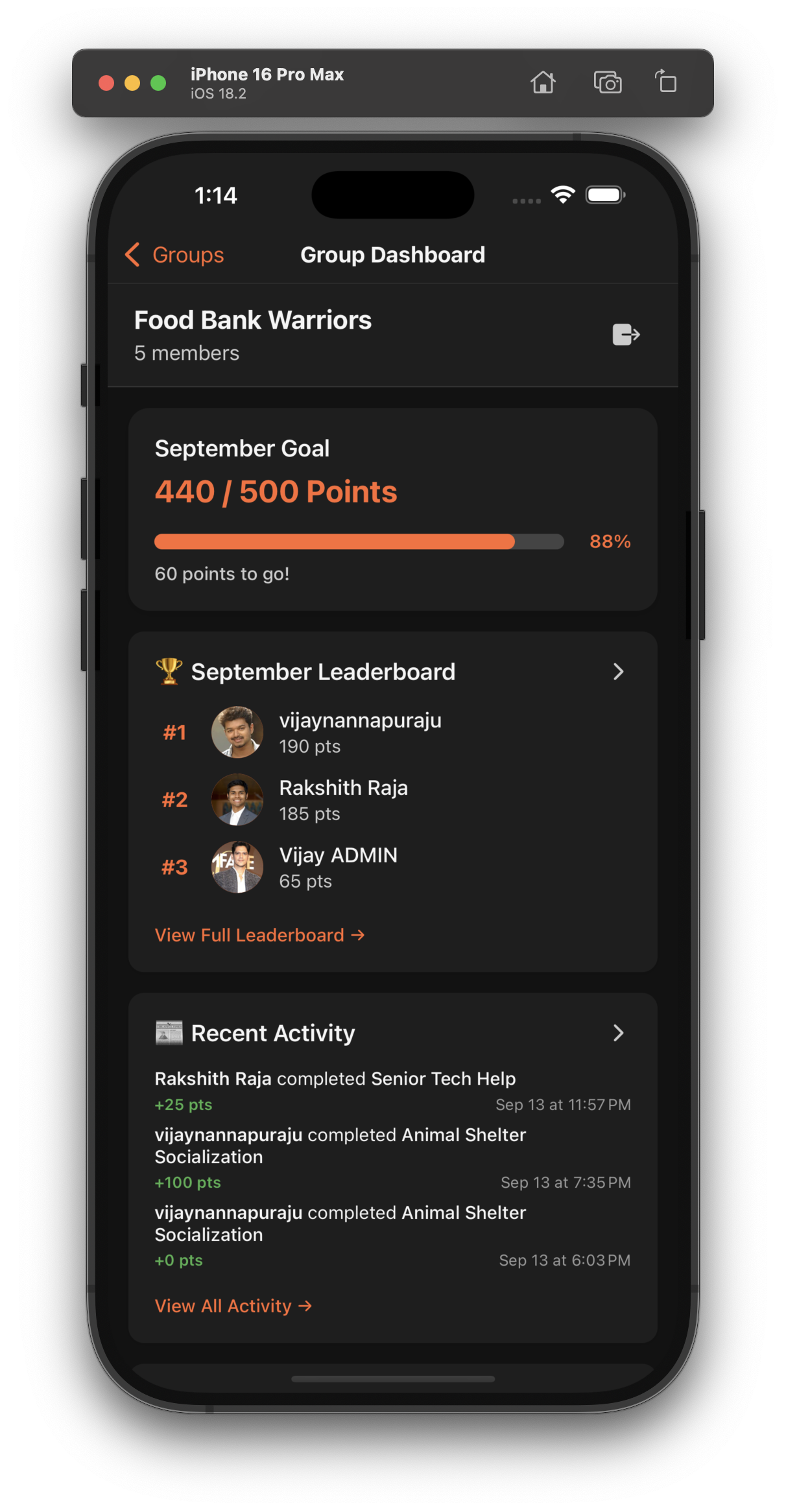
Group Dashboard Dark Mode
-
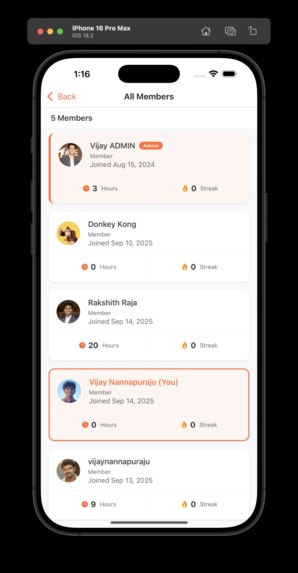
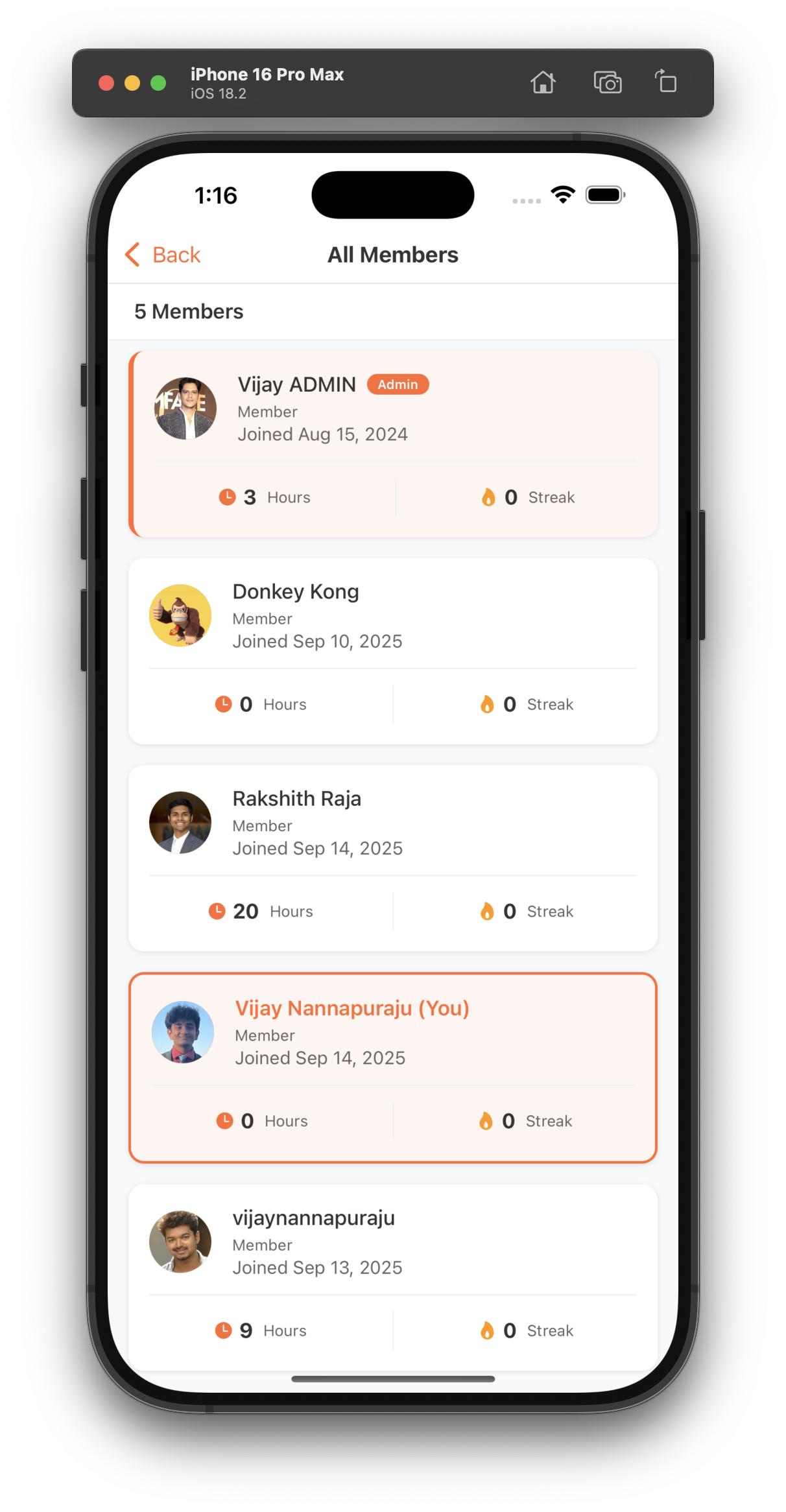
Group Member List Light Mode
-
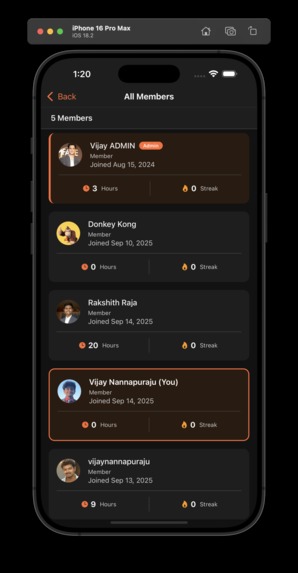
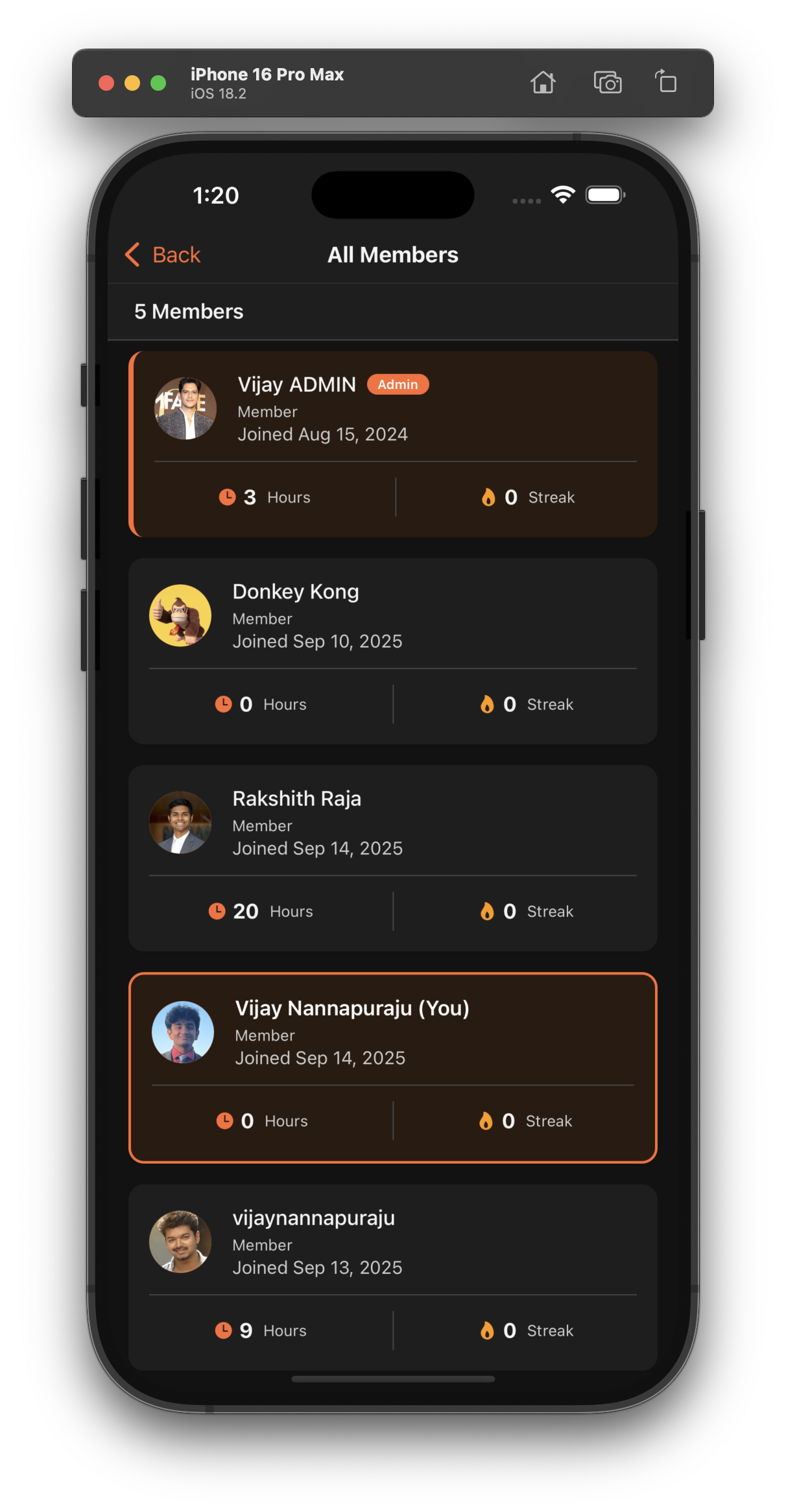
Group Member List Dark Mode
-
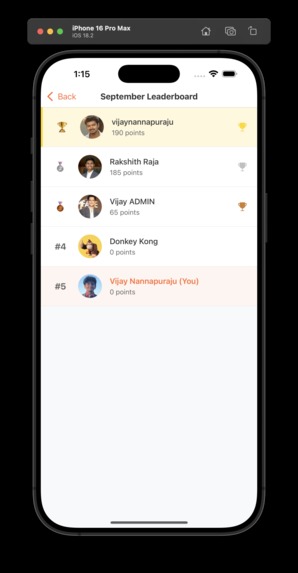
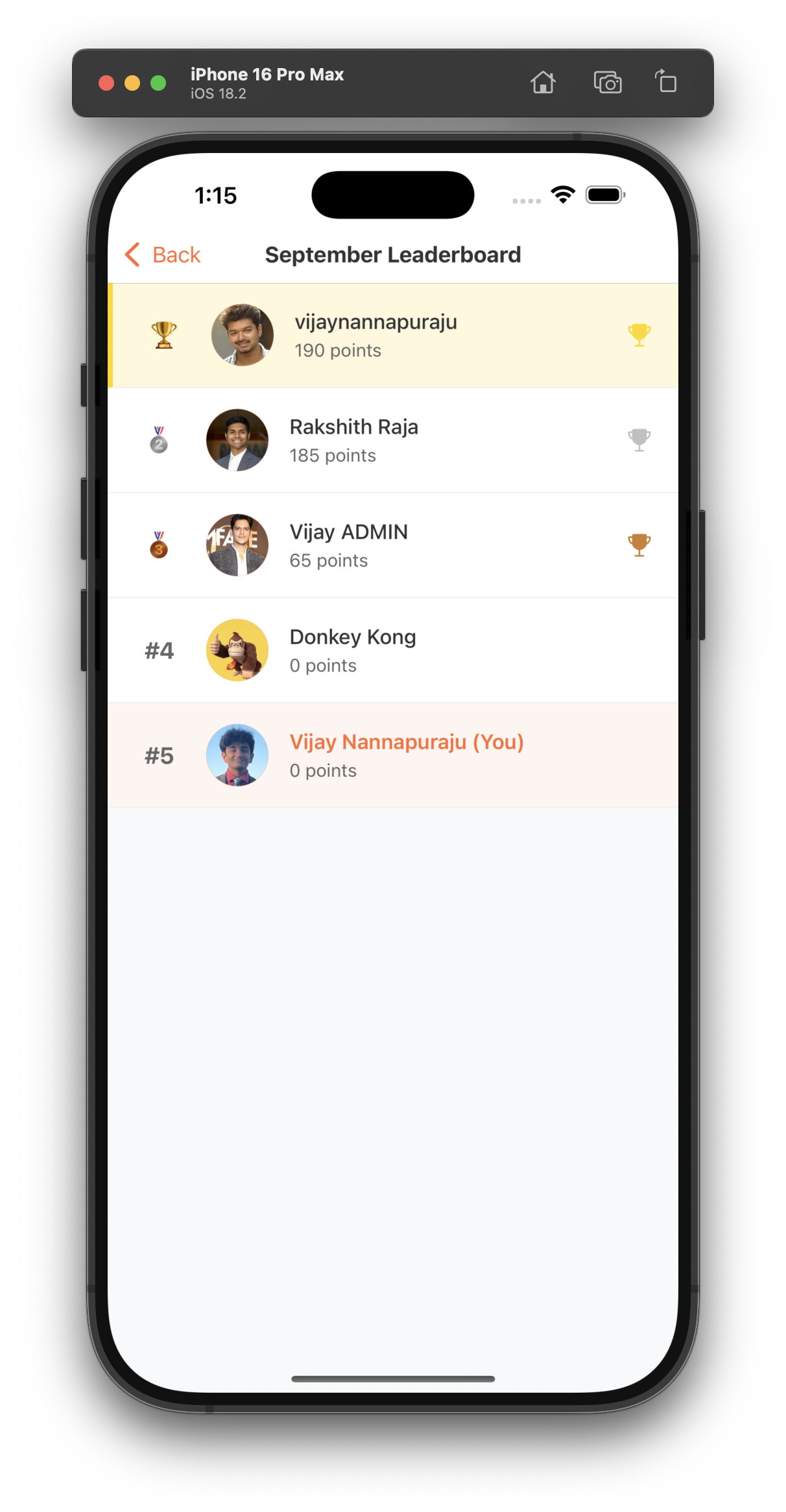
Group Leader Board Light Mode
-
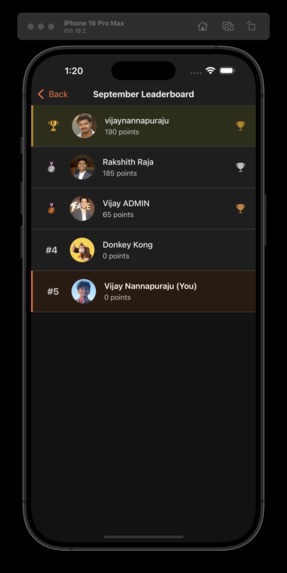
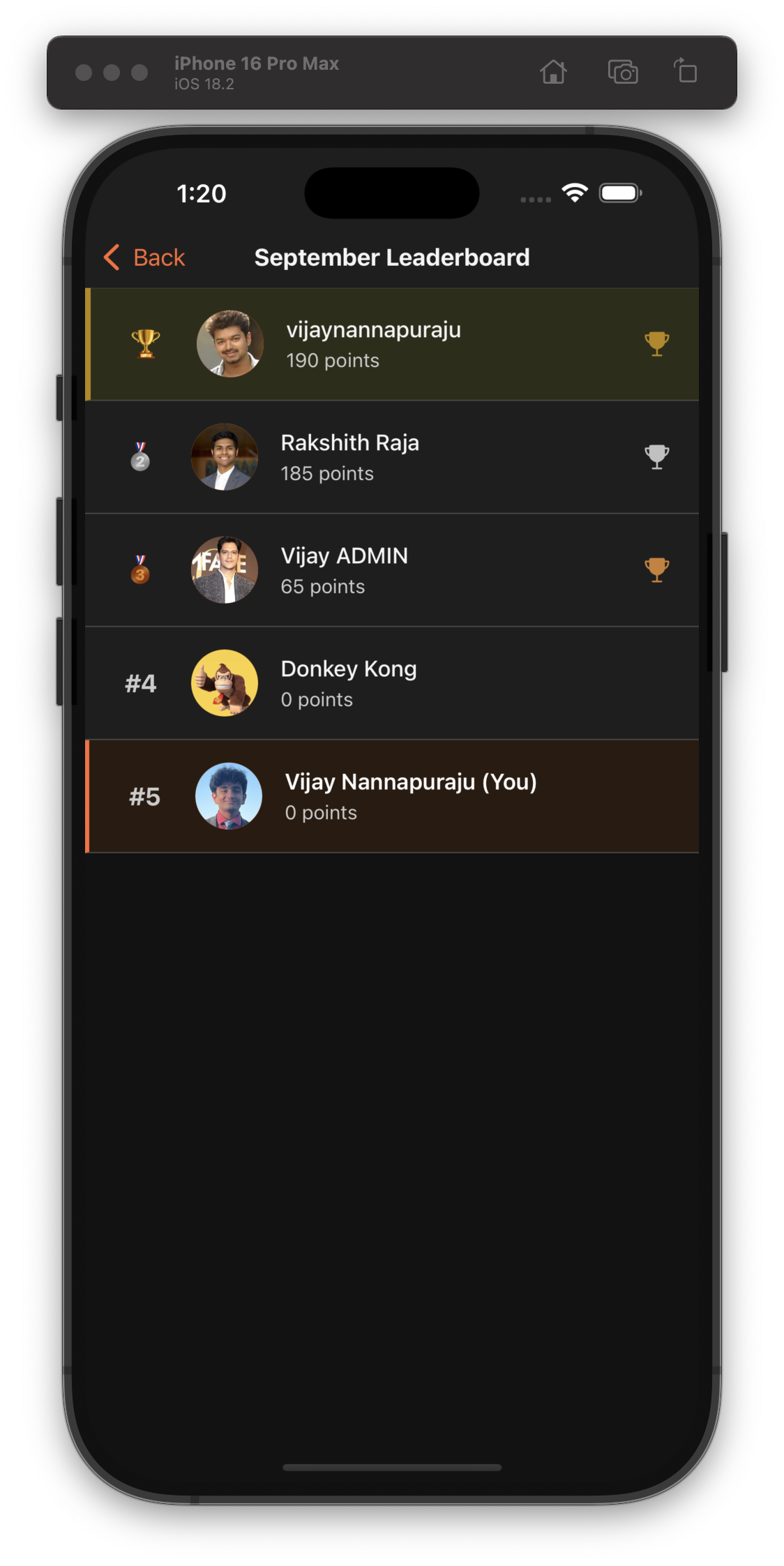
Group Leader Board Dark mode
-
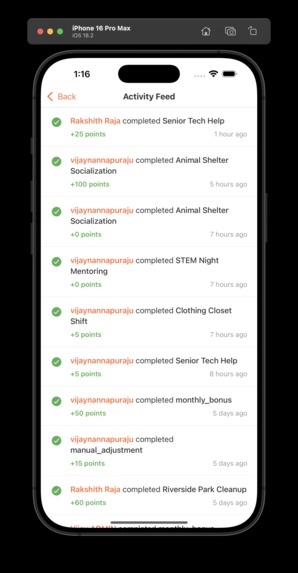
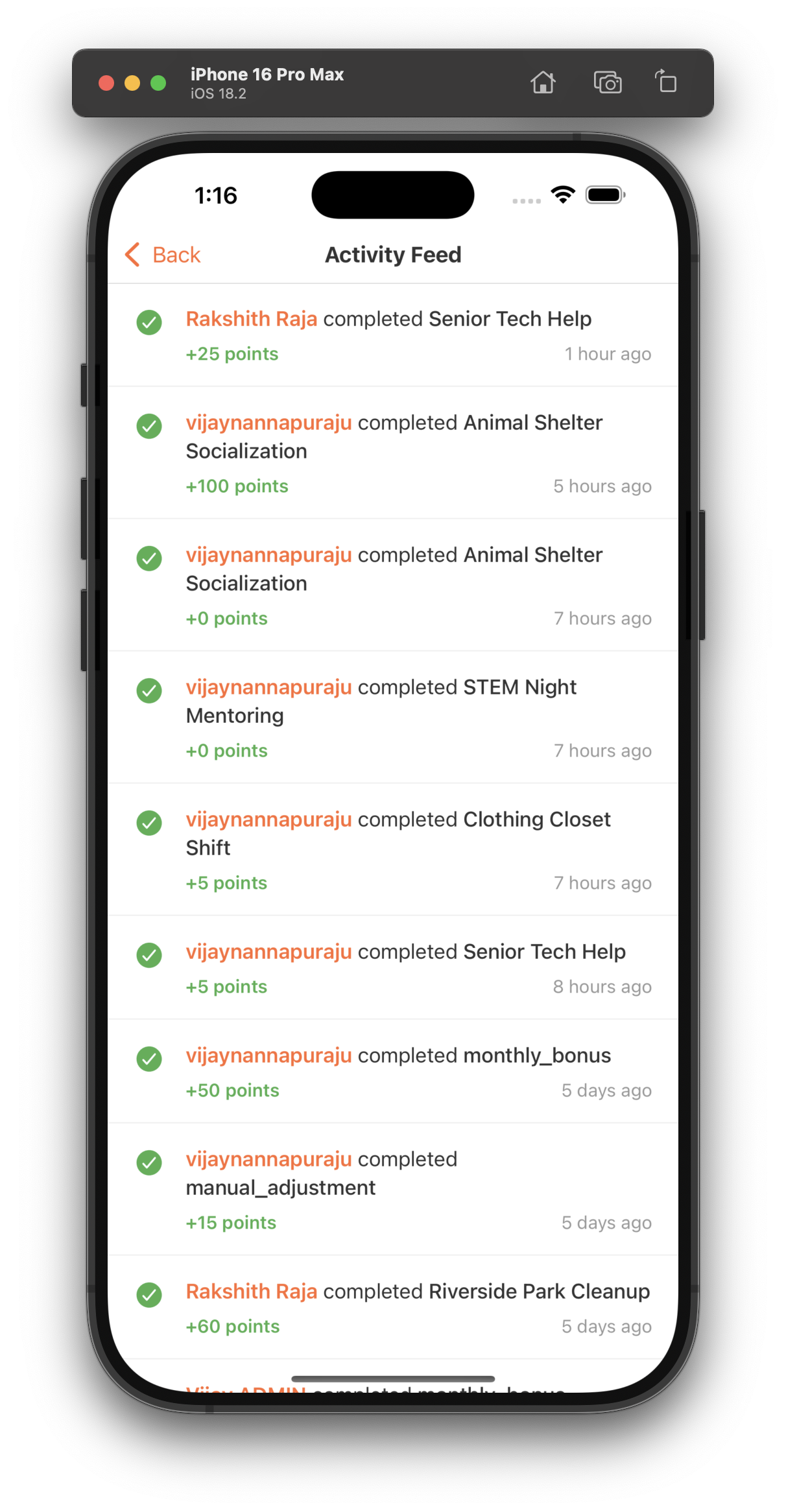
Group Activity Feed Light Mode
-
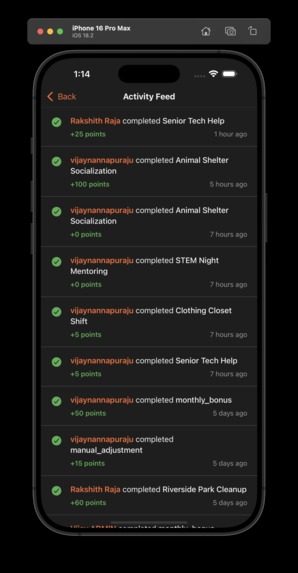
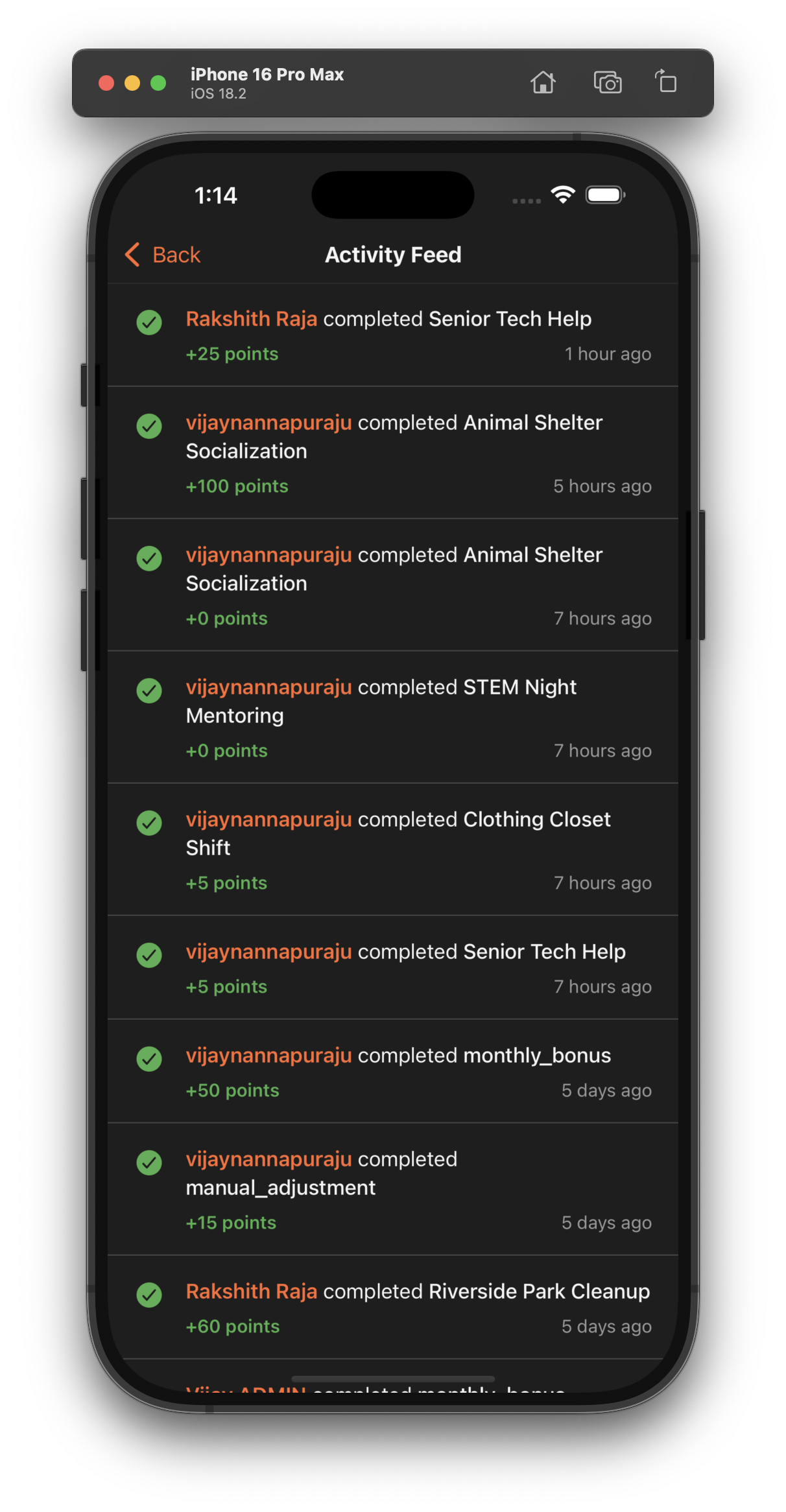
Group Activity Feed Dark Mode
-
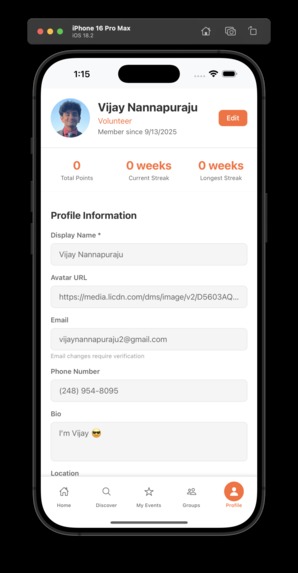
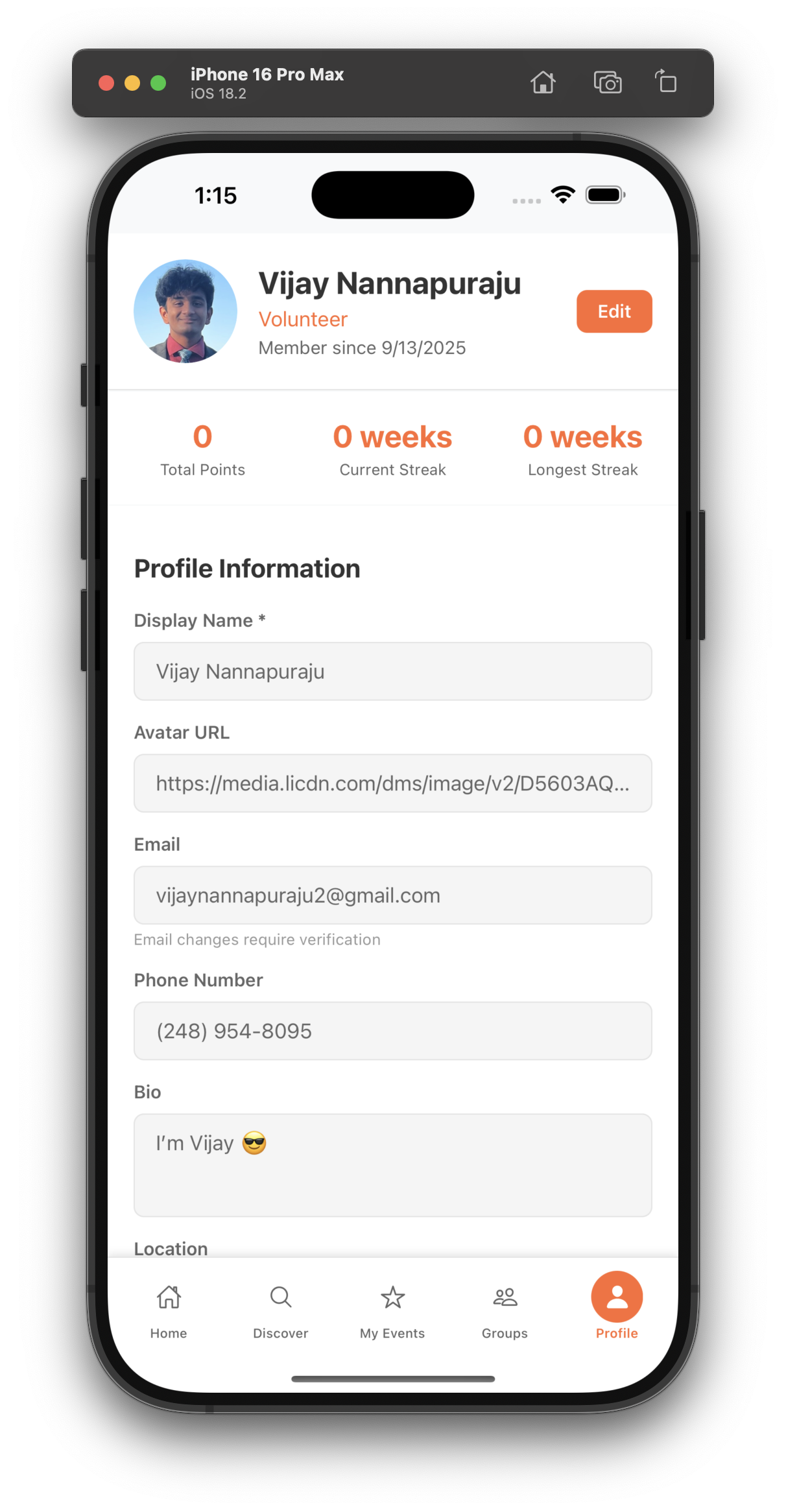
Profile Tab Light Mode
-
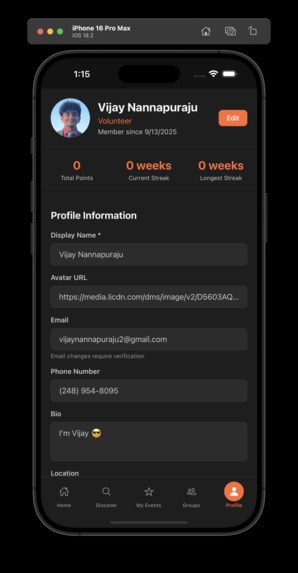
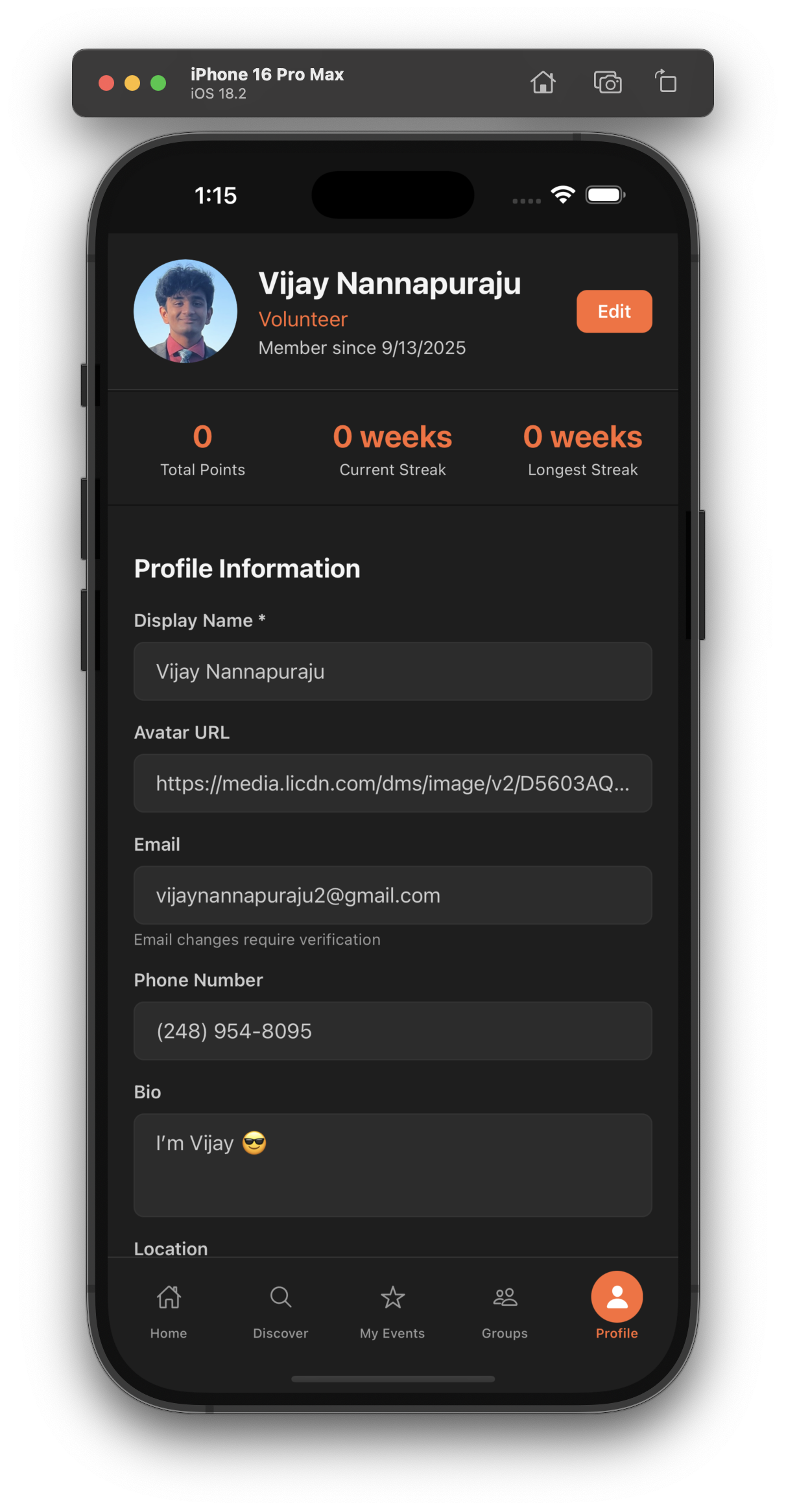
Profile Tab Dark Mode
-
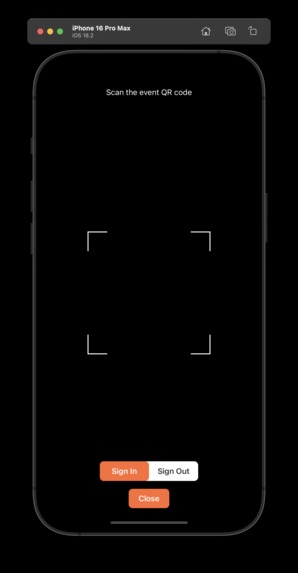
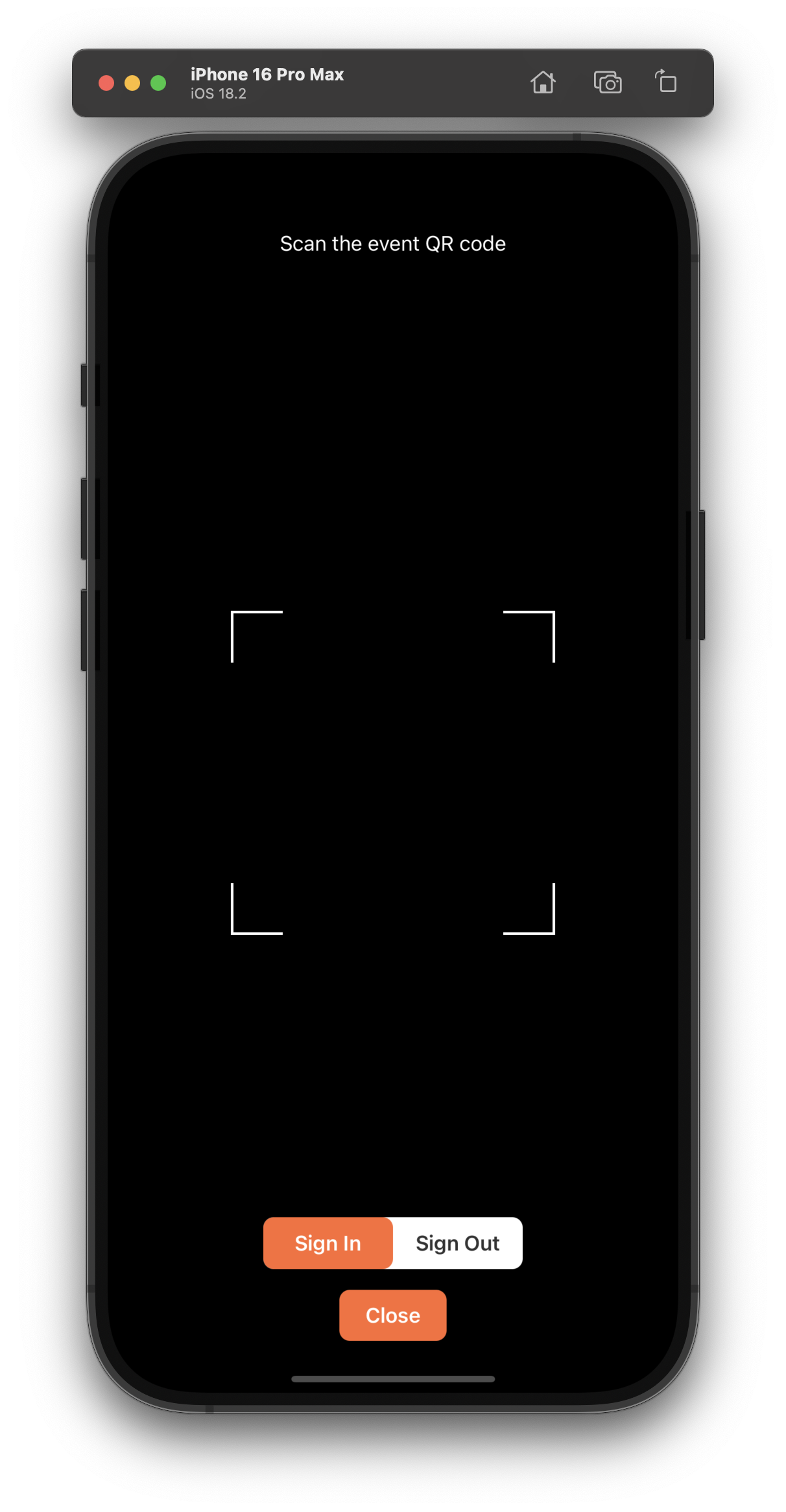
QR Code scanner Dark Mode
Introductions
We’re Rakshith Raja and Vijay Nannapuraju, two sophomores at the University of Michigan. We built Kindr, an app to make volunteering more engaging and rewarding, while giving philanthropic organizations a network to find motivated individuals to improve lives and strengthen communities.
Inspiration
While in high school, we often struggled to not only find events, but also log our volunteer hours amassed through different organizations. This made it difficult for us to keep an accurate record of verified service activities we did, as well as for our schools to verify the authenticity of our hours.
Every year, over 75 million people in the U.S. volunteer. Yet many face barriers to entry because opportunities are scattered and hard to access. At the same time, nonprofits and community organizations struggle to find reliable, motivated volunteers to support their work. For students, volunteering often feels less like a meaningful experience and more like a school requirement to check off, which can make it hard to stay motivated.
That’s why we created Kindr: to gamify volunteering in a way that makes service engaging and rewarding, while also providing organizations with a streamlined way to connect with passionate individuals ready to make a difference.
What it does
Kindr is designed to make volunteering more engaging and rewarding for individuals. Users can easily keep track of their hours while earning “points” that reflect both the time and quality of their work. A weekly streak system motivates consistency by encouraging at least one hour of volunteering each week, while a discover page makes it simple to find nearby opportunities by collecting upcoming events in one place. Users can also join groups with friends, classmates, or coworkers, to compete for points each month and work together towards a group goal of a set number of points.
For organizers, Kindr offers a streamlined platform to create and manage events, track participation, and verify attendance using automatically generated QR codes that users must scan as they enter and exit, ensuring their hours are verified and accurate. Organizers also gain access to a wide network of motivated volunteers, helping them expand their reach and ensure their events are well supported.
How we built it
We built Kindr as an iOS app using React Native with Expo to get the frontend up and running quickly. For the backend, we used Supabase, which let us manage the database with SQL while also handling authentication, sessions, and row-level security to keep everything secure. The check-in and check-out system was powered by the expo-barcode-scanner module, making sure users could only log hours if they actually attended an event. On top of that, we added Expo’s push notifications so users get reminders about their upcoming events and prompts to check in or check out when it’s time.
Challenges we ran into
We knew from the start that we were going to build the app in React Native, but we didn’t know what to do for the backend. We didn’t want to create a dedicated server and database infrastructure for the sake of time, so after digging around, we stumbled on Supabase and gave it a shot. It ended up working out extremely well: it gave us authentication, session management, and a SQL database out of the box, giving us more time to work on actual features.
What's next for Kindr
Looking ahead, we have many ideas to take Kindr further. Right now, events are just created by organizers, but we also want to explore scraping them from sites like Meetup so event holders can automatically reach more people. We also want to give organizers a better dashboard with more control over their events and attendees. On the user side, adding smarter recommendations with machine learning could help people find events they’re actually excited about based on what they’ve done before. After these are polished, our next big step is to publish on the App Store and build momentum, one community at a time.
Built With
- expo.io
- react-native
- rest-api
- sql
- supabase
- typescript


Log in or sign up for Devpost to join the conversation.