Kindo — Our Hackathon Story
Inspiration
This project is personal. I know someone living with Alzheimer's, and another person who had a serious accident and can no longer form new memories of what happens after it. Watching them struggle — not with who they are, but with the thread of their daily life — made me want to build something that holds that thread for them. No forms, no effort. Just talk.
What We Built
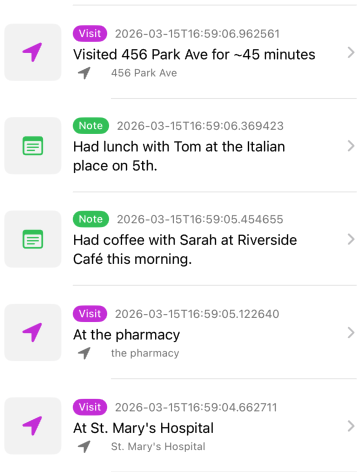
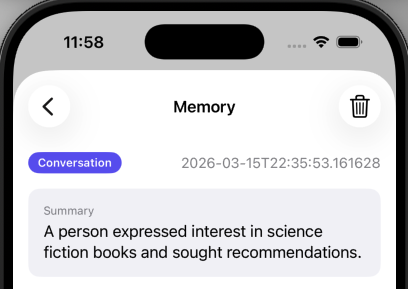
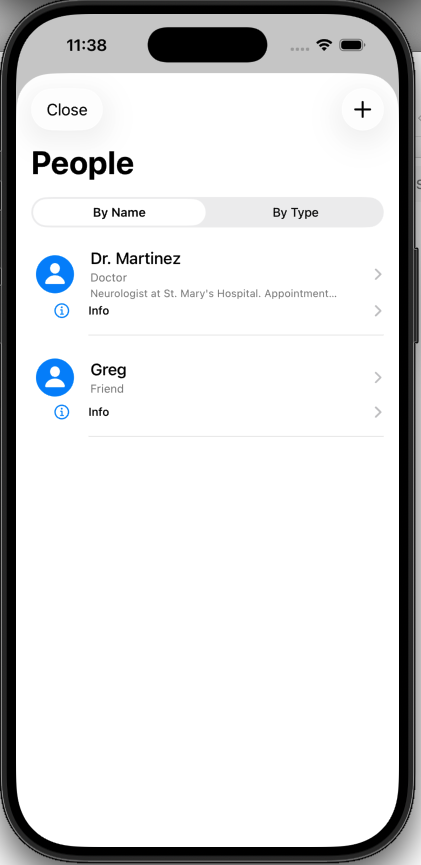
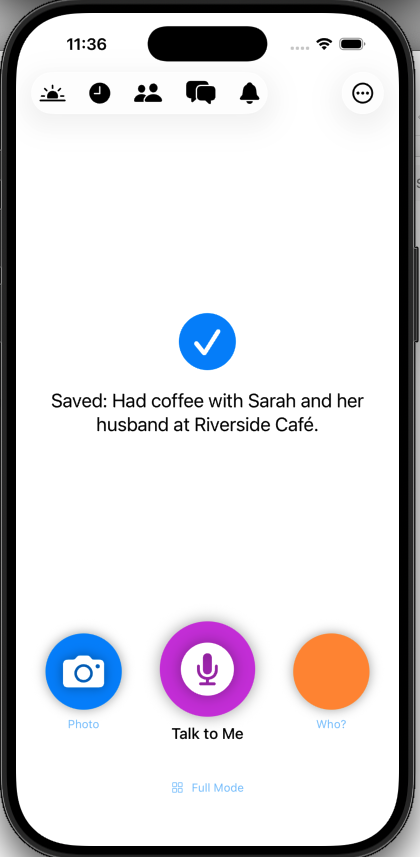
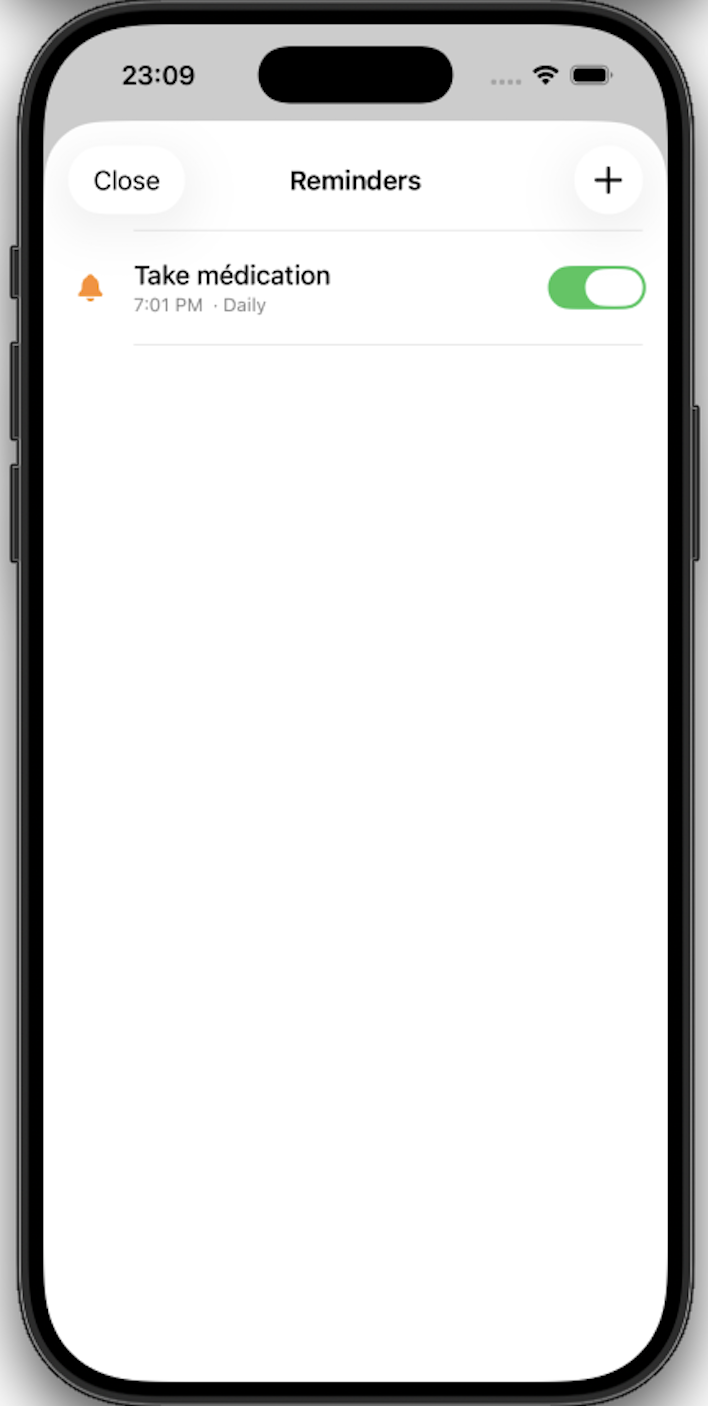
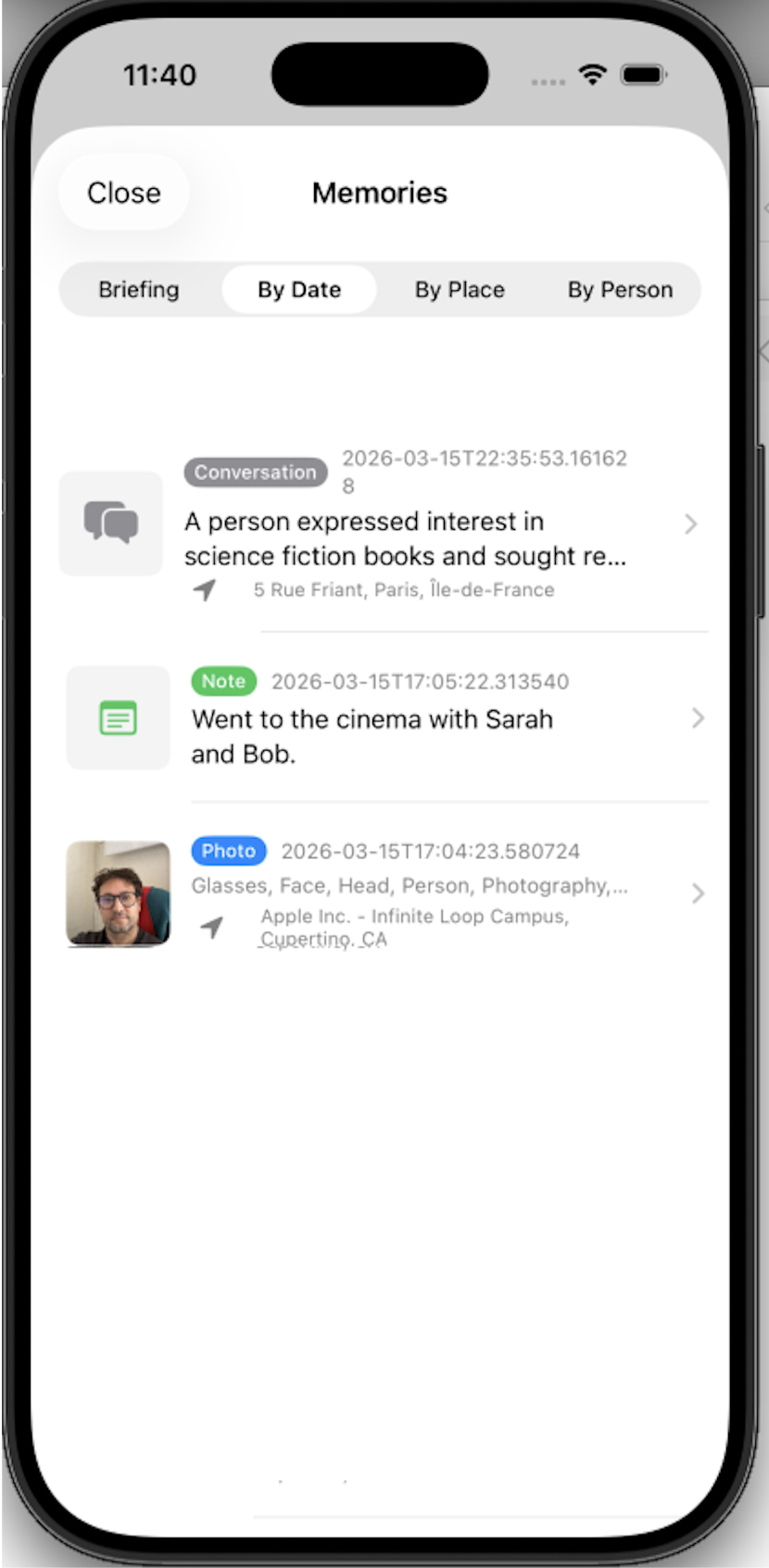
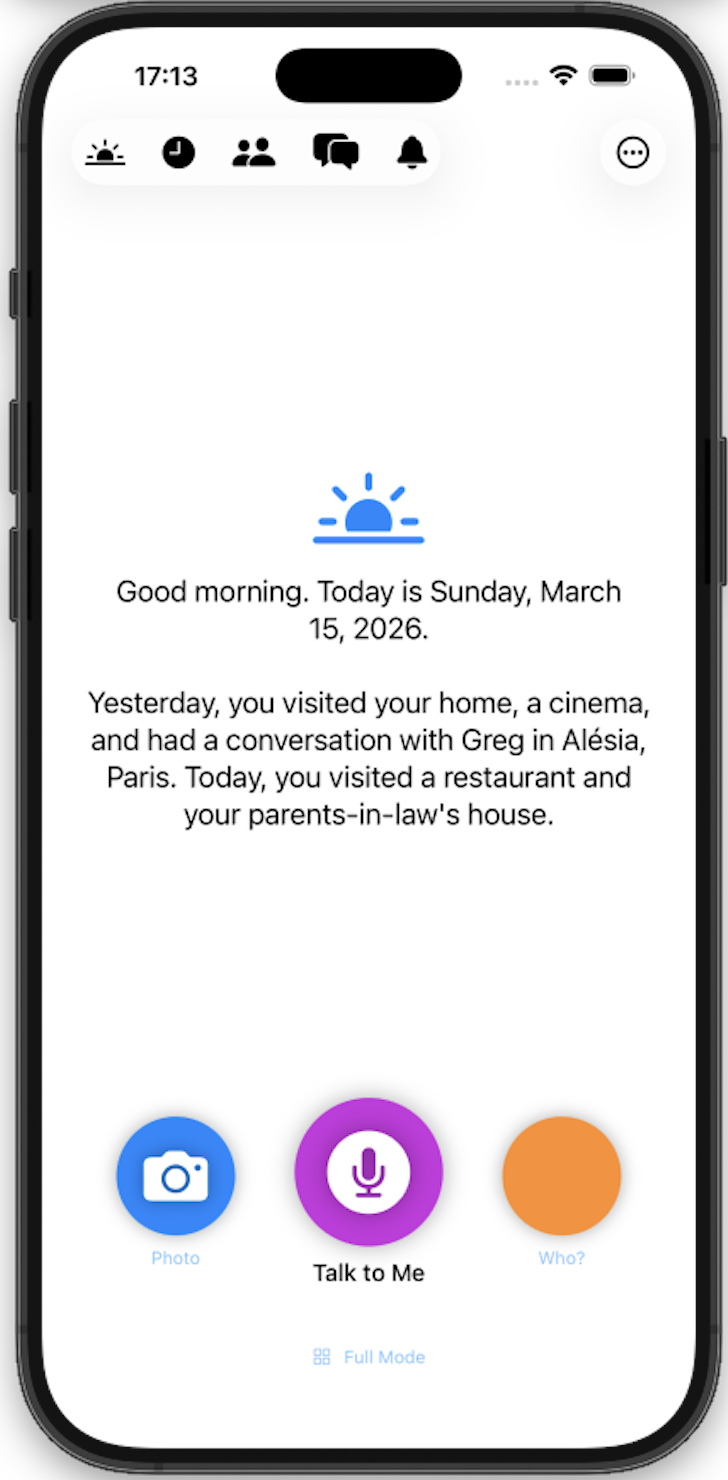
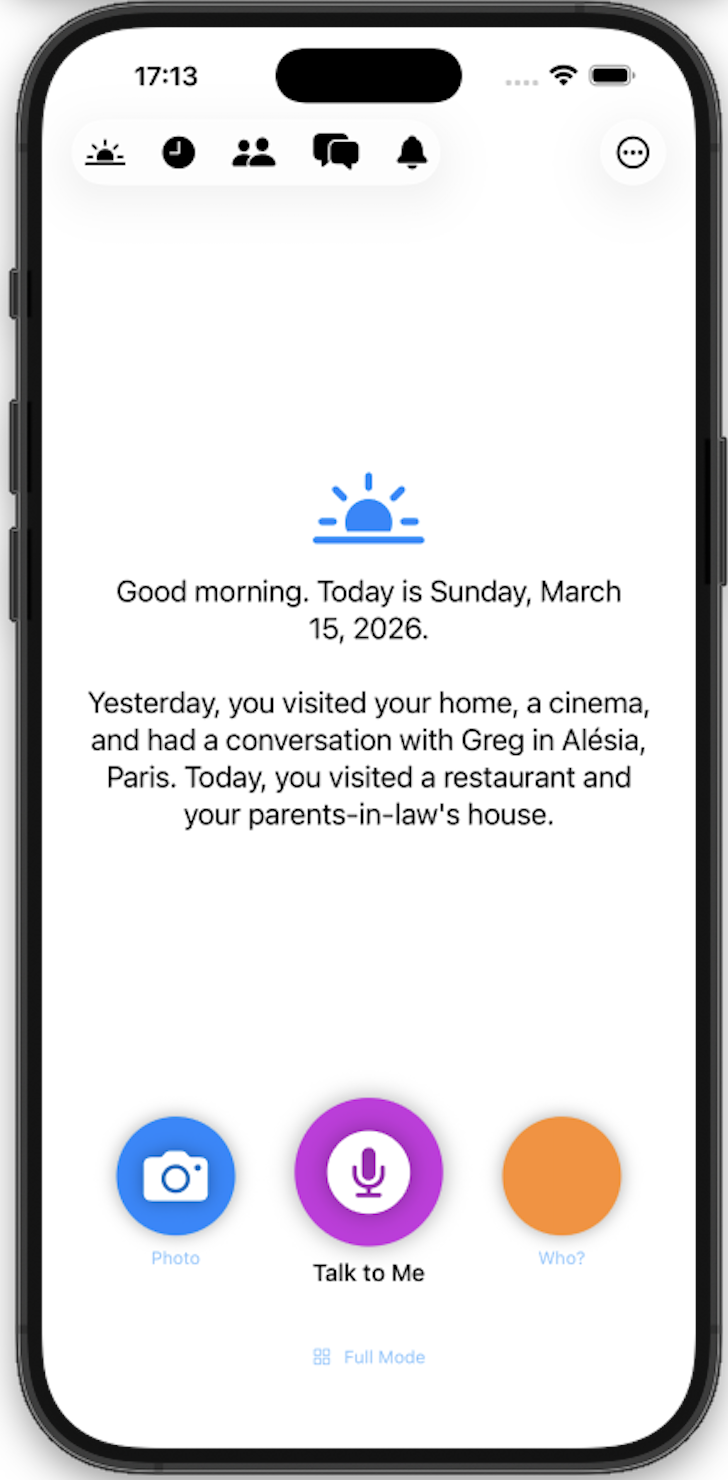
Kindo is a voice-first memory companion for iPhone. Say what happened and it saves it, linked to people and places. Stay somewhere 15 minutes and it logs the visit automatically. Add a photo of someone and they're recognized in every future photo. Record a conversation and get a two-sentence summary. Every morning, Polly reads you a spoken briefing of your week. Everything is browsable by date, person, or place.
The backend is fully serverless on AWS — Nova Pro for language understanding, Polly for voice, Transcribe for speech-to-text, Rekognition for faces, Lambda + API Gateway + DynamoDB + S3.
Challenges
Nova Sonic. We started with Nova Sonic for end-to-end voice interaction. Bidirectional streaming on a mobile connection proved unreliable — latency spikes, dropped streams, hard-to-debug failures. On top of that, the cost model for continuous streaming didn't fit a consumer app. We pivoted to a simpler architecture: Transcribe for speech-to-text, Nova Pro for reasoning, and Polly for the response. More predictable, cheaper, and easier to tune — each step independently controllable.
Hallucinations We still face hallucinations where briefing would mix places, people and dates
Scope. We had to cut several features to ship something focused and working. Which leads directly to what's next.
What We're Proud Of
We built a working end-to-end system in a hackathon — a real iOS app, a real serverless backend, real AI — that solves a real problem for real people. The daily briefing in particular feels genuinely useful: a spoken summary of your week, read back to you every morning like a gentle reminder of your own life. We're proud that it doesn't feel like a tech demo. It feels like something someone could actually use.
What We Learned
The best assistive technology disappears. The goal was never an app people think about — it was something that quietly holds their story for them. Simpler architectures, when chosen deliberately, are often the right ones.
We also experienced firsthand the power of AI-assisted coding tools. Amazon Kiro helped us design the system architecture, scaffold the AWS infrastructure with CDK, and build the entire SwiftUI iOS app — accelerating what would normally take weeks into a hackathon timeline.
What's Next for Kindo
The current app still has buttons. The real vision is fully voice-controlled — pick up the phone, talk, put it down. Nothing else required.
- Fully hands-free interaction — no buttons, no screen, just conversation
- Works autonomously — more automation, more places and routines recognized without any input from the user
- Emergency contact — say "call my daughter" or trigger an alert if something seems wrong
- Easy calling — voice-dial anyone in your people list, no navigating contacts
- Caregiver view — a companion app so family members can see the timeline and stay connected
- Wearable — the logical next step is getting off the phone entirely, onto a device that's always there
The privacy questions are real and we take them seriously. A system that knows where you are, who you're with, and what you said every day requires trust. Consent, transparency, and on-device processing where possible are non-negotiable as this grows.
Built With
- amazon-web-services
- bedrock
- cdk
- dynamodb
- eventbridge
- kiro
- nova
- polly
- python
- s3
- swift


Log in or sign up for Devpost to join the conversation.