-
-
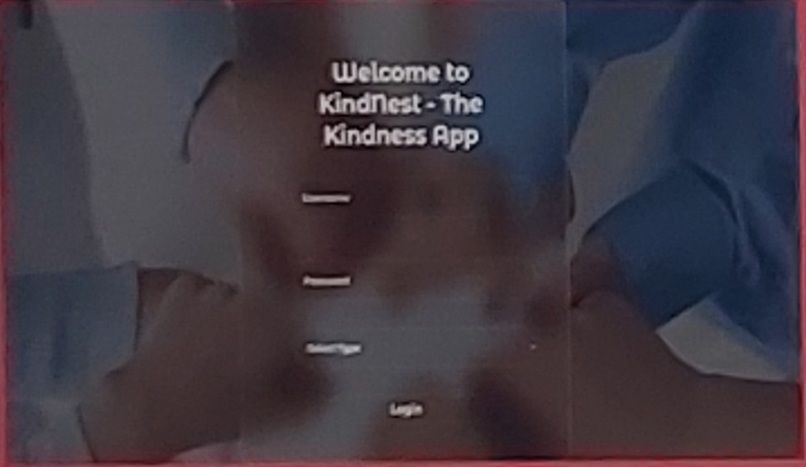
Login Page
-
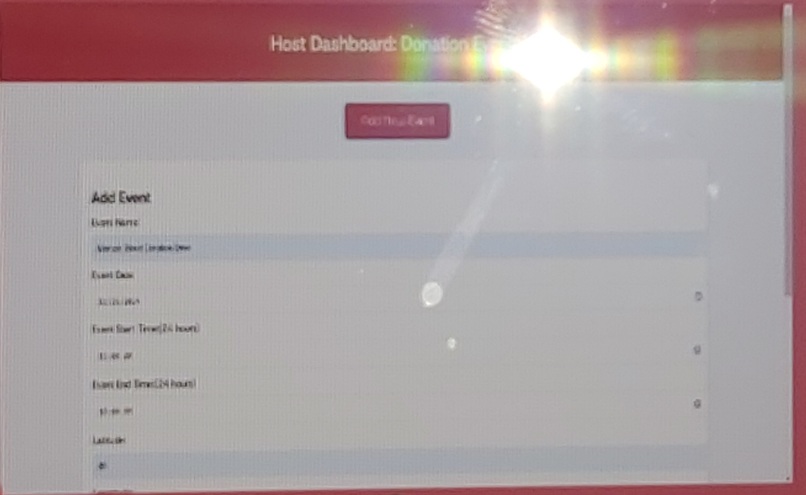
Host Adding Event
-
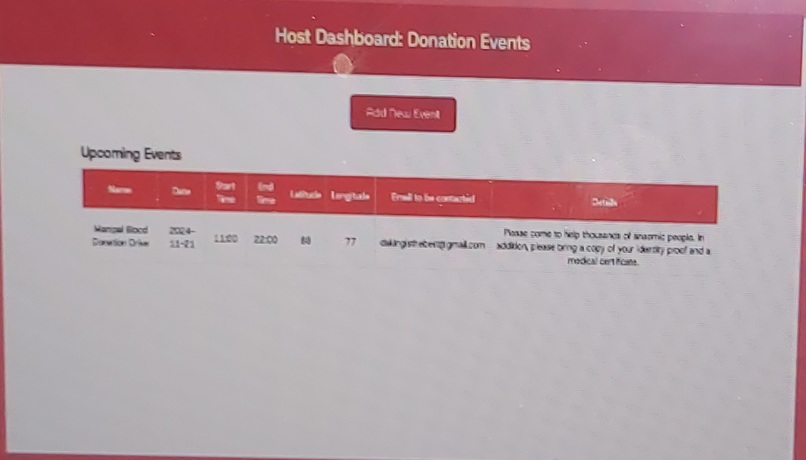
Host Dashboard


Inspiration
The inspiration behind Kindnest came from the desire to create a platform that brings communities together, allowing individuals to easily discover and participate in local camps and drives. As people become more engaged in making a difference, it’s important to have a simple and accessible way to find these events. We wanted to build a space where hosts could also easily share their initiatives, whether it’s a community cleanup or a charity fundraiser, making it easier for volunteers to get involved.
What it does
Kindnest helps users find local camps and drives based on their geographical location. The platform allows event hosts to add their own events, which are then visible to anyone in the vicinity. Users can search for events by location, date, and type of initiative, helping them find the causes they care about. Whether you want to help with a local charity drive or join a community camping trip, Kindnest makes it simple to connect with others who share your passion for giving back.
How we built it
Kindnest was built using a combination of modern web technologies, including HTML, CSS, and JavaScript. The frontend is designed with a clean, user-friendly interface to allow easy navigation. The map feature uses Leaflet.js, a JavaScript library for interactive maps, to display the locations of events in the user’s area. We also used Flask, a Python web framework, to handle the backend logic, allowing hosts to easily add events to the platform and for users to search for them. The website is responsive, ensuring it works on both desktop and mobile devices.
Challenges we ran into
One of the biggest challenges we faced was ensuring that the map displayed correctly on the website, especially when embedding it within the iframe. Initially, the map wouldn’t show up when accessed through Flask, even though it worked fine when opened individually. After troubleshooting, we learned the importance of relative file paths and the configuration of static files within the Flask framework. Another challenge was managing user input, particularly in verifying the location data and ensuring that event searches were as accurate and responsive as possible.
Accomplishments that we're proud of
We are proud of how we were able to integrate multiple features into one platform, making it easy for users to both find and add events. The interactive map functionality works seamlessly, and we were able to ensure that users can filter events based on their location and preferences. Additionally, we were able to launch the platform in time to start engaging users and event hosts, helping foster a sense of community and collaboration.
What we learned
Throughout this project, we learned a lot about web development, particularly about how to integrate interactive maps and manage the challenges that come with backend development. We also learned the importance of clear and intuitive design in creating a user-friendly platform. The experience of dealing with Flask and working with geolocation data expanded our technical skills and allowed us to approach problem-solving from different angles.
What's next for 27 Aurora - KindNest
In the future, we plan to enhance User accounts: Allow users to create profiles and save their favorite events or upcoming ones. Event notifications: Let users opt-in to receive notifications about new events in their area. Enhanced event filtering: Add filters for event type, size, and accessibility to help users find events that suit their preferences. Our goal is to make Kindnest the go-to platform for local camps and drives, making it easier for people to find opportunities to give back to their communities.
Built With
- css3
- flask
- geodessic
- html5
- javascript
- python
