Inspiration
I’ve always been used to handling my own tasks and responsibilities, no matter how difficult they get. But there are moments when something is just not possible to do alone. In those situations, finding reliable help quickly becomes a real challenge. That gap is what led to the idea behind KindChain.
What it does
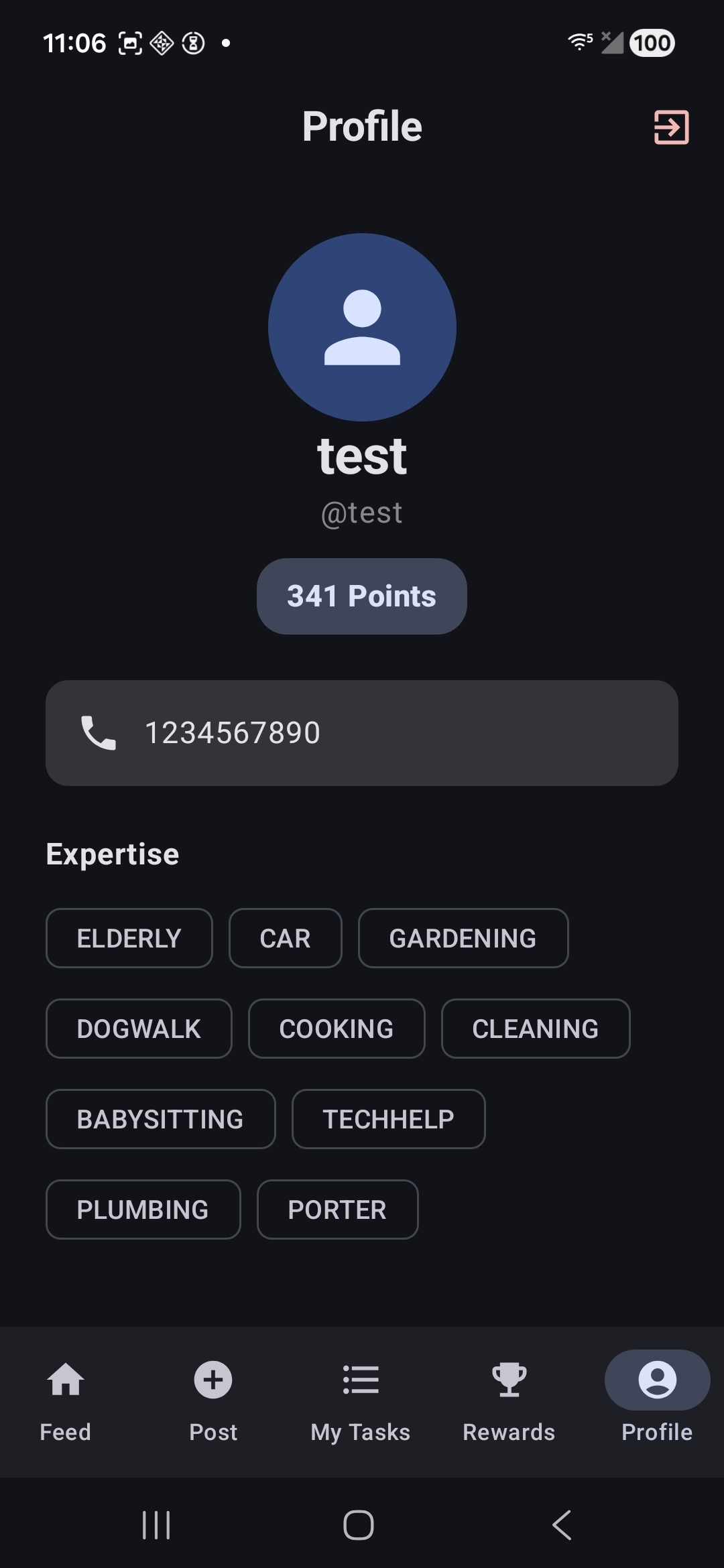
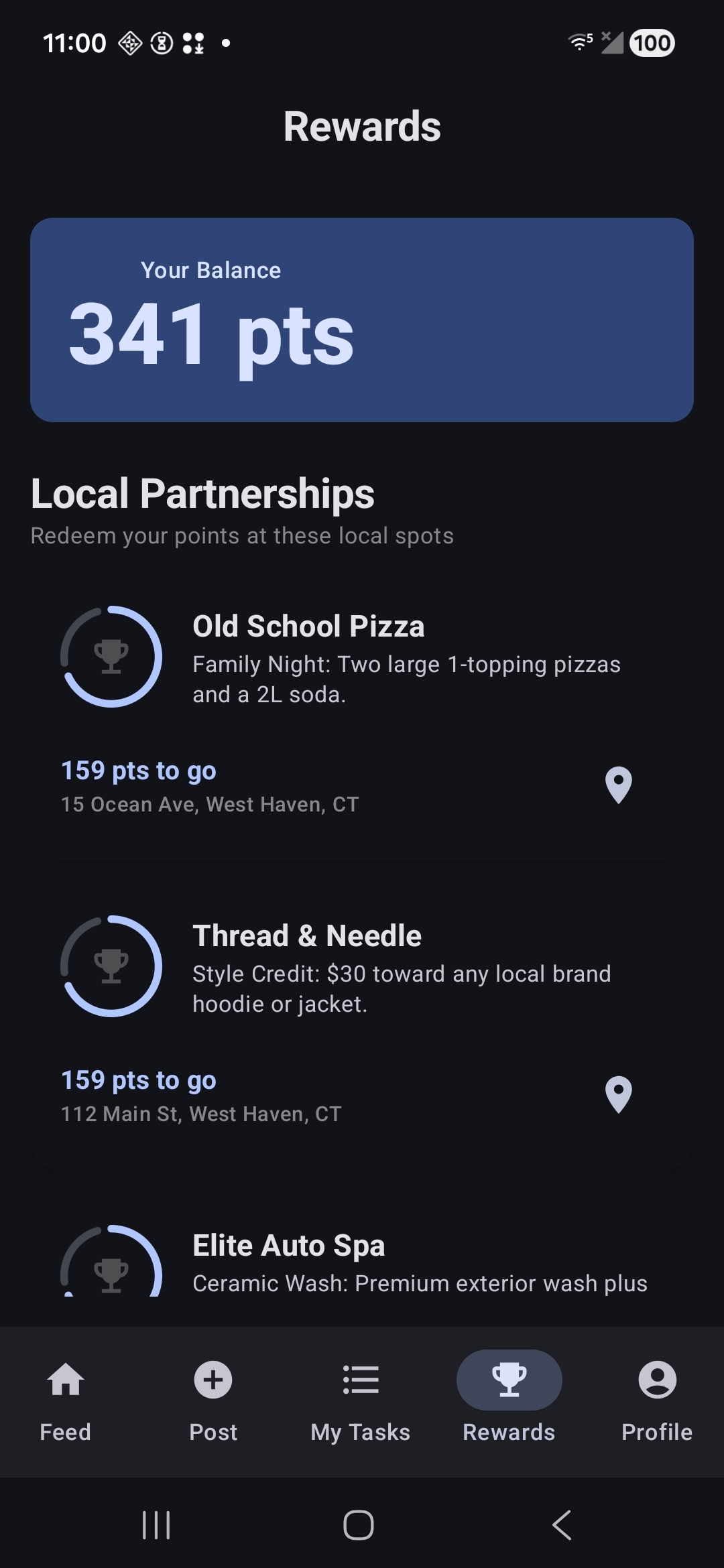
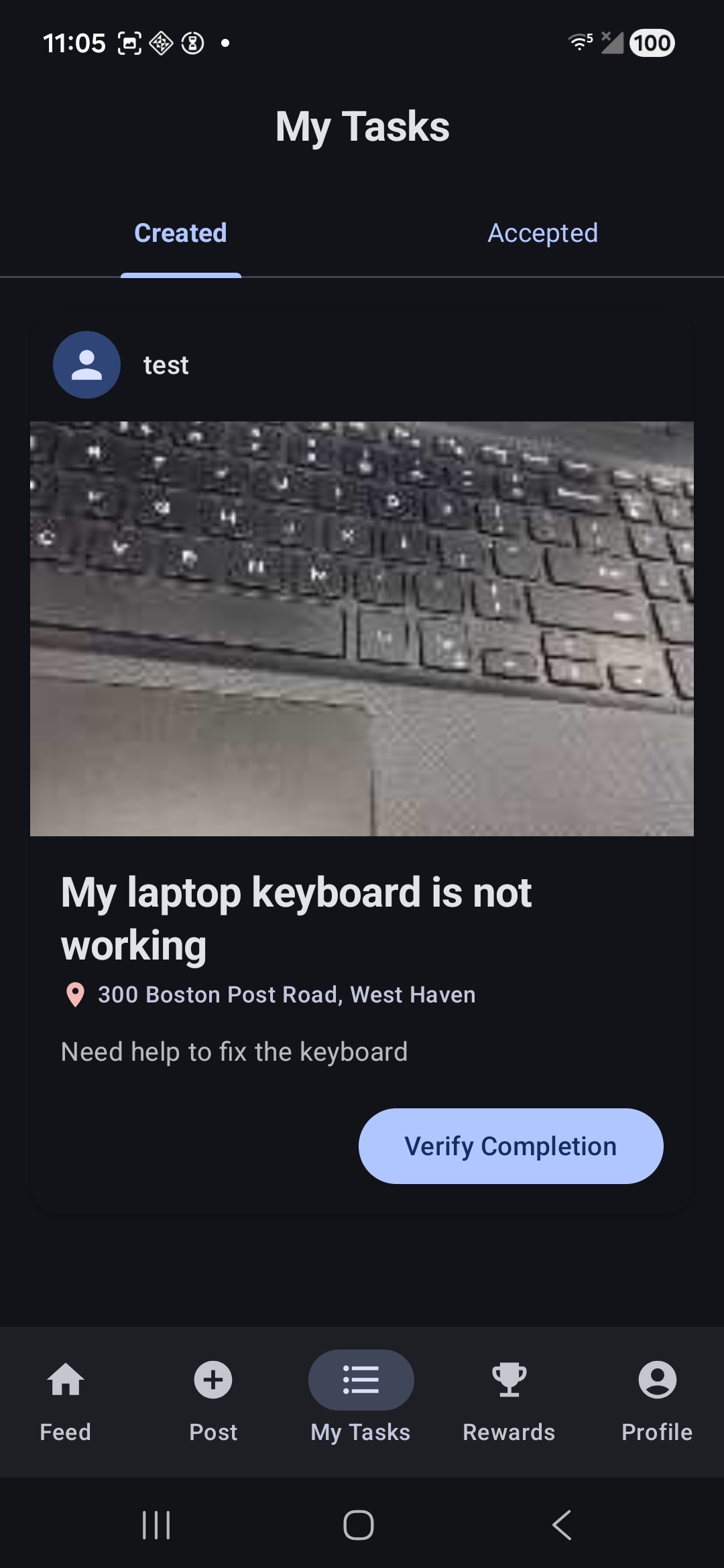
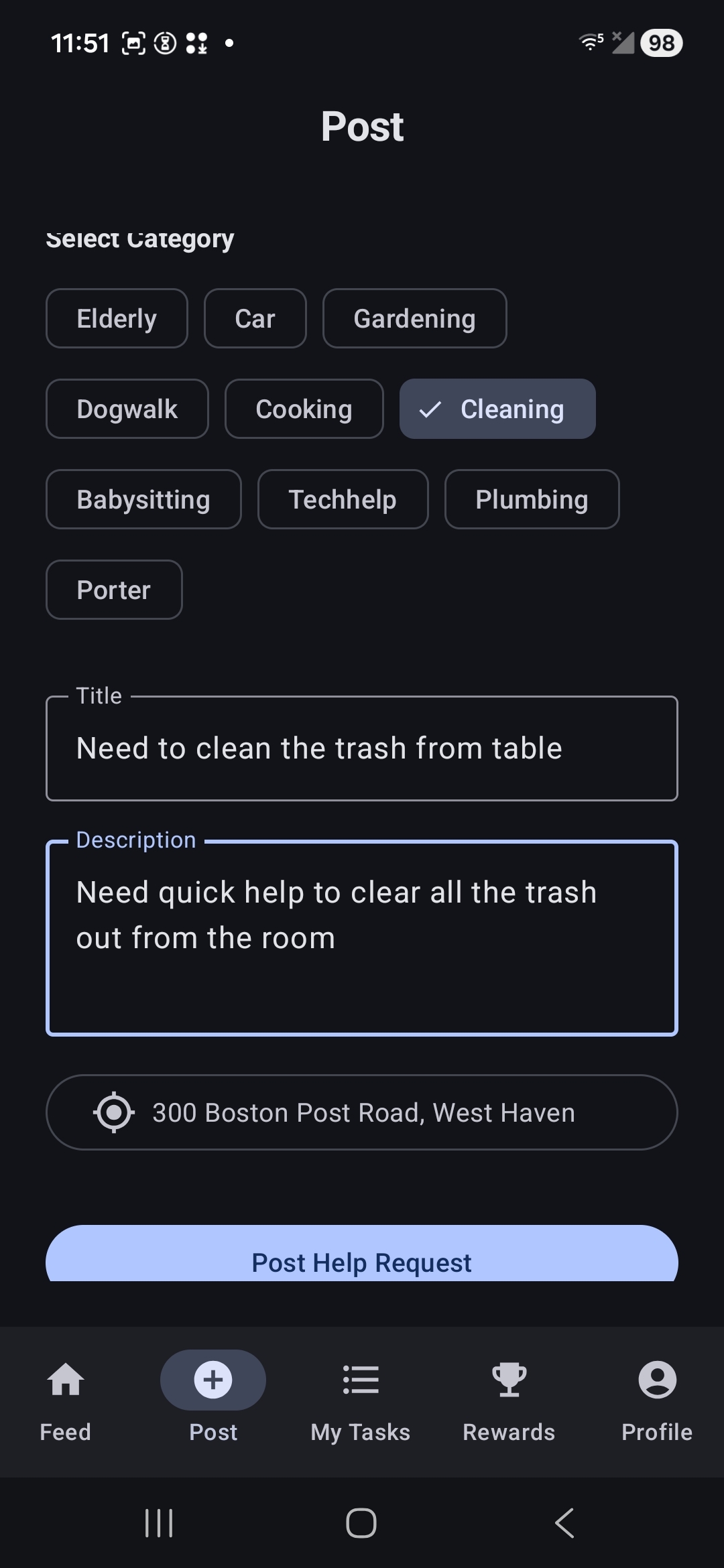
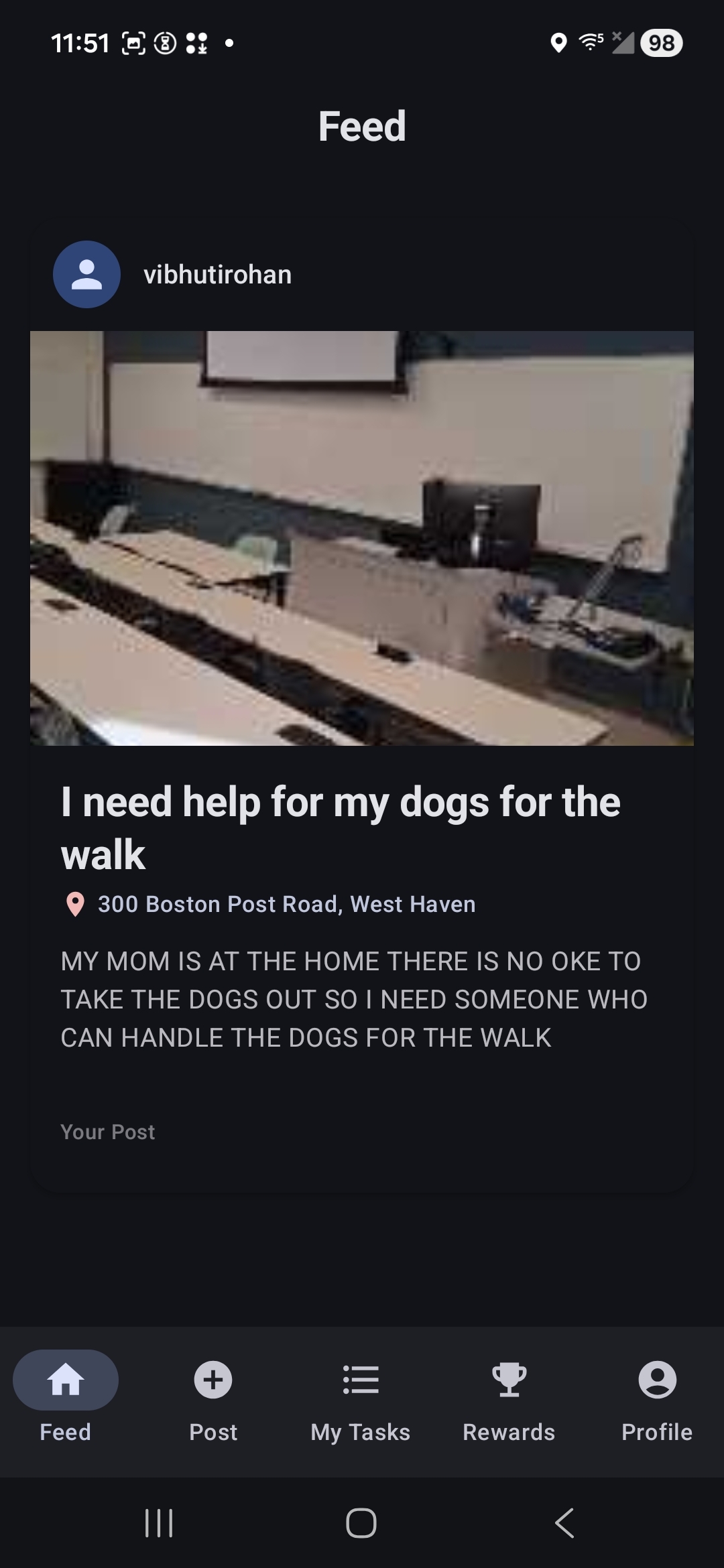
KindChain brings people together at a local level. If someone needs help, they can post a task with details like location and required skills. Others nearby can step in, complete the task, and earn points. Those points can later be used at local businesses for things like food or services. It creates a simple cycle where people get help, others feel rewarded, and local shops gain more visibility and customers.
How we built it
We built KindChain as a mobile-first experience so people can quickly post and find tasks in real time. The backend handles users, tasks, matching, and rewards. We use location-based filtering to show nearby opportunities and a skill-based tagging system to improve matching.
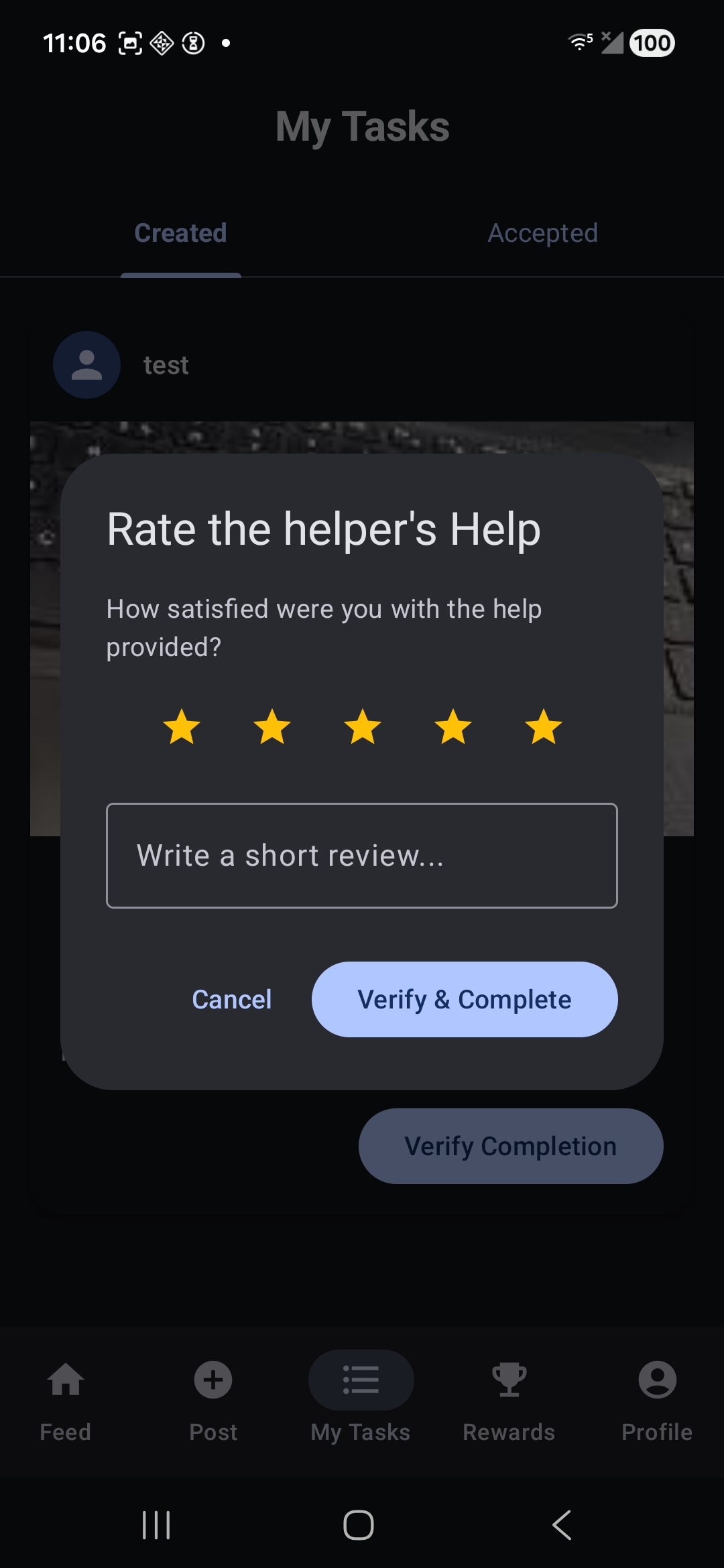
On top of that, we added AI to make the system smarter. It helps assign fair point values based on how complex or urgent a task is, along with the quality of the description and feedback after completion. AI also helps keep the platform clean by filtering spam and detecting harmful or inappropriate content before it becomes a problem.
Challenges we ran into
One of the biggest challenges was dealing with cross-platform limitations. There isn’t a single approach that works seamlessly across all platforms, which slowed things down. Android development was especially time-consuming because of constantly changing permissions across different SDK versions. Managing those differences took a significant amount of effort.
Accomplishments that we're proud of
We built more than just an app, we created a working ecosystem that connects three different groups in a meaningful way. The AI-driven points system makes rewards feel fair and adaptive, and the moderation system helps maintain quality. We also managed to deliver a real-time, location-based experience that actually works in practice.
What we learned
We learned that incentives shape how people behave on the platform, so they need to be designed carefully. Trust is just as important as functionality, and users expect consistency and fairness. We also saw that AI is powerful, but it needs to be balanced so it doesn’t block genuine use. Finally, building for multiple platforms early on can significantly slow down progress if not planned properly.
What's next for KindChain
The next step is to move toward a single cross-platform system that works across iOS, macOS, Web, Windows, and Linux. The goal is to keep the core logic shared while delivering a smooth and consistent experience everywhere.
We also want to push AI further so it becomes genuinely useful in real life. That means improving how tasks are matched with the right people, prioritizing urgent requests, detecting misuse more effectively, and making rewards feel fair. The focus is on making the platform faster, more reliable, and something people can actually depend on in their daily lives.
Built With
- kotlin

Log in or sign up for Devpost to join the conversation.