-
-
Icon of the app
-
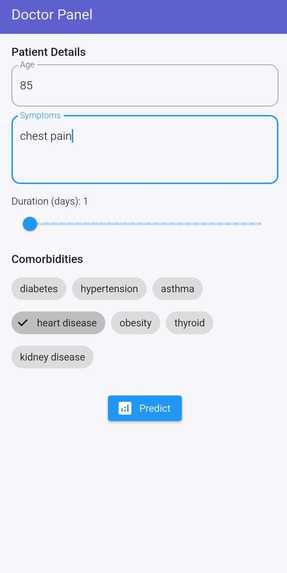
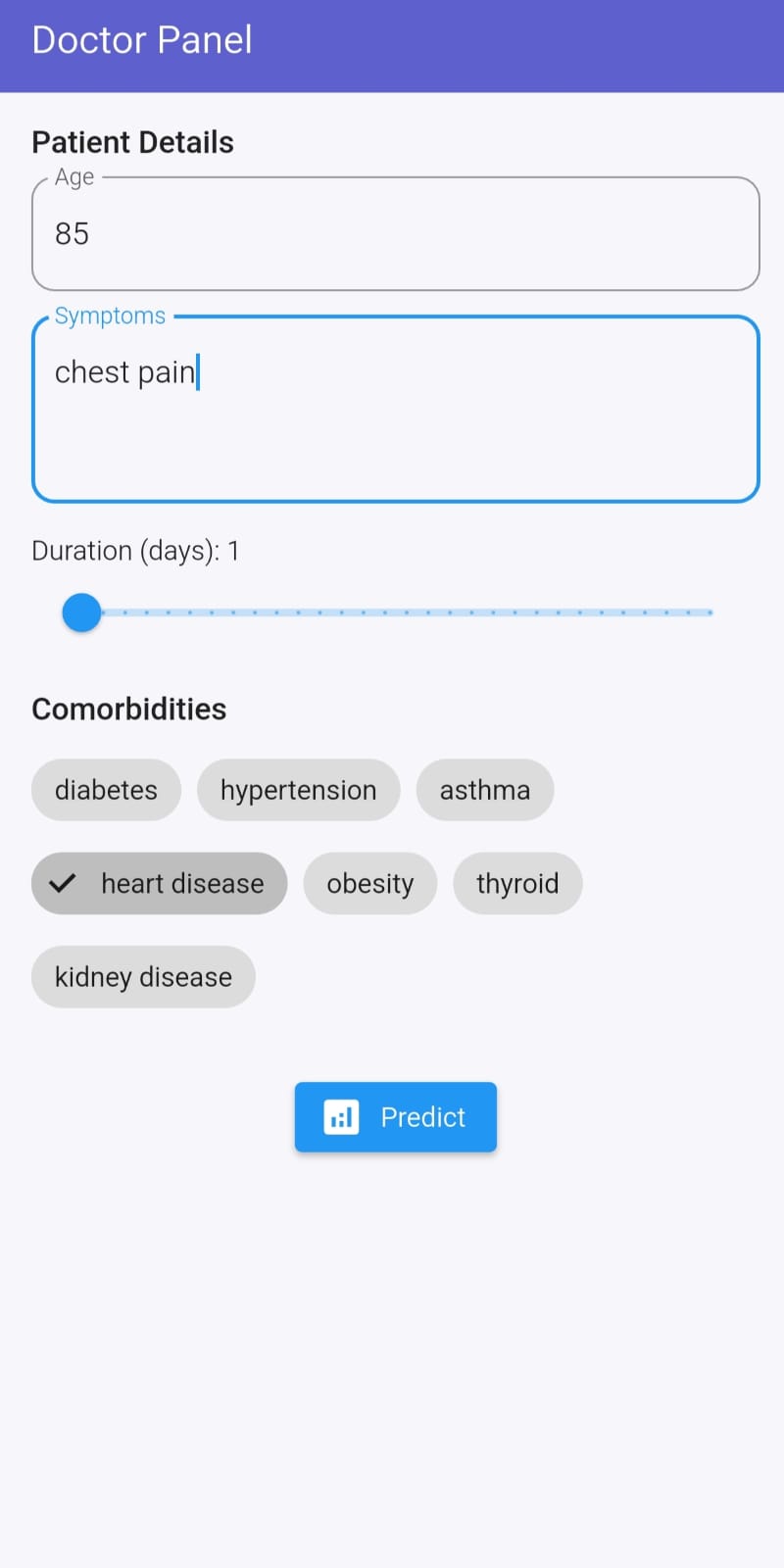
Input screen
-
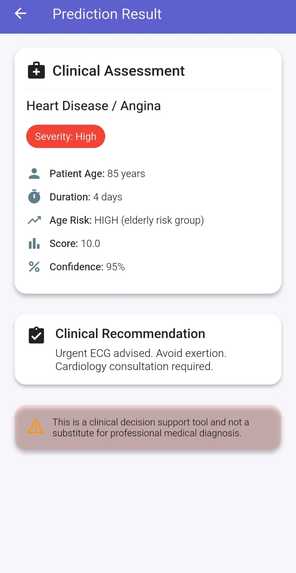
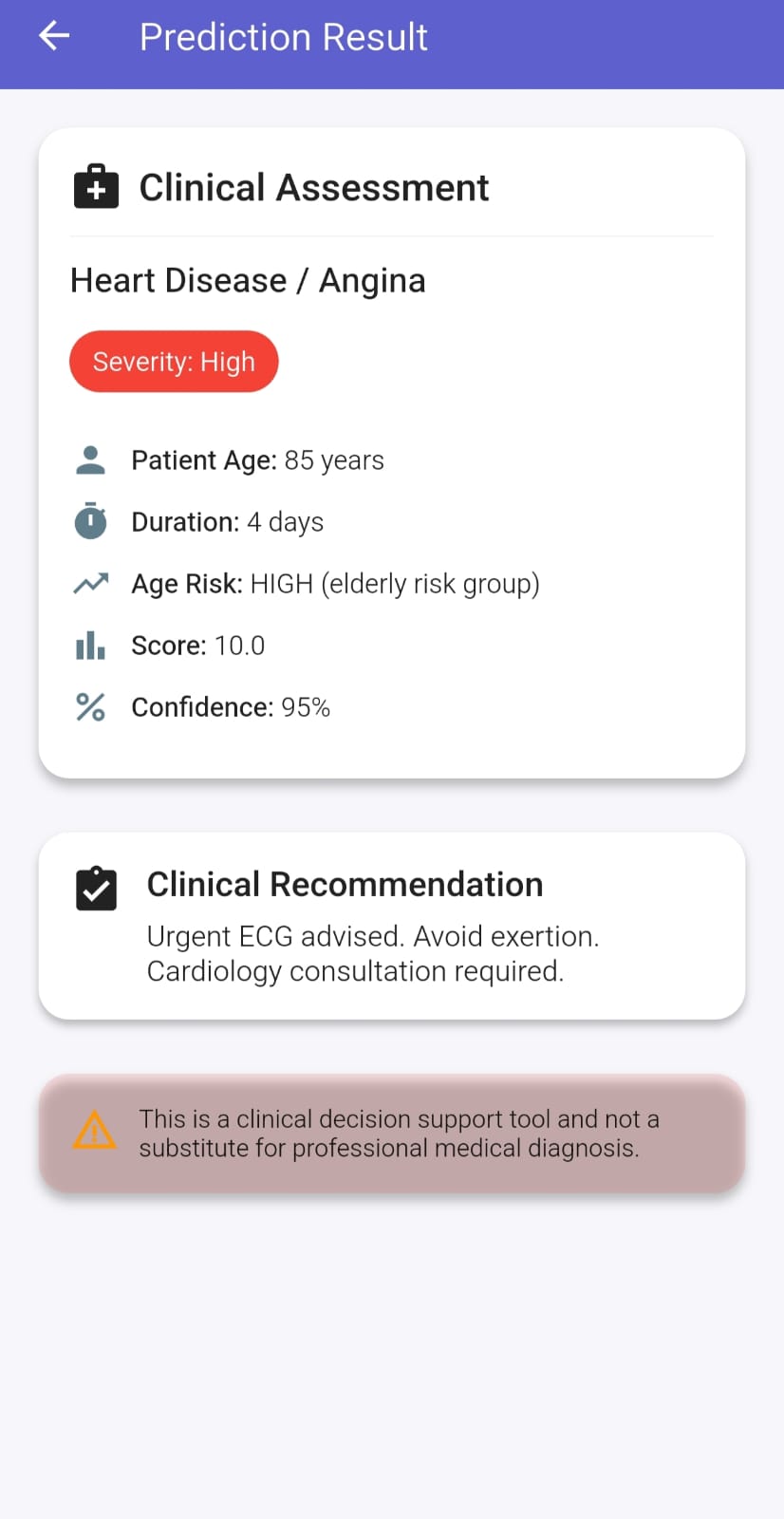
Result screen
-
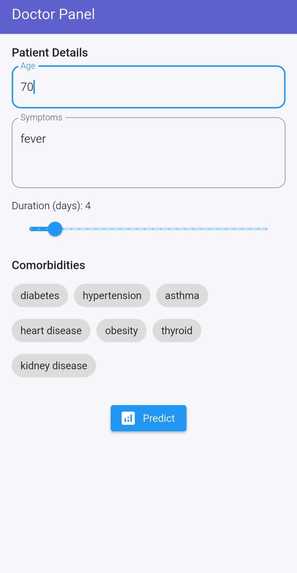
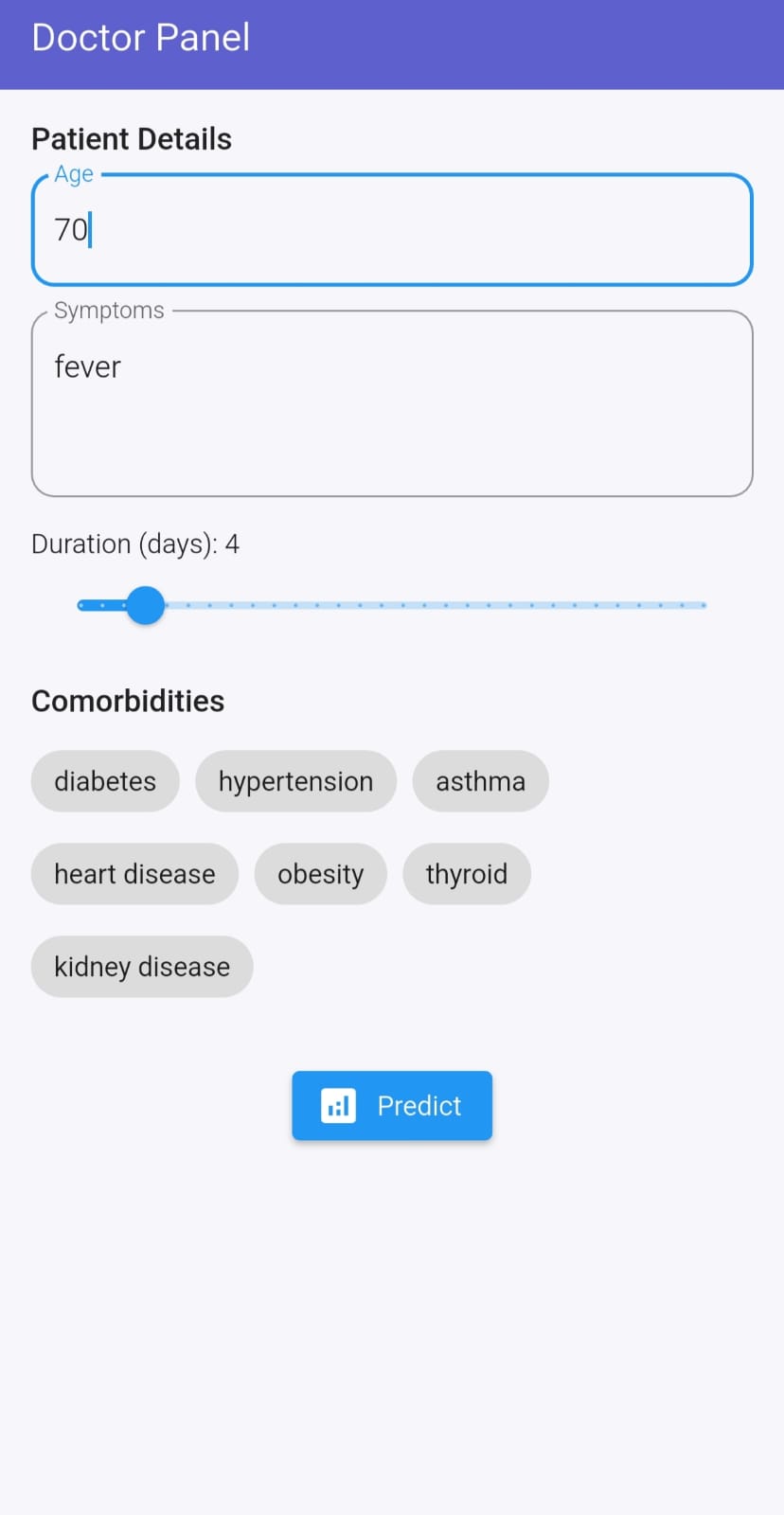
Input screen
-
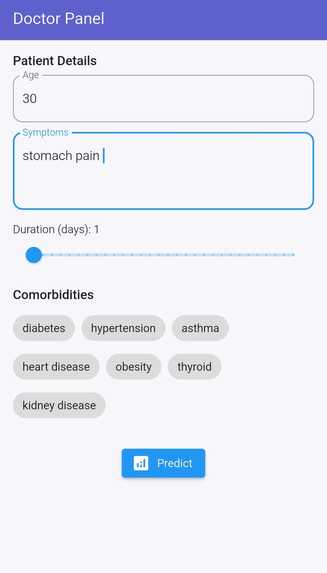
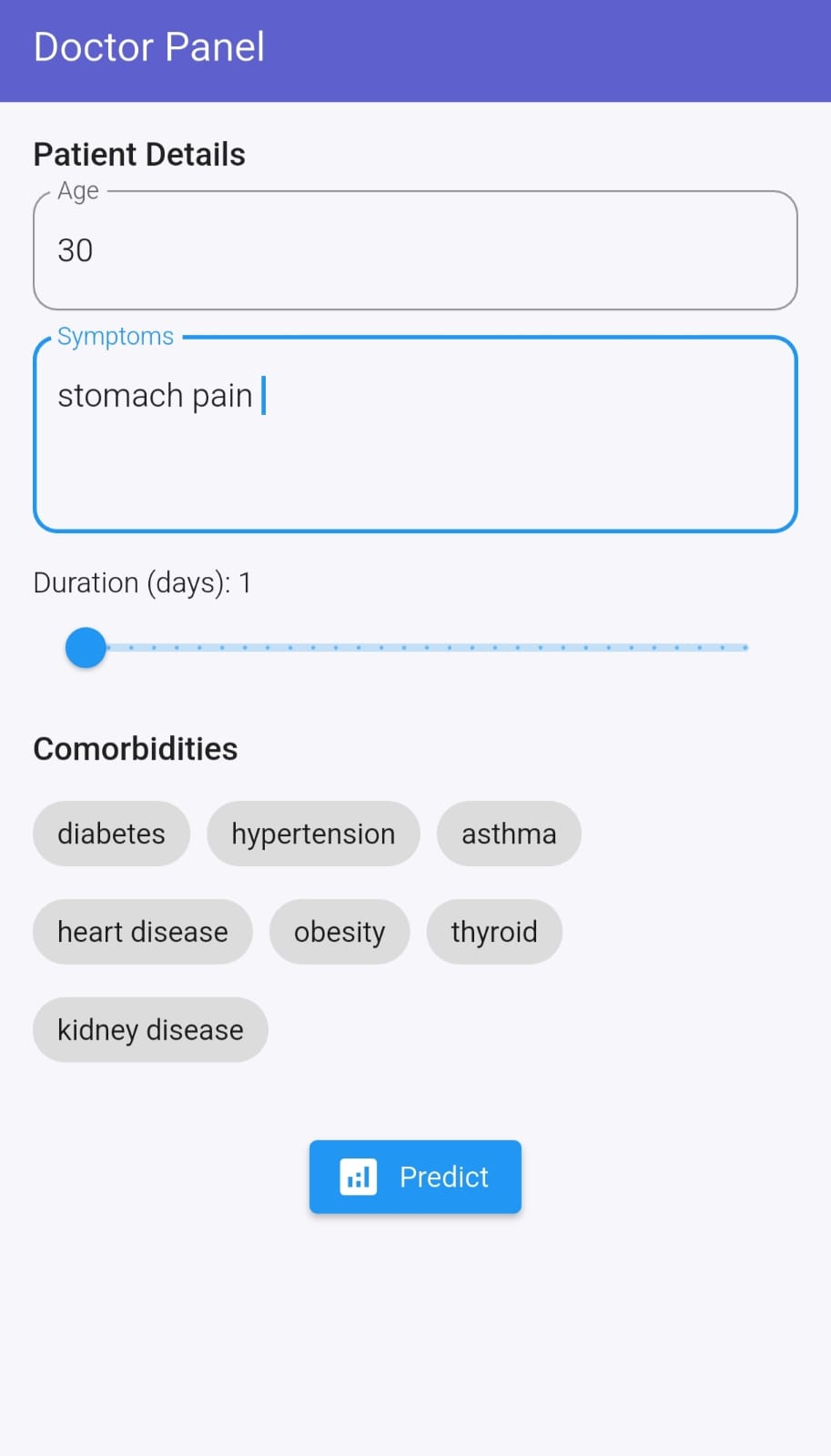
Input screen
-
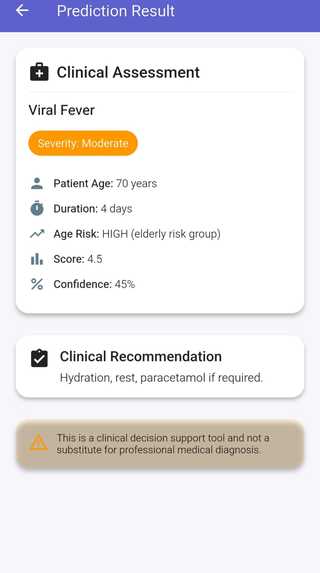
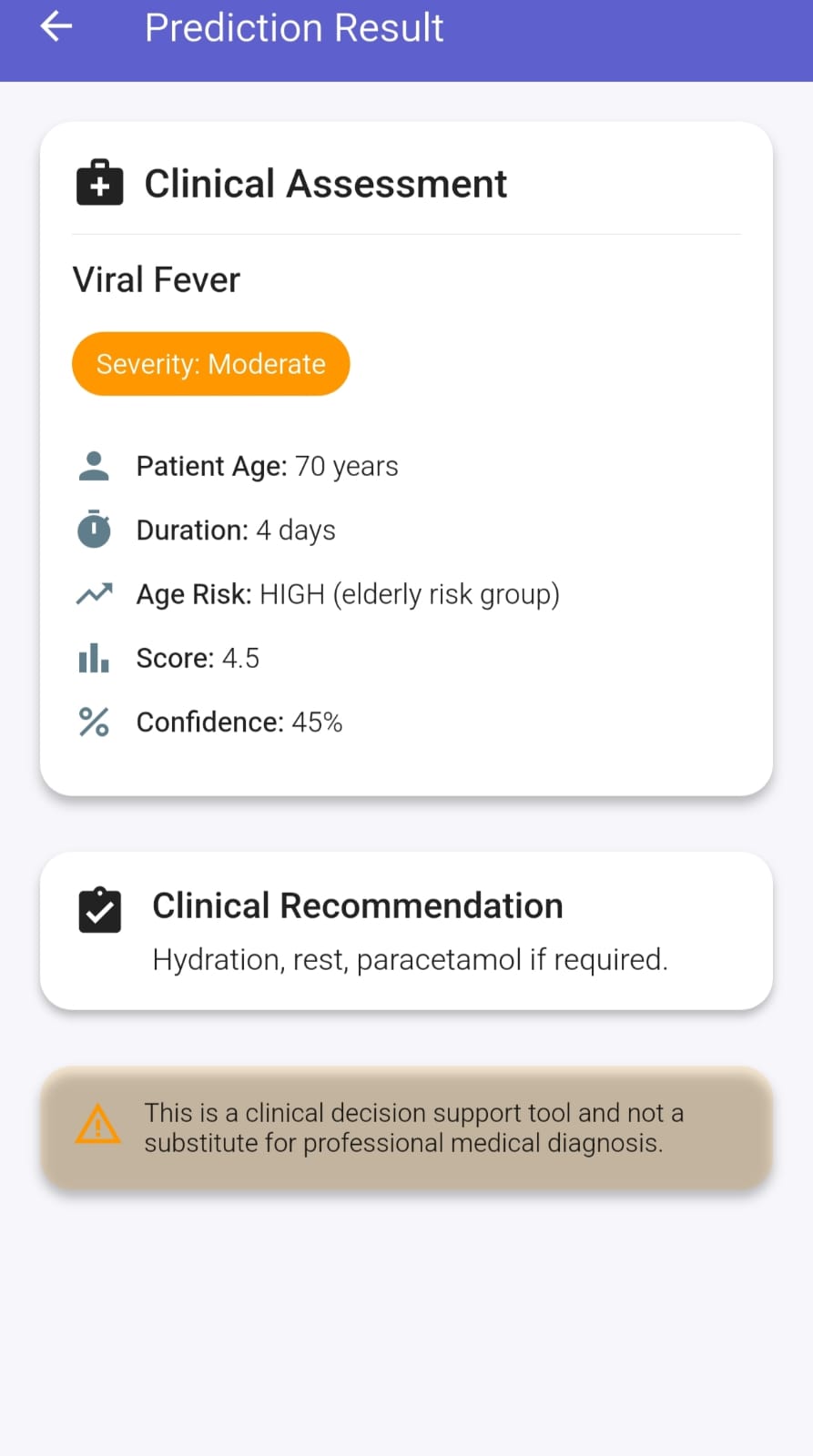
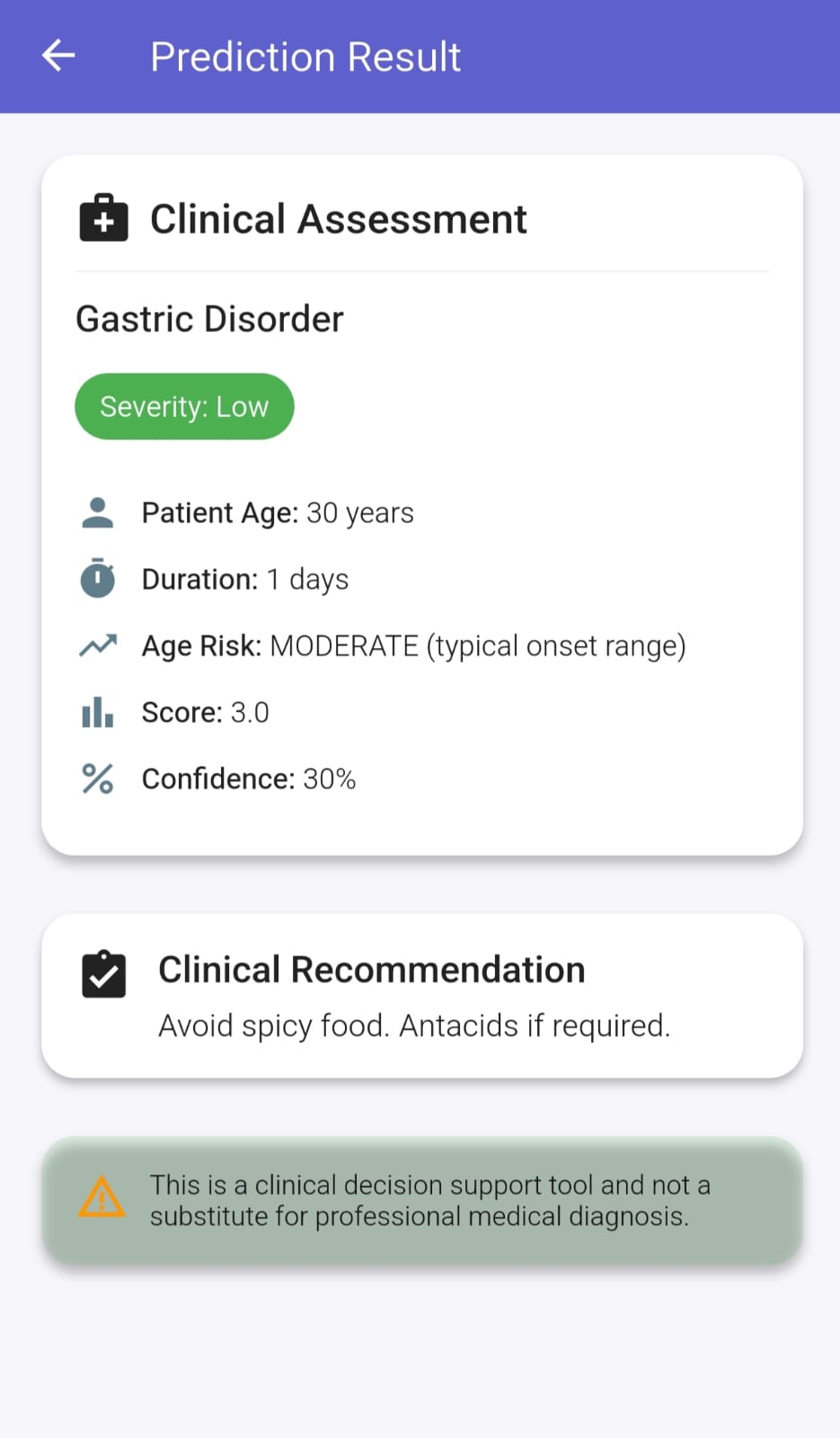
Result screen
-
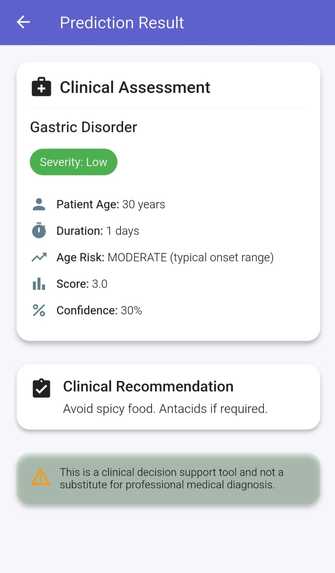
Result screen
Project Story – Medscope AI
Inspiration
• Access to timely medical guidance is still a challenge for many people, especially when symptoms appear suddenly and uncertainty creates anxiety. I wanted to build a tool that helps people understand their symptoms better, assess possible health risks, and make informed decisions about when to consult a doctor. • Medscope AI was inspired by the idea of empowering people with early clinical insights, not replacing doctors, but supporting better and faster healthcare decisions.
What it does
Medscope AI is an intelligent clinical decision-support mobile application designed for common people. Users can enter: • Age • Symptoms • Duration of symptoms • Existing comorbidities The app then provides: • Possible condition prediction • Severity level • Age-based risk assessment • Confidence score • Clear clinical recommendations This helps users understand whether their condition may be mild or needs professional medical attention.
How we built it
The application was built as a cross-platform mobile app with a clean, modern UI and a rule-based clinical logic engine. Key highlights: • Modular architecture for scalability • Age-specific disease risk evaluation • Dynamic severity and confidence calculation • Structured medical logic for reliable outputs • User-friendly design focused on clarity and accessibility The system is intentionally transparent and explainable, making it easy to extend with machine learning models in the future.
Challenges we ran into
• Designing clinical logic that adapts to age, symptoms, duration, and comorbidities • Avoiding oversimplification while keeping the app user-friendly • Ensuring the app clearly communicates that it is not a replacement for professional diagnosis • Balancing medical accuracy with usability for non-medical users Each challenge helped refine both the logic and the UI.
Accomplishments that we’re proud of
• Successfully built a fully functional end-to-end medical triage app • Implemented dynamic risk, severity, and confidence scoring • Designed a clean and intuitive user interface • Created a foundation that can scale to ML-based predictions • Delivered a complete working product from concept to deployment
What we learned
• Healthcare applications must prioritize clarity, responsibility, and trust • Rule-based systems are powerful for early-stage clinical decision support • UI/UX plays a critical role in how users perceive medical information • Building for real-world users requires constant iteration and validation
Built With
- android-and-ios-platform-support
- dart
- flutter-sdk
- git-and-github(version-control)
- material-design-ui-components
- rule-based-clinical-decision-logic
- vs-code(development-environment)

Log in or sign up for Devpost to join the conversation.