Overview
Kilo-Nod is a Model Context Protocol server that adds real-time permission intelligence, risk analysis, and immutable audit logging to Kilo Code.
Kilo Code delivers powerful autonomous coding through Cloud Agents and CLI tools. But with that autonomy comes a visibility and governance gap. When AI agents execute dozens of tool calls in a session, developers lose track of what actually changed. Auto-approve workflows remove friction, but they also remove guardrails. And teams operating in regulated or production environments require audit trails that Kilo Code does not natively provide.
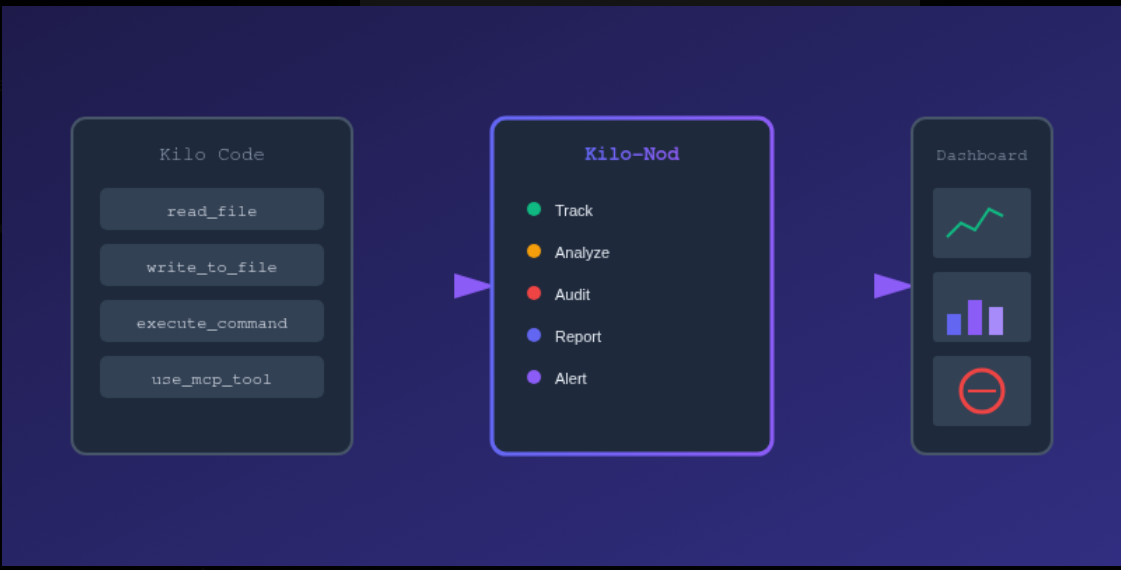
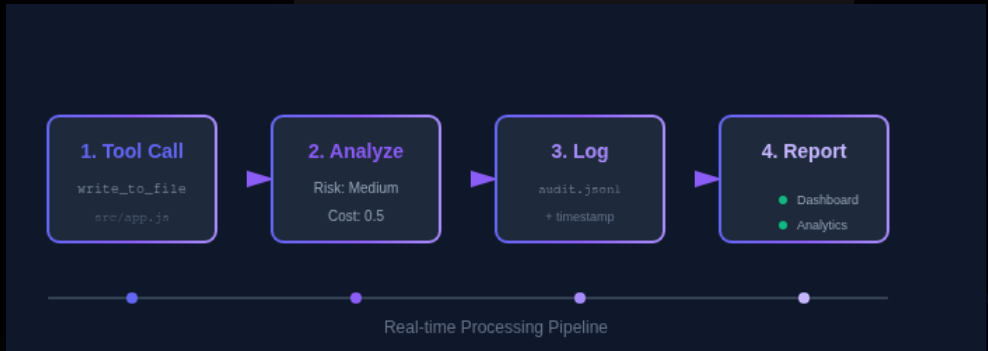
Kilo-Nod solves this by embedding directly into the MCP execution layer. Instead of analyzing logs after the fact, it intercepts every tool call at the protocol level and applies structured tracking, risk classification, and policy enforcement in real time.
The Problem
AI coding assistants dramatically increase development velocity. However, they introduce three critical challenges:
Lack of Visibility Developers cannot easily see every file modification, command execution, or destructive operation performed during a session.
Elevated Risk Auto-approve settings allow tools such as execute_command or delete_file to run without safeguards. Dangerous patterns like rm -rf or sudo access may go unnoticed.
Compliance and Audit Gaps Organizations require immutable audit logs for production changes, regulatory compliance, and internal governance. Tool-level traceability is missing.
Existing tools focus on session management or post-generation security scanning. None provide real-time, tool-call-level observability tailored to Kilo Code’s architecture.
The Solution
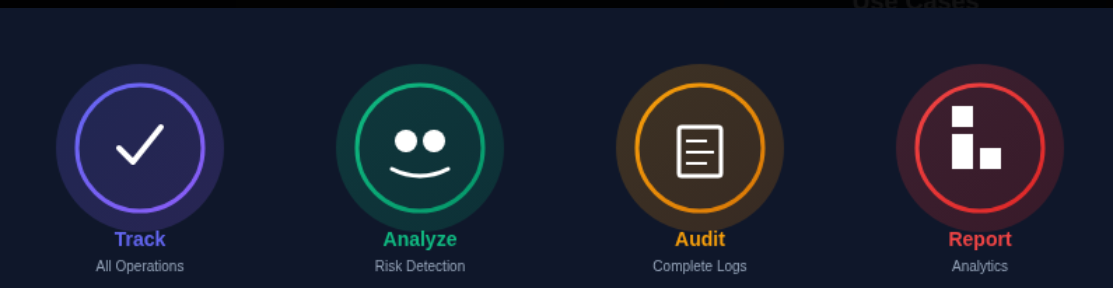
Kilo-Nod integrates natively through the Model Context Protocol and introduces four core capabilities:
Permission Tracking Every tool call is recorded with full parameter payload, timestamp, session context, risk classification, and approval status. This creates a complete forensic history of AI-assisted development.
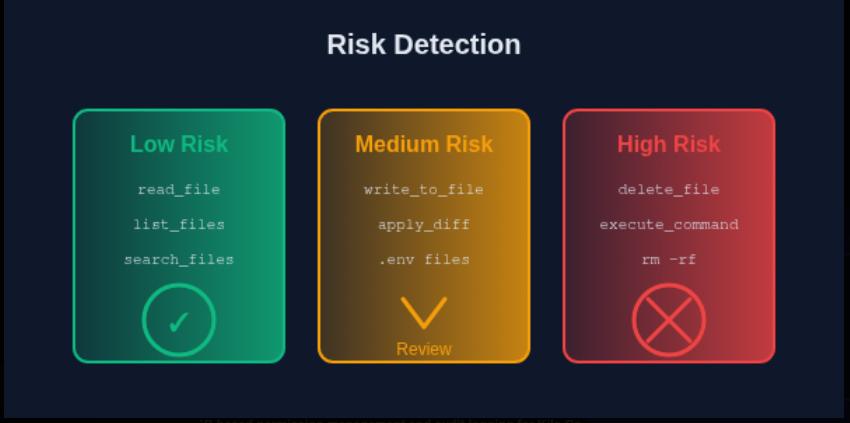
Risk Intelligence Operations are classified as low, medium, or high risk using multi-layer detection:
Destructive tools such as delete_file or execute_command
Dangerous command patterns including rm -rf or sudo
Writes to sensitive files such as .env, credentials, or configuration paths
Immutable Audit Logging All activity is written to structured JSON Lines files stored locally. The format supports append-only integrity, streaming queries, and integration with external logging systems.
Analytics and Governance Aggregated statistics reveal tool usage patterns, risk distribution over time, session-level insights, and estimated cost metrics. Teams gain visibility into how AI tools are actually being used.
Why It’s Different
Kilo-Nod operates at the protocol layer, not outside the system.
It does not screen-scrape logs. It does not analyze code after it is generated. It understands semantic tool operations in real time.
A write to src/components/Button.tsx is different from an execute_command with root privileges. Kilo-Nod understands that distinction and acts accordingly.
This makes it uniquely positioned as governance infrastructure for AI-assisted development.
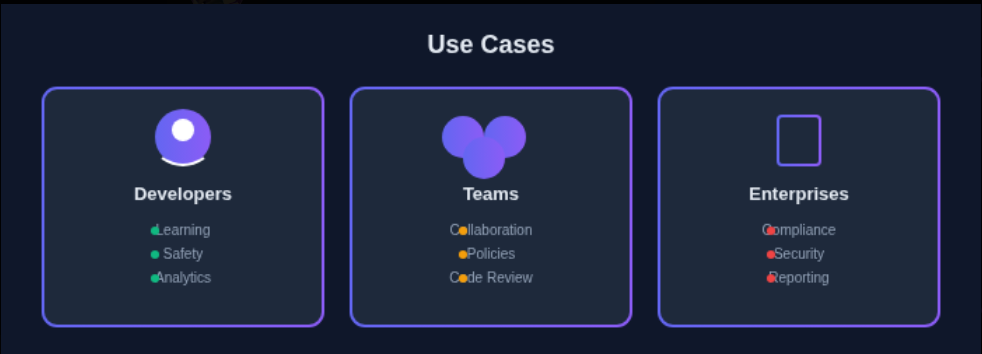
Who It’s For
Individual Developers Gain visibility into what AI agents actually do. Prevent accidental destructive operations. Build safer workflows.
Teams Enforce shared policies. Track approvals. Maintain structured audit trails for code review and collaboration.
Enterprises Meet regulatory requirements. Demonstrate AI governance to auditors. Add risk guardrails to production systems.
The Impact
Kilo-Nod transforms Kilo Code from a powerful but opaque automation tool into a transparent and governable platform.
It preserves development velocity while restoring visibility, accountability, and control.
AI-assisted coding should be fast. It should also be observable, secure, and compliant.
Kilo-Nod makes that possible.

Log in or sign up for Devpost to join the conversation.