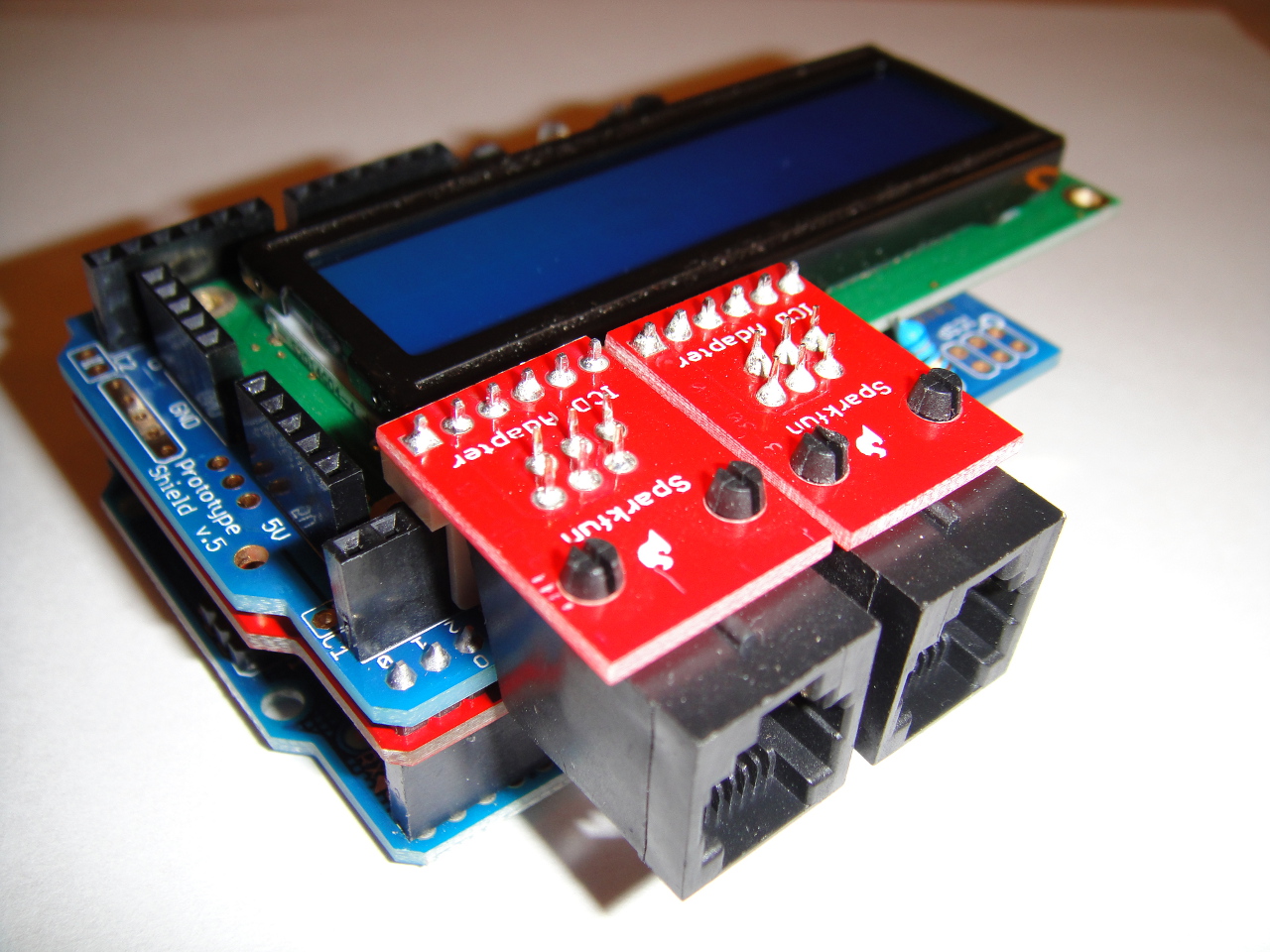
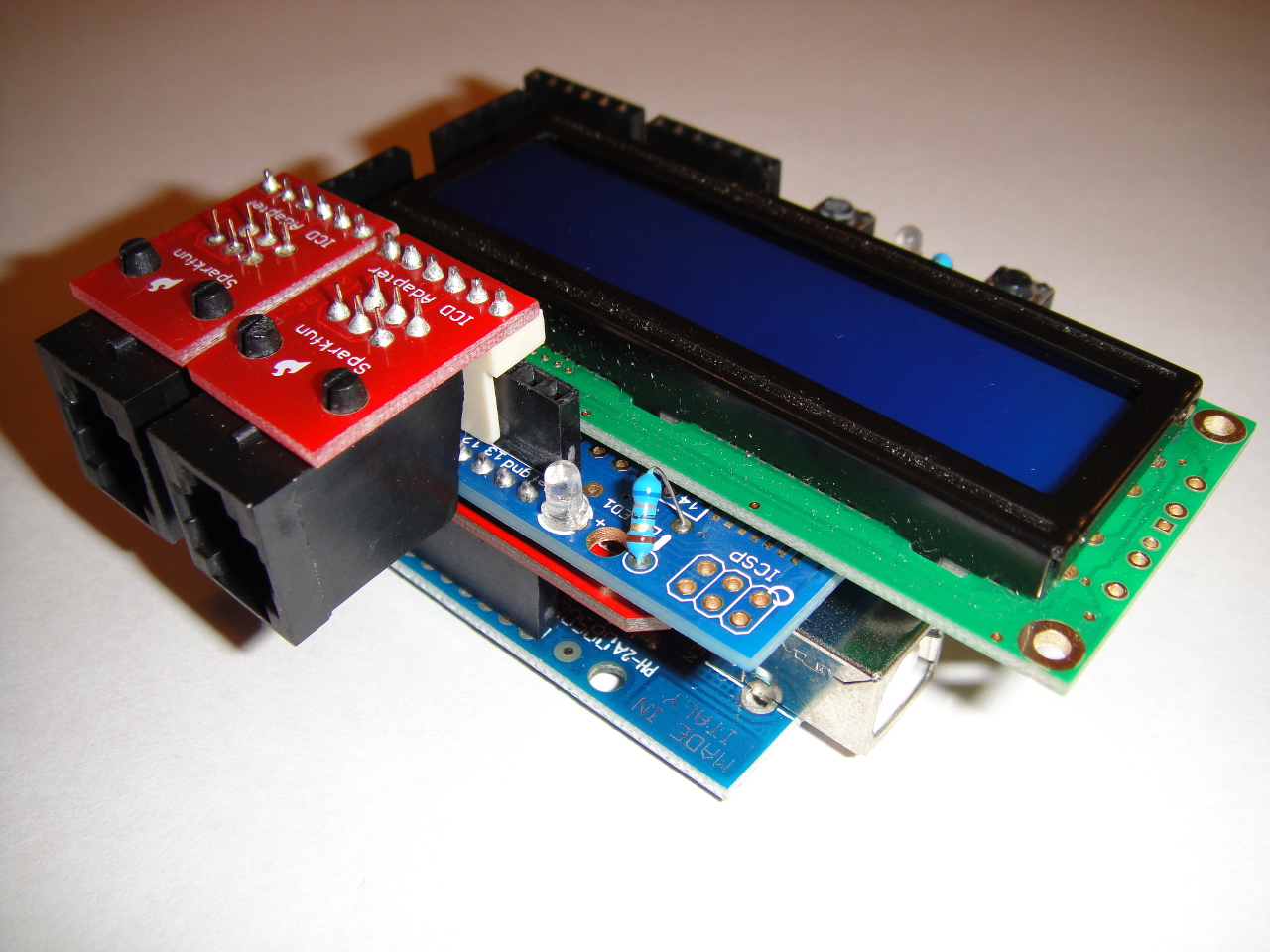
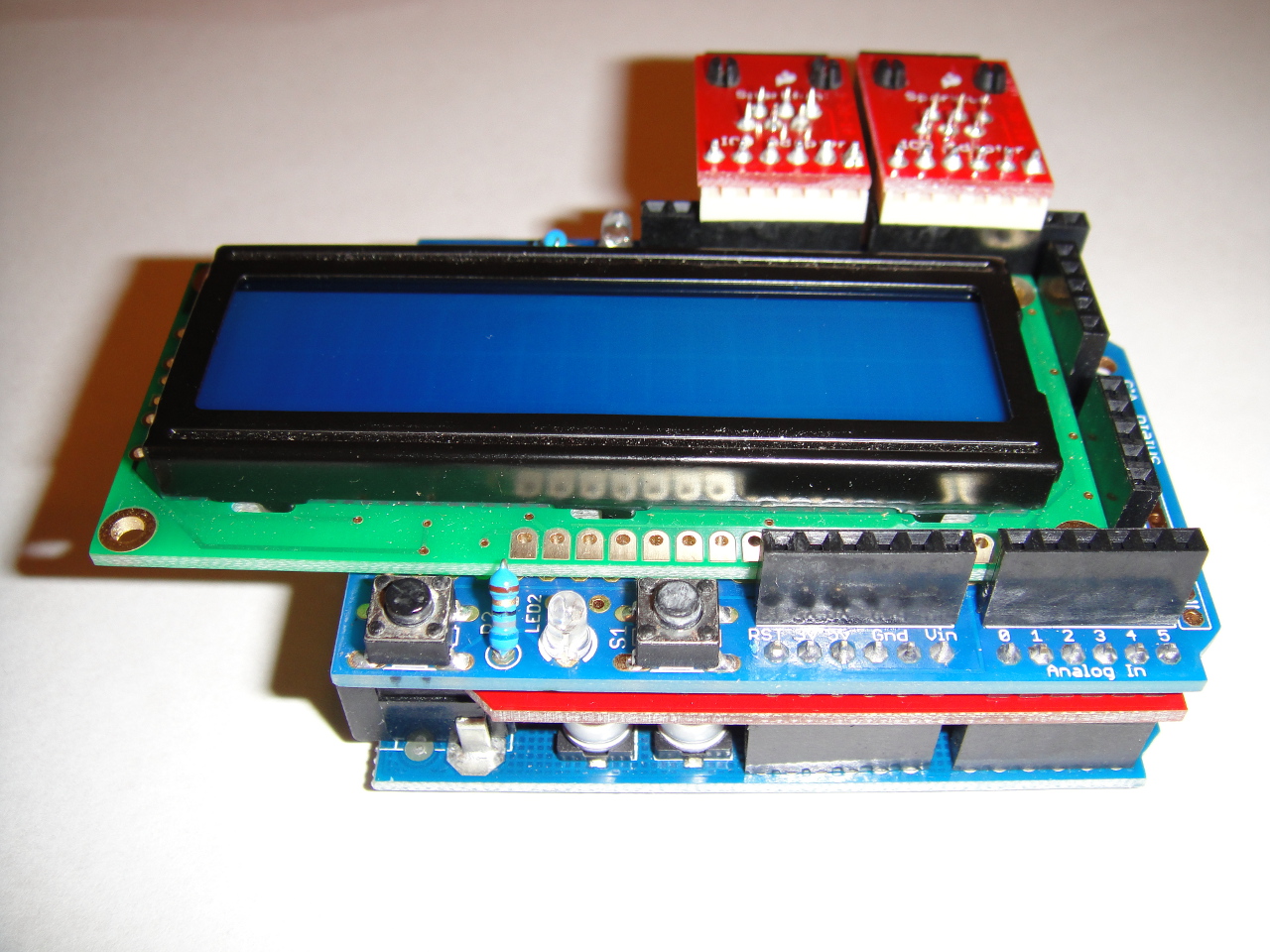
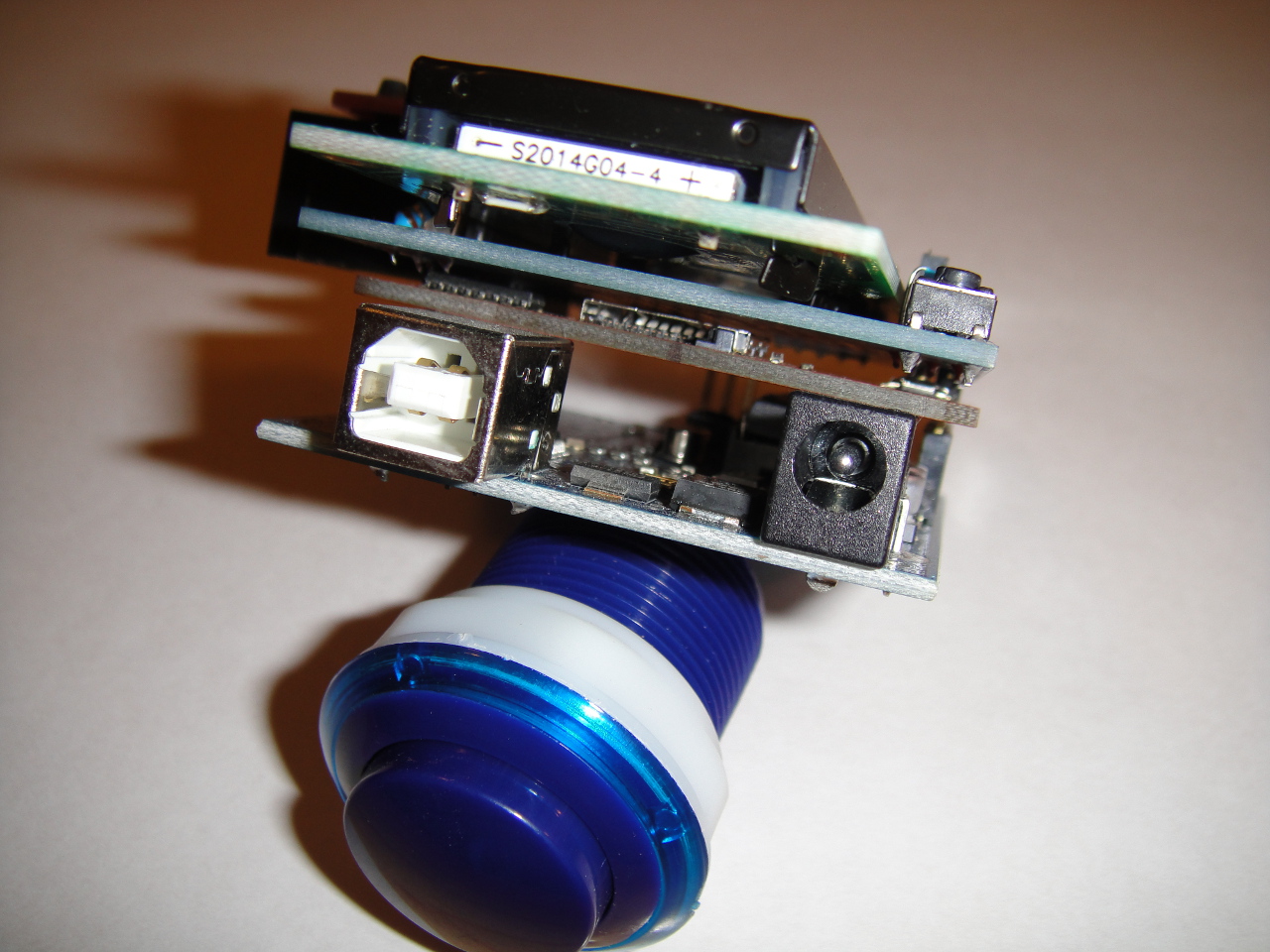
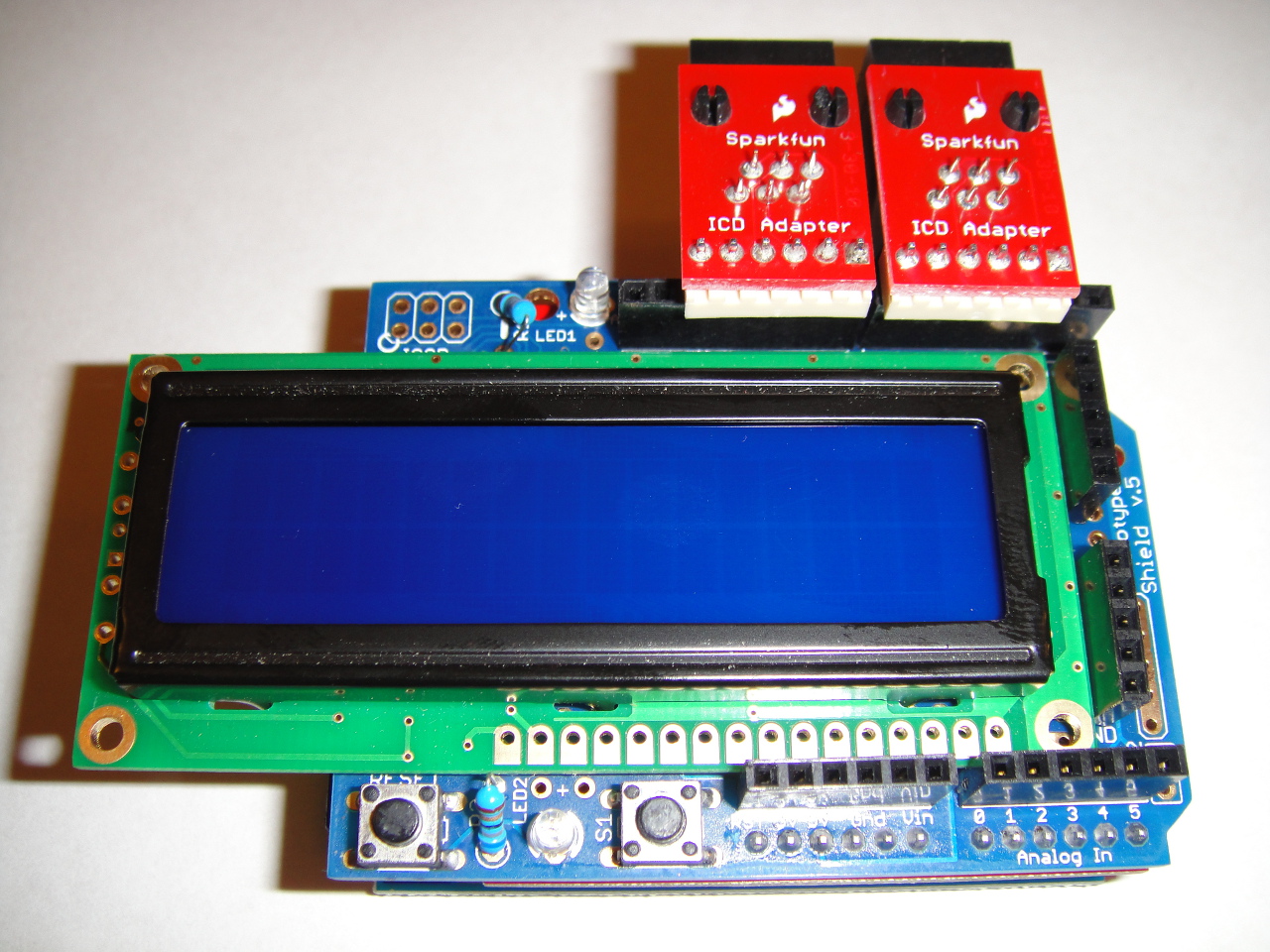
The KillKall solution has two tiers to effectively block landline and mobile robocallers. Both use the concept of the blacklist to accomplish these tasks. The first is the KillKall physical device. This device will be roughly the same footprint as a modern day smartphone. It will simply plug into a landline telephone jack and begin waiting for a robocaller. As the landline receives a call, the KillKall will observe the phone number and caller id information that was passed along from the caller. This information is compared to a blacklist, located on a MicroSD card in the device. If the number or caller id information are discovered in the blacklist, the call is immediately dropped. The user can manually add the current calling number to the blacklist by pressing the button on the KillKall while on the line with the undesired robocaller. Additionally, a combined list of known robocallers can be downloaded to the MicroSD card from a PC or MAC using the supplied software. This solution will cover all landline phones and VoIP phone connections.
The second tier is to protect a large percentage of today’s mobile smartphones. Using the same blacklist approach as described, a set of smartphone Apps will be developed. One created for iOS devices such as the iPhone, and the other created for Android powered smartphones. These Apps will use similar libraries as current smartphone Apps that supply caller id information on incoming calls. The Apps will compare the incoming number to a trusted blacklist the App downloaded previously. If the number matches one on the blacklist, the call will be dropped.
The simplicity of these solutions means infrastructure does not have to change for them to be implemented. Both are low cost and easy to use. Both can be ready for production and distribution in a few months. And both use the proven blacklist method, which has been succeeding in blocking unwanted connections in computing, information systems, and email for decades.

Log in or sign up for Devpost to join the conversation.