What Inspired Me:
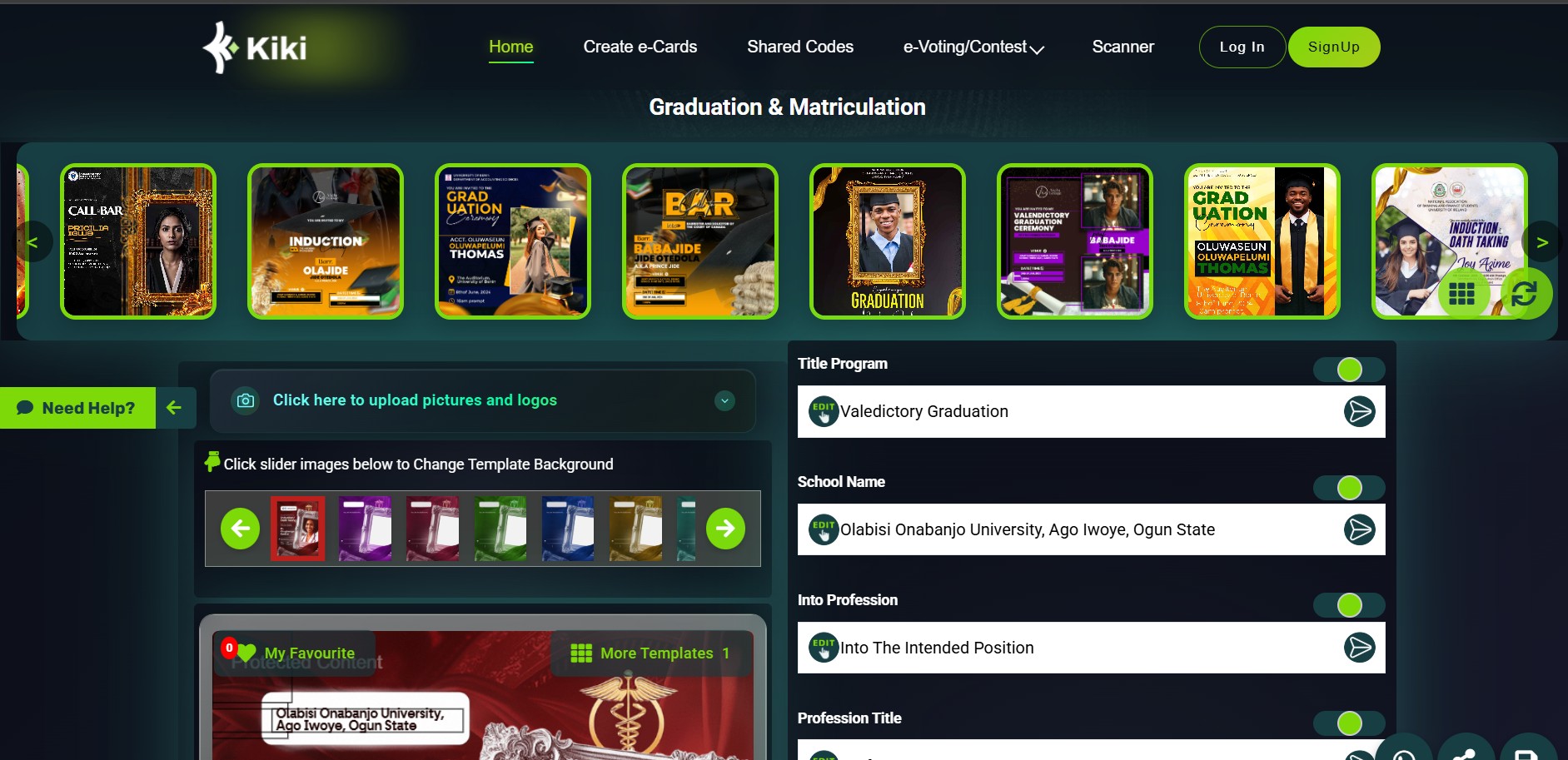
My inspiration for KIKI came from a simple but frustrating observation. I watched countless people around me struggle with something that should be basic in today's digital world – creating good-looking designs. I saw small business owners paying huge amounts for simple flyers, students submitting poorly designed presentations, and event planners settling for amateur-looking invitations because they couldn't afford professional designers.
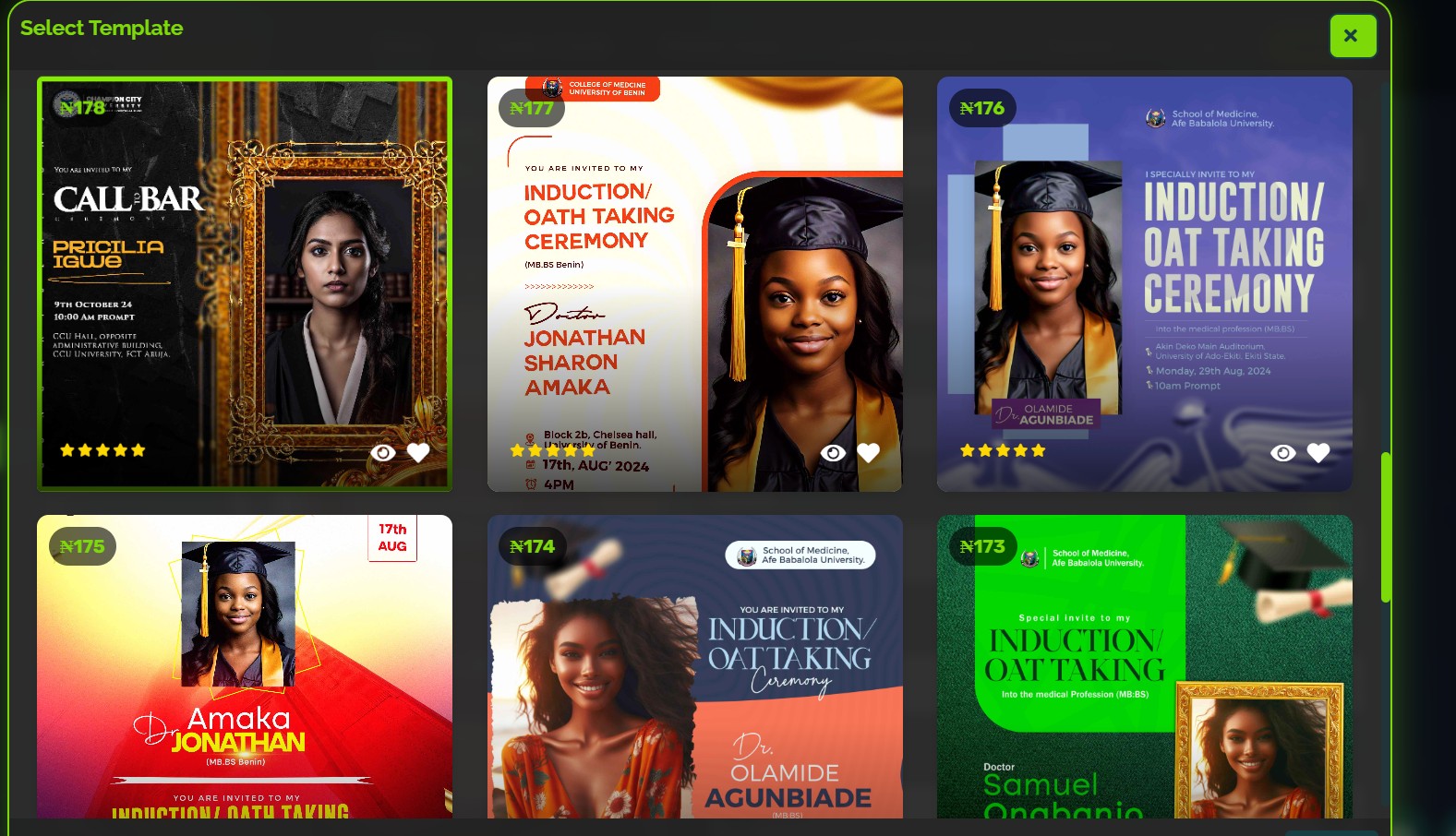
The turning point came when I realized that design has become the currency of technology. Everything we do now – from social media posts to business communications – needs visual representation. Yet the tools available either required design skills most people don't have, or they promised simplicity but still left users frustrated. I was particularly inspired by the gap I saw in the African market. While global platforms existed, they didn't speak to our culture, our aesthetics, or our specific needs. That's when I knew KIKI had to be different – not just another design tool, but a truly African solution that anyone could use.
What I Learned:
Building KIKI taught me that simplicity is actually the hardest thing to achieve. I learned that there's a huge difference between claiming something is easy to use and actually making it easy to use. Through user testing and feedback, I discovered that people don't want more features – they want features that actually work without confusion.
I also learned about the power of cultural relevance in technology. When we started incorporating Nigerian and African design elements, user engagement increased dramatically. This taught me that global solutions don't always work locally, and that understanding your specific market is crucial. Most importantly, I learned that collaboration features aren't just nice-to-have – they're essential. People want to work together on designs, share ideas in real-time, and build on each other's creativity.
How I Built the Project:
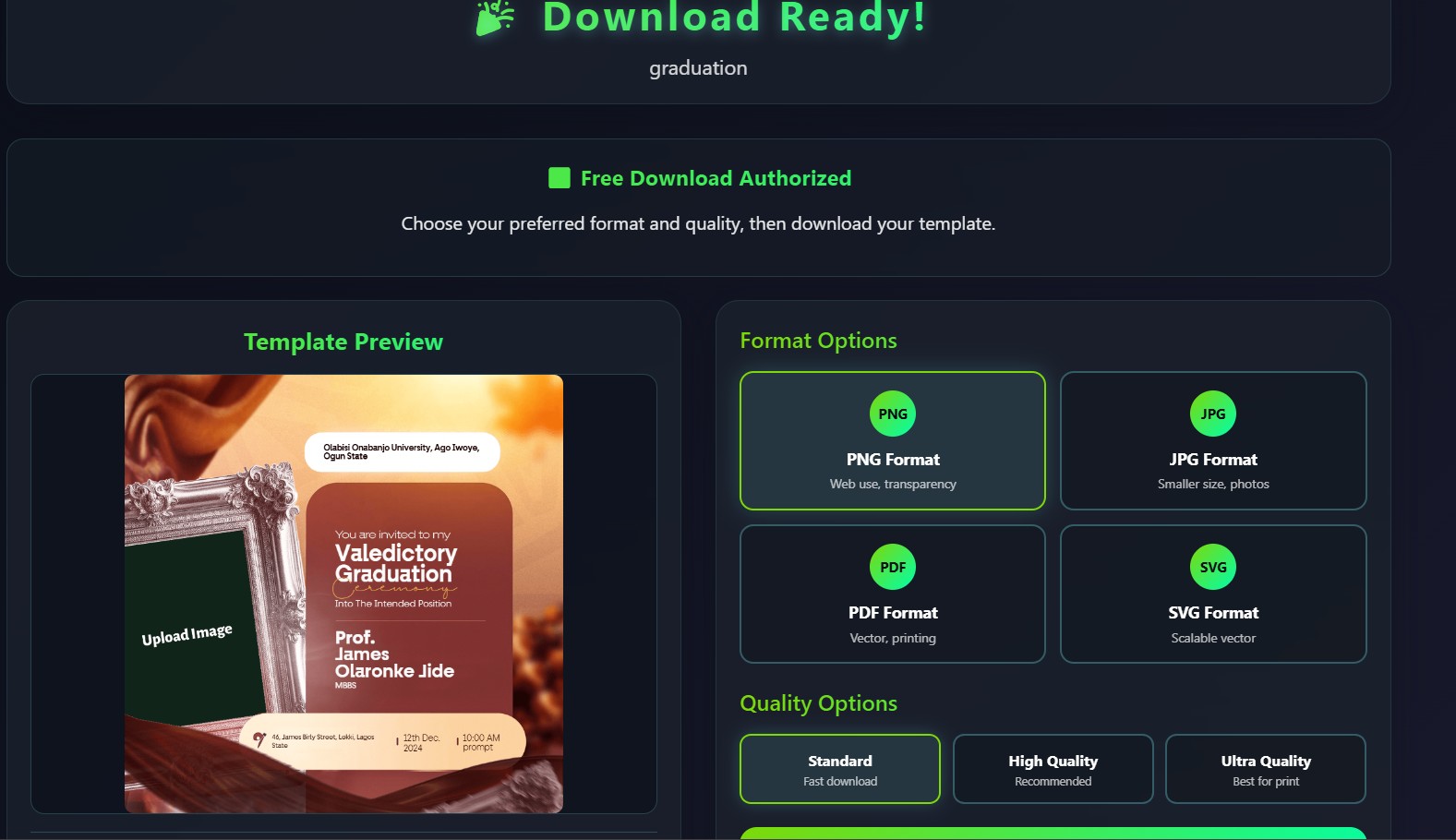
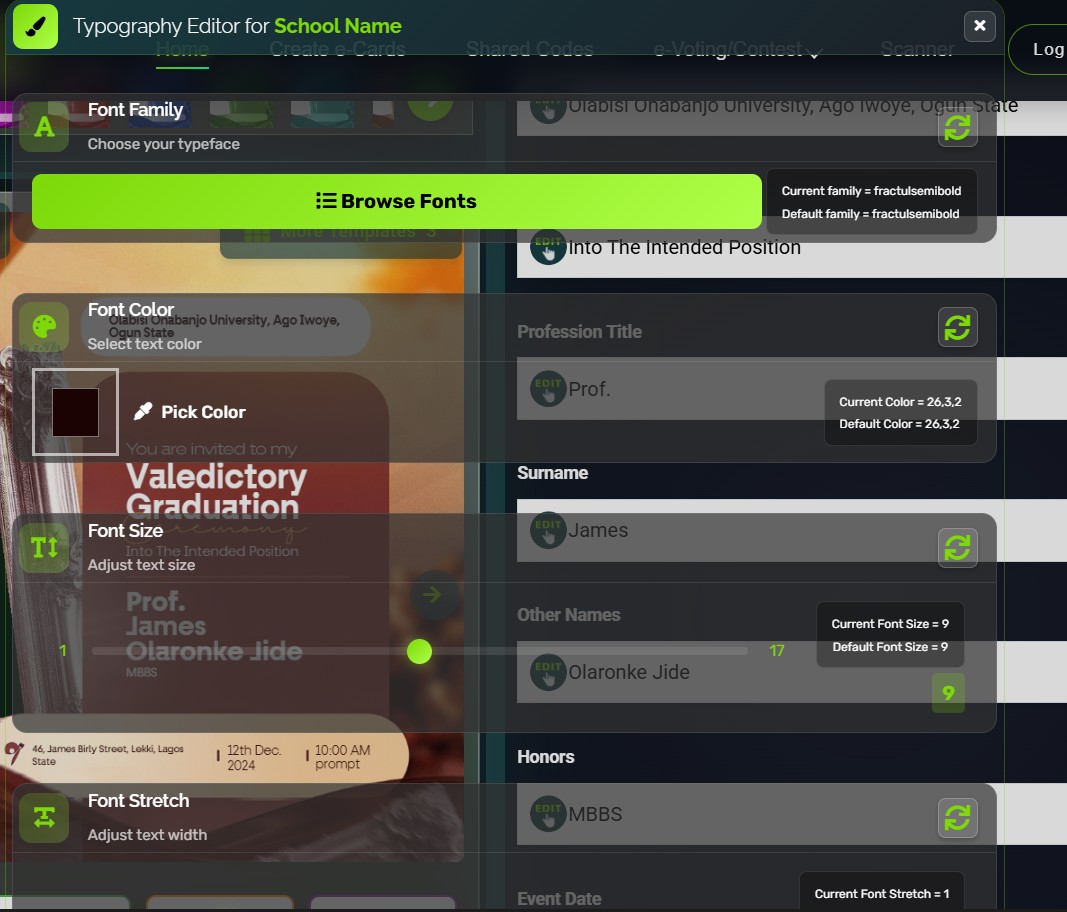
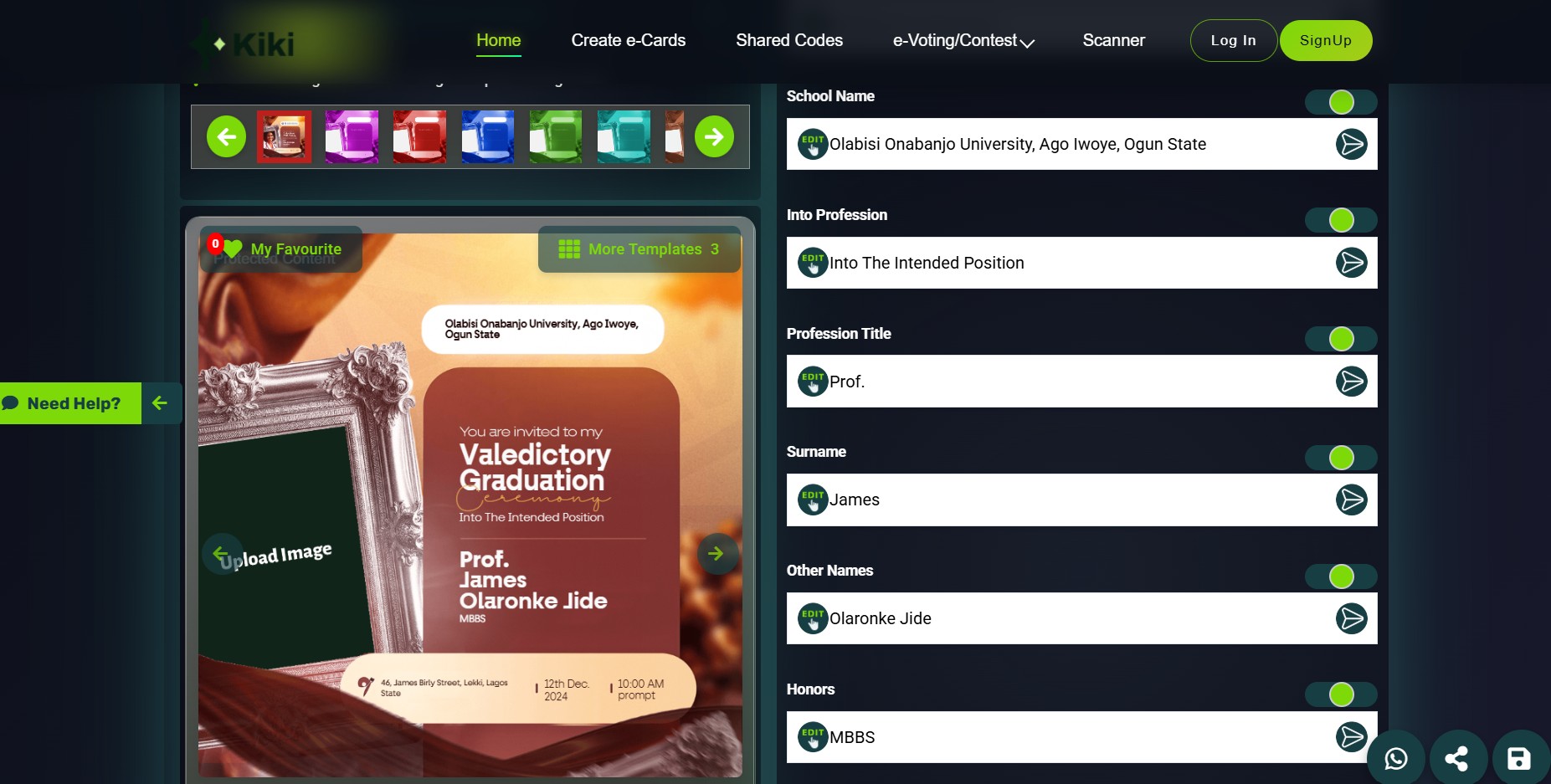
Building KIKI was a journey of constant iteration. I started by mapping out the user journey for someone with zero design experience. Every feature had to pass one test: could a 5-year-old figure it out? The technical approach focused on creating an interface where users simply type and click – no dragging, no complex menus, no overwhelming options. I built the reusability feature that lets users take one design and transform it into multiple variations with just a few clicks.
The real-time collaboration feature was particularly challenging to develop, but it became one of our strongest differentiators. I also integrated the e-invite conversion capability, making KIKI not just a design tool but a complete communication solution. Throughout development, I maintained close contact with potential users, constantly testing and refining based on their feedback.
Challenges I Faced:
The biggest challenge was convincing people that KIKI was genuinely different from existing platforms. Many potential users would say, "Isn't this just like Canva?" I had to find ways to demonstrate our unique value quickly and clearly.
Technical challenges included creating true simplicity without sacrificing functionality. Making real-time collaboration work smoothly across different devices and internet speeds in Nigeria was particularly difficult.
Funding was another major hurdle. Building a platform this comprehensive requires significant resources, and convincing investors that the African design market was worth investing in took time and persistence.
Cultural challenges also emerged as I worked to create designs that truly reflected African aesthetics without stereotyping or oversimplifying our diverse cultures. Perhaps the most unexpected challenge was user education. Even with a simple interface, I had to help people understand that they really could create professional-quality designs without any prior experience.
Despite these challenges, each obstacle taught me something valuable and made KIKI stronger. Today, as a technology growth sector participant and winner of multiple competitions, KIKI stands as proof that African innovation can solve African problems while competing globally.
Built With
- javascript
- mysql
- openaiapi
- php
- python

Log in or sign up for Devpost to join the conversation.