-
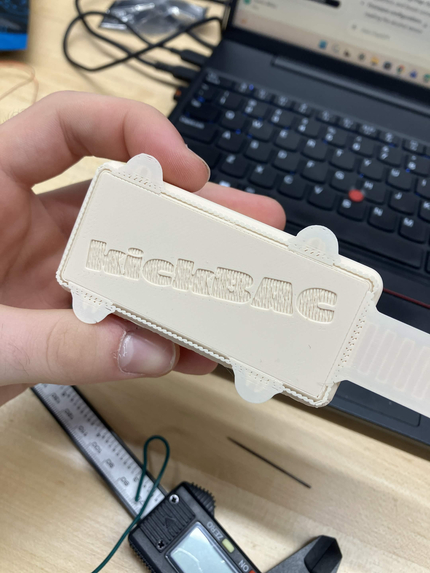
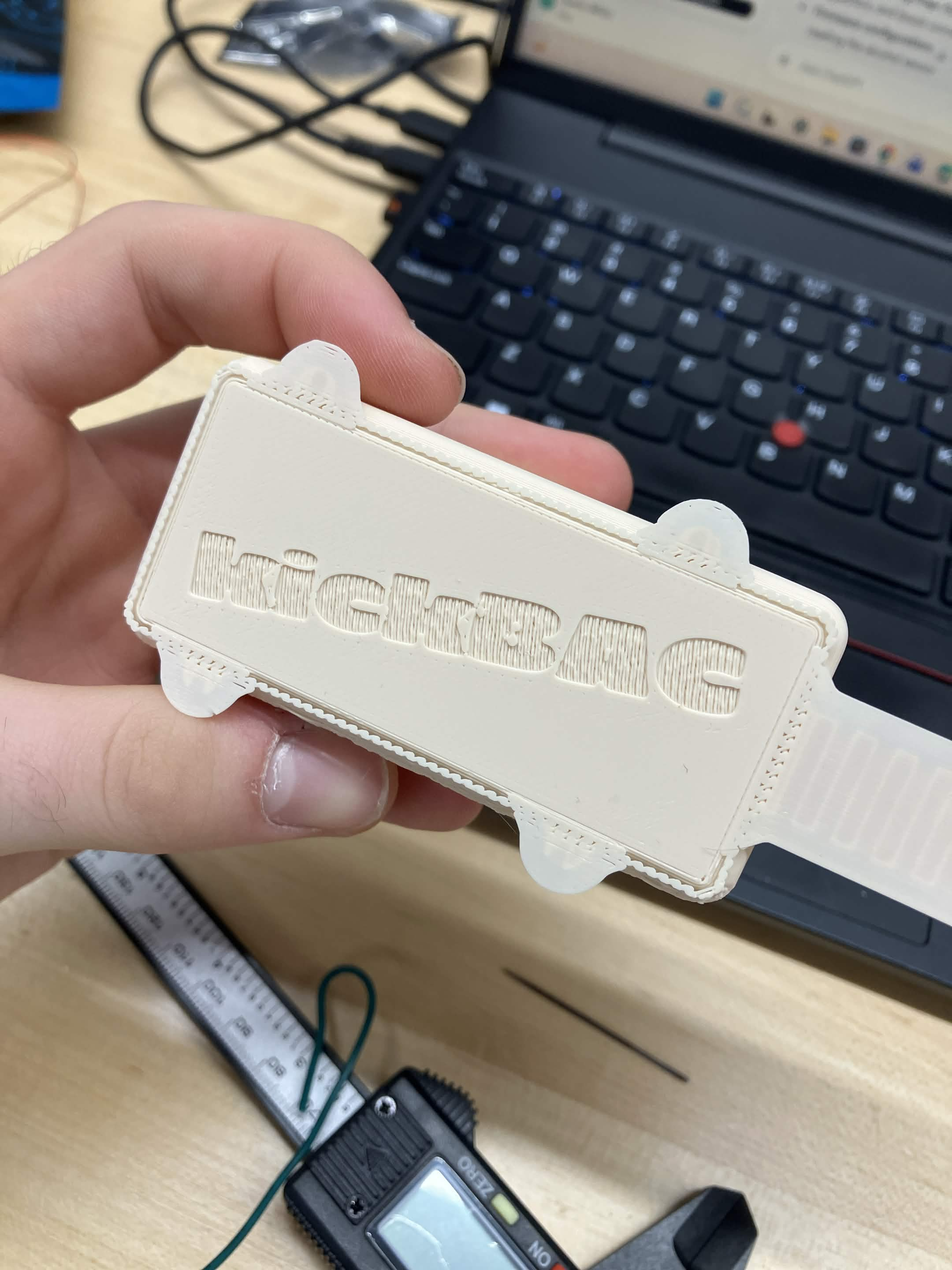
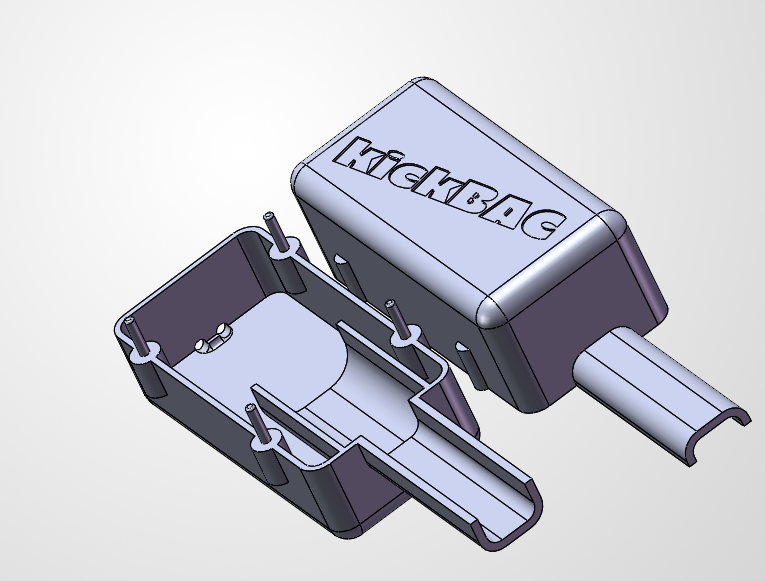
Printed casing with engraved name
-
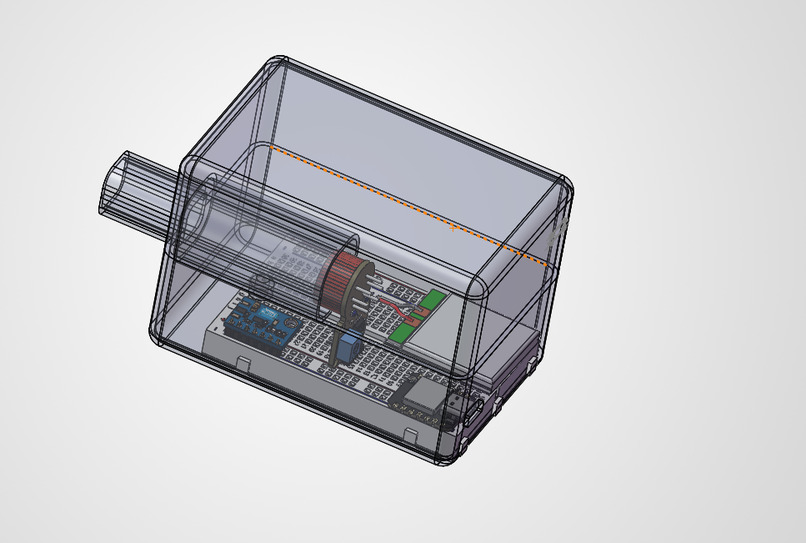
Early version
-
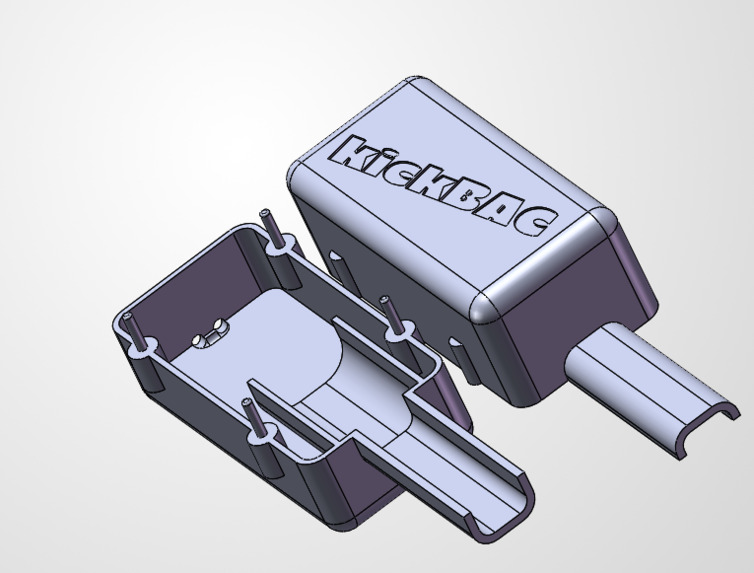
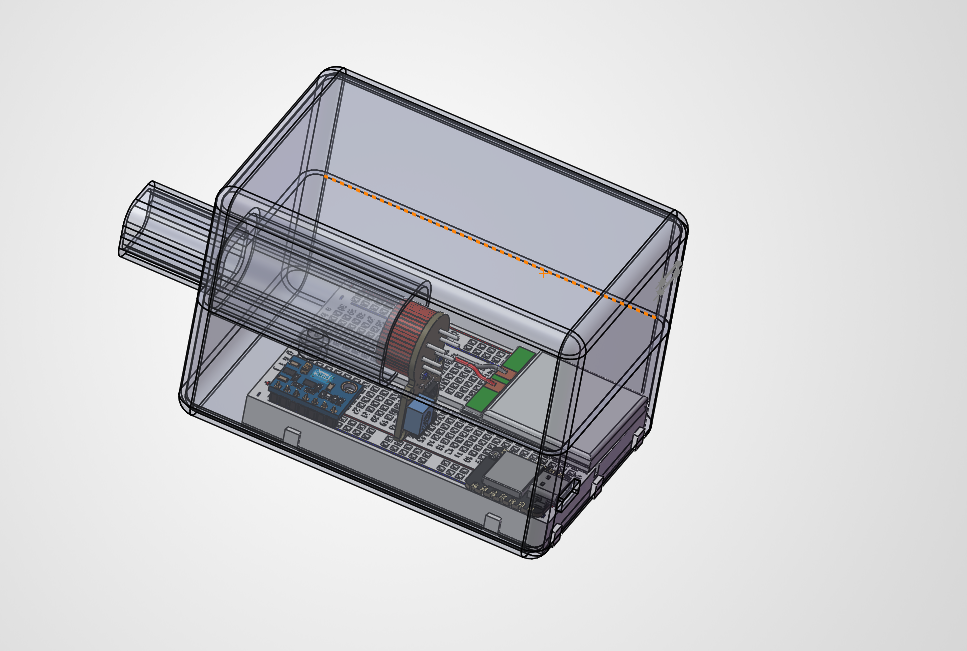
Separated design for printing
-
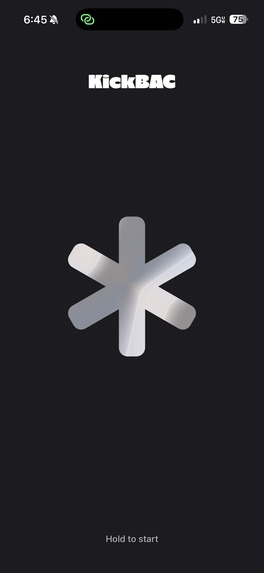
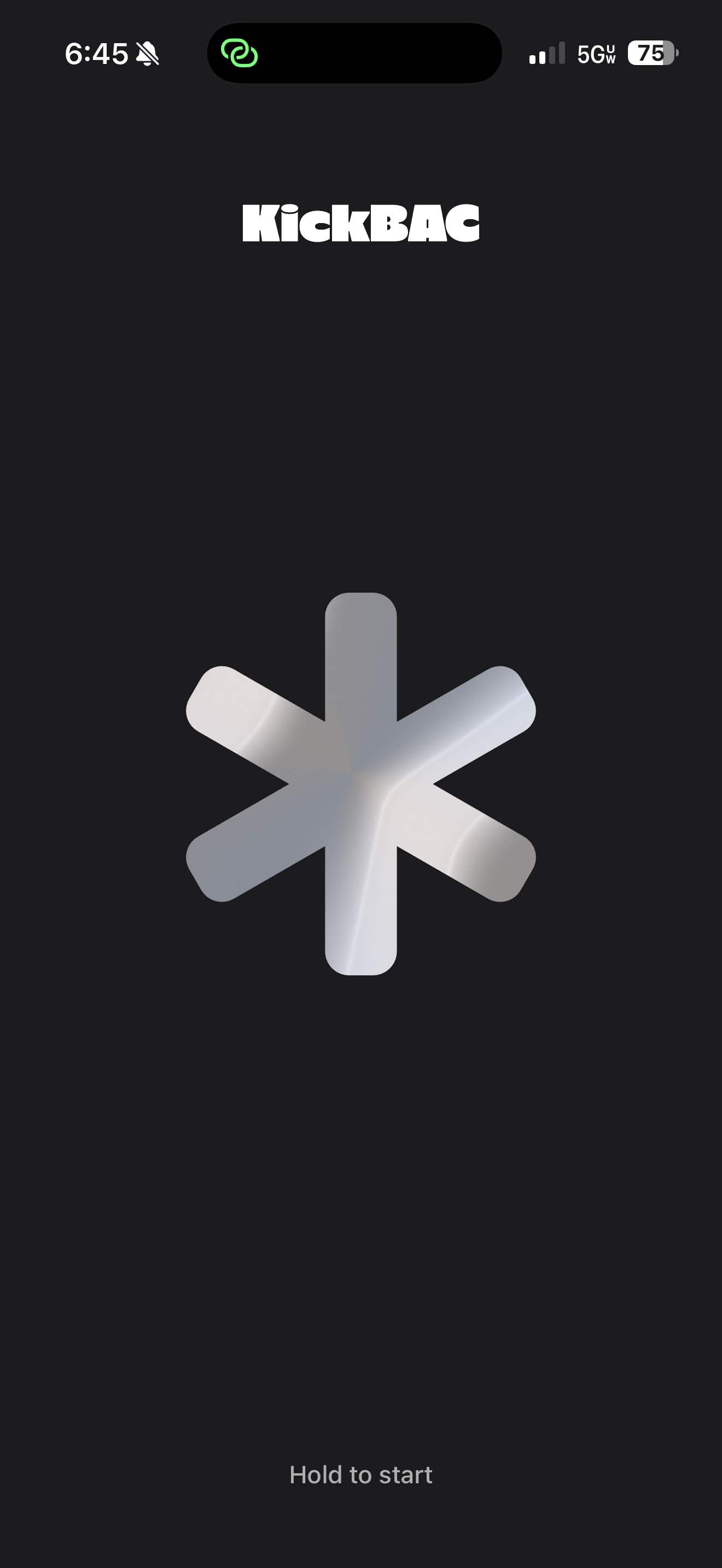
App Homepage
-
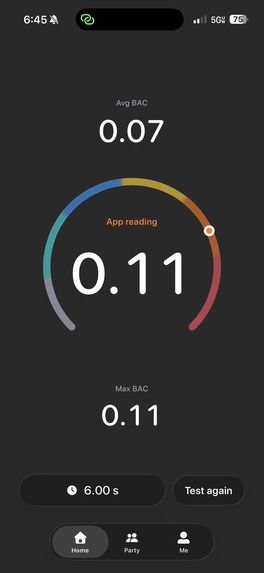
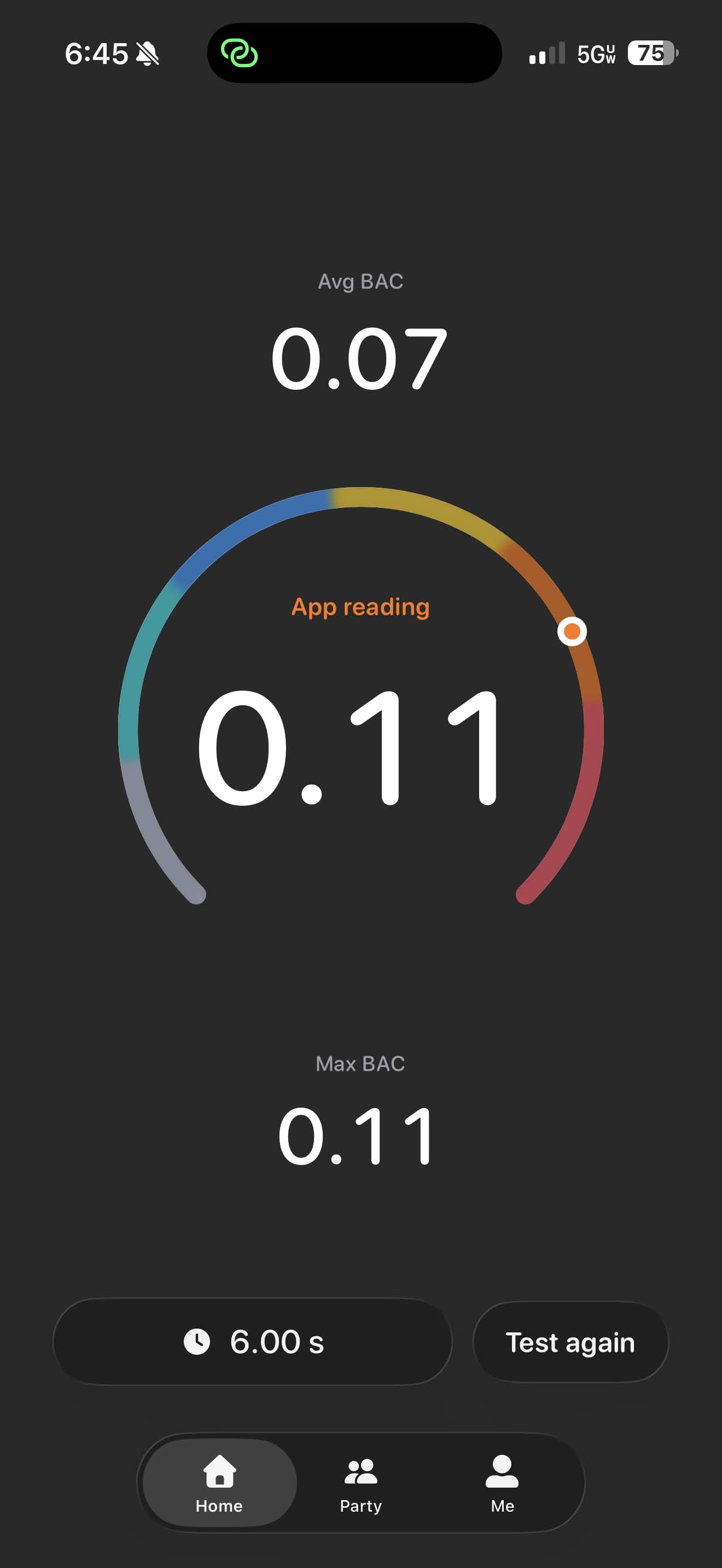
Sample BAC reading on the app
-
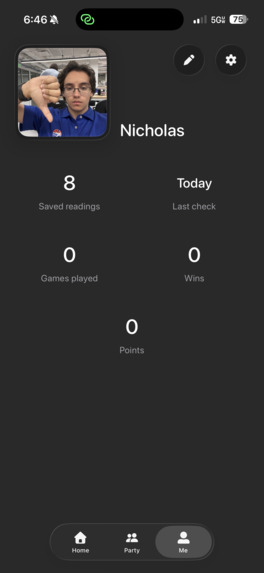
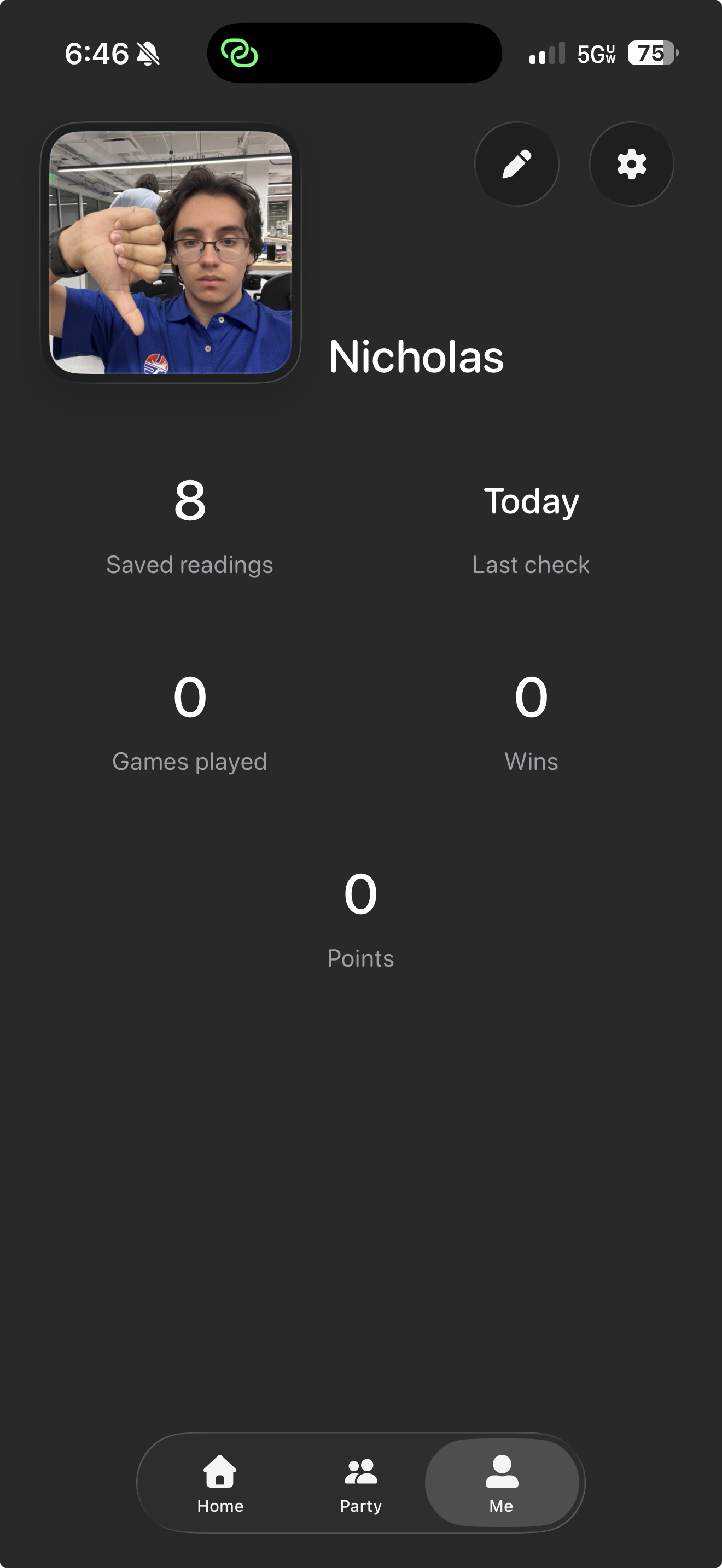
Profile page on the app
Inspiration
College pregames and kickbacks are all about bringing friends together, having fun, and making memories. We wanted to take that experience one step further by combining the social atmosphere of a party with interactive technology. Inspired by the competitive nature of party games and the curiosity of seeing how a night progresses, we created kickBAC.
Our goal was to turn a traditional breathalyzer into something more than a measuring device. By integrating custom hardware with a social party app, we wanted to create an experience that makes pregames more interactive, entertaining, and memorable.
What it does
kickBAC is a social party app paired with a custom-built breathalyzer that brings a new level of interaction to pregames and kickbacks.
Users can create a profile, host a party, or join an existing party with their friends. The breathalyzer features an NFC sticker that directs participants to the kickBAC app, making it easy to get started.
Once in a party, users can participate in multiplayer games and track their BAC readings throughout the night. Before starting a game, participants blow into the breathalyzer, which sends their readings to the app in real time. The app uses these readings to generate estimated BAC scores and display them alongside other participants on a live leaderboard.
This creates an entertaining social experience where friends can compare their readings, follow how their night progresses, and compete in interactive party games.
How we built it
kickBAC combines custom hardware, embedded programming, and mobile app development into one integrated system.
For the hardware, we designed and assembled our own compact breathalyzer using a Seeed Studio XIAO ESP32-S3 microcontroller and an MQ-3 alcohol sensor. The sensor detects alcohol vapor in a user's breath, while the ESP32 processes the analog signal and communicates the resulting data to our application.
We designed the physical housing to accommodate the electronics while directing airflow toward the alcohol sensor. All electronic components were assembled and wired by hand using a custom perfboard layout. The device is powered through USB-C and features an NFC sticker that links users to the app.
On the software side, we developed the kickBAC app to support user profiles, party creation and joining, multiplayer games, and live leaderboards. We integrated the hardware and software so that readings from the physical breathalyzer could be displayed in the app in real time.
Challenges we ran into
One of our biggest challenges was integrating custom hardware with a functioning social application under the time constraints of a hackathon.
Designing the breathalyzer required careful consideration of component placement, airflow, power distribution, and electrical connections. Working with a compact perfboard made soldering particularly challenging, as we needed to fit our components into a small footprint while avoiding short circuits and maintaining reliable connections.
Another significant challenge involved interfacing the MQ-3 alcohol sensor with the ESP32-S3. The sensor requires a 5V supply, while the ESP32's analog input operates at a lower voltage. We had to incorporate a voltage divider and carefully plan our circuit to protect the microcontroller.
Beyond the hardware, integrating live sensor data into our app introduced additional challenges. We had to coordinate the physical breathalyzer, data processing, and application interface to create a seamless user experience.
We also recognized that translating alcohol sensor readings into accurate BAC estimates is difficult without extensive calibration and testing.
Accomplishments
Our biggest accomplishment is developing a physical hardware product and a companion social app that work together as one system.
Rather than relying on an existing commercial breathalyzer, we designed and assembled our own device from individual electronic components. From the physical enclosure to the custom perfboard, the breathalyzer represents an engineering effort that brings together mechanical design and embedded systems.
We're also proud of creating an application that gives the hardware a meaningful social purpose. Features such as party hosting, user profiles, interactive games, NFC access, and real-time leaderboards transform a simple sensor reading into a shared experience.
Most importantly, we're proud of bringing together hardware and software development to turn our initial idea into a functional hackathon prototype.
Lessons Learned
Building kickBAC taught us how much goes into developing a product that combines physical hardware with software.
On the hardware side, we gained hands-on experience with microcontroller integration, analog sensor readings, voltage regulation, circuit design, soldering, and compact component packaging. We learned how even seemingly simple electrical connections require careful planning when assembling a custom device.
On the software side, we developed a better understanding of how to incorporate real-time hardware data into an interactive application and design features around a shared user experience.
We also learned about the limitations of low-cost alcohol sensors. Sensor readings can be influenced by calibration, environmental conditions, and measurement technique, meaning that our current BAC estimates should be treated as experimental rather than medically or legally accurate.
Above all, this project reinforced the importance of teamwork, iteration, and creative problem-solving when working under tight deadlines.
What's Next for KickBAC
We see kickBAC as more than just a hackathon project. Our long-term vision is to develop it into a compact, accessible party accessory that makes social gatherings more interactive.
Our next steps include:
- Minimizing the breathalyzer: Further optimize the hardware and enclosure to make the device more portable, durable, and convenient to use.
- Improving sensor accuracy: Explore calibration techniques and alternative sensing technologies to provide more reliable alcohol measurements.
- Expanding the games library: Introduce additional multiplayer games, party challenges, and interactive features that encourage social engagement without encouraging excessive drinking.
- Enhancing the app: Improve user profiles, party management, live updates, and the overall user experience.
- Exploring wireless and battery-powered operation: Reduce the need for external power connections and make the breathalyzer more convenient for parties.
- Adding responsible-use features: Include clearer measurement limitations, optional notifications, and safety-oriented resources to encourage responsible decision-making.
Ultimately, we want kickBAC to become a fun, recognizable part of the college social experience, combining engineering innovation with an engaging way for friends to connect.

Log in or sign up for Devpost to join the conversation.