Inspiration
The inspiration behind Kheti stems from the ongoing challenges faced by India’s farmers, who, despite agriculture being the backbone of the economy, often find themselves trapped in cycles of exploitation by intermediaries. Many lack direct access to fair and transparent markets, reducing their profits and limiting their opportunities. Additionally, they are often deprived of crucial insights on market trends, crop demand, and pricing, which could help them make informed decisions. We wanted to change that by empowering farmers with the tools and knowledge to thrive in both local and global markets.
What it does
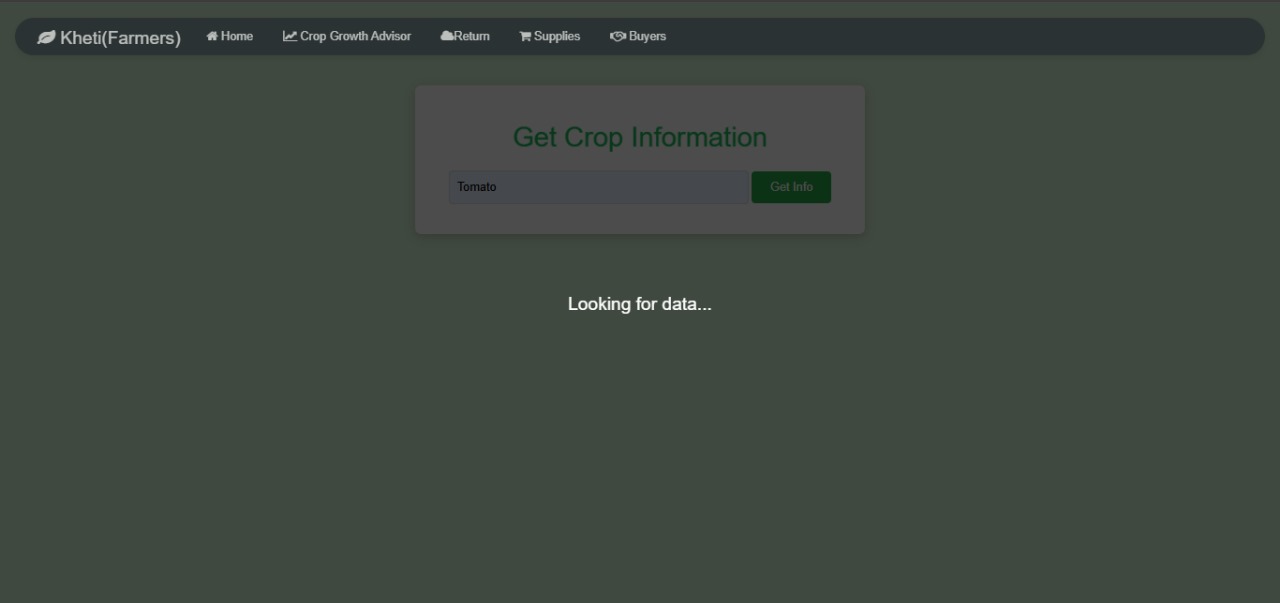
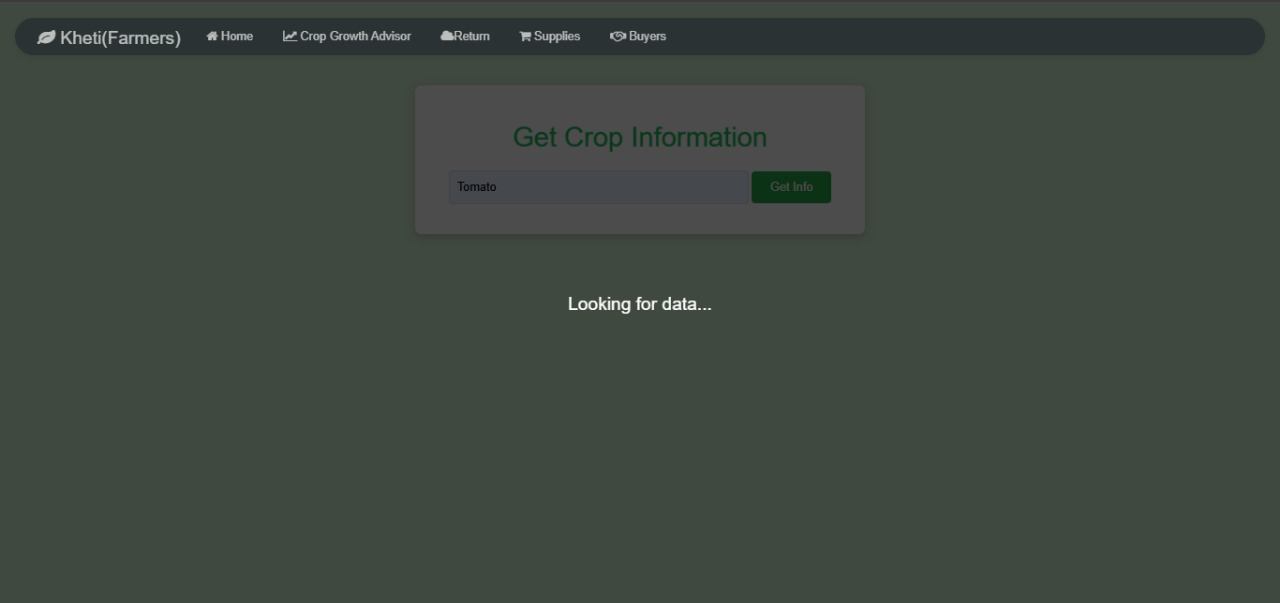
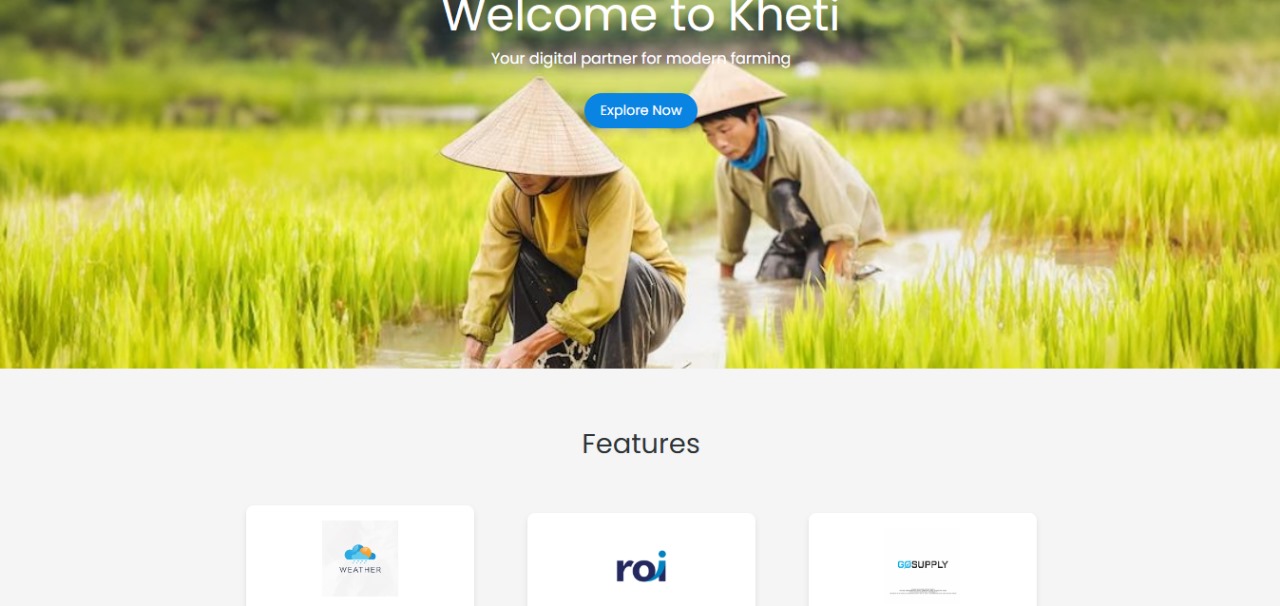
Kheti is an AI-driven platform that connects farmers directly with buyers, eliminating the middlemen and ensuring farmers receive better profit margins. The platform is designed to be user-friendly, allowing farmers to list their produce, while buyers can browse, compare, and purchase goods directly from local producers. Additionally, the platform provides farmers with insights on crop trends, pricing, and market demands, enabling them to make informed decisions about what to grow and when to sell.
How we built it
We began by deeply understanding the pain points of farmers across India—how they struggle with limited market access and lack of critical information. We then built Kheti to be an intuitive, easy-to-use platform. Using AI and data analytics, we integrated real-time insights on crop trends, pricing, and market demand. This technology allows farmers to receive tailored recommendations, helping them make smarter, data-driven decisions. The platform’s design ensures it’s accessible even to those with limited digital literacy, making it easy for farmers from rural areas to use.
Challenges we ran into
Building Kheti came with its share of challenges. One of the biggest hurdles was ensuring the platform's accessibility for farmers in rural areas who may have limited digital literacy and internet access. We also faced difficulties in collecting accurate, real-time market data from diverse regions and integrating it into the platform. Additionally, educating farmers on how to leverage the technology and trust the system posed a challenge, given their historical reliance on traditional methods.
Accomplishments that we're proud of
We are proud of how Kheti has the potential to drastically change the way Indian farmers interact with the agricultural market. By connecting farmers directly to buyers, the platform ensures better profit margins and removes the dependency on intermediaries. The integration of AI-driven insights also allows farmers to make informed decisions, leading to more profitable outcomes. We are particularly proud of the platform's ability to simplify complex market data into actionable insights for farmers, making it a truly empowering tool for agricultural transformation.
What we learned
Throughout this journey, we learned how crucial it is to understand the unique needs of the target audience. Building technology that is not only accessible but also usable by farmers with limited tech experience required us to keep things simple and intuitive. We also learned the importance of building trust with users who are used to traditional methods, and that patience and consistent education are key in ensuring adoption of new technologies. The process of gathering real-time market data and ensuring its accuracy was also a valuable lesson in the complexities of agricultural markets.
What’s next for Kheti
As we look ahead, our primary goal is to expand the reach of Kheti to more farmers across India, ensuring that even those in the most remote villages can benefit from the platform. We aim to enhance the AI capabilities to offer even more personalized recommendations and predictions, helping farmers plan their crops more effectively. Additionally, we plan to establish stronger ties with global buyers, positioning Indian farmers to tap into international markets. Kheti is not just about improving local access—it's about preparing India’s agricultural community to be competitive on the global stage by 2030.


Log in or sign up for Devpost to join the conversation.