Inspiration
The Space Shuttle didn't fail because engineers were careless. It failed because a system expected humans to be perfect under pressure. Factories still make that same demand. Never forget, never tire, never fall behind. 80% of manufacturing defects trace back to human error. We wanted to build a system that supports human judgment instead of punishing human limits.
What it does
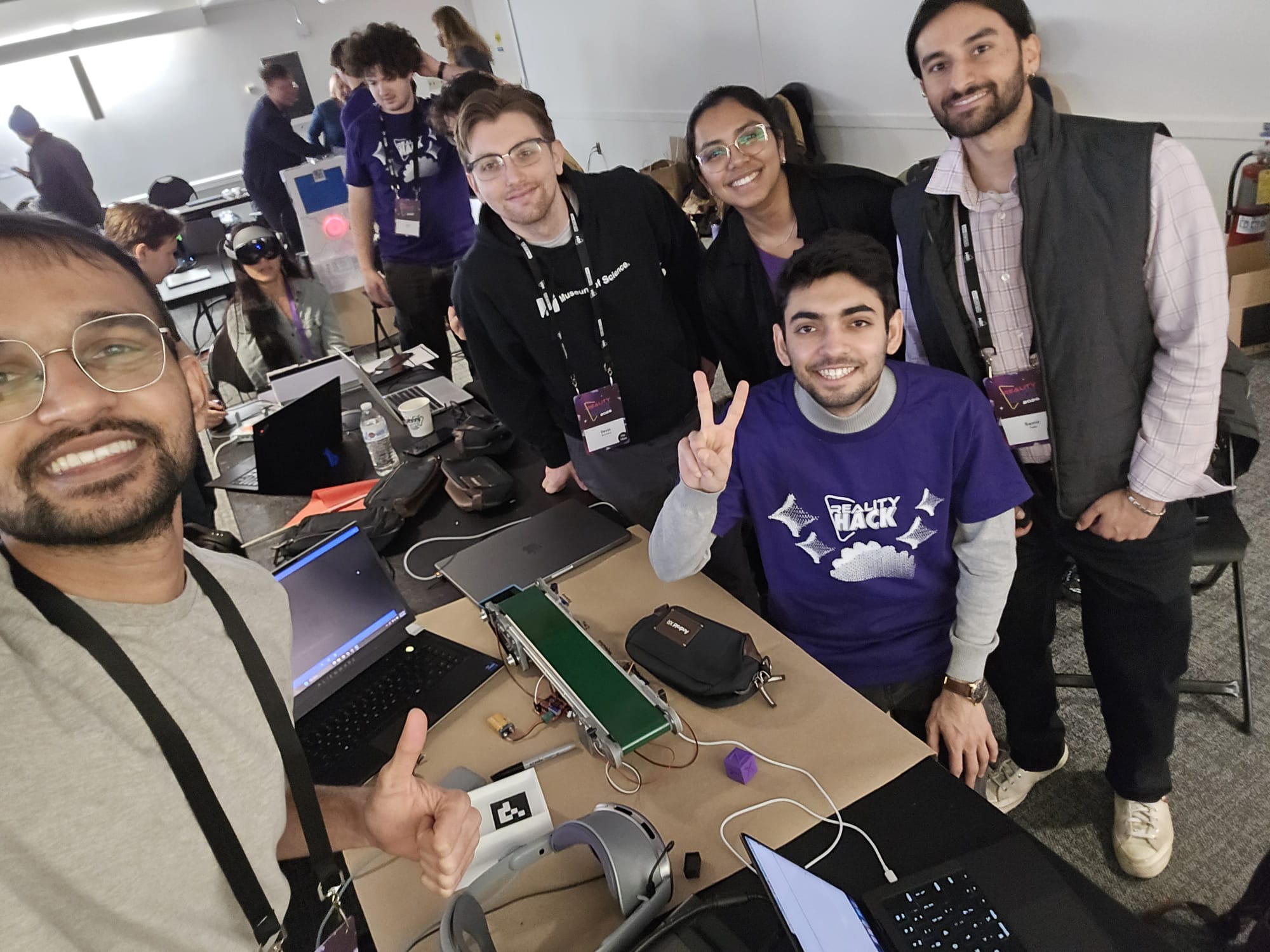
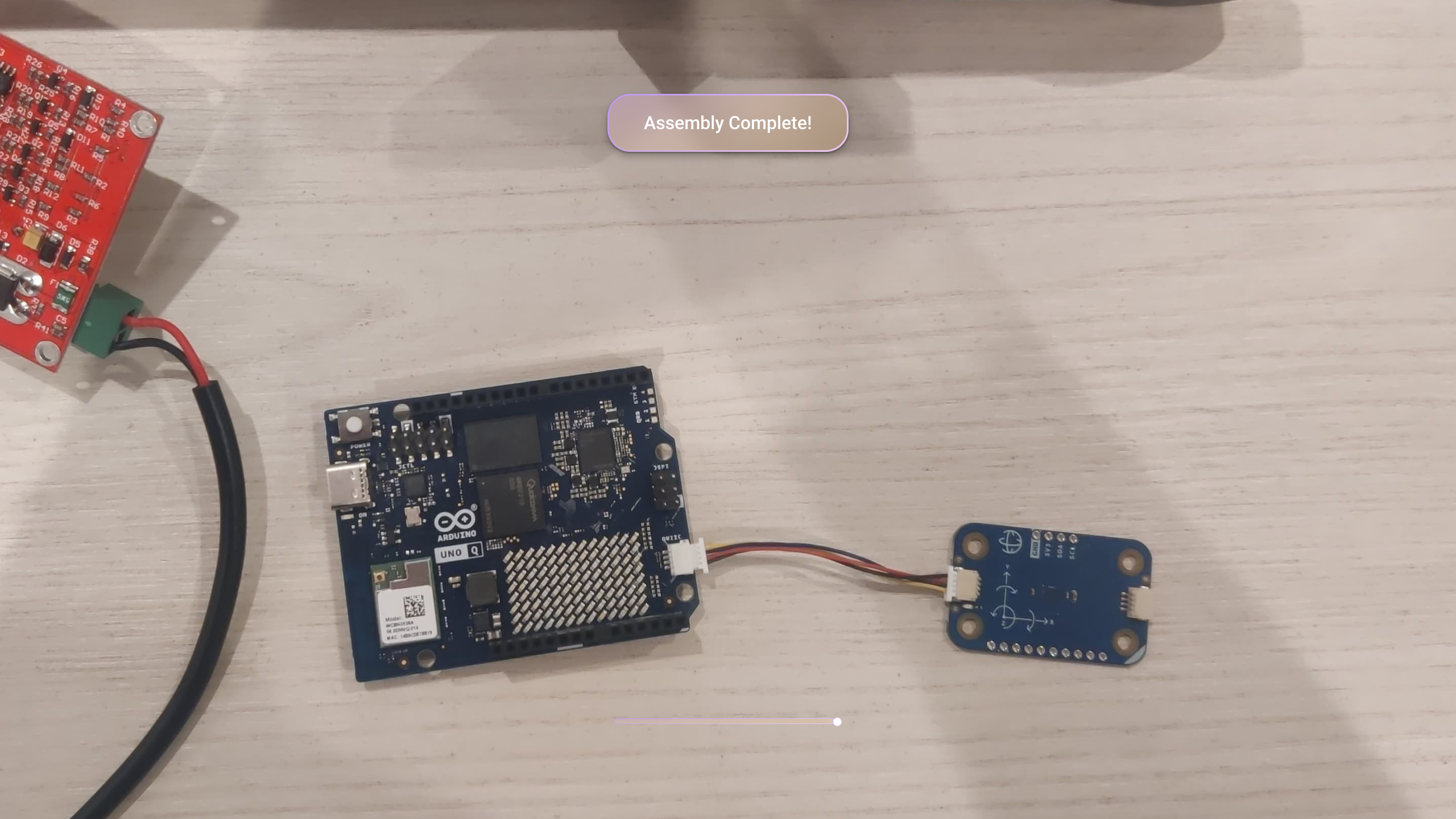
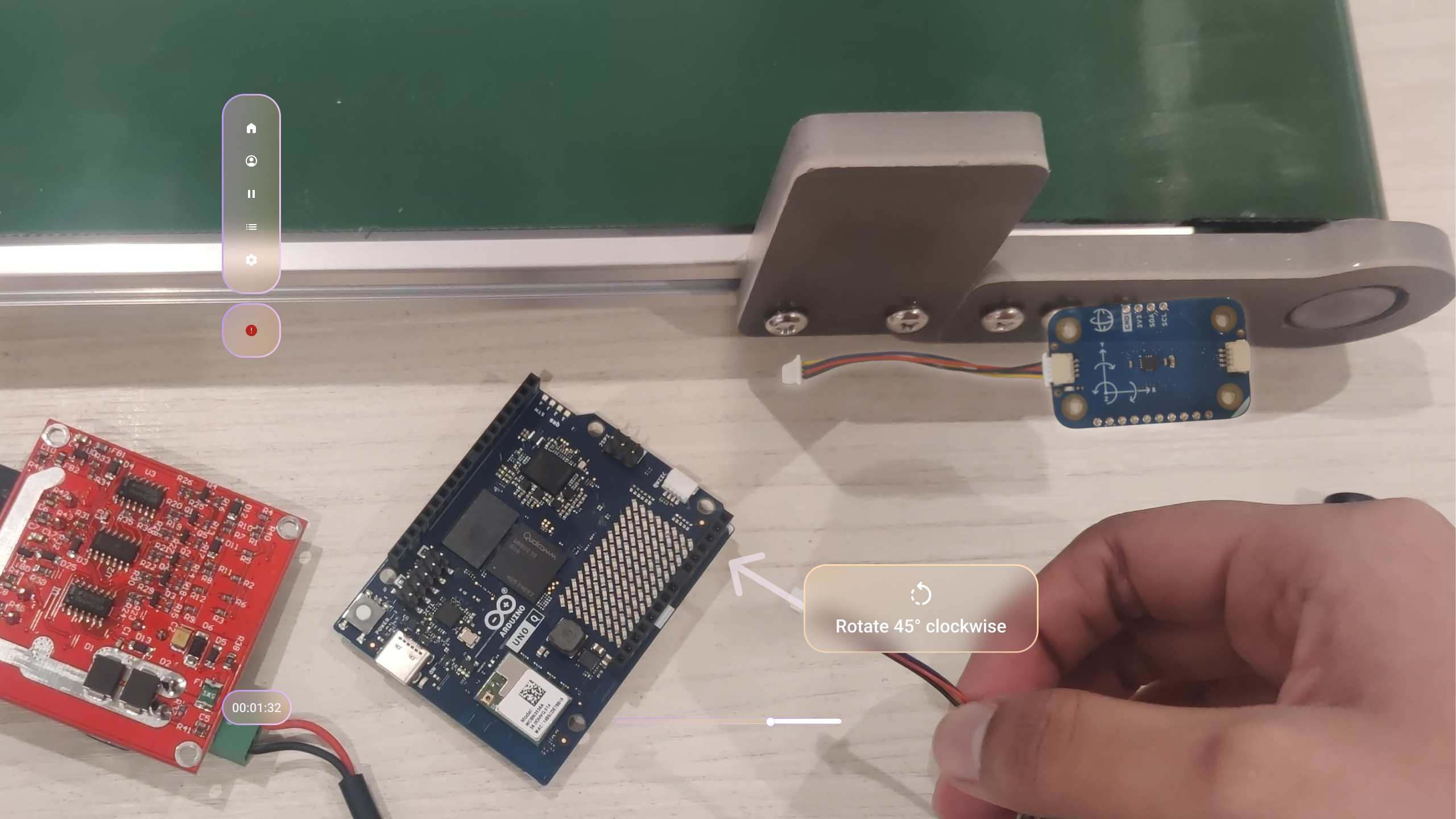
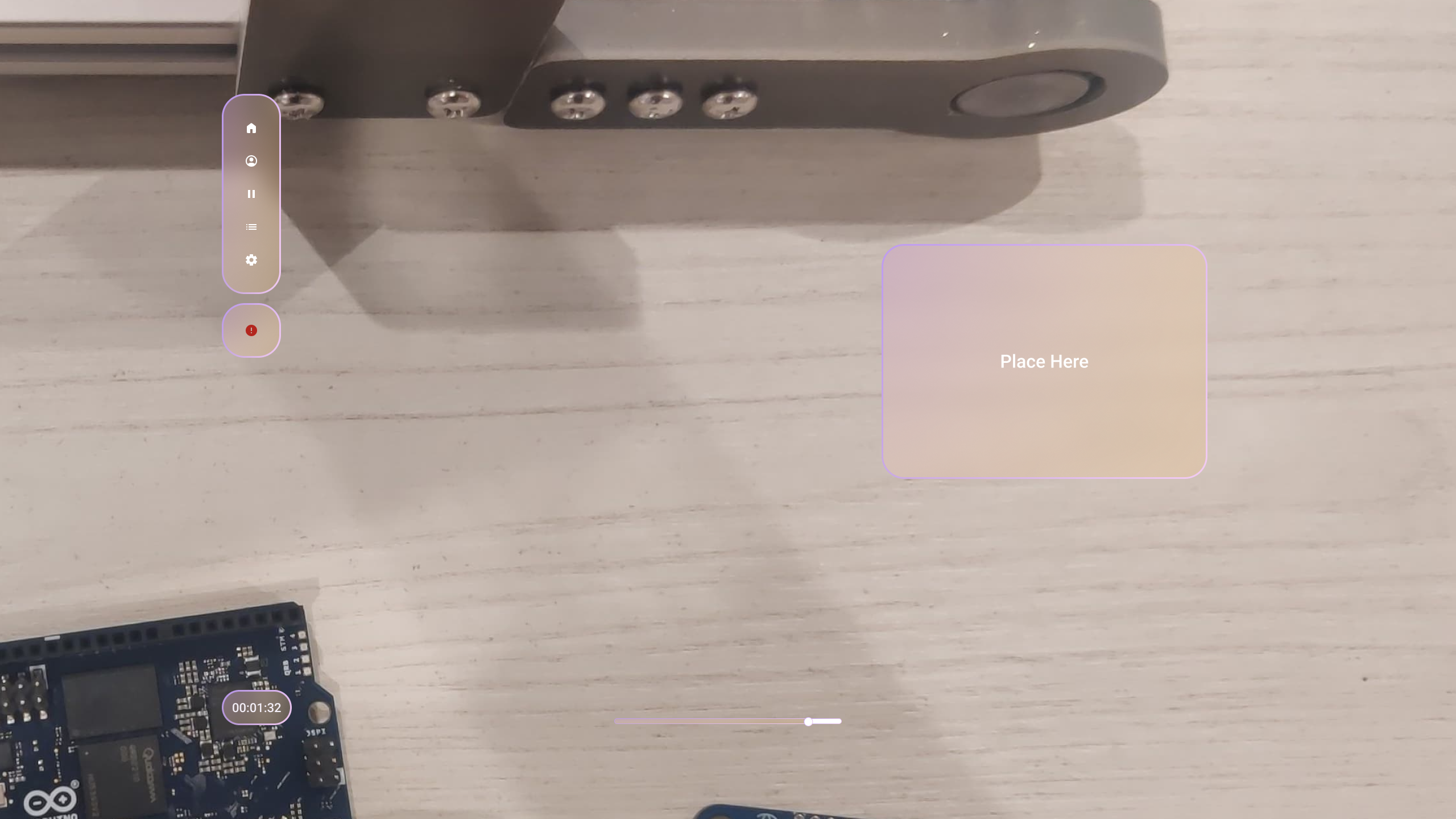
Keystone is an AR safety system for factory workers. A Samsung Galaxy XR headset shows the right part, the right step, at the right time. Arduino sensors track temperature, humidity, motion, and distance, making invisible risks visible before mistakes cascade. Workers can ask Gemini for help in any language. A robot handles repetitive tasks to reduce physical fatigue.
How we built it
Samsung Galaxy XR for AR display. Arduino Uno with WiFi streaming sensor data to Unity. Spatial UI designed in Figma with world-anchored panels. Gemini API for voice assistance backed by a private server storing safety guidelines and operational context.
Challenges
Designing for 3D space instead of screens. Translating raw sensor data into intuitive visual cues. Sharing a humanoid robot across teams meant limited access and firmware updates occasionally broke functionality. The noisy hackathon environment made Gemini voice recognition unreliable at times.
What we learned
XR design requires unlearning 2D habits. Sensors are useless without clear translation. Human error is a system problem, not a people problem. Connecting hardware like robots and microcontrollers takes longer than expected and rarely works on the first try.
What's next
Predictive alerts using historical data. Expanded sensor suite. Real-world manufacturing pilots.


Log in or sign up for Devpost to join the conversation.