

Inspiration
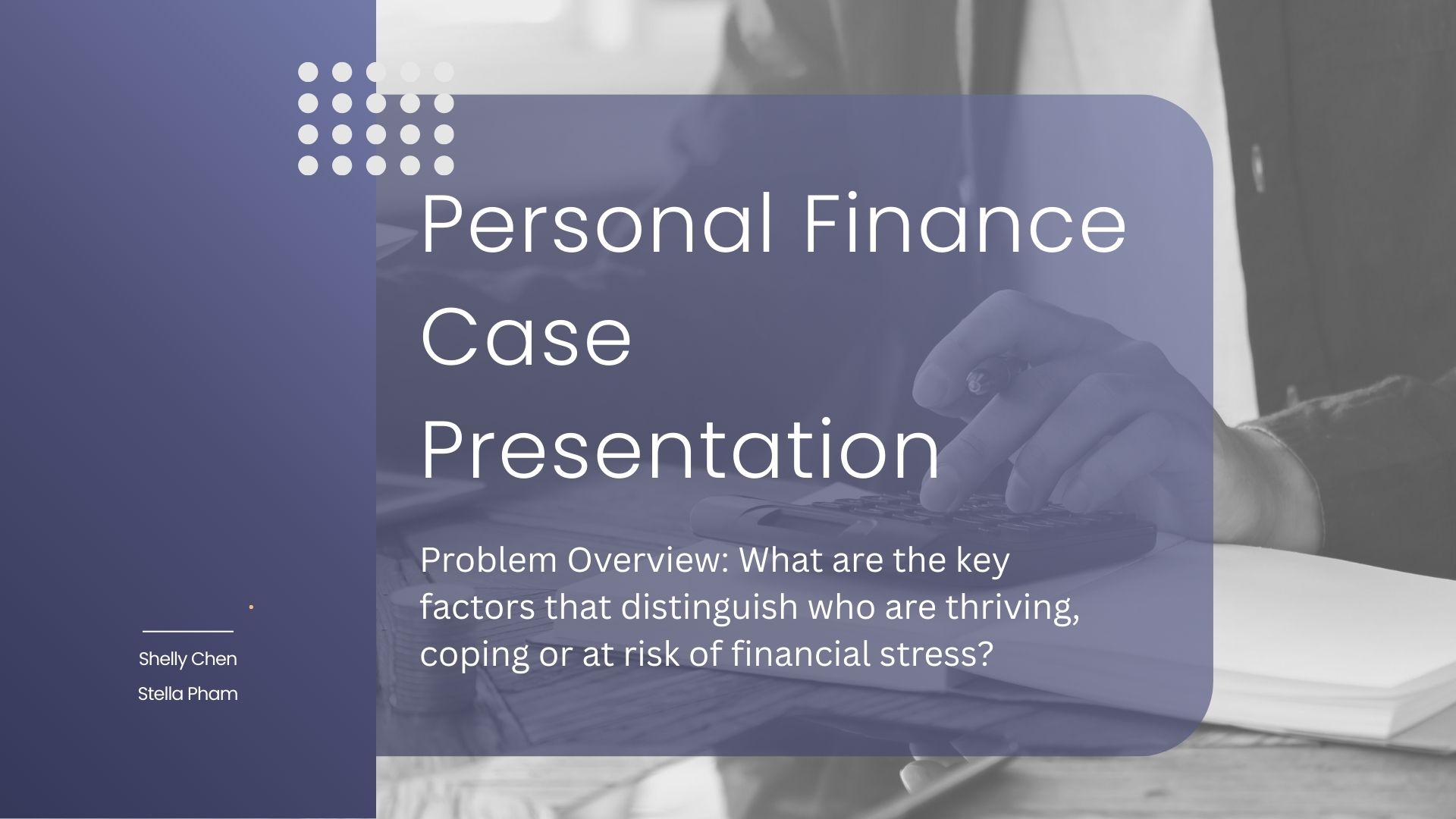
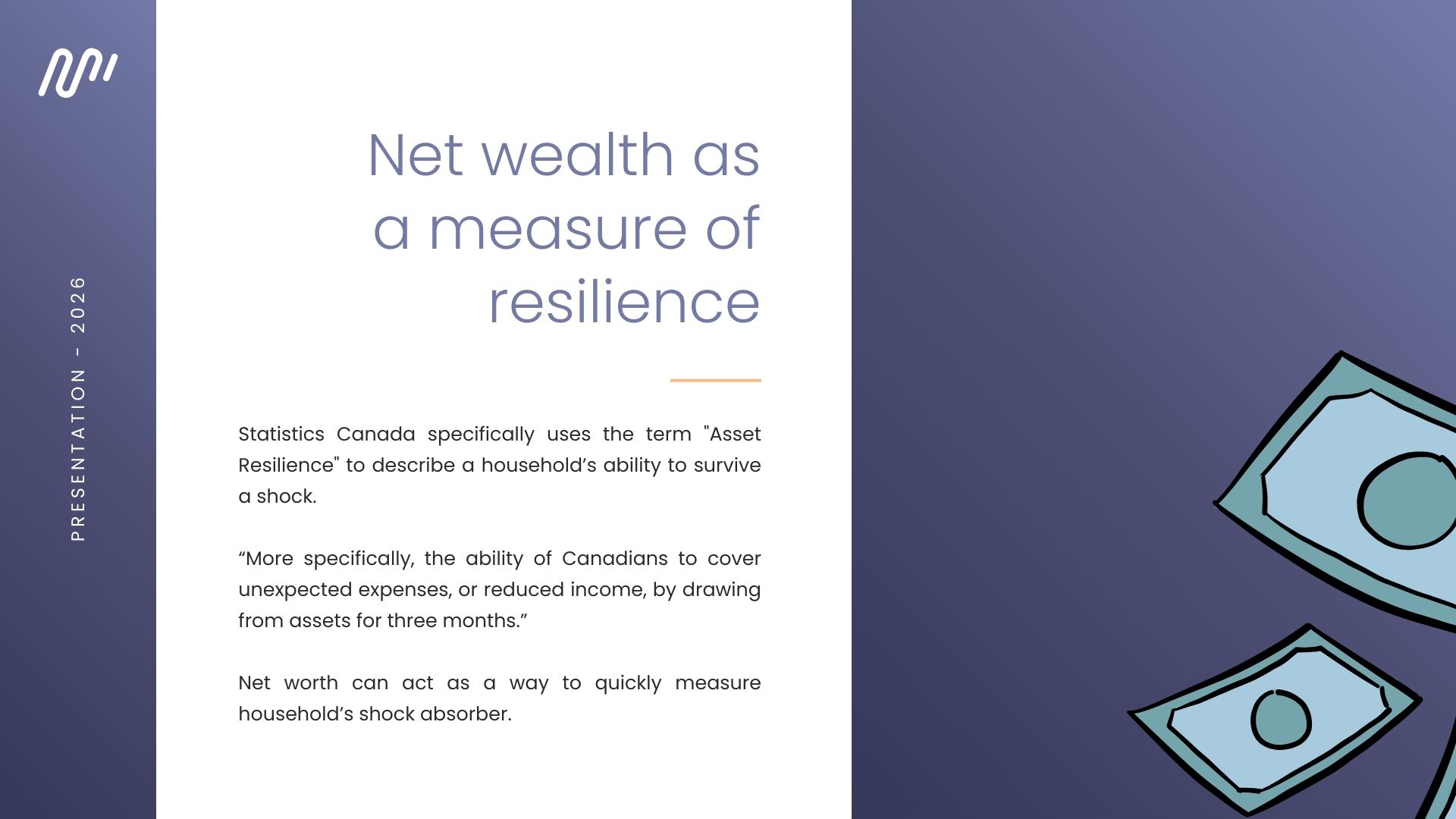
We're both second year students with an interest in business. One is focusing in statistics taking economics, while another is an accounting student minoring in economics. Uncovering factors that contribute to financial resilience was a natural question we would want to uncover.
What it does
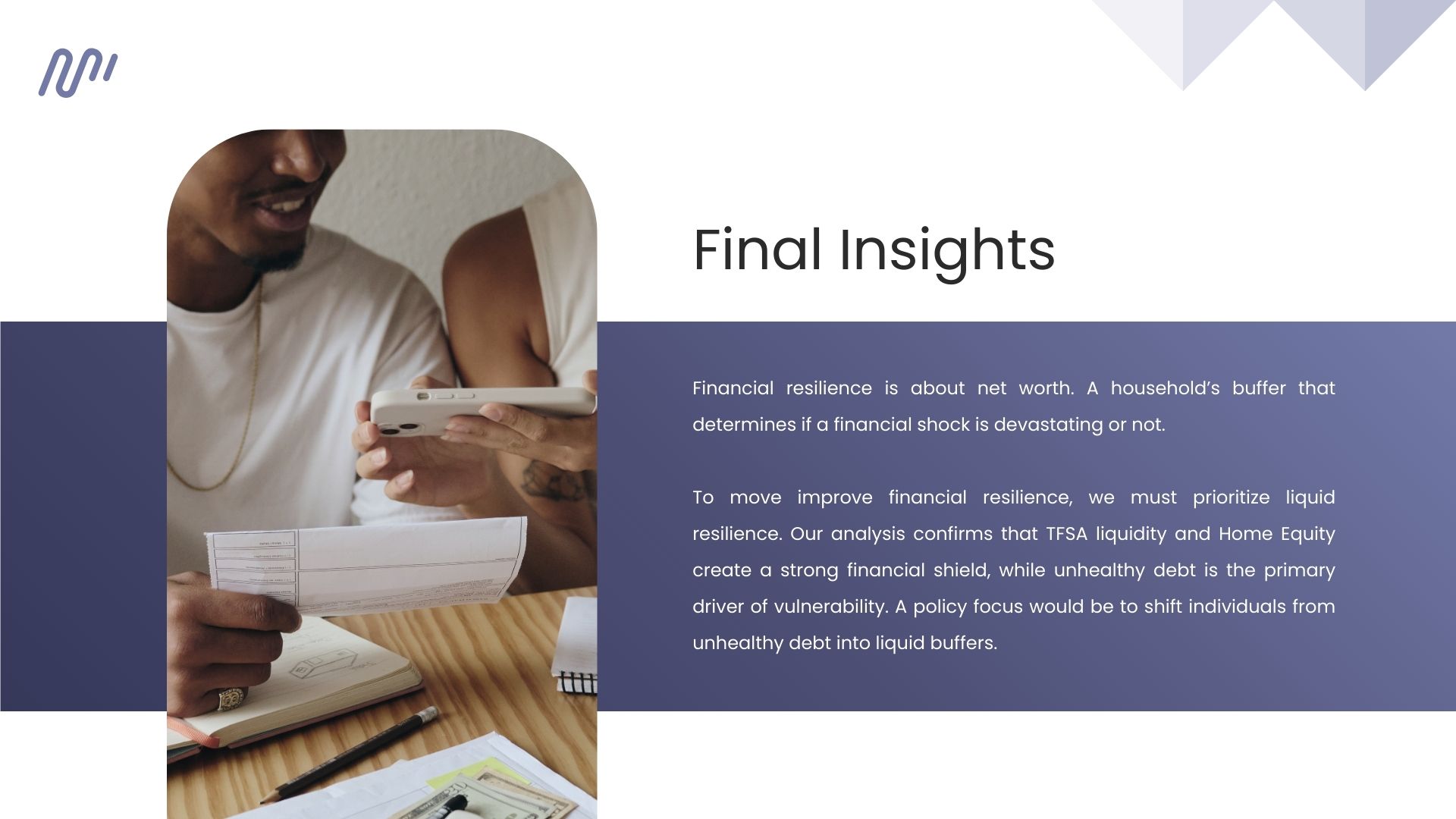
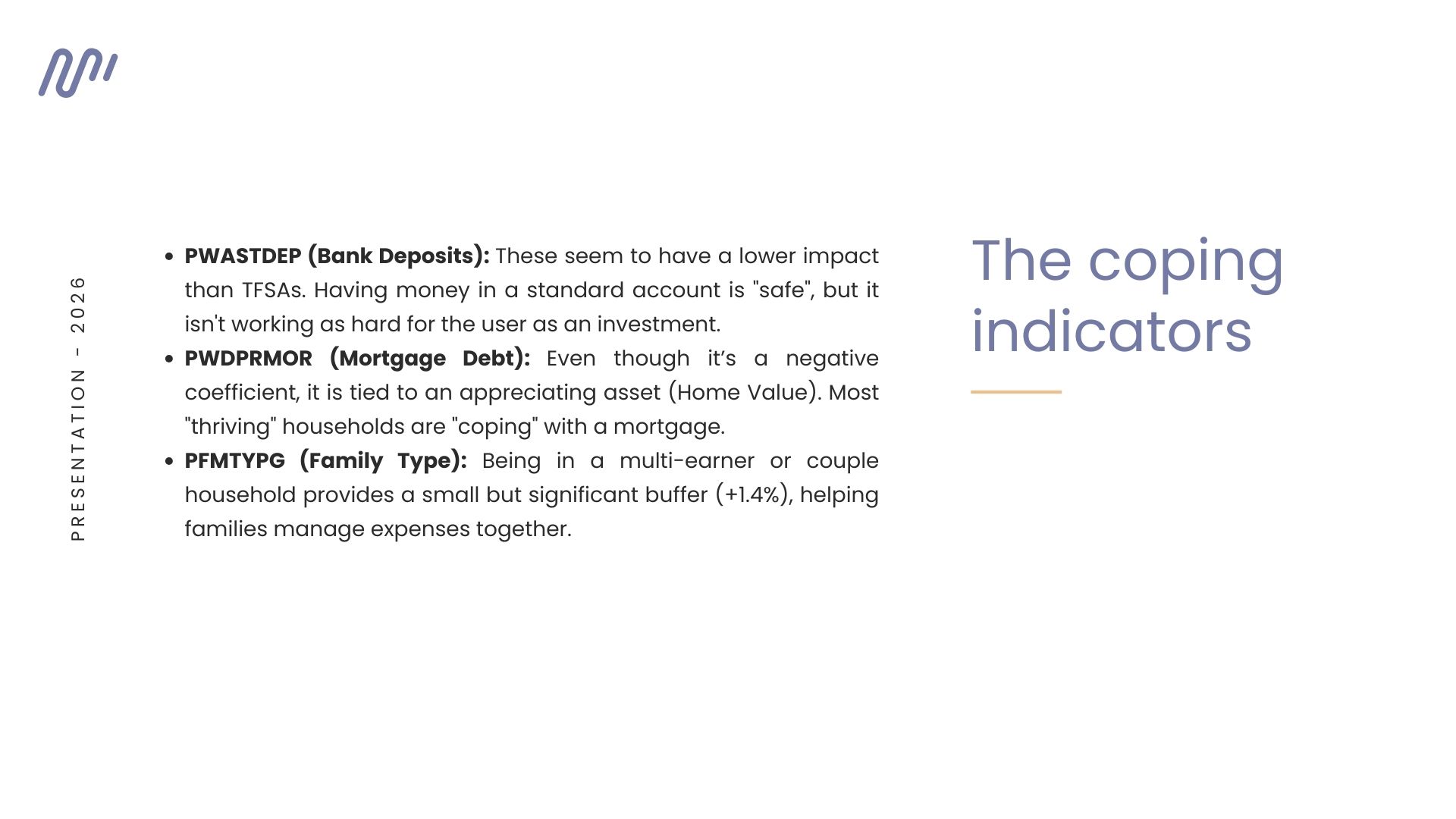
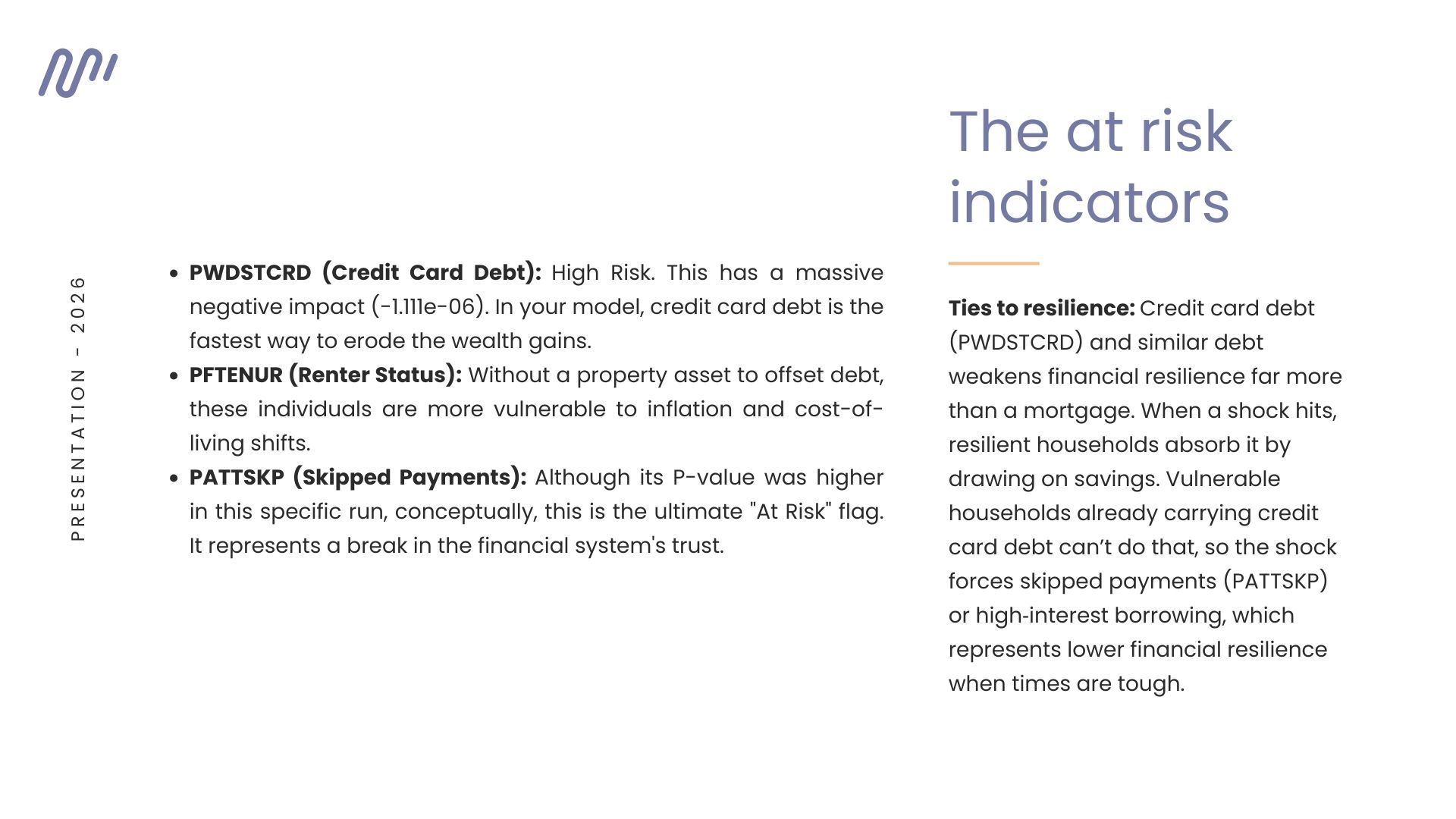
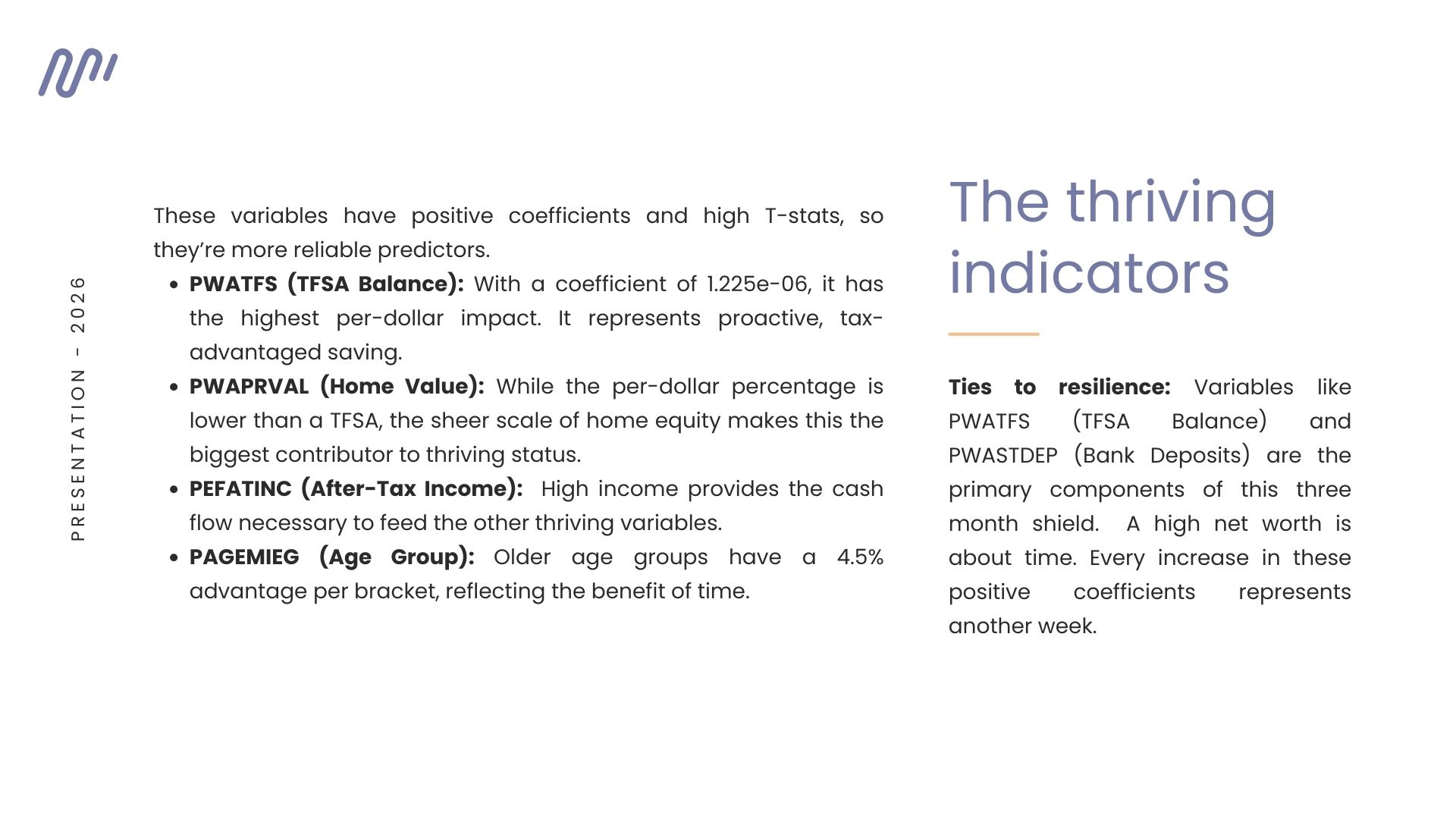
The project identifies the strongest predictors of a household’s net worth and financial stability through various models processing 19 distinct variables.
How we built it
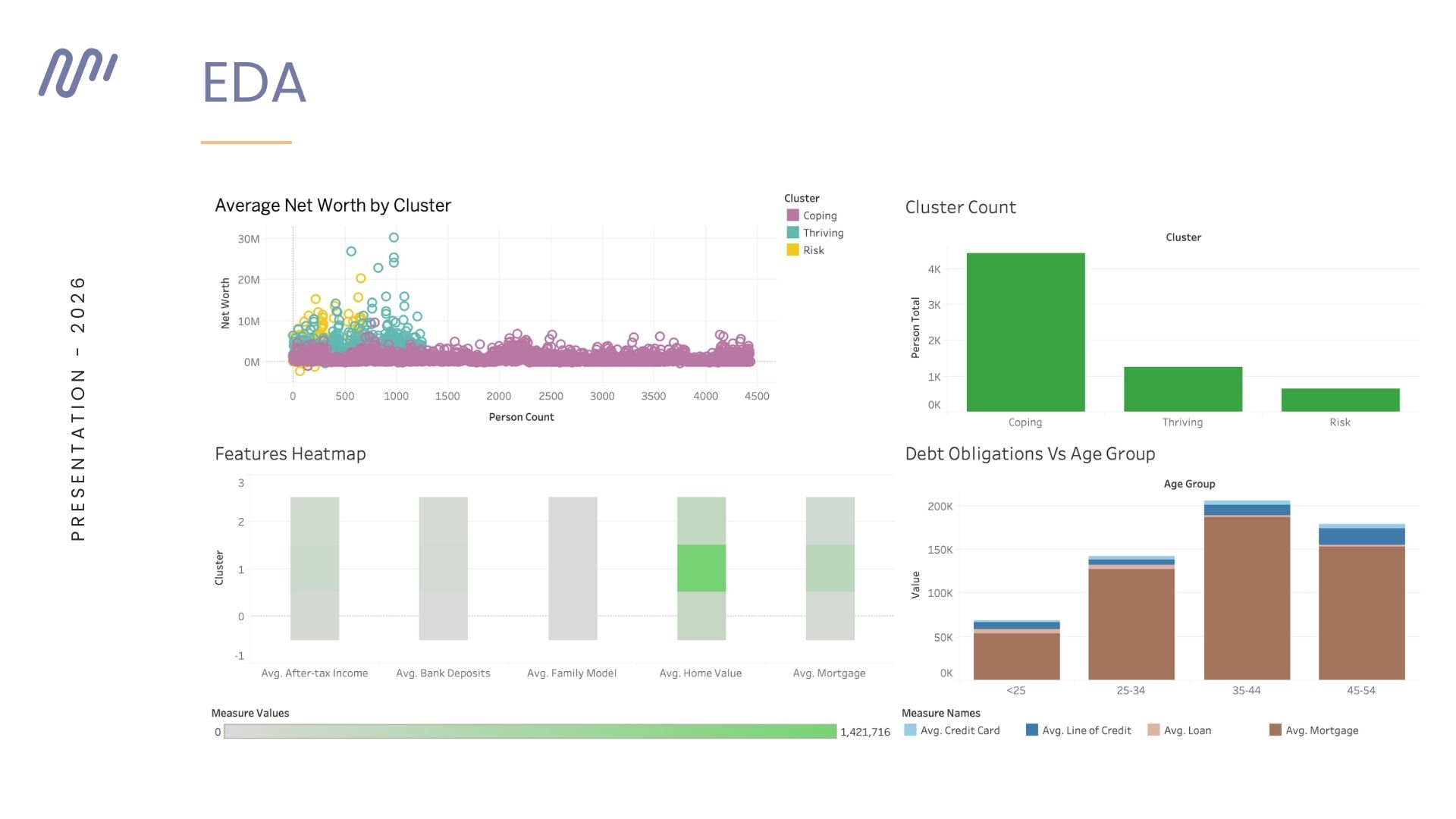
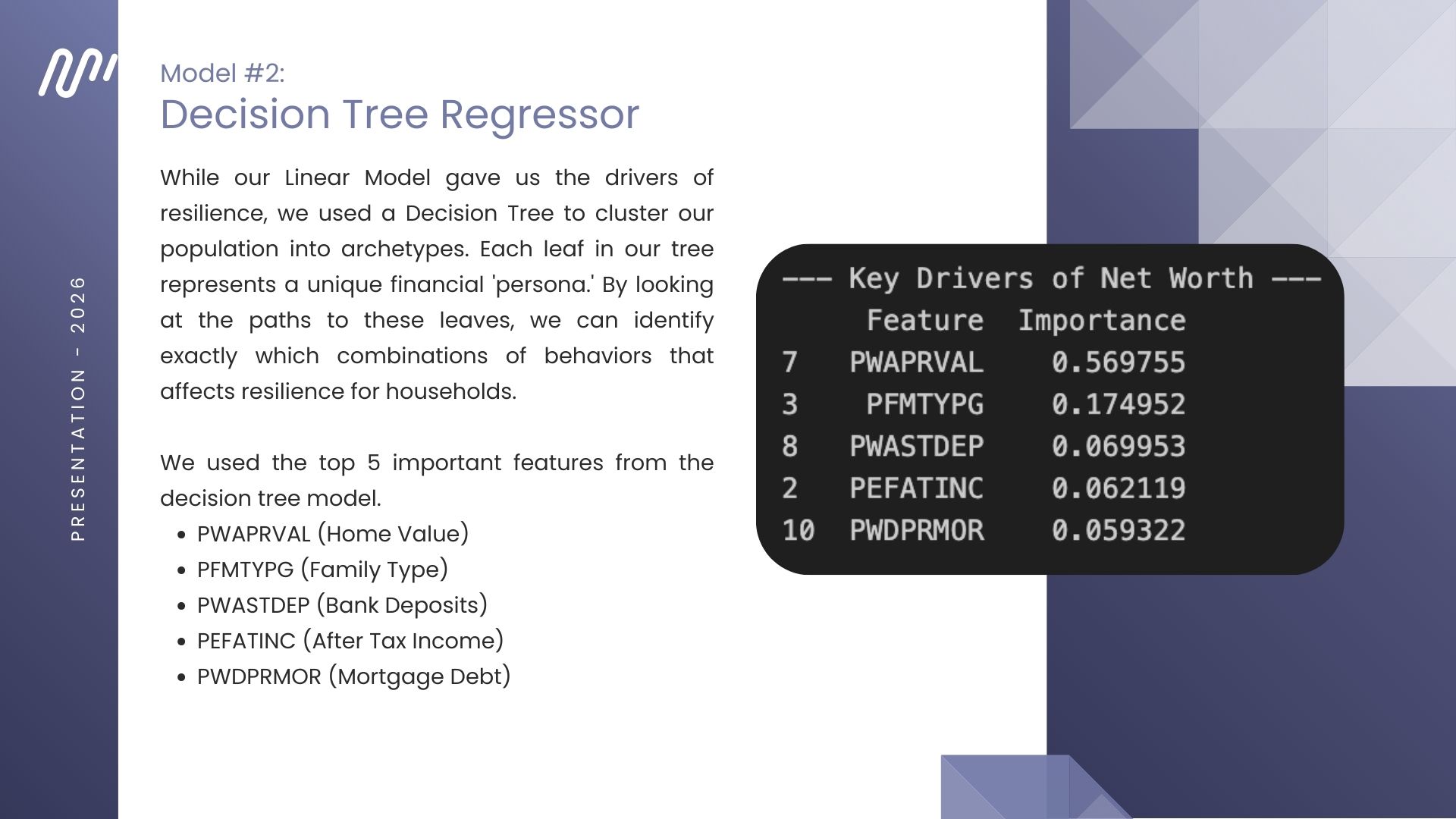
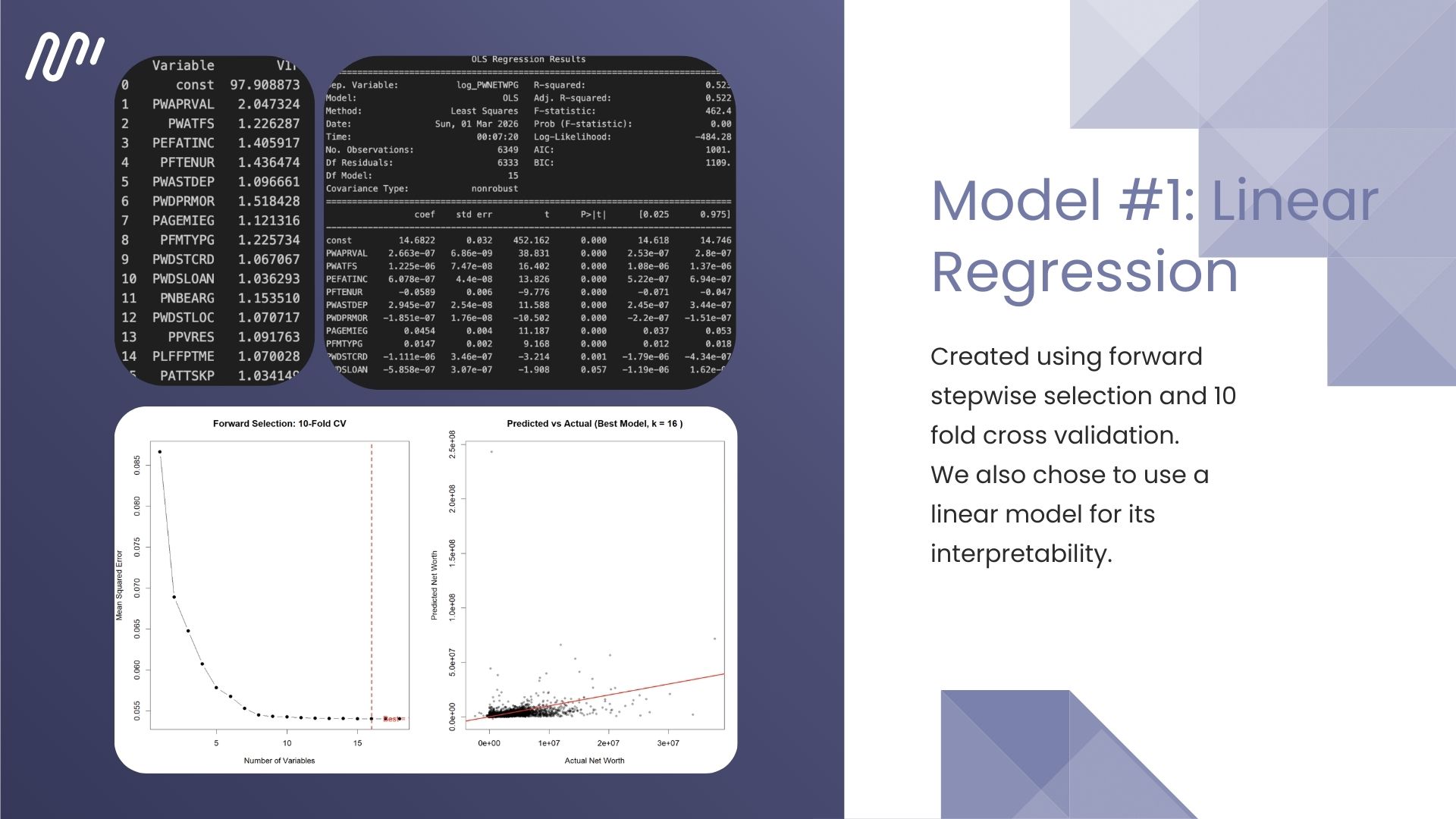
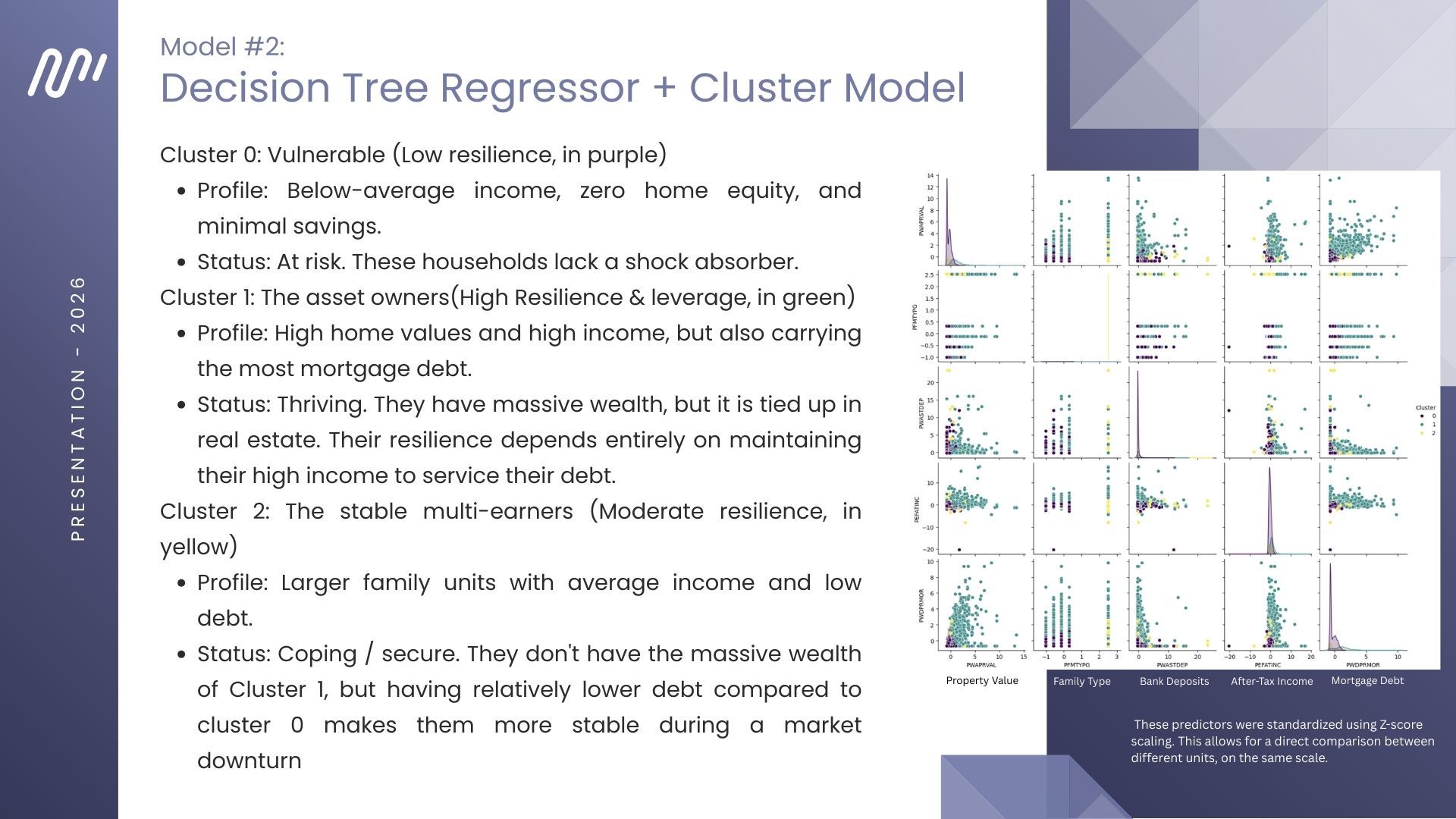
We used Python (Pandas/NumPy) to clean a massive dataset of 16,000+ entries, filtering for the prime working-age demographic (18–54). We used forward stepwise selection for linear regression and implemented a decision tree regressor using GridSearchCV to optimize parameters, allowing us to model relationships between factors and net wealth. We also used Tableau for visualization.
Challenges we ran into
There were some heteroscedasticity issues for linear regression. Additionally, we were familiar with R and not python, the .ipynb requirement prompted us to quickly learn new libraries from the workshop and convert existing R code into python through the use of AI.
Accomplishments that we're proud of
Successfully building a models with a high R-squared.
What we learned
Successfully learned new skills in python, improved Tableau skills, learned more about clustering and decision tree regressor.
What's next for Key Factors of Financial Resilience - Team 8
Making and comparing more methods comparing them to find the best model. Creating an interactive dashboard.
Built With
- chatgpt
- decisiontreeregressor.
- gridsearchcv.
- kmeans
- mean-absolute-error.
- minmaxscaler.
- pandas
- r2-score
- scikit-learn
- seaborn:
- silhouette-score.
- standardscaler
- train-test-split

Log in or sign up for Devpost to join the conversation.