-
-
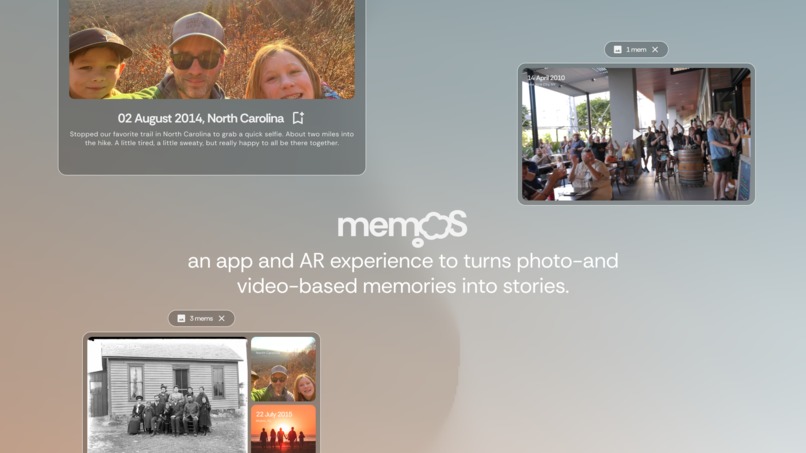
Introducing memOS!
-
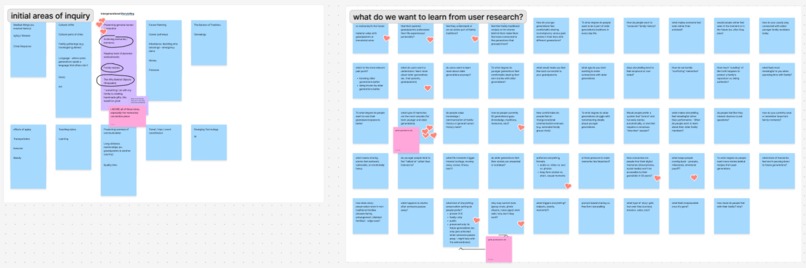
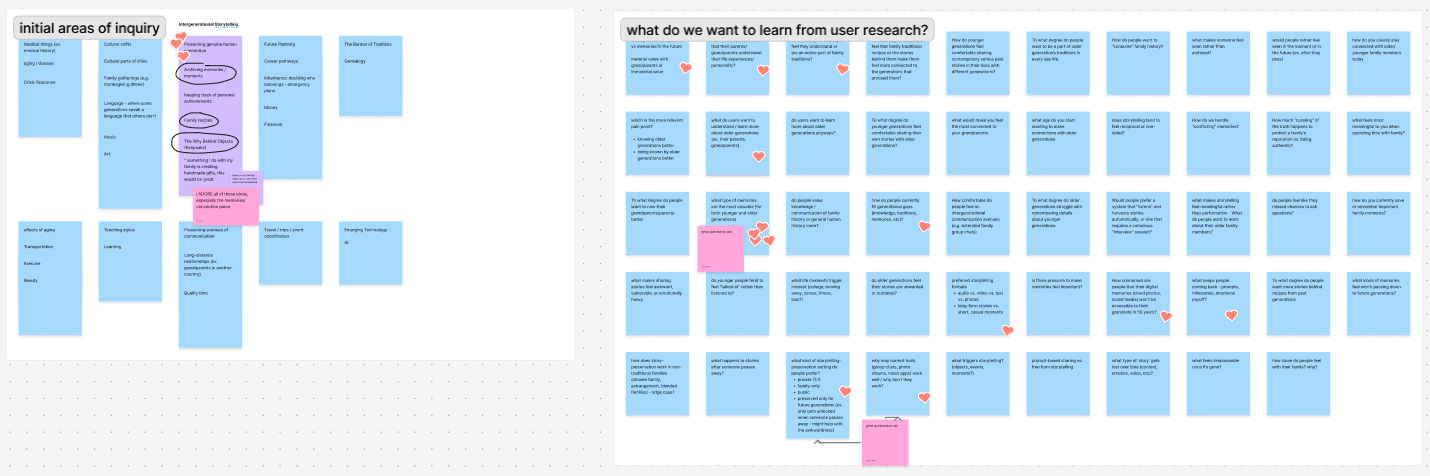
What do we want to learn from user research?
-
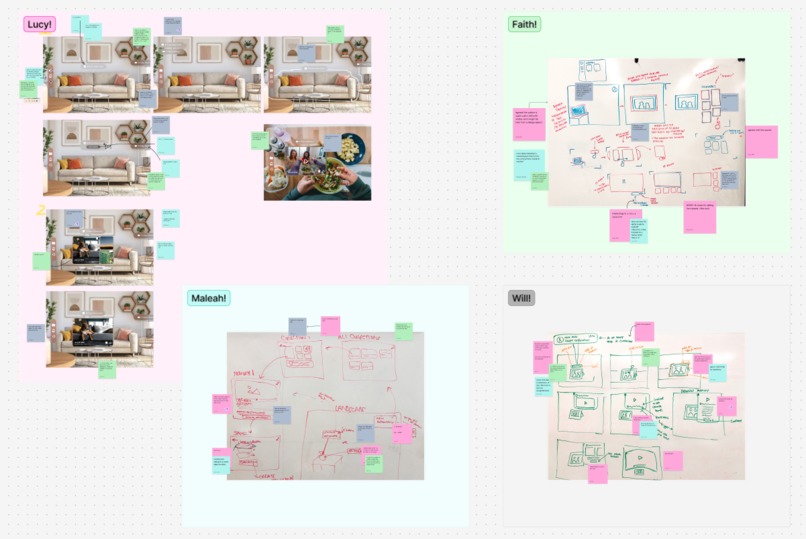
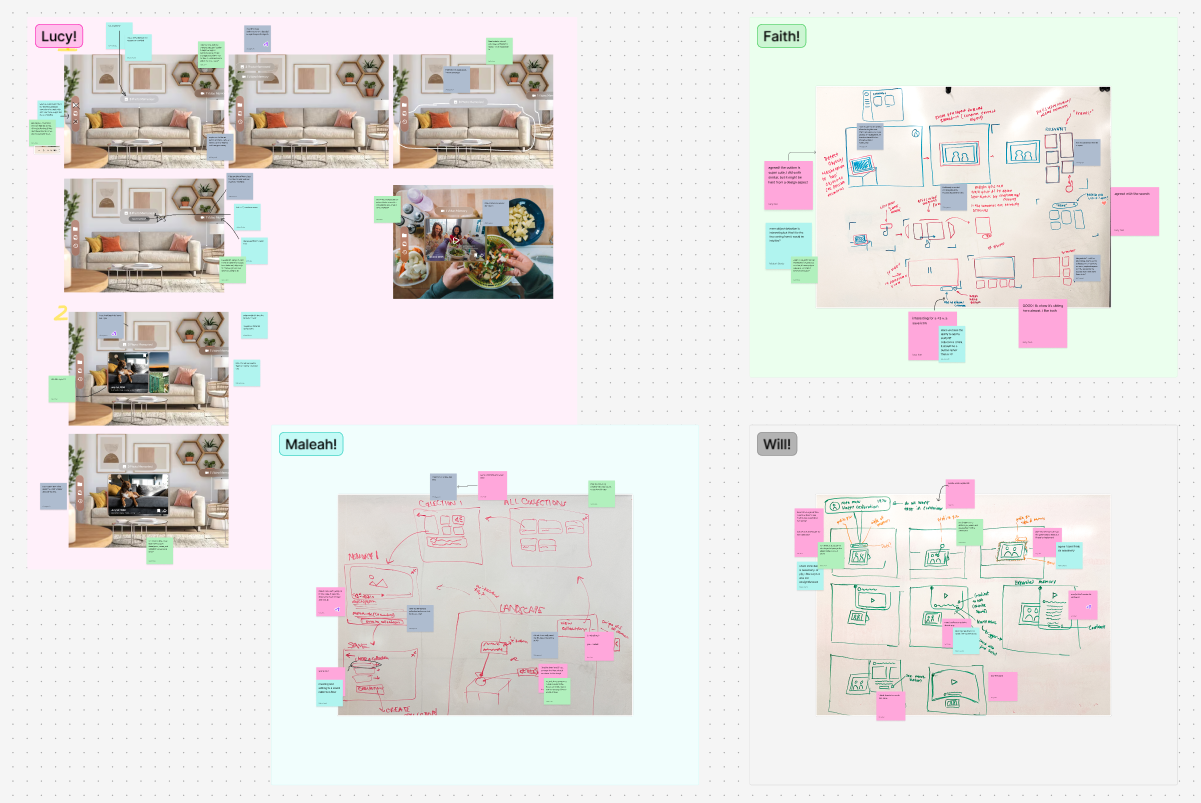
Whiteboarding!
-
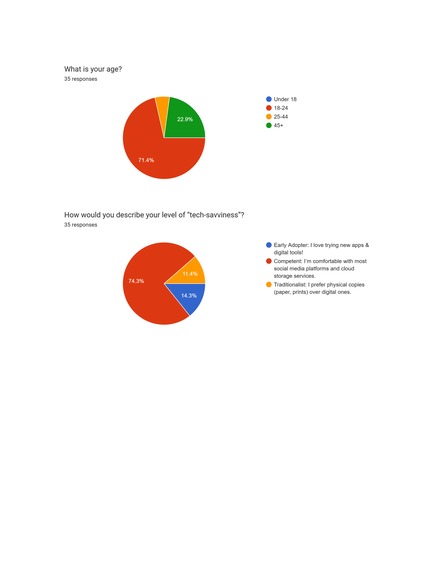
User Survey Results 4/4
-
User Survey Results 2/4
-
User Survey Results 1/4
-
User Survey Results 3/4
Prototype link: Link
A video demo with a maximum of 3 minutes: Link
Responses to questions about the user research and design thinking process
Describe your project (Max 150 words)
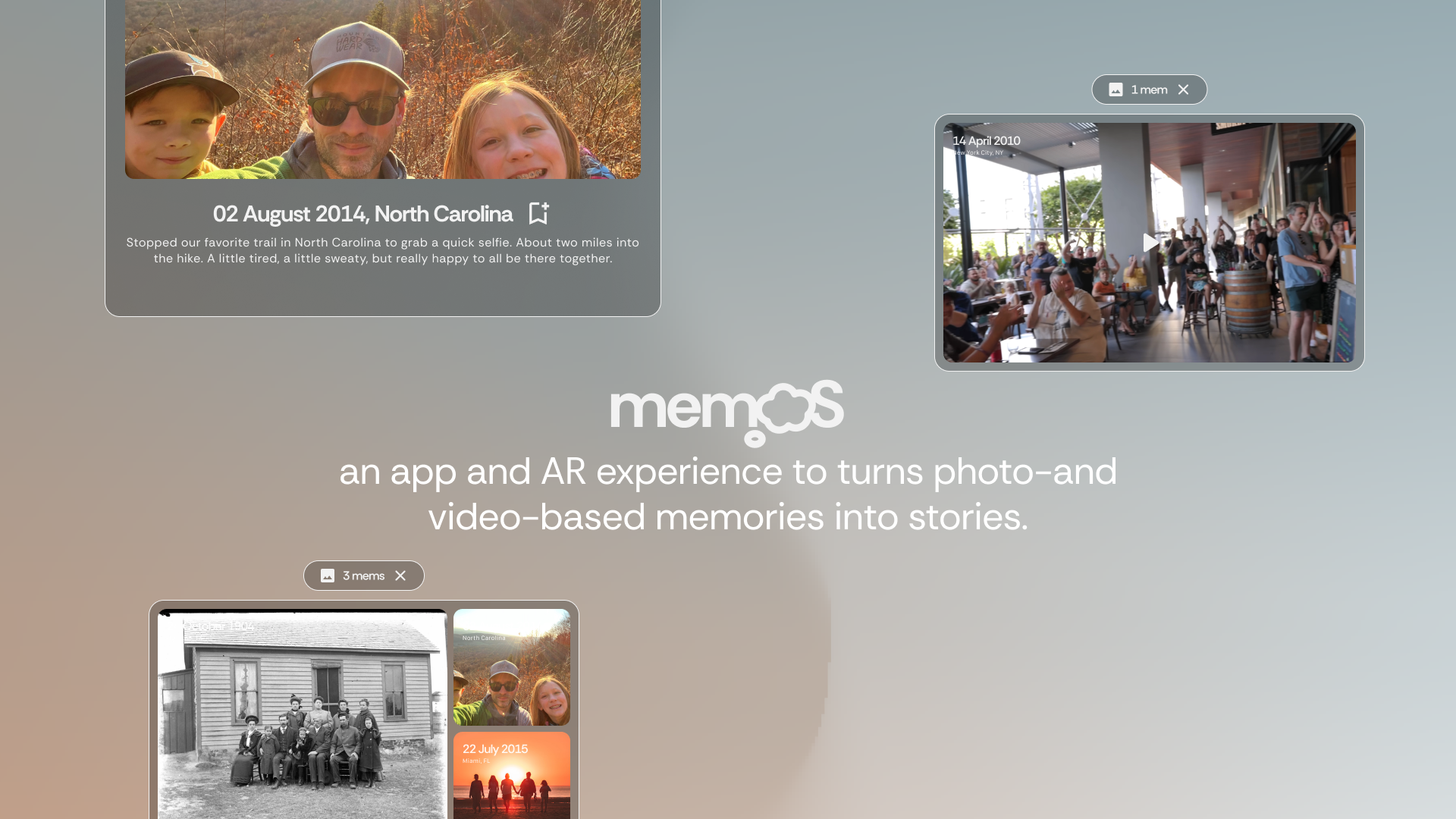
Introducing memOS, where we designed an experience to bring families together across generations by removing the friction of storytelling, through an app and Augmented Reality (AR)! So many meaningful photos and videos get buried in camera rolls, and the stories behind them fade, especially when intergenerational communication can be limited and awkward.
To share these stories, we developed a system that lets generations upload media and invite family members to experience their memories. The app connects to AR glasses you wear regularly throughout the day. As you focus on objects or perform everyday actions, like cooking a recipe or visiting a museum, related family memories surface in AR.
Instead of searching for archived stories, with memOS, they meet you in the moment, helping families experience the past alongside the present in a way that feels alive and sparks natural personal connections with older and younger generations, asynchronously.
Describe your research process and findings. If you conducted any surveys or interviews, please include the survey form and/or interview questions here. If you conducted secondary research by pulling from online sources, please include a link to your sources. (Max 500 words)
Survey Form: Link
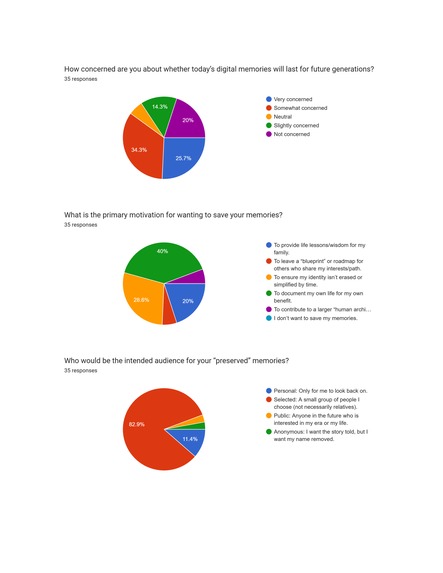
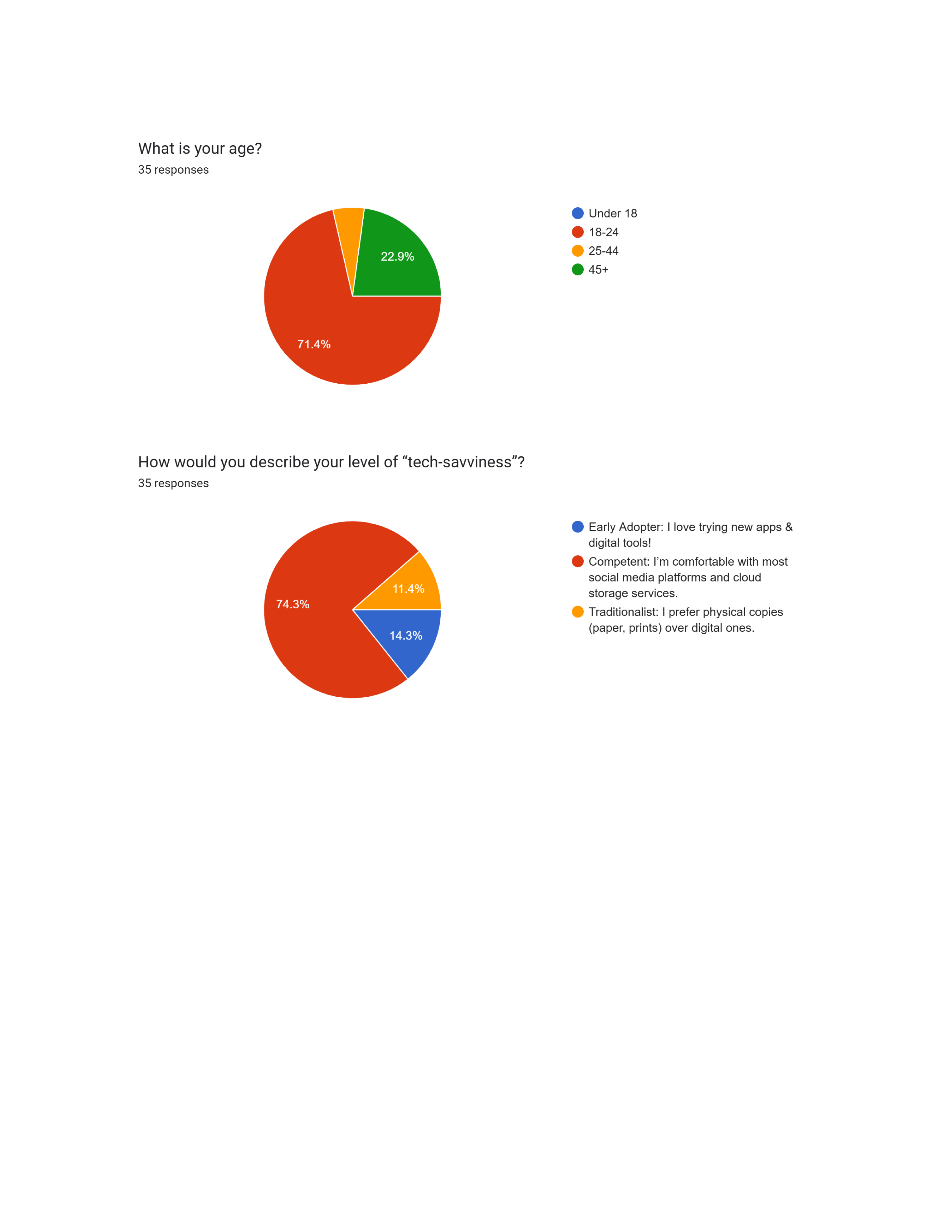
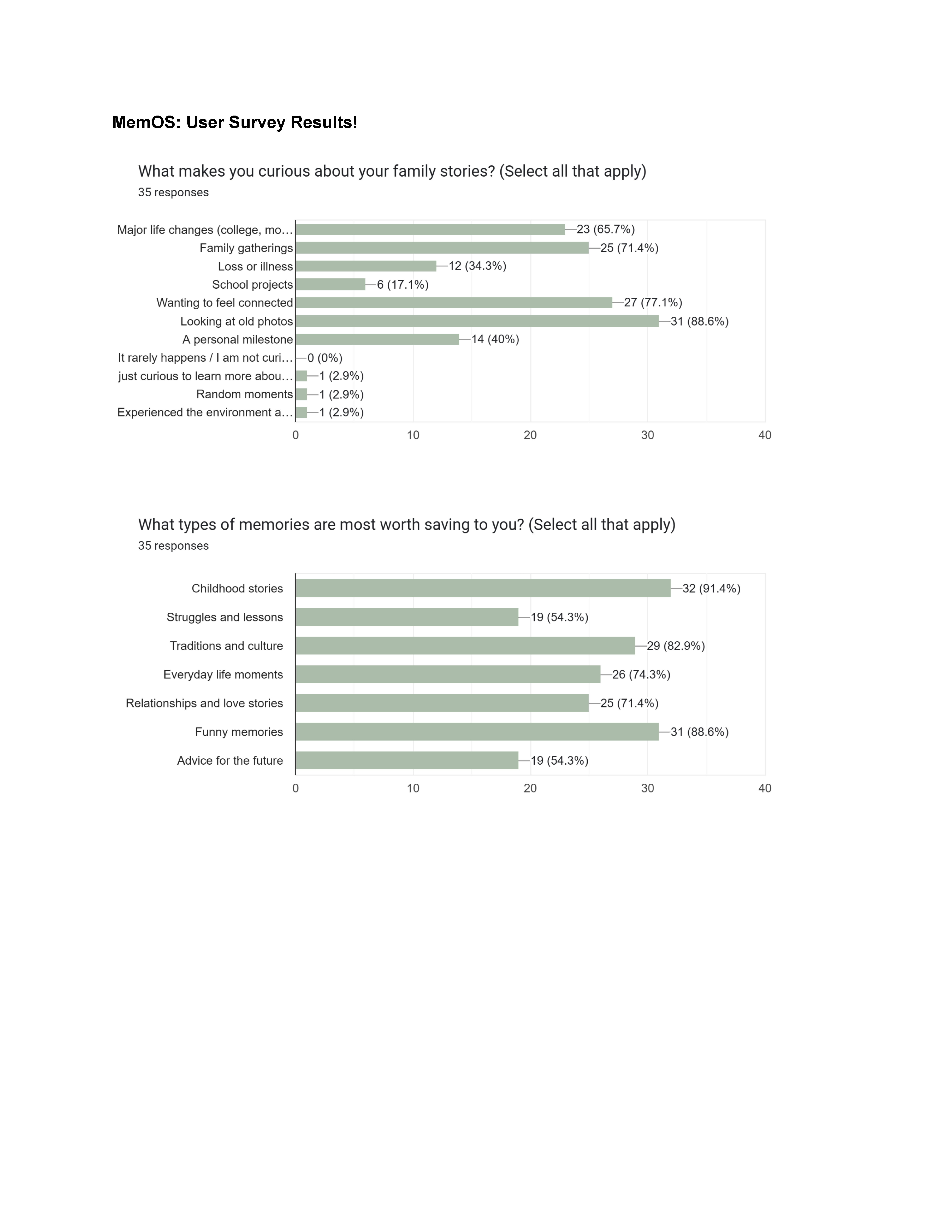
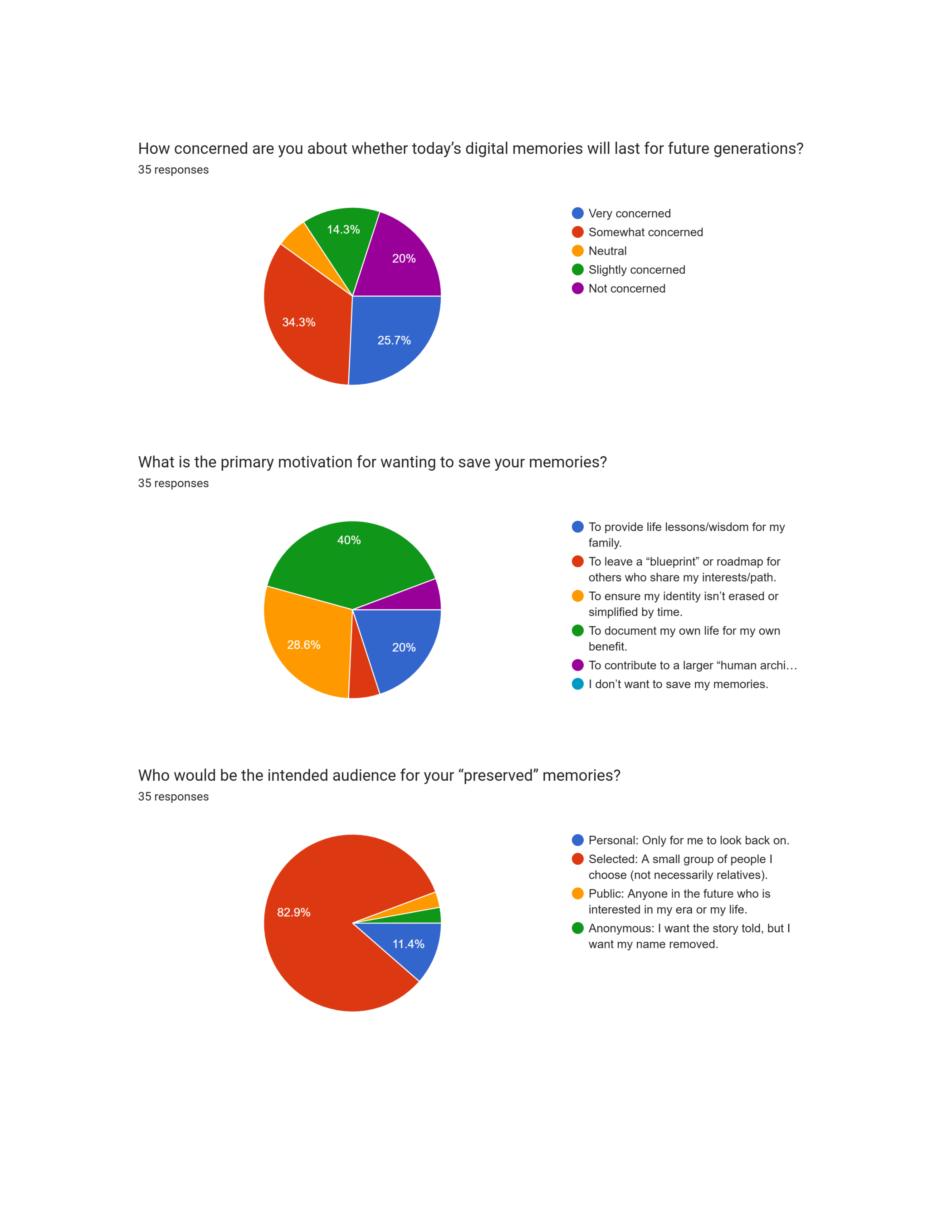
We conducted our research using a survey designed to bridge the gap between digital data and human emotion across both younger and older generations. We chose a survey because it allowed us to reach this range of generations and gather our information. We sought to understand our users’ feelings about memories, storytelling, and intergenerational family communication. Our survey helped us quantify a growing anxiety: 60% of users expressed being “Somewhat” or “Very concerned” about whether today’s digital memories will actually last for future generations (Survey Question, “How concerned are you about whether today’s digital memories will last for future generations?”). We found through these questions that language and cultural barriers and the awkwardness of asking older relatives about their pasts, especially regarding important life experiences, were major pain points for younger people (18-24), and older people (45+).
We also found through our survey that significant emotional labor is required to pass down stories amongst a family. Our qualitative survey responses, for example, show that many younger participants in our age range felt they didn’t have the ability or the right situation to feel comfortable approaching heavy topics with grandparents, which reportedly hindered their ability to understand their older relatives better. We also found that while people are capturing content like memories and stories more than ever, especially through technology and their digital footprint in photos, videos, and social media, the lack of a cohesive and personalized system made users unsure about how these systems would accurately and safely preserve these memories for future generations within their families.
Our research questions and survey findings helped us define our direction and ensure we solved pressing user pain points, which led us to ask: “How might we reduce the friction of storytelling between generations to spark genuine human connection?” This question helped us ground our design in promoting storytelling as a form of connection, especially with the pressuring importance in maintaining family traditions and fostering bonds between family members we found in our research. By leveraging AR technology and app facilitation via memOS, we are able to bring previously siloed family stories into everyday life, in a way that is personal and reliable to form and preserve connections between younger and older generations.
Describe your most important design decisions. What research findings and/or user testing results led you to make these decisions? (Max 500 words)
One of our most important design decisions for memOS was designing direct iCloud photo and video uploads. This resulted from two main findings in our research:
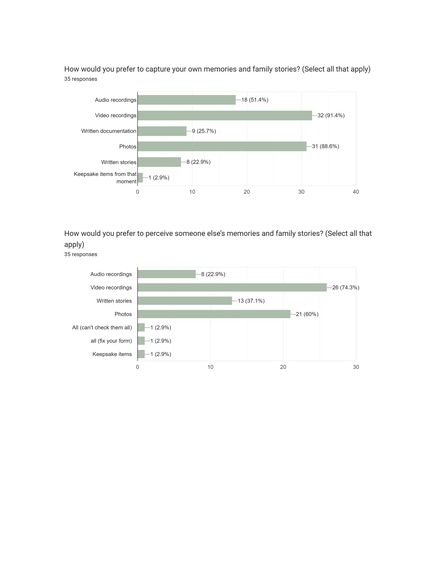
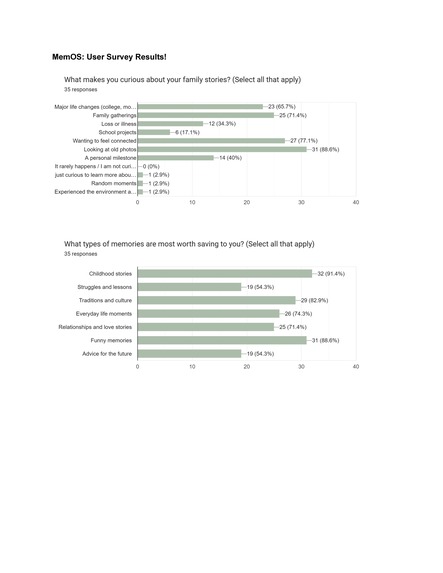
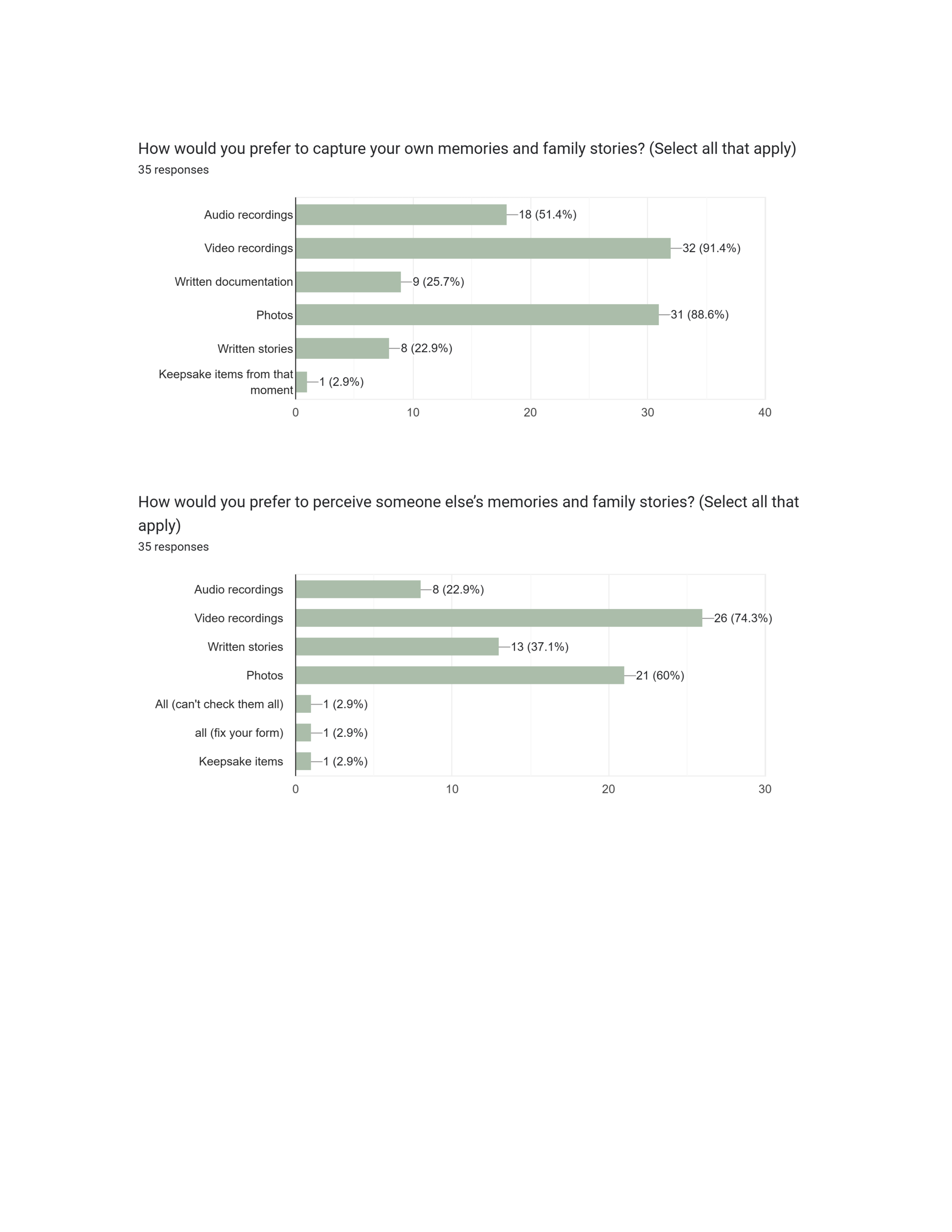
Firstly, our survey showed that looking at old photos (88.6% of participant responses) and a desire to feel connected (77.1%) were the strongest triggers for curiosity about family stories (Survey Question, “What makes you curious about your family stories?”). Similarly, participants overwhelmingly preferred video recordings (74.3%) and photos (60%) over written (37.1%) or audio (22.9%) content (Survey Question, “How would you prefer to perceive someone else’s memories and family stories?”). These findings guided us to focus on the most engaging and meaningful media for connecting families: photos and videos.
Secondly, our research showed consistent intergenerational frustrations with digital media. For younger users (ages 18–24), the primary challenge is the overwhelming volume of digital content. They described the process of sorting through thousands of media to find meaningful moments as “exhausting” (Survey Question, “What is the hardest or most frustrating part of preserving family memories today?”). Our older users (45+) reported greater technical friction, mentioning that they struggled to sync devices with digital formats (Survey Question: “What is the hardest or most frustrating part of preserving family memories today?”). memOS removes these barriers by intentionally enabling direct uploads of photos and videos, making it easier for all generations to share their memories quickly and intuitively.
We also prioritized sharing memories with family and friends. Our research showed that 94.3% of participants prefer memories to be seen on a personal level within a small group of people rather than publicly (Survey Question, “Who would be the intended audience for your ‘preserved’ memories?”). This informed our onboarding experience in memOS, where we prompted users to connect with their close relatives and friends to access their memories, giving them a layer of privacy and connection before interacting with the app.
Our most critical design choice was designing these shared memories in an immersive, contextual AR experience rather than a static app. Instead of asking users to manually search for stories, which was difficult and inaccessible for both younger and older generations, memOS surfaces relevant memories in real life through AR glasses. Additionally, we used our user research findings that many younger participants felt awkward asking older relatives about past experiences to guide our natural AR experience. memOS lets users meet their family and friend stories through everyday objects and everyday moments. Our experience also supports older generations with cognitive challenges, such as those with dementia or Alzheimer’s, by providing visual and auditory cues that can jog their memories.
Finally, our AR experience also considers future generations in which this technology may be widely adopted for communication and day-to-day activities. For example, if we use the platform as college students, the photos we upload will be accessible to our children and younger generations, so they can connect with our memories, addressing our survey concern that memories will be lost in time.
If applicable, describe how you utilized AI in your design process in detail. Please explain where AI fit into your workflow, which tools you used, and the specific purpose AI served at that stage. Include a concrete example of how AI influenced a design decision. (Max 500 words)
During our research stage, we used AI tools (Gemini and ChatGPT) to analyze and consolidate insights from our user research and survey responses. With a mix of qualitative feedback and quantitative survey data gathered from two age groups (18–24 and 45+), these AI tools helped us identify patterns and trends to prioritize in our design solution. For example, AI-assisted summarization showed us that our younger age-range users frequently described the high volume of photos and stored digital memories as “overwhelming,” and older users discussed technical barriers such as scanning physical albums or syncing devices in the survey. It also highlighted key percentages from our research, such as 74.3% participant responses for video recordings and 60% for photos, confirming our design direction prioritizing visual media met our user needs and preferences.
During our high-fidelity design stage, we used AI to support our copywriting for the onboarding app experience. Since memOS targets both younger and older generations, we wanted the onboarding questions to feel personable and inviting, and easy to understand. Using AI-assisted tools (Gemini), we drafted multiple versions of prompts, then iteratively refined them to balance personality and clarity. For example, AI suggested alternative phrasings for connecting stories with other people that made it more approachable for older users while still engaging younger participants. This helped make sure that the app felt welcoming across generations.
Built With
- figma
- framer
- google-form
- jitter


Log in or sign up for Devpost to join the conversation.