-
-
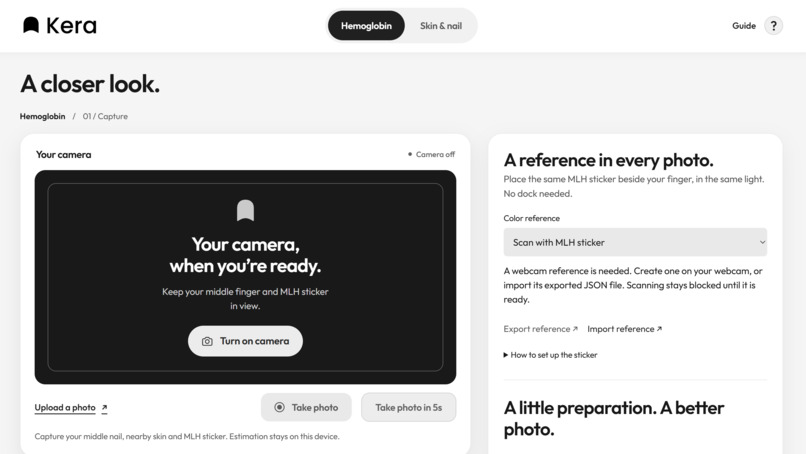
Main function - Hemoglobin Level Analyzer
-
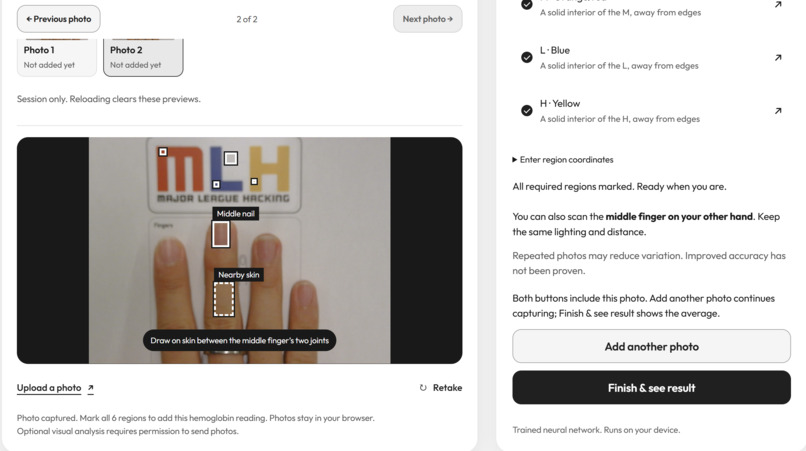
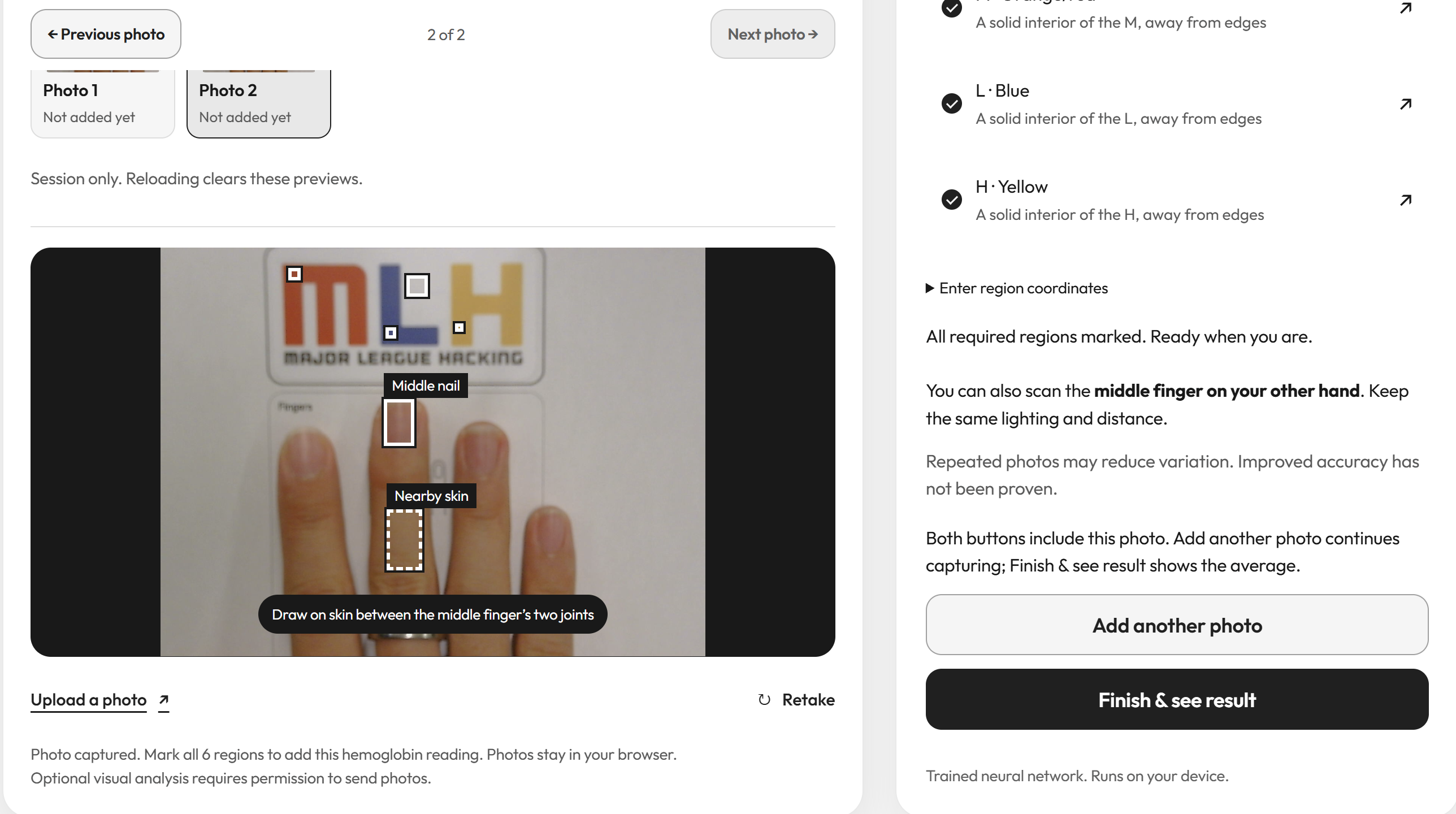
Demo of Choosing Regions
-
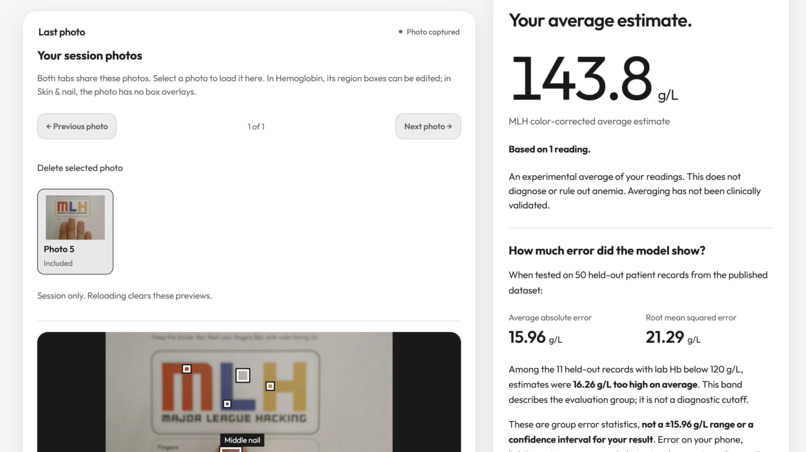
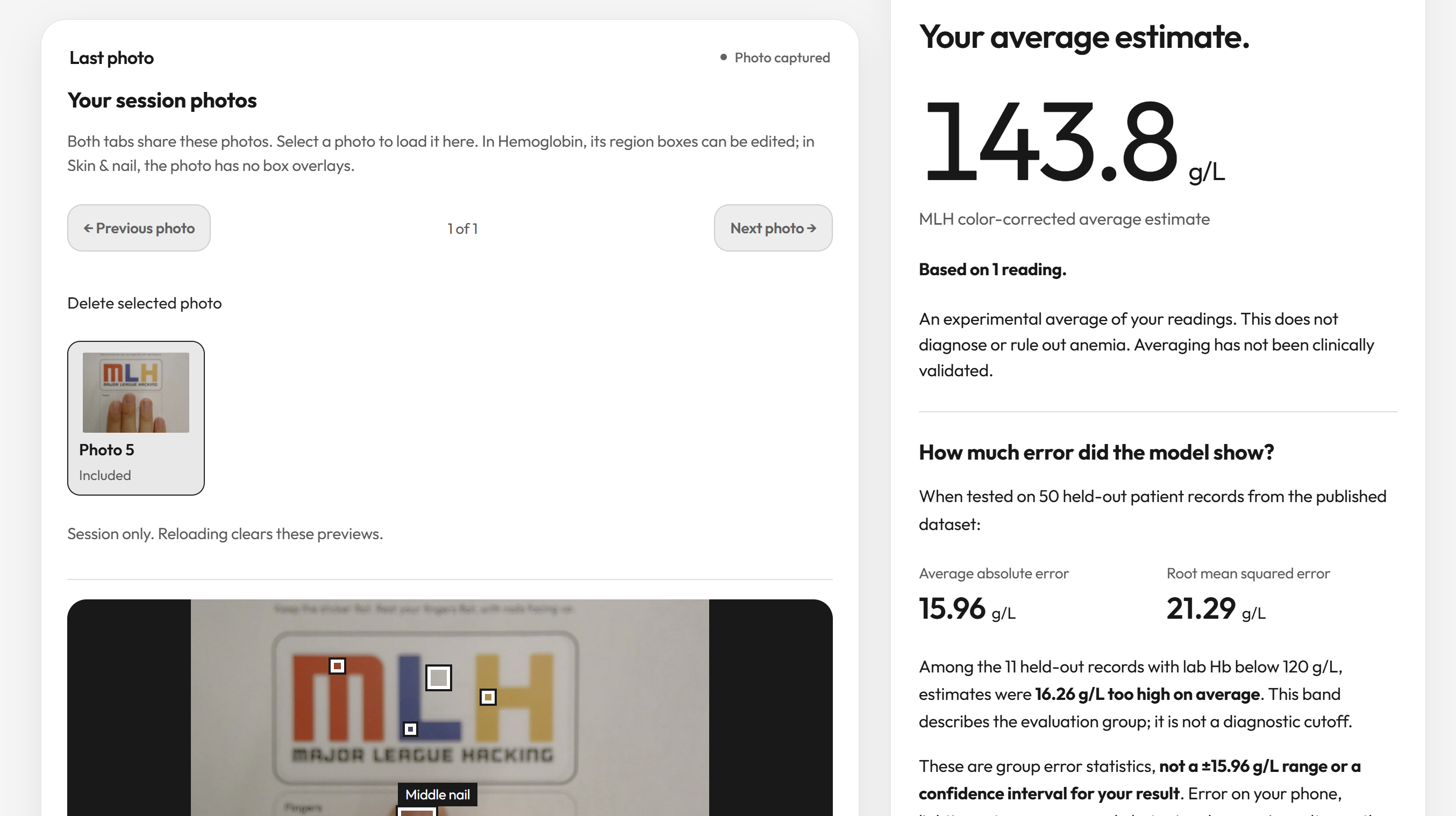
Sample scenario with 1 data point
-
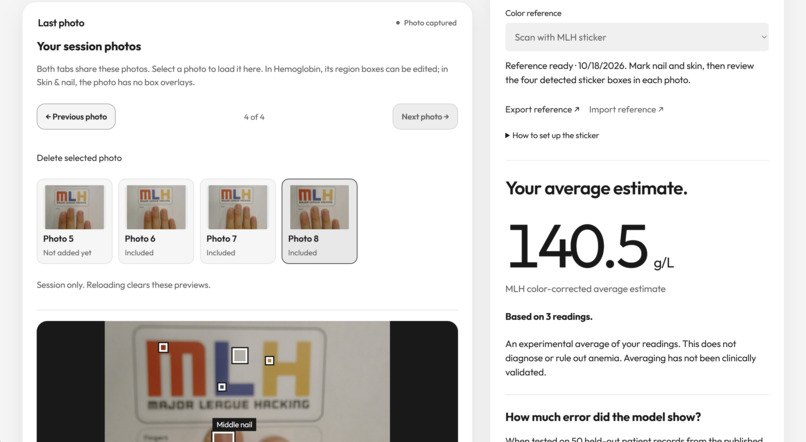
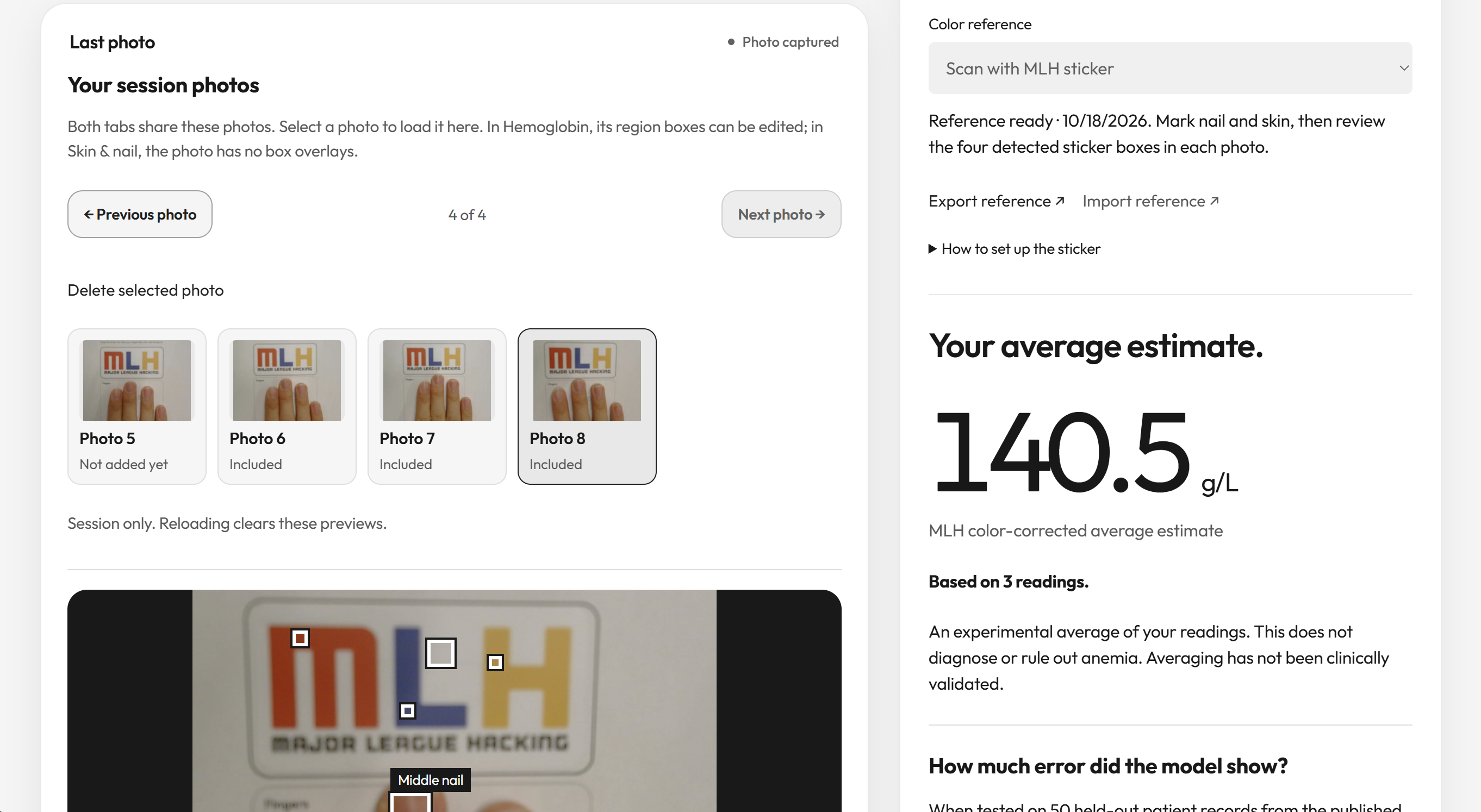
More accurate scenario with 4 data points
-
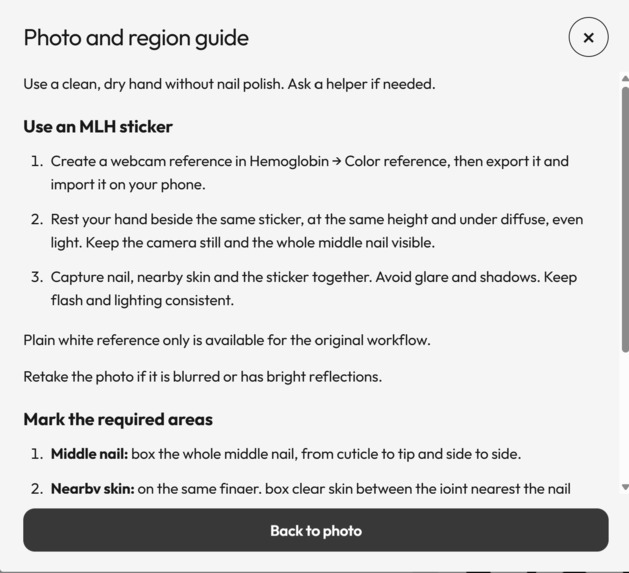
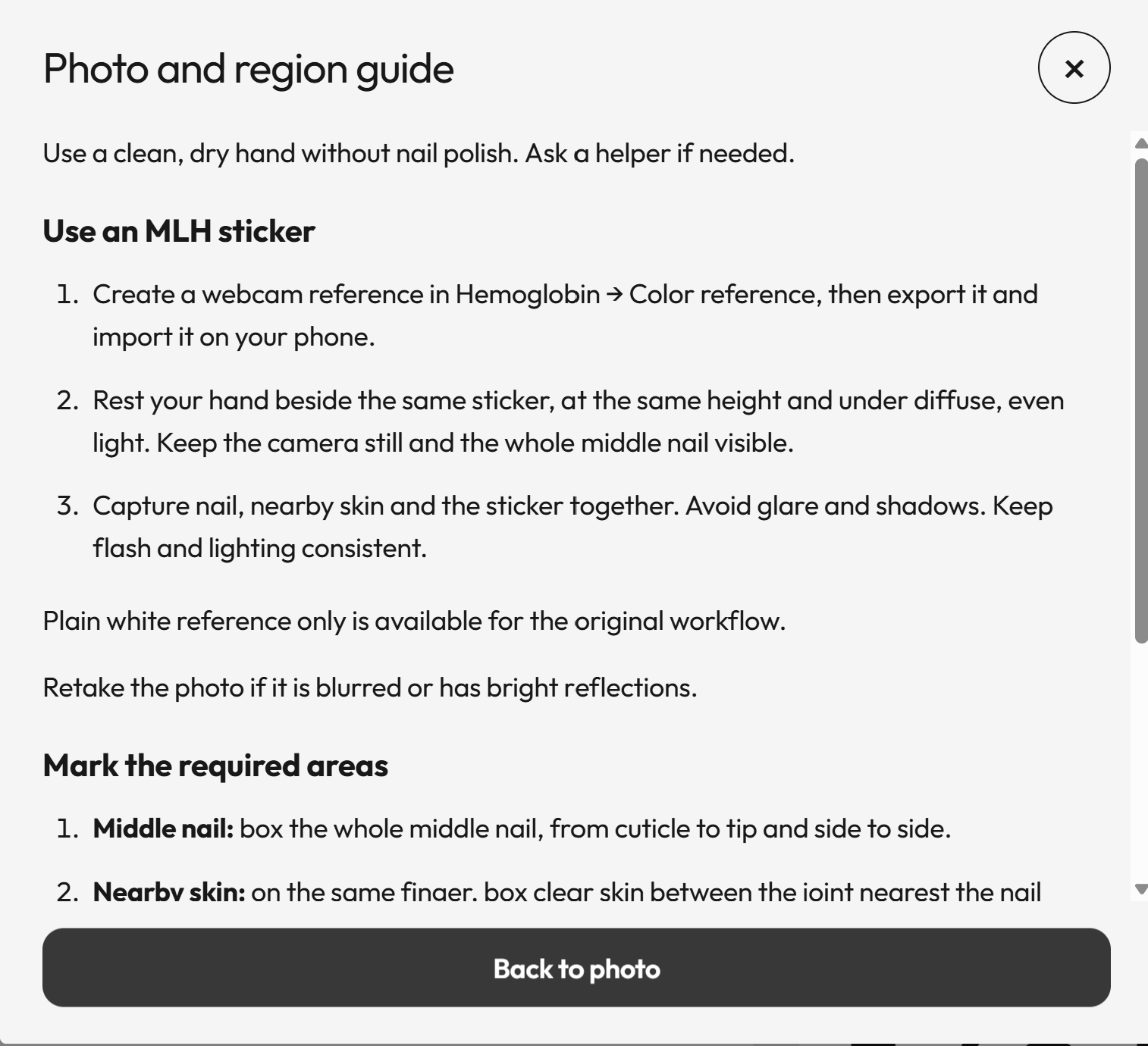
Guide for Hemoglobin Level Analyzer
-
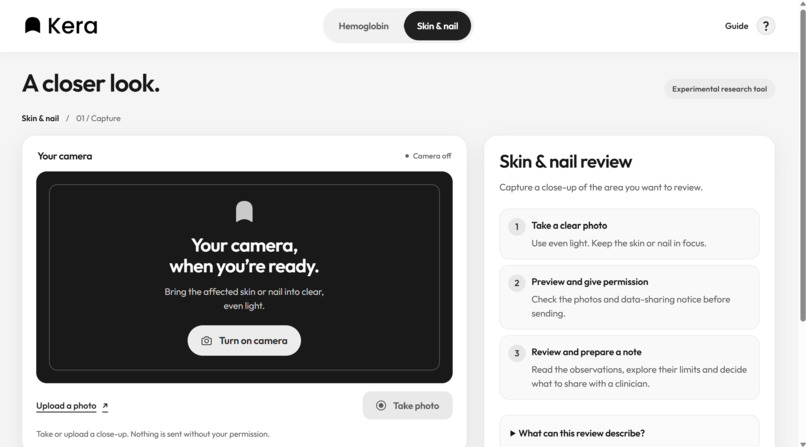
AI In-depth Analysis
-
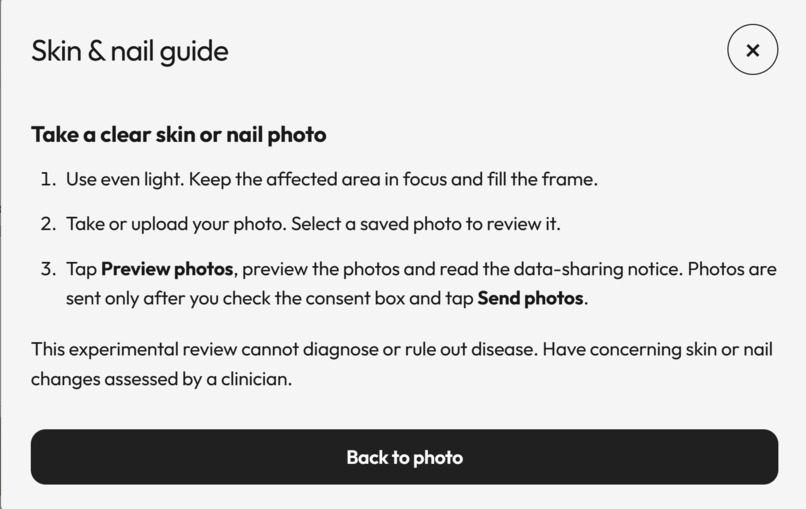
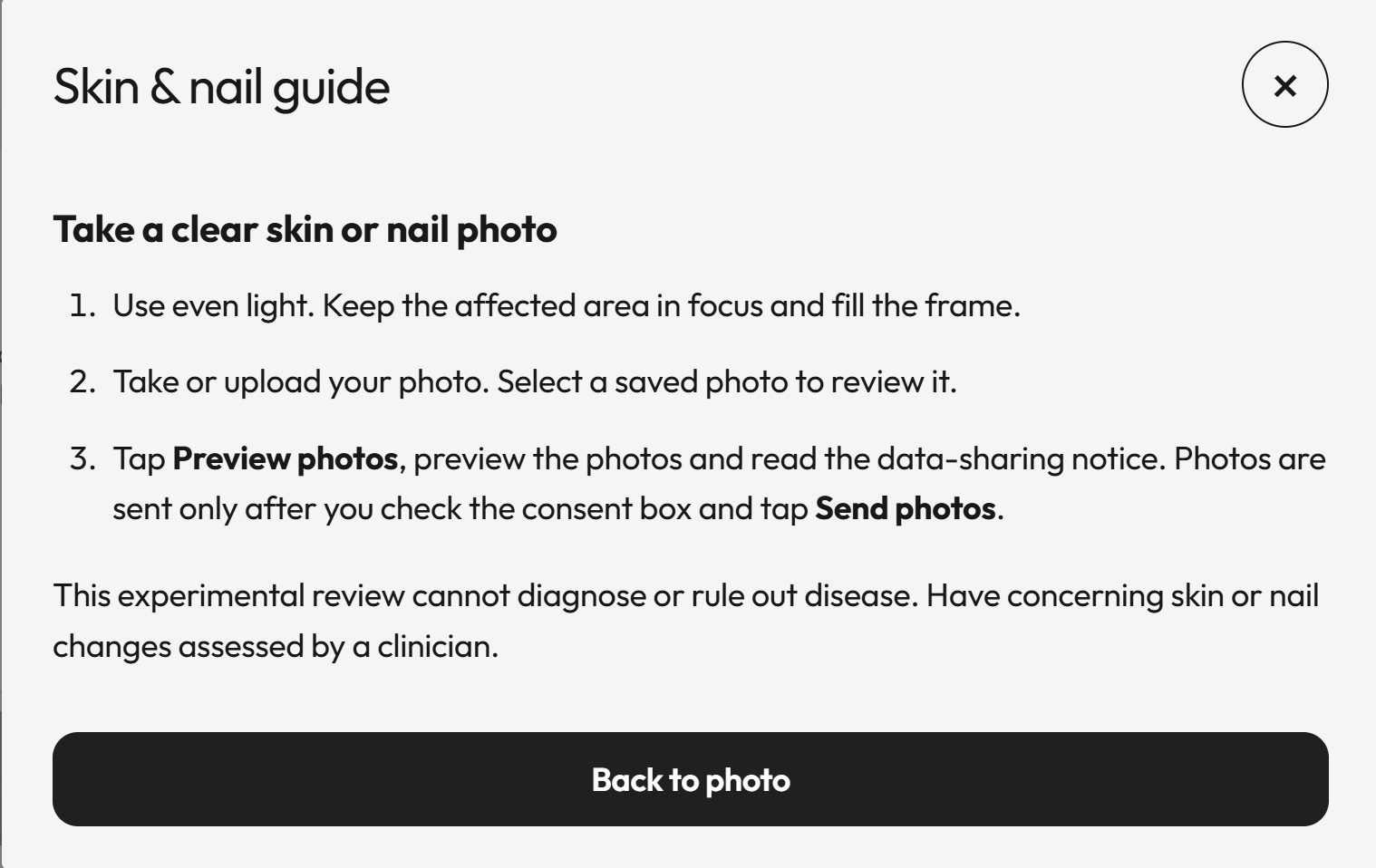
Guide for AI In-depth Analysis
-
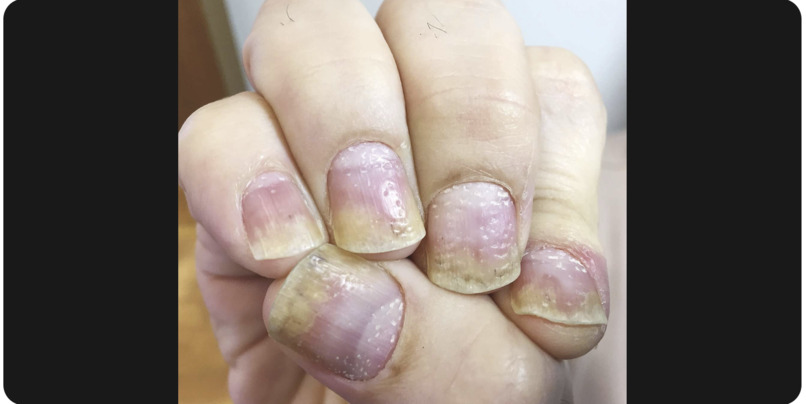
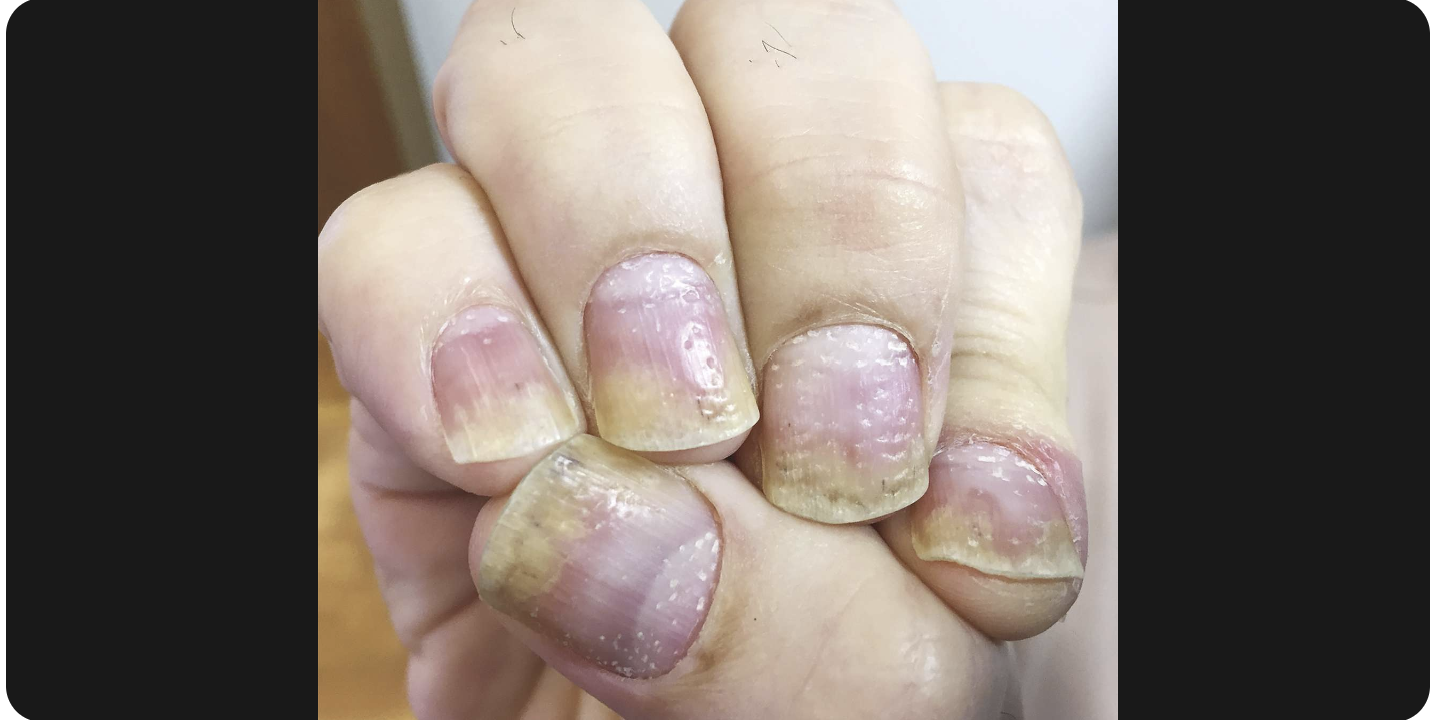
Sample hand with Psoriasis and Fungal infections
-
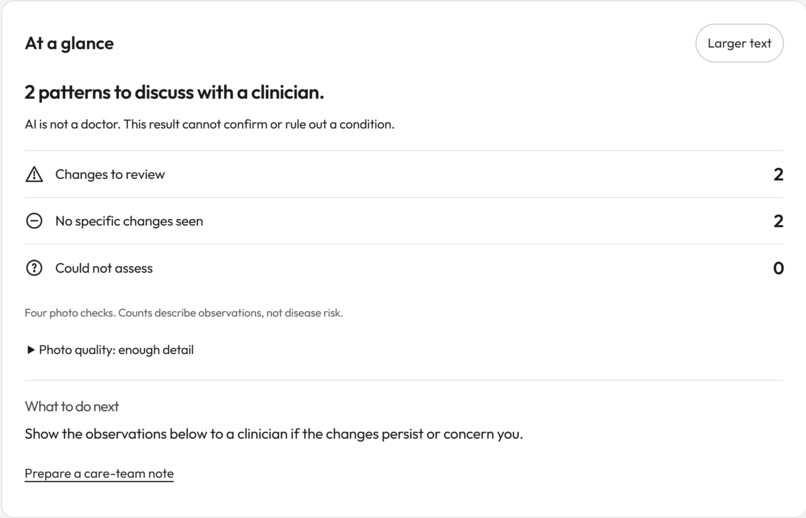
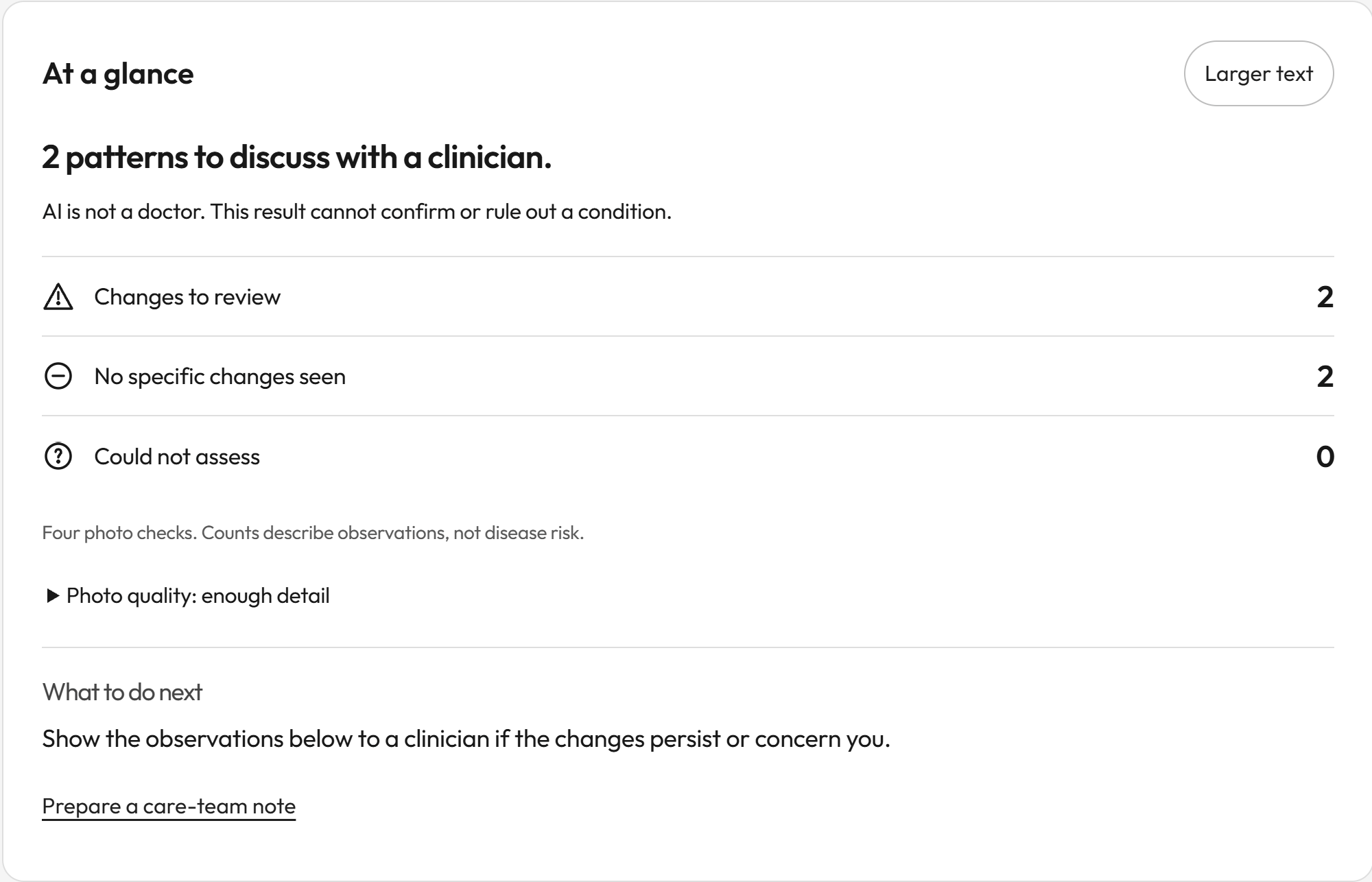
AI Review Pt.1
-
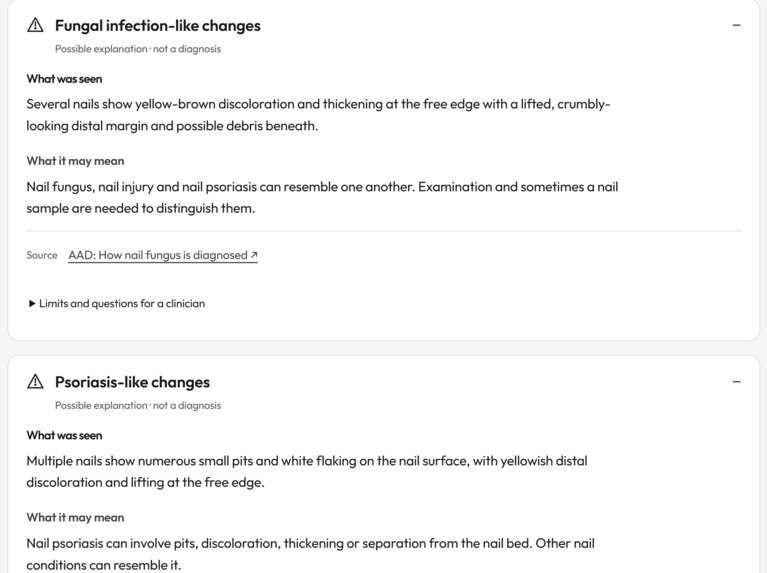
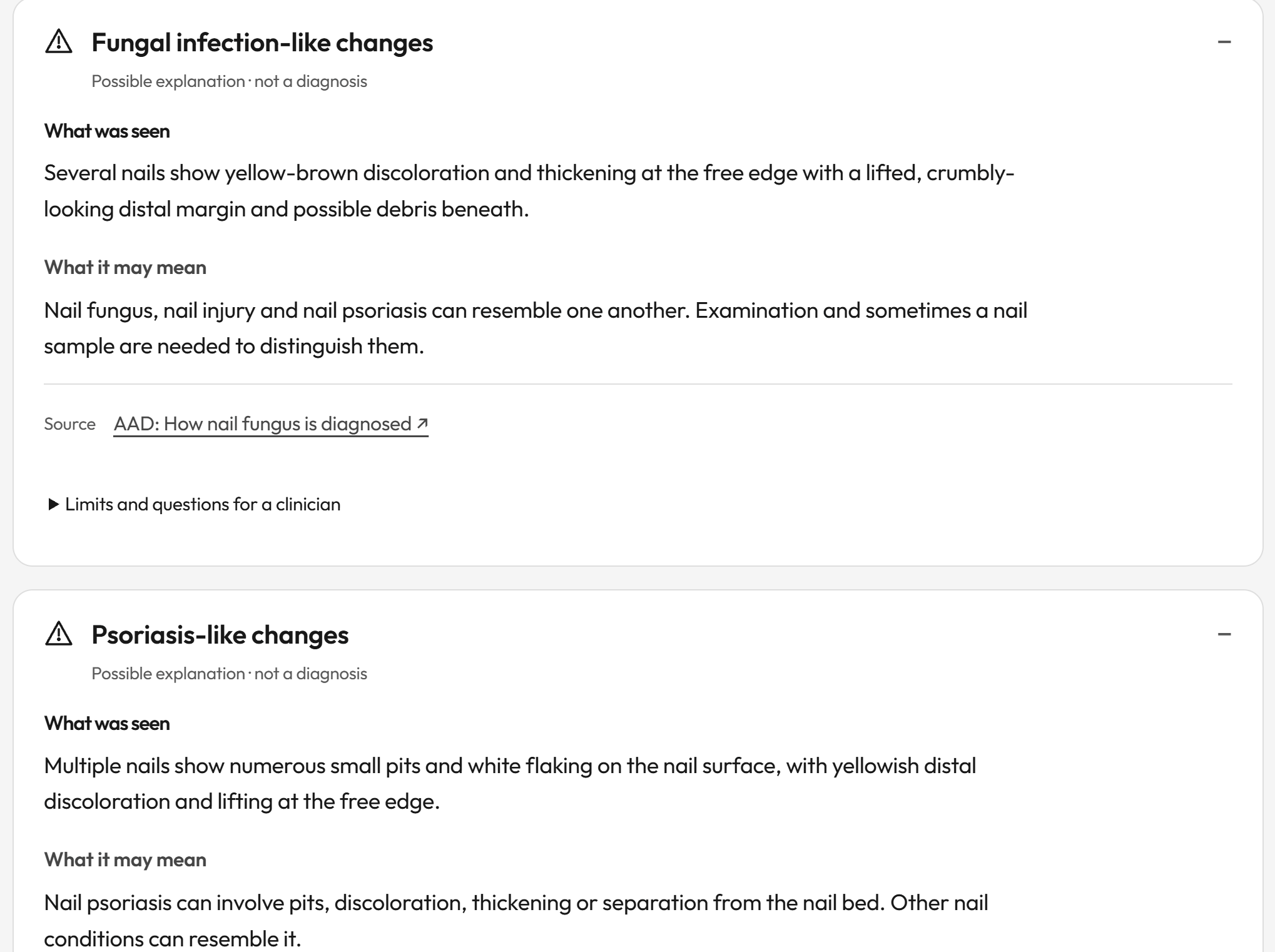
AI Review Pt.2
Inspiration
Health risks can leave clues in places we overlook—even our fingernails. Inspired by PointClickCare’s “Catch It Early” challenge, we built Kera to explore whether everyday photos could help care teams notice subtle warning signs before concerns escalate.
What it does
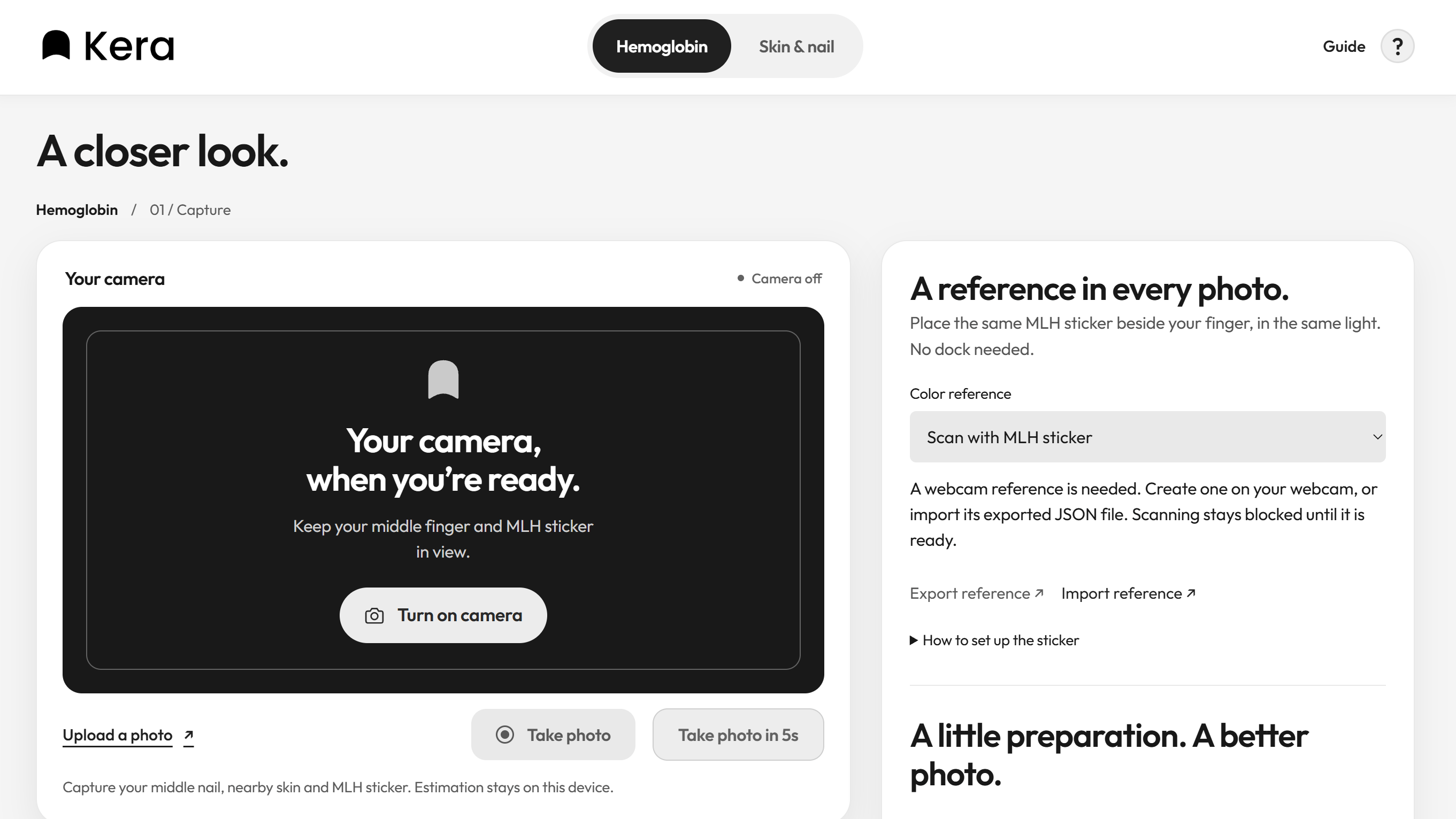
Kera’s main function is to estimate hemoglobin levels from fingernail and nearby skin photos, exploring a non-invasive way to flag possible low hemoglobin associated with anemia. Users capture or upload photos, mark measurement regions, and combine multiple readings into an experimental average. These estimates support further clinical review; they cannot rule out anemia.
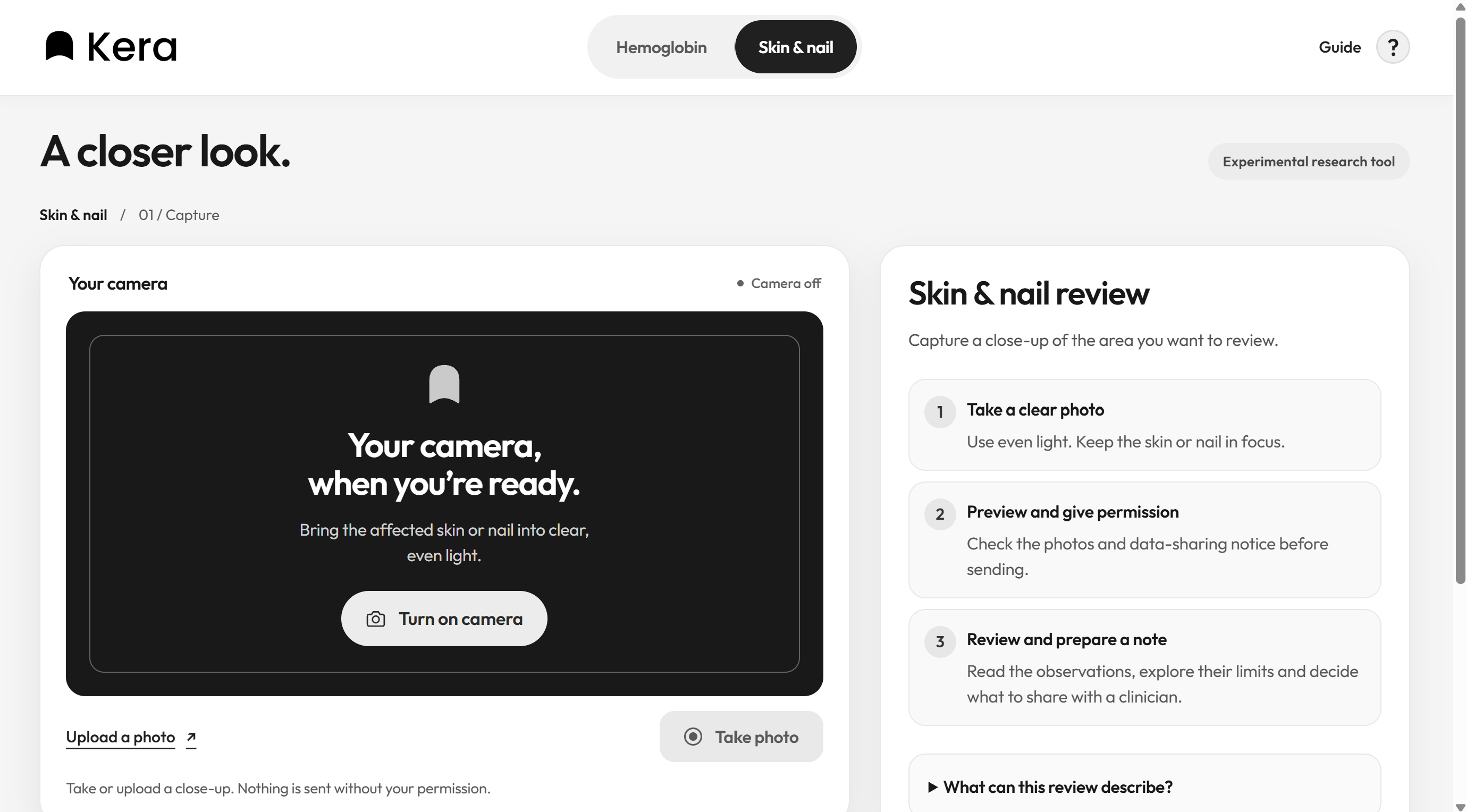
Furthermore, optional AI-powered skin and nail review explains visible changes relevant to skin cancer warning signs, fungal infection, eczema, and psoriasis. Readable summaries, educational references, and editable care-team notes help turn observations into clearer clinical conversations.
How we built it
We trained and evaluated models in Python with PyTorch and scikit-learn, then exported a three-network ensemble to run directly in the browser. It uses 42 colour features from the nail and nearby skin, normalized against a white reference.
Our JavaScript frontend and Node.js backend support capture, region editing, session history, and averaging. Optional vision analysis uses OpenRouter after explicit consent; hemoglobin image processing stays on the device.
We also built experimental colour correction using an MLH sticker as a reference, with automatic suggestions for its coloured regions. Kera Dock helps control lighting during capture.
Challenges we faced
Different cameras and lighting conditions can change the same nail’s apparent colour. Building reference calibration, handling unusable images, and keeping region selection manageable were major challenges. We also worked to explain AI observations without presenting uncertain findings as diagnoses.
What we learned
A useful health tool needs understandable results, privacy controls, and honest uncertainty alongside its AI. Our neural ensemble achieved a 15.96 g/L mean absolute error on 50 held-out study patients, but often overestimated low hemoglobin. Kera remains a research prototype requiring independent clinical validation—not a replacement for clinical assessment or blood tests.


Log in or sign up for Devpost to join the conversation.