-
-
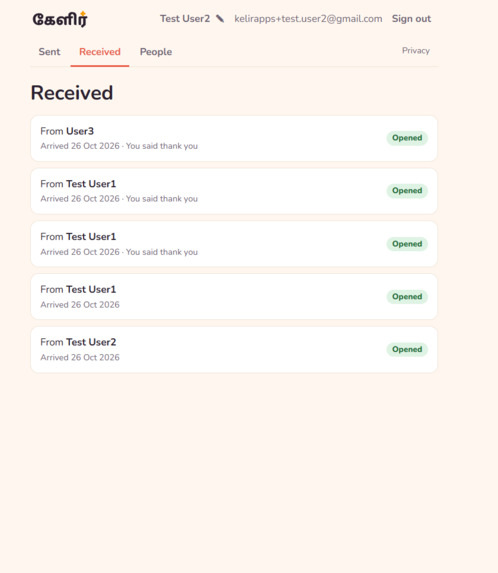
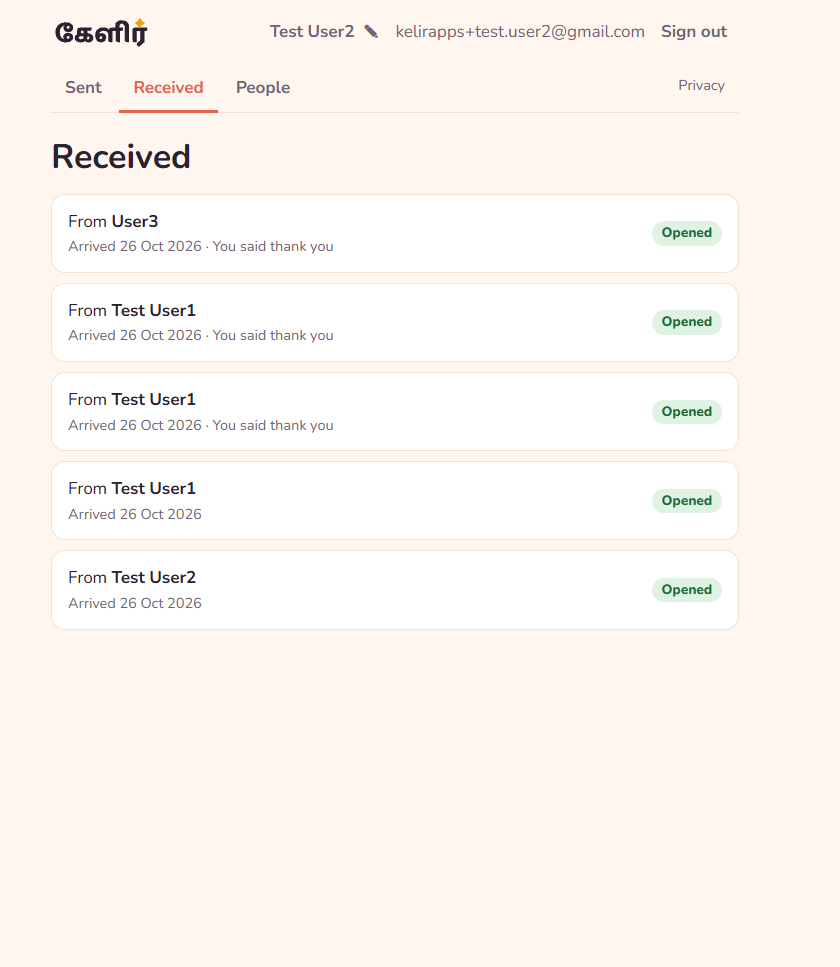
received capsules
-
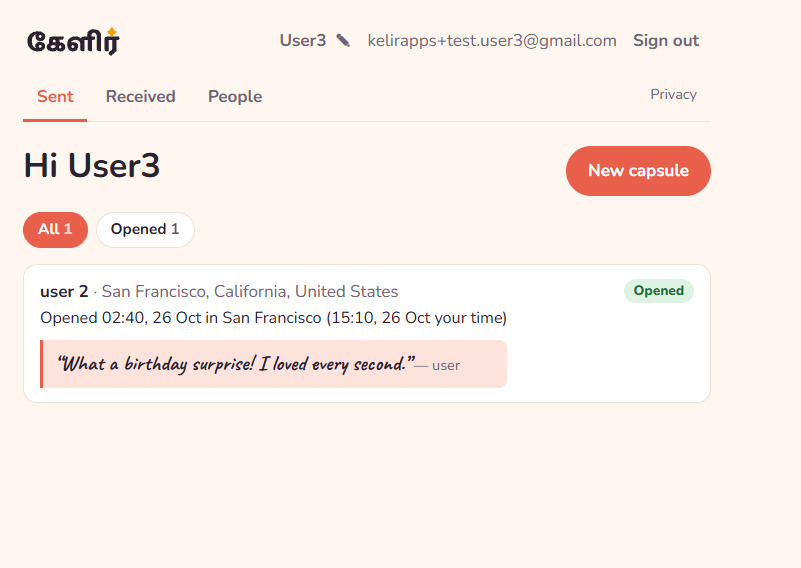
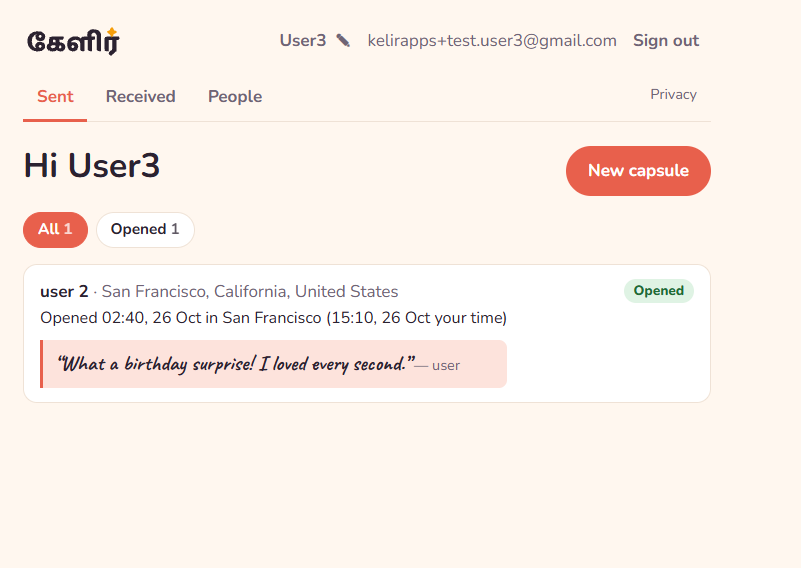
sent capsules
-
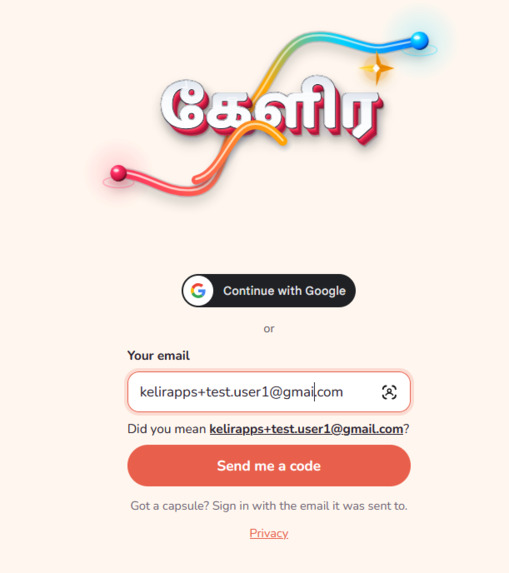
email check checks
-
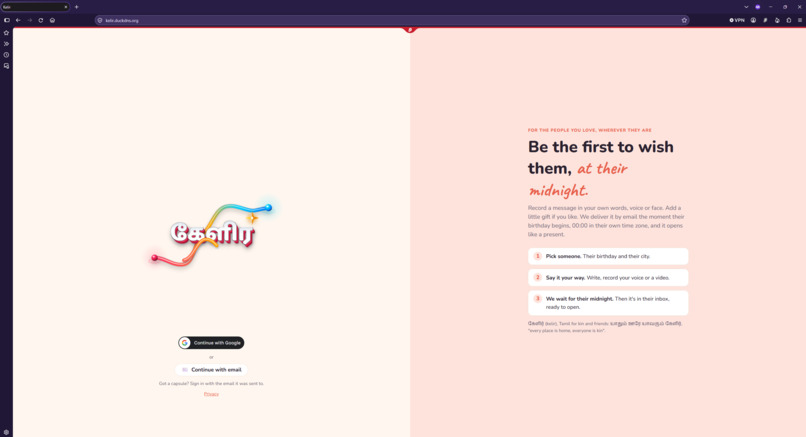
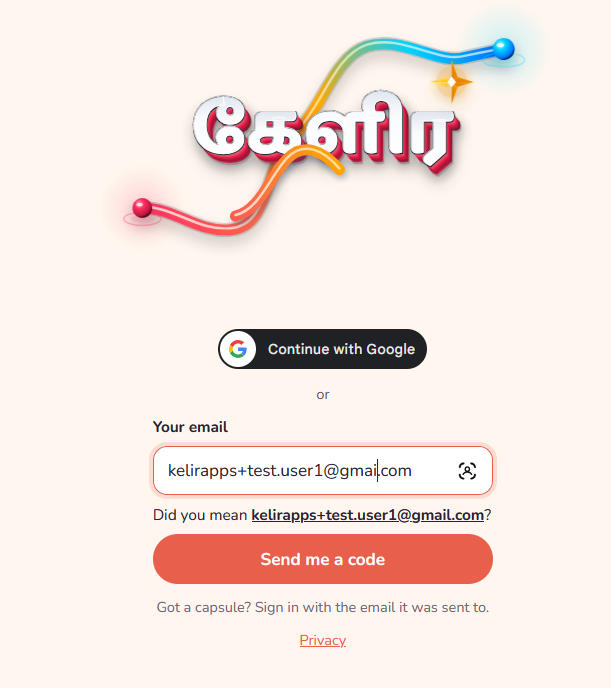
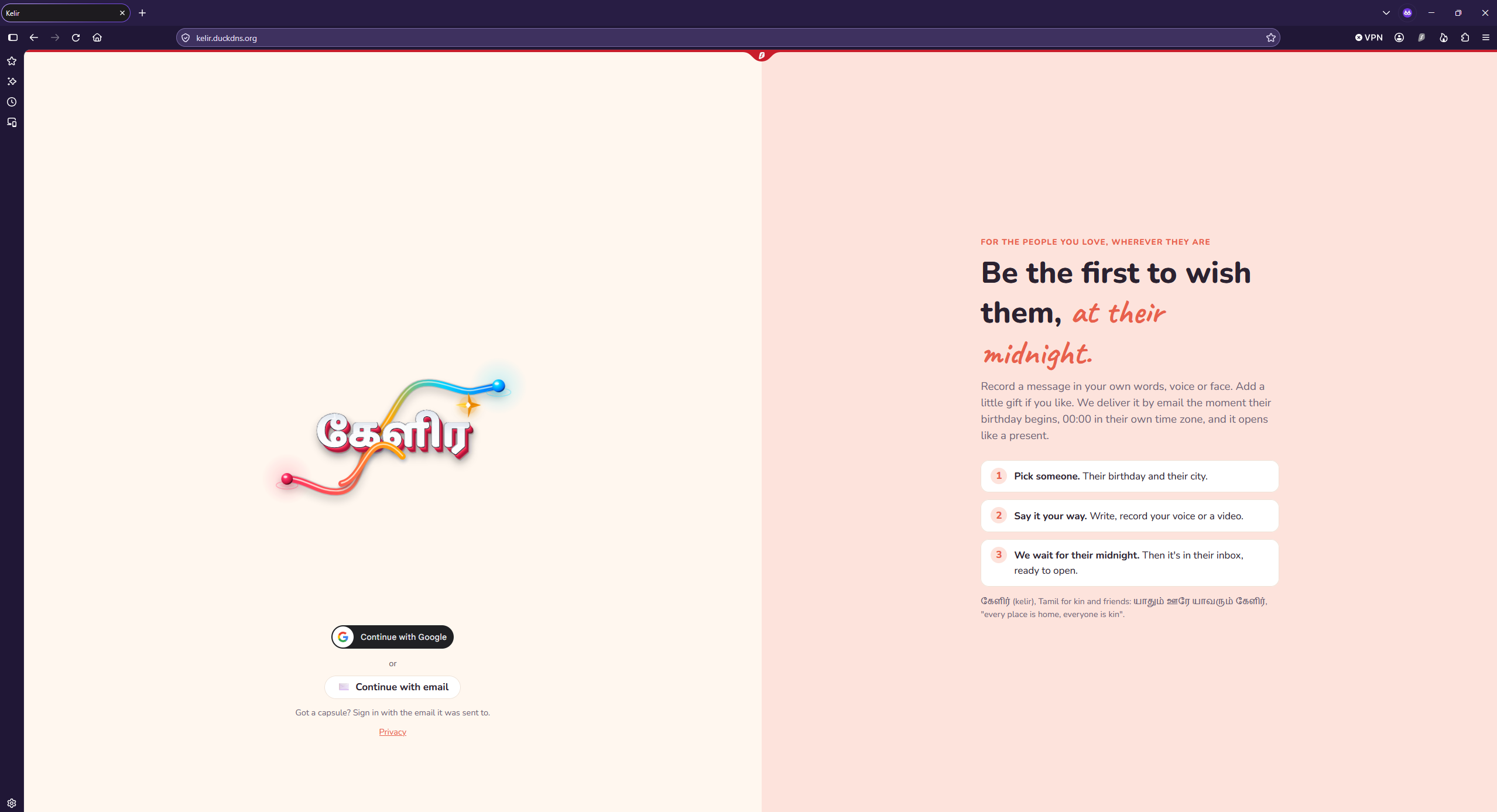
login page
-
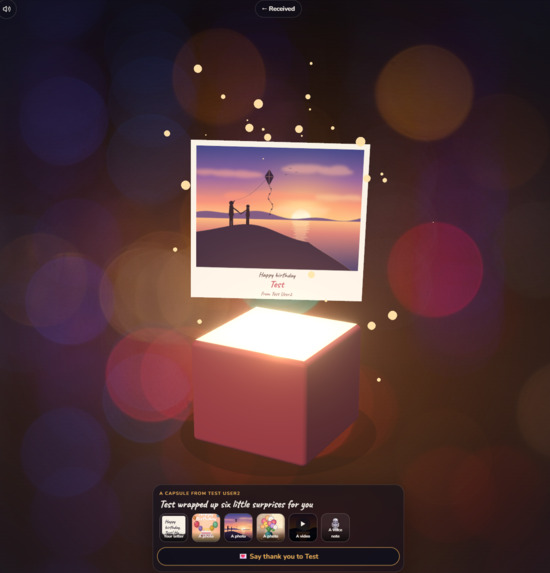
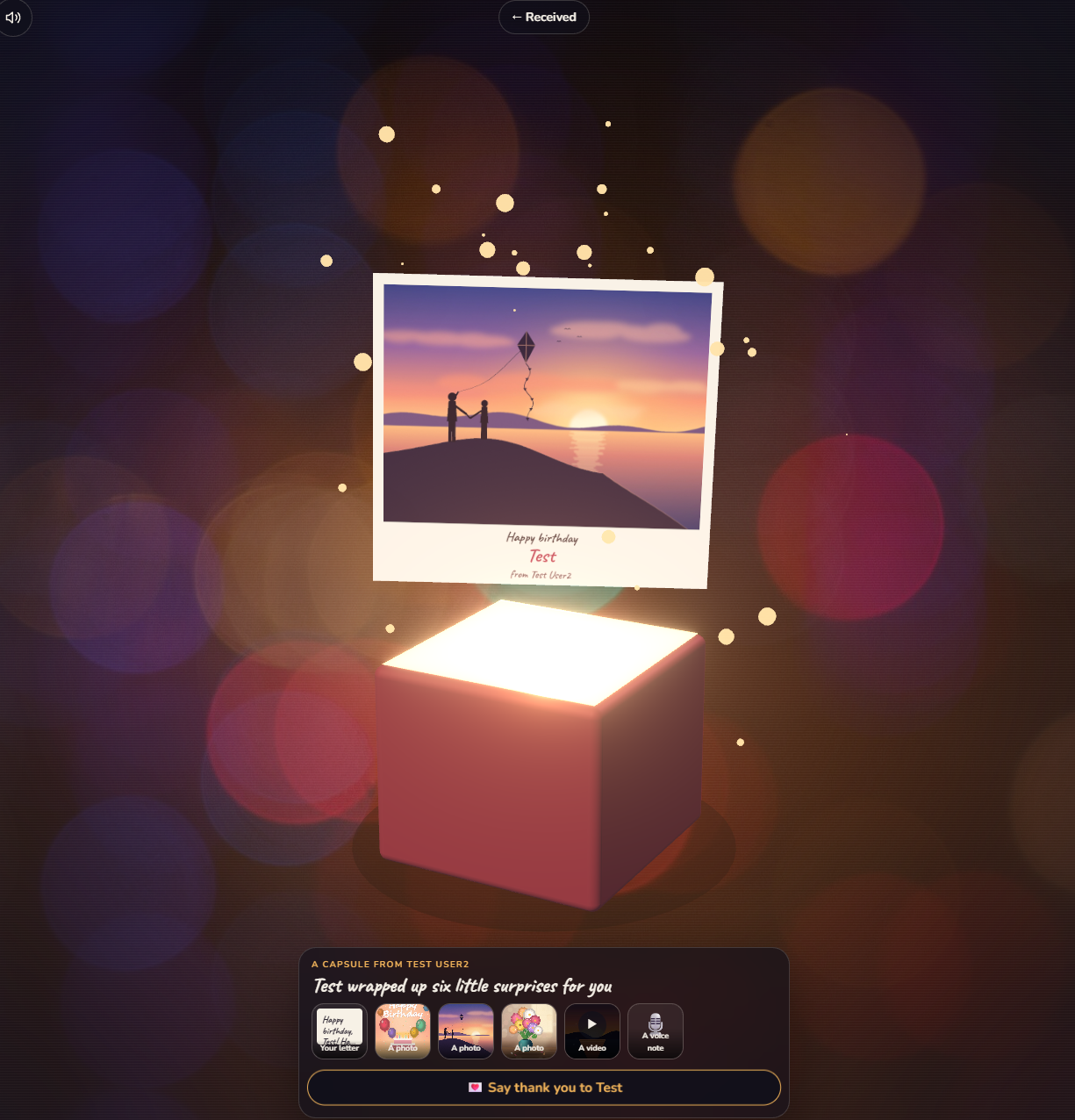
opened capsule
Inspiration
On my birthday this year, strangely I felt incredibly lonely; not even all my family members had sent a wish, and only 2 friends did. It made me think what did I do to feel this way, and what should I have done to not feel this way? Then I saw an Instagram reel of an old man who was alone on the road and another street interview where the interviewee had been fired on his birthday. It made me incredibly sad because I was going through the same feeling and thought there would be many more. What can I do to break this mindset or apathy? I was not feeling bad about not getting a wish from people I know; I had this strong feeling of how great it would be to receive one from someone I would love to hear from, even if it was automated.
What it does
It is a simple hosted web application where people can send digital gifts to people they care about on the recipient's birthdays. You can save peoples' names, email, birthdays, and city they live in. You can schedule a digital capsule with attachments, messages to be sent at midnight on their birthdays, or instant send to people you care about.
How I built it
I started thinking about this idea and decided to work on this capsule as the MVP for this hackathon. Since this was a build with AI, I wanted to use AI to fully write the code as well, and I would only review it. The hackathon provided a learning skill pack which divided the workflow into distinct steps: from ideation, spec planning, product requirement planning, scoping, building, testing, deploying and finally delivering. The agents provided interviewed me and i made some adjustments to work with me and as I progressed, at each step, I had already built a support system for most of the things I needed help on over the course of this hackathon.
I made a lot of revisions, where I had to add scope, cut scope, and think about how it would feel on screen: where I needed something more, or something less. Every stage was fascinating. Iterating on it was fun.
Challenges I ran into
There were a lot of bugs. The problems were that I became too reliant on AI to do the coding work. It was easy and straightforward for the tech stack I knew, but hard on stuff I didn't know. So learning to read code in languages and frameworks I didn't know, and taking all the system design choices out of theory and into something that people are actually going to read and use, was scary. It made me think whether it was the better choice (choosing one over another in terms of tech stack), but I had to do it one way to understand and evaluate it anyway, so I just did it.
I was extremely nervous and cautious about committing code that I didn't understand, and felt like an impostor if there was something I couldn't understand and follow. AI creates mountains of code that are just plain garbage and nonsense, so slightly longer slices made me more worried, because it is not realistic to read through hundreds and sometimes thousands of lines of garbage code. So I had to build a system around it. I also had to maintain a practical way for me to minimize the usage of tokens, so that I didn't run out of my quota, especially while working on something critical, and context switching and a break would make it expensive in terms of time, tokens and effort.
Thinking about whether it will work: will people actually use it, think it is good, and give good feedback? I always tend to keep my projects only on my resume and out of the public space, because I am confident before building, and since I use AI to write the code for these, I start fearing putting myself out there. Needing the hackathon win, the prize money and the visibility for myself made me think: I will just do it.
Accomplishments that I am proud of
The build moment that surprised me the most was seeing the capsule unfurl saying "Happy birthday Dinesh". That made me feel seen and happy, and I imagined how it would feel for others to receive one from people who care about them. Honestly, seeing every stage on screen was worth it. The first build, first deploy, first bug fix, ticking each item on the checklist, and even seeing the first billing alert on GCP. I gave myself evidence that I can do whatever I am thinking of doing, and build products end to end.
What I learned
I thought I had made enough details for it to be easy for AI to build, but the results were not good, because it did not have my vision. I learned that I needed to have the discipline to keep things small and short, no matter how tempting it is to do otherwise, since AI can build a lot of stuff very fast.
What's next for Kelir
I have done almost everything I wanted to do for this stage and submission. Now I want to let the next user use it first, and then I want to see how they react.
Built With
- caddy
- claude-code
- docker
- fastapi
- github-actions
- google-cloud
- mediarecorder
- postgresql
- python
- react
- three.js
- typescript
- vite

Log in or sign up for Devpost to join the conversation.