-
-
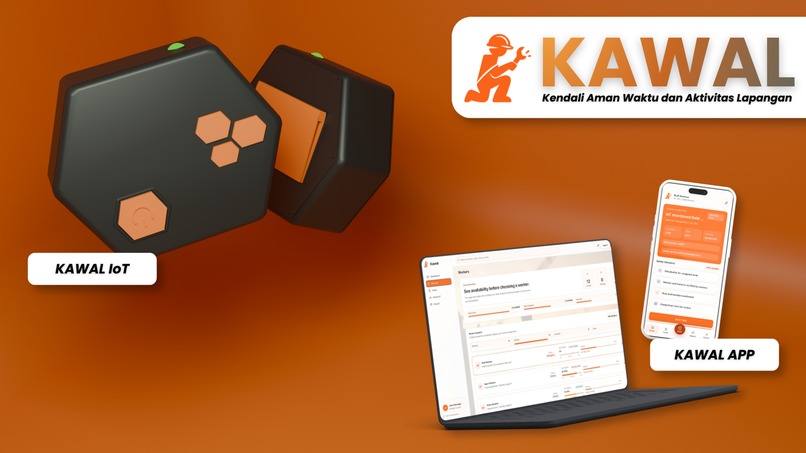
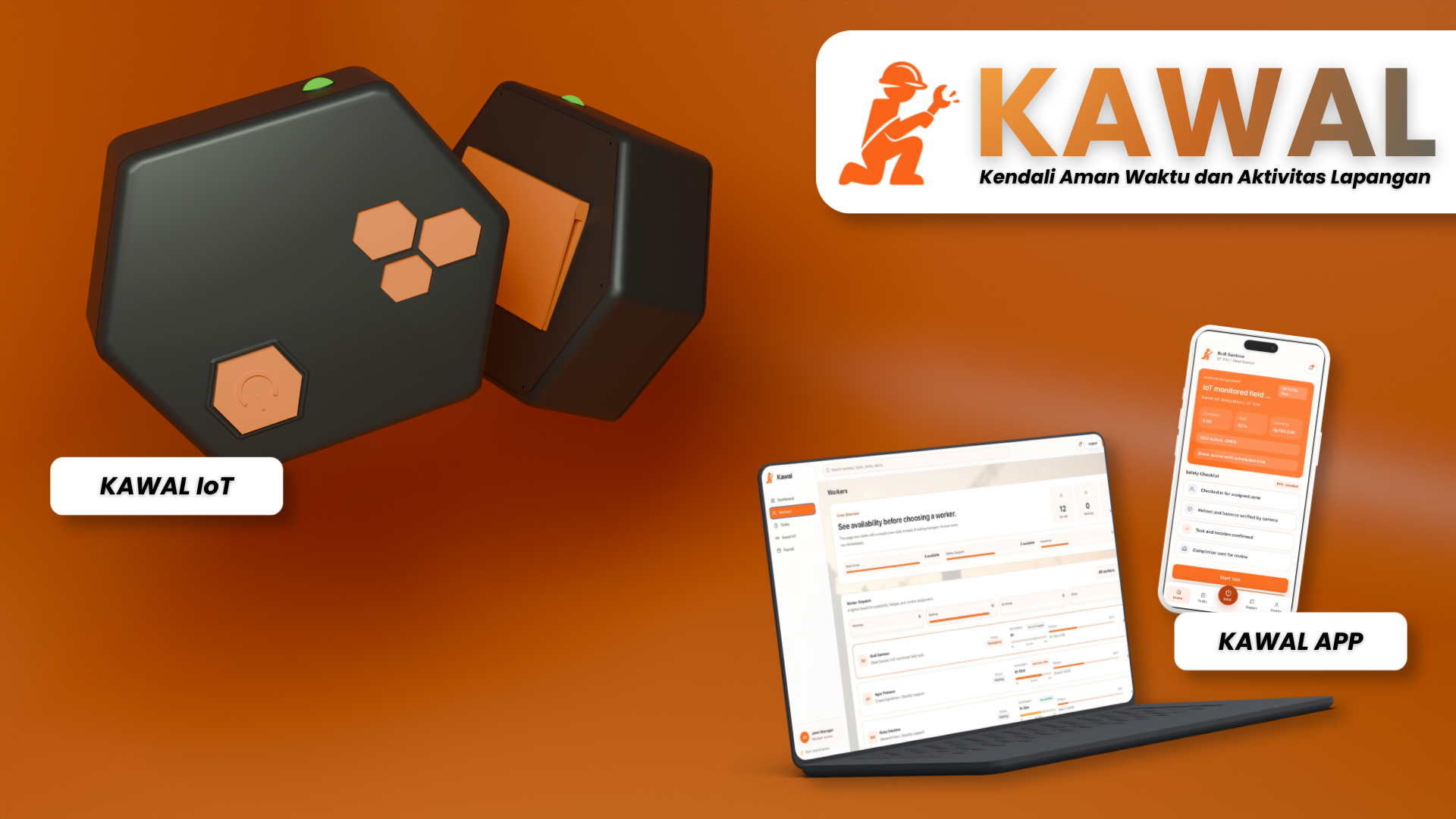
Kawal's Products: KAWAL IoT Clip for workers and KAWAL app for both workers and supervisors
-
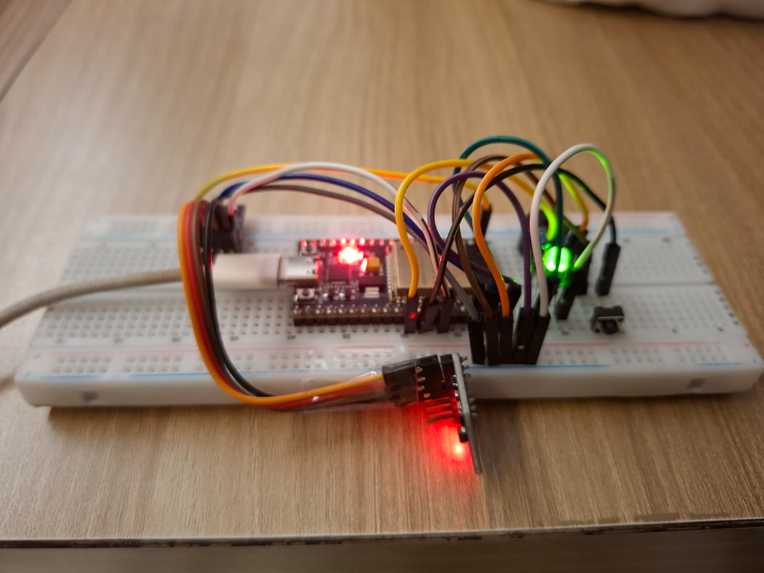
IoT
-
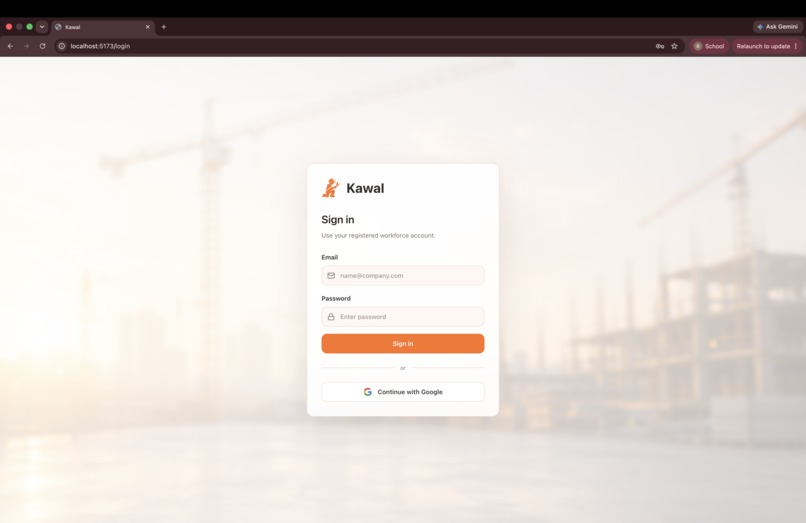
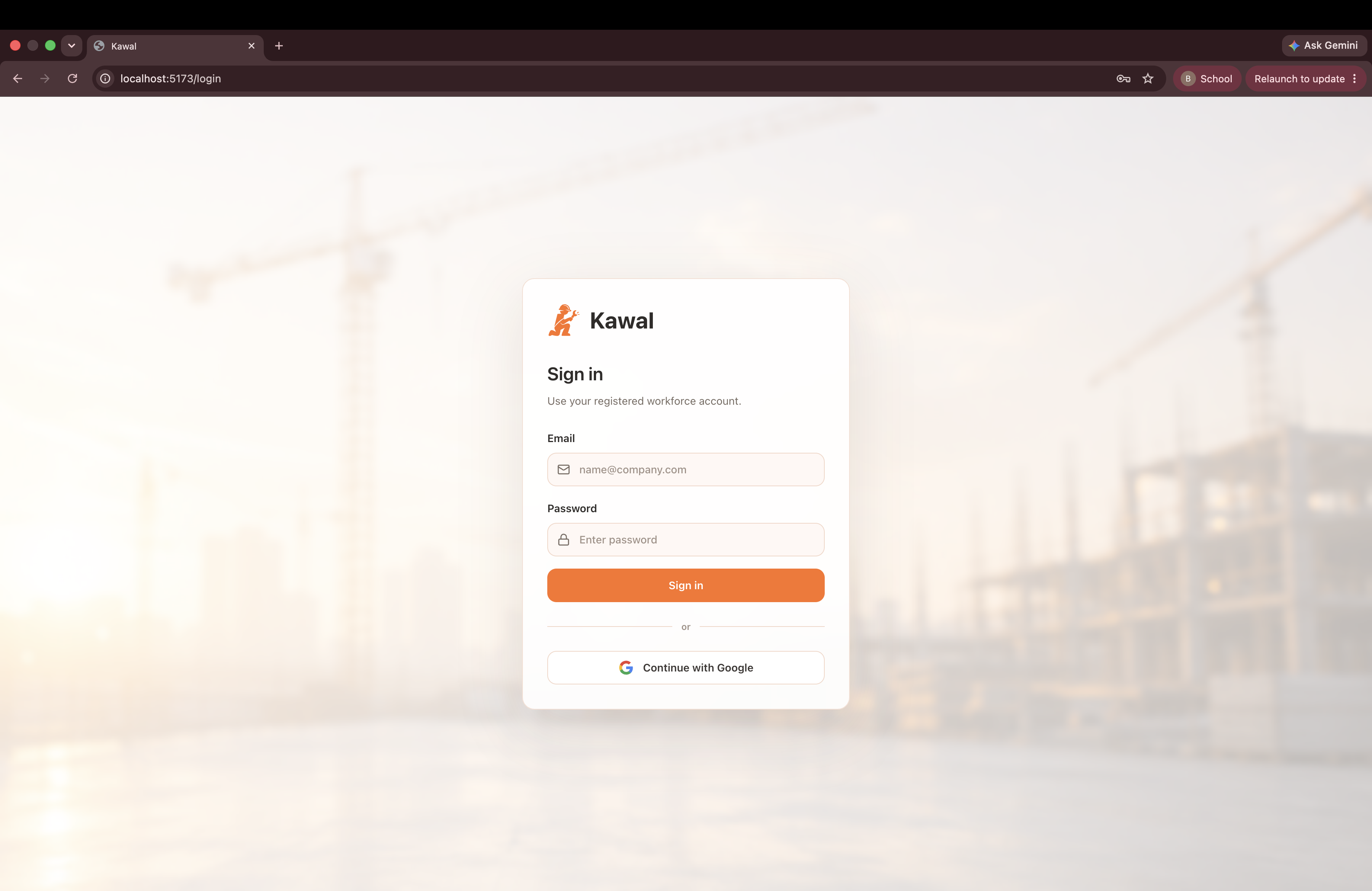
Login
-
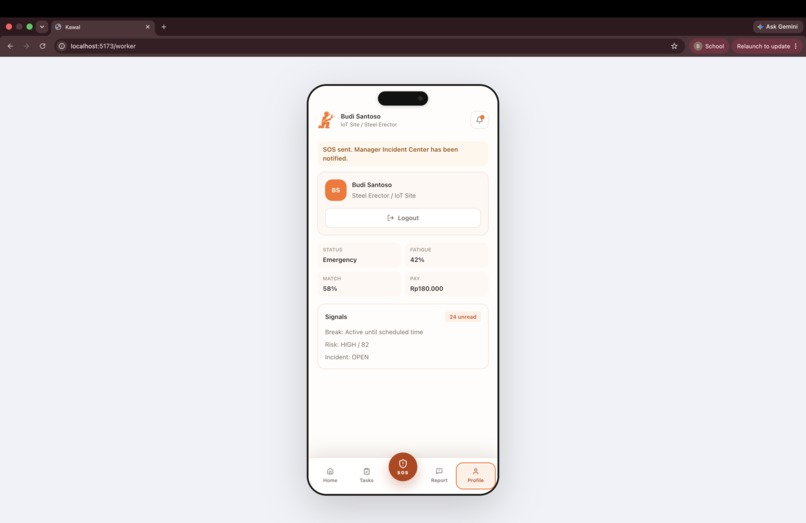
Worker6
-
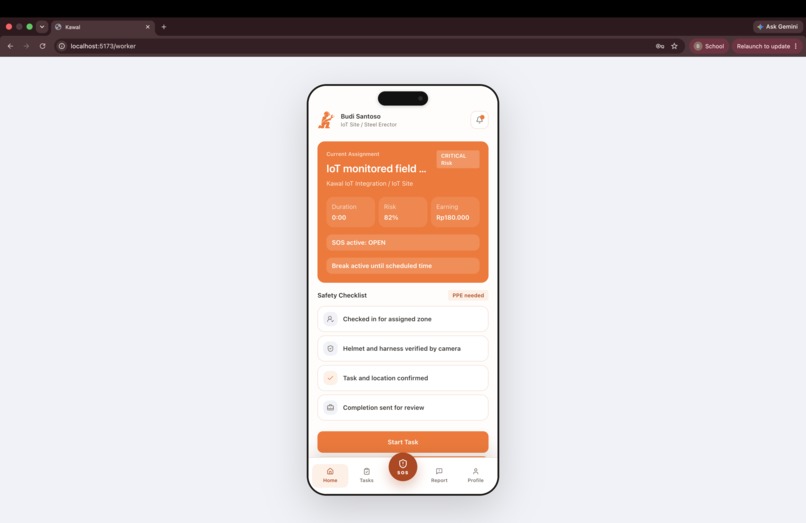
Worker1
-
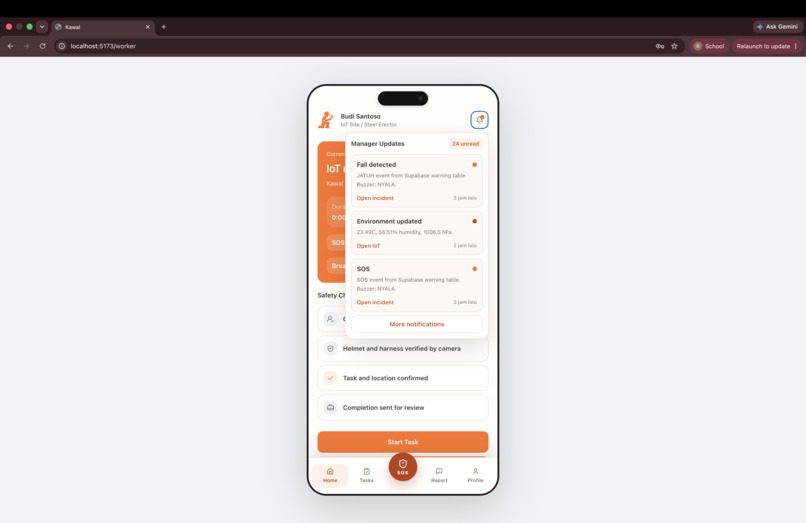
Worker2
-
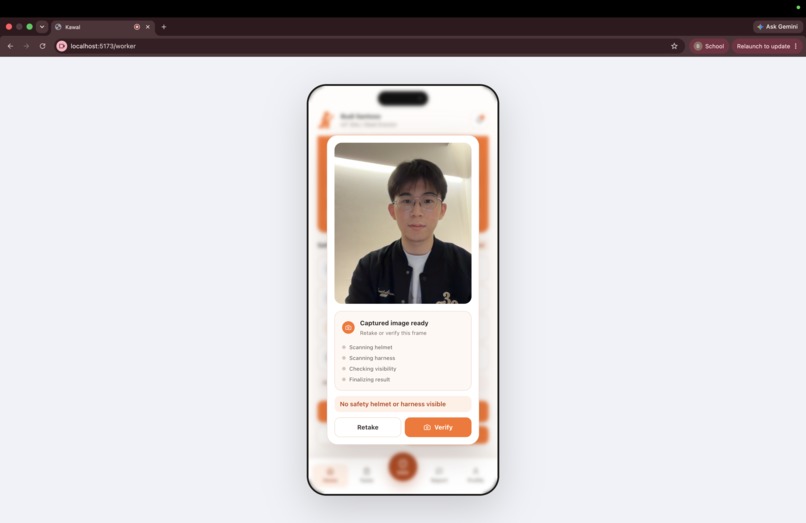
Worker4
-
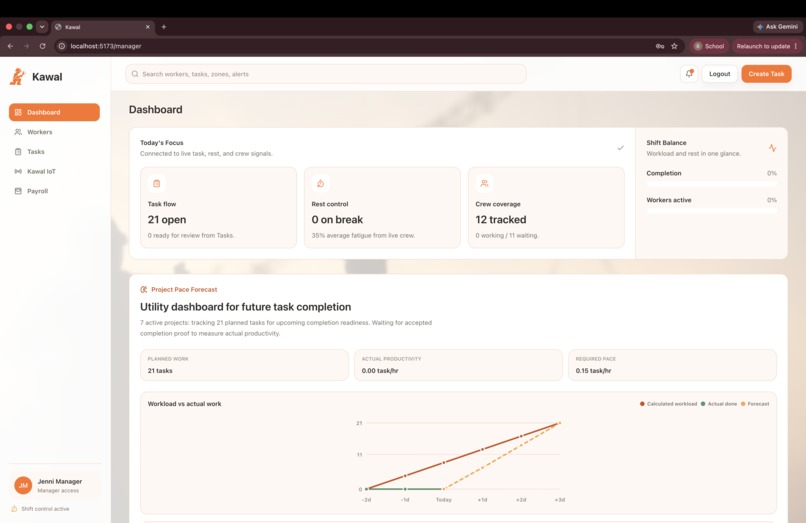
Manager1
-
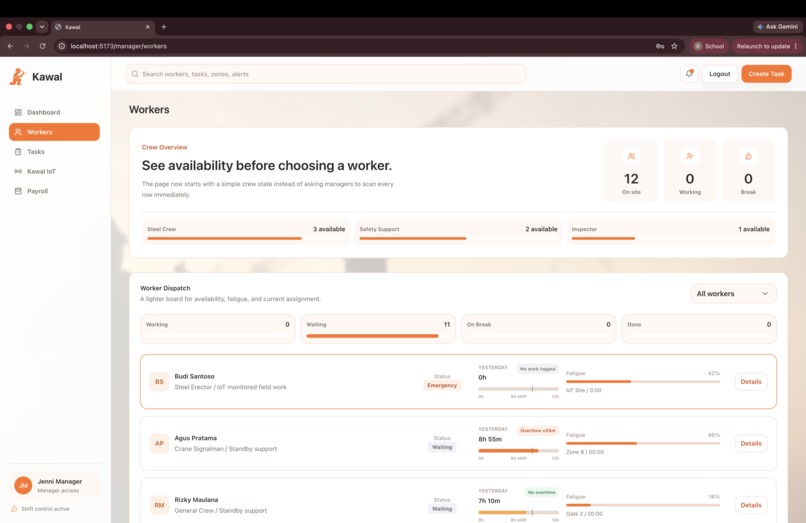
Manager3
-
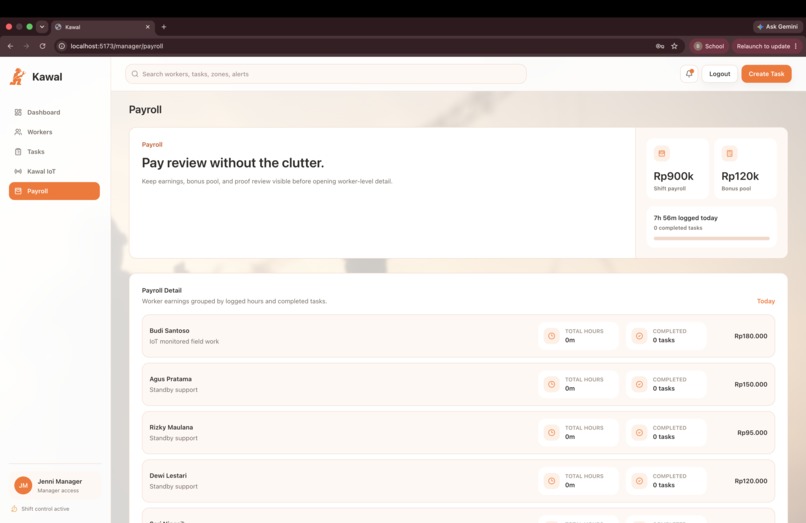
Manager6
-
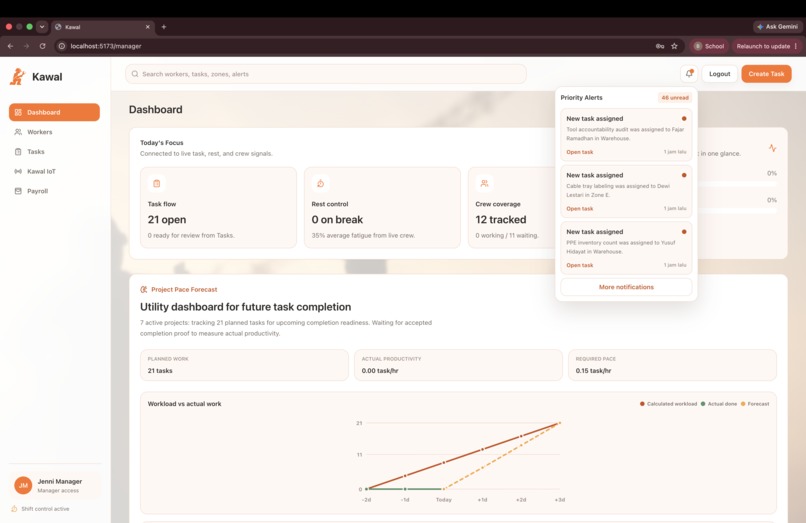
Manager2
-
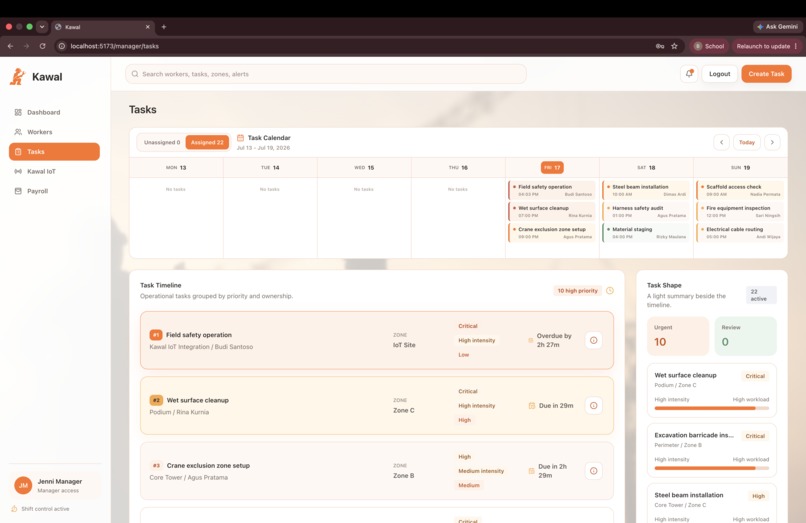
Manager4
-
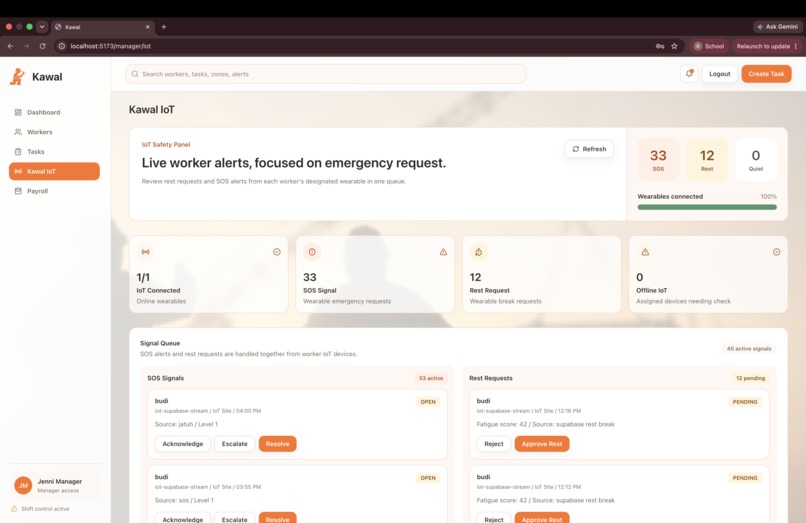
Manager5
-
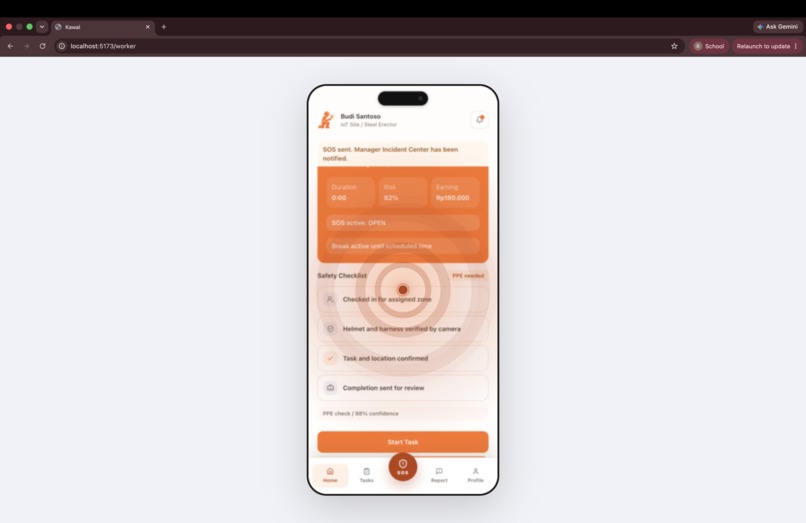
Worker5
Inspiration
Every day, millions of construction workers face hazardous environments where a single mistake can have life-changing consequences. According to occupational safety reports, the construction industry consistently records one of the highest workplace accident rates, with human error remaining one of the leading causes.
To better understand the problem, we had the opportunity to interview a construction worker. One insight stood out: many accidents are not caused by a lack of safety equipment, but by physical fatigue, excessive workload, and reduced awareness after working for long periods. Workers often continue performing demanding tasks despite exhaustion because project deadlines must still be met.
At the same time, news reports of construction accidents continue to emerge, reminding us that these incidents are far from isolated cases. Many of these accidents could potentially be prevented if supervisors had better visibility into workers' conditions before dangerous situations developed.
This inspired us to build KAWAL (Kendali Aman Waktu dan Aktivitas Lapangan), a human-centered AI and IoT safety system that proactively monitors workers' conditions in real time, helping supervisors make safer decisions before risks become accidents.
What it does
KAWAL (Kendali Aman Waktu dan Aktivitas Lapangan) is a human-centered AI and IoT safety platform designed to protect construction workers while helping supervisors make safer operational decisions.
KAWAL connects manager planning, worker field workflows, wearable IoT safety telemetry, and AI-powered operational intelligence into one integrated system.
The platform consists of two main components:
- KAWAL IoT Clip, a wearable device attached to a worker's safety harness that continuously collects real-time safety data.
- KAWAL Web Platform, providing dedicated interfaces for both managers and workers.
Manager Operations
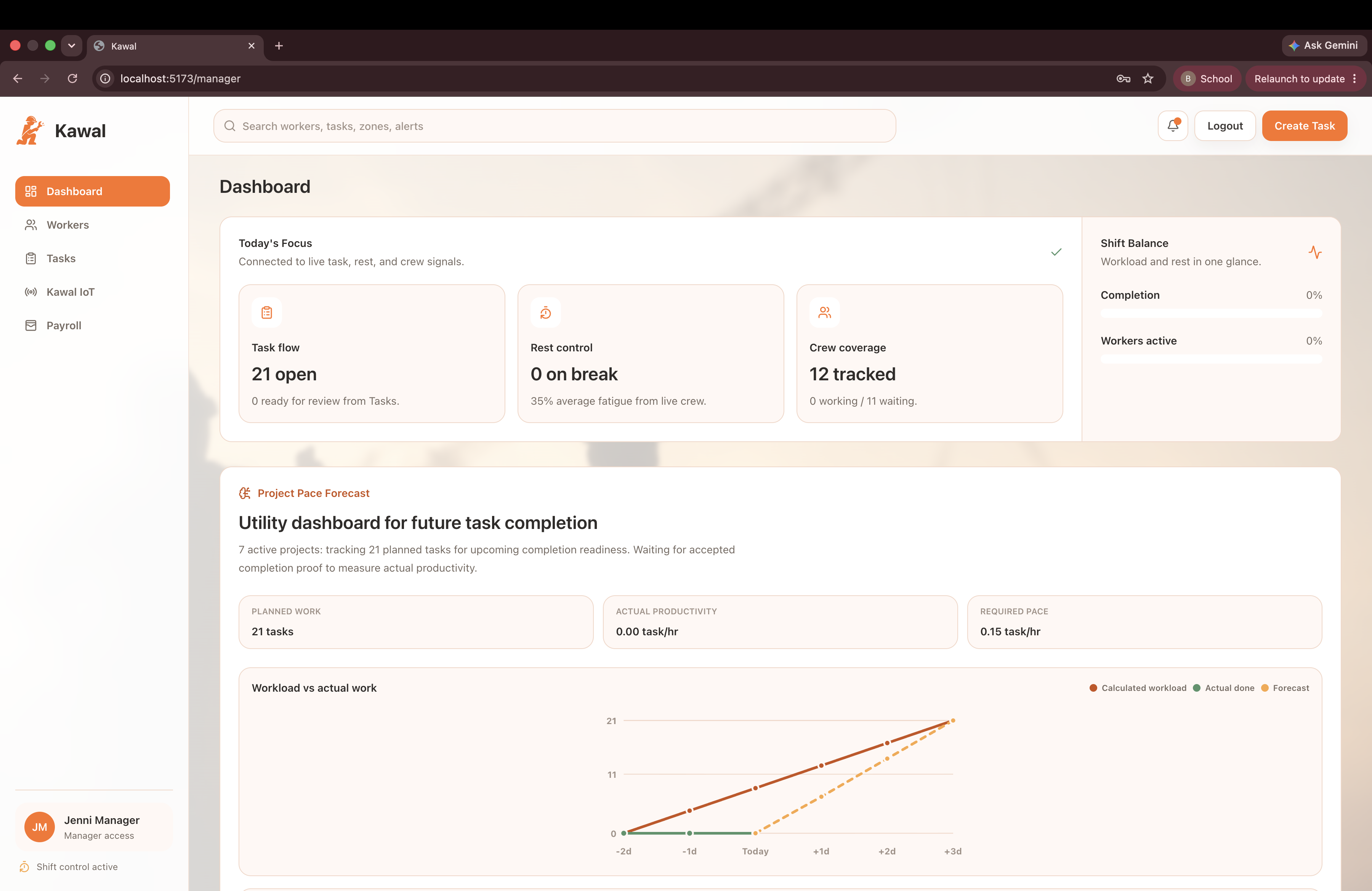
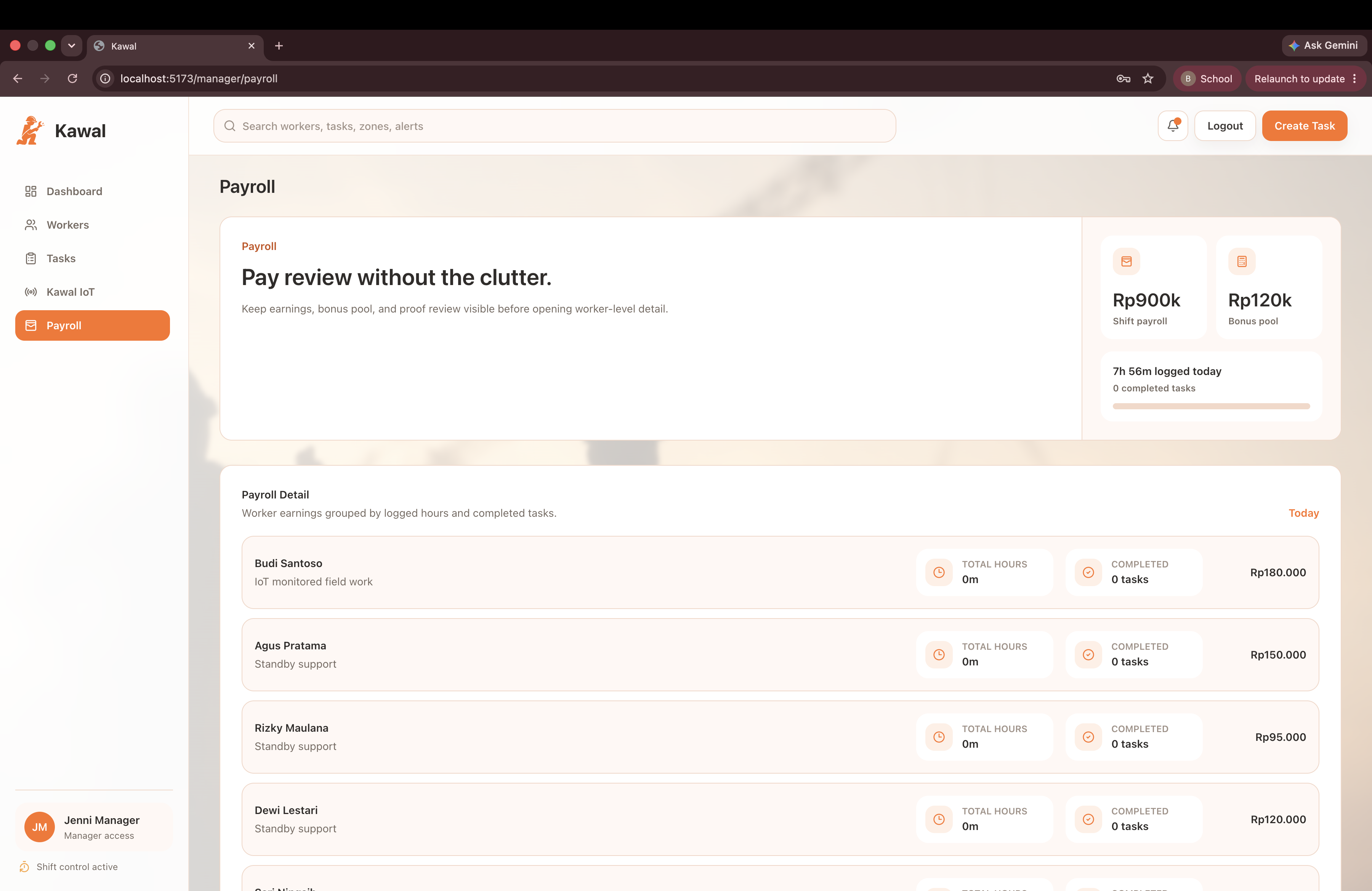
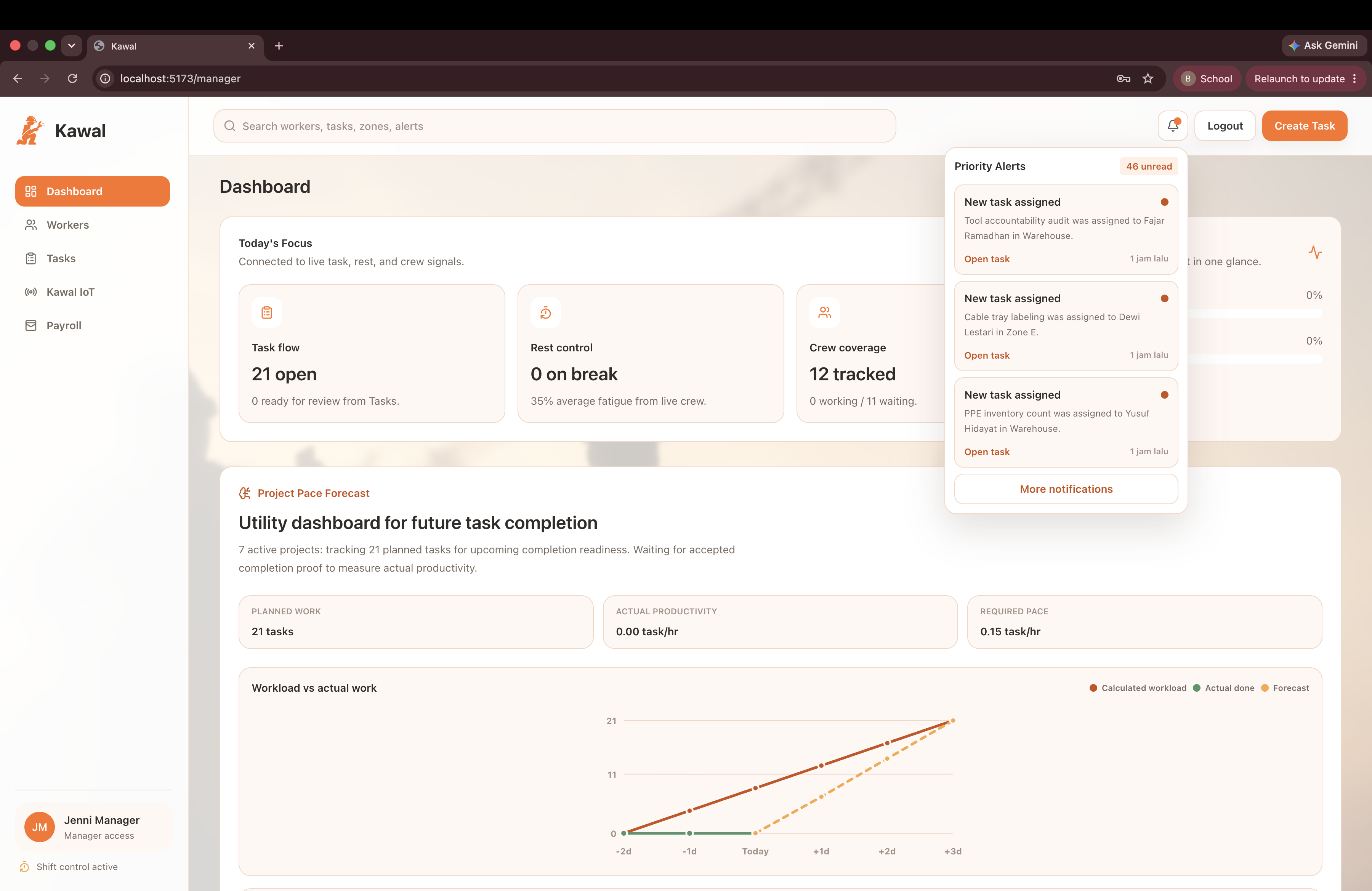
Managers can oversee daily operations through a centralized dashboard that provides visibility into workforce conditions and project progress.
Key capabilities include:
- Operational dashboard with crew status and project pace forecasting
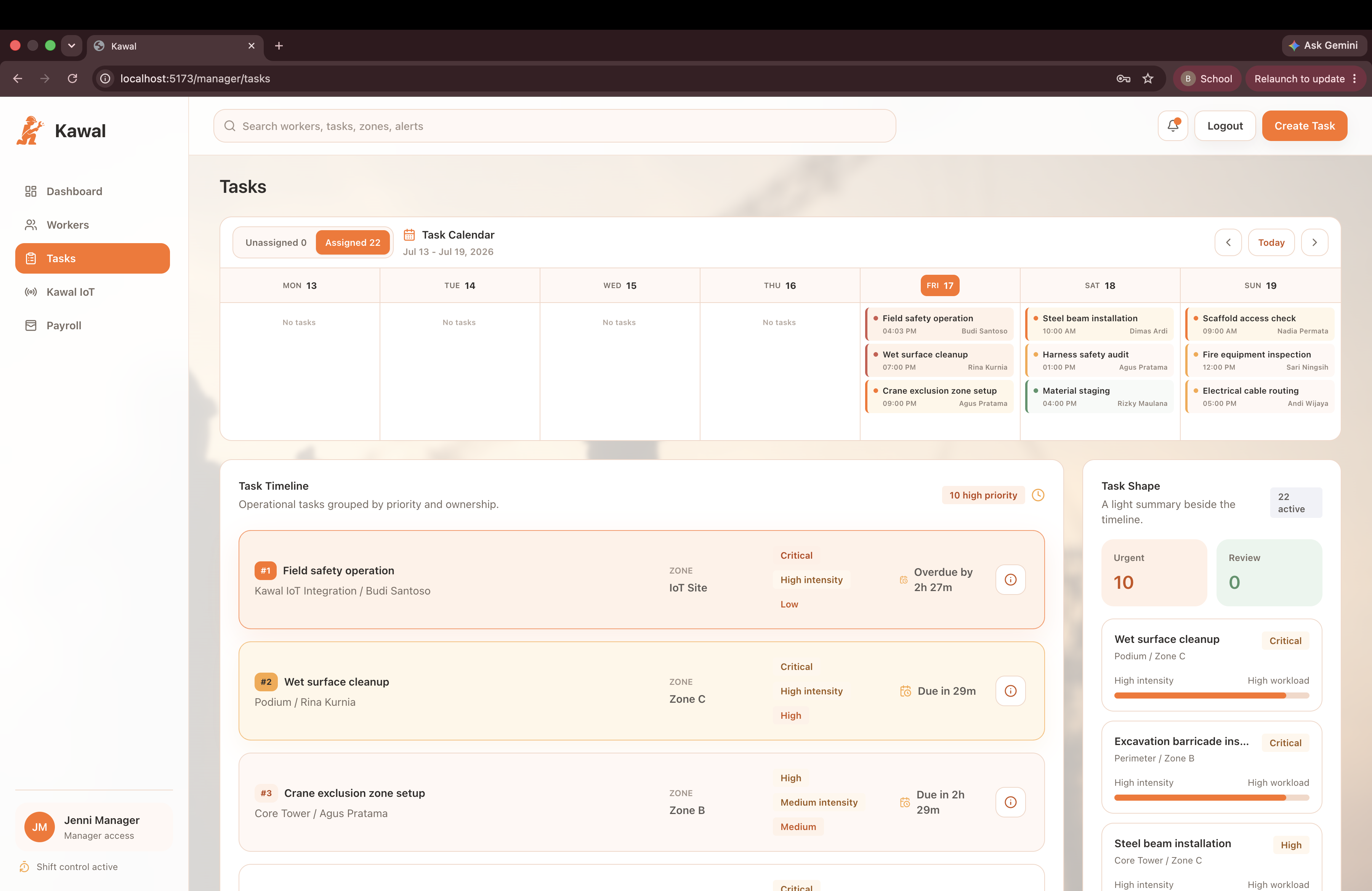
- Task creation with configurable priority, workload, intensity, and deadlines
- Smart worker assignment with AI-powered recommendations
- Seven-day task planning calendar
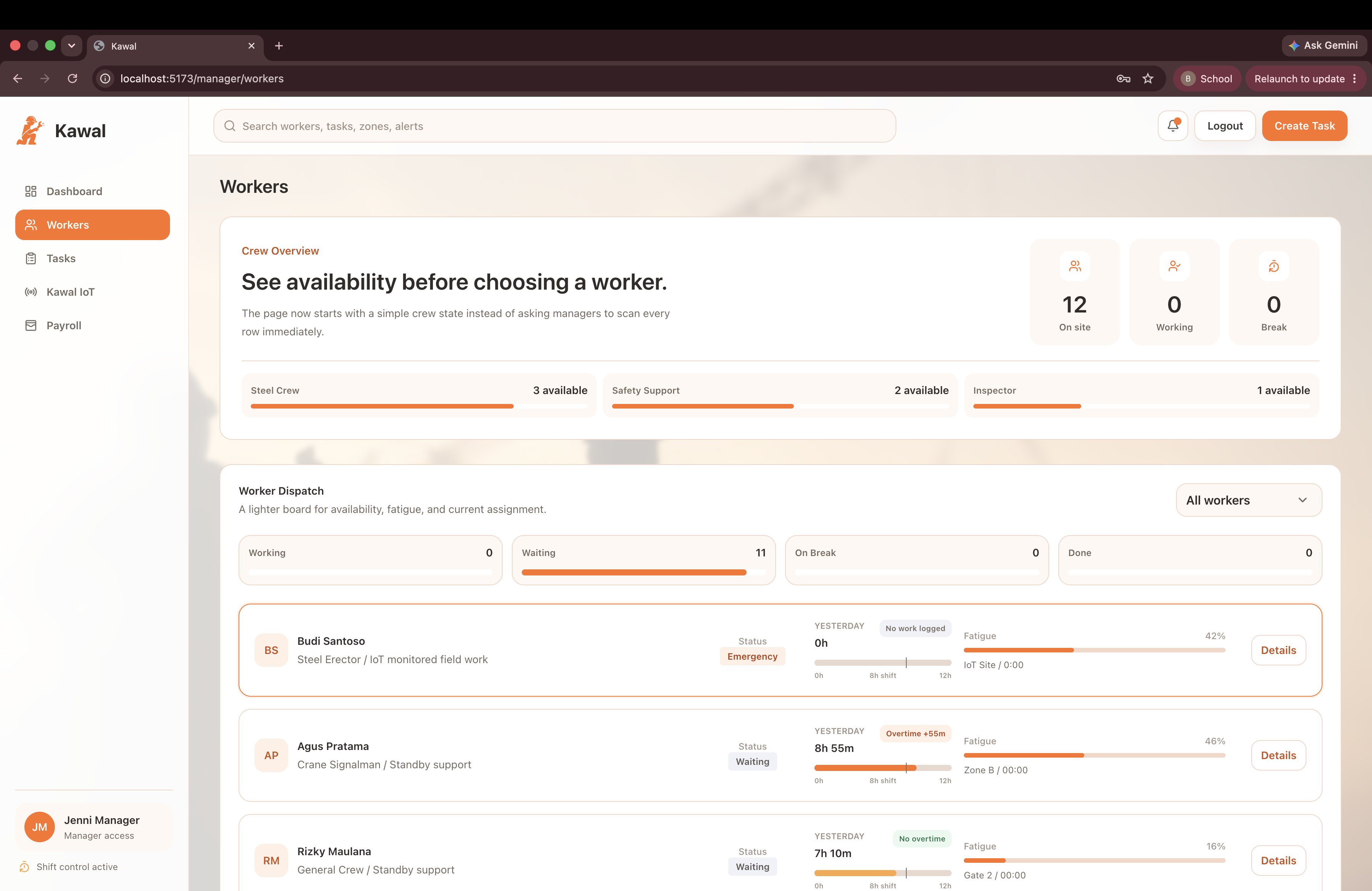
- Worker profiles showing workload, fatigue, working hours, and environmental conditions
- Review and approval of work completion evidence
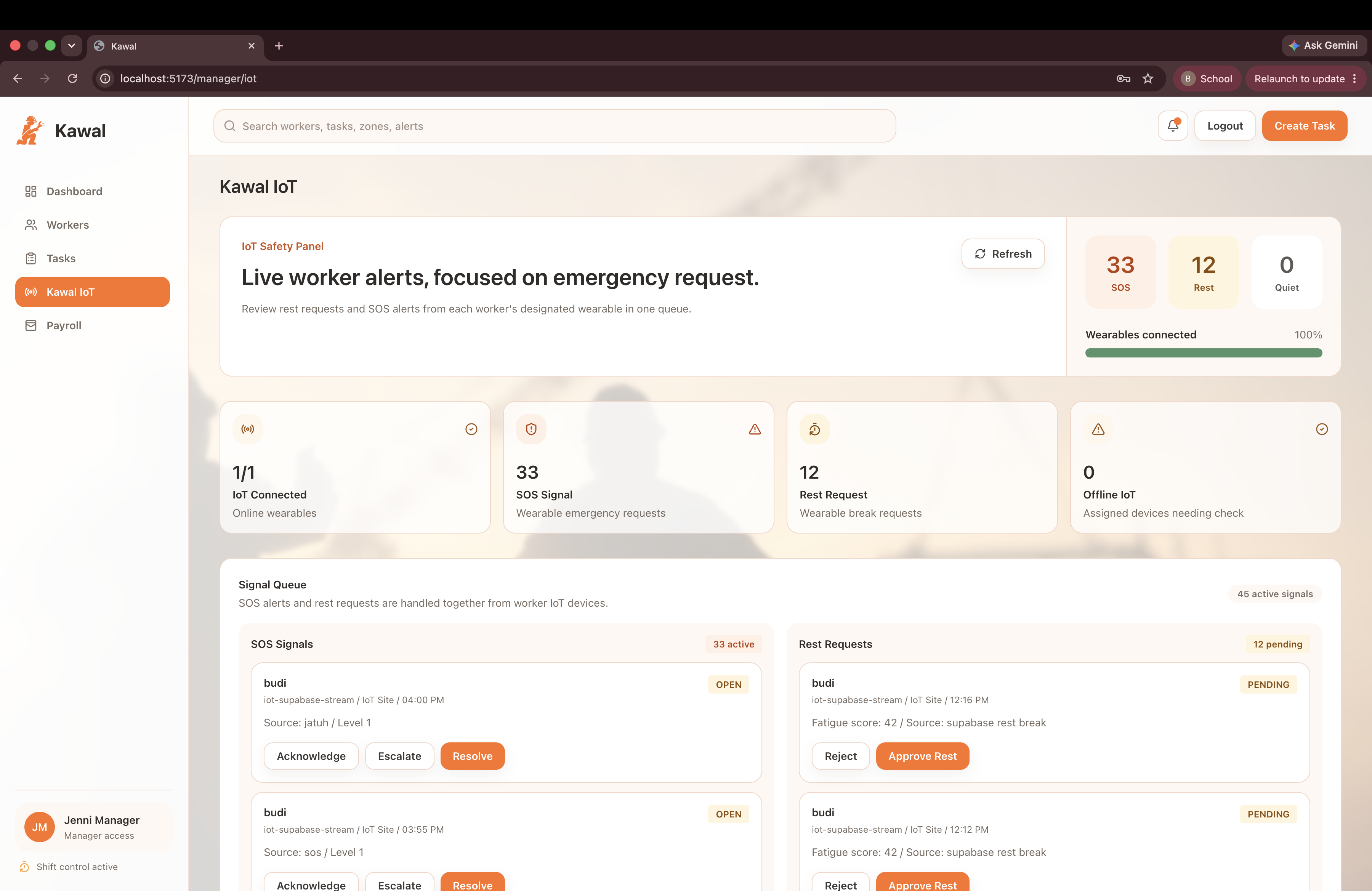
- Incident management, notifications, rest requests, and SOS monitoring
Worker Workflow
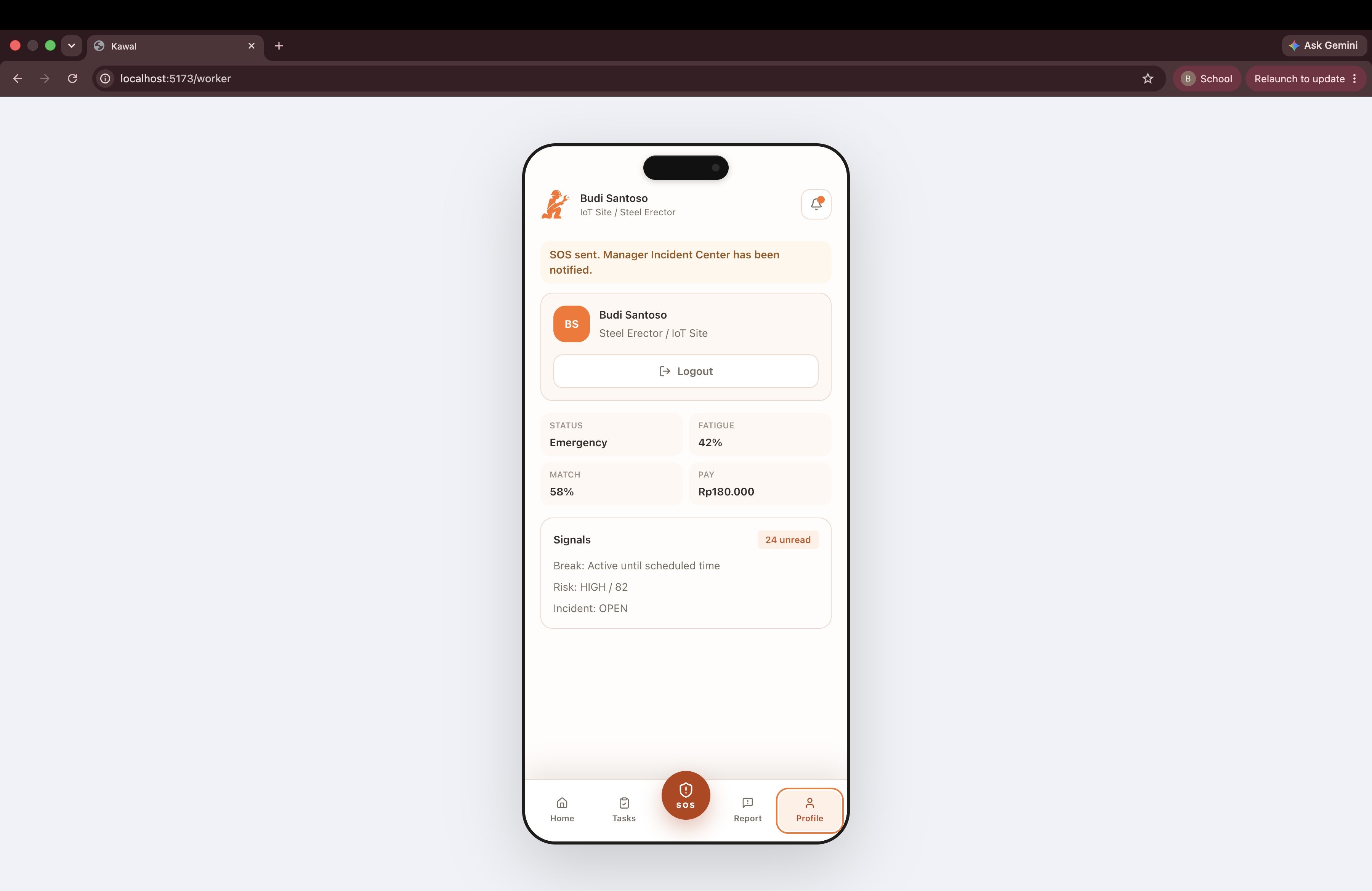
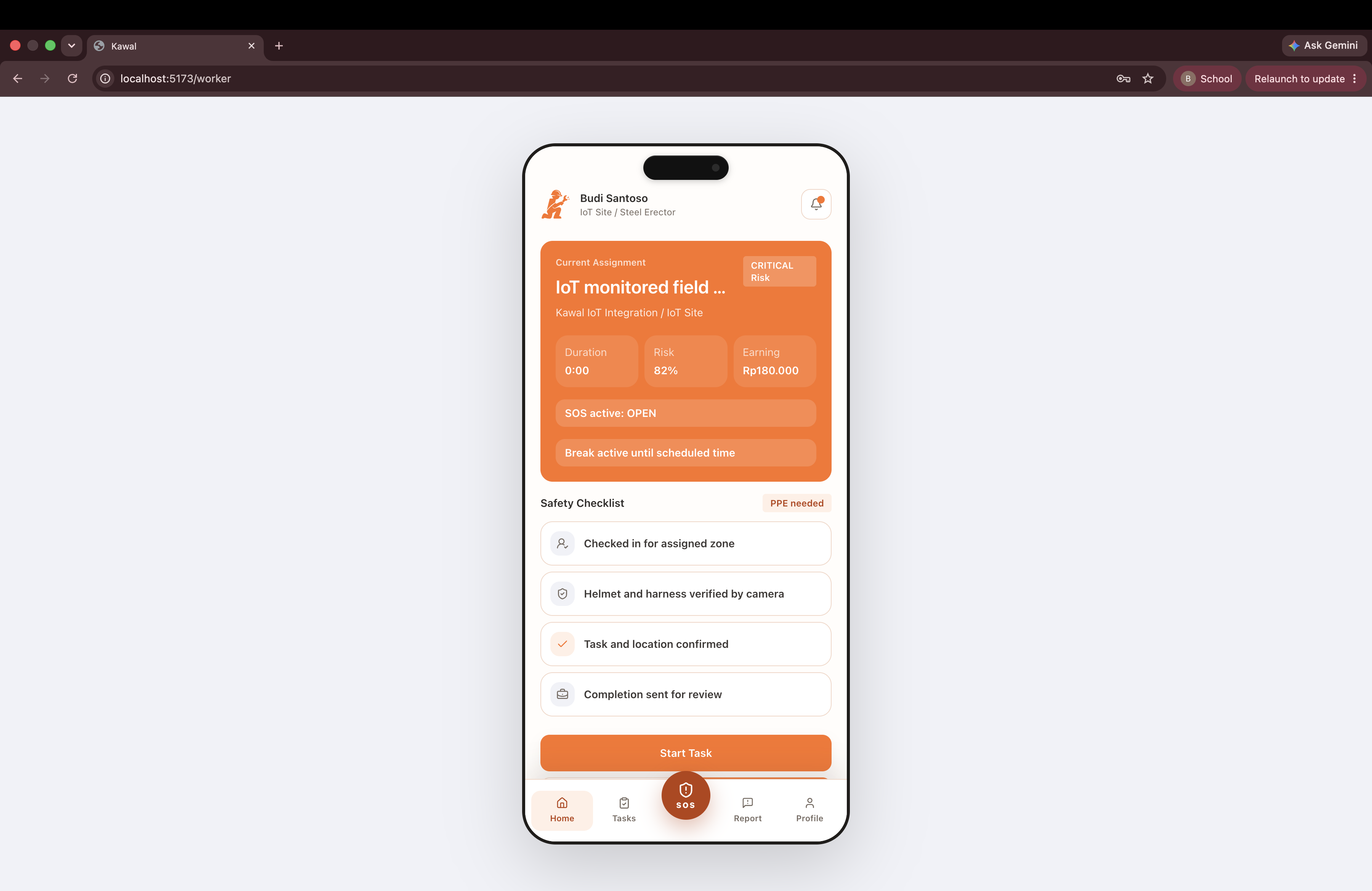
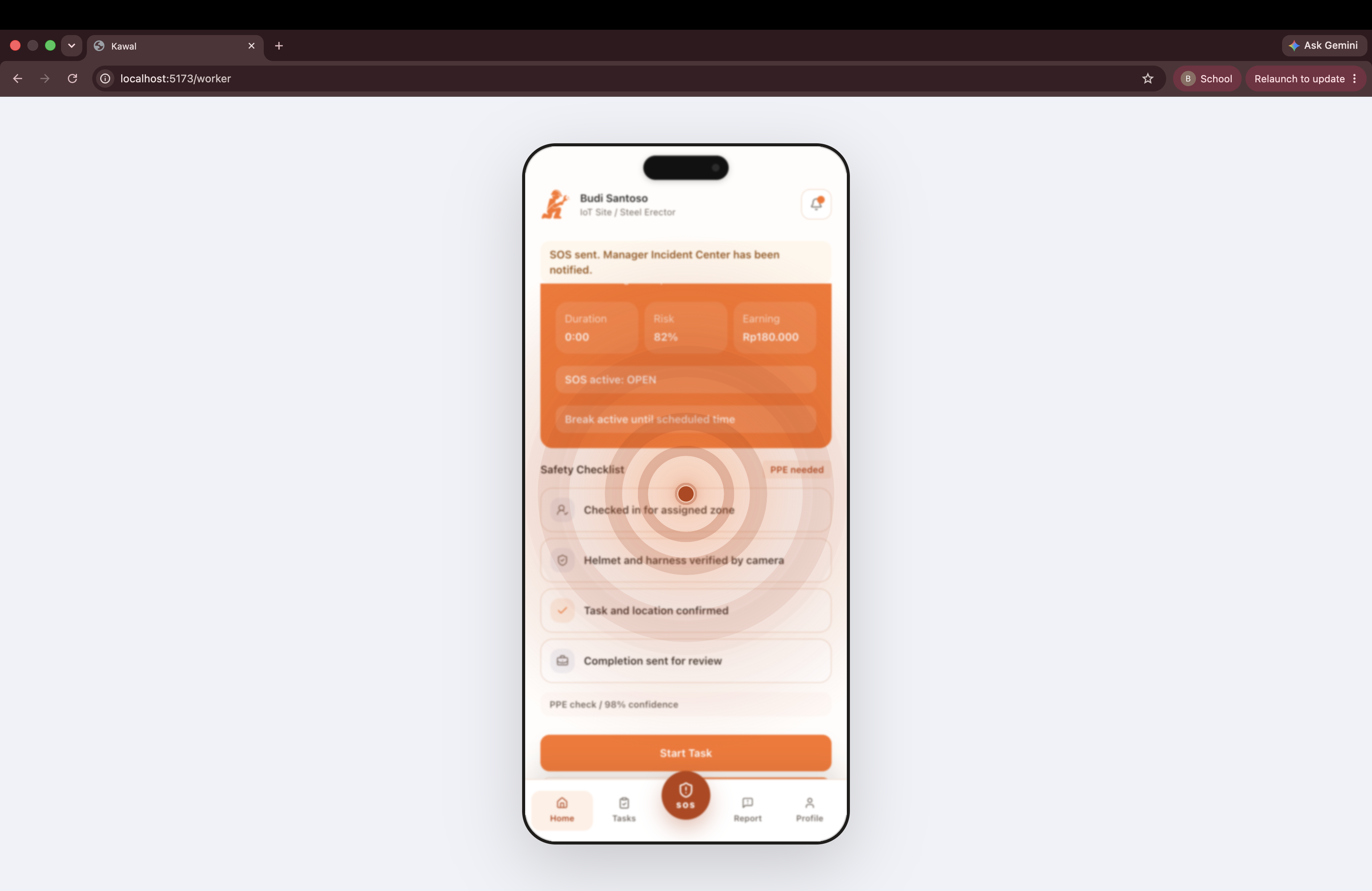
Workers interact with KAWAL through a mobile-first interface designed for field operations.
Workers can:
- Receive and manage assigned tasks
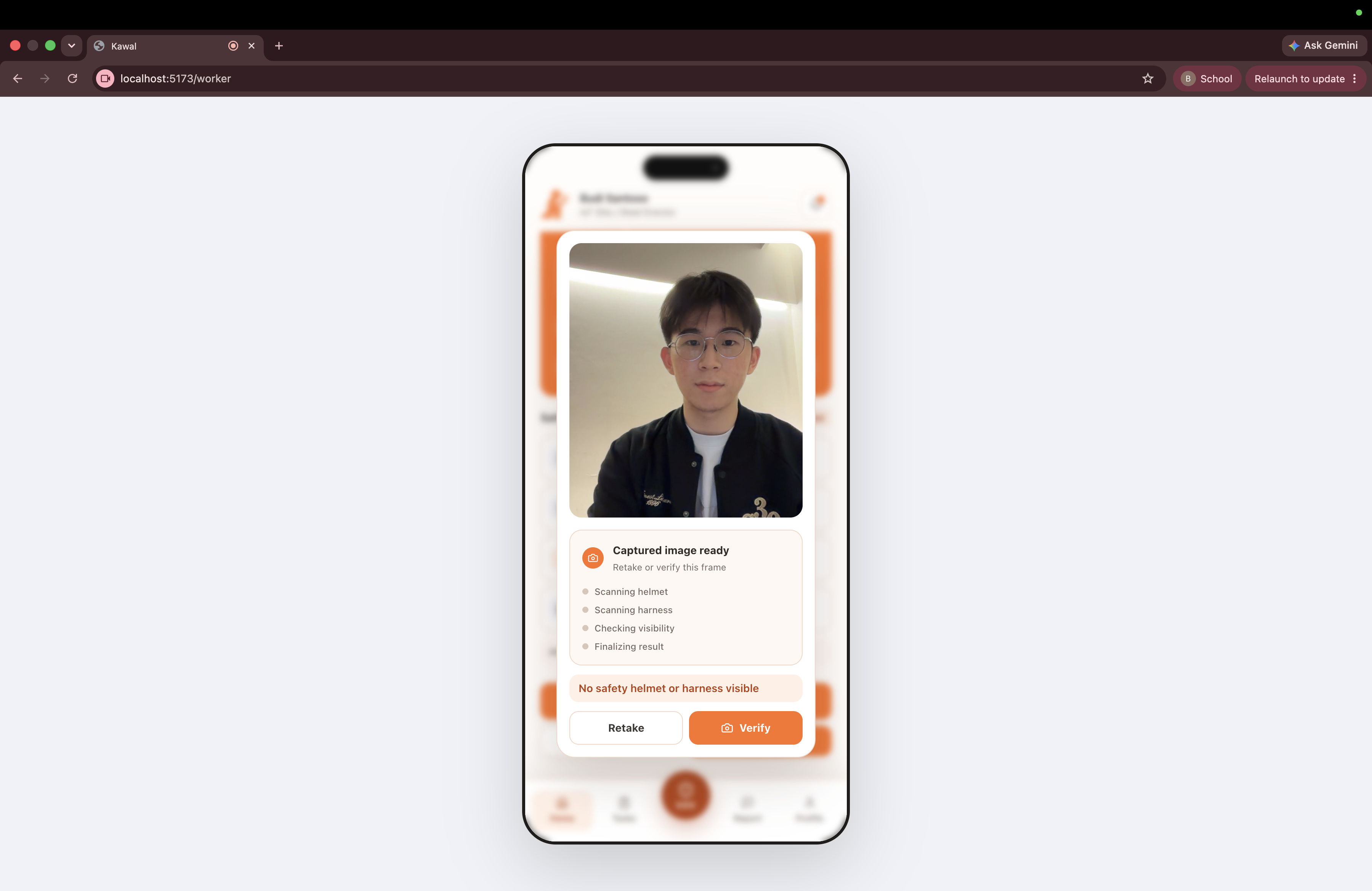
- Verify PPE before starting work using AI-powered vision
- Start, pause, and complete tasks
- Upload completion evidence
- Request rest breaks
- Report workplace hazards
- Trigger emergency SOS alerts
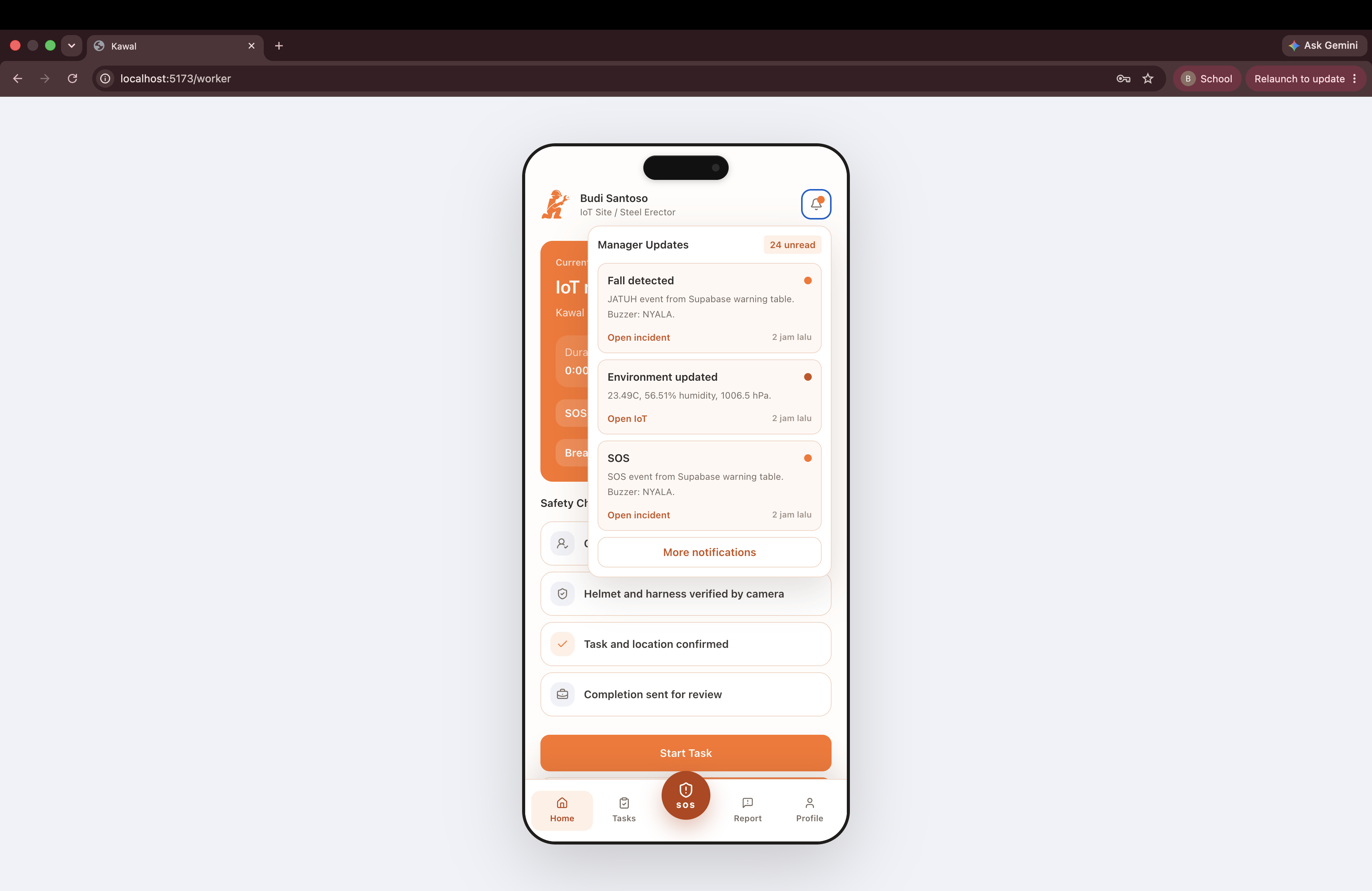
- Receive real-time updates from supervisors
Intelligence & Safety
KAWAL continuously combines wearable IoT data with operational information to help prevent accidents before they happen.
The system provides:
- Worker-hour and project capacity estimation
- AI-assisted worker assignment recommendations
- Productivity and delay forecasting powered by Amazon Chronos-2
- AI-powered PPE verification using OpenAI Vision
- Deterministic handling of SOS, rest requests, and safety workflows
- Real-time IoT monitoring through Supabase, including environmental conditions, work hours, inactivity, warnings, and rest breaks
By bringing together workers, supervisors, AI, and IoT into a single ecosystem, KAWAL shifts workplace safety from reactive incident response to proactive risk prevention, helping construction teams make safer decisions before risks become accidents.
How we built it
Hardware
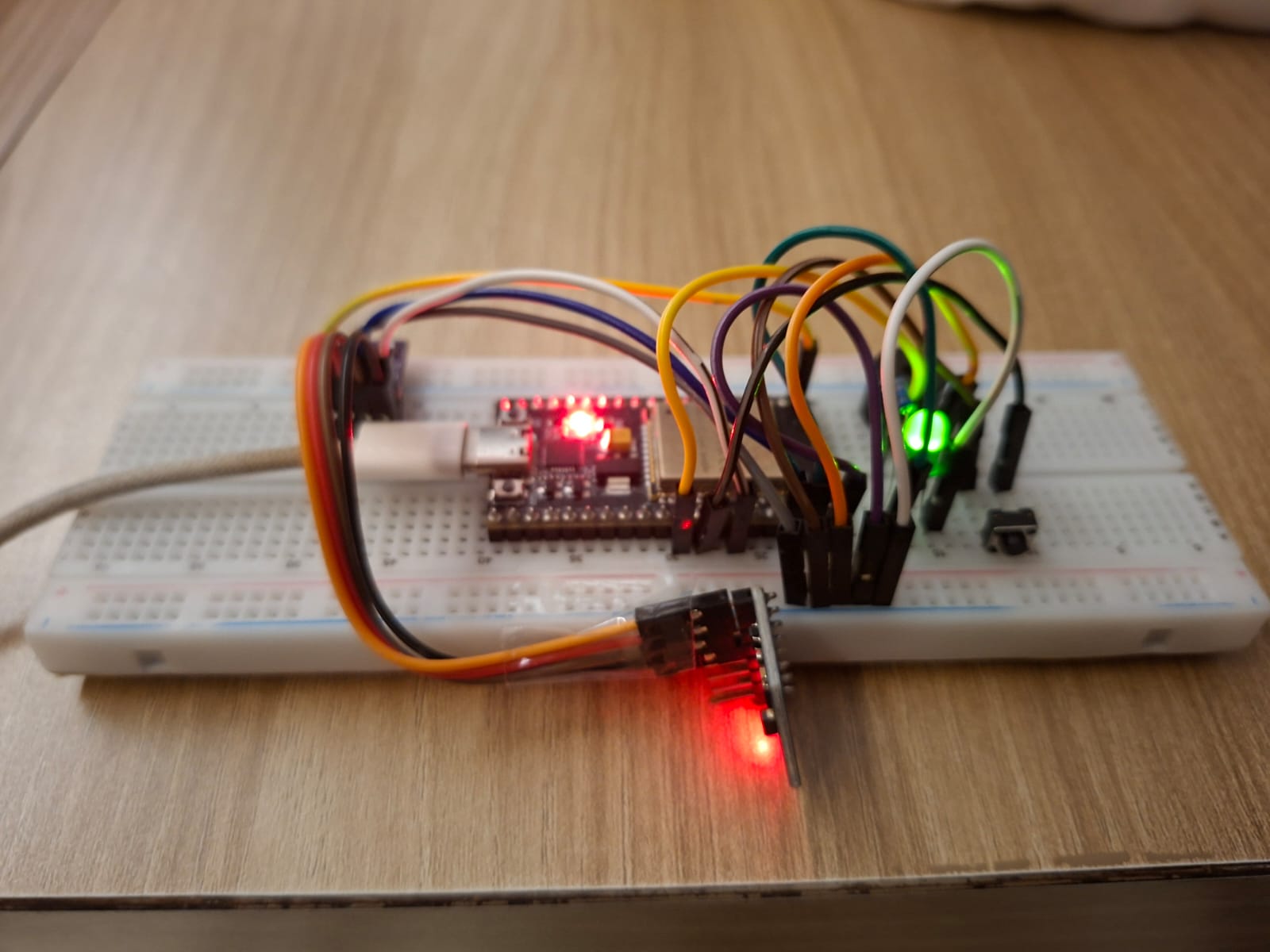
The KAWAL IoT Clip is built using:
- ESP32
- MPU6050 (Accelerometer & Gyroscope)
- BME280 (Temperature & Atmospheric Pressure Sensor)
- Buzzer
- Push Button
- LED
- Breadboard
- Jumper Wires
- Resistors
Software
Our platform is powered by:
- Next.js
- React
- TypeScript
- Tailwind CSS
- Python
- Supabase
- SQLite
- OpenAI API
- Chronos
- Codex
The ESP32 streams sensor data in real time to our backend, where AI processes worker conditions and project context to estimate safety risks and generate recommendations. The processed information is then displayed through an intuitive web dashboard that enables both workers and supervisors to monitor conditions and take immediate action when necessary.
Challenges we ran into
One of our biggest challenges was transforming raw IoT sensor readings into meaningful safety insights.
Construction workers naturally bend, climb, carry heavy materials, and perform physically demanding movements. Distinguishing between normal activities and genuinely dangerous situations required combining multiple sensor inputs instead of relying on a single measurement.
Another challenge was designing AI recommendations that supervisors could trust. Rather than overwhelming users with technical sensor values, we focused on providing clear, actionable safety recommendations that can support real-world decision making.
Finally, integrating embedded hardware, cloud infrastructure, AI processing, and a responsive web application within a limited hackathon timeframe required close collaboration across hardware, AI, backend, and frontend development.
Accomplishments that we're proud of
We're proud to have built a fully integrated prototype that combines wearable IoT technology, AI, and real-time monitoring into a single safety ecosystem.
Our achievements include:
- A functional IoT wearable capable of collecting real-time worker data
- AI-powered risk assessment based on multiple sensor inputs
- Dynamic work scheduling recommendations that consider worker workload
- Real-time supervisor dashboard
- Possible fall detection
- Emergency SOS feature
- Early warning system through wearable alarms
Most importantly, we built KAWAL with a human-centered philosophy, using technology not to replace workers or supervisors, but to help them make safer decisions before accidents happen.
What we learned
Building KAWAL taught us that workplace safety is much more than providing protective equipment. Preventing accidents requires understanding workers' physical conditions, environmental factors, and operational workloads simultaneously.
We also learned how combining multiple IoT sensors with AI can generate far more meaningful insights than relying on individual measurements alone.
Most importantly, we realized that AI delivers its greatest value when it augments human decision-making. In high-risk environments like construction sites, timely recommendations and early warnings can make the difference between a normal workday and a serious accident.
What's next for KAWAL
This prototype is only the beginning of our vision.
Our next goal is to integrate Ultra-Wideband (UWB) technology for precise real-time positioning of both workers and heavy machinery.
Heavy equipment such as cranes, excavators, and forklifts are among the leading causes of fatal construction accidents. By equipping both workers and machinery with UWB devices, KAWAL will be able to continuously calculate their relative positions.
When a worker enters a predefined danger zone around operating heavy equipment, KAWAL can immediately send warnings to both the worker and the supervisor before an accident occurs.
Beyond location awareness, we also plan to develop:
- Computer Vision for automatic PPE compliance detection
- Predictive safety analytics using historical project data
- Edge AI for offline construction environments
- BIM and Digital Twin integration
- Enterprise-scale multi-project monitoring
Our long-term vision is to transform KAWAL into a comprehensive proactive safety platform that helps construction companies prevent accidents, improve worker well-being, and make every construction site significantly safer.
Built With
- bun
- chronos
- codex
- iot
- nextjs
- openai
- python
- react
- sqlite
- supabase
- tailwind
- typescript
- vite


Log in or sign up for Devpost to join the conversation.