-
-
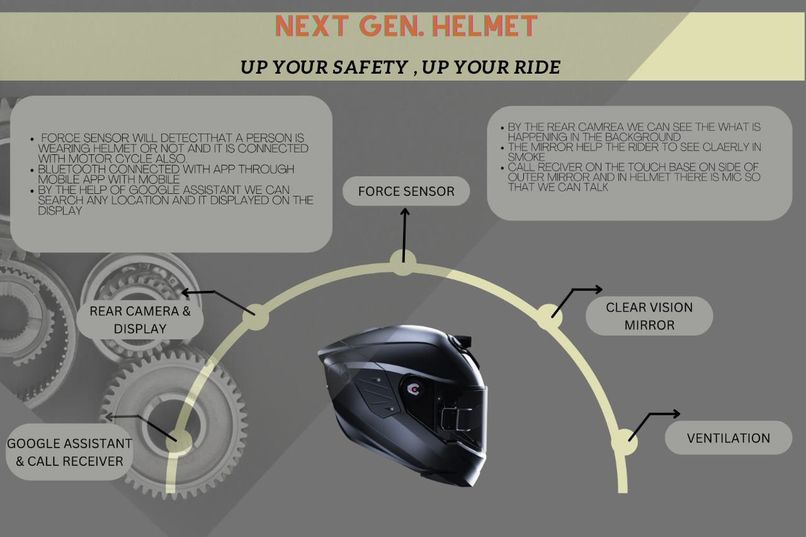
smart helmet design for the bike riders
-
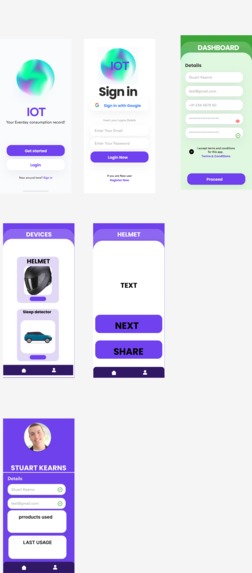
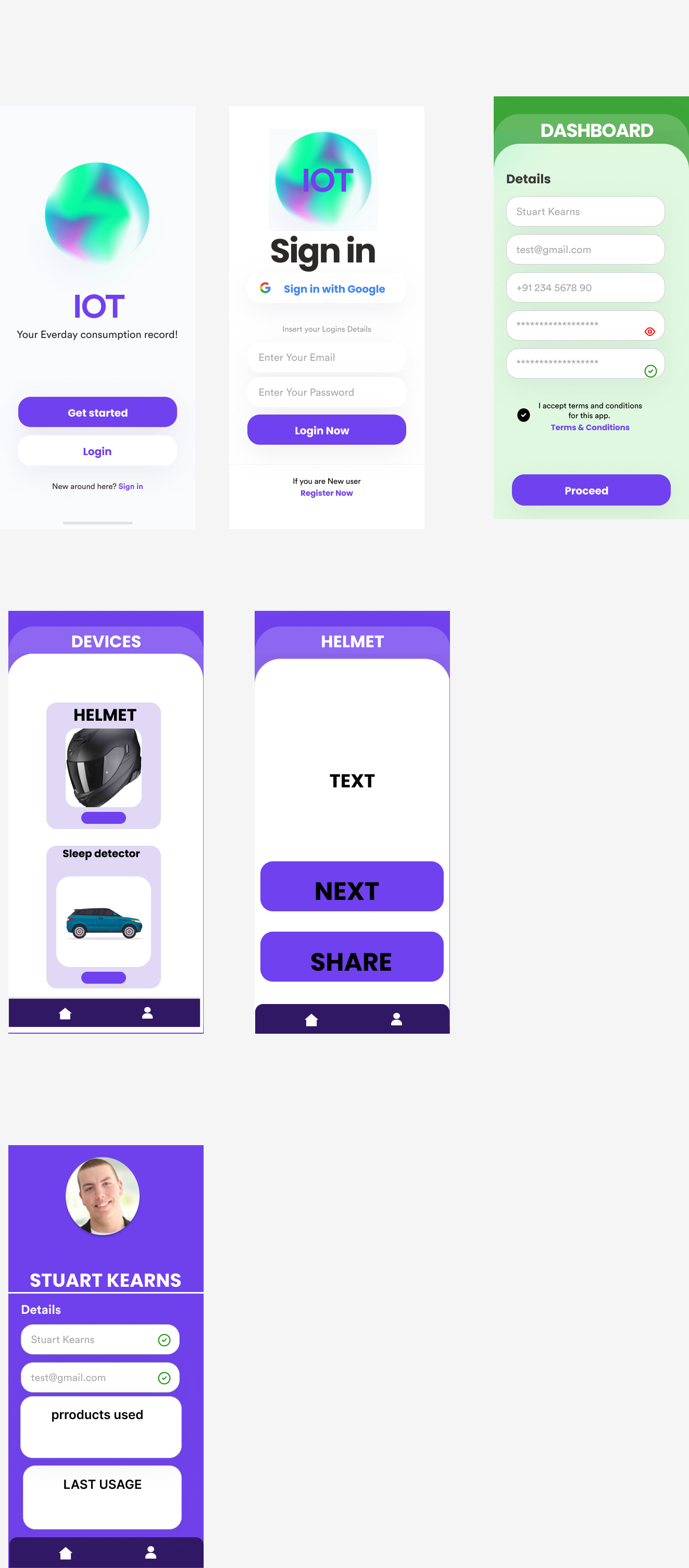
basic figma desingn of the app that we will be making in future

Creating a smart helmet that only allows a motorcycle to start when the rider is wearing it is an innovative concept that prioritizes road safety and also with the alcohol sensor, it also insure no drink and driving for road safety purposes. By incorporating sensor technology, such as head or IR/Touch sensors, the helmet can detect proper usage. Wi-Fi /Bluetooth connectivity can establish communication between the helmet and the motorcycle, ensuring that the helmet is within proximity. Integrating wearable devices like smartwatches or fitness trackers can serve as an authentication method. Biometric sensors, such as fingerprint or pulse detection can verify the rider's identity. A companion mobile app can offer additional security features and remote functionalities. Designing a comfortable and visually appealing helmet is crucial to encourage consistent usage. Data collection and analysis can provide insights for improved safety, and emergency features like distress signals and GPS tracking can be integrated. Compliance with safety standards and seeking guidance from helmet design and motorcycle safety experts are vital during the development process
A smart helmet incorporates sensors and technologies to enhance safety and offer extra features. It uses sensors to detect head movements, impact, and the presence of the rider's head. Wireless connectivity, such as Bluetooth or Wi-Fi, allows communication with other devices like motorcycles or companion apps. The helmet interacts with the motorcycle to ensure it is properly worn before the engine can start. Authentication methods like biometrics or proximity-based authentication authenticate the rider's identity. Additional safety features include GPS navigation, emergency communication systems, and impact sensors. Some helmets collect and analyze ride data for insights. Companion mobile apps provide customization, notifications, ride tracking, and emergency assistance. Specific functionalities may vary, so referring to the helmet's documentation is advised for detailed information
We have used 2 ESP32s one as a transmitter and one as a receiver which helps in the communications of the helmet with the chassis/Bike we have made their own IP address
There are a lot of challenges that we have faced while making this helmet because the connection of the IR and alcohol sensor should be very accurate otherwise we can have an error in the reading that can affect the result of operating the bike but we have tackled all the problems with an accurate and precise manner
We as a team have achieved a lot in this hackathon we have made this helmet for the safety of the society that is our biggest achievement and this helmet can be very helmet can be very helpful for the road safety and to reduce the road accidents and also to reduce the death ratio for not wearing the helmet.
I have learned different things during this event as I have learned how to make a proper CV and also a lot about the Python language and also about the deployment of the data to the cloud and how to use the cloud and also I have also learned about how to use the power effectively for our systems and also how to handle a database.
We have made only a Figma design for our app just have got high-quality sensors with more accuracy and we have to incorporate that sensor we have only 2 features in our helmet as the bike will start until you wear the helmet and another that is u have consumed the alcohol your bike will not start and in future, we will be making an app which can detect everything on the app and also we will be incorporating more sensors as GPS module and impact sensor which can detect any kind of accident and send the exact GPS location of the bike riders to the family member.
Built With
- arduinoide
- c++
- embeddedc
- esp32
- irsensor
- mq3

Log in or sign up for Devpost to join the conversation.