-
-
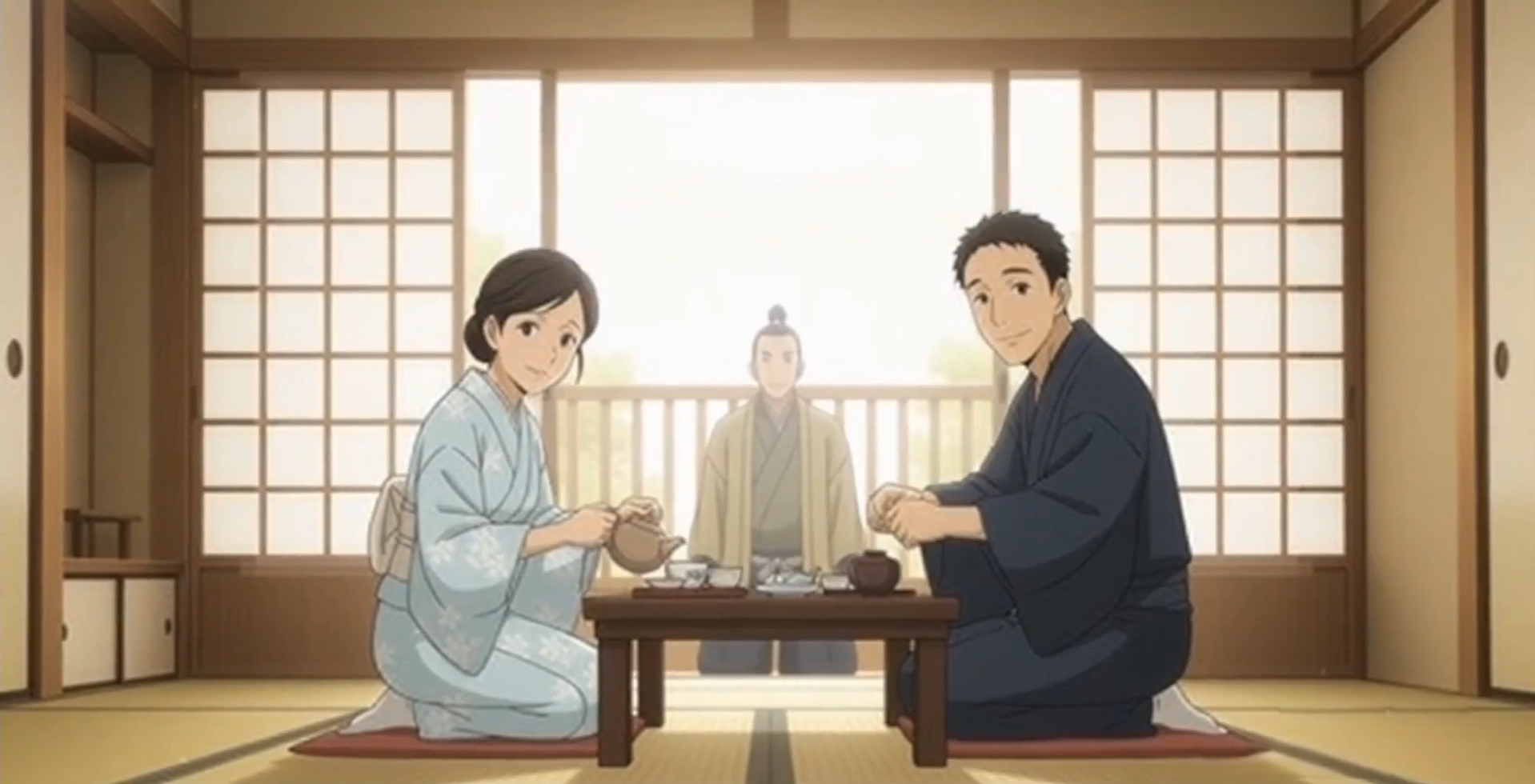
The player enters the world as a young son whose father has died in a devastating war. Now he has to become a samurai to keep his legacy.
-
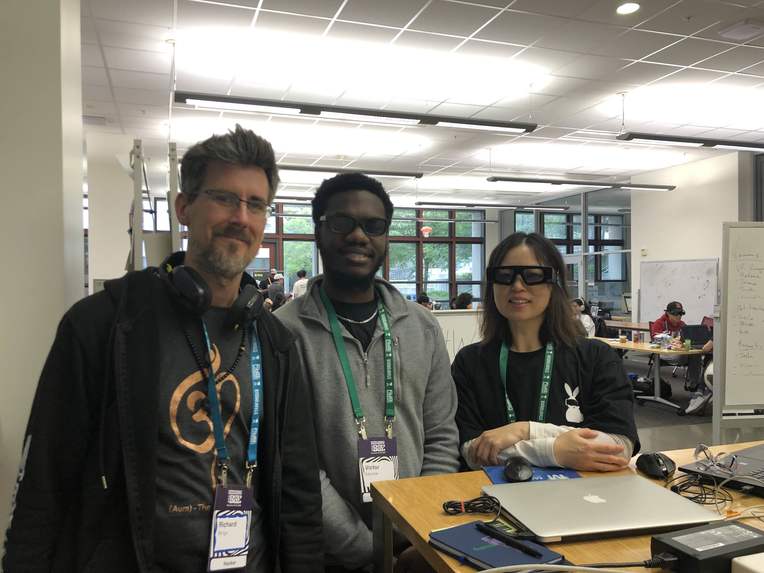
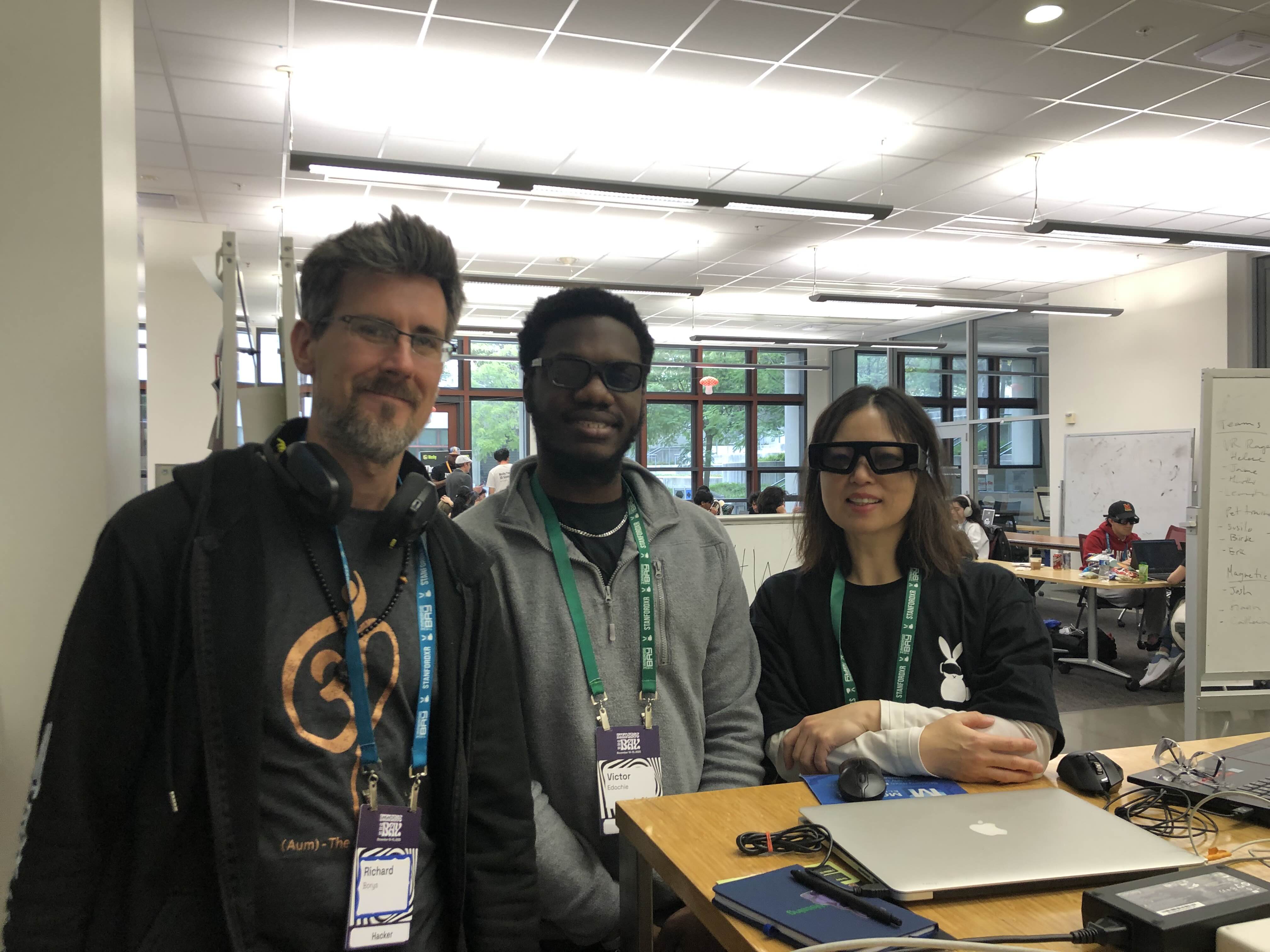
Inner Bushido team
-
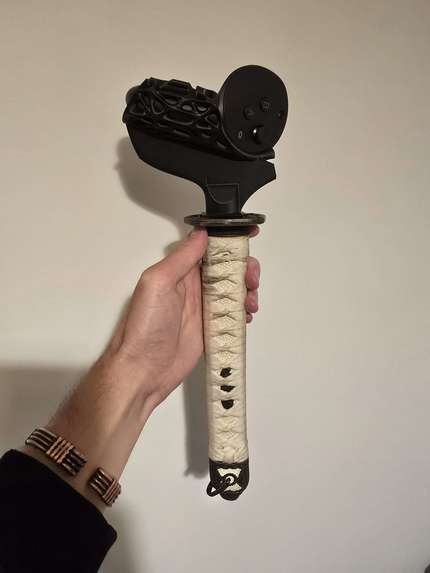
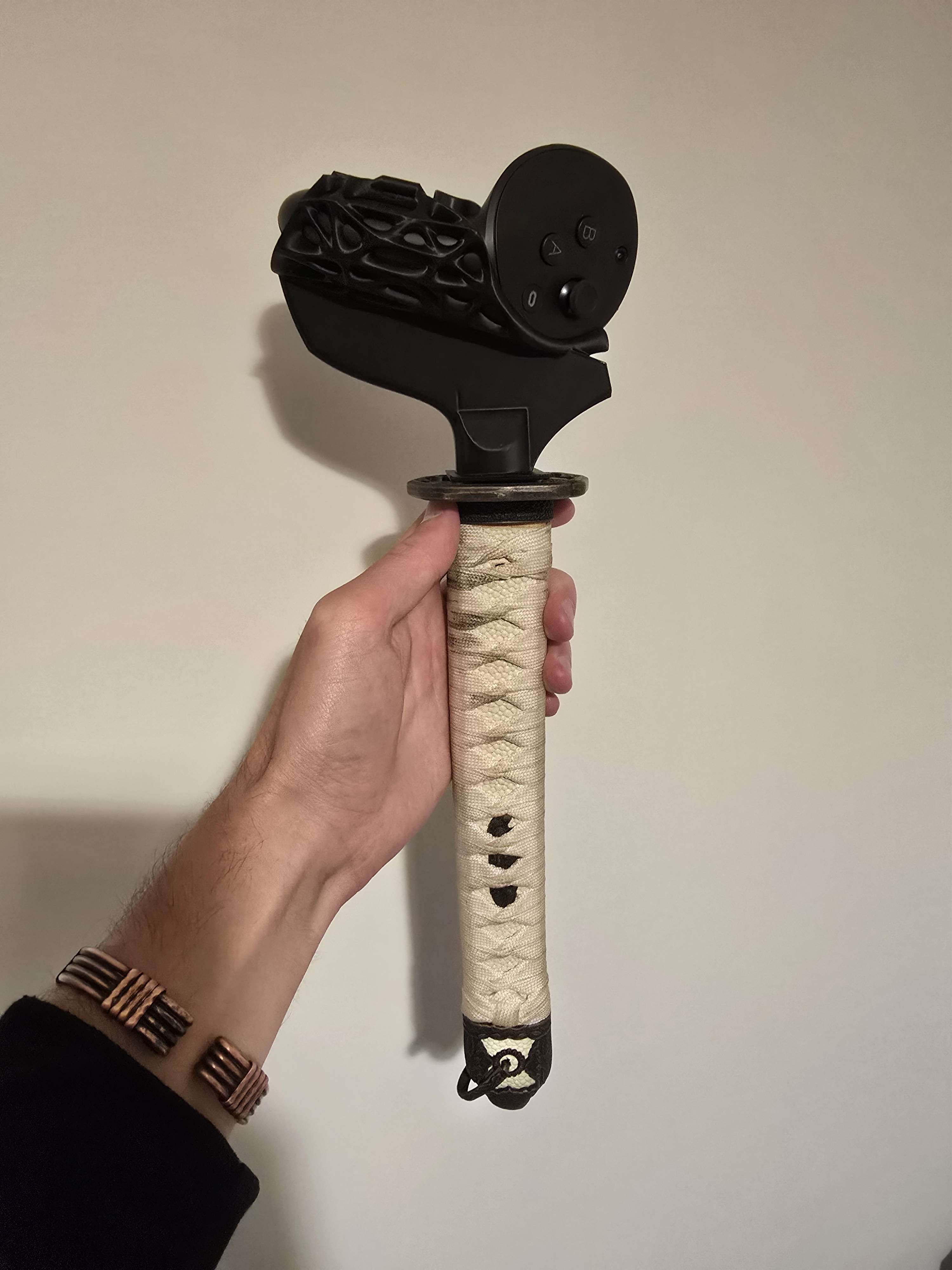
VR Katana Prototype
-
-
-
-
-
Inspiration
Our project began with a simple question: “What if a headset could drop you into a digital battlefield fun in physical world? ”
We’ve always been fascinated by the blend of physical action and digital immersion and emotional storyline and fun.
Story Overview
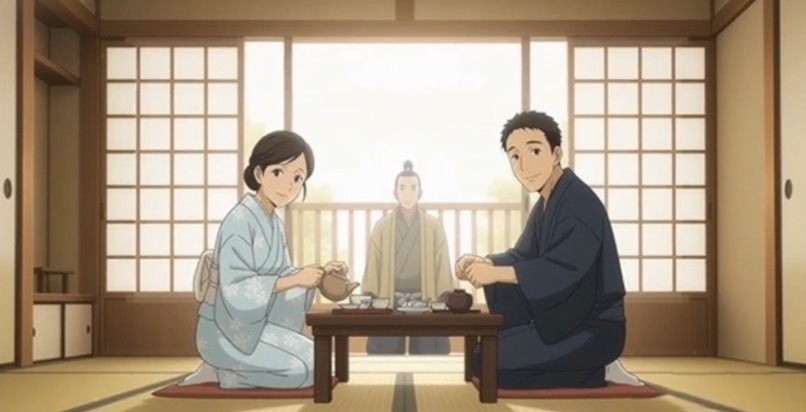
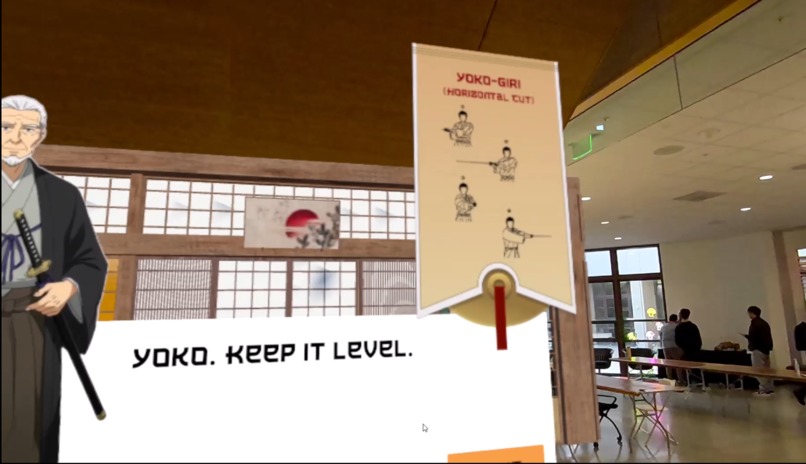
The player enters the world as a young son whose father has died in a devastating war. Soon, the kingdom recruits him for training—both to honor his father's legacy and to prepare him for the growing conflict.
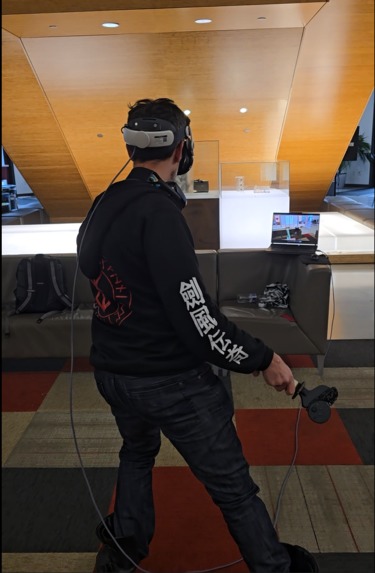
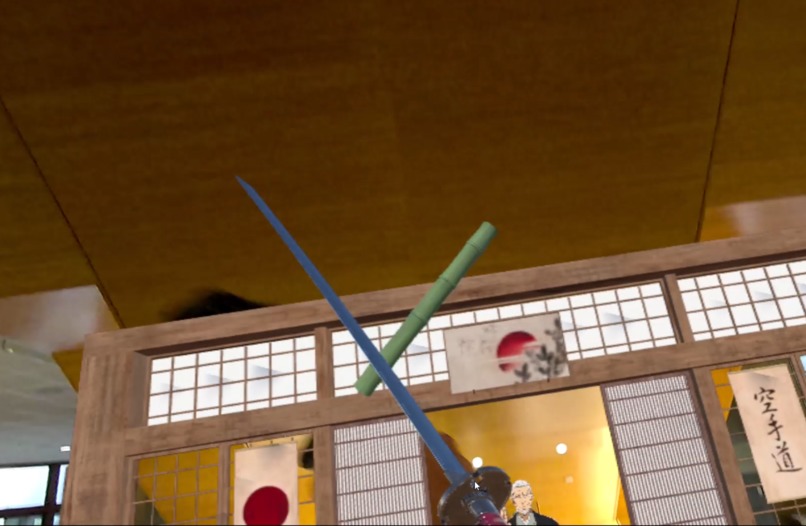
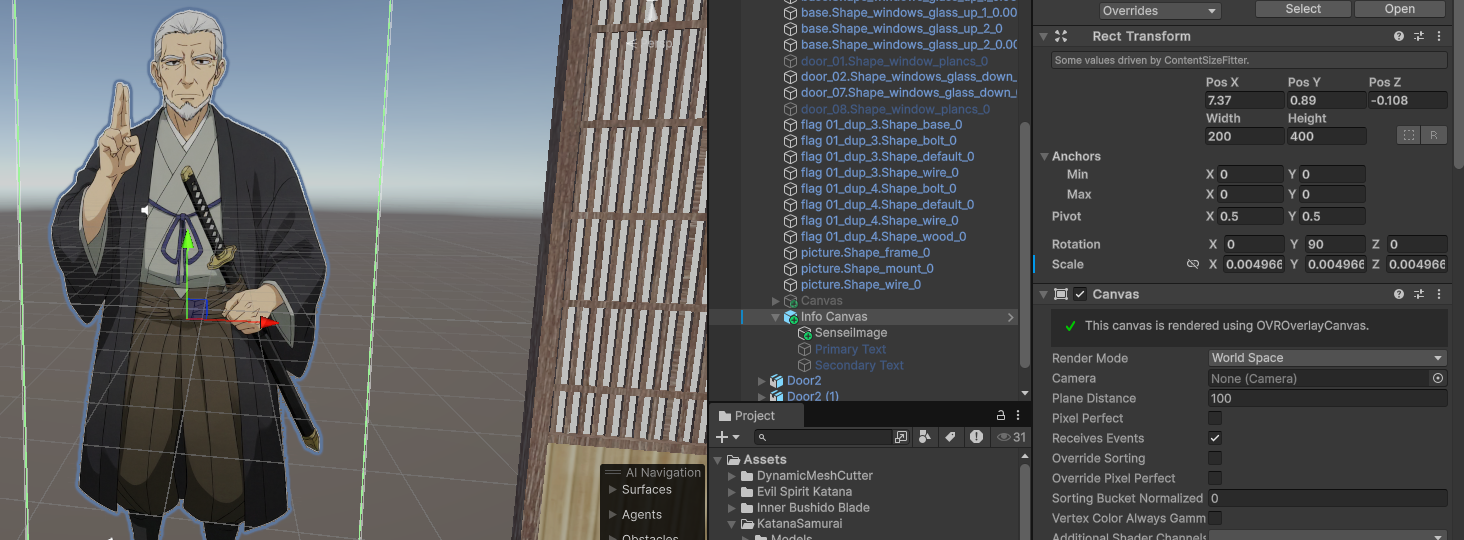
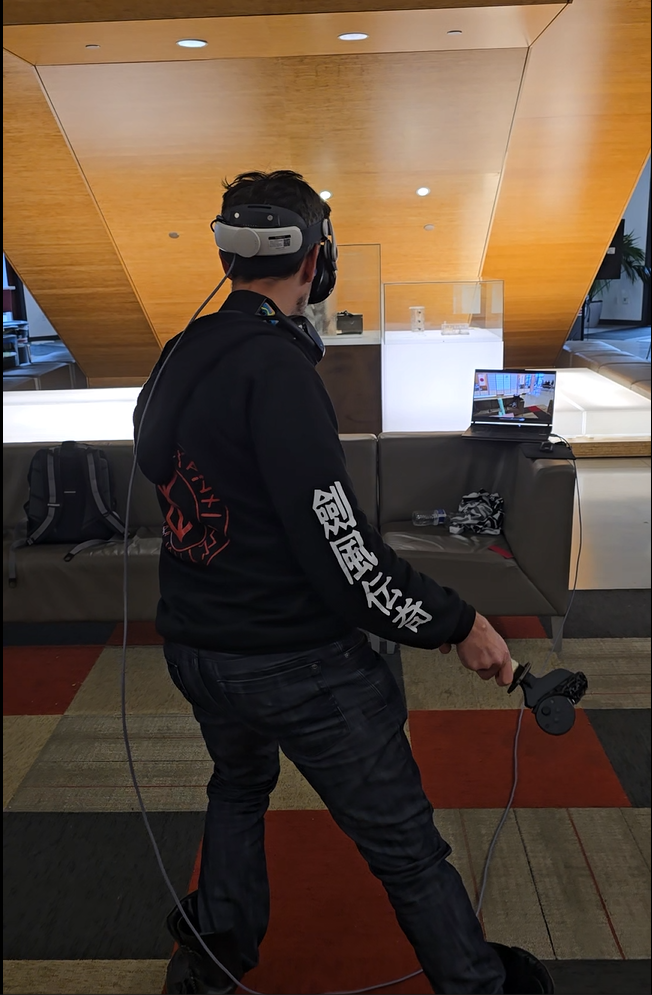
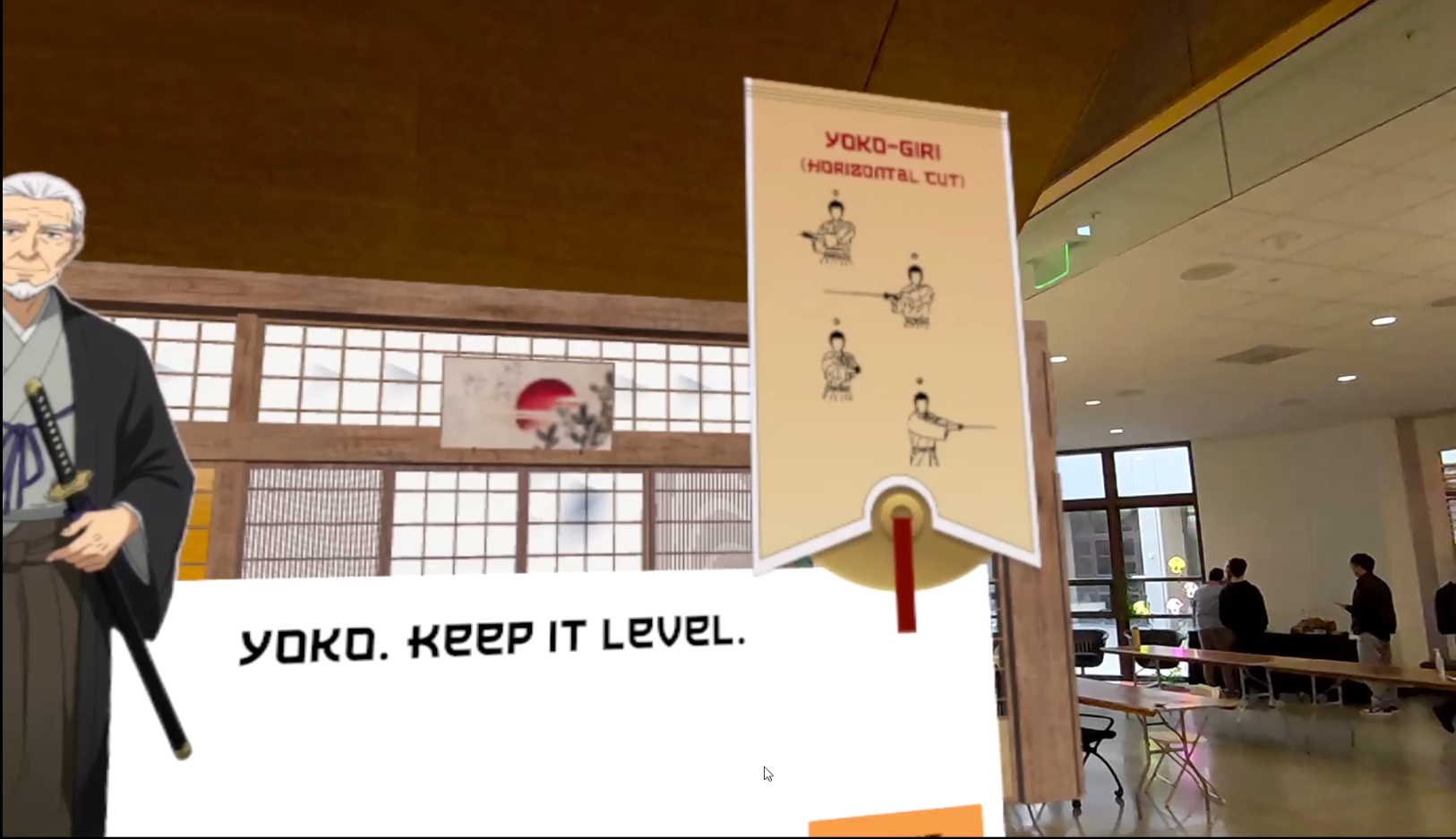
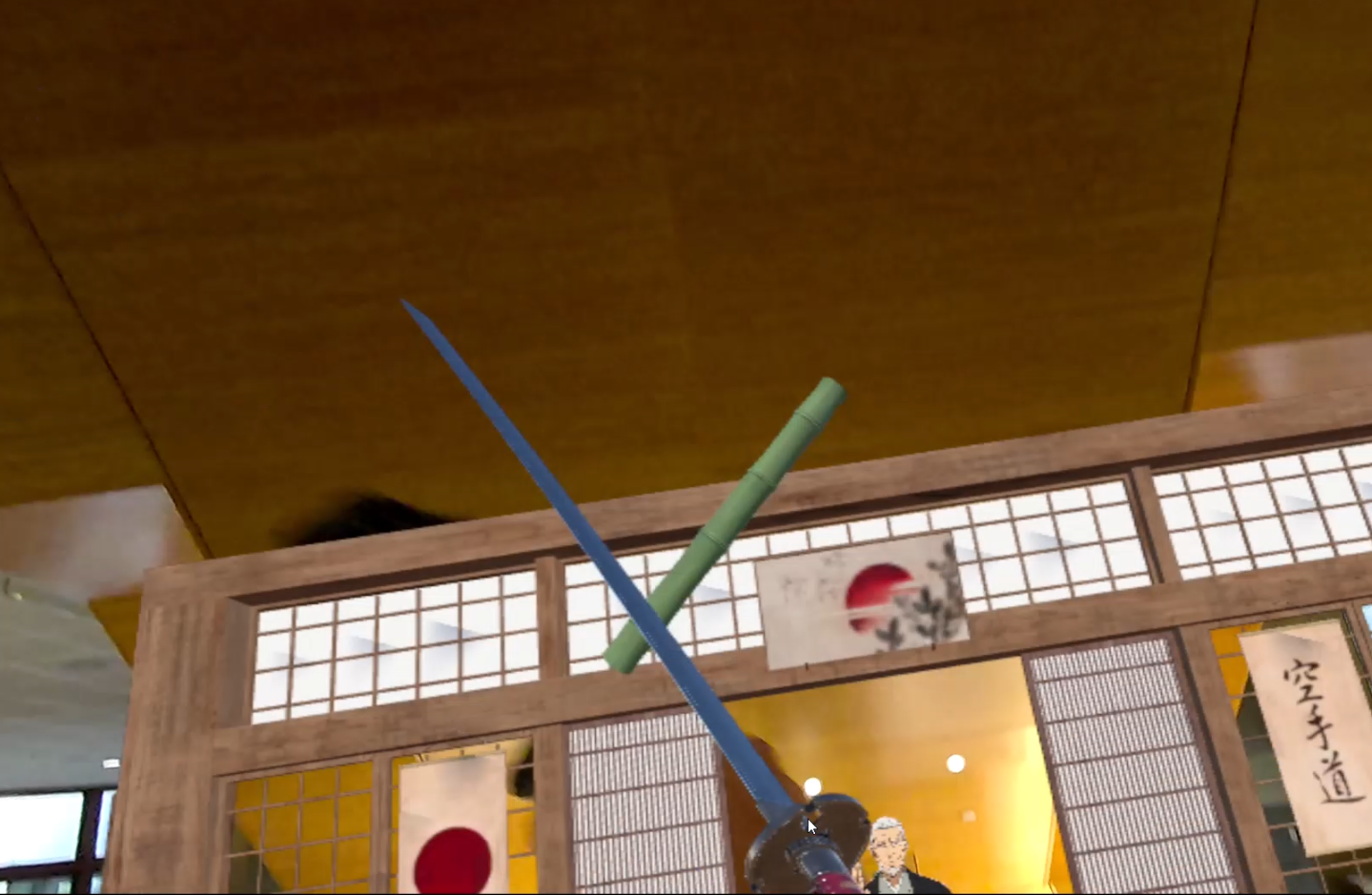
As the headset blends the physical room with digital overlays, the player slices approaching targets with a katana or a controller. Every movement becomes part of the son's emotional journey from grief to purpose.
How we built
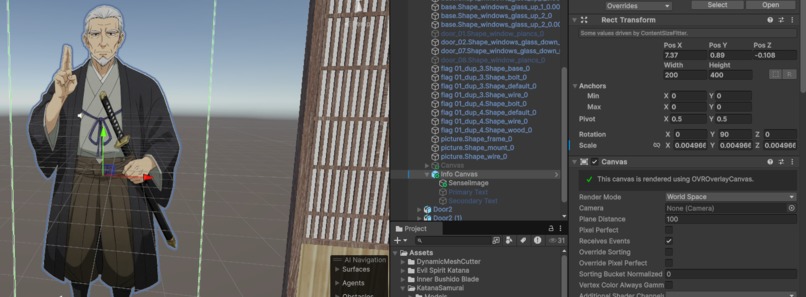
- Mixed reality integration : used AR spatial mapping to anchor 3d models ( enemies and targets ) to the physical room, Implemented dynamic positioning so targets appear where the player can naturally reach.
- Dual-weapon system : VR katana mode or controller mode
- Story-based : emotional connections that users can relate
- Audio : battlefield audio effects.
Challenges we faced
- Cross-platform implementation challenges : bringing our mixed-reality game to multiple platforms turned out to be one of the hardest parts of development. Each headset has its own rules, limitations, and quirks: every headset and device tracks motion differently work in different operating system. For example, our game supports katana mode and controller mode, but not all platforms interpret hand movements in the same way.
- Our members have different experience in different headsets, or zero experience in some headsets. Each member needed quite a lot of time to test a headset that have never tried before. Therefore, testing became a full-time job.
- A feature that worked perfectly on one system was broken on another.
Accomplishments that we're proud of
One of the biggest successes of this project was how well our team’s diverse skills came together. Each member brought something unique, and we managed to place every talent exactly where it mattered most. We’re most proud of how well our team worked together.
Every discipline : coding, video making, storytelling, and 3D modeling slotted into the right place like pieces of a puzzle. Because of that collaboration, we were able to finish a game that feels complete, polished, and deeply personal.
- Coding and systems design: the mixed-reality interactions, dual weapon modes (katana or controller), physics-based movement, cross-platform compatibilities.
- Video production and cinematic storytelling: our video creators produced emotional cutscenes, training montages visual transitions that tied the real world to the MR world.
- Narrative writing: our storytellers crafted a compelling father–son connection that a world that players care about. It turned gameplay into a meaningful emotional journey.
- 3D modeling and visual art: our 3D modeler and artists designed game objects, training environments, and MR overlays that blended naturally with real-world space.
What we learned
Building this mixed-reality game taught us far more than we expected. Every part of the process from storytelling to coding to headsets testing.
What's next for Katana Samurai
We want to add user based challenge modes such as precision slicing challenges, a ranking system.

Log in or sign up for Devpost to join the conversation.