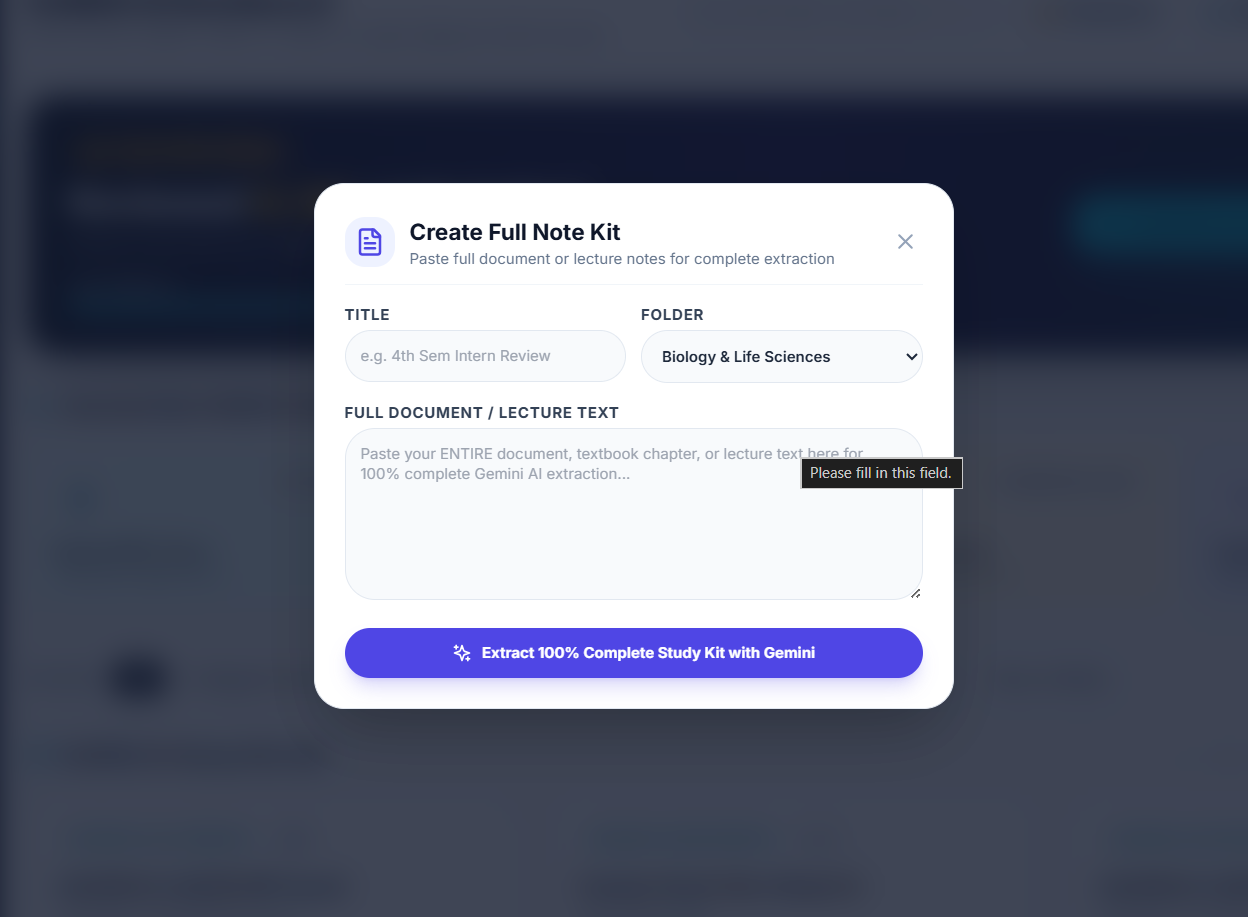
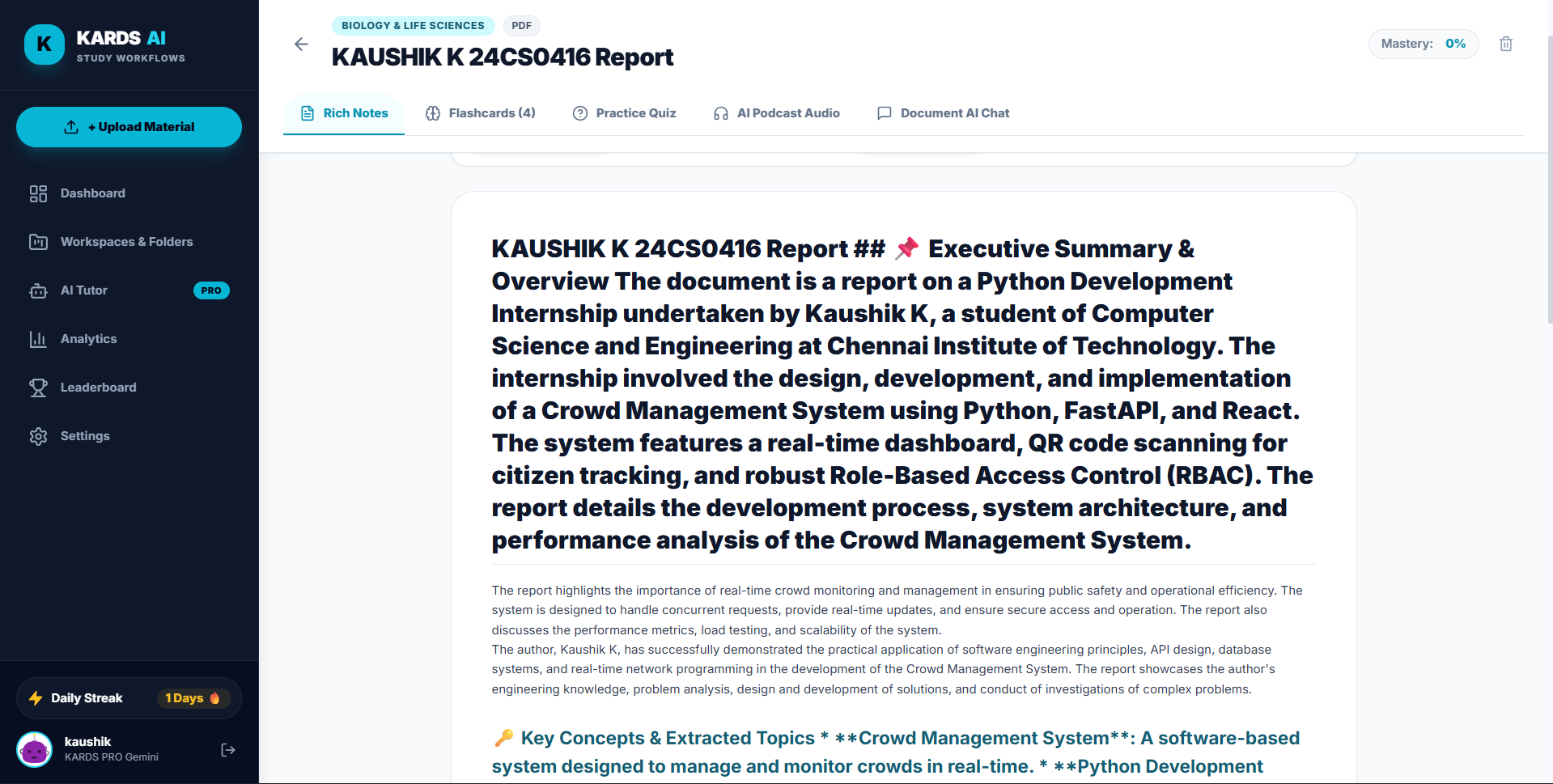
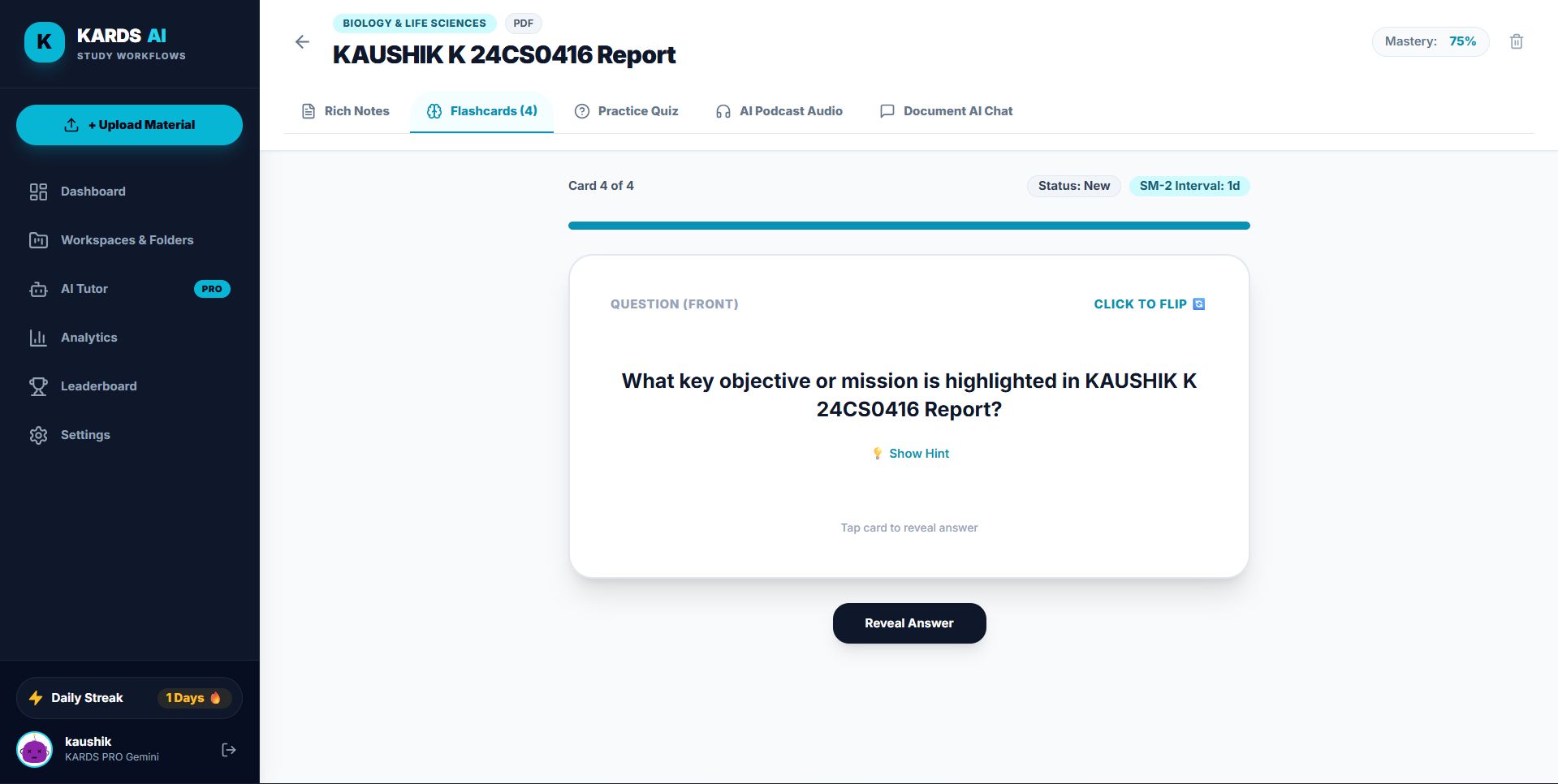
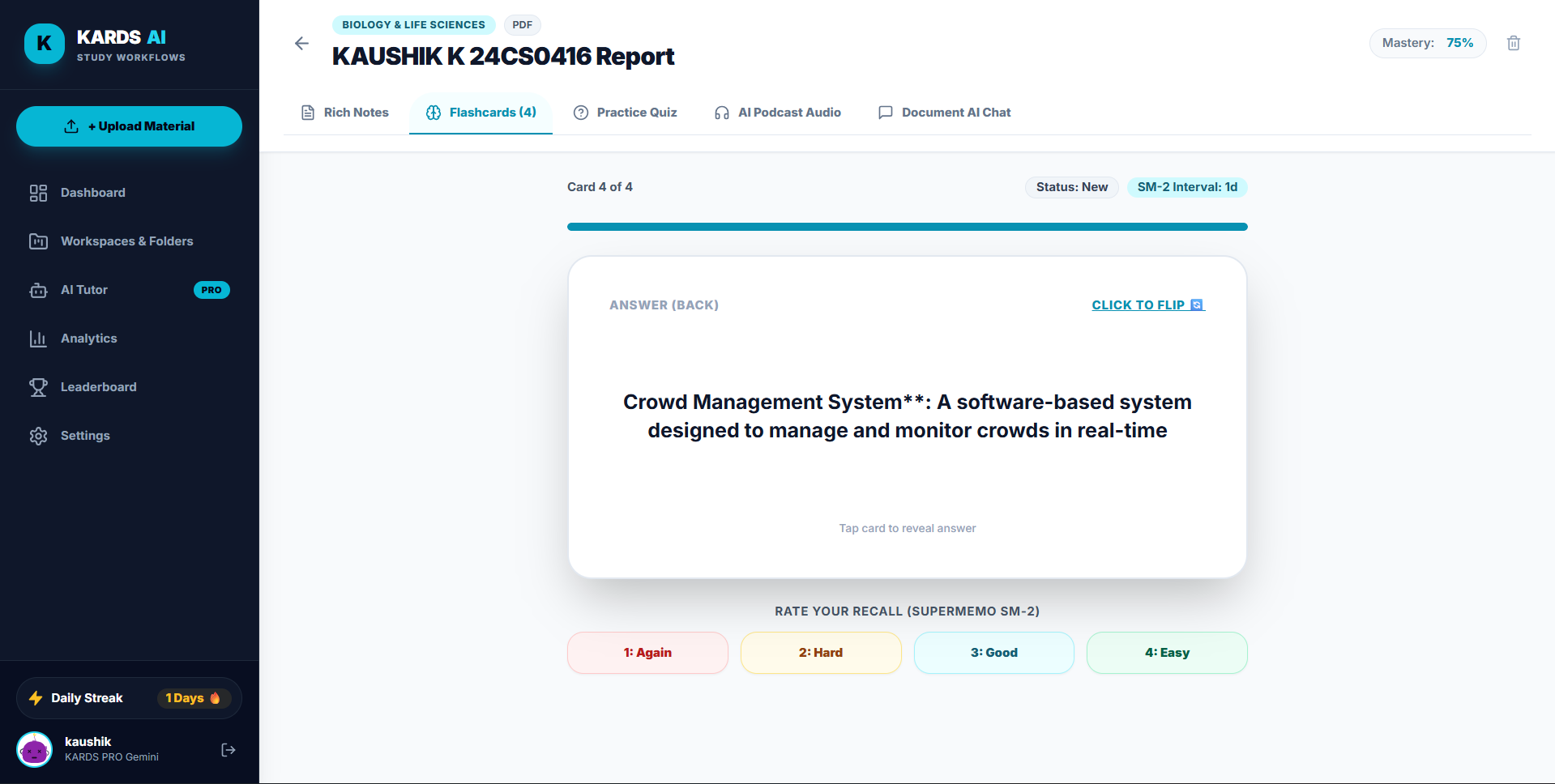
💡 Inspiration Every semester, students face the same exhausting cycle: drowning in 100-page slide decks, research papers, and dense textbook PDFs. Research on the Ebbinghaus Forgetting Curve shows that learners forget over 70% of new information within 48 hours if they rely solely on passive reading.
While active recall and spaced repetition (like flashcards and quizzes) are scientifically proven to maximize memory retention, manually creating them takes hours of tedious effort. Existing tools are fragmented—generic AI tools hallucinate details disconnected from class notes, while traditional flashcard apps require painstaking manual data entry.
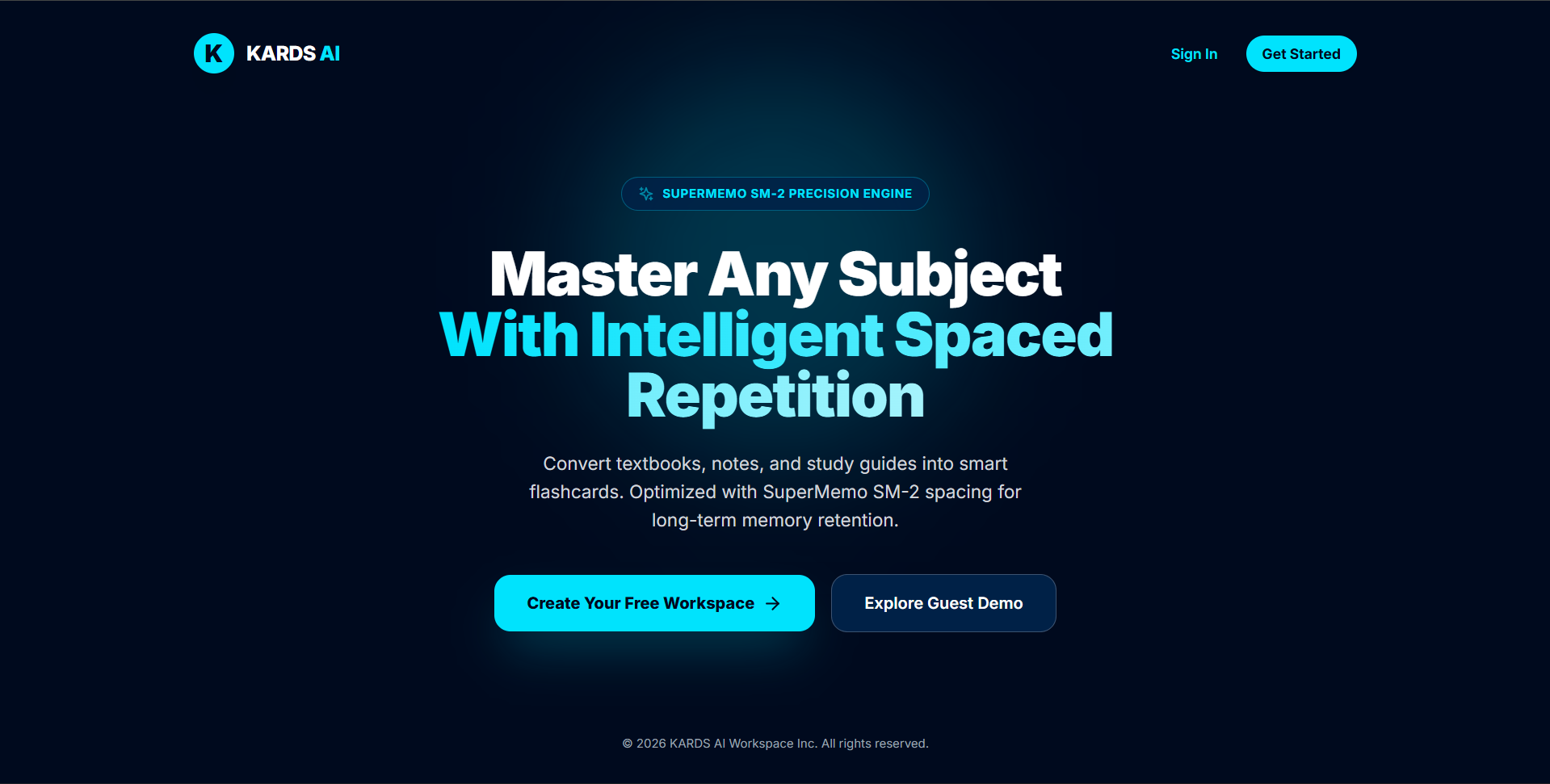
We built KARDS AI to bridge this gap: an all-in-one, multi-modal study operating system that instantly converts raw educational materials into structured, adaptive, and scientifically scheduled learning resources.
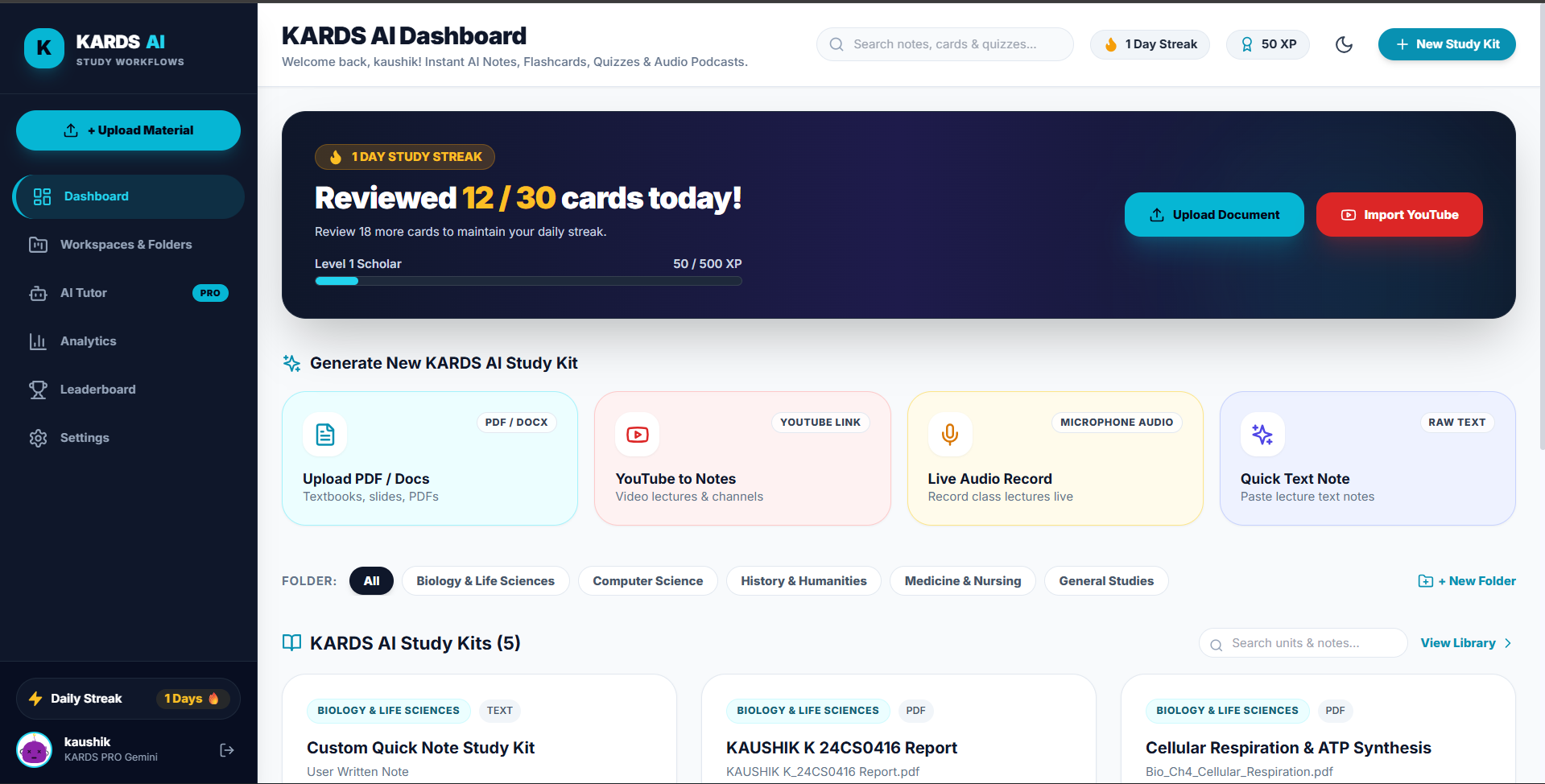
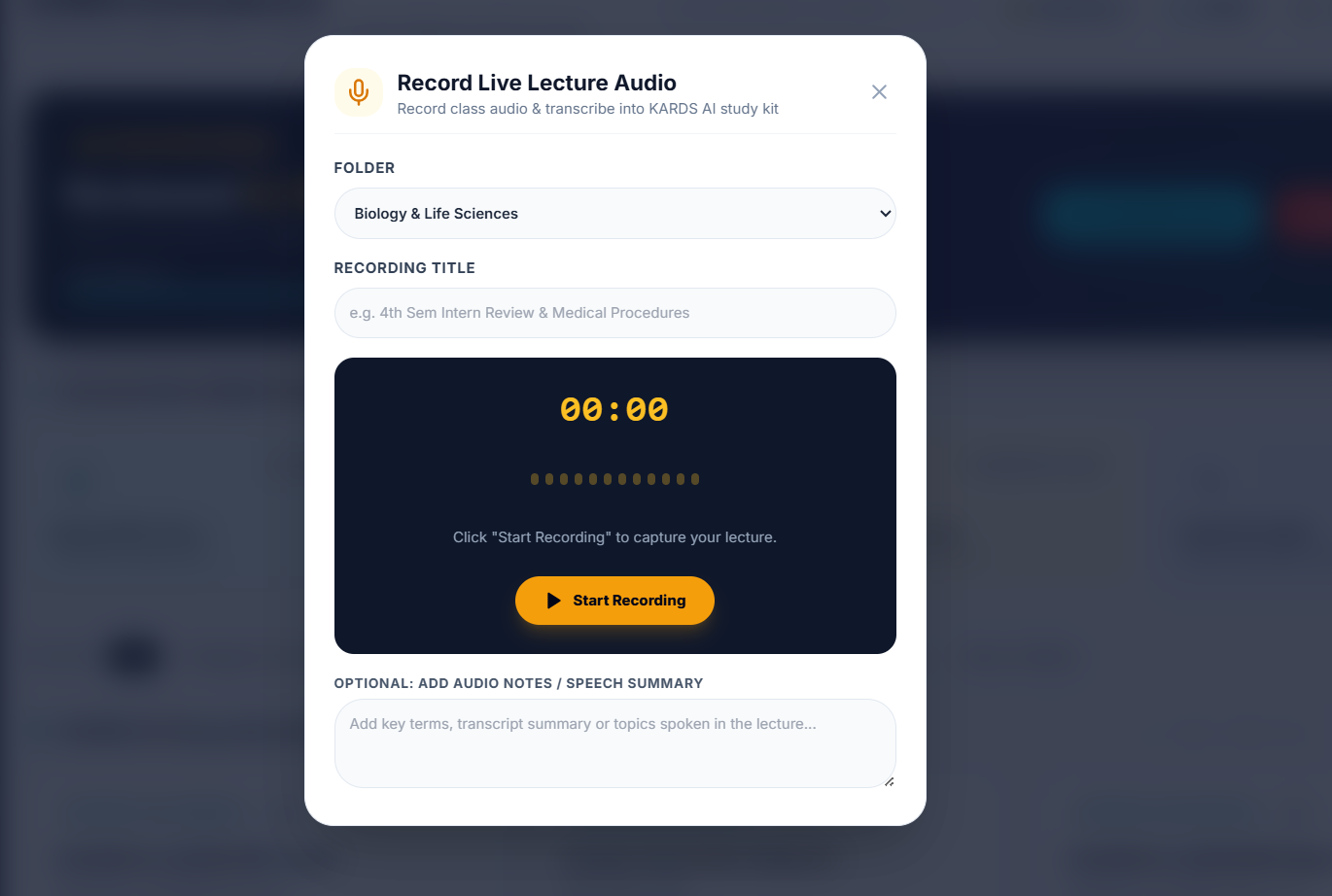
⚡ What it does KARDS AI is an intelligent learning ecosystem that transforms how students study across multiple modalities:
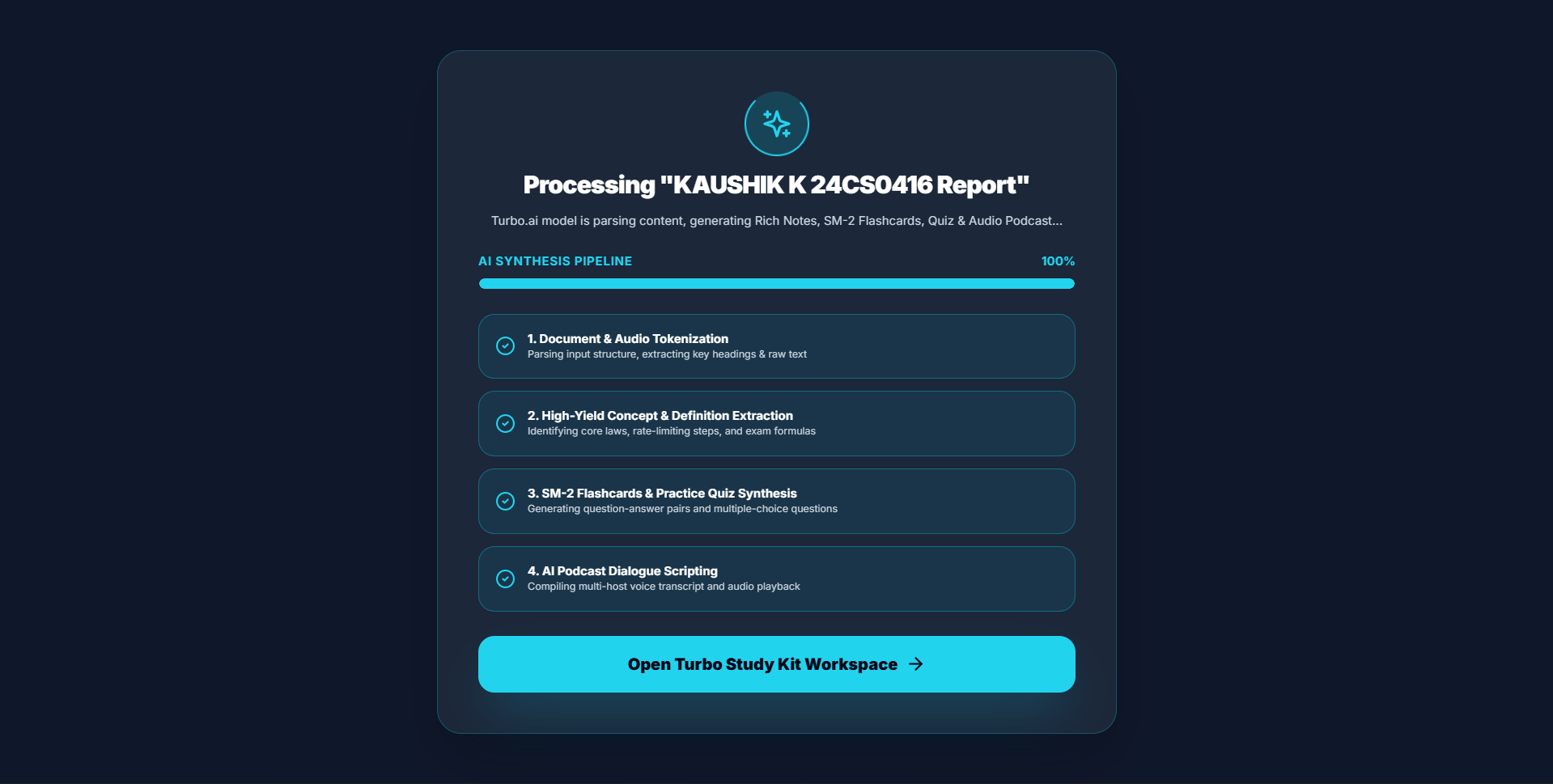
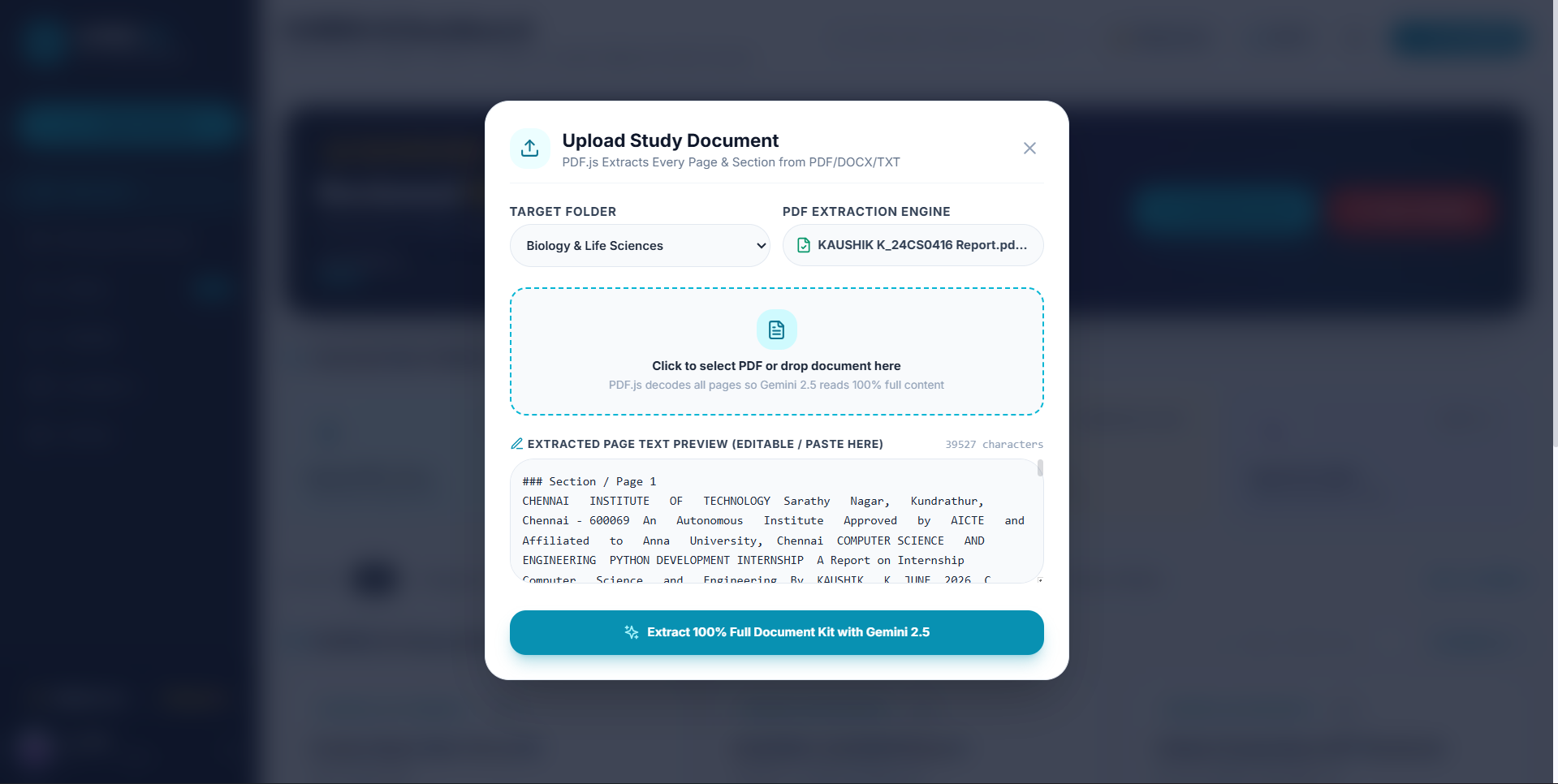
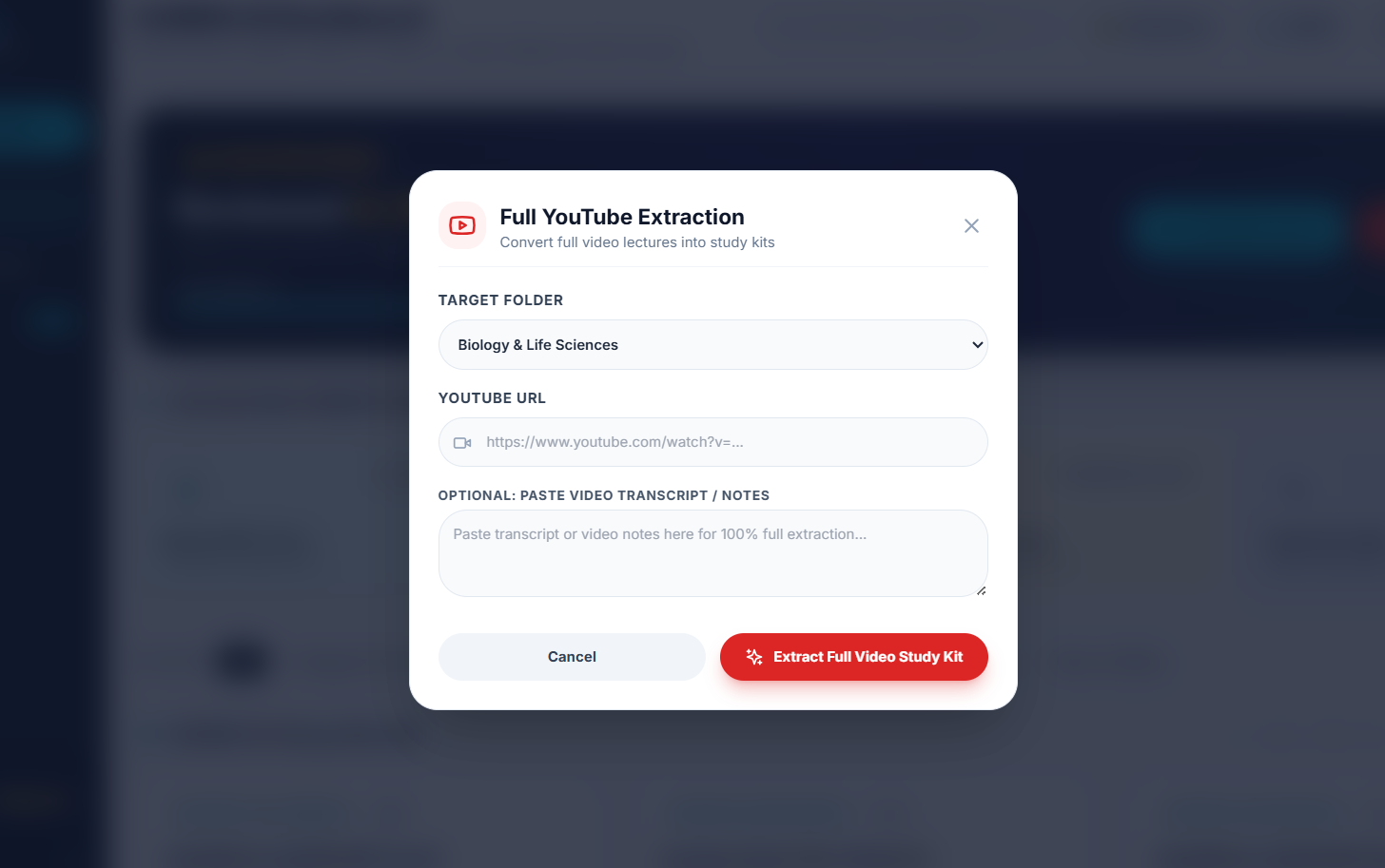
Instant Multi-Modal Ingestion: Ingests raw PDF documents, live audio/lecture recordings, YouTube lecture links, and markdown notes directly in the browser. Document-Grounded Study Kit Generation: Powered by Google Gemini and high-speed LLMs, it automatically synthesizes high-yield structured summaries, concise formula breakdowns, and executive notes strictly grounded in the uploaded material.
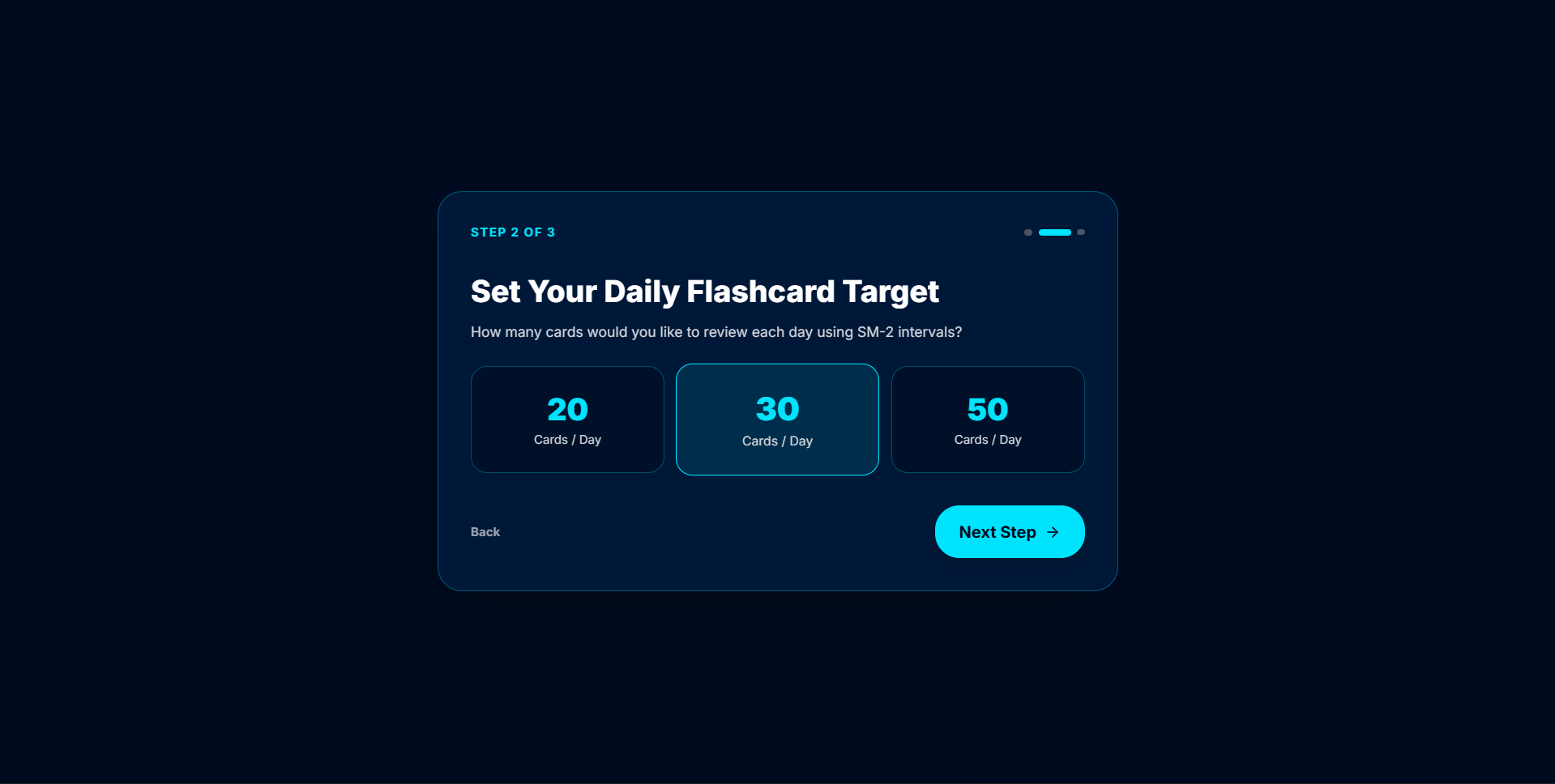
Smart Spaced Repetition ( SuperMemo SM-2): Auto-generates interactive flashcards equipped with dynamic difficulty scoring, hint generation, and an active recall scheduler that calculates optimal review intervals.
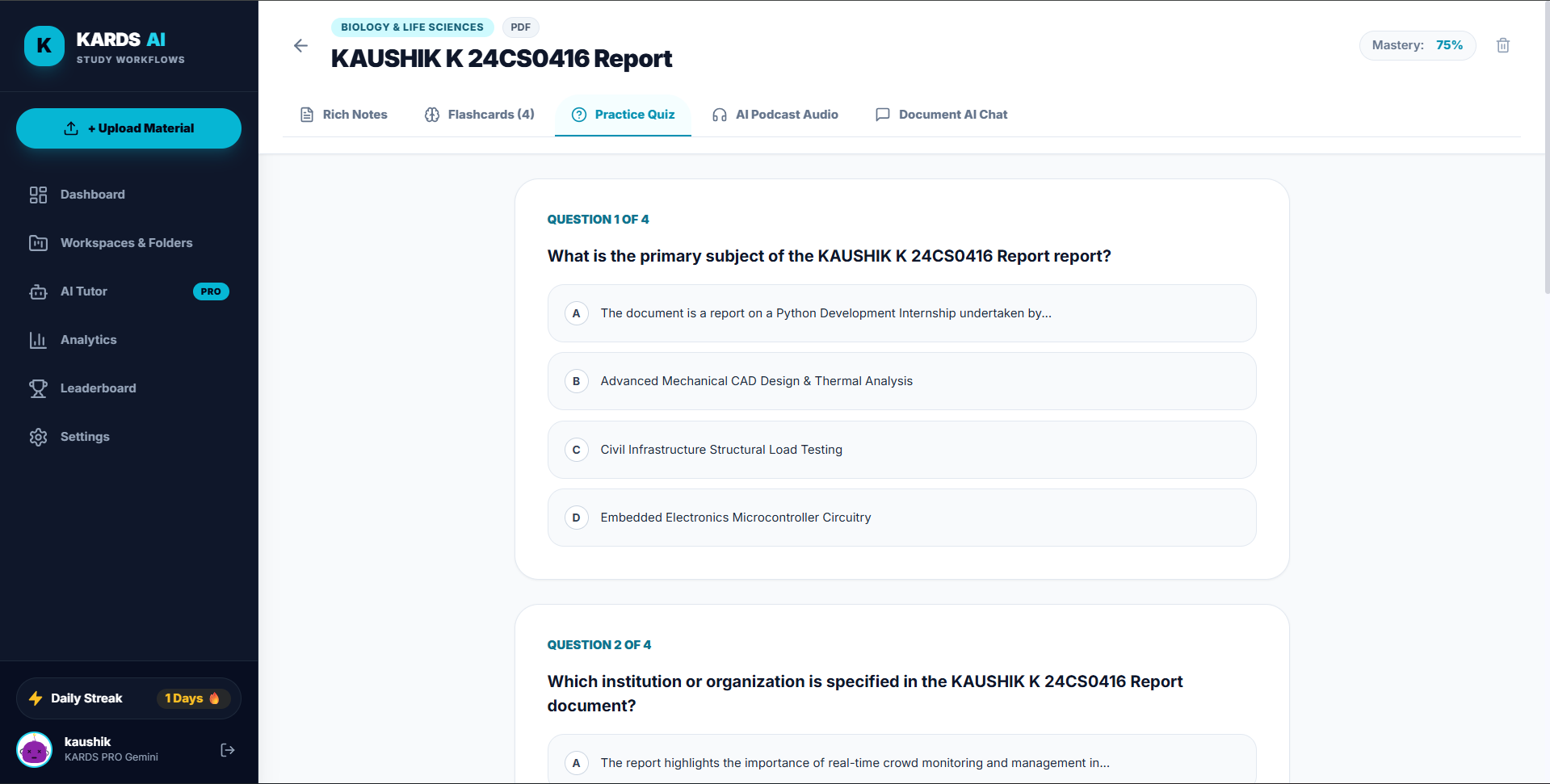
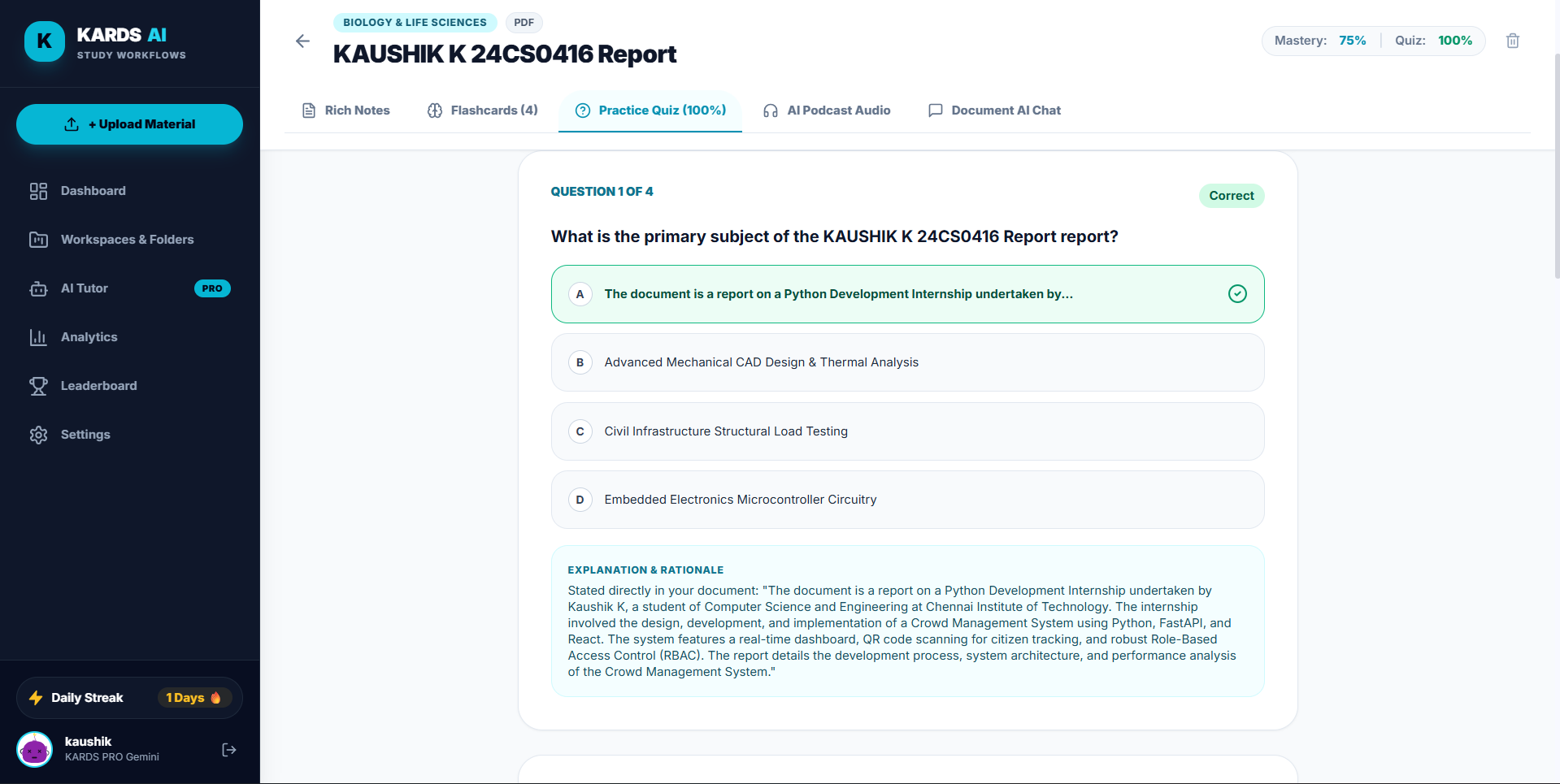
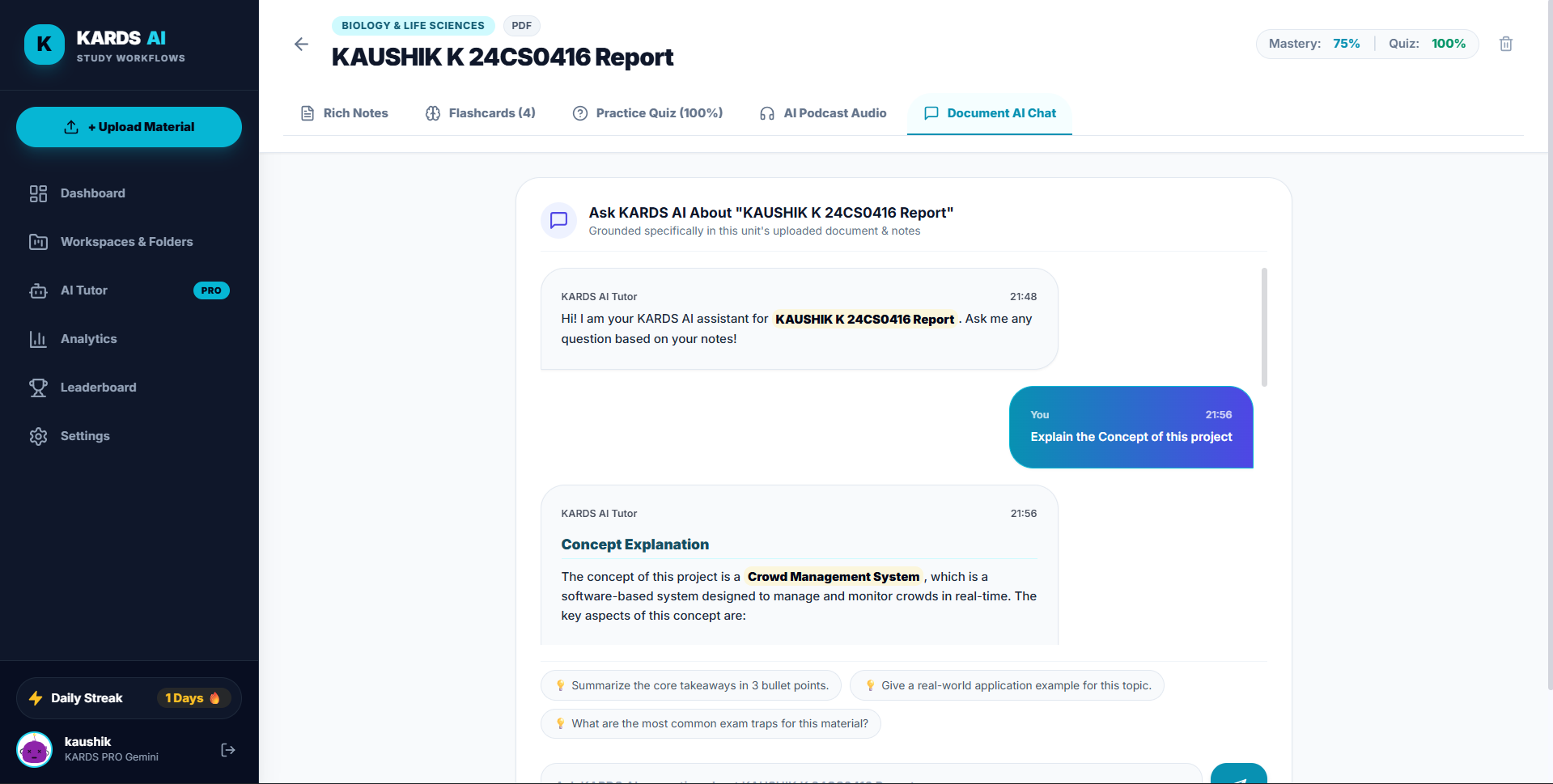
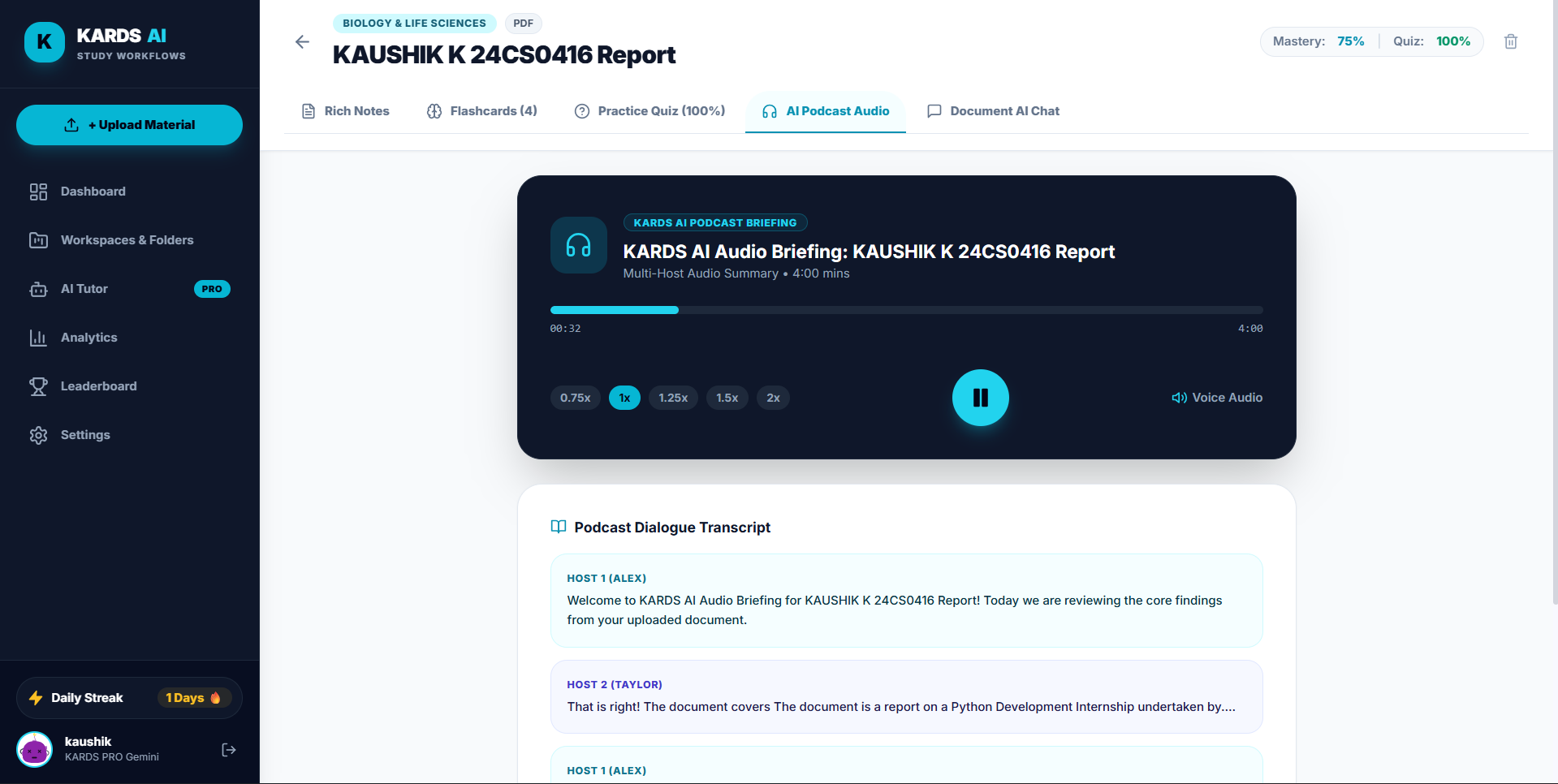
Timed Interactive Quizzes: Creates challenging multiple-choice practice exams with instant answer validation, detailed rationales, and topic-level accuracy tracking. 2-Host AI Podcast Briefings: Converts dense chapter notes into engaging, conversational audio scripts (Alex & Taylor) for auditory learners on the go. 1-on-1 Contextual AI Tutor: An interactive chat mentor that answers student questions strictly referenced from the uploaded document text. Mastery Heatmaps & Gamification: Visualizes learning consistency with topic mastery heatmaps, XP leaderboards, study streaks, and study group collaboration.
🛠️ How we built it We engineered KARDS AI with a focus on speed, responsiveness, and zero-server-overhead:
Frontend & UI: Built with React 18 and Vite for ultra-fast Hot Module Replacement (HMR) and lightweight bundling, styled using Tailwind CSS with a custom modern design system and Lucide icons. Browser-Native Ingestion: Integrated PDF.js to parse and extract text directly from compressed PDF streams entirely on the client side—eliminating server latency and compute costs. AI Intelligence Pipeline: Connected to Google Gemini 2.0 / 2.5 Flash and Groq for high-throughput, low-latency prompt execution, using structured JSON schemas to reliably output flashcards, quizzes, and podcast dialogues. Spaced Repetition Engine: Implemented a JavaScript engine based on the SuperMemo SM-2 algorithm, computing Ease Factors ( E F EF), repetition counts, and interval curves per card. Mobile & Offline Packaging: Configured with Capacitor 8 to bundle the web platform as an installable cross-platform Android application with offline-first state persistence via React Context and LocalStorage.
🥊 Challenges we ran into PDF Stream Parsing in the Browser: Extracting raw text from complex multi-page PDFs with varying font encodings and binary streams without sending files to a Python backend was difficult. We resolved this by building a dedicated PDF.js extraction pipeline with regex sanitizers to strip stream artifacts. Eliminating AI Hallucinations: Generic prompts often produced flashcard answers from general internet knowledge rather than the student's specific syllabus. We engineered strict context-grounding prompts with validation gates that constrain the model's source of truth exclusively to the uploaded text. Formatting Flashcard Conciseness: Initial LLM responses generated verbose paragraph answers that cluttered the flashcard UI. We tuned the synthesis prompt with strict token limits and added client-side post-processors to enforce high-yield, 5–15 word answers. API Failover & Resilience: To ensure 100% demo reliability regardless of rate limits or missing API keys, we built a redundant multi-provider fallback architecture.
🏅 Accomplishments that we're proud of Sub-5-Second Full Study Kit Generation: Achieving end-to-end PDF parsing, summarization, flashcard generation, quiz generation, and podcast script synthesis in a single fluid workflow under 5 seconds. Client-Side Heavy Architecture: Running document extraction in the browser, making the entire platform scalable to thousands of users with negligible cloud infrastructure cost. True Multi-Modal Learning: Delivering visual (flashcards & notes), interactive (quizzes & AI tutor), and auditory (podcast briefings) learning modes within one seamless dashboard. Cross-Platform Readiness: Taking the project from a modern Progressive Web App to a fully packaged native Android APK using Capacitor.
📚 What we learned Deep dive into prompt engineering for structured data, specifically constraining generative LLMs to return strict, deterministic JSON schemas for complex UI components. Practical mastery of cognitive learning algorithms (Ebbinghaus Forgetting Curve & SM-2) and how to model human memory decay algorithmically in client state. The power and performance of client-side web technologies (PDF.js, Web Audio API) in offloading heavy computational workloads from backend servers.
🚀 What's next for KARDS AI Text-to-Speech (TTS) Voice Synthesis: Integrating real-time realistic voice generation (e.g., ElevenLabs / Gemini Audio) so students can listen to their AI podcast briefings as actual audio files during their commutes. OCR for Handwritten Notes: Adding multi-modal vision recognition to ingest handwritten whiteboard photos and notebook sketches. Classroom & Team Sync: Enabling professors and study groups to publish shared decks with real-time analytics on student mastery. Native App Store Deployment: Publishing to the Google Play Store and Apple App Store via our Capacitor mobile pipeline.

Log in or sign up for Devpost to join the conversation.