-
-

App Icon
-
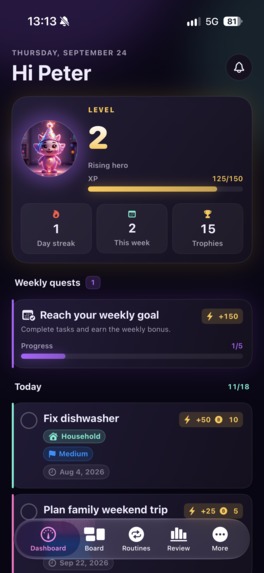
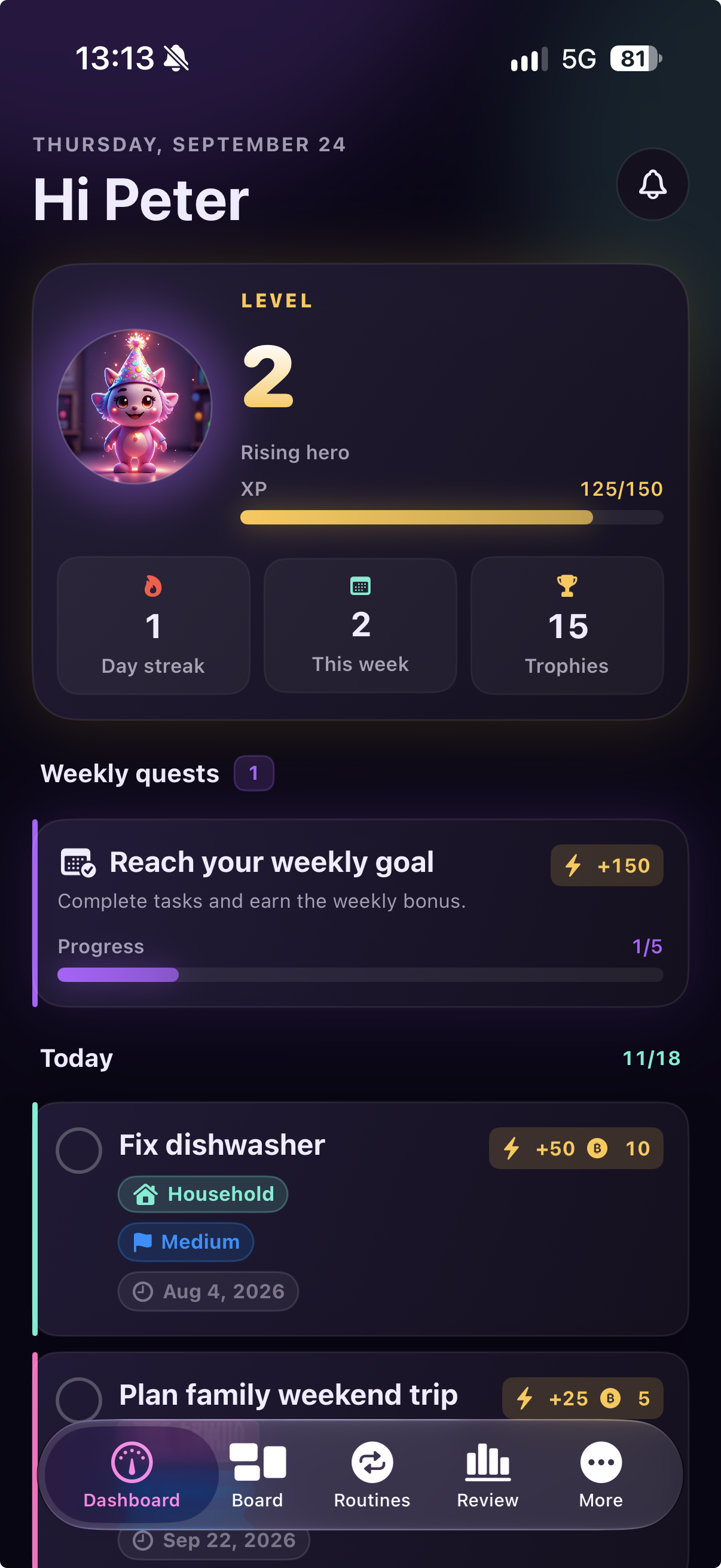
Dashboard
-
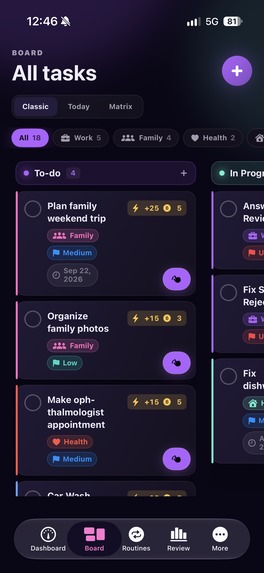
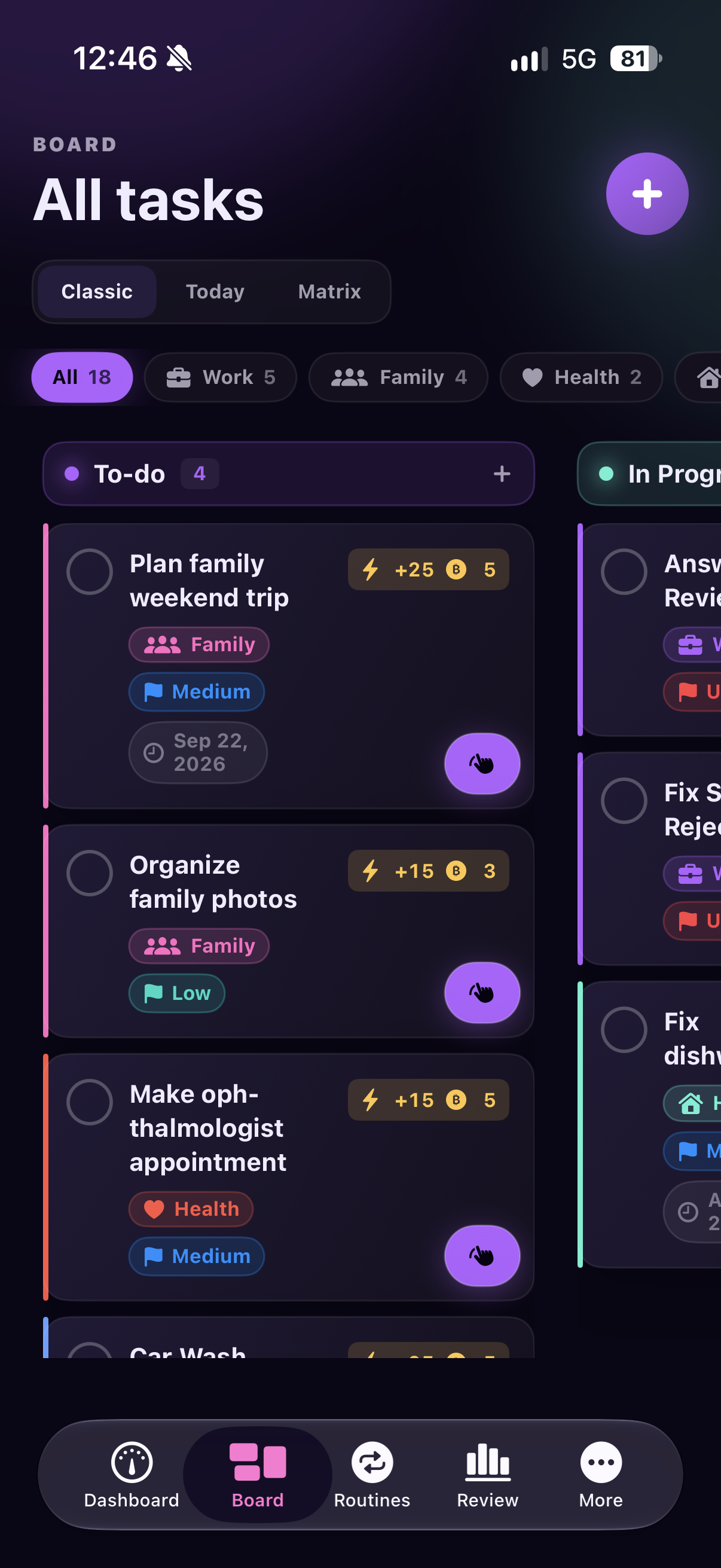
Kanban Board
-
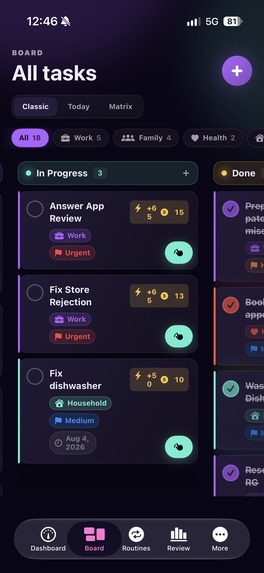
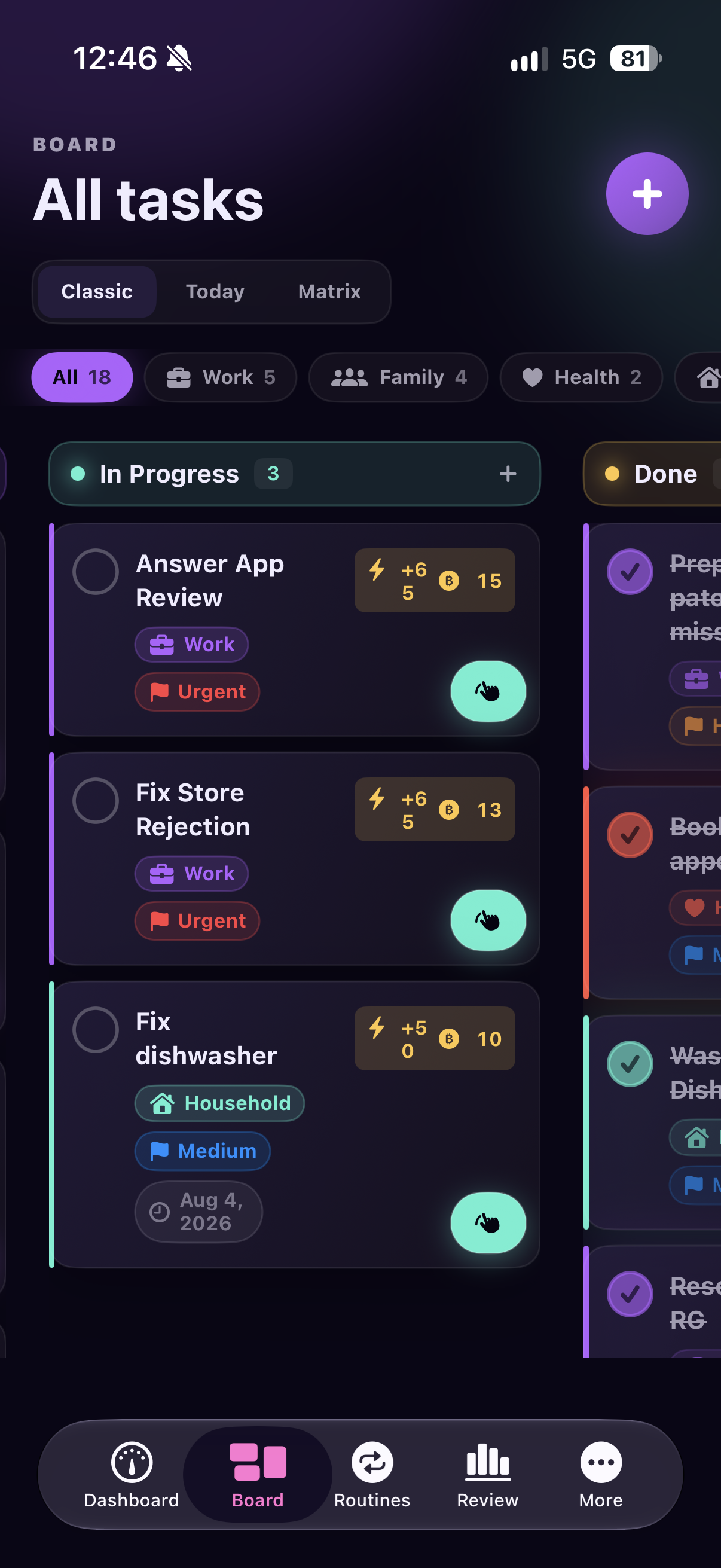
Kanban Board
-
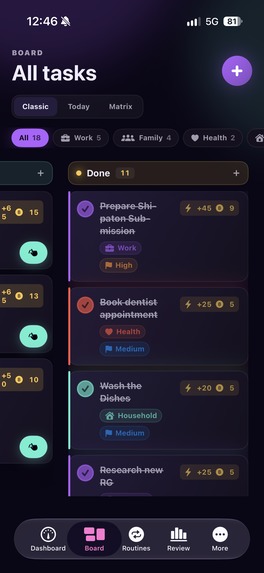
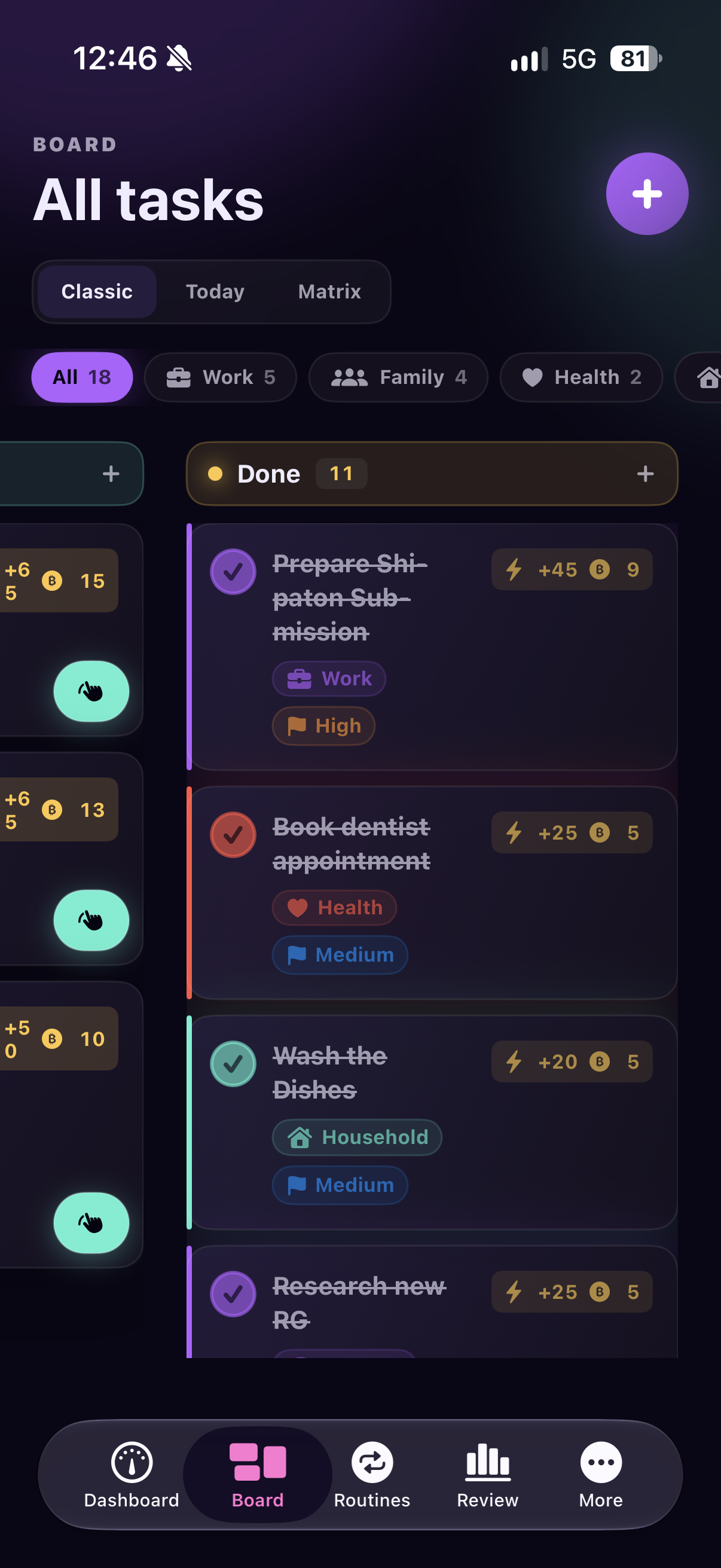
Kanban Board
-
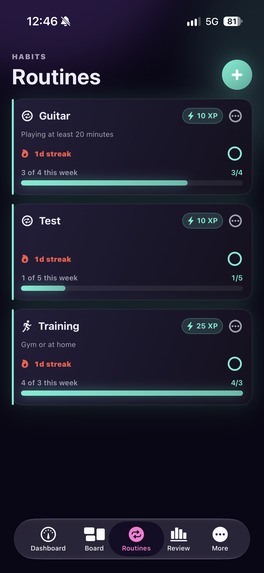
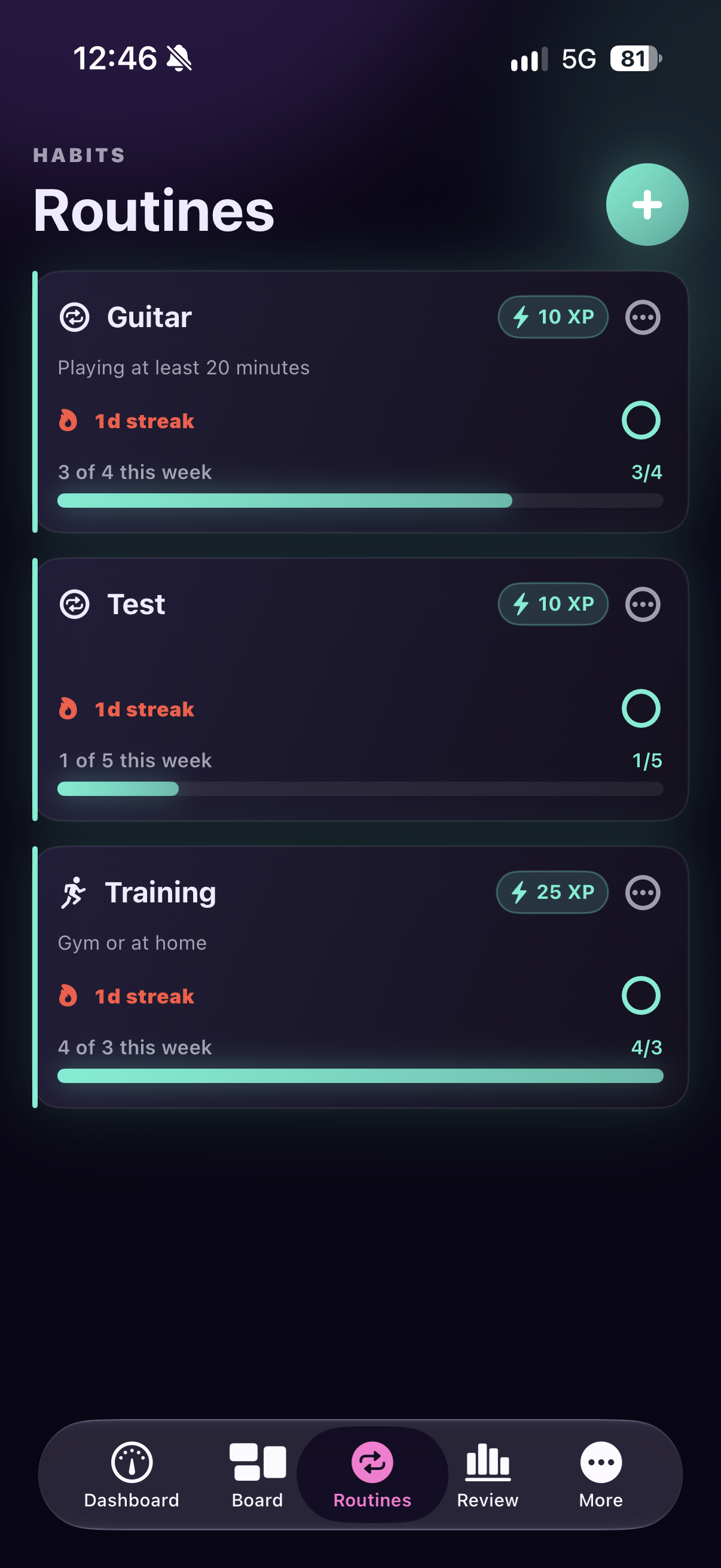
Add Routines for repeating tasks
-
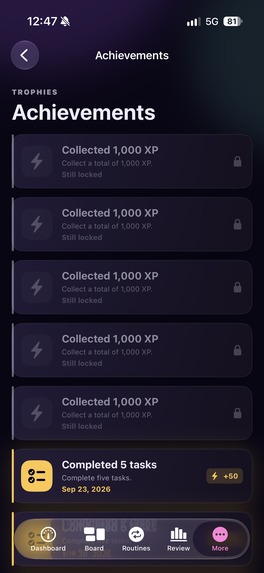
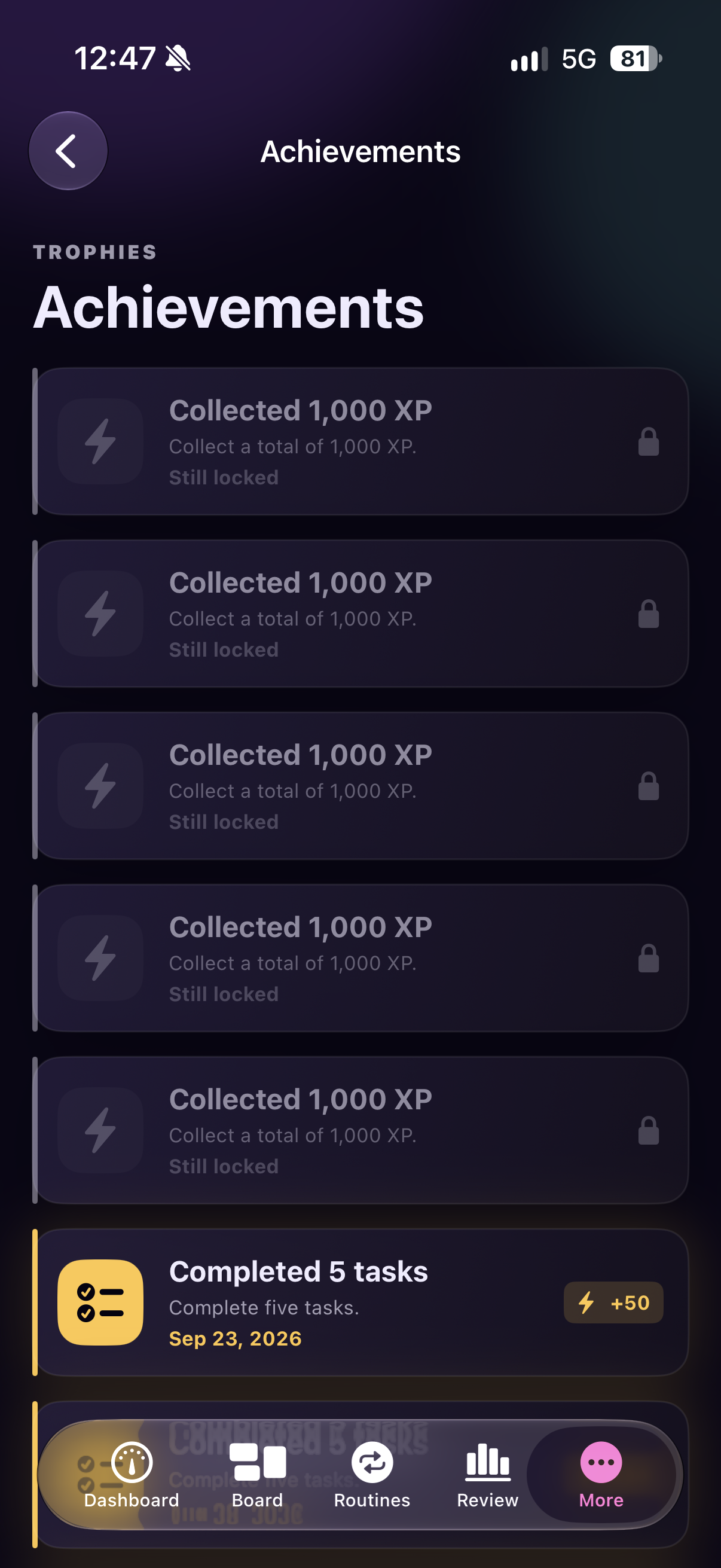
Earn Achivements to stay motivated
-
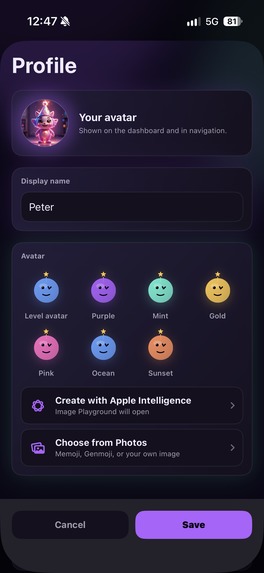
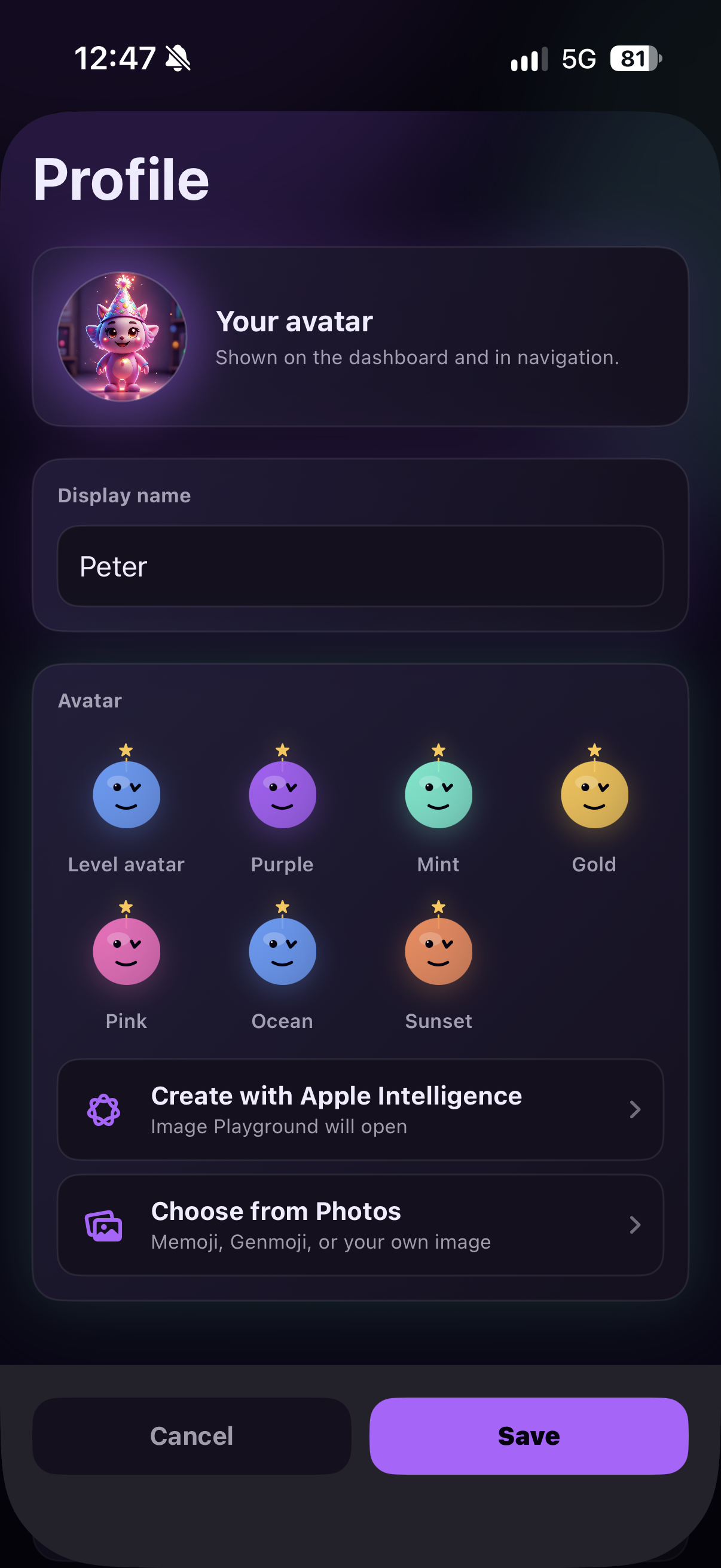
Customize your Avatar
-
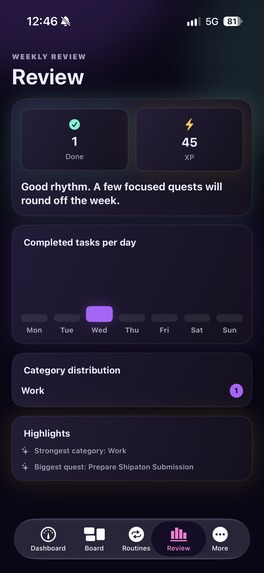
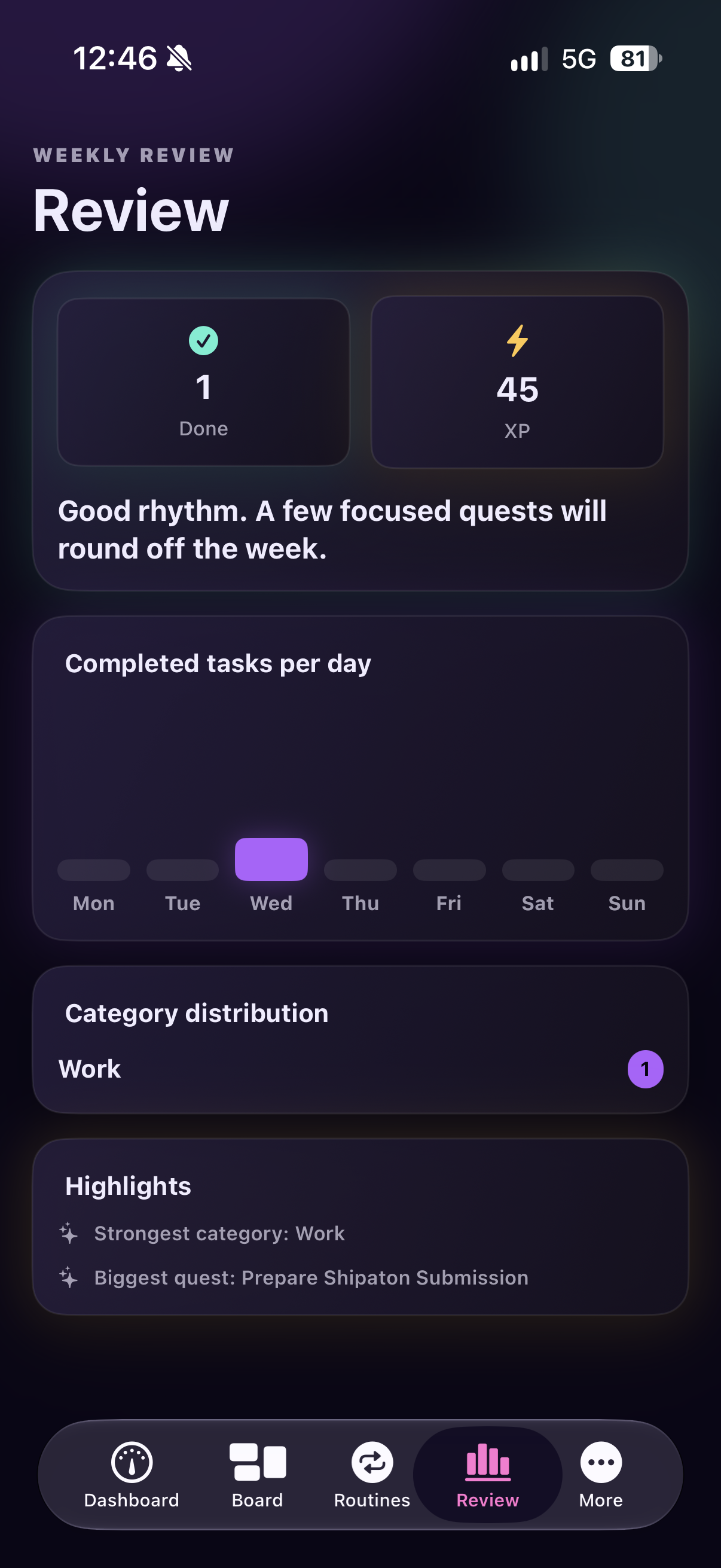
Stats Tab

Inspiration
KanToDo started with a very simple problem: I wanted a lightweight personal to-do app that worked the way I think about tasks.
I like Kanban boards and the simple flow of moving something from To Do → Doing → Done, but most tools I tried felt too complex for what I needed. I didn't want another project management system with teams, workspaces and dozens of features. I just wanted my own small, agile to-do board.
So I built one.
What KanToDo does
KanToDo turns a personal to-do list into a simple Kanban board.
Tasks move through three clear stages — To Do, Doing and Done — making it easy to see what is waiting, what I am currently working on and what I have already finished.
The focus throughout the project was simplicity. KanToDo is deliberately not trying to become a huge productivity platform. It is meant to be quick to open, easy to understand and useful for everyday tasks.
How I built it
KanToDo was built as a native Apple app using Swift and SwiftUI.
A big part of the development process was keeping the interface small and focused while still making the Kanban interaction feel natural on a mobile device. Instead of copying desktop project-management tools, I tried to reduce the concept to the parts that are actually useful for a personal task list.
AI-assisted development was also part of my workflow during the Shipaton, helping me iterate quickly on implementation and ideas while I remained responsible for the product decisions, design and final implementation.
Challenges
One of the biggest challenges was actually deciding what not to build.
It is very easy for a to-do app to grow into a full project-management system. Throughout development I kept coming back to the original question: Would I personally need this feature?
That constraint helped keep KanToDo focused on its original purpose.
What I learned
KanToDo reminded me that a project does not have to solve a completely new problem to be worth building.
Sometimes the best reason to build something is simply: I needed it, I couldn't find exactly what I wanted, so I made it myself.
What started as a small tool for myself became a finished app that I could ship for others as well — and KanToDo is now available for free on the App Store.


Log in or sign up for Devpost to join the conversation.