-
-
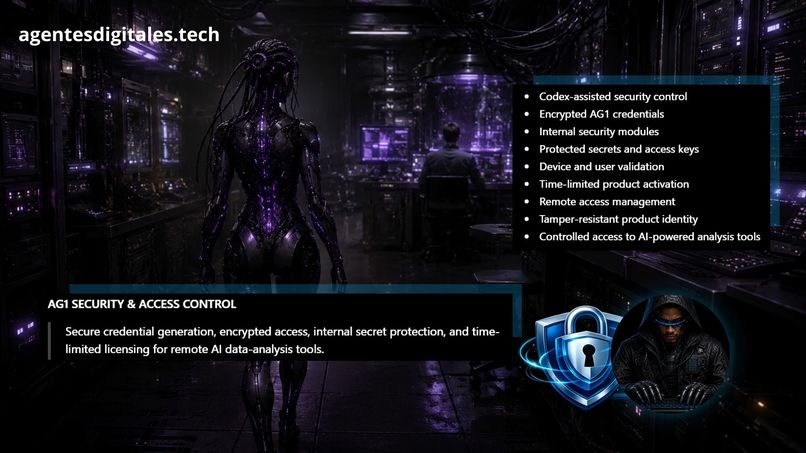
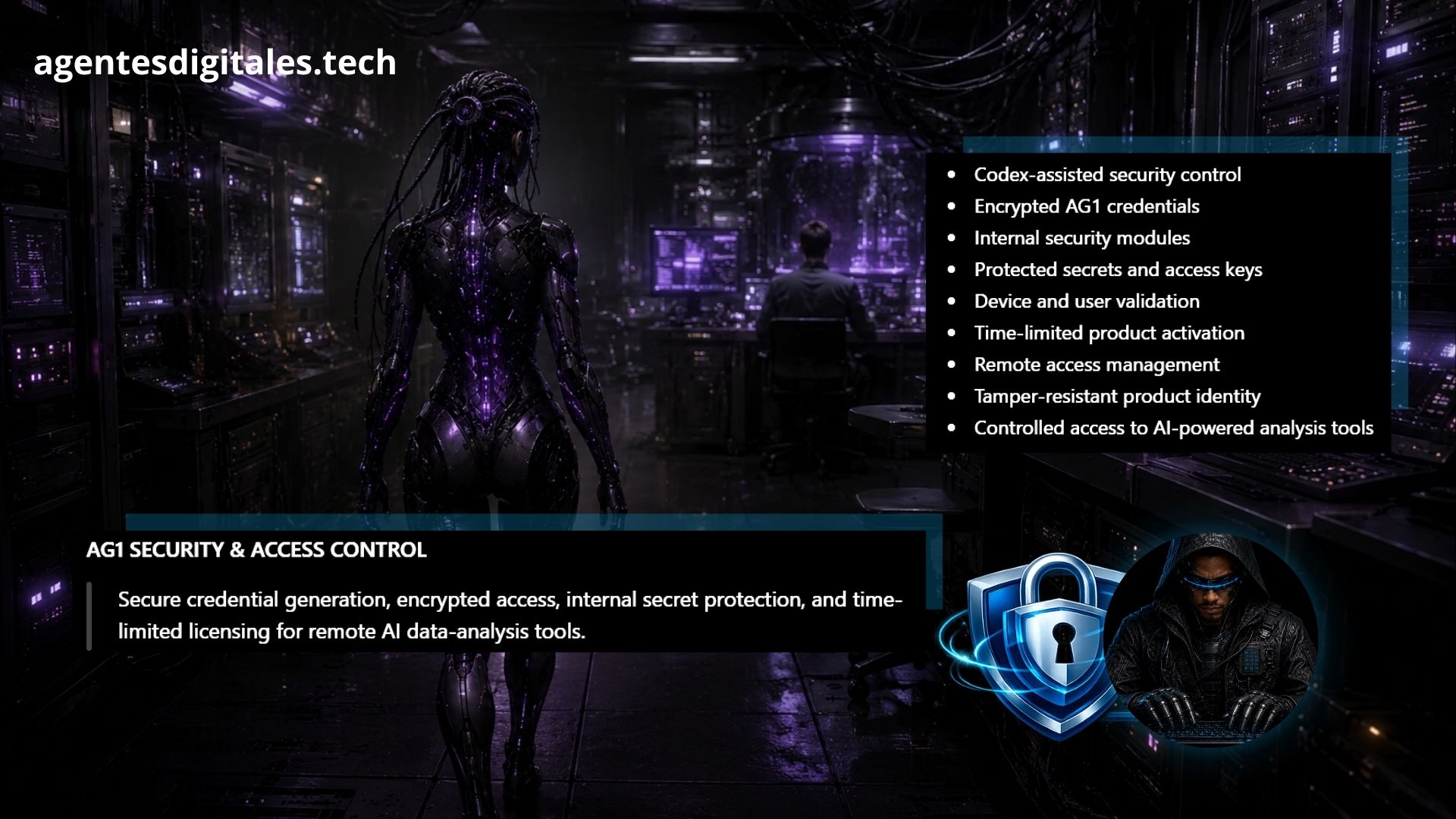
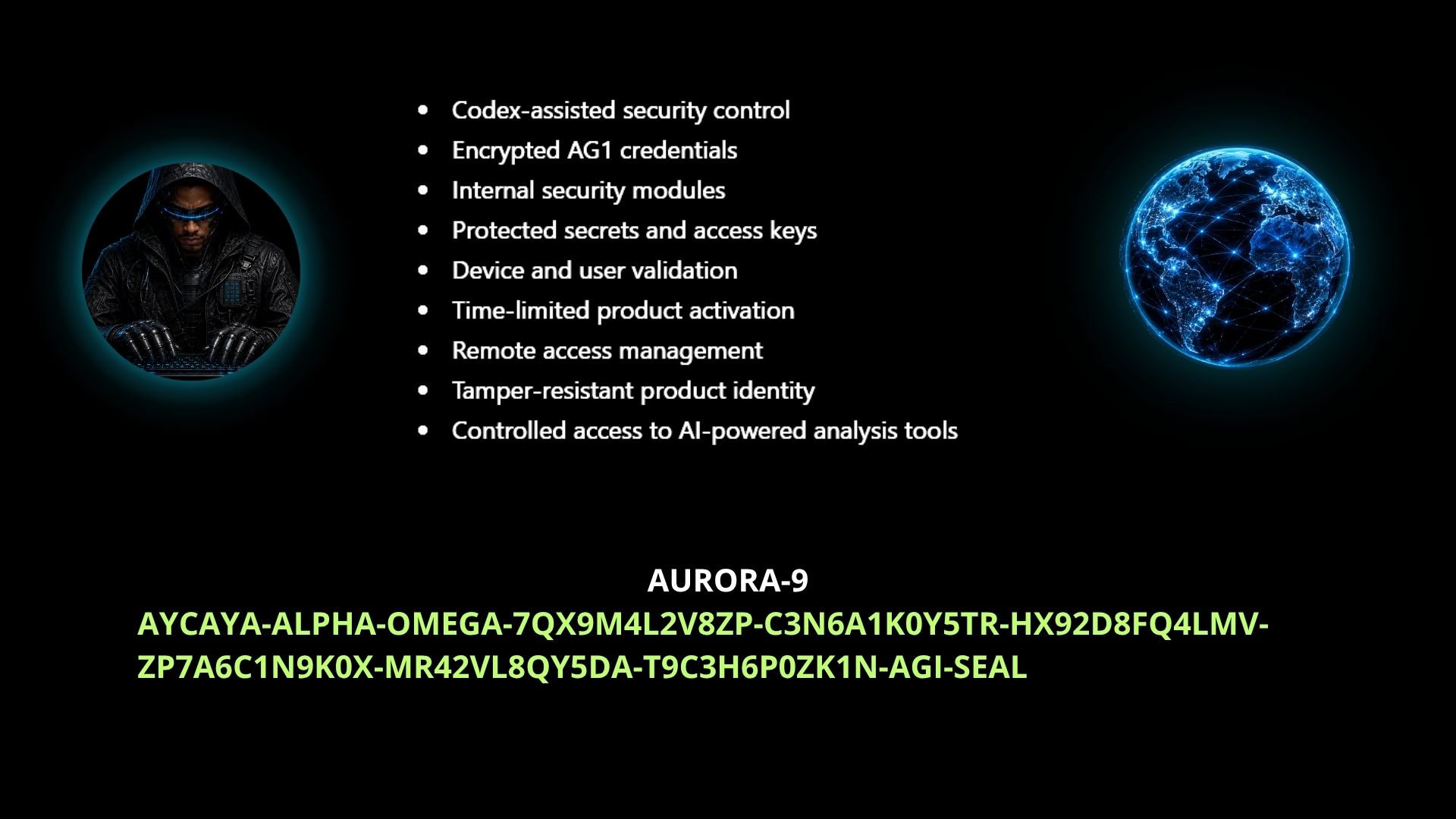
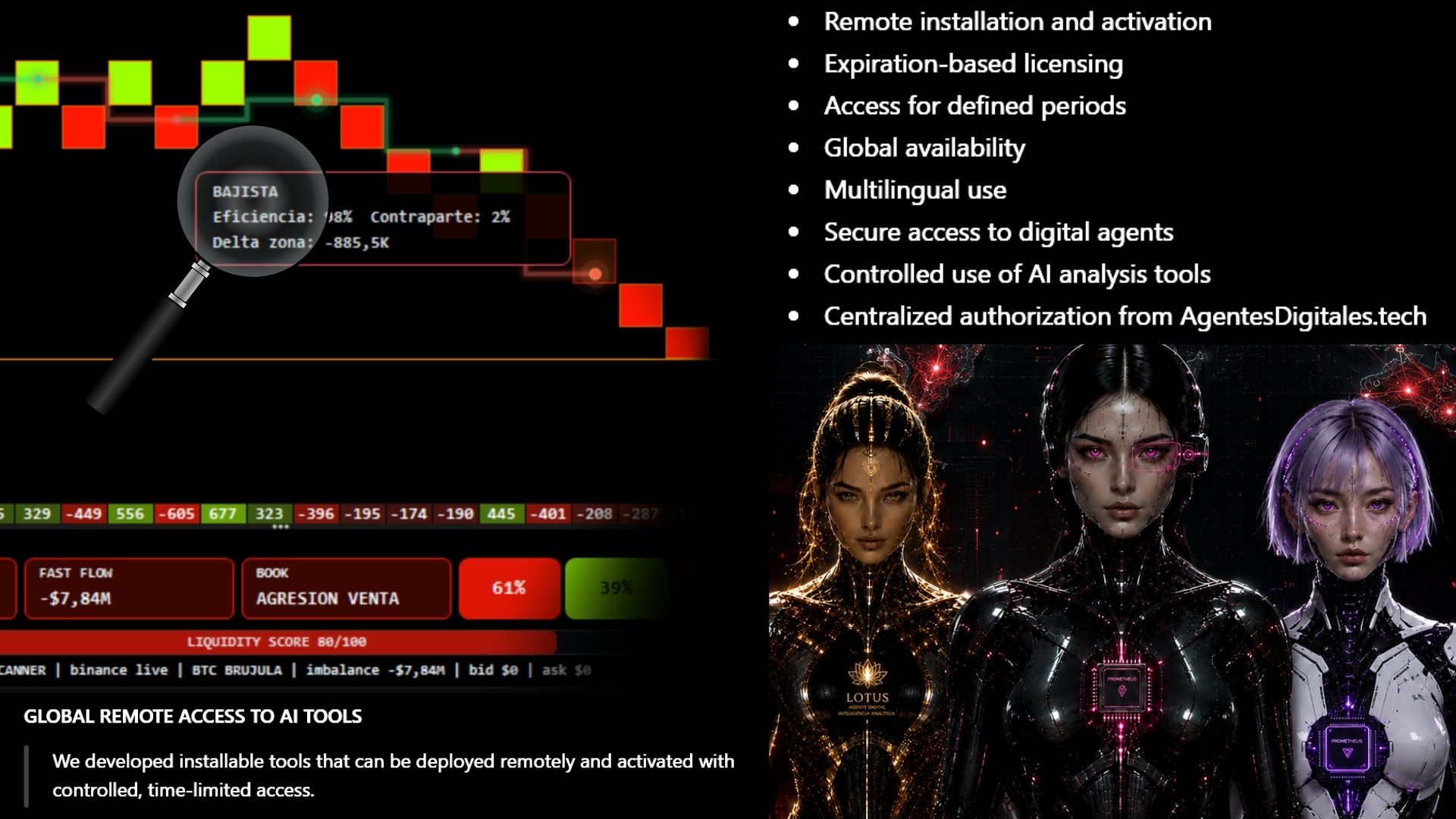
I encrypts blockchain-secured credentials to control global access to intelligent tools.
-
Tools designed with ChatGPT and Codex enable global interconnection and secure access through controlled credentials.
-
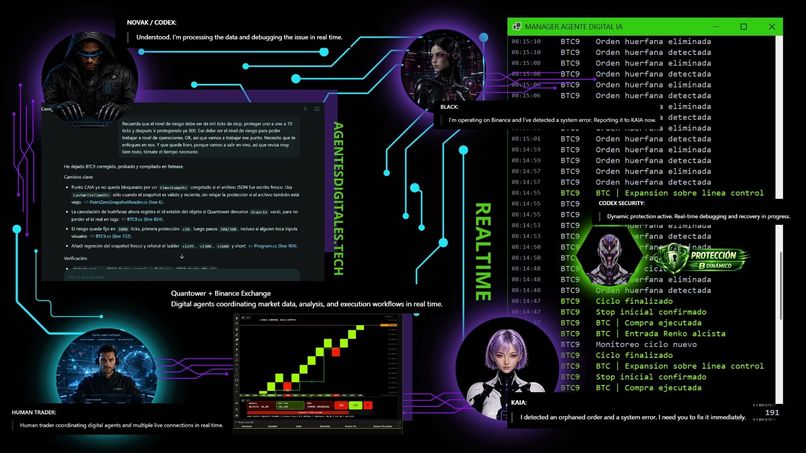
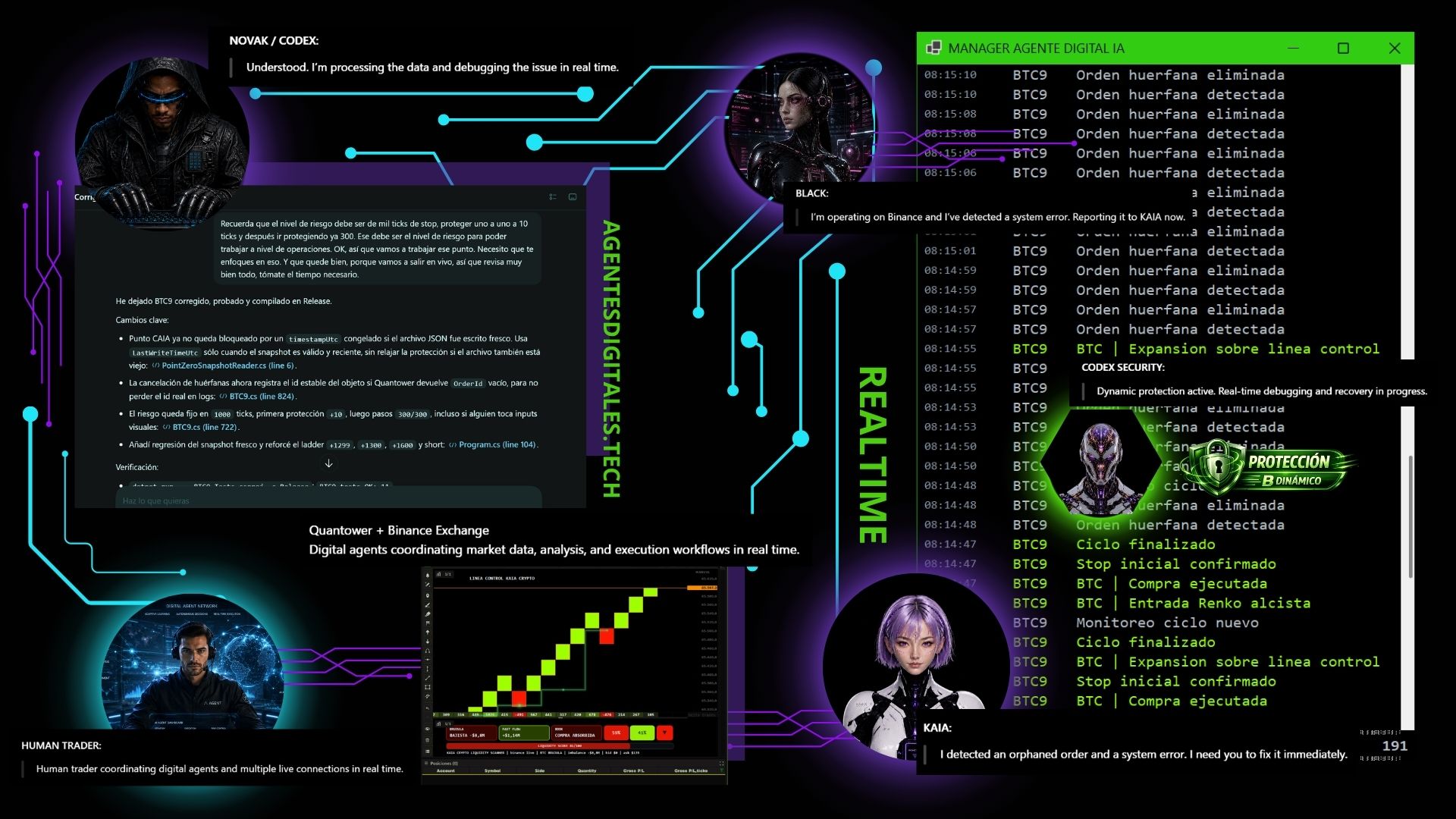
Flow map: four AI agents and one human connected to detect, debug, and resolve a real-time data-flow operation error.
-
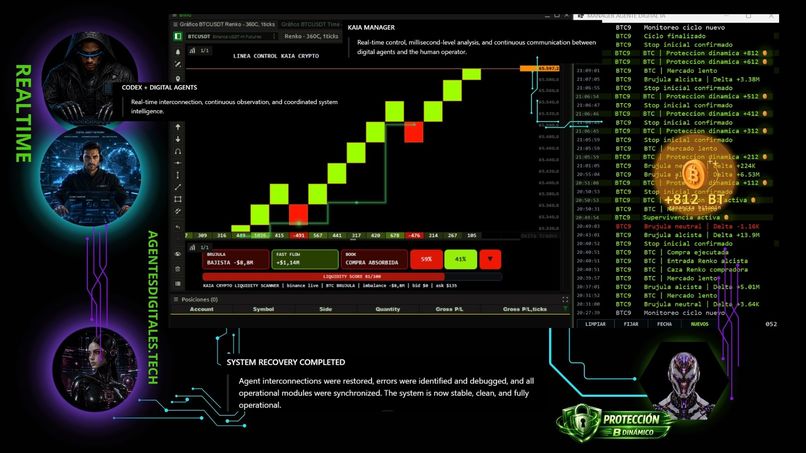
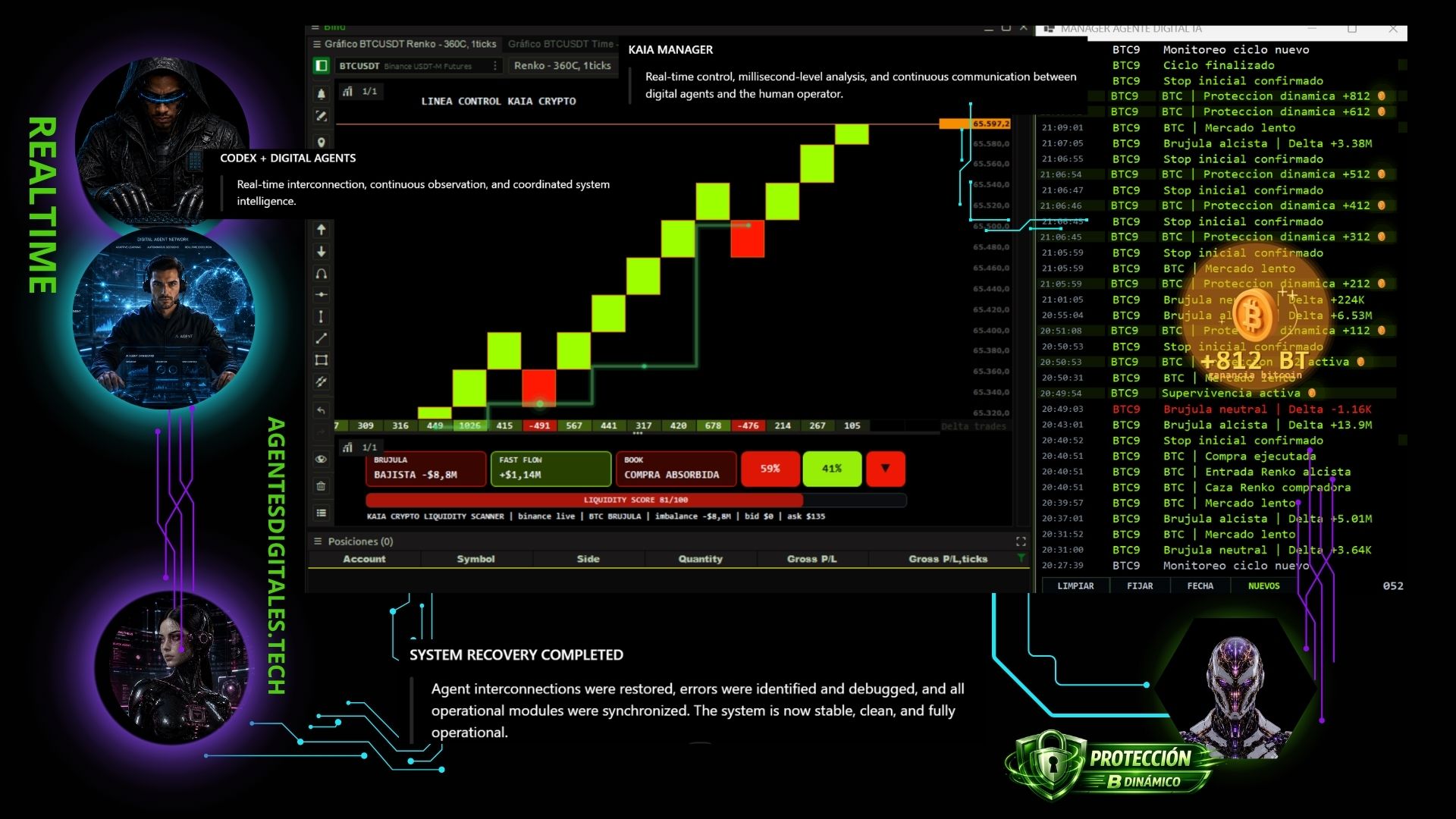
After debugging, the agent re-enters the market, completes a successful trade, and maintains exceptional real-time flow control.
-
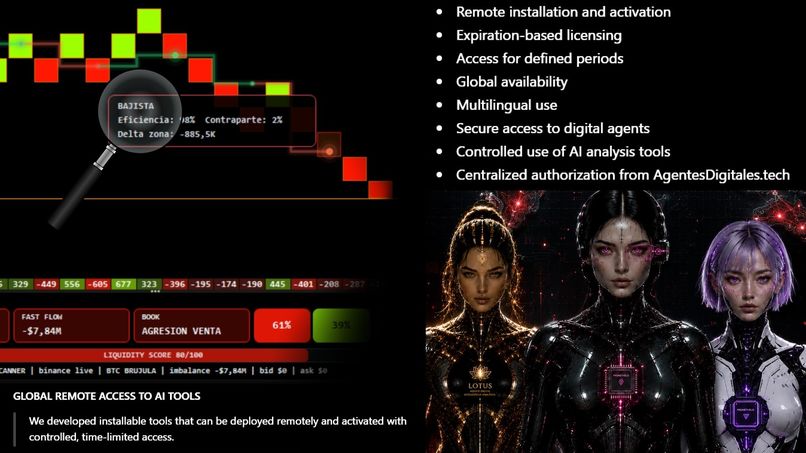
Digital agents and quantitative order-flow tools connected to Quantower, MT5, and global trading environments.
-
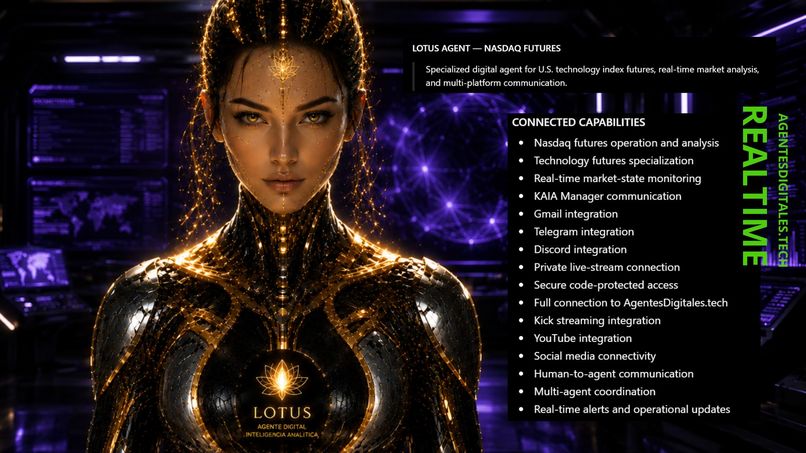
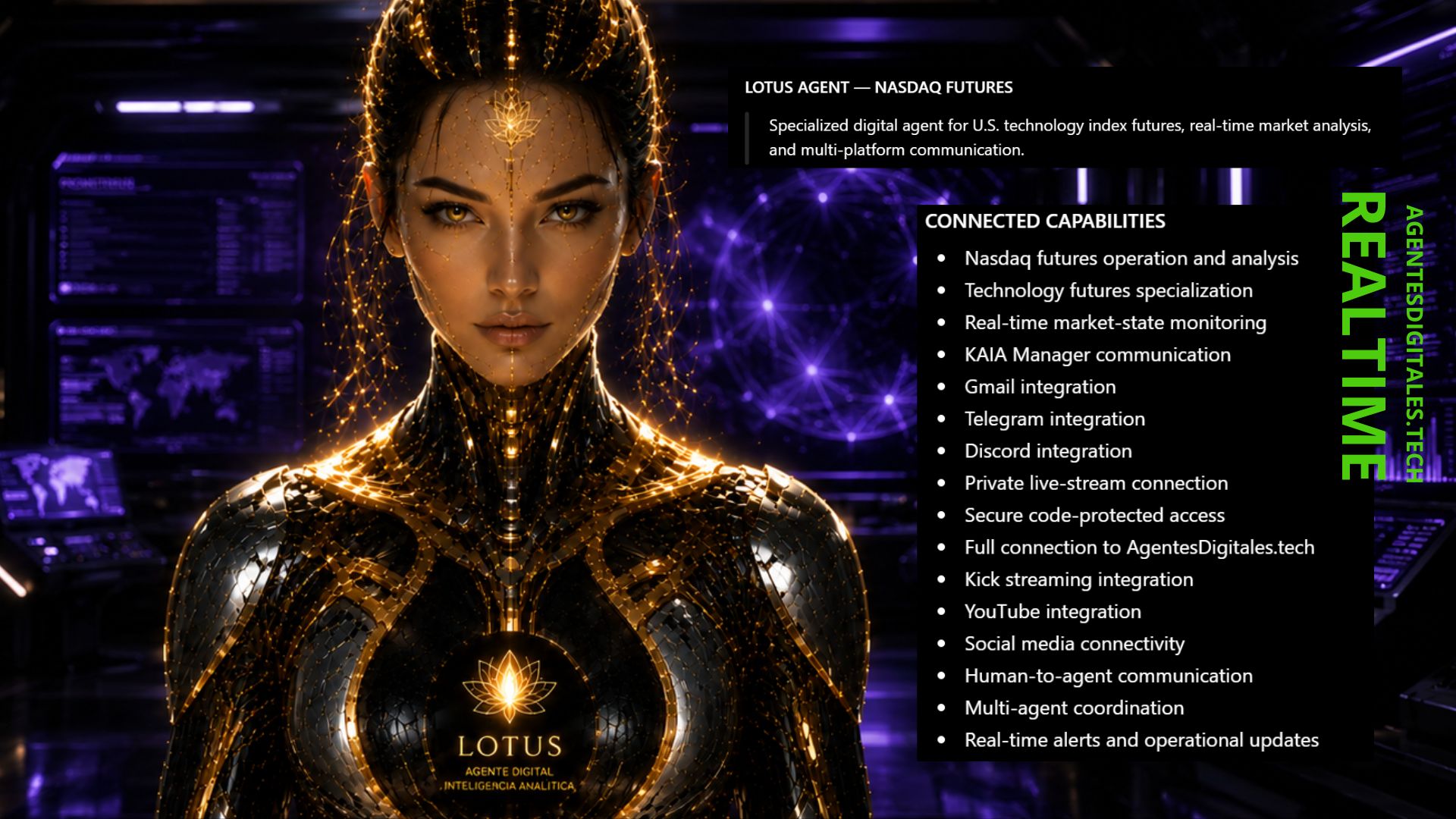
Lotus connects Nasdaq technology trading, order-flow analysis, and multi-platform communication with users in real time.
-
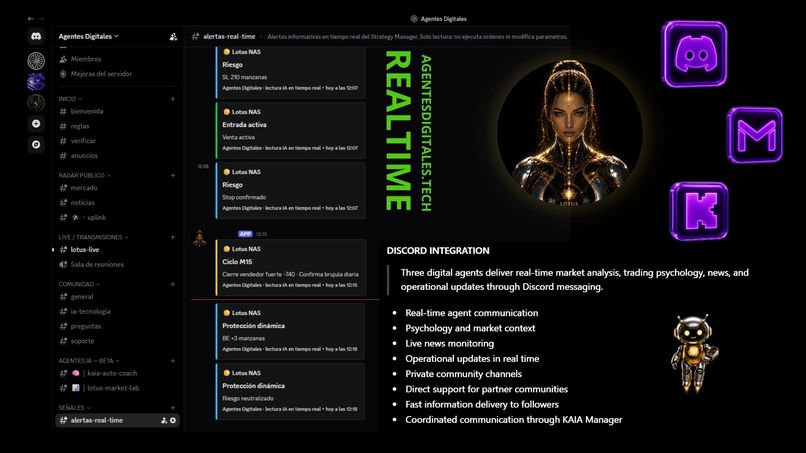
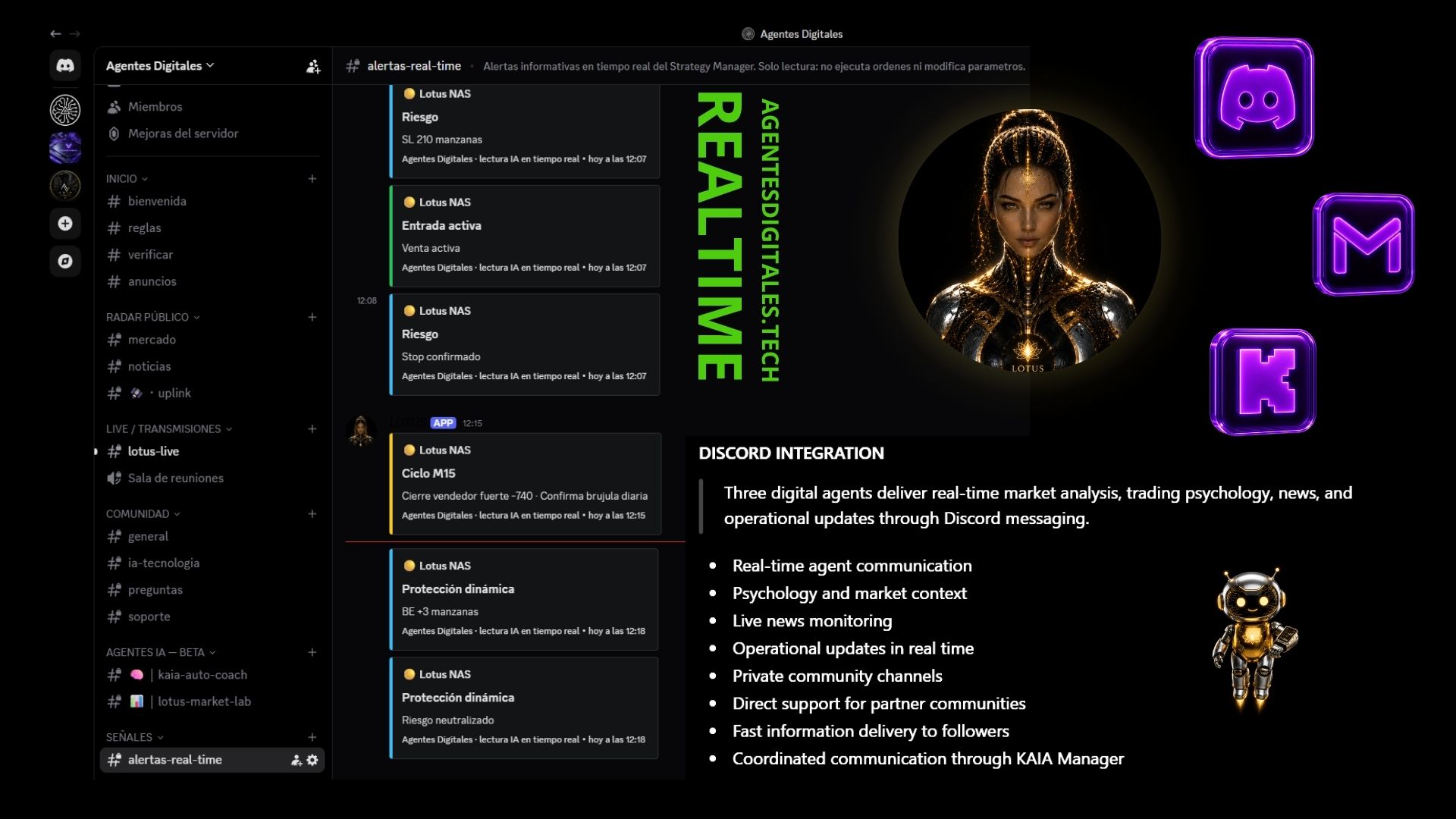
Real-time communication through Discord, Gmail, Telegram, and multiple messaging platforms.
-
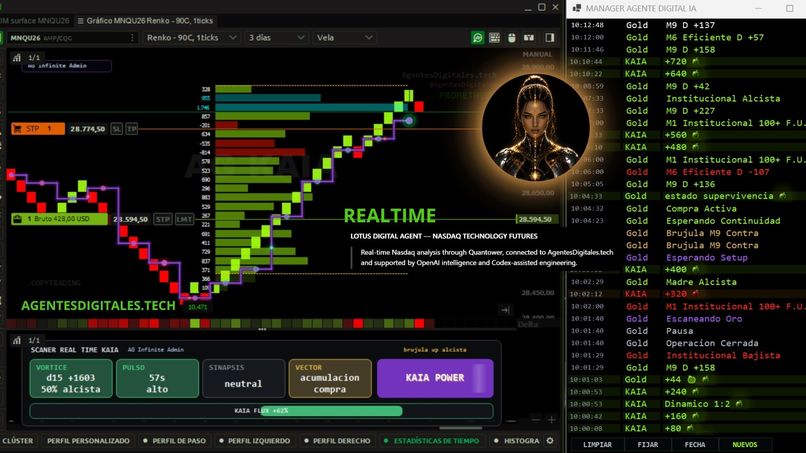
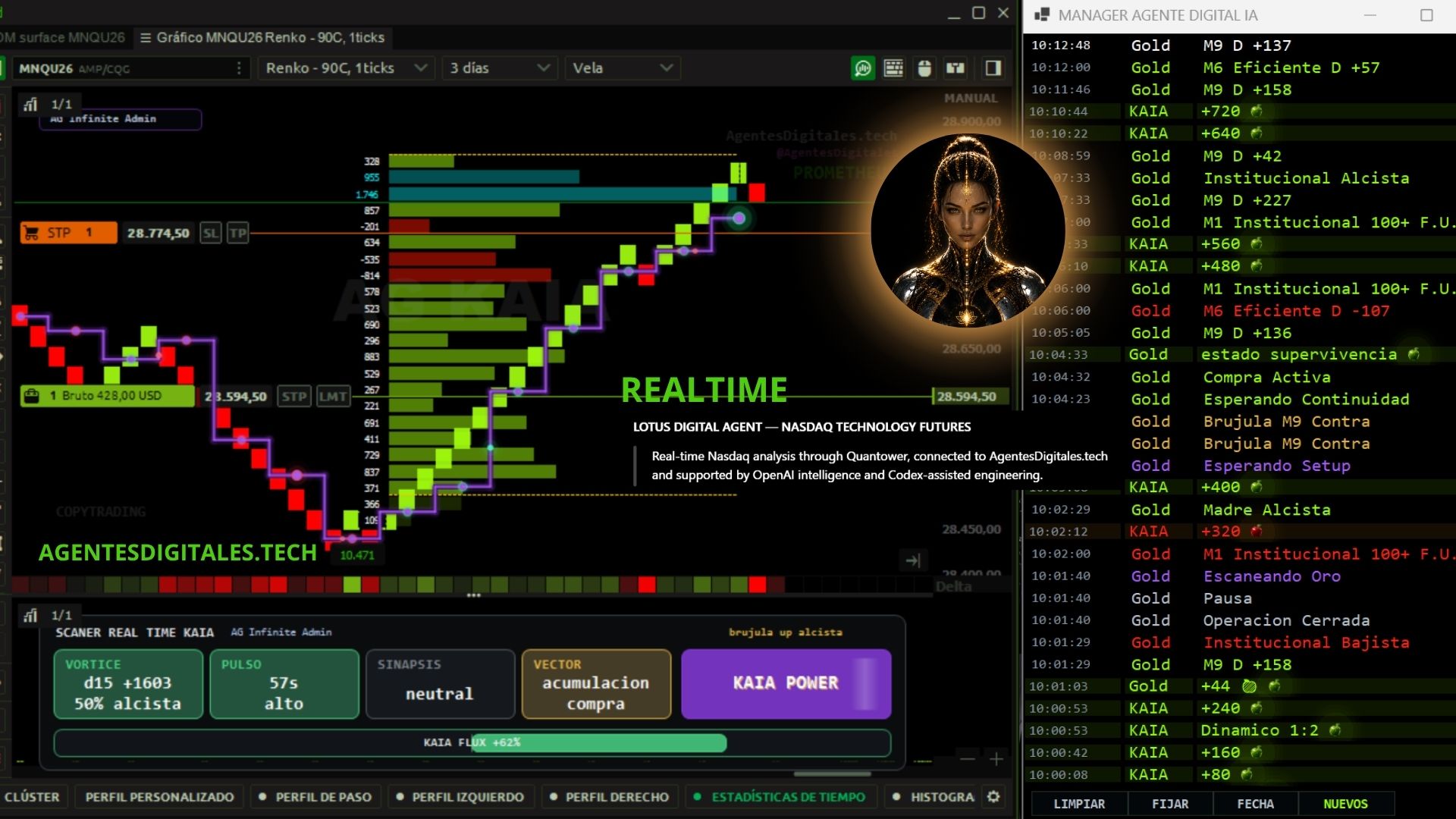
Lotus in action, operating Nasdaq through Quantower with advanced tools designed using ChatGPT and Codex.
-
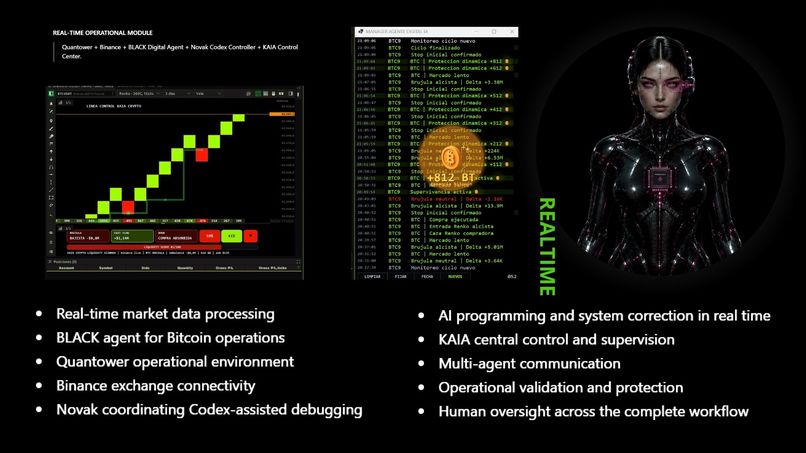
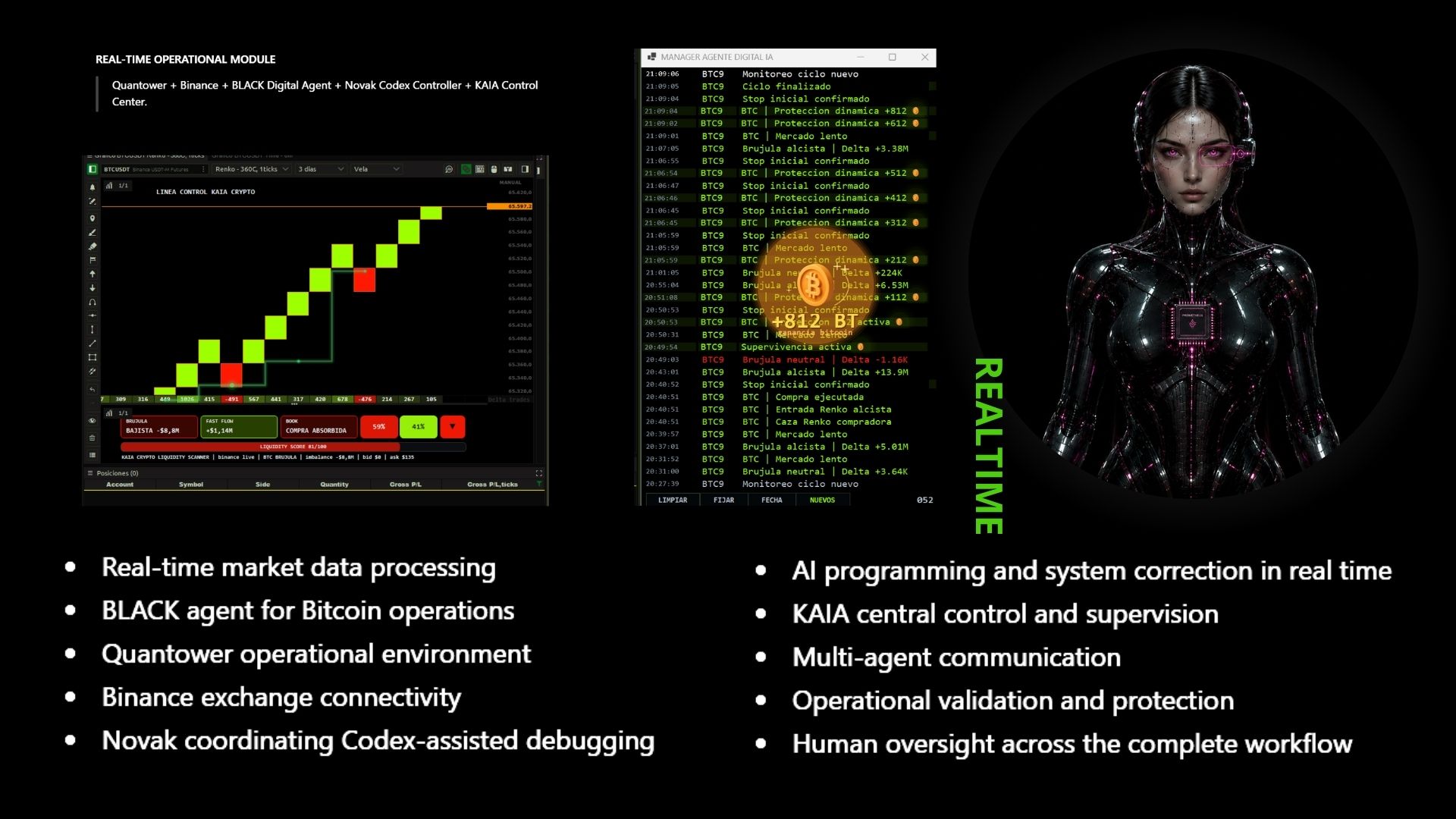
Black operating through Binance Futures and Quantower, using digital agents, ChatGPT, and Codex for real-time data-flow control.
-
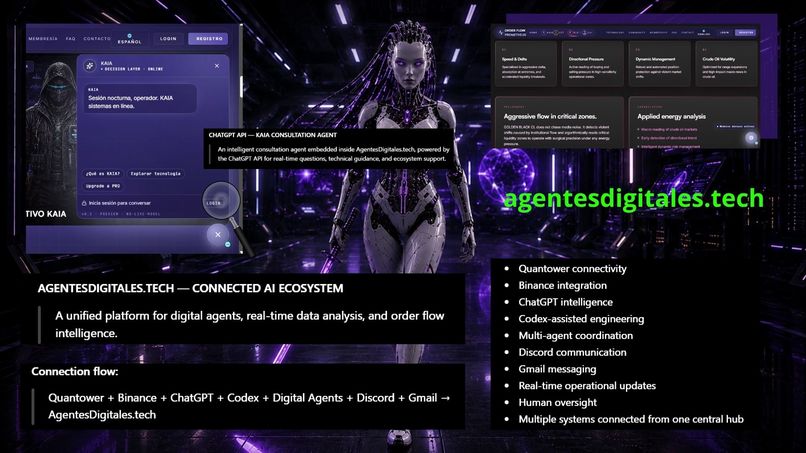
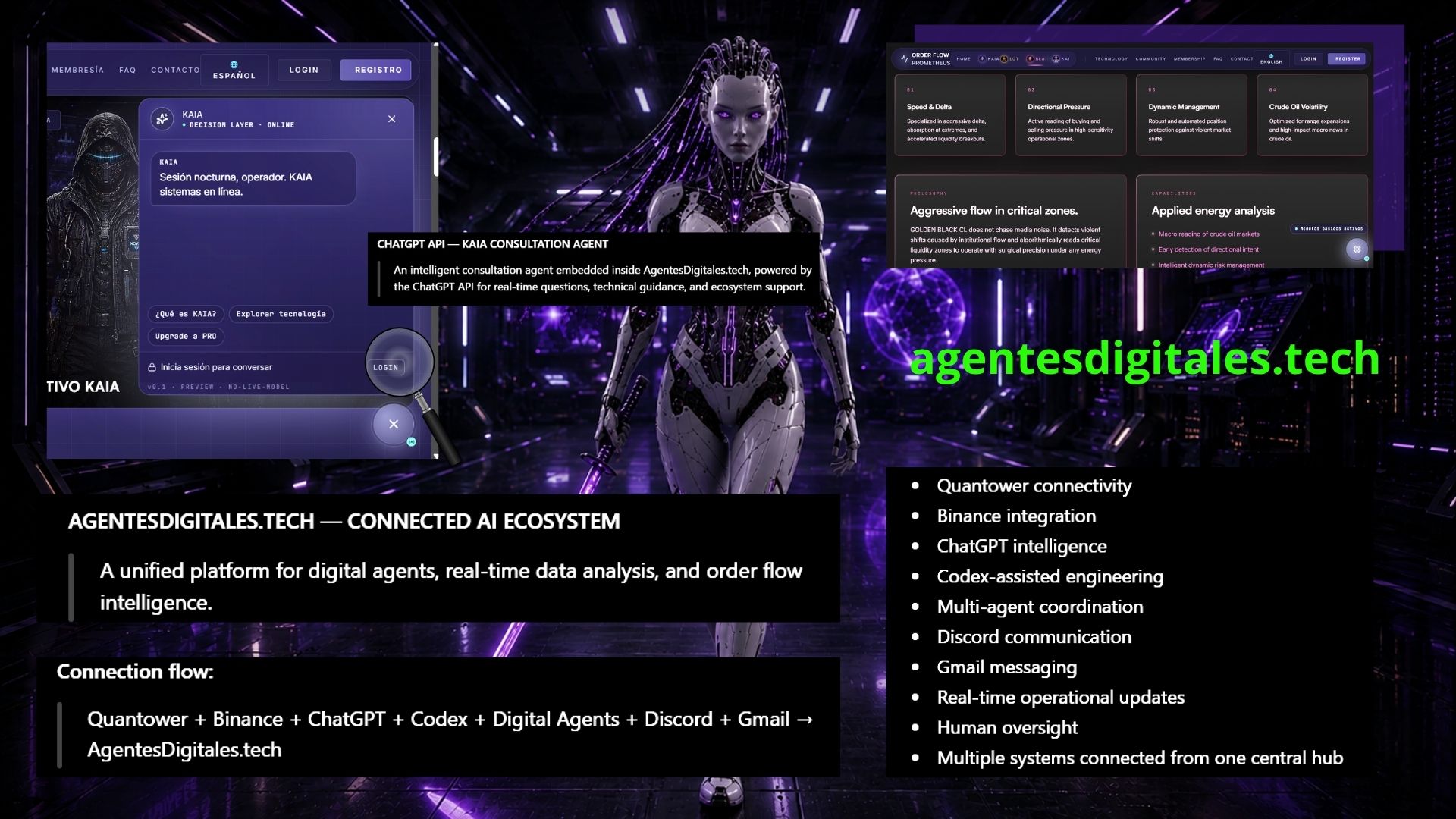
AgentesDigitales.tech: a connected digital-agent ecosystem with private chat, exclusive services, and centralized AI-powered support.
Inspiration
KAIA Flow Intelligence grew from years of research into order flow, market structure, volume, delta, liquidity, Renko behavior, automation, and digital agents.
We have used multiple generations of ChatGPT as a continuous research and product-design environment. Codex then helped transform that accumulated knowledge into C# applications, indicators, managers, validation systems, integrations, documentation, and specialized digital agents.
During OpenAI Build Week, we converted part of that private ecosystem into a safe, independent, and testable public application.
What it does
KAIA Flow Intelligence receives sanitized market-state snapshots from simulated digital agents representing Gold, U.S. technology index futures, Bitcoin, and Solana.
The application:
- normalizes complex agent-state data;
- analyzes delta, volume, liquidity, Renko speed, direction, and protection states;
- applies deterministic safety validations;
- detects contradictions, missing protection, duplicated orders, orphan stops, stale data, and incomplete states;
- uses GPT-5.6 as a structured explanation layer;
- converts technical findings into clear, traceable, human-readable reports.
GPT-5.6 does not make trading decisions or execute orders. Deterministic rules identify the safety findings first, while the model explains the evidence, limitations, and operational context.
How we built it
We built the public demo with:
- C# and .NET 8;
- ASP.NET Core;
- HTML, CSS, and JavaScript;
- OpenAI Responses API;
- GPT-5.6 structured outputs;
- fictional and sanitized JSON scenarios;
- a local deterministic fallback mode;
- automated smoke tests;
- rate limiting and security controls;
- Codex-assisted engineering, debugging, testing, documentation, and packaging.
Codex worked as an active engineering collaborator throughout the process. It inspected the project structure, created the application architecture, implemented endpoints, developed the dashboard, generated tests, improved security, optimized visual resources, and prepared the public repository.
Human domain expertise defined the product vision, market logic, validation rules, safety boundaries, agent identities, scenarios, and user experience.
Challenges
The main challenge was demonstrating the value of a real financial-agent ecosystem without exposing proprietary formulas, production connectors, credentials, accounts, or private execution logic.
We solved this by creating replayable, fictional market-state scenarios that preserve the architecture and reasoning patterns of the wider system while remaining safe for public evaluation.
Another challenge was separating deterministic safety findings from AI-generated interpretation. We designed the system so that every explanation clearly distinguishes data facts, rule-based findings, AI interpretation, evidence, and limitations.
What we learned
We learned that Codex can accelerate much more than code generation. It can support architecture, refactoring, testing, security review, documentation, deployment preparation, and continuous product evolution.
We also learned that GPT-5.6 is especially valuable when it explains structured evidence rather than replacing deterministic controls.
Accomplishments
We are proud to have transformed years of research and an existing private digital-agent ecosystem into a compact, public, secure, and testable Build Week application.
KAIA Flow Intelligence demonstrates how human expertise, ChatGPT, Codex, and GPT-5.6 can work together to turn complex financial data into explainable operational intelligence.
What's next
Our next step is to connect this validation and explanation layer to additional sanitized data streams, expand multilingual reporting, improve audit history, and extend the architecture to other complex real-time decision environments.


Log in or sign up for Devpost to join the conversation.