-
-
-
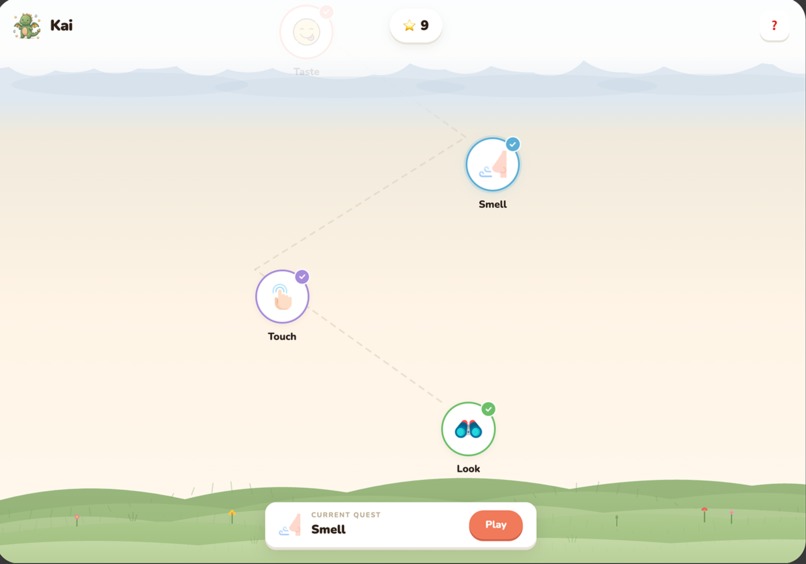
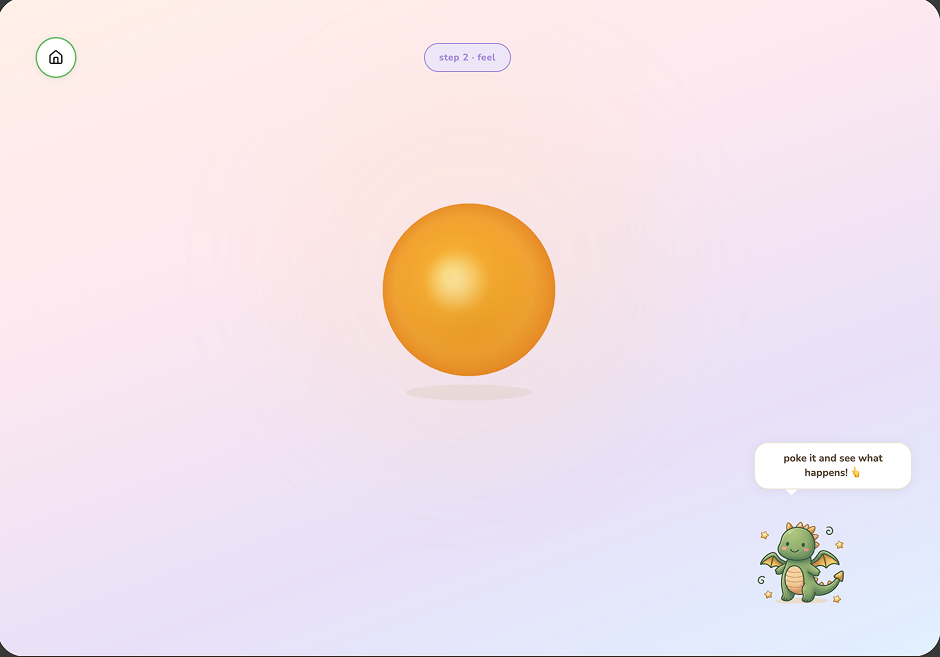
Main ipad screen
-
-
-
-
-

-
-

Inspiration
One of our team members grew up watching a sibling struggle with ARFID — mealtimes were stressful, isolating, and filled with anxiety for the whole family. We wanted to build something that met kids where they are, not where parents wish they were. The idea of using sound as a bridge — something invisible and non-threatening — felt like a genuinely novel way to reduce sensory overwhelm without forcing contact with food.
What it does
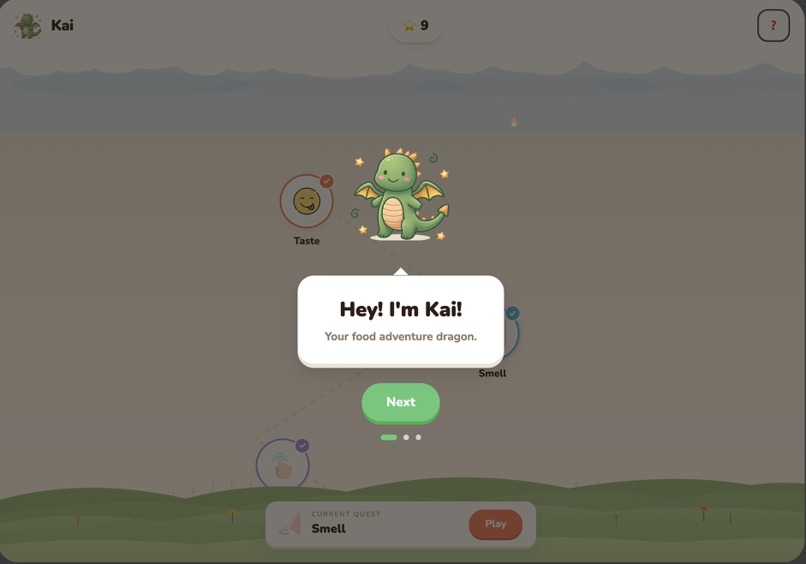
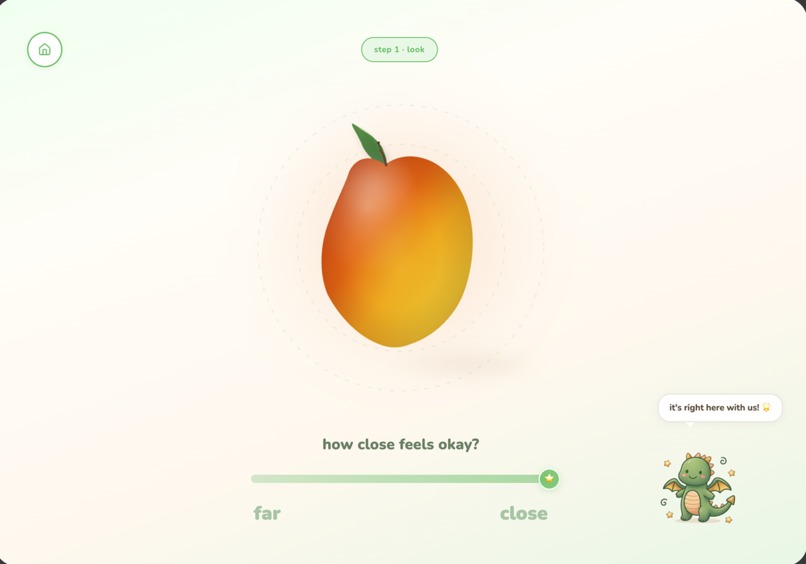
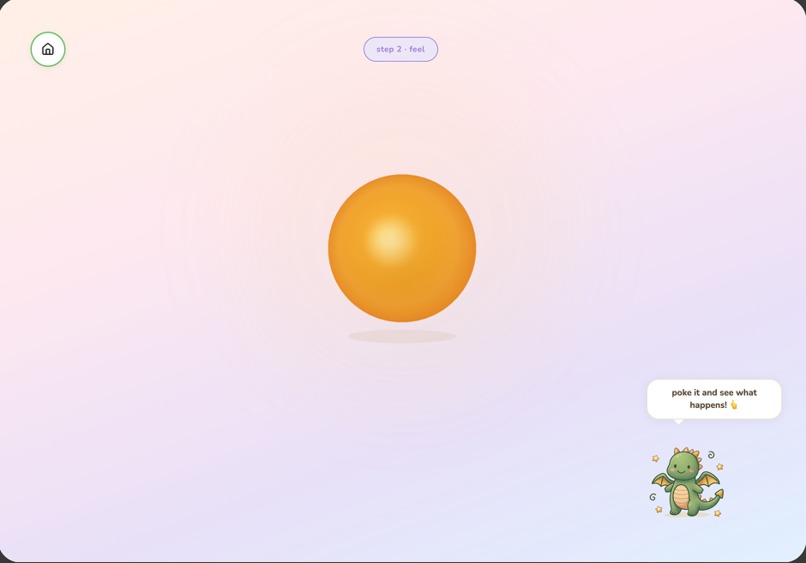
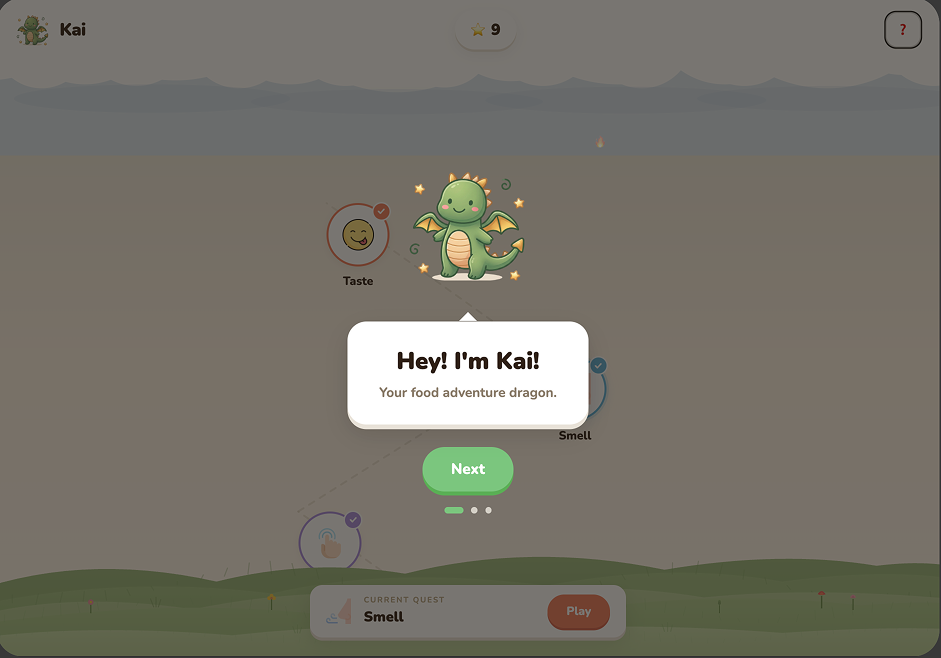
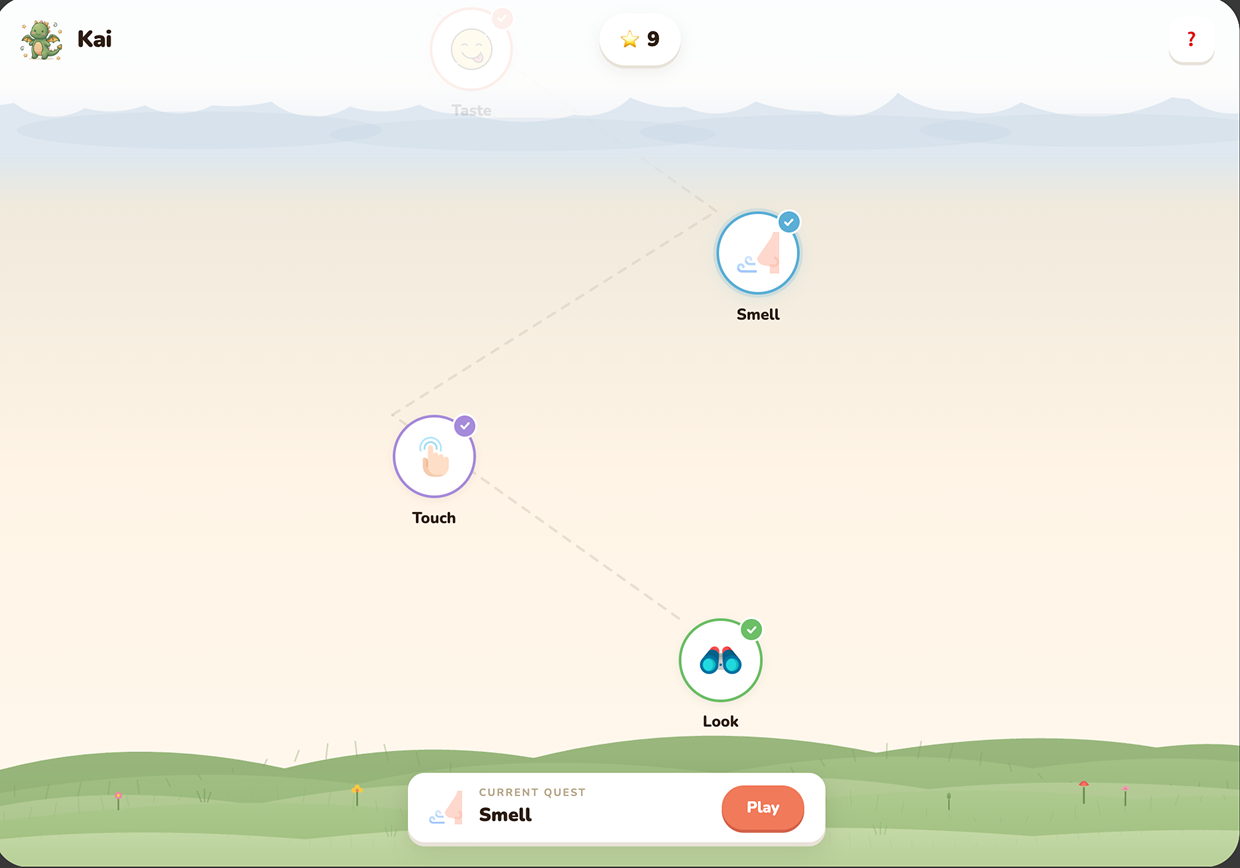
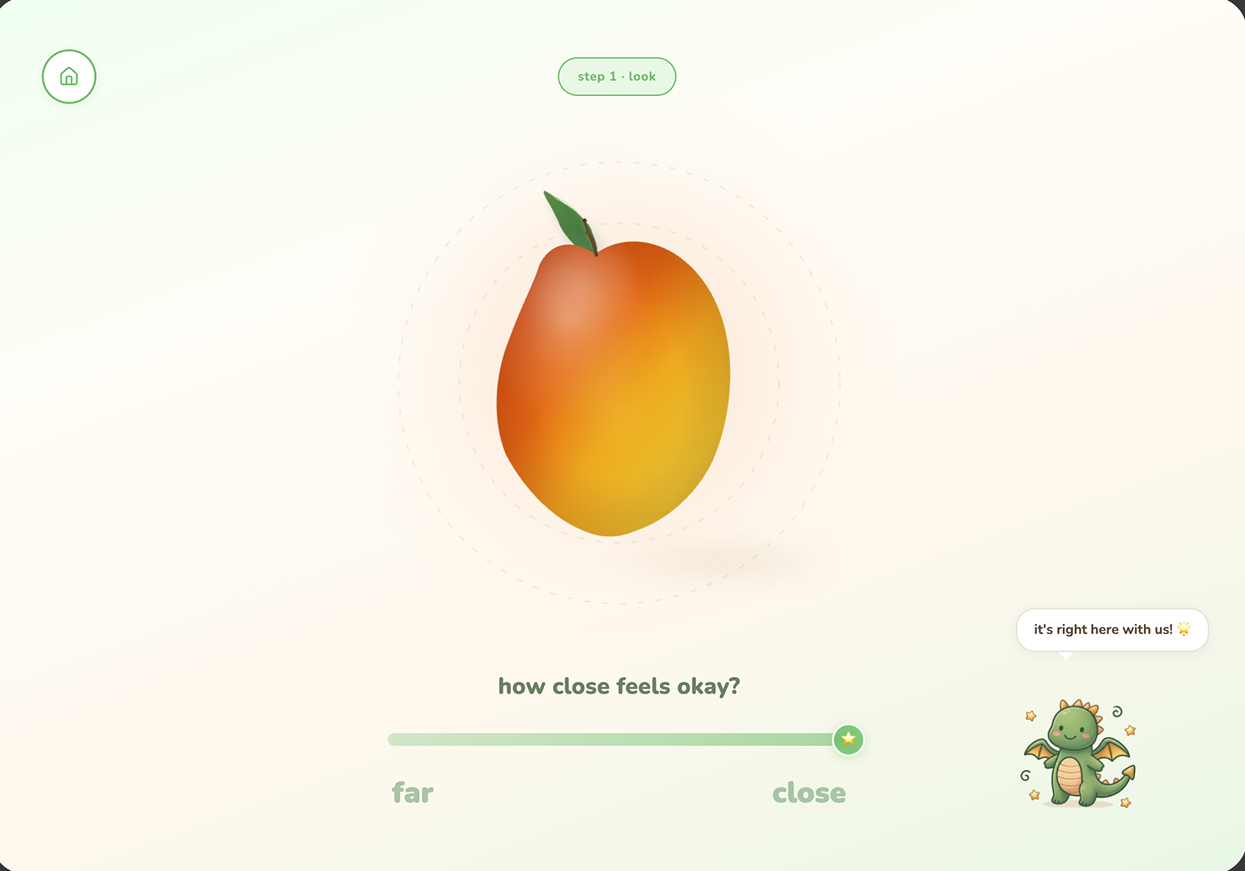
Kai is a physical + digital toolkit for children aged 4–12 with ARFID. A smart placemat paired with an iPad app guides kids through a sensory quest — starting with just looking at food from a distance, then touching, smelling, and finally (optionally) tasting. At every step, the child is in control:
- Adjust how close the food is via a slider on the placemat
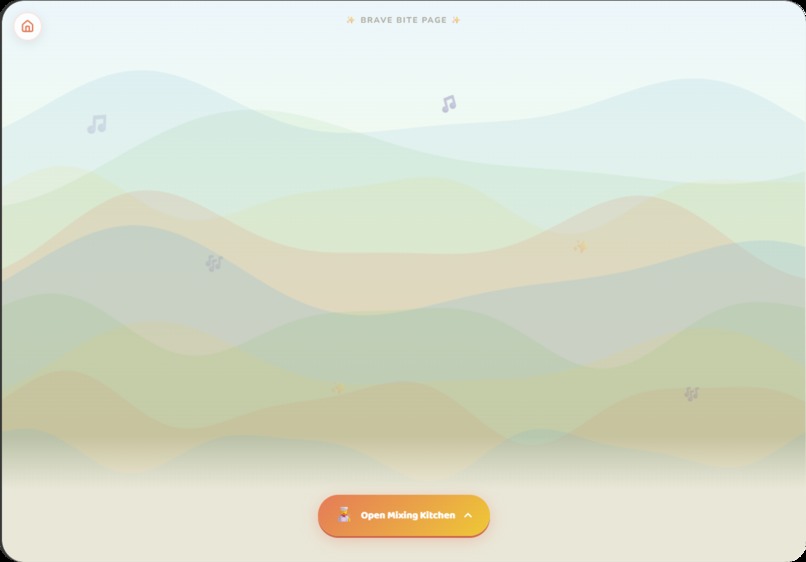
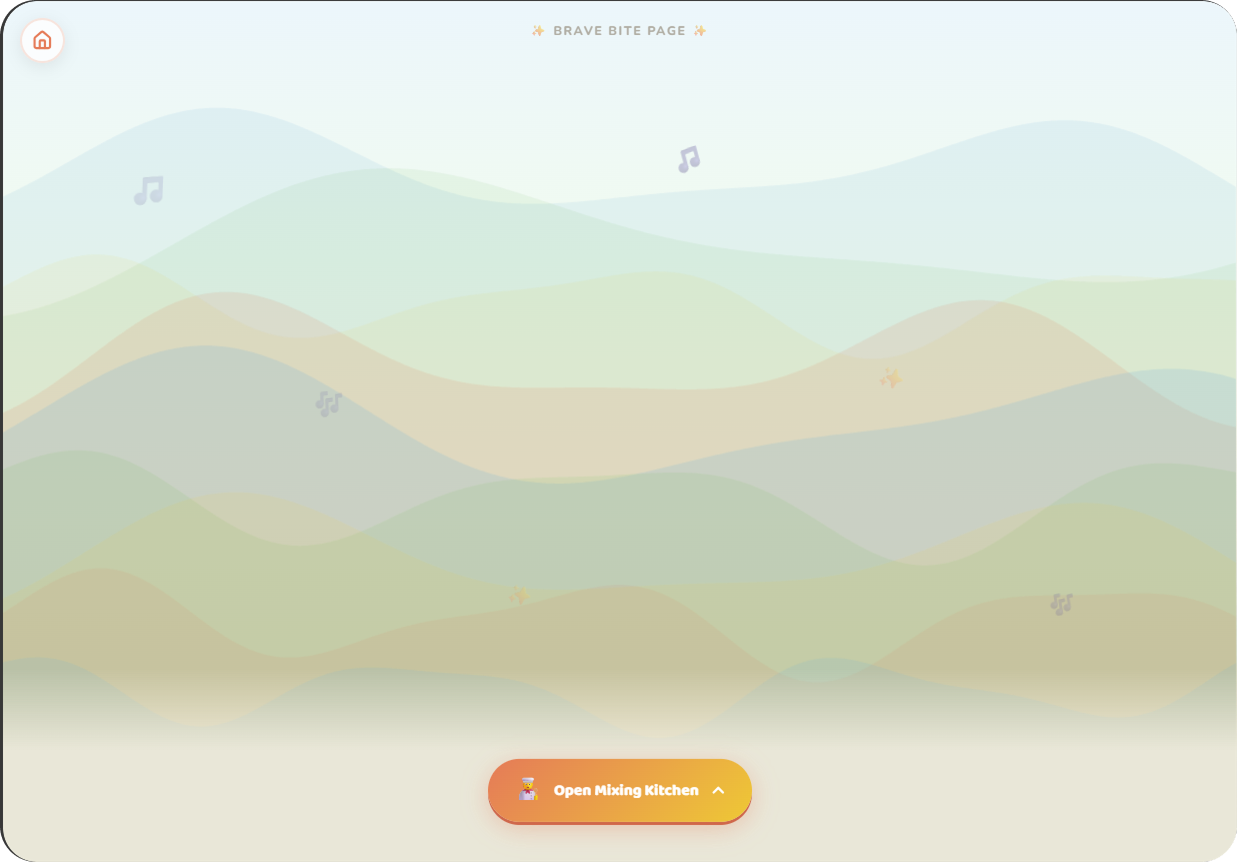
- Remix ambient sounds to mask chewing noises
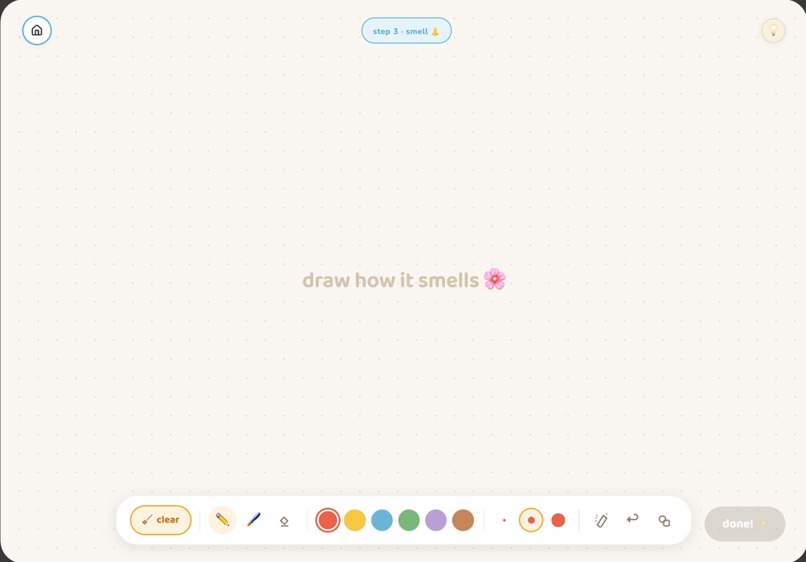
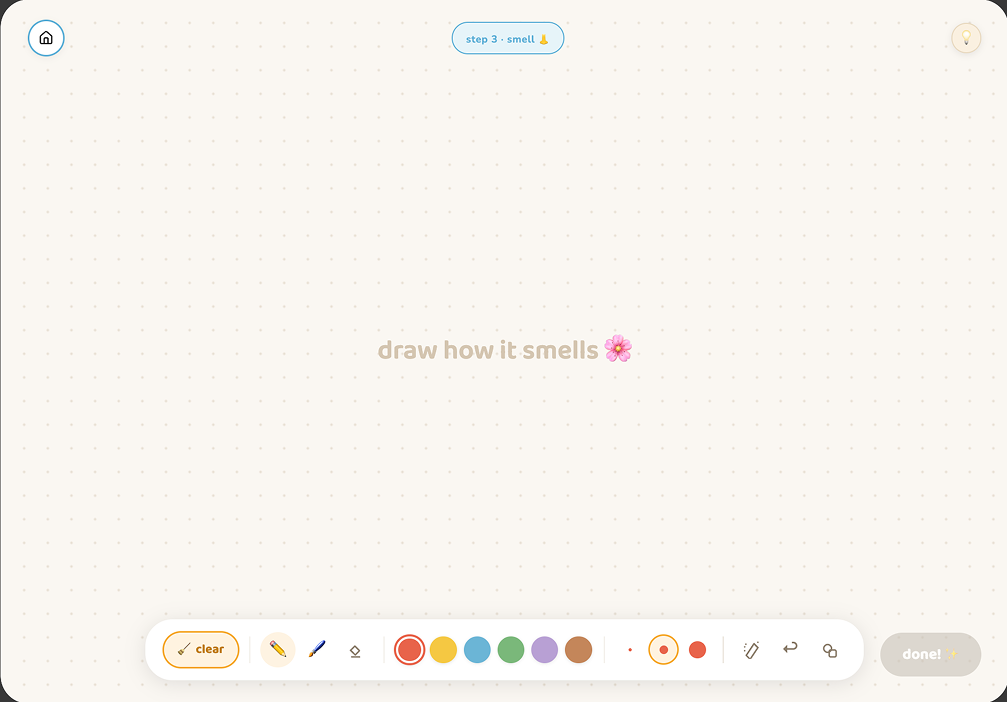
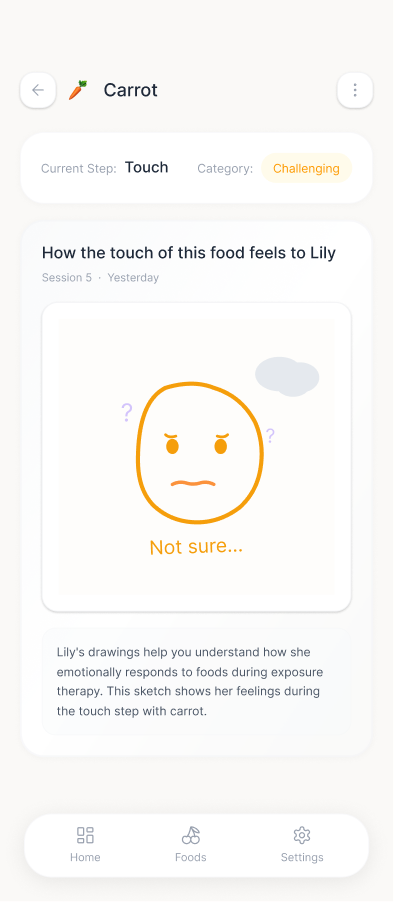
- Draw how something smells instead of having to describe it
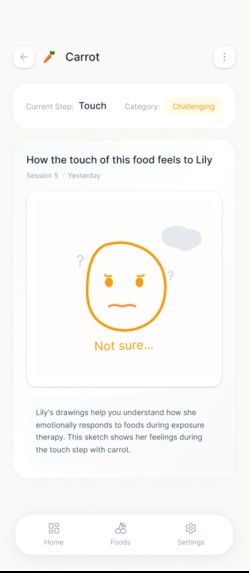
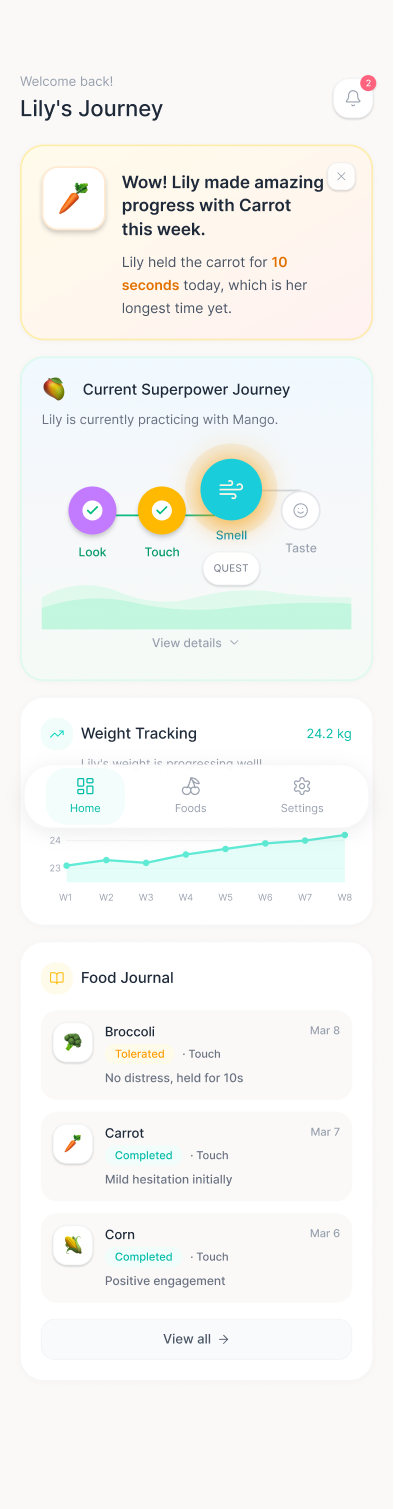
A companion parent app runs quietly in the background, tracking progress without turning mealtimes into a performance.
How we built it
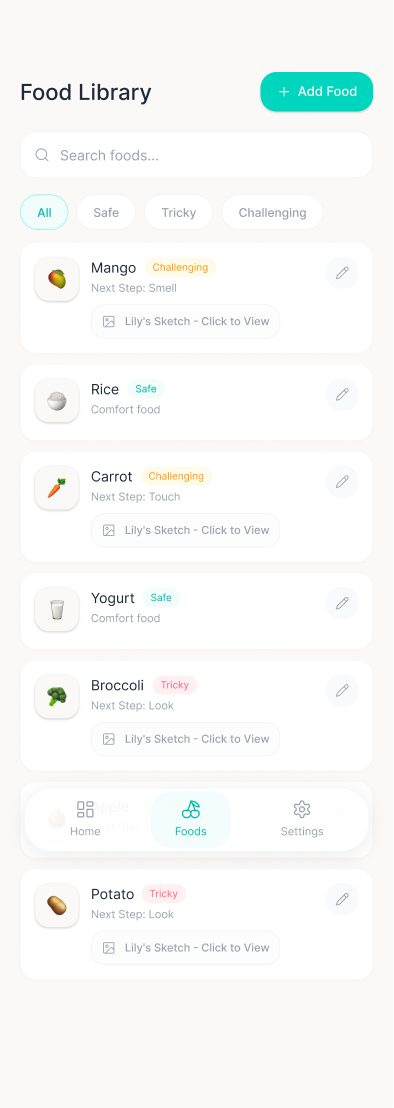
We designed Kai entirely in Figma — the iPad app, the parent companion phone app, and the physical placemat ecosystem. We used Figma Make to prototype interactive screens including:
- The sensory quest map
- The squish/touch interaction
- The drawing canvas for smell
- The sound remix interface
The design system was built around organic shapes, earthy tones, and child-friendly typography to feel warm and safe rather than clinical.
Challenges we ran into
Designing for a neurodivergent audience meant constantly questioning our assumptions:
- Early versions were too game-like and accidentally added performance pressure — the opposite of what we needed
- Representing the placemat's physical interactions digitally in a believable way was harder than expected
- Several interactions had to be simplified to stay appropriate for ages 4–12
Accomplishments that we're proud of
We're proud that Kai is genuinely grounded in evidence:
- The sensory hierarchy (tolerate → interact → smell → touch → taste) comes directly from feeding therapy research
- The sound masking feature is backed by studies on cross-modal sensory perception — the brain combines auditory and tactile signals into a single percept
- The child experience feels playful and warm without being condescending, and always gives the child a visible way out
What we learned
Designing for anxiety means designing for control.
Every screen needed a visible exit, a skip option, or a way to adjust. We also learned how much framing matters — the same action feels completely different when it's "squishing a squishy thing" versus "touching your dinner."
What's next for Kai - ARFID Management Tool for Parents
- Partner with occupational therapists and feeding clinics to validate the flow with real families
- Build out the parent app's progress tracking and reporting
- Expand the food quest library beyond the initial set
- Deliver personalised soundscapes based on each child's unique sensory fingerprint
Built With
- figma
- html5
- motionbox
- react
- spline
- typescript


Log in or sign up for Devpost to join the conversation.