-
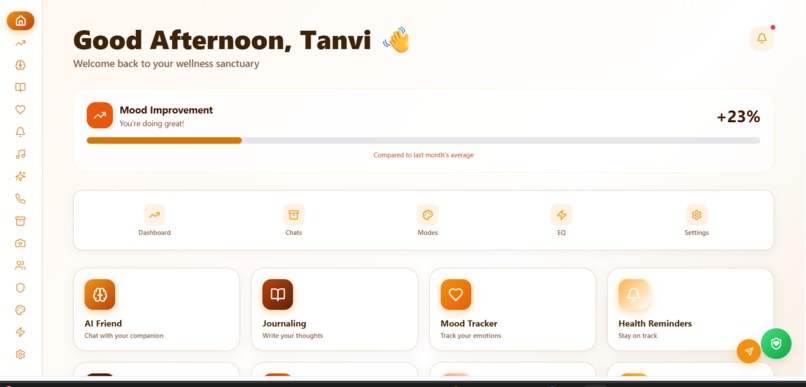
Home page of the KACULA app with all the features
-
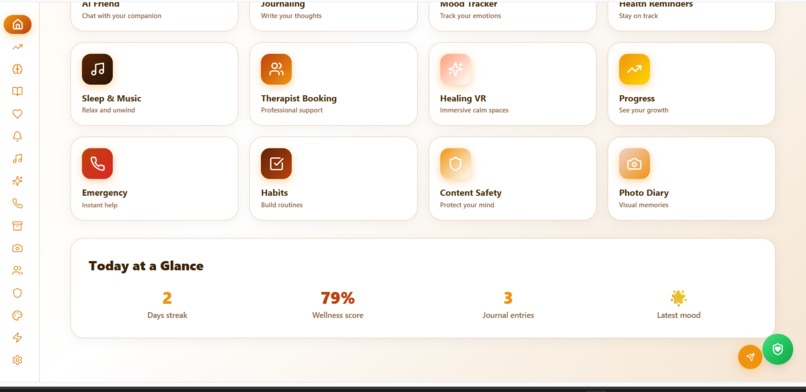
Home page of the KACULA app with all the features
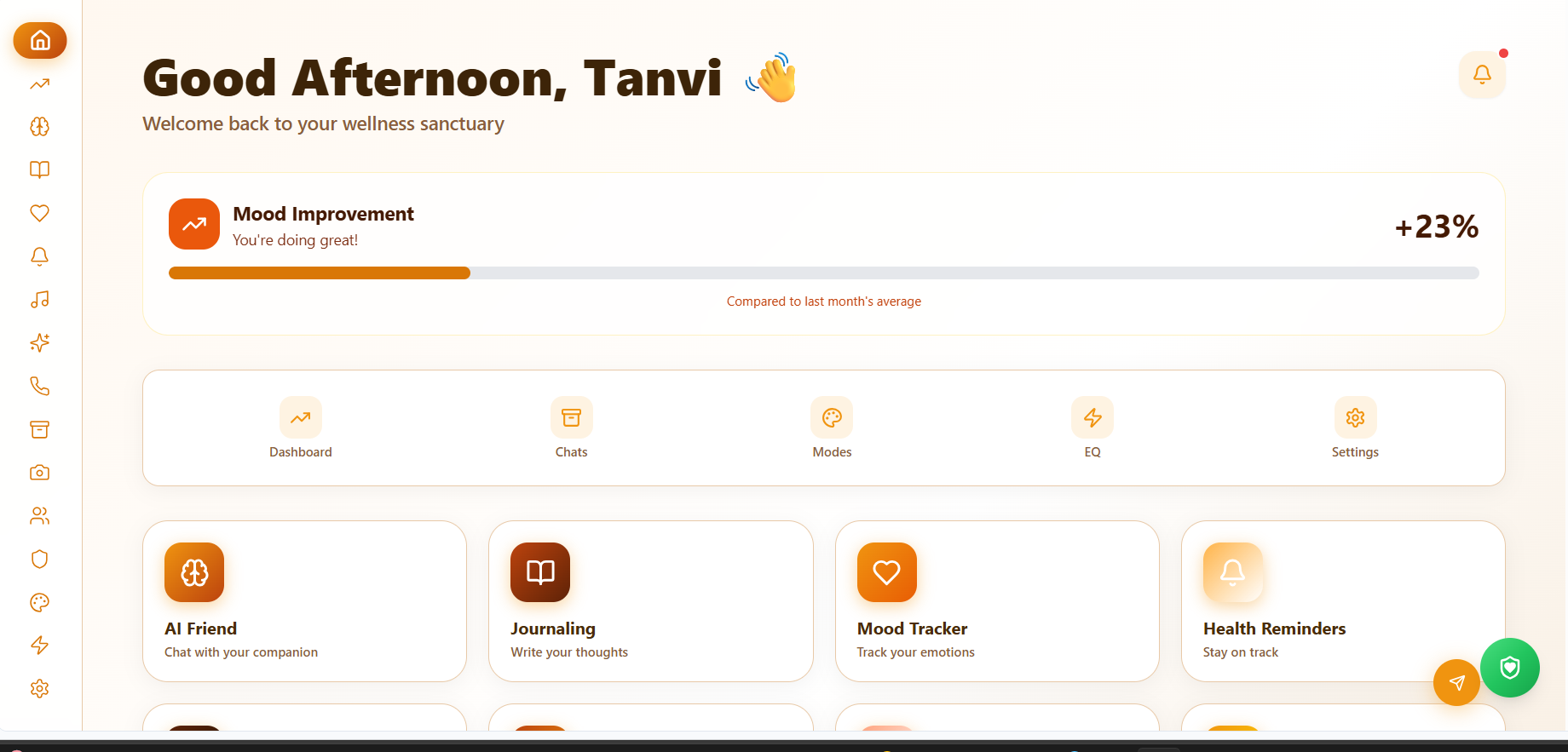
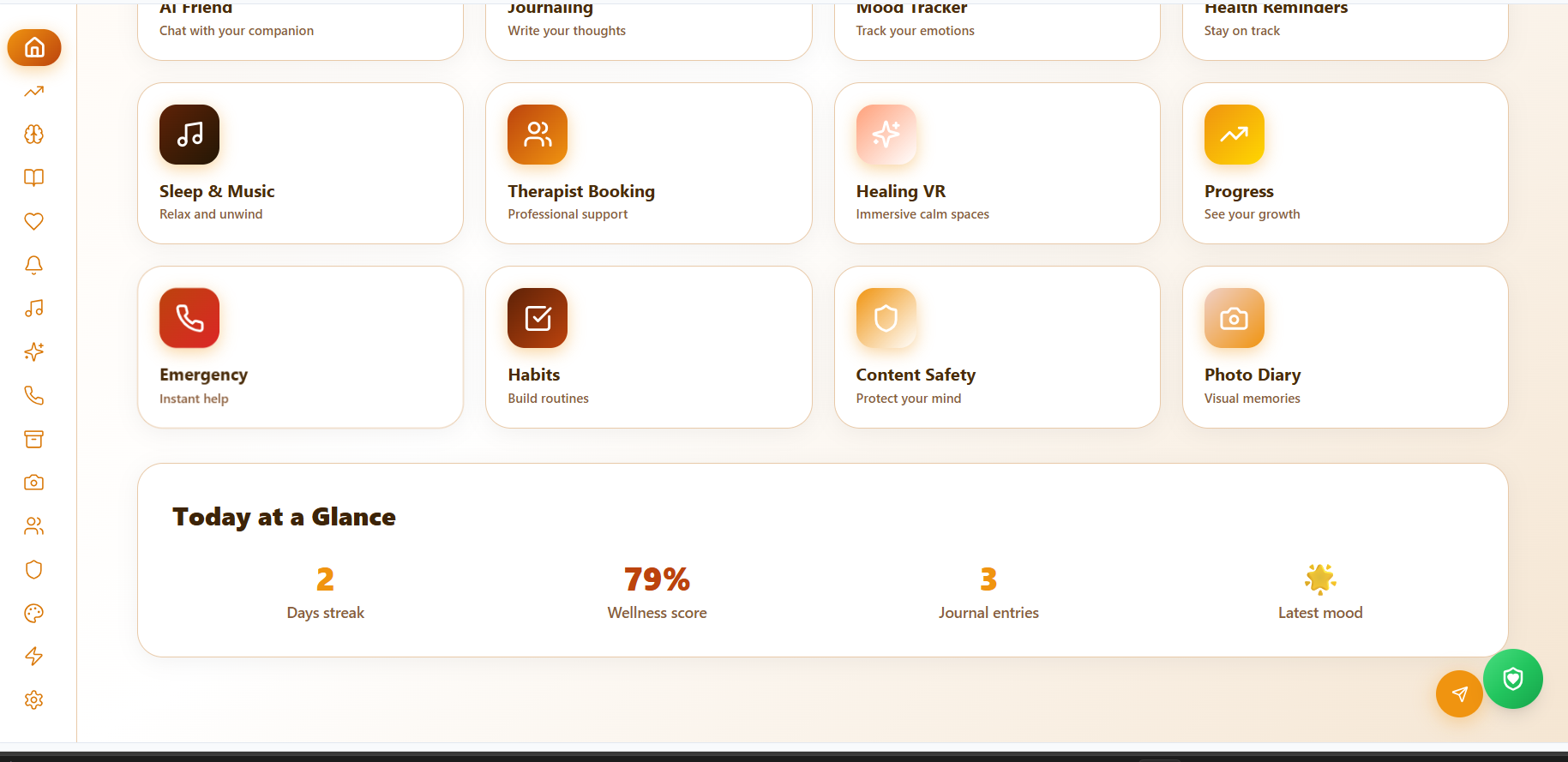
KACULA was born from a very personal observation: people today are surrounded by technology, yet mentally more overwhelmed than ever. Everywhere YouTube, Instagram, daily notifications; there’s constant noise. For individuals dealing with anxiety, depression, loneliness, or emotional instability, even a few minutes of negative content can trigger spirals of self-doubt and stress.
I wanted to build something that doesn’t just exist as a tool, but feels like a companion, a safe space, a healing corner inside your phone or desktop. That’s how KACULA took shape; as a gentle, minimal, nature-inspired mental wellness ecosystem that helps users breathe, unwind, and heal.
Rather than being another “mental health tracker,” KACULA combines science-informed features with emotional intelligence, immersive design, and soft aesthetics. From a customizable AI friend who can talk like a real human or animal, to a 3D calming environment, to journaling, reminders, and a virtual pet; every element is crafted to reduce cognitive load and increase emotional safety.
INSPIRATION
“What if AI could feel human? What if it could talk to you, calm you, laugh with you, and guide you — responsibly and safely?”
KACULA is our answer: A scientifically‑backed mental wellness companion that feels warm, alive, and beautifully personal. The inspiration came from seeing how many people suffer silently; students, working professionals, introverts, social media-overstimulated users; all juggling stress without a healthy outlet. And most apps feel either too clinical or too complicated.
We wanted something soft, warm, and human. Something that makes you feel:
“I’m safe here… this app understands me.”
Nature also played a big role in the inspiration. Forest rain, sunset beaches, snowy cabins, sakura gardens ; peaceful spaces that can soothe the nervous system. I wanted to bring that same natural calm into a digital mental-wellness environment.
What it does
KACULA creates a deeply personalized emotional support ecosystem, blending AI, voice intelligence, biofeedback, VR‑style calm spaces, and behavioral insights.
🌟 Core Features
- AI Talking Friend (Voice + Emotions) Users talk to KACULA just like a real friend, using their voice.
KACULA replies with voice output, animated expressions, and captions for accessibility.
Changeable characters: male, female, anime-style, or animal, each with unique voice tones and emotional reactions.
Hyper-detailed 3D character design with emotionally expressive face + smooth animation.
- Personalized Modes Exam Stress Mode: focus timer, grounding tools, anti‑doom‑scrolling filter, sleep guidance.
Anxiety & Panic Mode: one‑tap panic toolkit, deep breathing, grounding scripts, emergency contacts.
Low Mood Mode: micro‑tasks, gentle nudges, happy memories gallery, “one tiny win today.”
- Mood & Life Tracking + Deep Insights Mood timeline correlated with sleep, study time, YouTube usage, journaling themes.
Weekly Emotional Report Card with simple summaries like: “You handled stress better on 3 days using breathing instead of scrolling.”
Streaks, gentle gamification, badges for healthy coping.
- AI Simulation & Future‑Self Coaching “What If?” Simulator: Turn anxieties (“What if I fail?”) into 3 outcome paths — best, medium, worst — with coping strategies.
Future Self Letters: AI writes encouraging letters “from your future self,” using your goals + past emotions.
- Voice Emotion Detection + Biofeedback Analyzes pitch, tone, pauses during voice journaling → detects hidden anxiety.
Breathing coach listens and gives real‑time corrections (“slow your exhale… perfect”).
Tracks breathing improvement over time.
- Safety, Crisis & Ethics Layer Crisis button → shows local helplines + what to say when calling/texting.
Risk detection → phrases like “I want to hurt myself” trigger Safety Mode, grounding scripts, and redirects to human support.
Clear ethics page: “How KACULA helps & its limits.”
- Beautiful UI + Smooth Animations Animated splash screen
Logo transition
Clean, modern sign‑in
Soft therapy‑inspired color palette
Large environment “wide‑shot” layouts
Hyper‑realistic 3D designs
Smooth onboarding flow with character selection
How we built it
We built KACULA using an unusual combination of technologies and a lot of stubborn determination.
Base‑44 prompts to design intelligent behaviour, emotional reasoning, and multi‑mode interactions.
3D modeling + animation pipelines for expressive characters.
Voice‑to‑text and text‑to‑voice engine for natural conversations.
Sentiment + speech‑tone analysis models for emotional detection.
Custom UI/UX layouts inspired by calm therapy spaces, designed iteratively with feedback.
Data correlation engine for mood, sleep, screen time, and journaling.
Crisis‑safety module following ethical and clinical guidelines.
Every piece was built to feel human, not robotic.
Challenges we ran into
Designing a talking animated AI friend that feels real, expressive, and not uncanny.
Making the emotional detection accurate without being intrusive.
Balancing warmth + safety ; supportive but not giving medical advice.
Creating a crisis‑response system that is responsible and avoids harm.
Finding ways to visualize emotions without overwhelming the user.
Crafting future‑self simulations that feel comforting, not creepy.
Synchronizing voice recognition with real‑time character expressions.
Every challenge taught us empathy, responsibility, and patience.
Accomplishments that we're proud of
We turned mental wellness into something beautiful, comforting, and interactive.
Created a human‑feeling AI friend that listens and talks with emotional intelligence.
Built a multi‑mode system for exam stress, anxiety, and low mood.
Designed stunning 3D animated characters that users actually bond with.
Developed a safety layer that ethically supports people during emotional crises.
Integrated voice emotion recognition + breathing biofeedback in a simple interface.
Created a user experience that feels like stepping into a safe universe.
Most importantly: We made something that could genuinely make someone’s day a little easier.
What we learned
Empathy is a design skill.
Mental health apps must be ethical first, clever second.
Users don’t want “features”; they want to feel understood.
Voice interactions make emotional expression more honest than text alone.
Visual storytelling and animation can reduce anxiety instantly.
The smallest things; colors, voice tone, pace; deeply affect user emotions.
AI can be powerful… but only when guided with responsibility.
What's next for KACULA
Real‑time emotion meter using facial cues and heart‑rate sensors (optional).
VR Safe Rooms ; immersive calming spaces you can step into.
Community Spaces with moderated peer support.
Therapist Mode for professionals to use KACULA with clients ethically.
Offline‑first journaling for privacy.
Cultural personalization for accents, languages, and comfort styles.
More expressive characters, including pets, mascots, and fantasy companions.
KACULA isn’t just an app. It’s a safe place people can carry in their pocket
Built With
- base44
- chatgpt


Log in or sign up for Devpost to join the conversation.