
Inspiration
I have long been fascinated by physics-based interactions with virtual avatars and have developed several VR applications exploring this technology.
Among the feedback I received, one message has stayed with me ever since. A user shared that they had never been hugged in their life, and that experiencing a virtual embrace through one of my applications brought them to tears.
That message made me realize that something as simple as a hug, which many of us take for granted, could mean so much to someone who has never experienced one.
When I learned about the Meta VR Start Developer Competition 2026, I decided to turn that realization into a new VR experience dedicated entirely to hugging.
That is how Just a Hug was born.
The goal of this app is simple: to bring a little warmth and comfort to someone's life through the experience of a virtual hug.
What it does
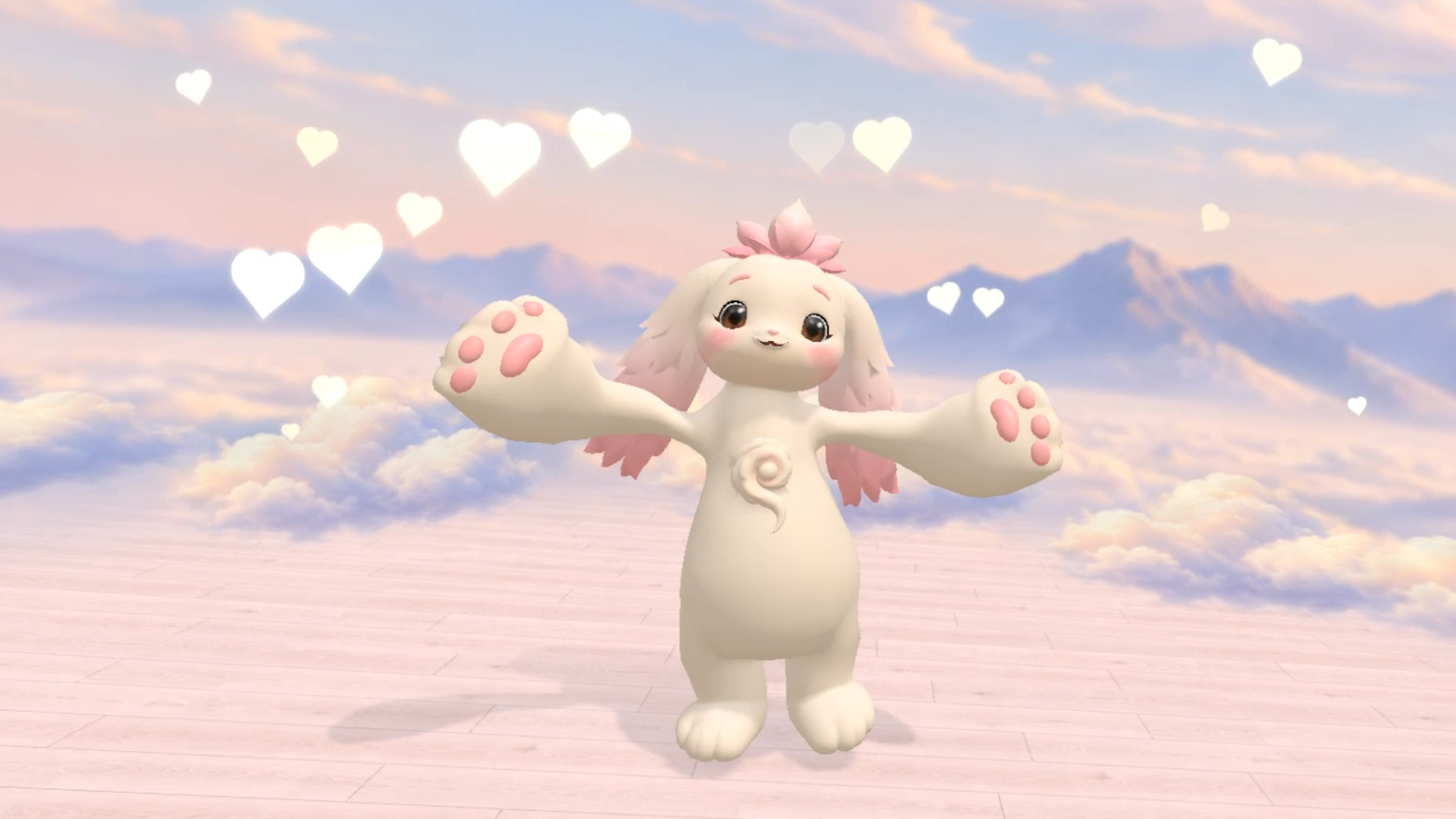
Just a Hug is a VR relaxation experience centered around one simple action: sharing a gentle embrace with a virtual companion.
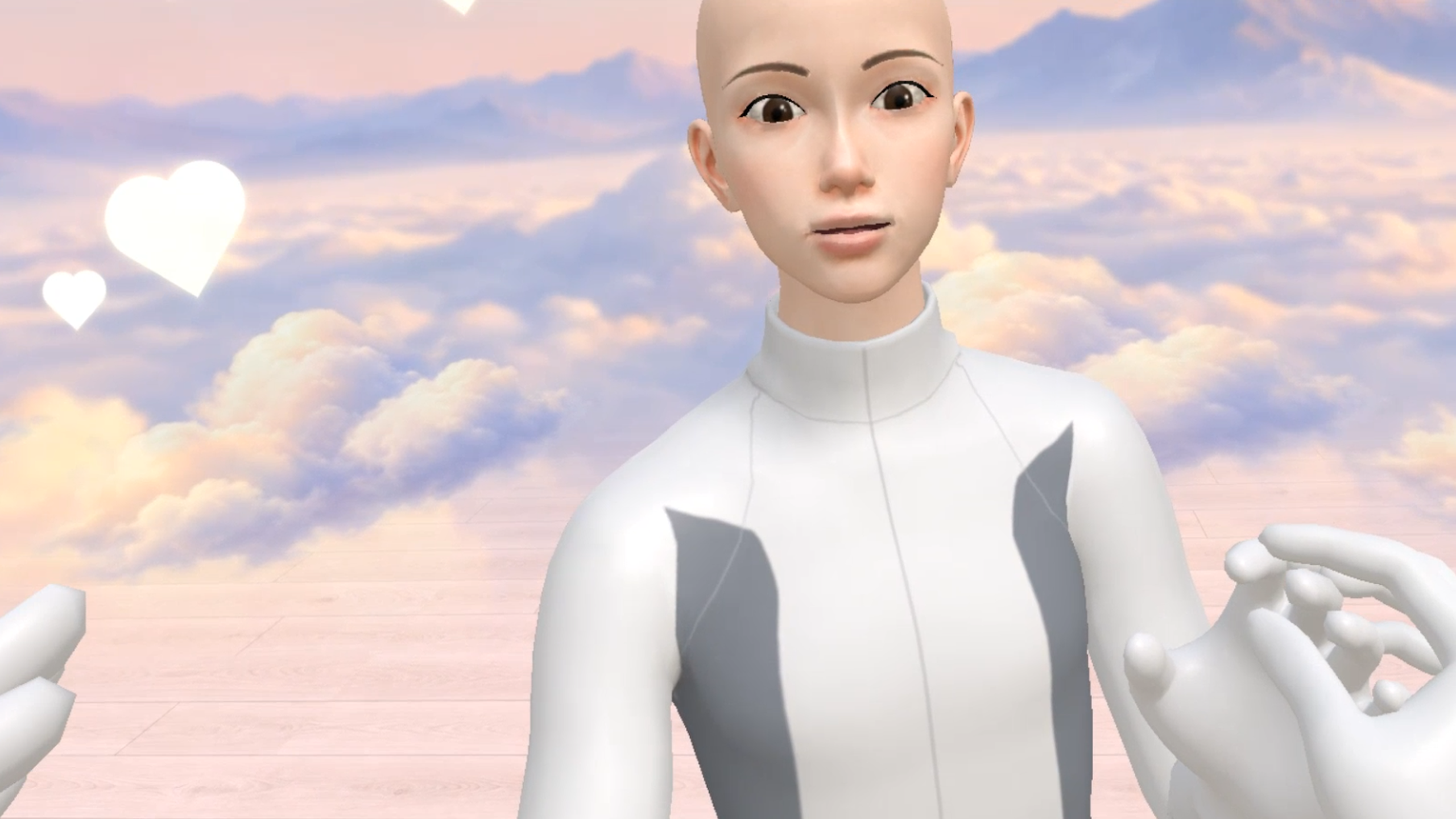
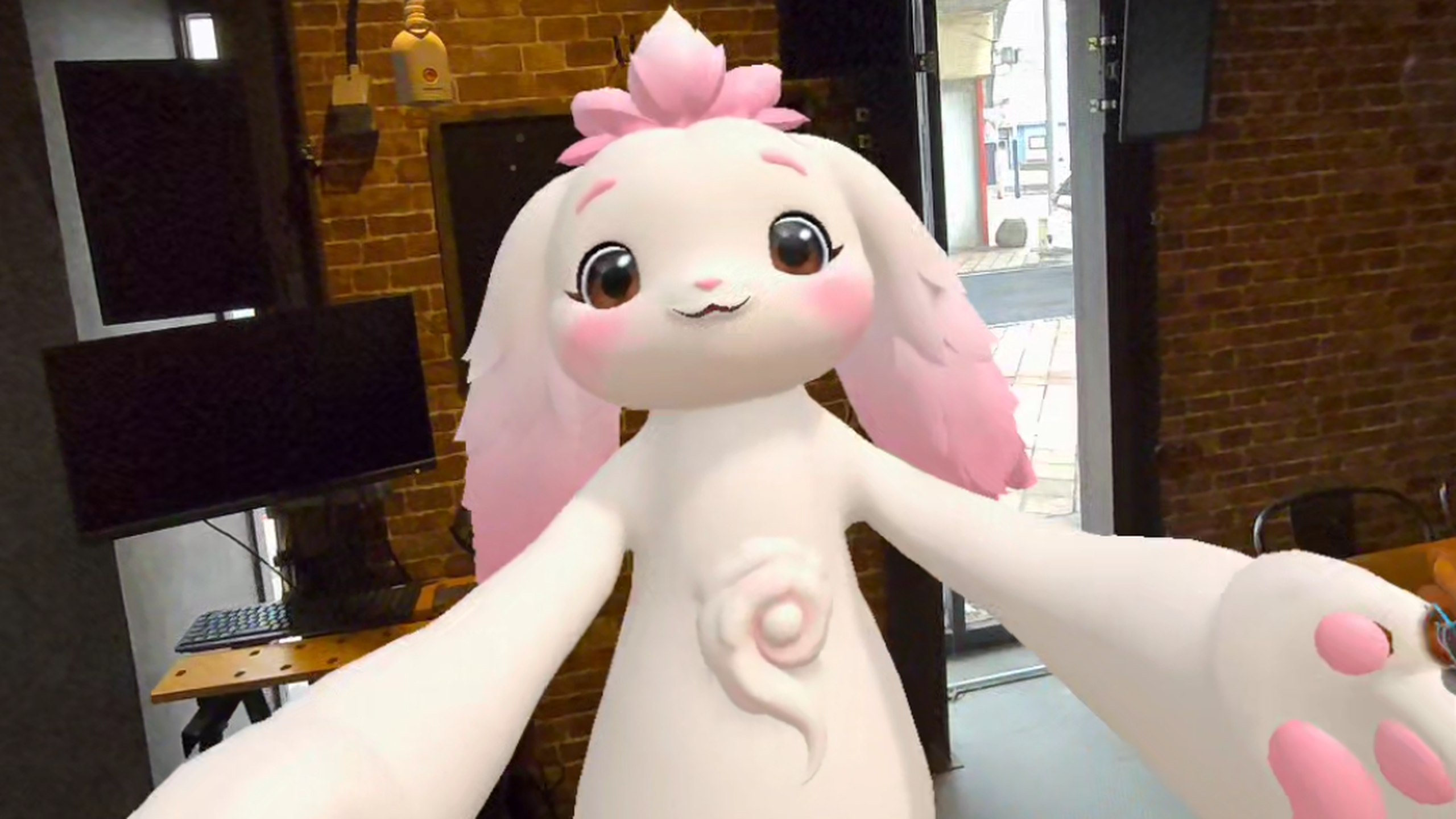
The companion mirrors the user's movements, creating the unique sensation of naturally hugging and being hugged by another version of themselves.
Through natural physical interactions, a convincing sense of softness, subtle breathing sounds, and calming ambient audio, Just a Hug offers a simple yet immersive hugging experience designed to bring a moment of warmth, comfort, and relaxation.
How I built it
Just a Hug was developed in Unity for Meta Quest, combining Meta XR SDK technologies with custom physics-based interaction systems.
Using Meta Movement SDK, the user's movements are reflected in a virtual character, creating lifelike animations and a natural sense of presence.
To enable natural physical contact, I developed a custom physics-based hand system by extending Meta Interaction SDK with my own physics pipeline.
To further enhance immersion, I combined this system with shader-based mesh deformation and responsive shading, allowing the character's surface to visibly compress and react to touch.
I also used Meta Audio SDK to incorporate subtle breathing sounds, contact sound effects, and spatial audio, further strengthening the feeling that the virtual companion is truly present.
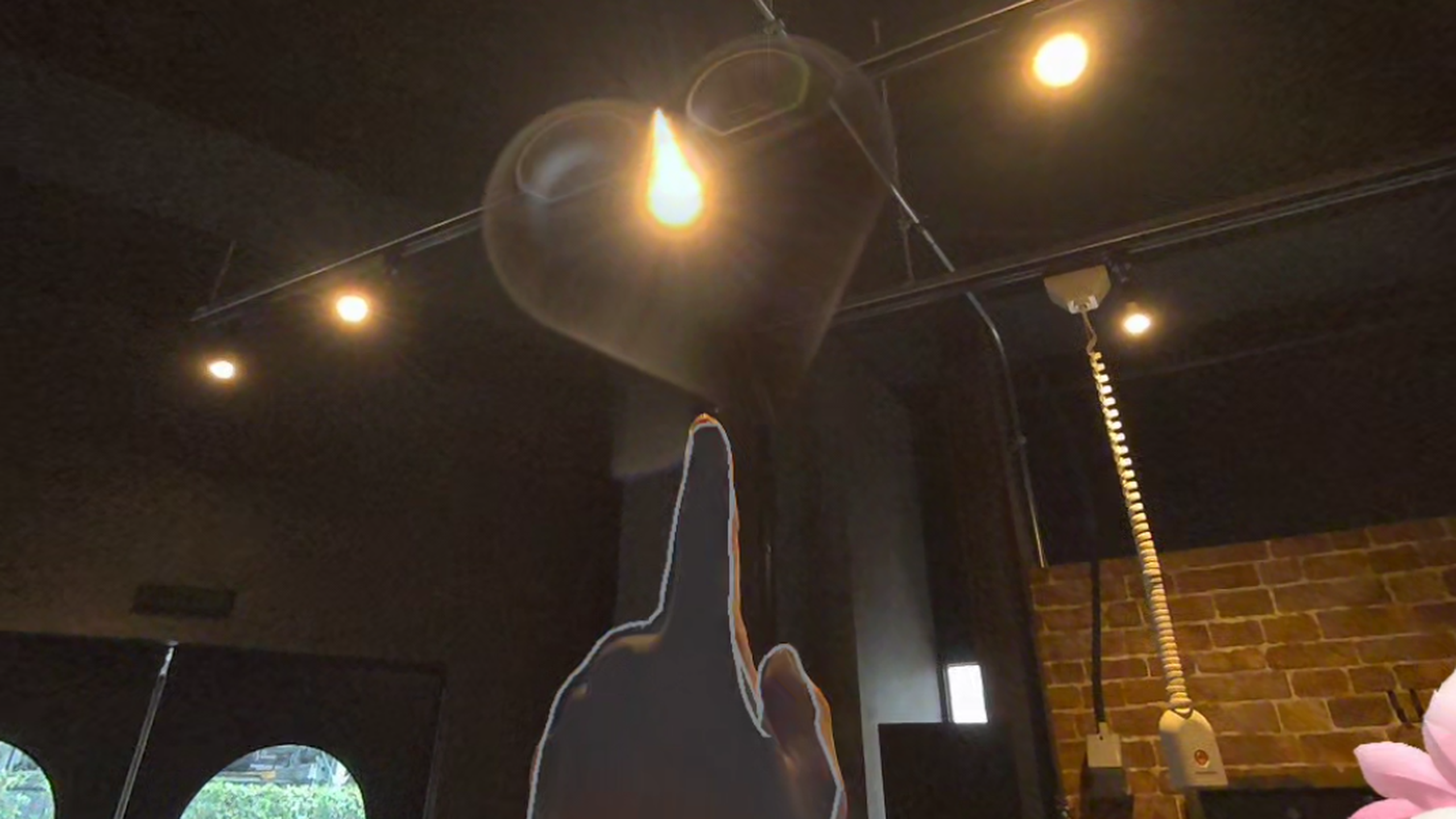
I'm also excited about the possibilities of Meta VR Glasses, so I added a little bonus: floating hearts that fade away slightly faster when the user looks at them. This playful gaze interaction is intentionally subtle, so it doesn't distract from the hugging experience.
I've also integrated Meta Movement SDK's face-tracking functionality. If Meta VR Glasses supports compatible face tracking, it could be fun to see the user's facial expressions reflected in the character as well, although I haven't been able to test this on the device.
Challenges I ran into
One of the biggest challenges was creating natural, convincing physical interactions with a virtual character.
I developed a custom physics system for the user's hands and added dedicated bones to the virtual character specifically for physical interactions, carefully fine-tuning the physical properties of its joints to achieve soft, gentle reactions to touch.
However, physics alone was not enough to create the sense of immersion I wanted.
By combining physical interactions with shader-based surface deformation, responsive shading, and subtle contact sounds, I was able to create a much more convincing sense of softness and physical presence.
Adding gentle breathing sounds also helped make the character feel more alive.
The real challenge was finding the right balance between these elements to create a natural, immersive, and comforting experience.
Accomplishments that I'm proud of
What I'm most proud of is how these different technologies came together to create a deeply immersive hugging experience.
By carefully combining physical interaction, character movement, visual feedback, and sound, I believe I've created an experience where the virtual companion feels remarkably present, making even a simple embrace feel warm and comforting.
Most importantly, I'm proud to have transformed my long-standing interest in avatar physics into an experience that might bring a little comfort to someone's life.
What I learned
Through this project, I was reminded of how powerful and versatile the Meta XR SDK ecosystem is. It provides a strong foundation that can be extended with custom systems to create sophisticated VR interactions in a relatively short development time.
I also discovered that hand tracking offers a unique kind of immersion. While controllers provide physical haptic feedback, interacting directly with your own hands creates a more natural connection to virtual experiences, opening up different possibilities for a deeper sense of presence.
Above all, this project reinforced my belief that the true magic of VR lies in immersion, and that carefully combining movement, physics, visuals, and sound is what makes virtual experiences feel truly real.
What's next for Just a Hug
Future possibilities include introducing more virtual companions, allowing users to import their own characters, and adding a mode where the companion actively reaches out to embrace the user rather than simply mirroring their movements.
I'm also interested in exploring AI-powered conversations, allowing virtual companions to offer gentle, supportive interactions alongside the hugging experience.
