Inspiration
Racing simulators are either expensive for casual users or lack realism for serious drivers. There are a number of racing simulators that could be difficult for a beginner to operate and understand the different functionalities of a button.
What it does
JSR SIM is a low-fidelity racing simulator featuring:
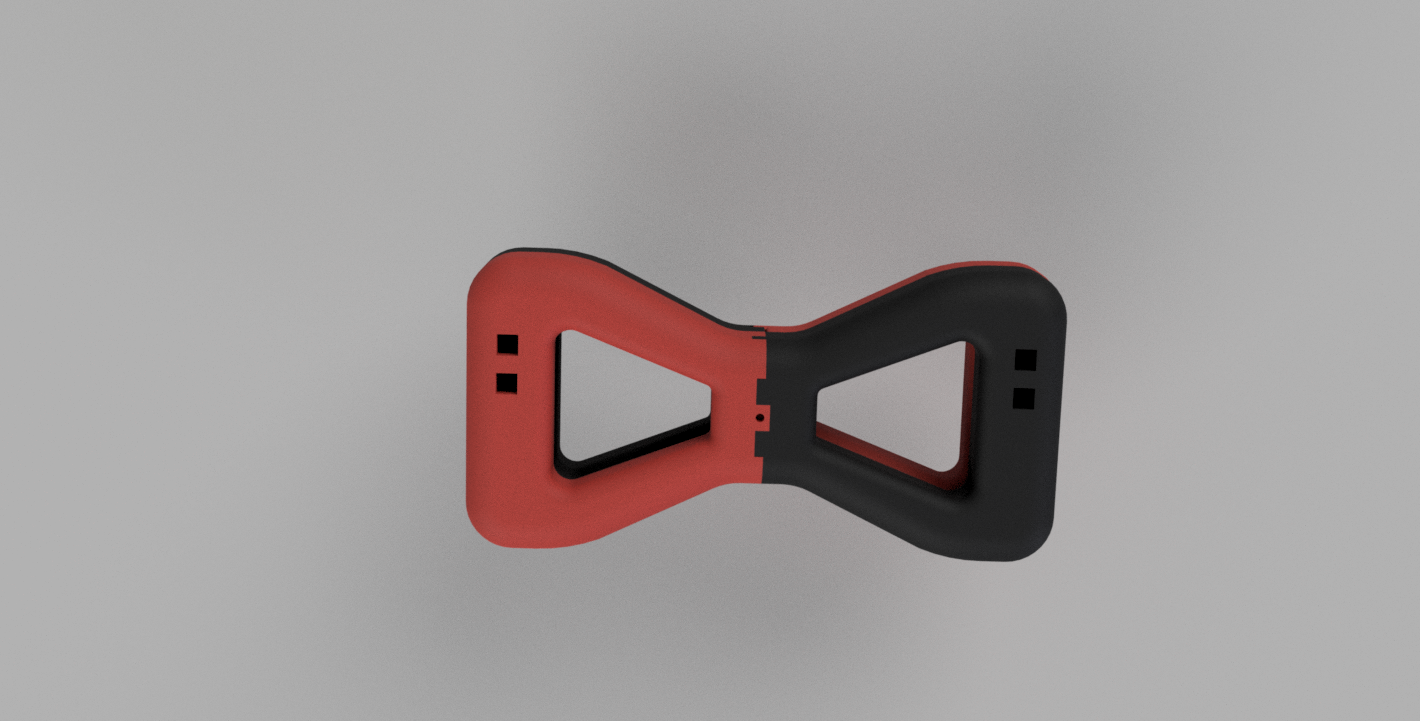
- A customized steering wheel with a new design for improved grip & control.
- Rear-mounted buttons for seamless control (Accelerator and brake as buttons instead of pedals for people with accessibility issues.)
How we built it
- Hardware: 3D-printed steering wheel, potentiometer (for steering wheel), rear buttons.
- Software: Designed in Fusion, integrated with Arduino for input tracking.
- Assembly: Modular components for easy customization and upgrades.
Challenges we ran into
- 3D Printing Limitations – Design constraints and unforeseeable circumstances regarding the timeframes.
- Time Constraints – Long print times delayed iterations, making rapid prototyping challenging.
Accomplishments that we're proud of
Successfully Designed & Built a Working Prototype – We developed a low-fidelity racing simulator with a custom steering wheel and adjustable pedals, providing a foundation for future high-fidelity improvements.
Ergonomic & Innovative Steering Wheel Design – Our non-circular steering wheel (inspired by the VS Studio logo) enhances grip, comfort, and control, making it a unique take on racing simulator hardware.
Integrated Functional Rear-Mounted Buttons – Added rear paddle-style buttons to simulate real-world gear shifting, improving accessibility and ease of use.
What we learned
Importance of Ergonomics in Racing Simulators – Designing a non-traditional steering wheel shape required balancing comfort, grip, and usability for extended gameplay. Also, making it user-friendly for all backgrounds.
Challenges of 3D Printing & Prototyping – We experienced print failures, material constraints, and long build times, reinforcing the need for efficient design iteration.
Modular Design Thinking – We structured our simulator to be easily upgradable, making it possible to improve features without starting from scratch.
User-Centric Design – By testing different layouts, we prioritized accessibility and adaptability, ensuring the simulator can work for various users.
What's next for Jumpstart Racing Simulator
High-Fidelity Prototype Development – Upgrade the current low-fidelity model with load cells, hydraulic dampers, and improved materials for realistic force feedback.
Advanced Game Integration & Telemetry – Implement real-time data tracking for lap-time analysis, pedal force measurement, and racing performance insights.
Customization Features – Allow users to adjust pedal sensitivity, steering resistance, and button mapping for a personalized experience.
Expanded Accessibility Features – Refine design ergonomics to accommodate different hand sizes, foot pressures, and potential adaptive controls for inclusive gaming.
Built With
- 3dprinting
- arduino
- c++
- fusion
- prucaslicer


Log in or sign up for Devpost to join the conversation.