-
-

App Open Scene
-

Test Ad Display Visuals
-

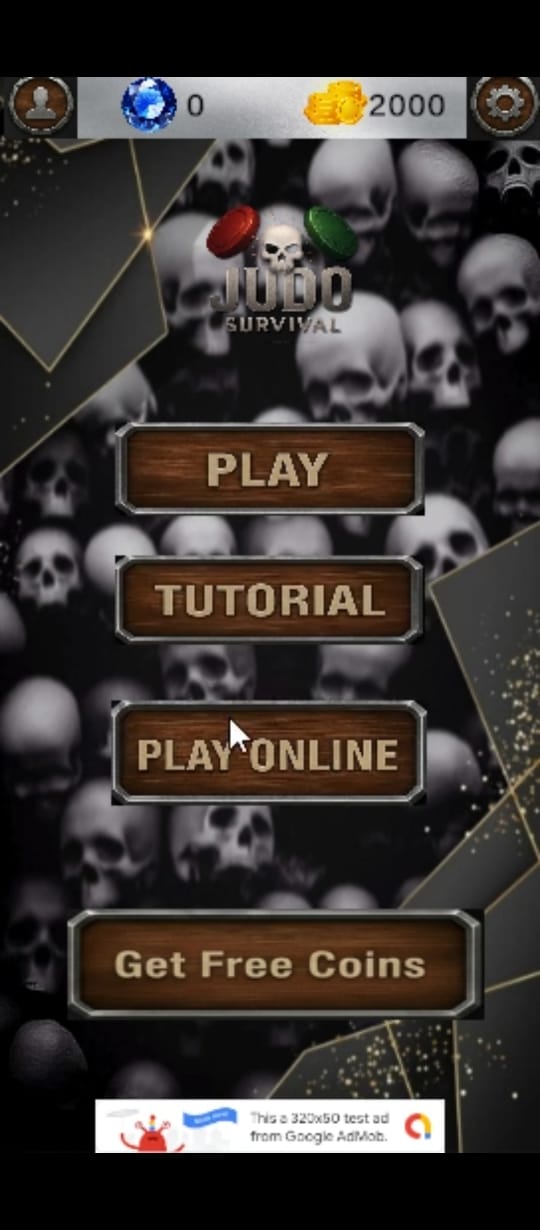
Main Menu UI Scene
-

Online Matchmaking scene
-
Main Logo
-
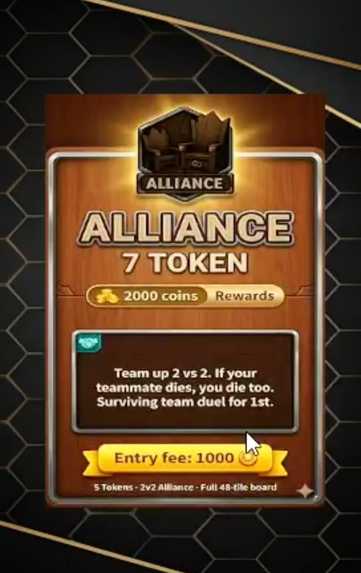
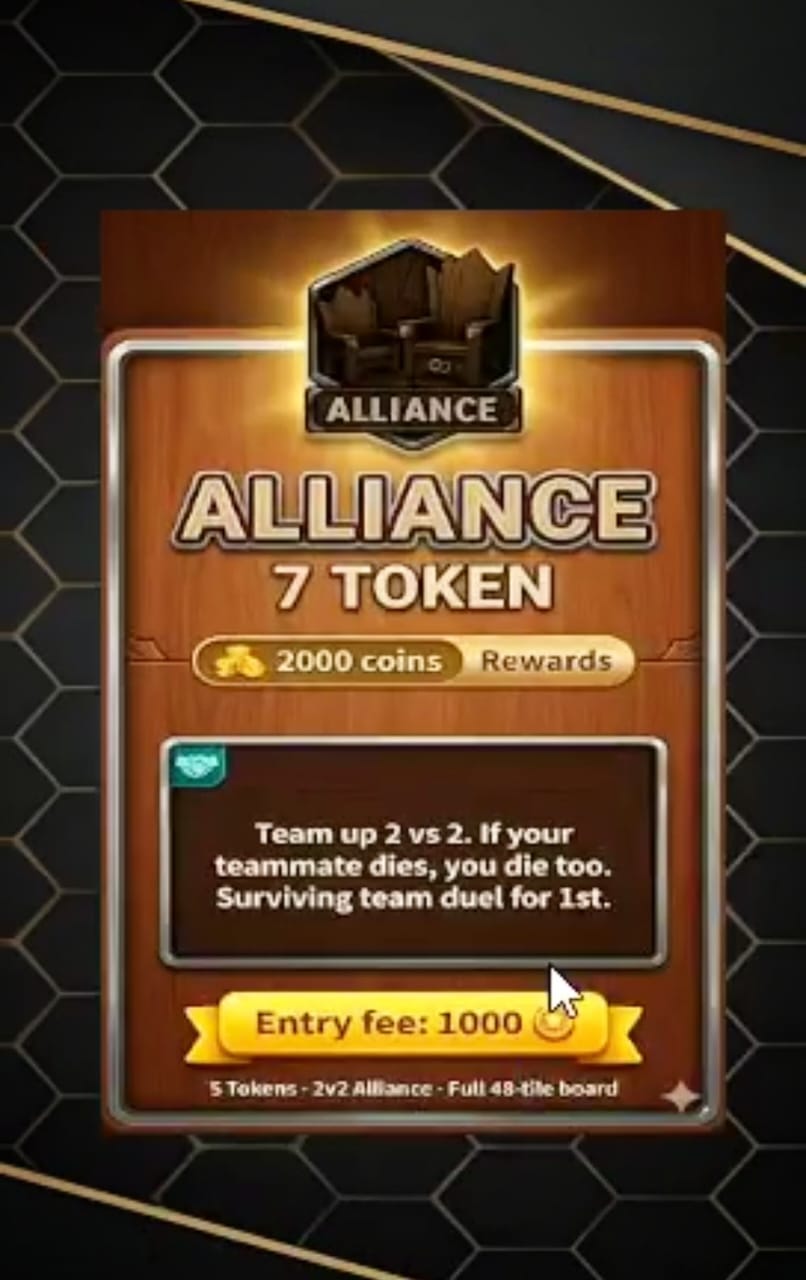
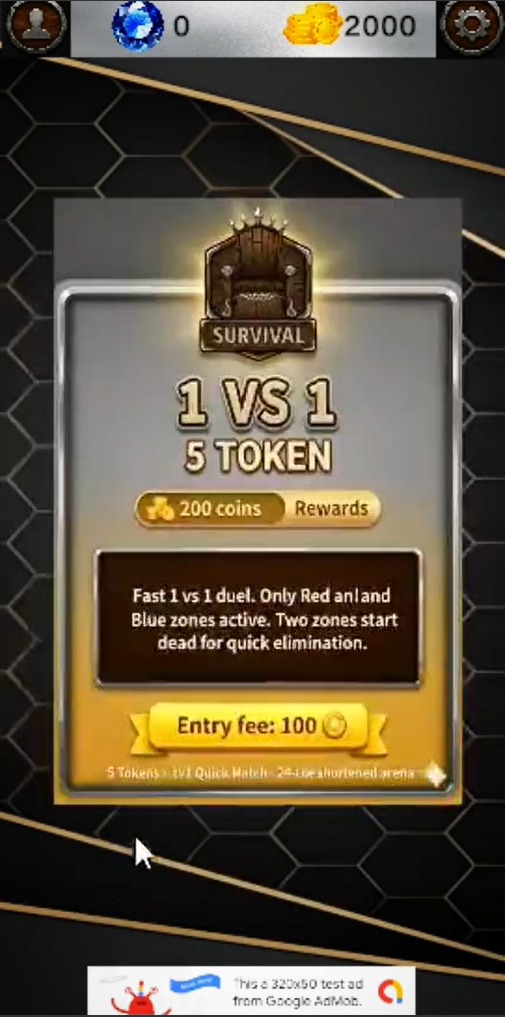
Online Mode Selection Panel
-
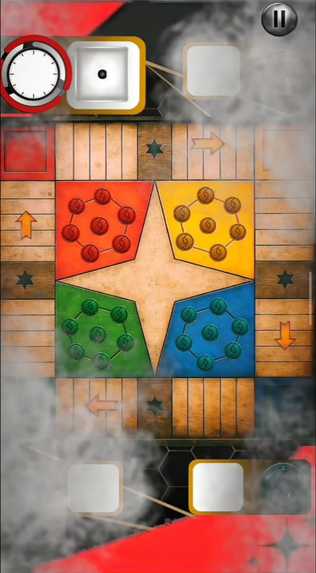
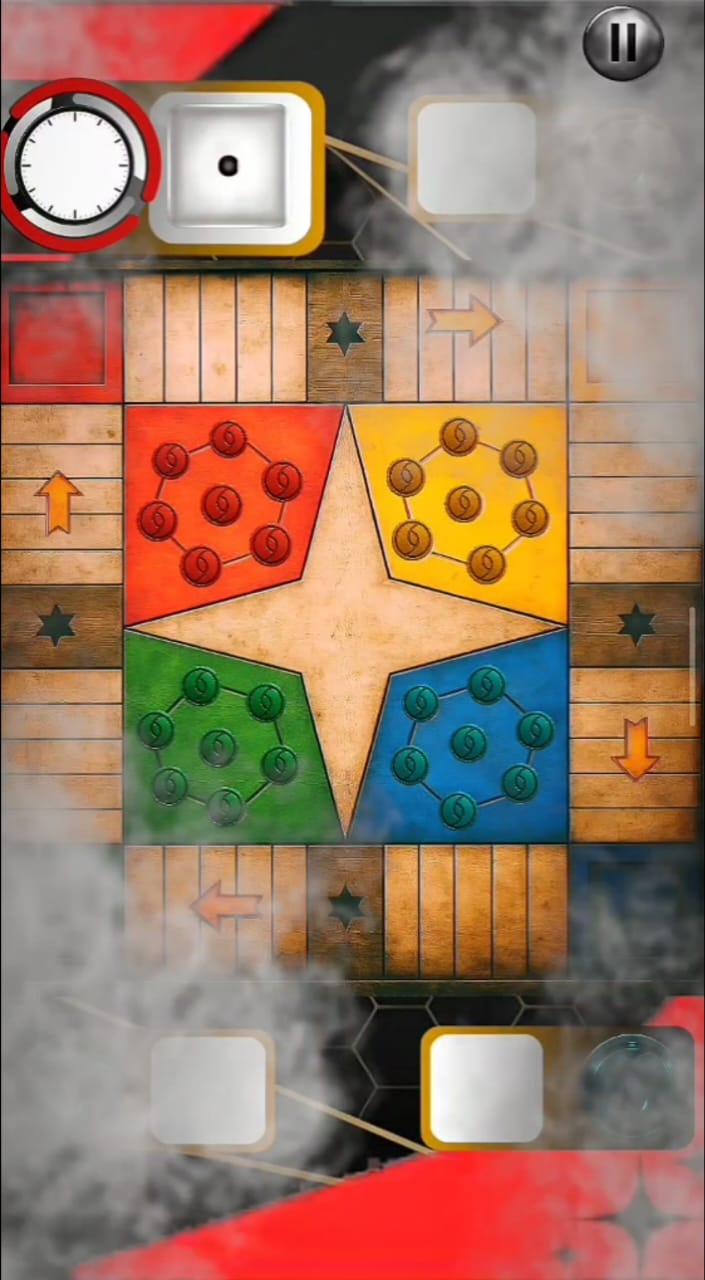
Match Open Scene
-
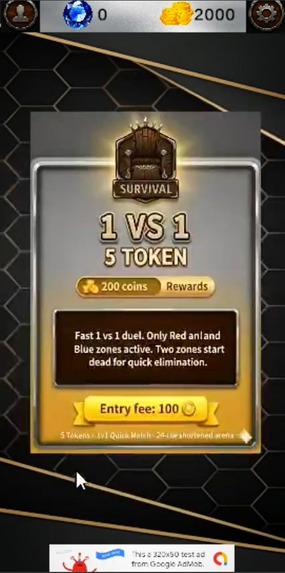
Online Mode selection panel with Entry fees s.a coins
-
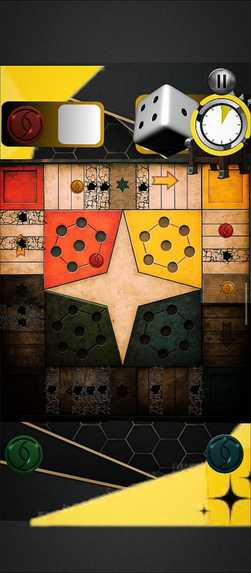
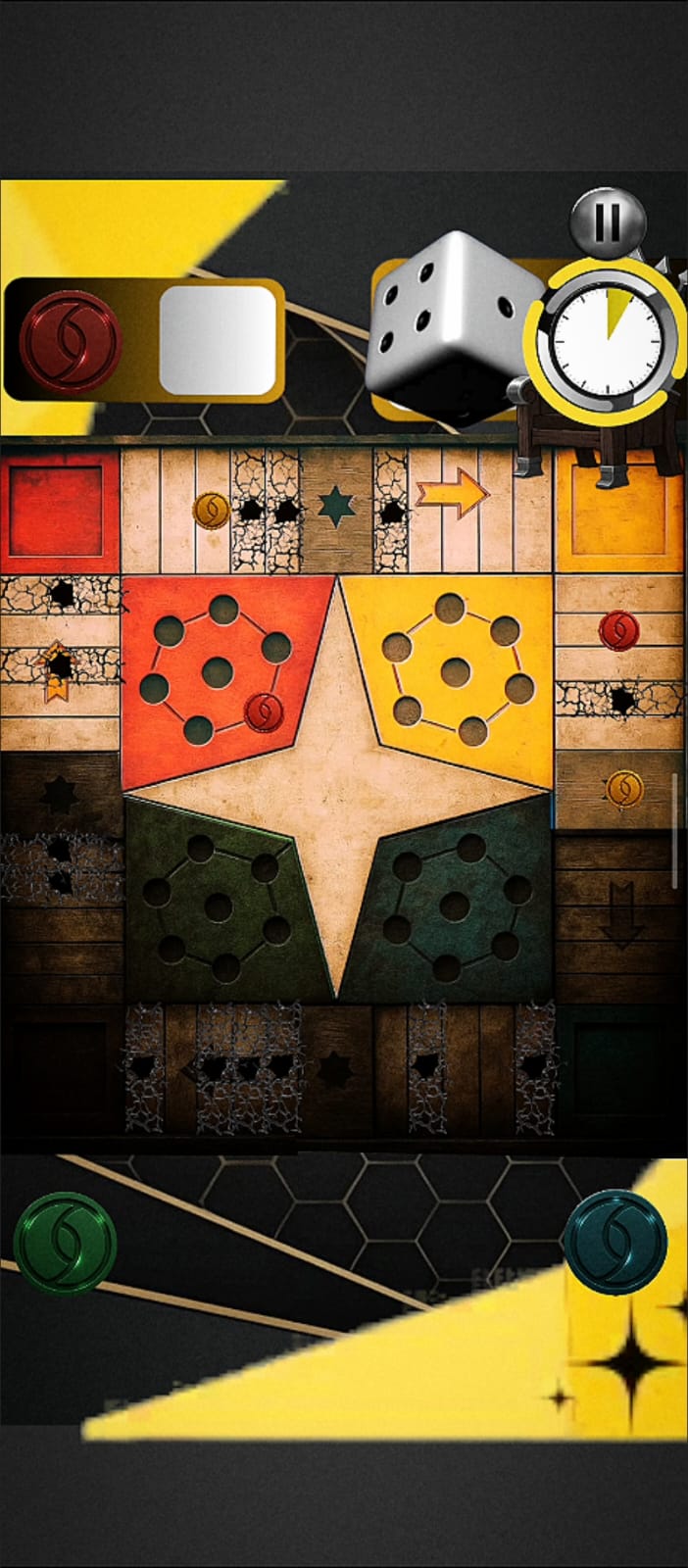
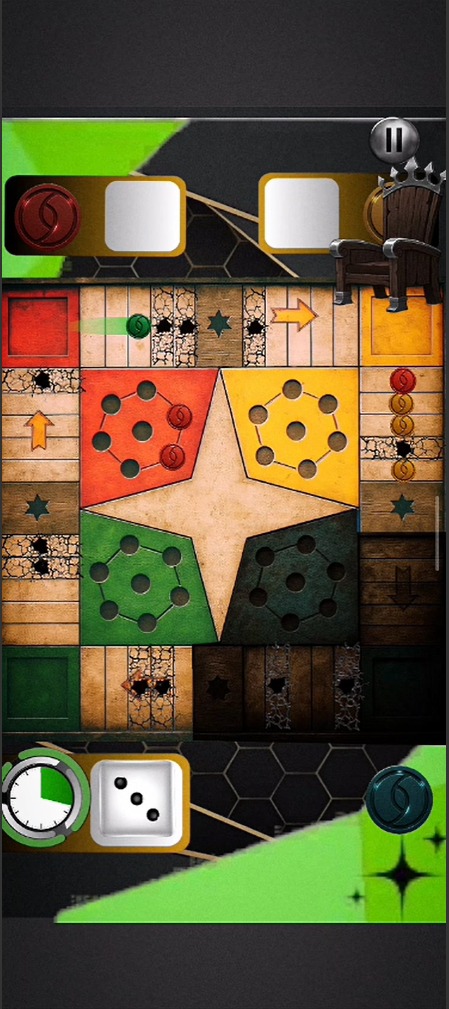
Zone Eliminaton - End GAME Scene
-
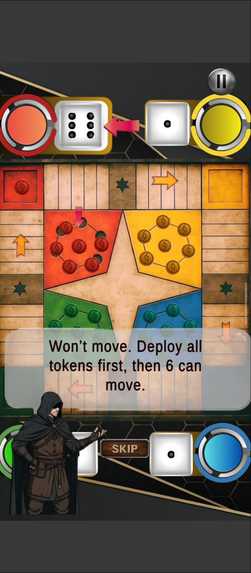
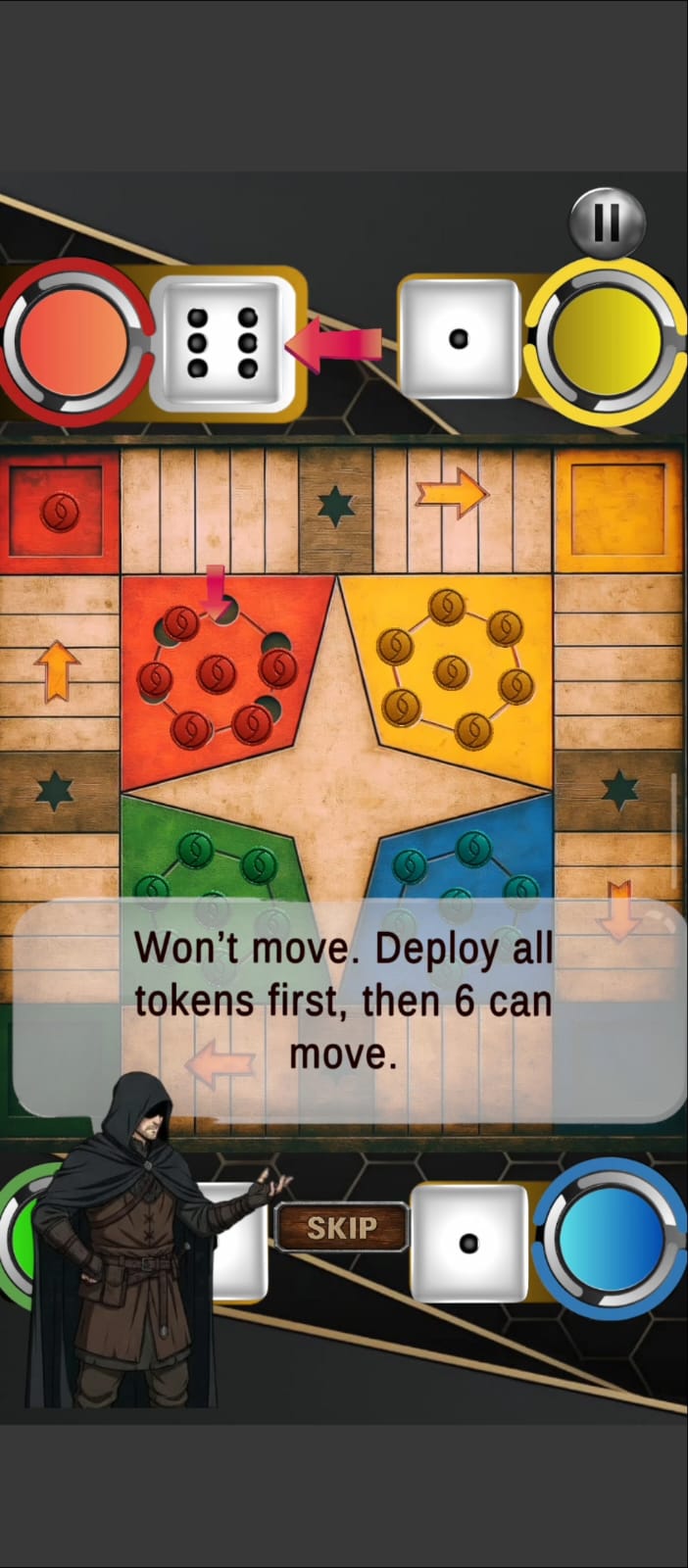
Tutorial scene
-
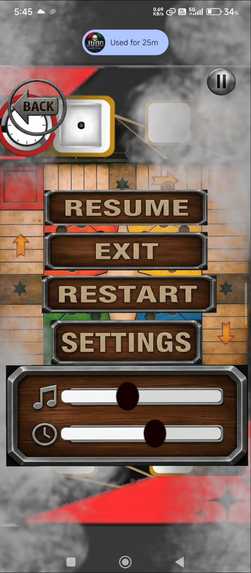
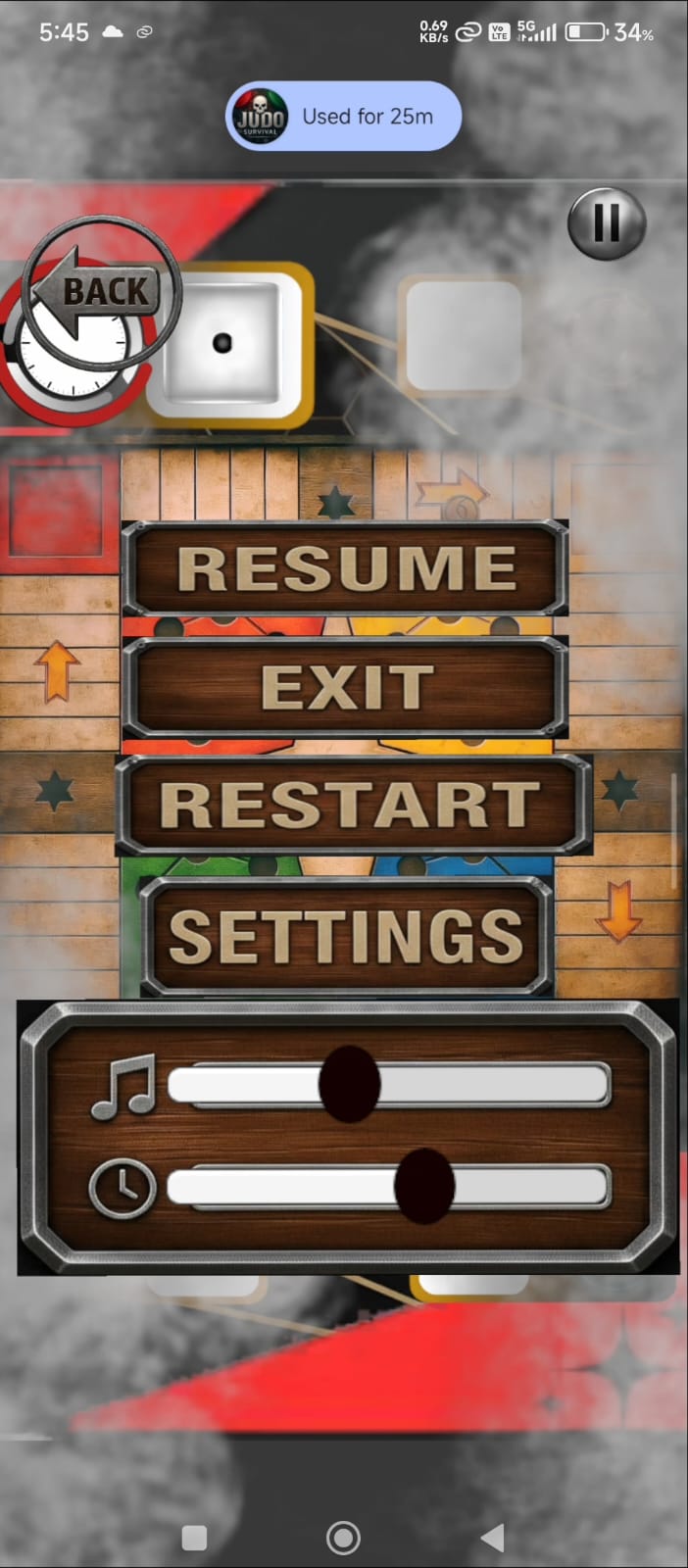
Pause Panel Scene
-
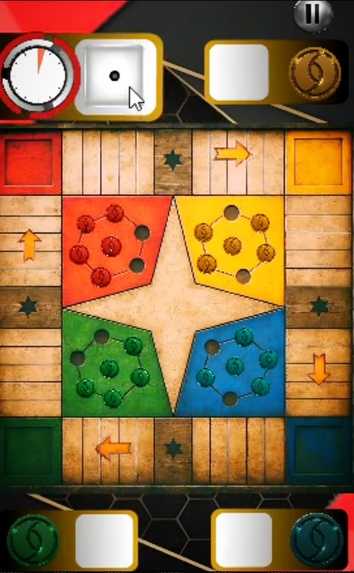
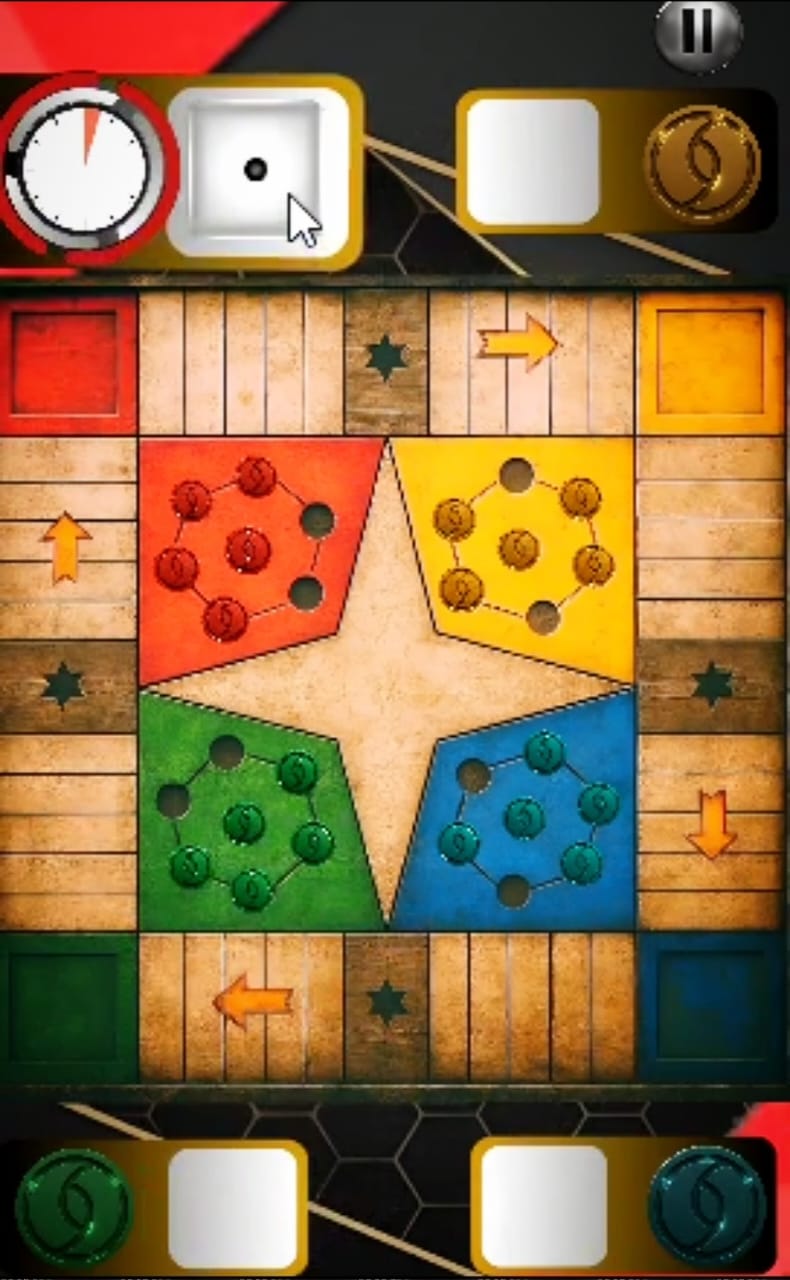
Match Start Scene -02*
-
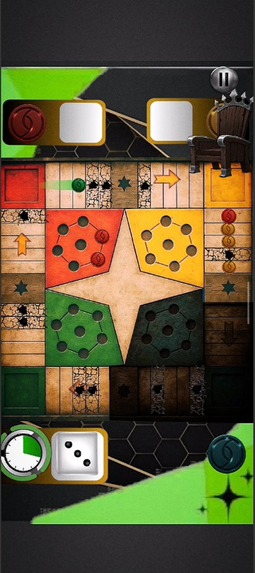
First Zone Elimination Scene
-
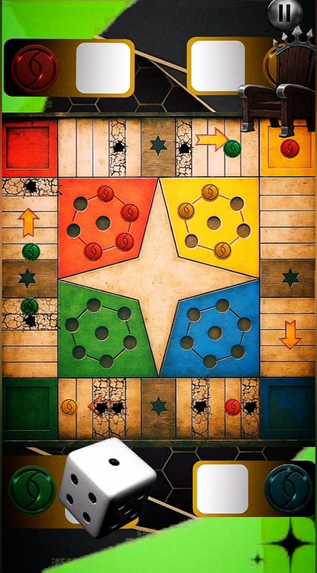
Mid Game Hot take Scene



Inspiration
The main inspiration came from survival video games and roguelikes, where every decision has weight and the world changes based on your actions. I liked the emotional pressure those games create, and I wondered why board games rarely explore that space.
Instead of adding more rules or power-ups, I focused on consequences. What if pieces didn’t come back? What if the board itself slowly disappeared?
That single question shaped the entire project.
What it does
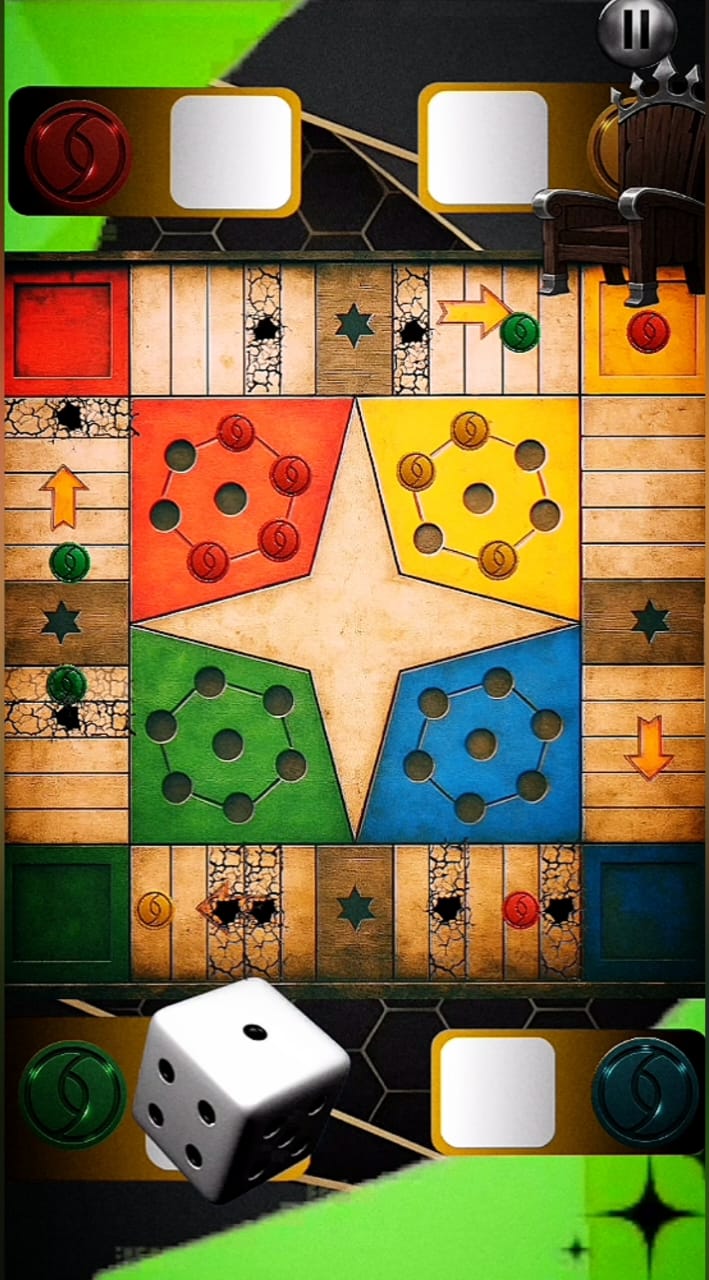
Judo – Survival is a turn-based board game where mistakes are permanent. When a token is eliminated, it’s gone for the rest of the match, and the tile where it happens can become unusable. Over time, the playable board shrinks, forcing players into tighter, riskier situations.
There are no safe resets and no guaranteed comebacks. Every move matters, and surviving often means choosing the least dangerous option rather than the most aggressive one.
How we built it
The project was built step by step, starting with a basic board and turn system and slowly layering mechanics on top. I focused on keeping the rules simple while making sure they interacted in interesting ways.
Core systems include dice-based movement, permanent elimination, dynamic board changes, and bot players so the game can be played solo or with mixed players. Each feature was tested individually before being combined to avoid breaking the overall flow.
Challenges we ran into
Balancing was the biggest challenge. Because the board changes permanently, small changes had a huge impact on gameplay. Too many dead tiles made the game feel unfair, while too few removed the survival tension.
Another challenge was making the rules easy to understand without long explanations. Since the game behaves differently from traditional board games, clarity was more important than adding new features.
Accomplishments that we're proud of
1.Building a fully playable survival board game with original mechanics
2.Creating tension without complex systems or graphics
3.Making the board itself an active part of the gameplay
4.Achieving meaningful strategy using very simple rules
Most importantly, the game consistently creates “oh no” moments where players realize their earlier decisions are catching up to them.
What we learned
I learned that removing safety nets can create deeper strategy than adding new abilities. When players know there is no reset, they naturally think ahead and play more carefully.
I also learned the value of iteration and playtesting. Watching players struggle, adapt, and survive helped shape the rules more than any initial design plan.
What's next for Judo - Survival
The next step is improving onboarding and tutorials so new players understand the survival mechanics faster. I also plan to expand multiplayer features and refine existing modes based on player feedback.
Long-term, I want to explore how far consequence-driven design can go in casual board games without sacrificing accessibility.


Log in or sign up for Devpost to join the conversation.