-
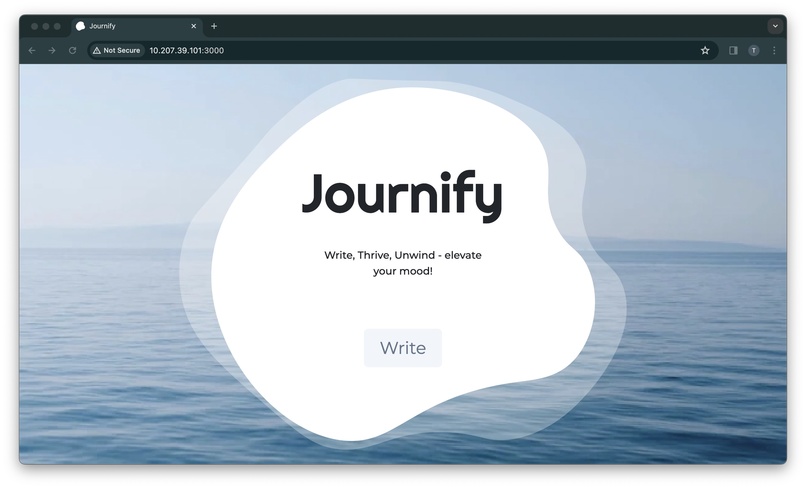
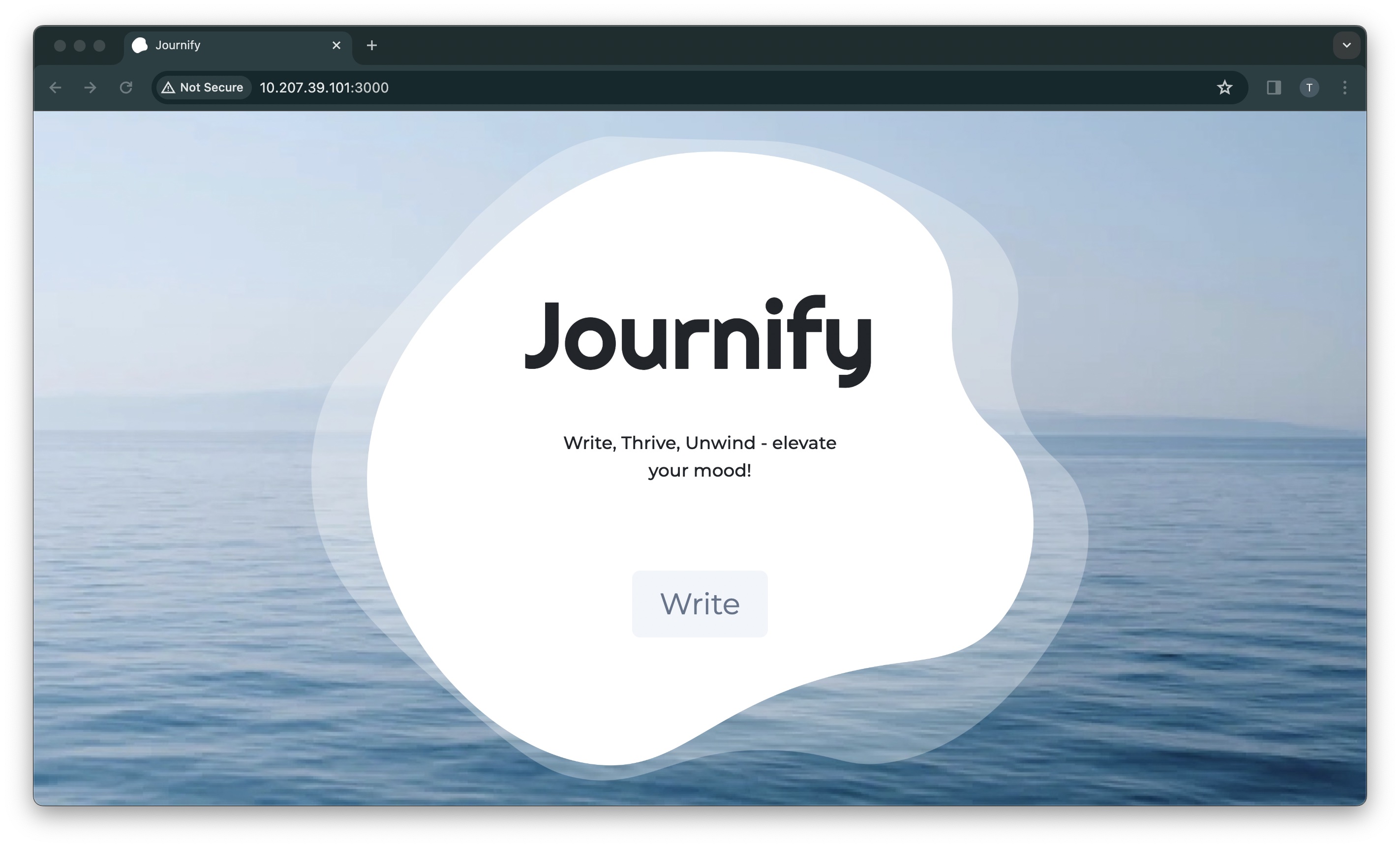
Home Page
-
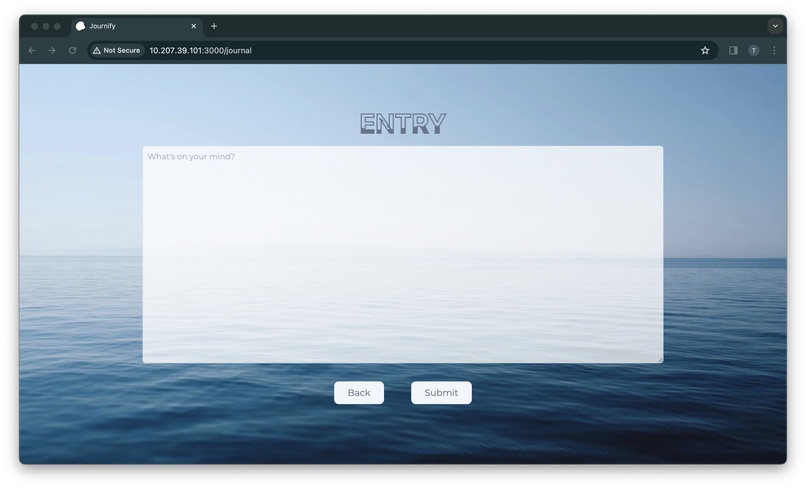
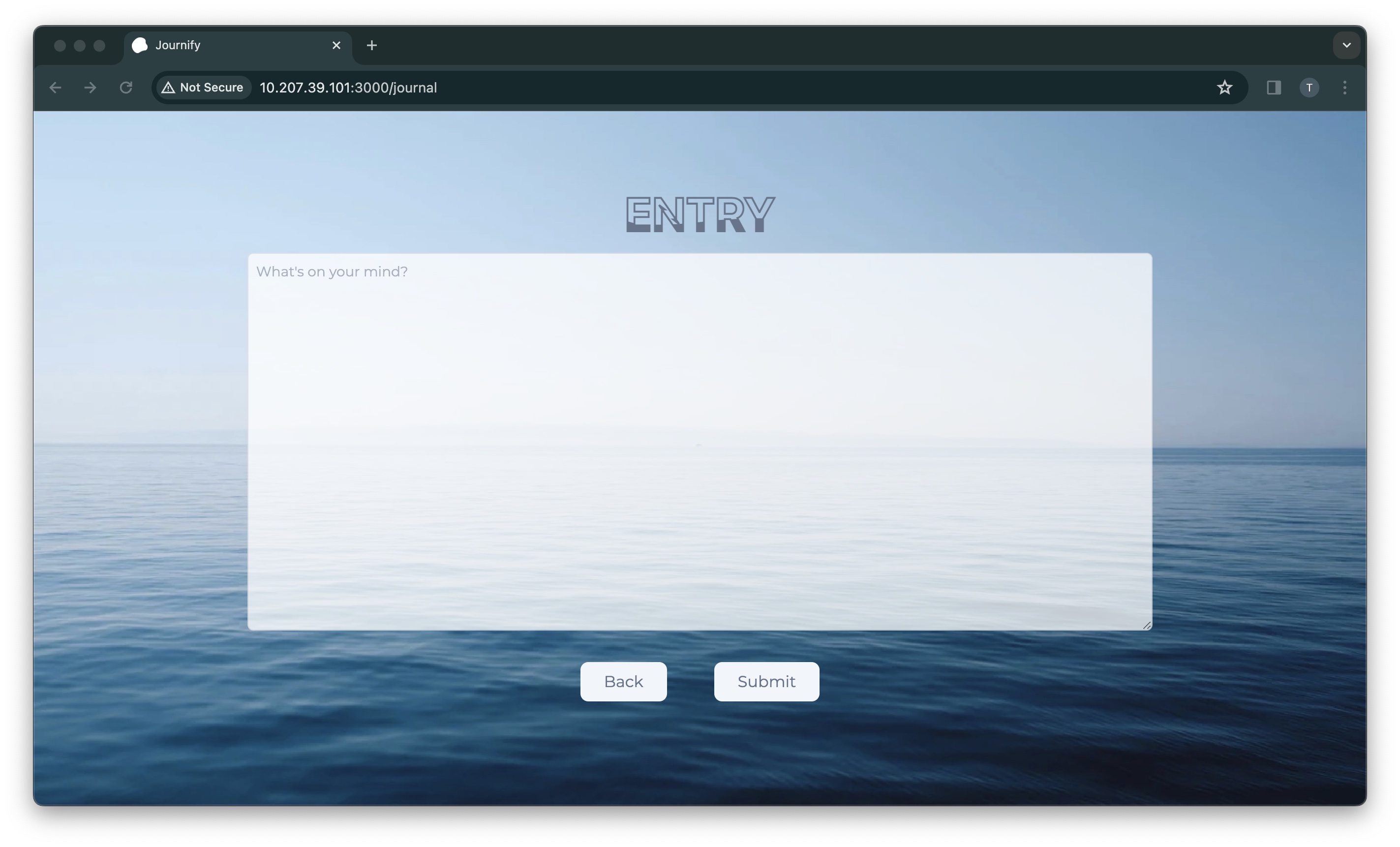
Journaling Page
-
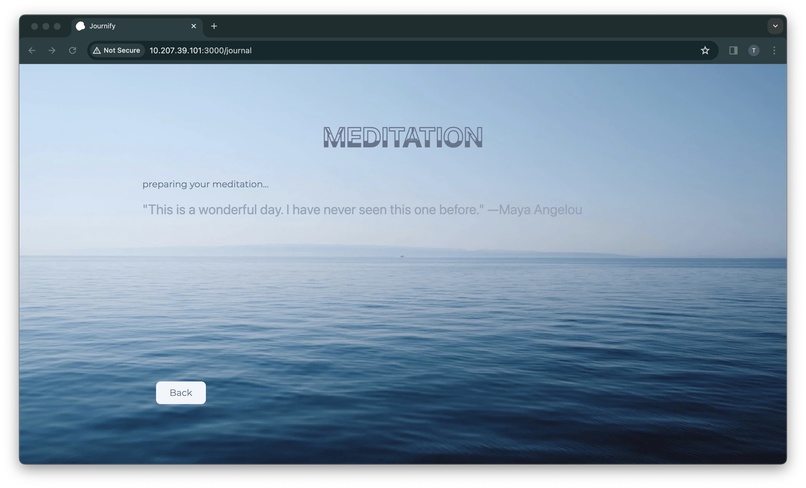
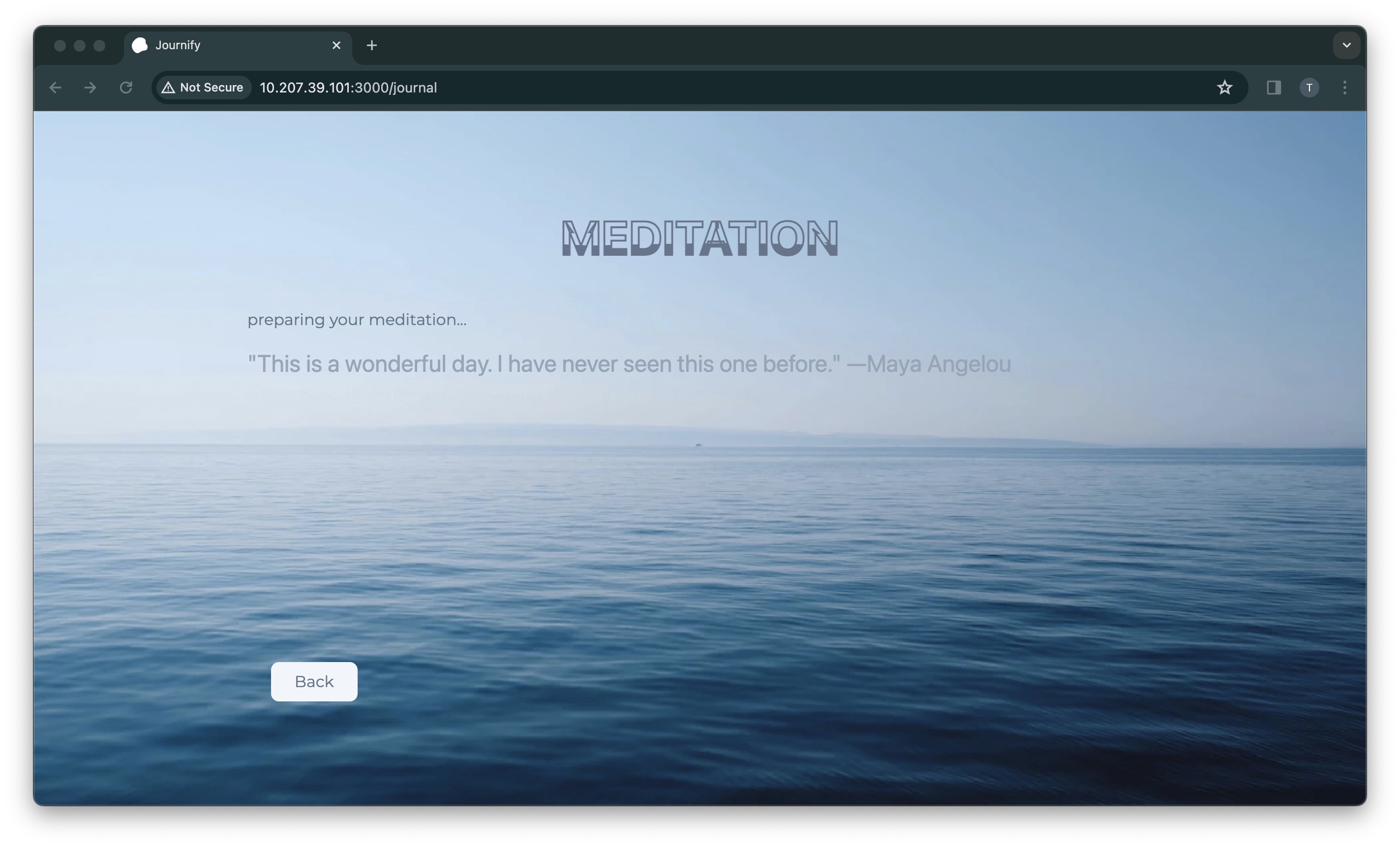
Generating Personalized Meditation...
-
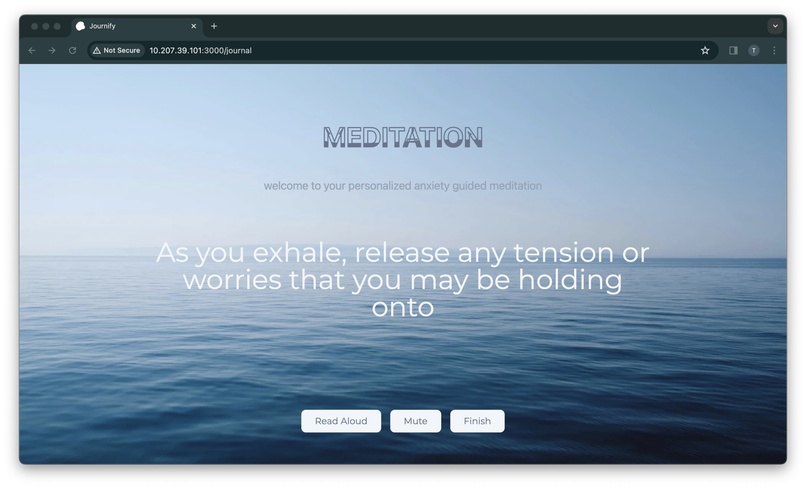
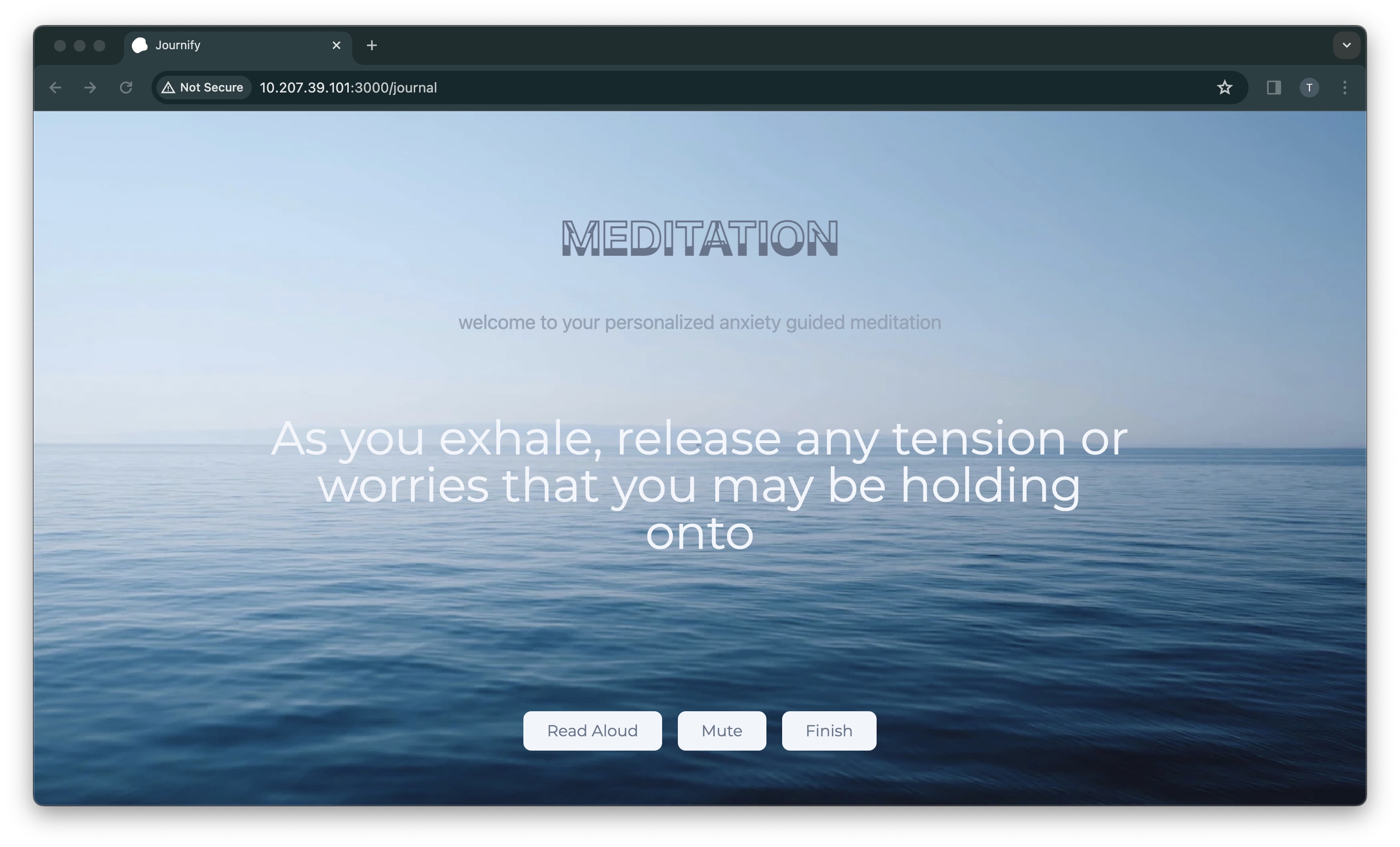
Anxiety Guided Meditation
-
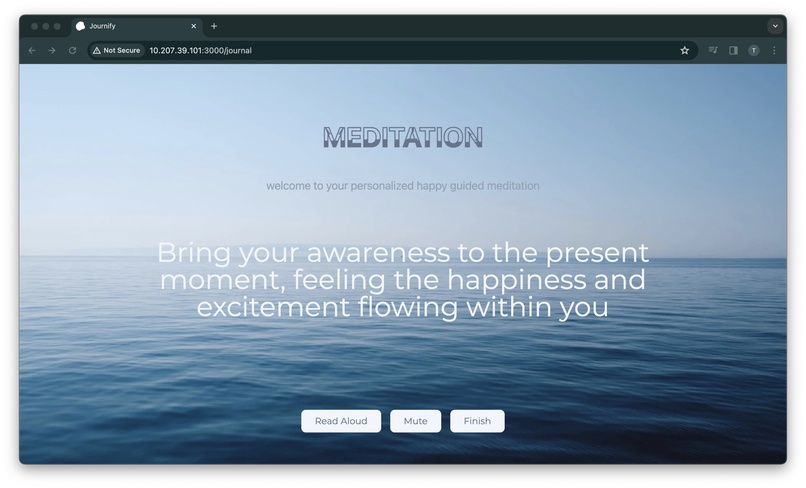
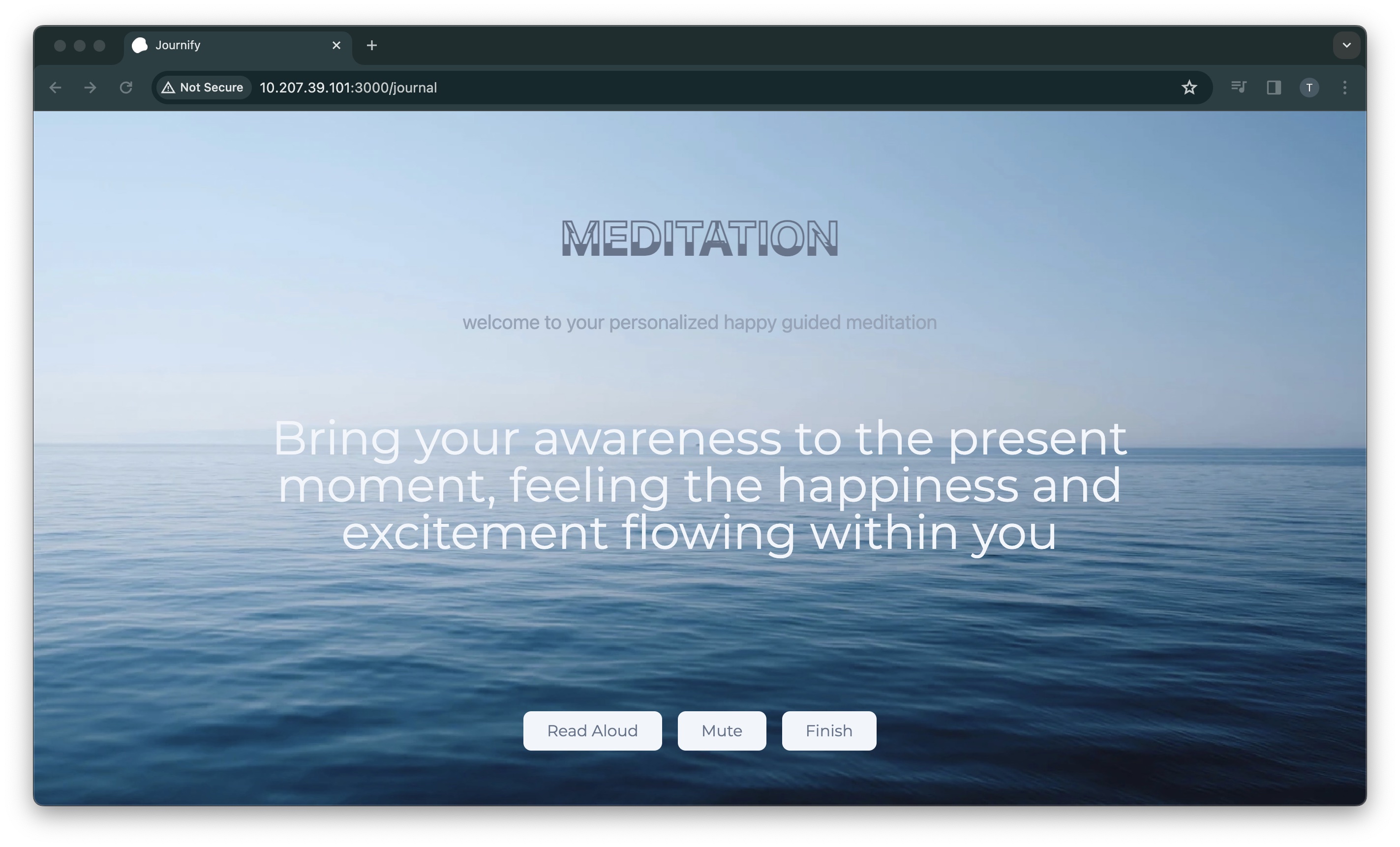
Happy Guided Meditation
Inspiration
As college students, it is often difficult to take the time to pause, reflect, and unwind especially in a world with endless distractions and tasks. Journify lowers the barrier to mental self-care by combining both journaling and meditation in one. Moreover, many meditation apps today have set scripts and limited variety, but everyone's mental health journey is different. By using AI, Journify generates meditation programs that are different each time, formulated based on detecting and analyzing 28 different emotions.
What it does
To begin, users can submit journal entries describing whatever that is on their mind. In response, Journify produces a personalized guided meditation based on the emotions detected in the journal entry. The guided meditation is in both audio and visual form.
How we built it
For the front-end of Journify, we used ReactJS and TailwindCSS. The Python Flask framework was used for the backend of the program. We used the hugging face emoRoBERTa library to analyze the level of 28 different emotions present in the journal entry. For the meditation, we used OpenAI along with the browser's Speech Synthesis Utterance to produce a personalized meditation program based on the user's top emotions.
Challenges we ran into
This was our first hackathon, so we ran into several issues along the way. One of the significant challenges we ran into was using Git version control and live screen editing features. Although this was difficult to manage at first, through collaboration and consulting mentors, we were able to overcome the issue of not being able to upload our code onto GitHub. Another challenge that we faced is connecting to the OpenAI interface and parsing the response so that the visual display aligned with the audio VoiceOver. This part was particularly difficult because the sentences were not the same length in terms of syllables and some meditation phrases lends itself to more pauses than others. To overcome this, we consulted OpenAI docs and researched extensively about the browser's Speech Synthesis Utterance feature to customize it for our program. Ultimately, we are proud of overcoming these challenges that we faced during the course of the hackathon.
Accomplishments that we're proud of
We are proud of how much we have accomplished in such a short time. Given the time constraints, we are pleased that we incorporated both emotion detection and personalized meditation program generation. Moreover, we are particularly satisfied with the UI, whether it's the overall flow of the web app or the wave effect on the title text. Many of us were new to the specific libraries and frameworks we used, so we are also grateful for how much we have learned.
What we learned
Through DevFest, we learned a lot about how to code collaboratively, connect back-end to front-end, using git, GCP, among others. We tried many different platforms and technologies such as GCP. Even though some of them were not incorporated into our end product, it was very productive to be exposed to these technologies and learn about them.
What's next for Journify
We hope that Journify can have even more personalized features, such as customizable voices, languages, background images, etc. In the future, we would also like to have user authentication features where users can save specific journal entries and meditations that they particularly enjoy. With user authentication, it would be interesting to also track the user's entries over time so that they can see their progress on their mental health journey.


Log in or sign up for Devpost to join the conversation.