-
-
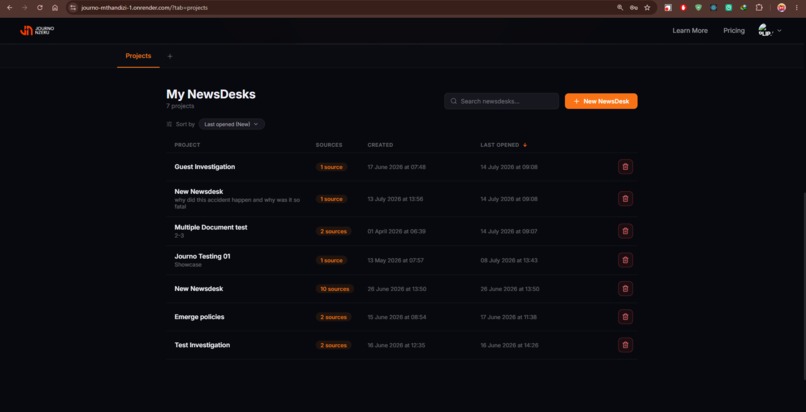
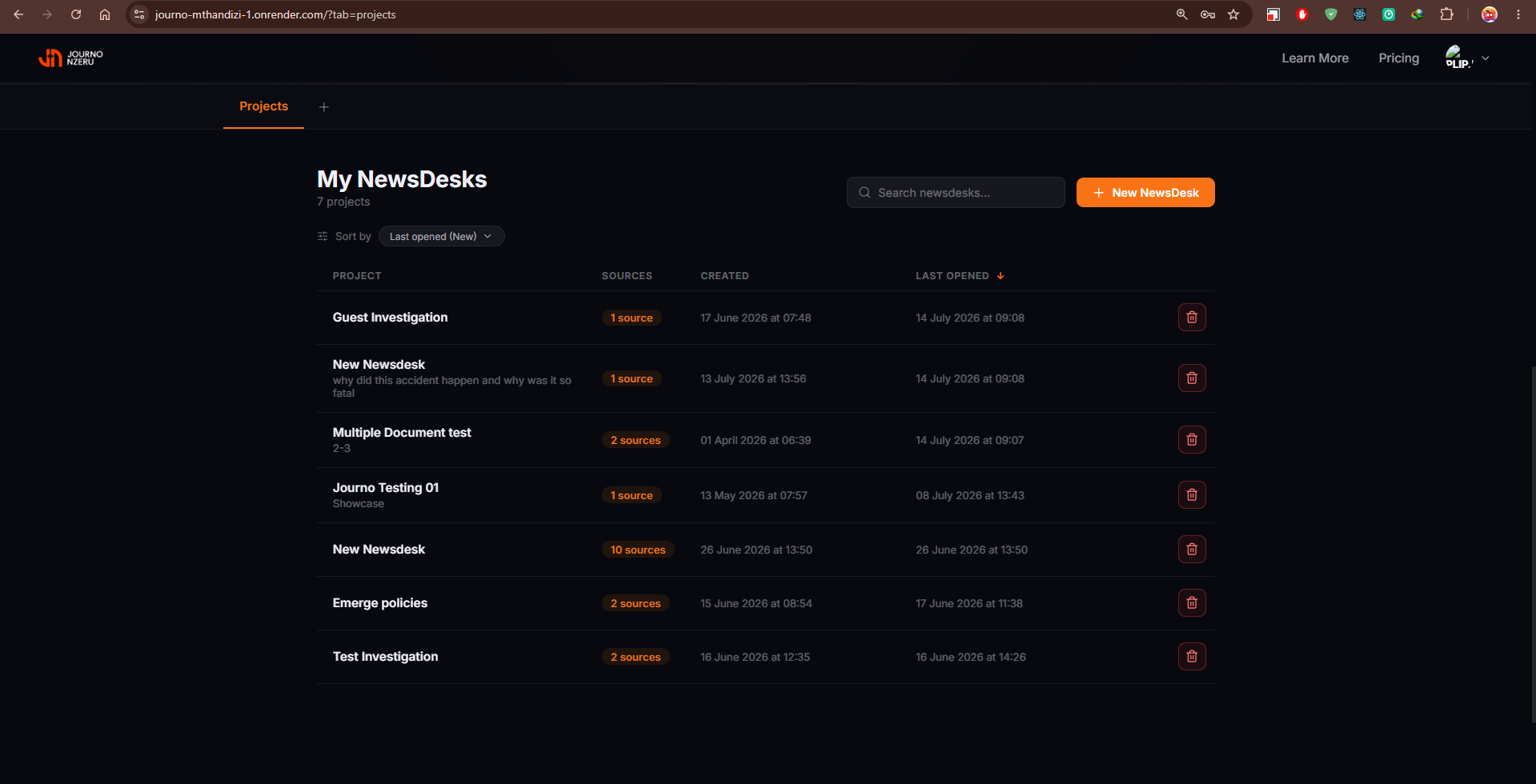
Saved Projects page
-

Login Page
-
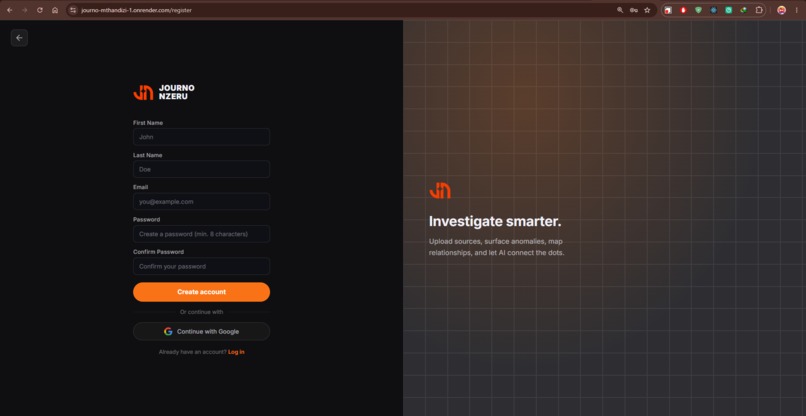
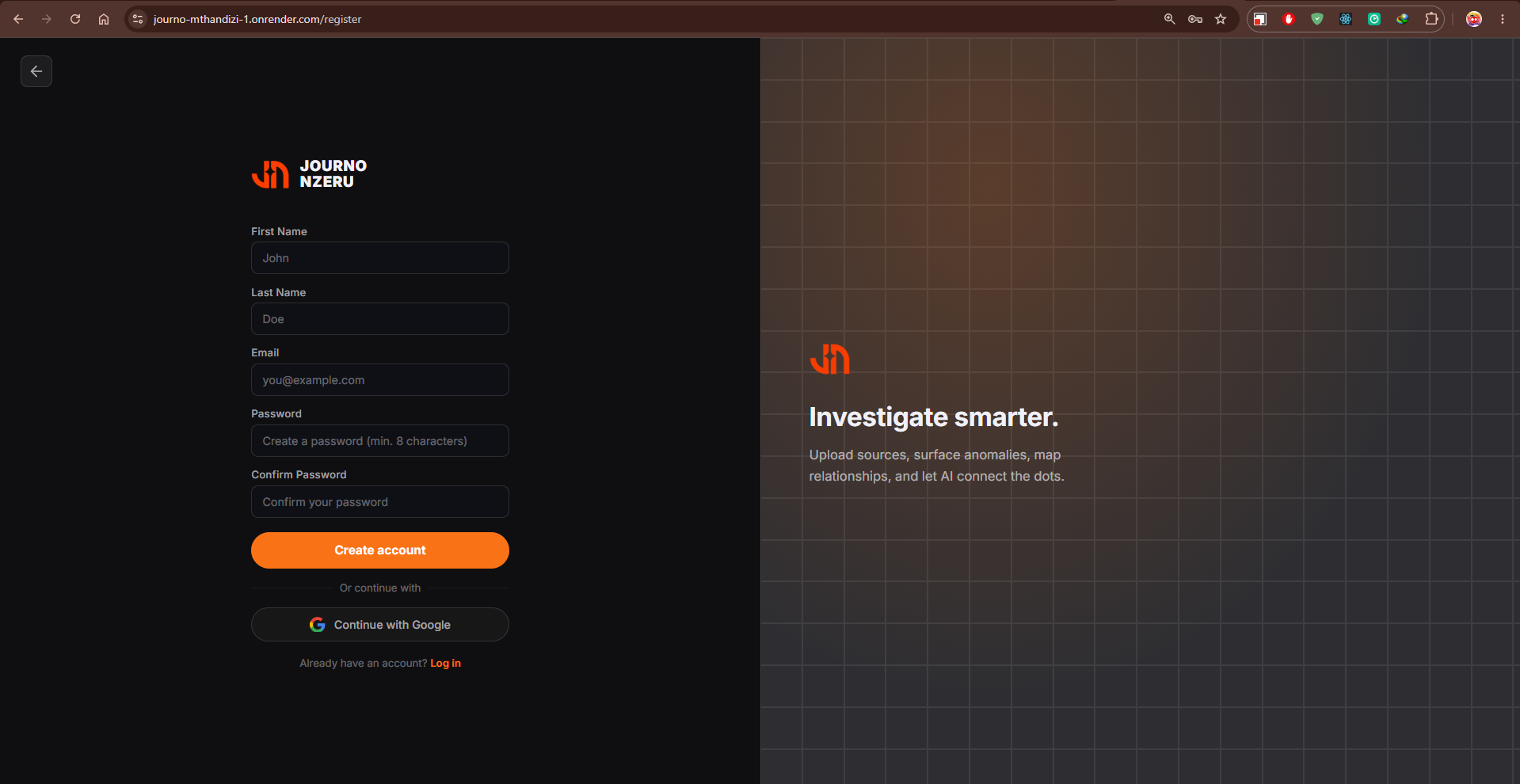
Sign-up Page
-

Landing Page
-
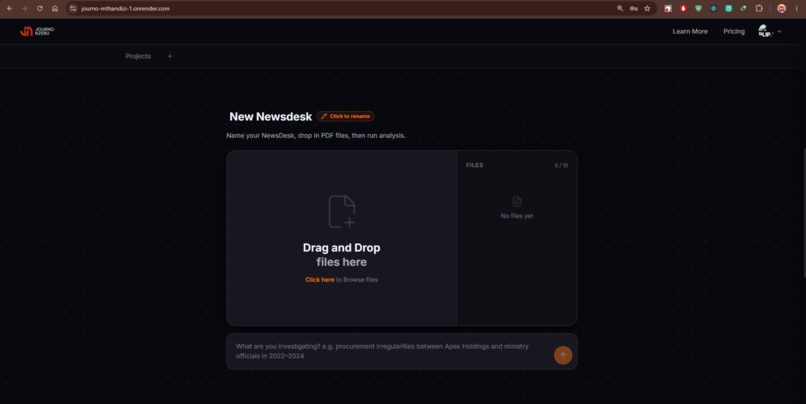
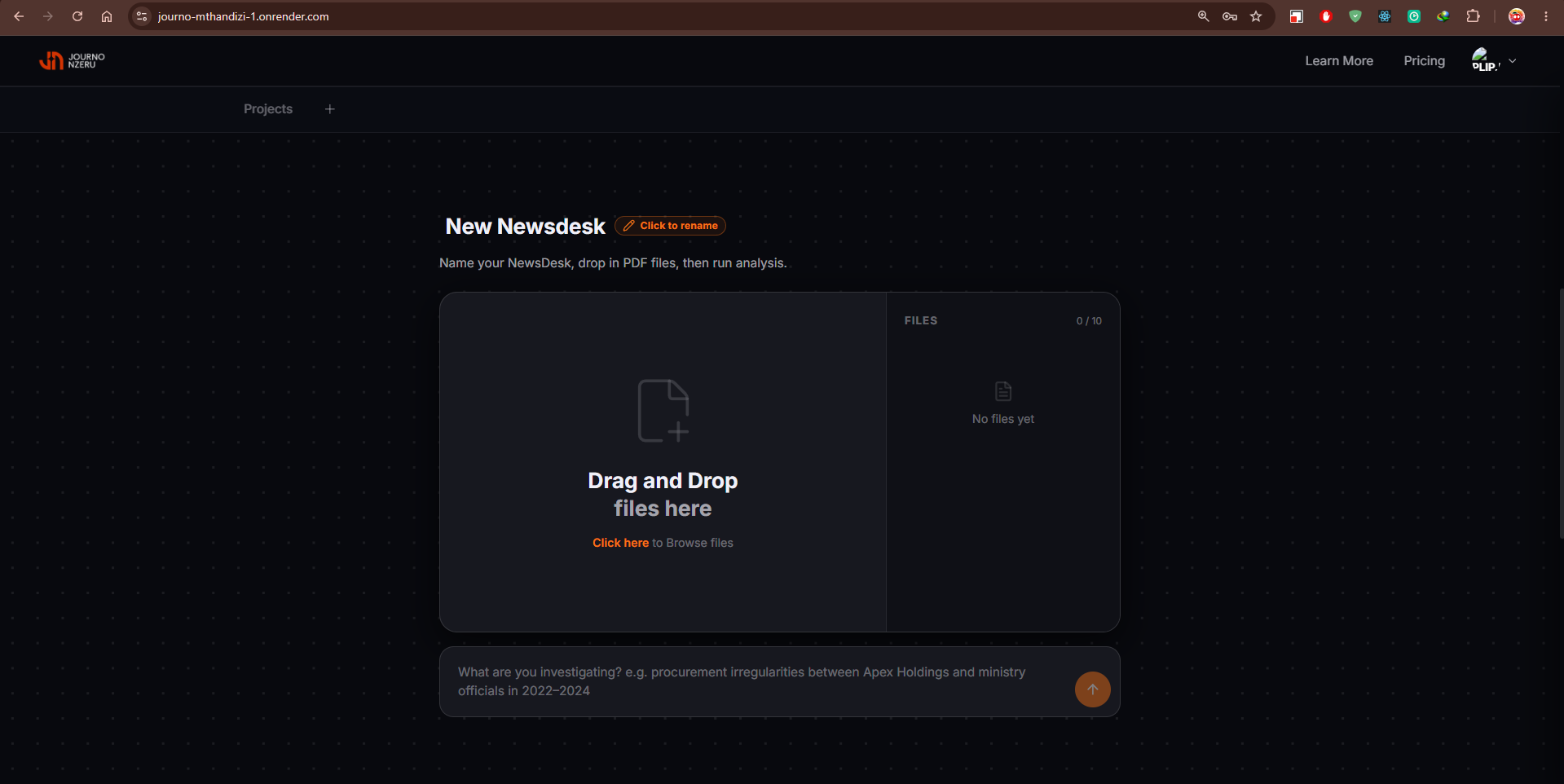
New Projects page
-
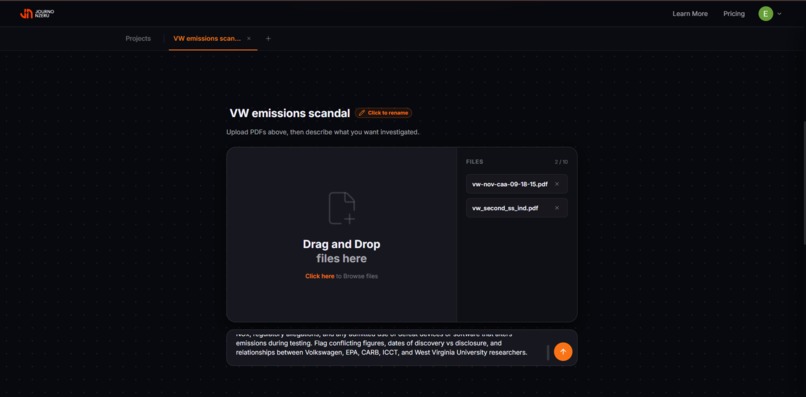
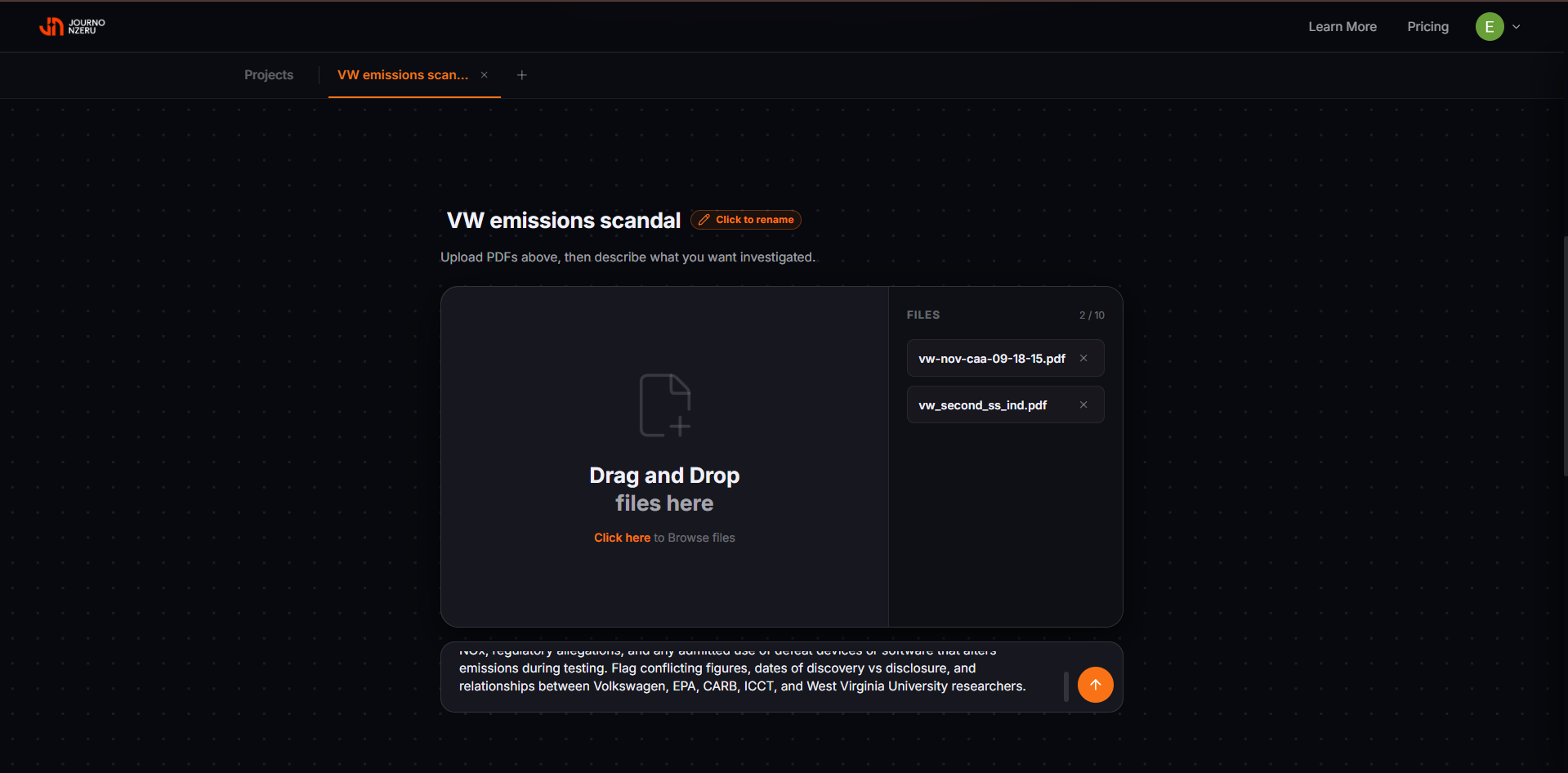
project screen
-
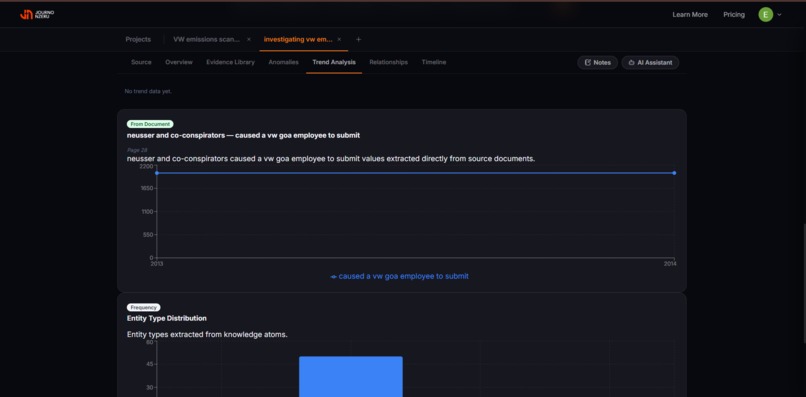
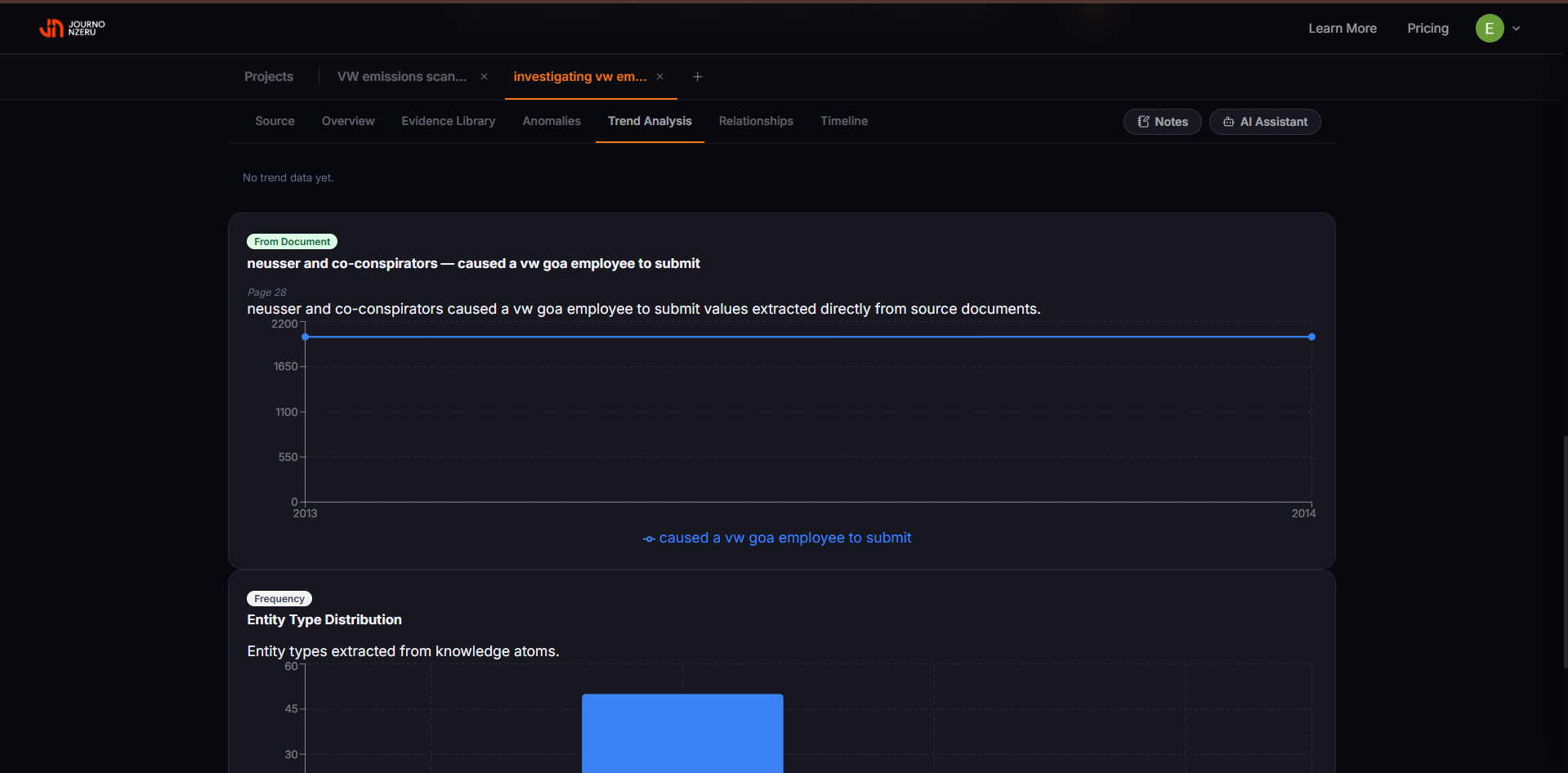
analyzed trends
-
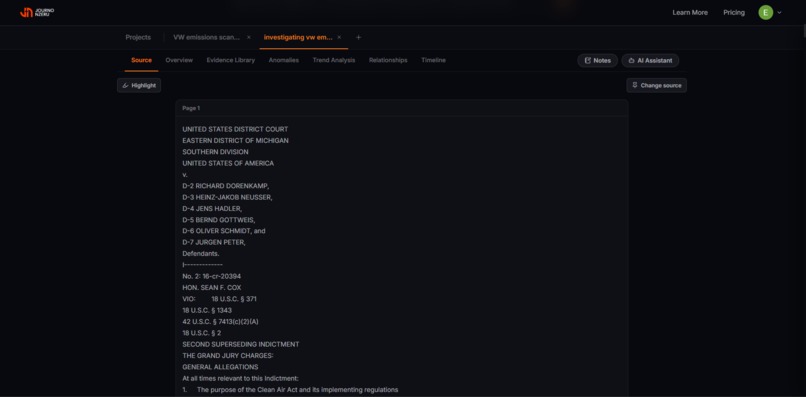
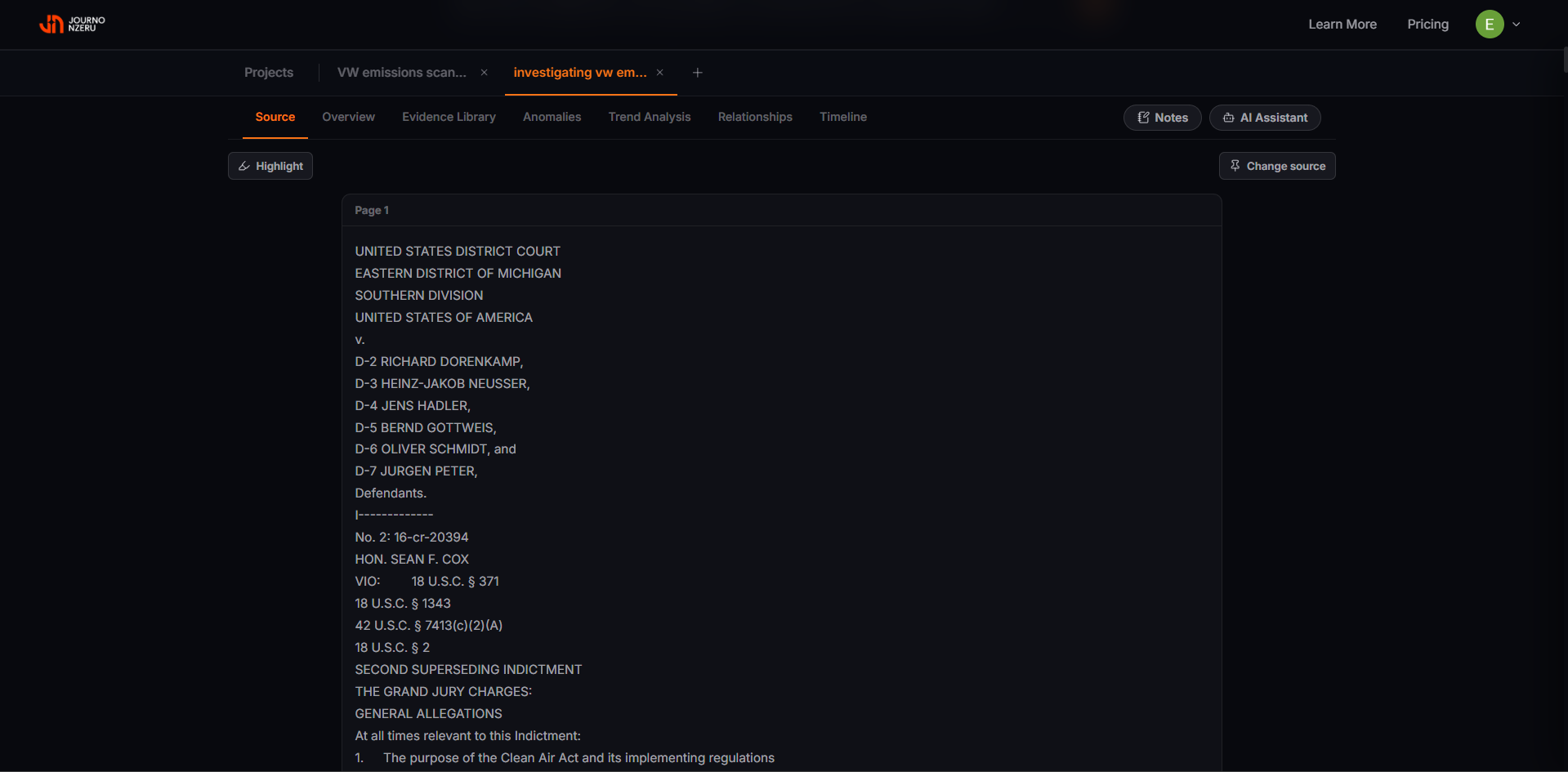
source viewer
-
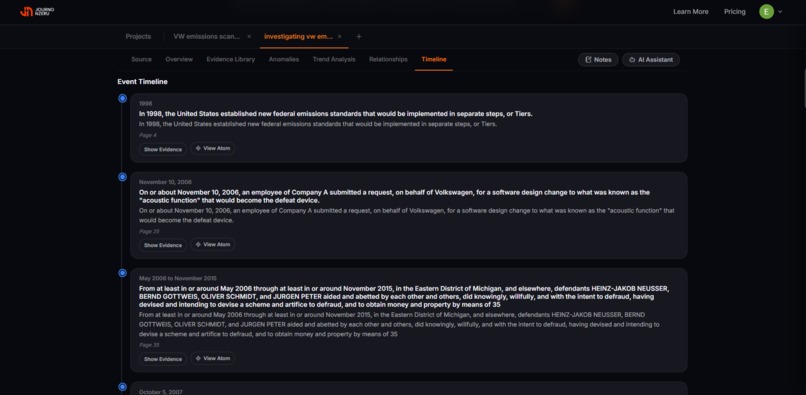
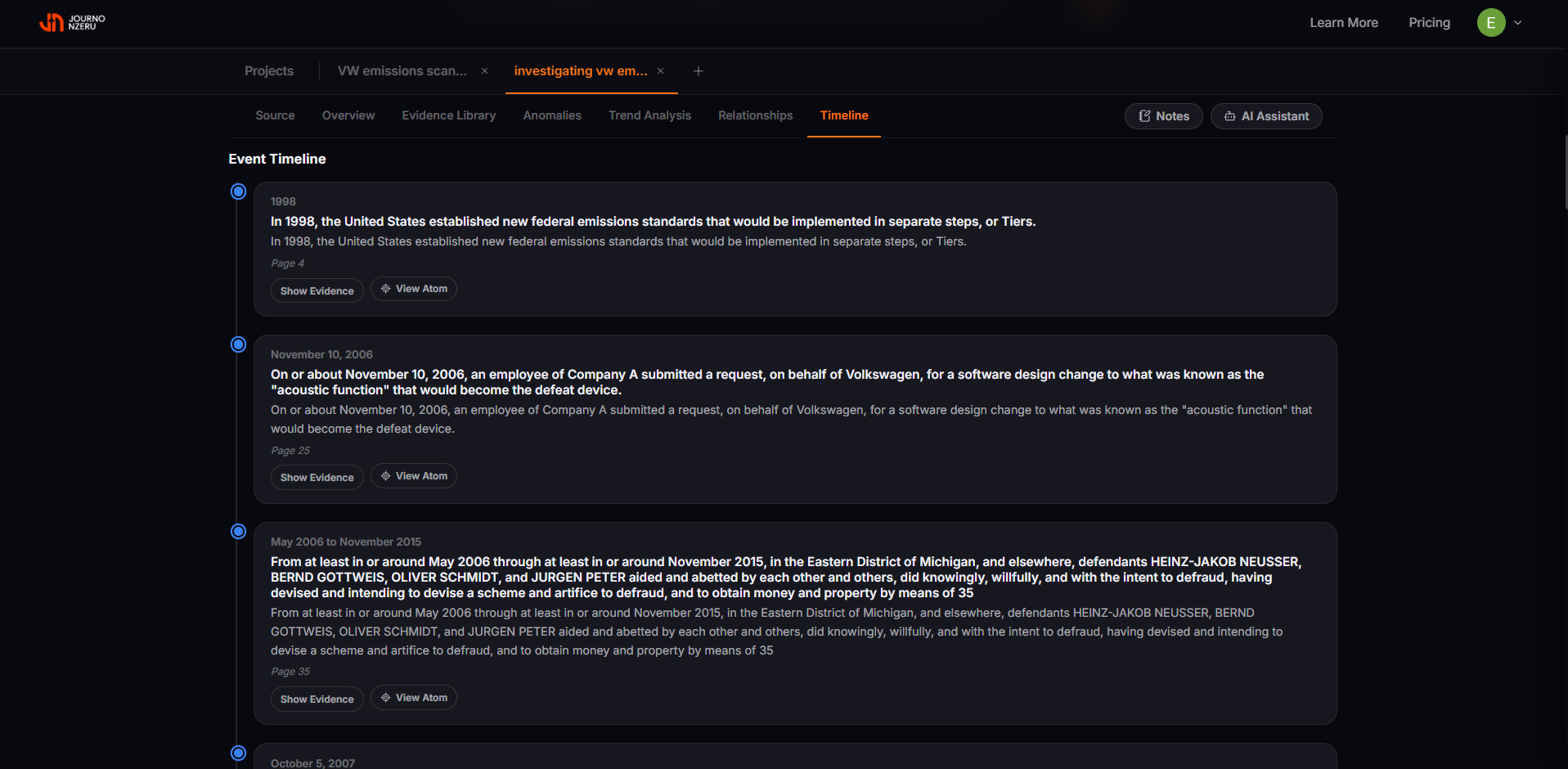
analyzed timelines
-
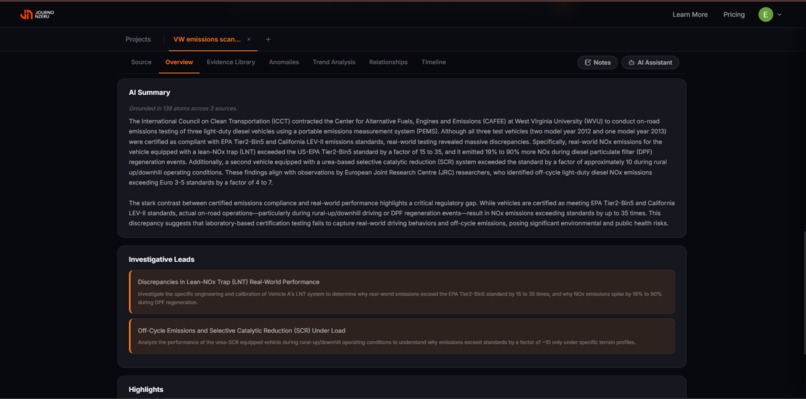
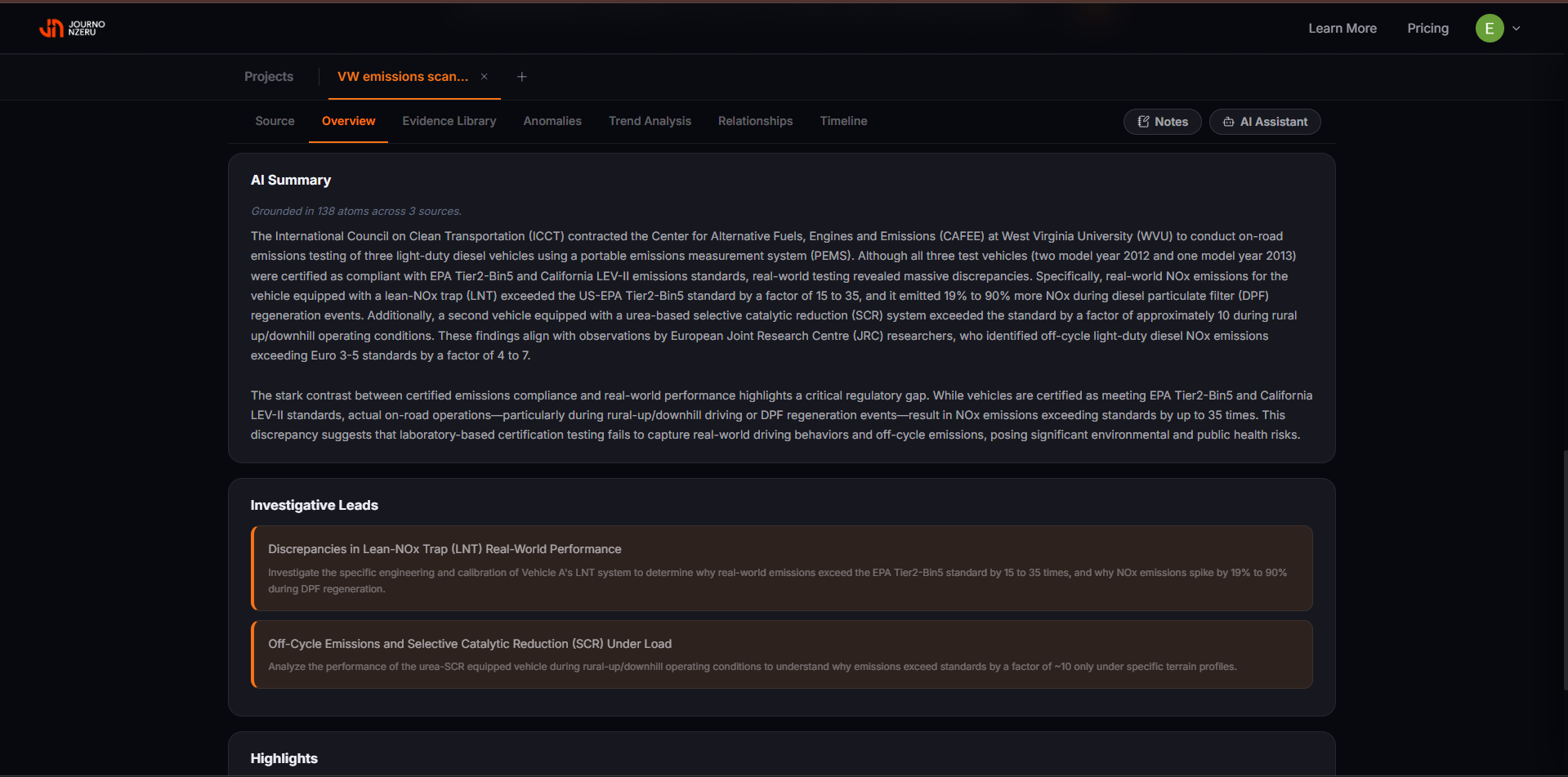
analyzed overview
-
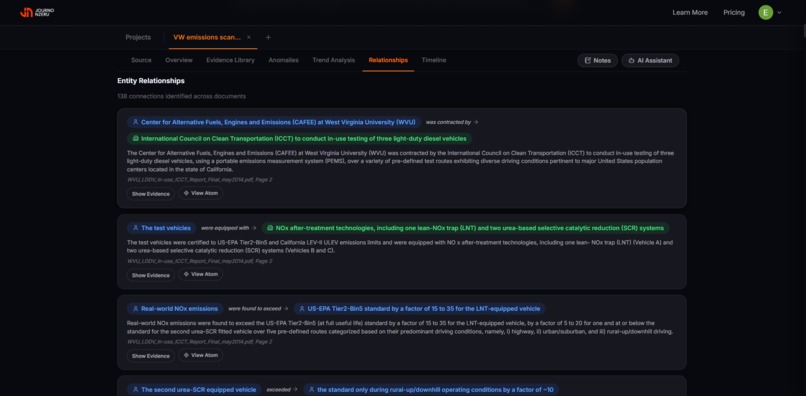
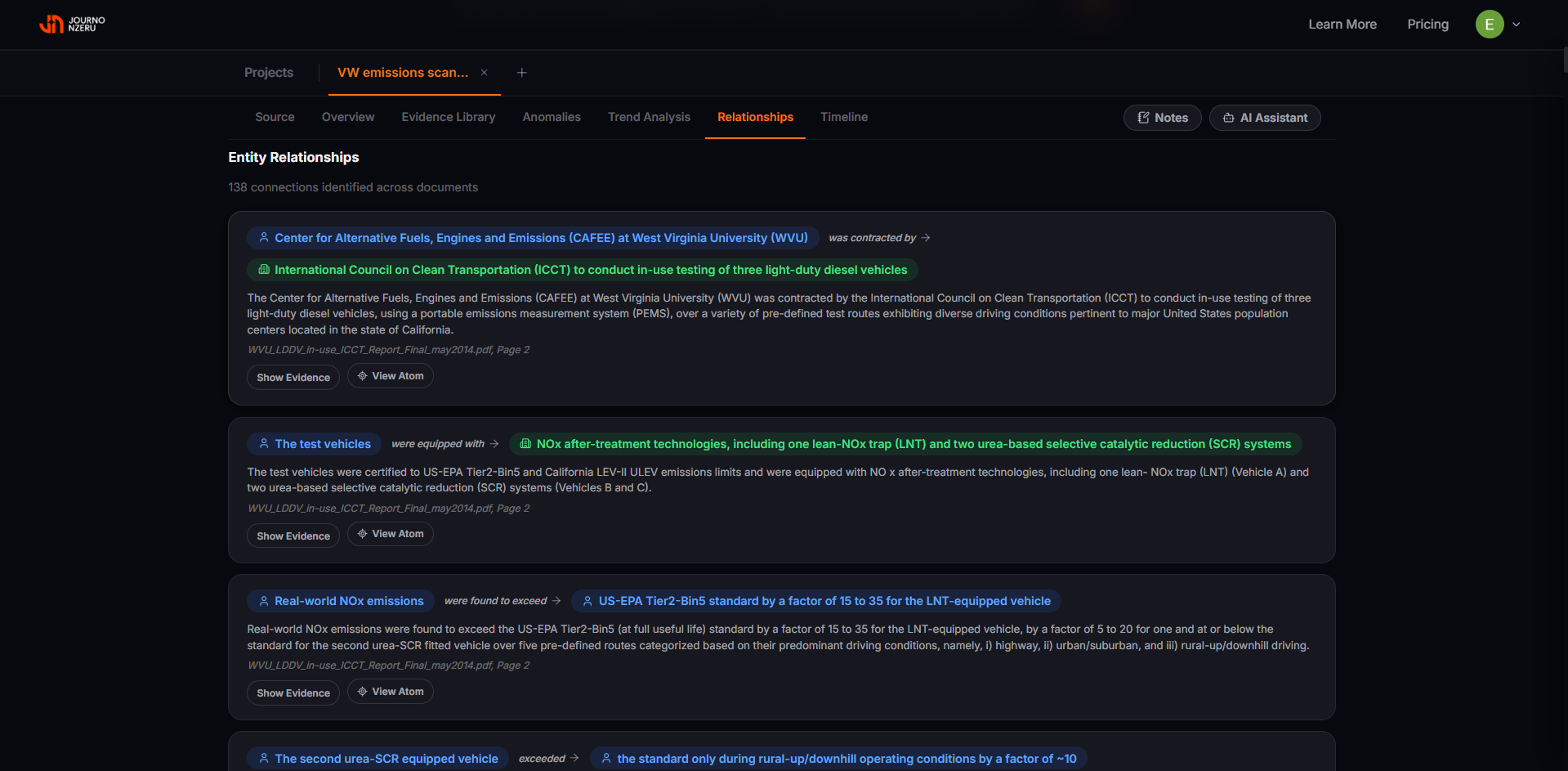
analyzed relationships


Inspiration
Journal Mzeru was inspired by the real challenges faced by investigative journalists through our partnership with the Platform for Investigative Journalism (PIJ), where Emerge Ventures serves as a technology partner. We saw journalists spending significant time manually reviewing large volumes of documents, connecting information across sources, identifying patterns and verifying leads.
We asked: How can AI help journalists investigate more efficiently without replacing their judgment? This became the foundation for Journal Mzeru—a people-centred AI tool designed around the realities of African investigative journalism.
What it does
Journal Mzeru uses AI to help journalists analyze large volumes of investigative material more efficiently. It supports:
Document analysis and information extraction AI-powered summarisation of lengthy documents Pattern and anomaly detection Relationship mapping between people, organizations, events and other entities Investigative research support to identify potential leads and connections
The platform does not make editorial decisions or determine whether information is true. Instead, it helps journalists identify potential insights that they can independently investigate, verify and interpret.
How we built it
We built Journal Mzeru through a human-centered, co-development approach. Rather than developing technology in isolation, we worked closely with investigative journalists at PIJ to understand their workflows, challenges and requirements.
These insights informed the platform's features and user experience. We combined AI, natural language processing and data analysis techniques to create a functional investigative workflow.
We have now developed a fully functional prototype ready to scale to other newsrooms. Our partnership with DW Akademie has further strengthened the project and created opportunities to connect the innovation with the wider journalism ecosystem.
Challenges we ran into
One of our biggest challenges was developing AI capabilities that could reliably work with complex investigative documents while producing useful insights without creating false conclusions. We also faced challenges around AI model performance, hosting and infrastructure requirements.
Another challenge has been designing for the realities of African newsrooms, where resources, connectivity, technical capacity and access to advanced technology vary considerably.
These challenges reinforced the importance of building a solution that is not only technically capable, but also practical, responsible, accessible and adaptable to different newsroom environments.
Accomplishments that we're proud of
Our biggest accomplishment is transforming a real newsroom challenge into a fully functional AI-powered investigative journalism prototype.
We are particularly proud of:
Building the solution in partnership with investigative journalists rather than developing it solely from a technology perspective. Establishing a partnership with DW Akademie to strengthen the project's development and potential for scale. Developing a functional prototype with AI-assisted investigative capabilities. Reaching a stage where Journal Mzeru is ready to be demonstrated, tested and adapted for other newsrooms. Creating an African-led technology solution focused on strengthening journalism, accountability and public-interest investigations. What we learned
Our biggest lesson is that technology must be built around people and their real needs. Working directly with journalists showed us that the most valuable AI is not necessarily the most complex AI—it is technology that solves a specific problem and fits naturally into existing workflows.
We also learned that human oversight is essential. Journal Mzeru is designed to support journalists, not replace them. AI-generated findings are starting points for investigation and must be verified through human judgment and established journalistic standards.
We have also learned that scaling in Africa requires designing for different languages, connectivity levels, resources and newsroom capacities from the beginning.
What's next for Journo Nzeru
Our next step is to move Journal Mzeru from a functional prototype to deployment across multiple African newsrooms. Over the next 12–24 months, we aim to onboard additional journalism partners, strengthen the AI capabilities, improve accessibility and expand the platform's ability to work with diverse African languages and information sources.
We will continue working with journalists to test and refine the platform while strengthening responsible AI, data protection and journalist-safety practices. Our long-term vision is to build an African-led investigative technology ecosystem where journalists can use responsible AI to uncover evidence, strengthen accountability and contribute to more informed, transparent and peaceful societies.
Built With
- express.js
- mysql
- n8n
- node.js
- react
- vite
Log in or sign up for Devpost to join the conversation.