-
-
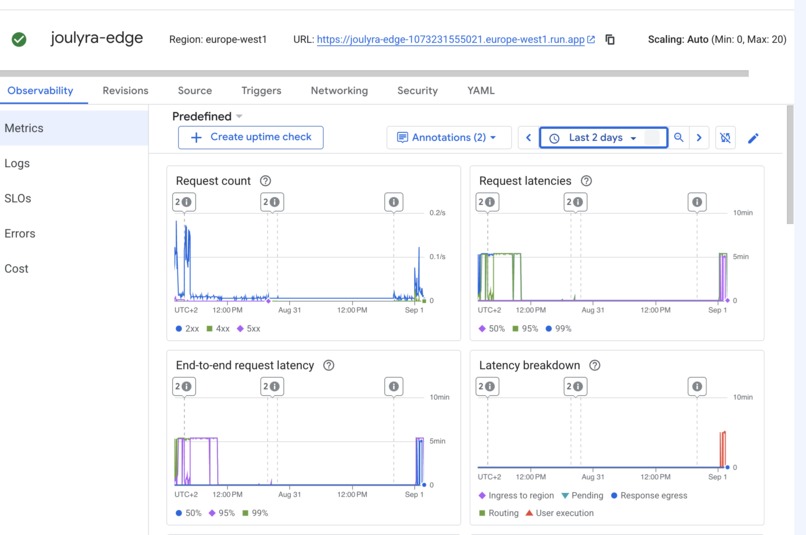
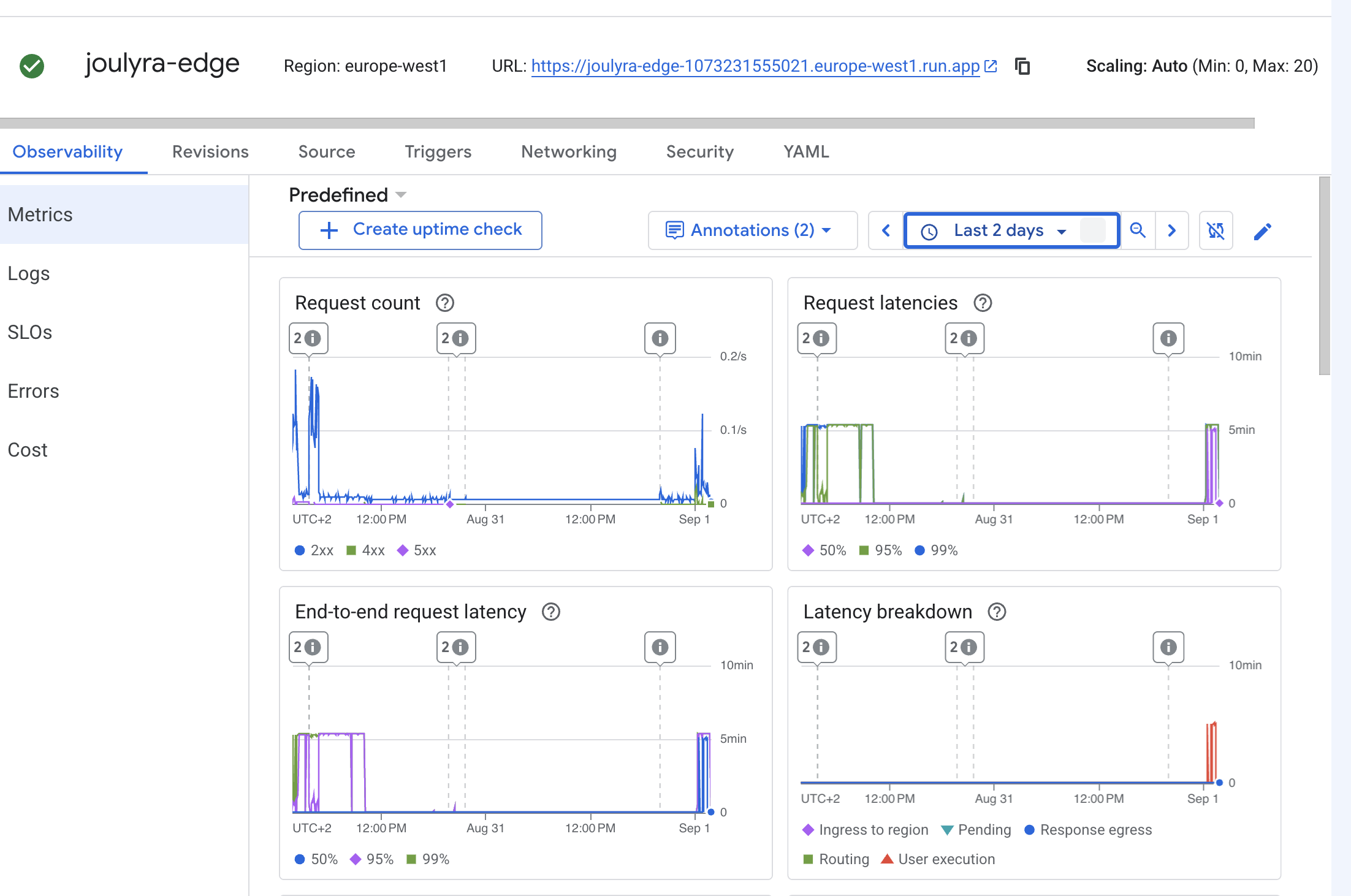
Cloud Run
-
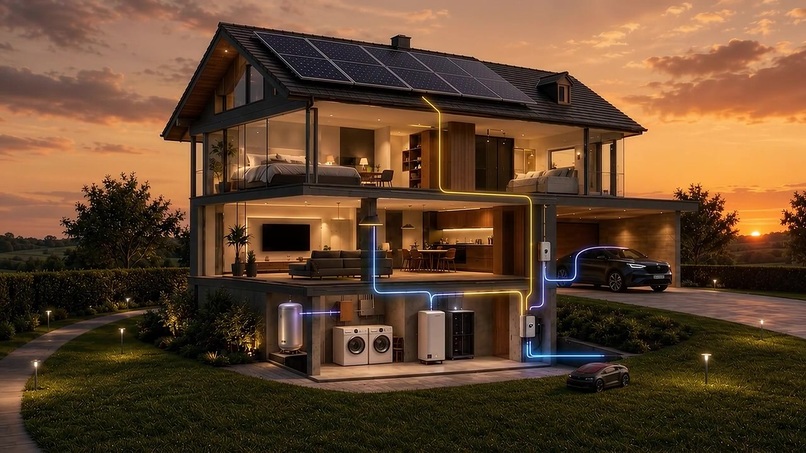
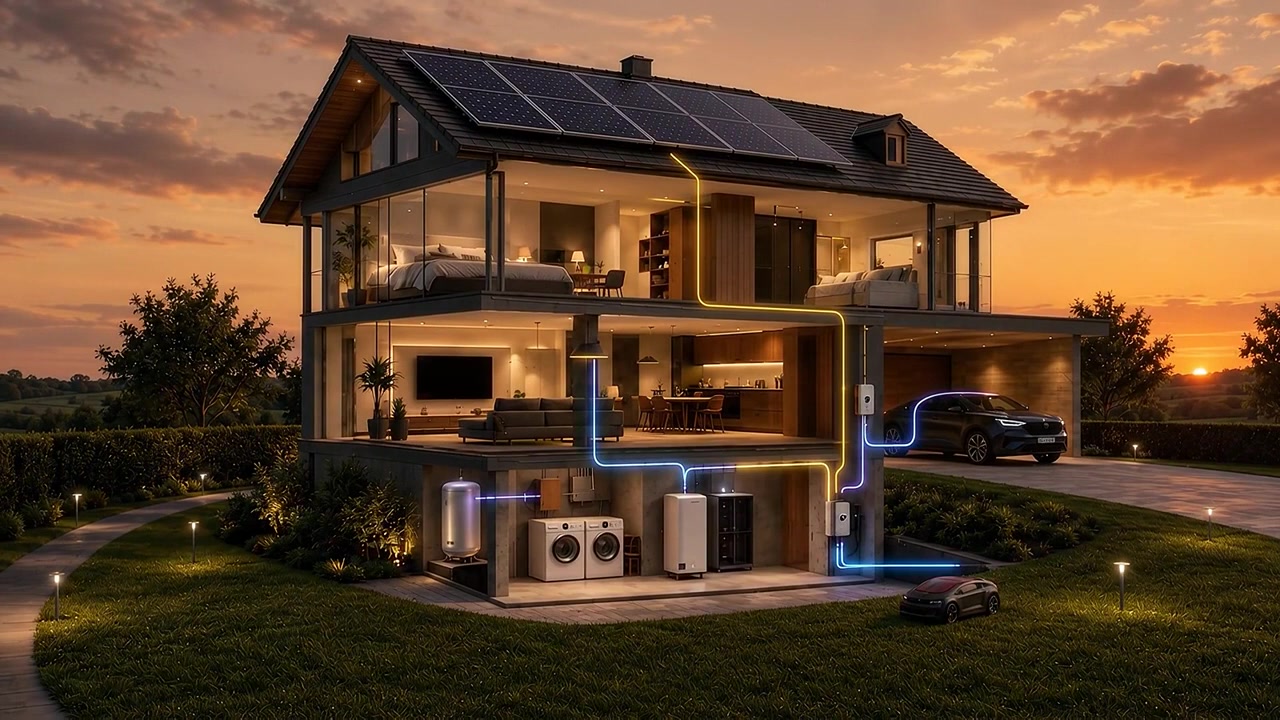
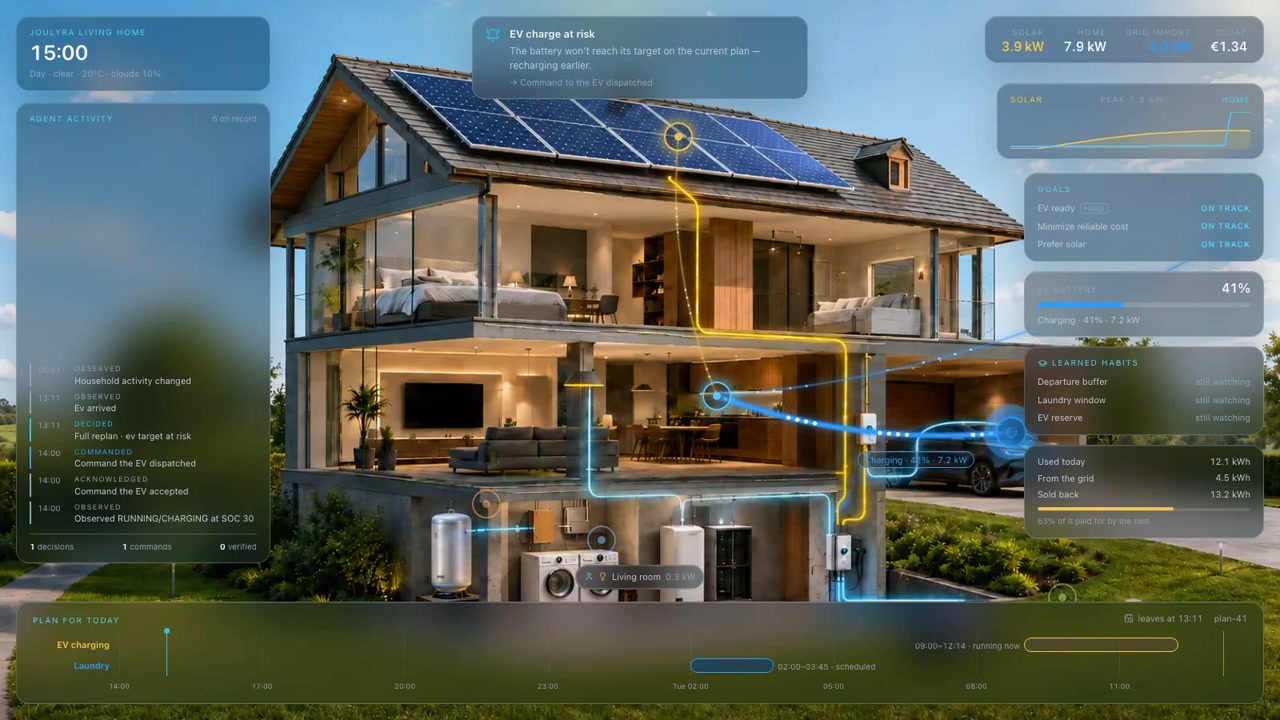
The Joulyra home — a clearly labelled simulated Digital Twin that keeps living between decisions
-
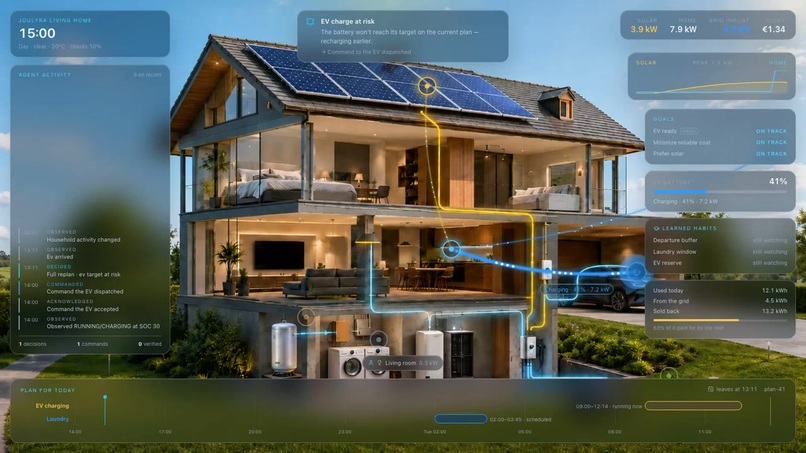
Decision to verification: commanded, acknowledged, observed — an acknowledgement is not proof
-
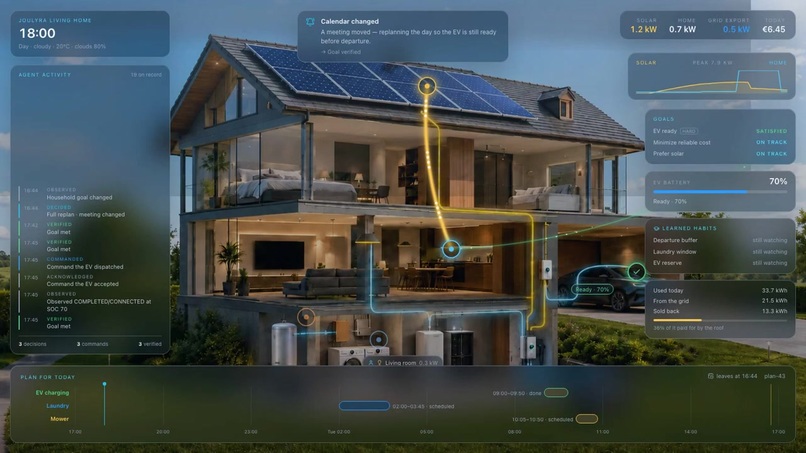
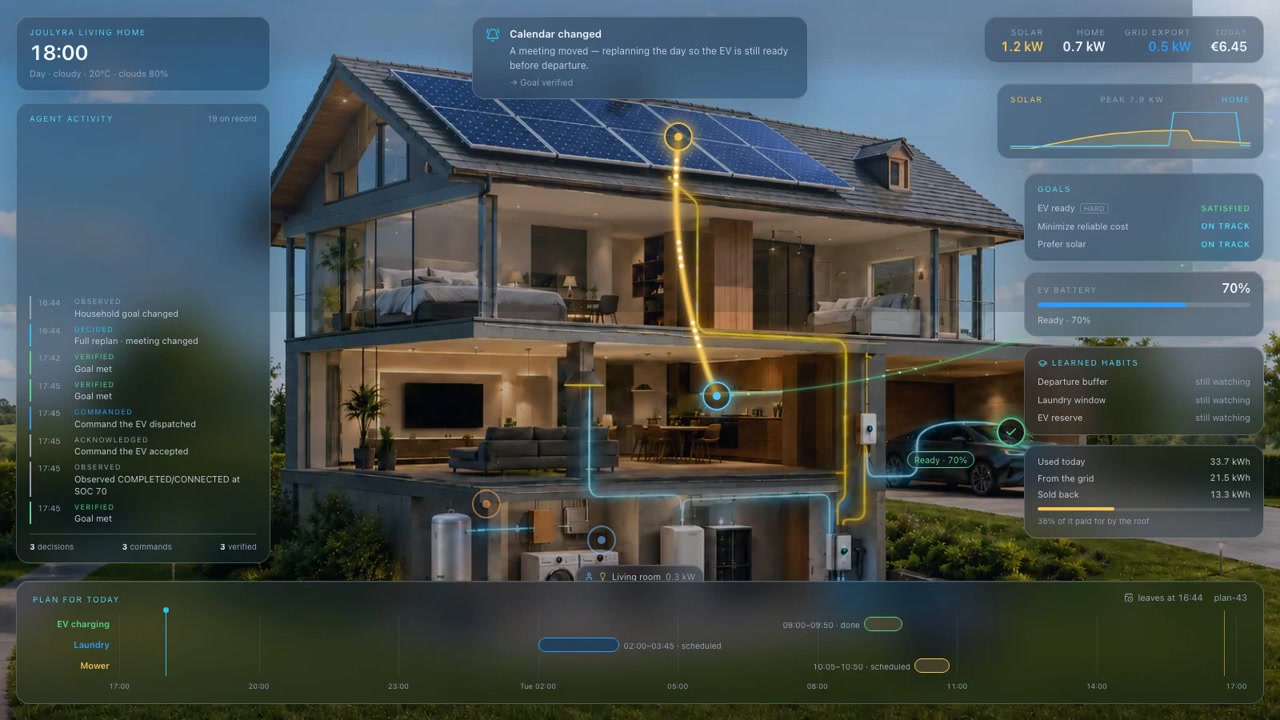
Verified, not assumed: the goal closes only when observed state confirms it — 3 decisions, 3 commands, 3 verified
-
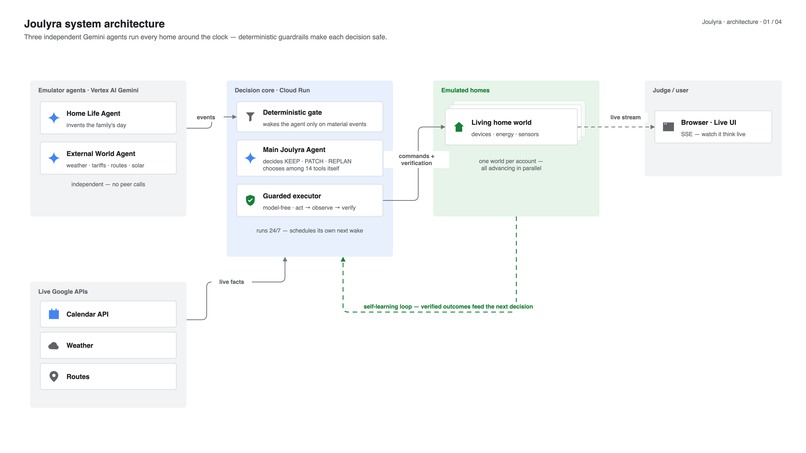
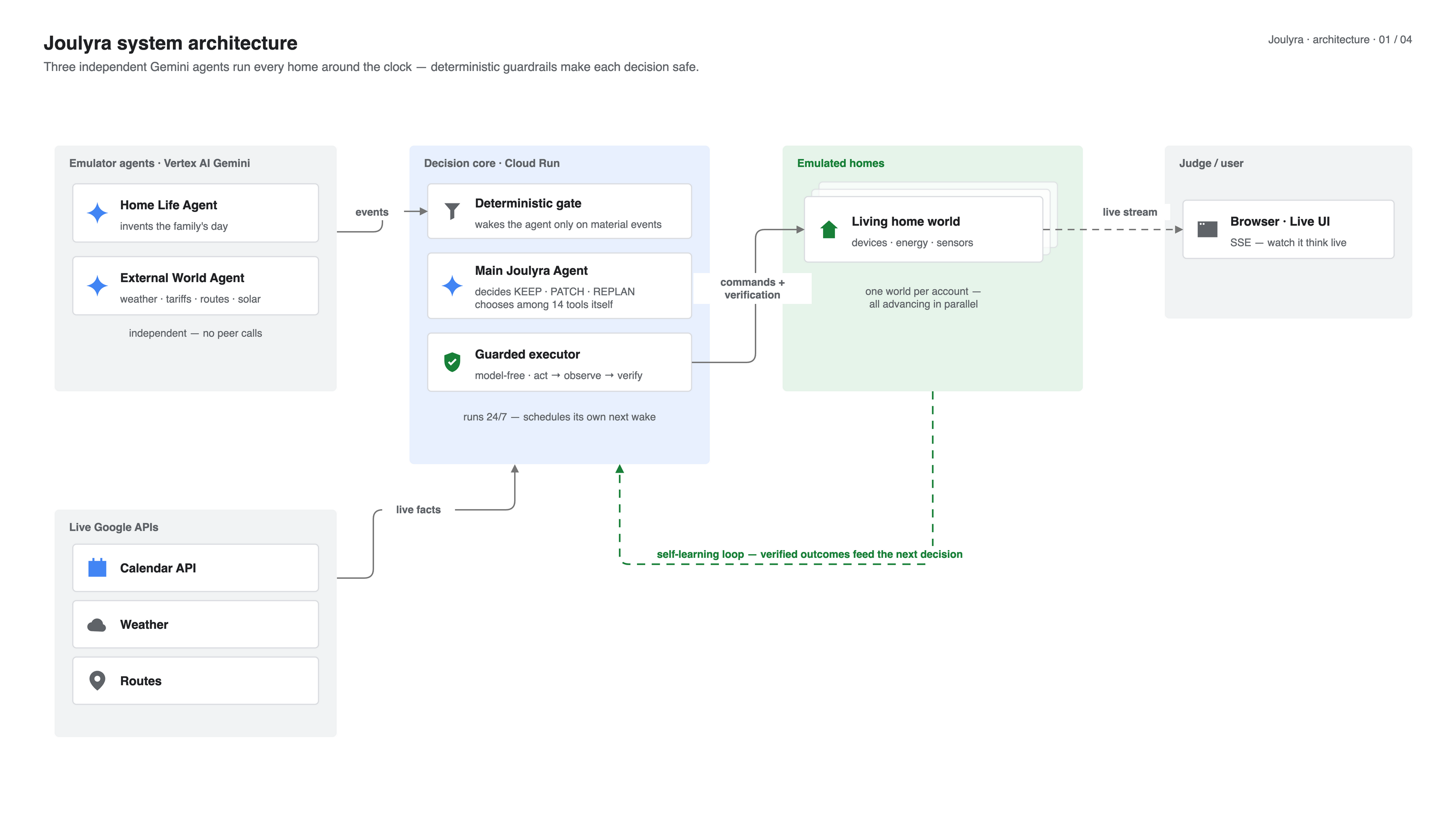
System overview
-
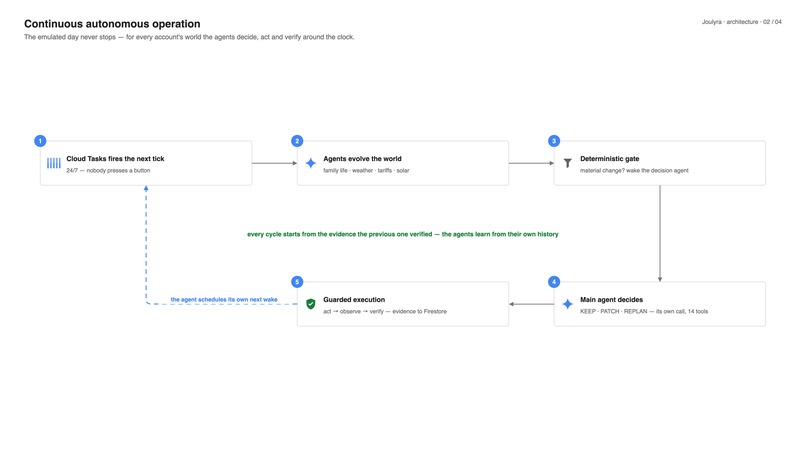
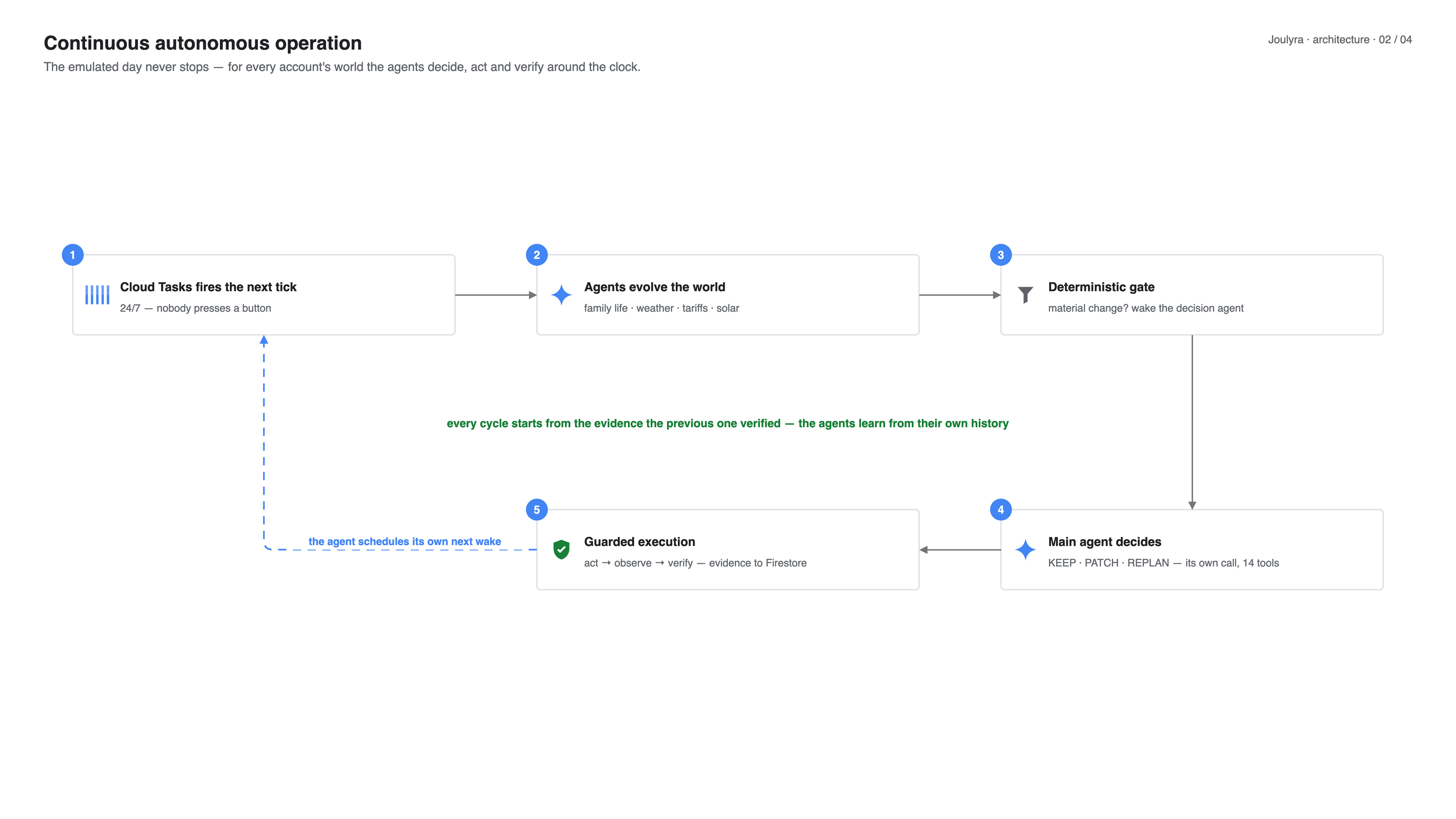
Continuous autonomous evaluation
Inspiration
Joulyra started with an electricity bill.
One day I got a bill that completely ignored the electricity my own home had generated. I lost almost a full day untangling how the energy was counted — meters, tariffs, solar — and by the end my question had changed. It was no longer "where did my kilowatt-hours go?" It was: why does a homeowner have to understand and coordinate any of this by hand?
It happened to be the same day I was thinking about this hackathon.
So: what if an agent lived with the household instead? One that learns how the home actually lives, watches the world around it, and quietly runs the energy plan — charging the EV when it makes sense, shifting flexible appliances toward sunshine and cheaper, cleaner grid hours, reacting when a meeting or the weather moves. Not just a smaller bill: a home that is cheaper to run, more comfortable to live in, and wastes less of the clean energy it already makes.
That became Joulyra.
What it does
Joulyra runs a household energy mission that never ends. Press Play and watch a real day: a calendar meeting moves from 17:00 to 13:00. Joulyra sees the earlier departure, pulls route, weather, solar and tariff context, decides the current plan is broken, and replans the whole home: the EV charges earlier, the laundry moves, everything unaffected stays put. Then it executes the action in a simulated Digital Twin, watches the observed state, and only calls the goal done when observations confirm it — an acknowledgement is not proof.
Three independent Gemini agents share the work:
- Main Joulyra owns the energy plan and decides whether to keep it or replan the whole home
- Home Life models the people: routines, trips, arrivals, deadlines
- External World models everything outside: weather, tariffs, routes, grid
They never call each other. Validated events connect them, and deterministic guardrails — physics, cost, permissions, plan versioning — keep the models honest.
How I built it
Google ADK + Vertex Gemini run the three agents. Cloud Run gives disposable compute, Firestore holds the truth (plans activate only through compare-and-set), Pub/Sub carries events, Cloud Tasks wakes future work. The UI is one persistent screen in React + XState that moves through ten states of the same story. The mission lives long; compute runs briefly — nothing model-shaped stays alive between events.
What I am proud of
The system is honest. The home is a clearly labelled simulated Digital Twin, outcomes are verified against observed state rather than model claims, and every decision can be traced from the calendar event to the verified goal. The simulated world also turned out to be a testing tool: because Home Life and External World are agents themselves, they can improvise days nobody scripted — new routines, weather, tariffs — and continuously exercise how the main agent decides, replans and verifies. The architecture diagrams in the gallery are the real ones.
What's next
Surgical replans that touch only what changed, real device integrations, and longer-horizon learning from verified outcomes — so every home wastes a little less and uses the sun a little more.
Why it matters
Electricity is never just electricity. Somewhere it's water through a turbine, fuel burned, a grid strained at peak hours. Joulyra is a bet that an agent can raise your comfort while your home quietly takes less — sunshine when it's there, calm hours when it's not. Better for the people inside the house, lighter for everyone outside it.
Built With
- cloud-run
- cloud-tasks
- firestore
- gemini
- google-adk
- google-calendar
- google-cloud
- google-maps-platform
- pubsub
- react
- typescript
- vertex-ai
- xstate


Log in or sign up for Devpost to join the conversation.