-
-
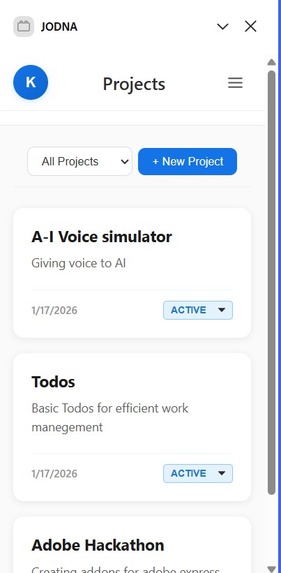
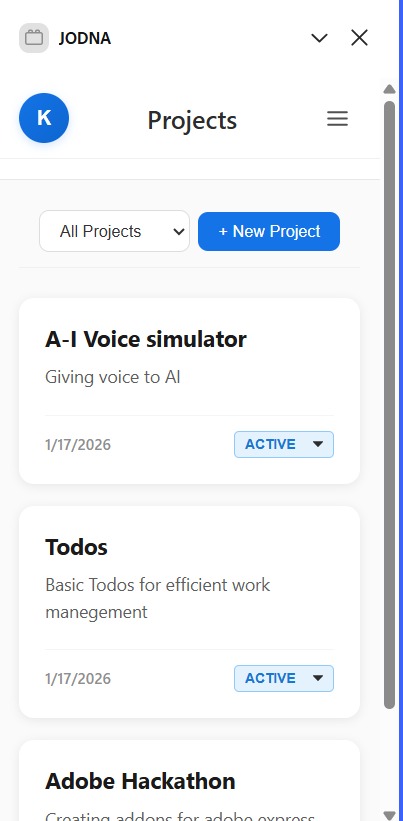
Projects Page
-
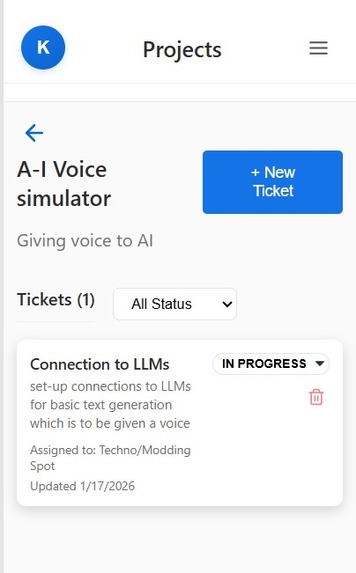
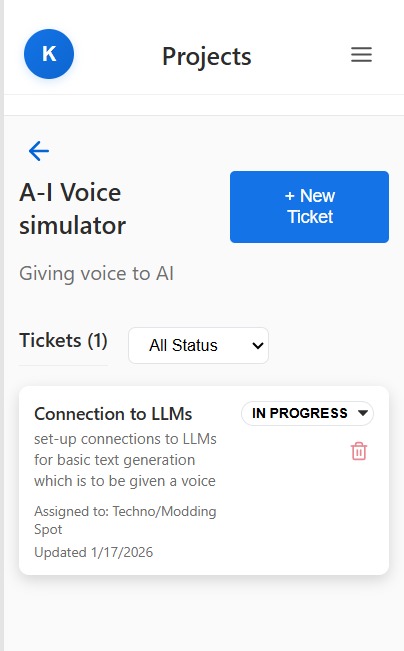
Ticket Creation Under a Project
-
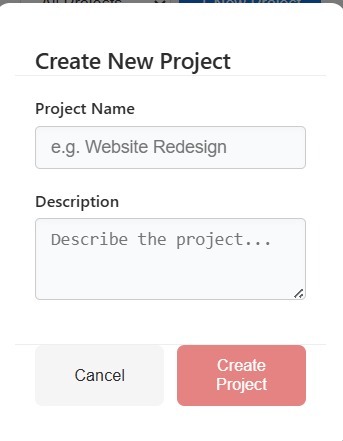
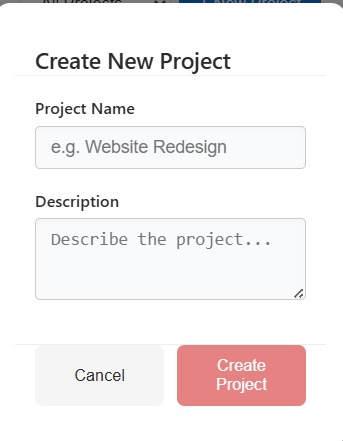
Project Creation
-
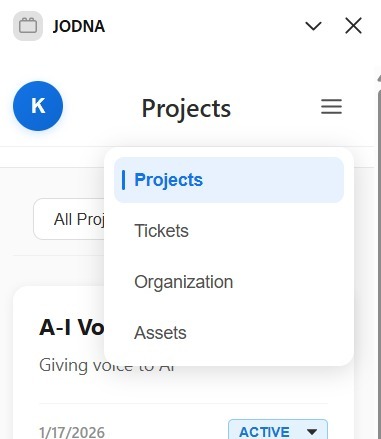
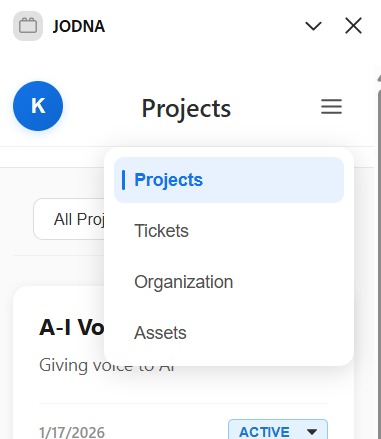
Various Options available via the hamburger menu
-
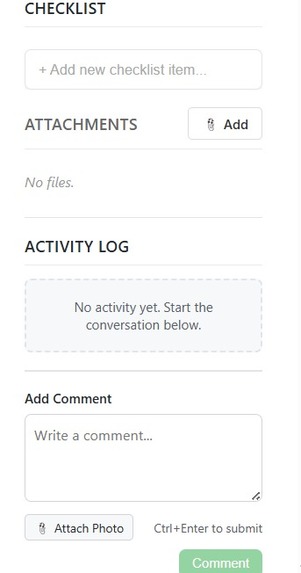
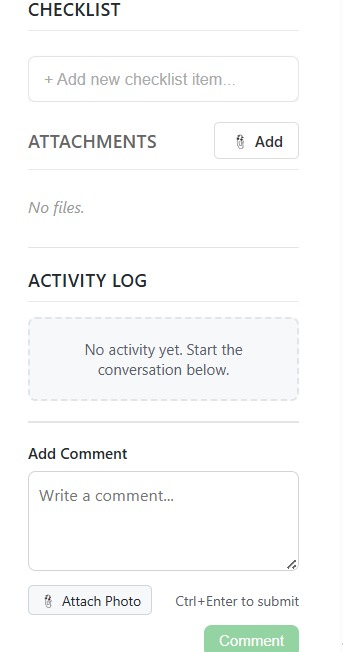
Attachment and activity log under the created ticket
-
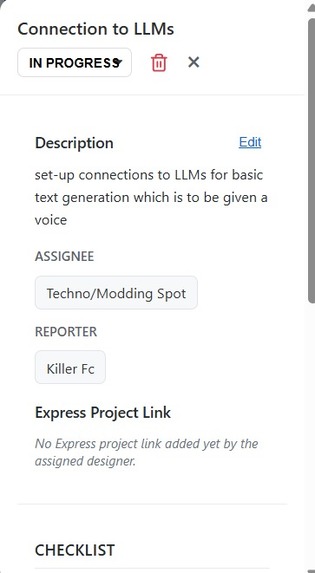
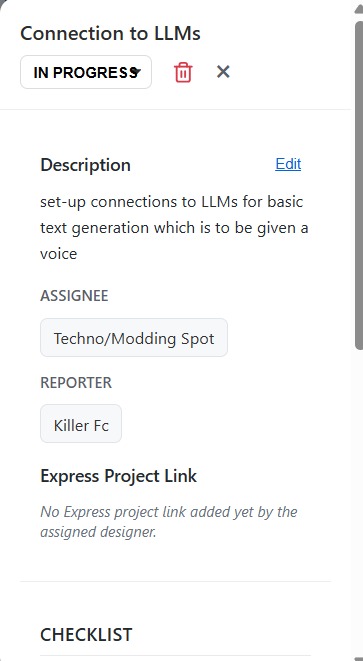
Editing a ticket
-
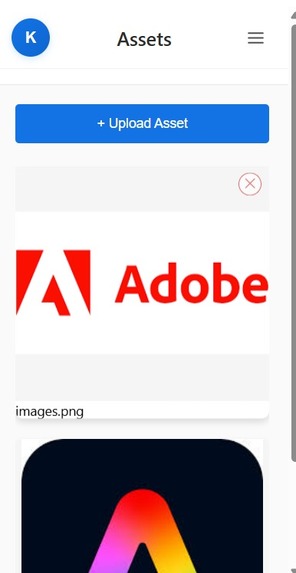
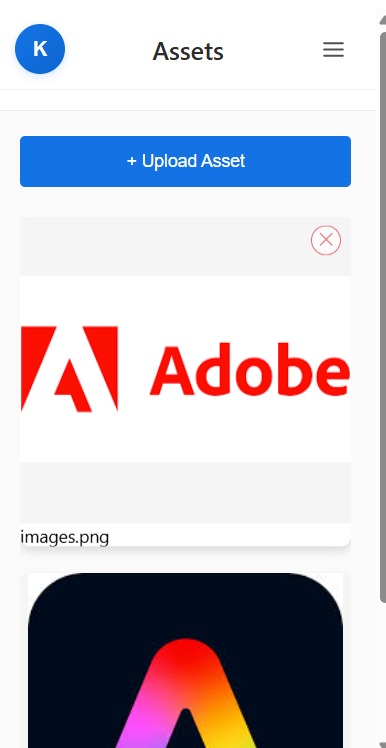
Upload team assets page
-
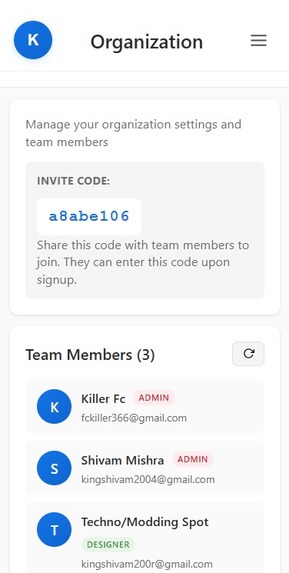
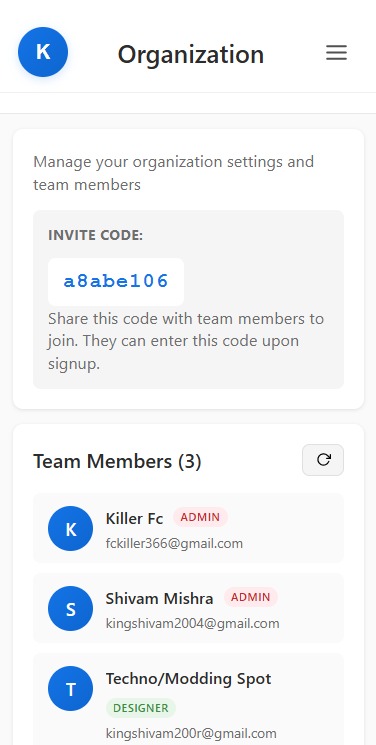
Organization Management
-
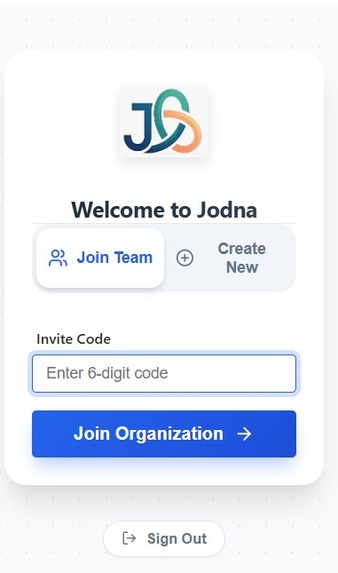
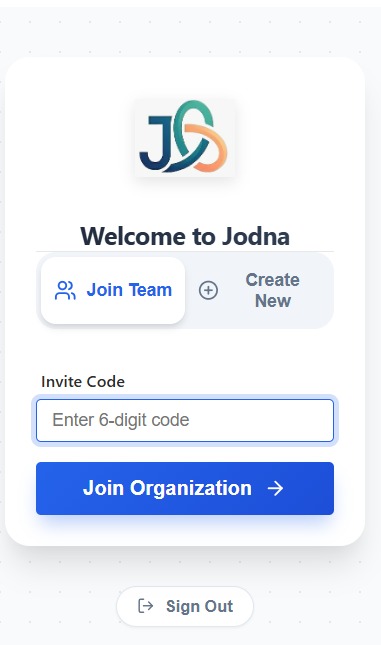
Team creation/ joining page
-
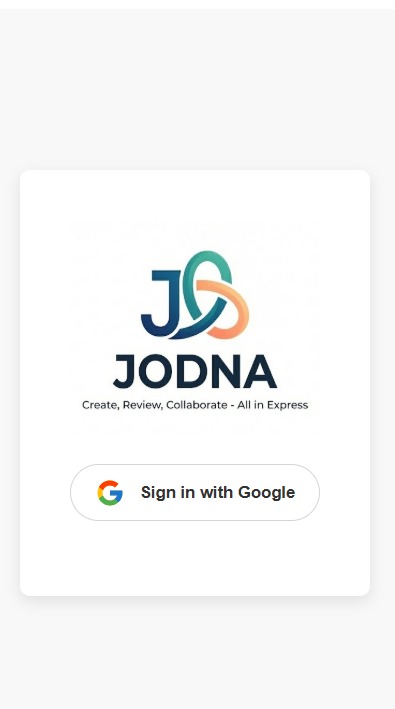
Login Page
-
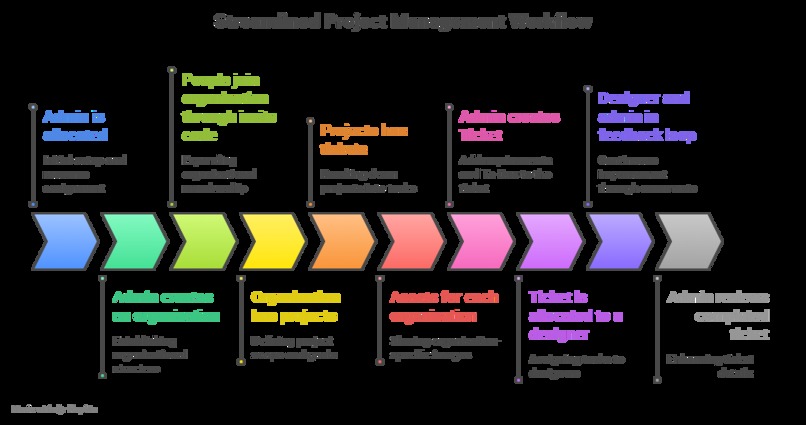
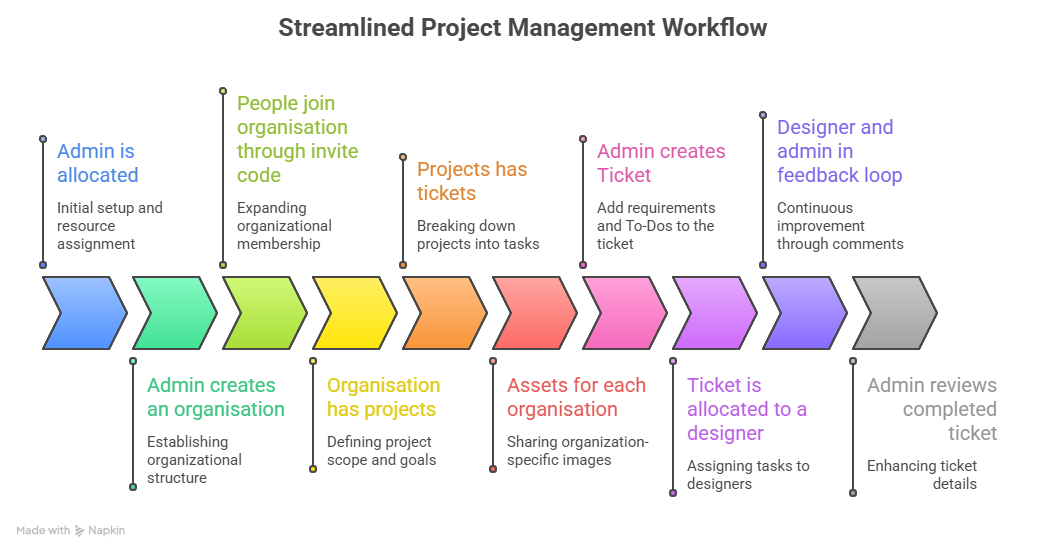
Workflow
Inspiration
We come from a development background, where collaboration is structured and intentional. Tools like GitHub and Jira make it easy to assign work, track progress, review changes, and iterate—all without losing context.
While exploring Adobe Express more deeply, we began to question why designers didn’t have a similar collaborative tracking and review system. Design work follows a process very similar to development—there are briefs, tasks, iterations, reviews, and approvals—but the tools available didn’t reflect that reality.
We searched for an Adobe Express add-on that could bring everything together in one place: project and task management, visual feedback, shared assets, and clear review cycles. Instead, we found fragmented solutions that solved only parts of the problem, often forcing designers to jump between tools and break their creative flow.
That gap is what led to JODNA.
What it does
JODNA is a lightweight, all-in-one task and project management add-on built directly inside Adobe Express for design teams.
It allows admins to create organizations, manage projects, and assign design tickets to designers with clear briefs and reference images. Designers can work on assigned tasks, submit completed designs, and receive structured visual feedback during reviews.
JODNA also supports iteration cycles where admins can comment, attach images, and reassign tickets if changes are required. Each organization also has a shared asset space where team members can upload and access design assets securely.
Admins can create to-dos manually, turning design briefs into actionable task lists without leaving Adobe Express.
How we built it
JODNA is built as an Adobe Express Add-on, with the frontend developed using React and Adobe Spectrum Web Components to ensure a native Adobe look and feel. The add-on is configured through a manifest.json file and bundled using Webpack and Babel.
The backend is powered by Node.js and Express.js, with MongoDB used for data storage through Mongoose. Authentication is handled using Passport.js with local and Google OAuth strategies, along with JWTs and session management for secure access.
File uploads and asset management are handled using Multer, while Axios is used on the frontend for API communication.
Challenges we ran into
Authentication and User Management
One of the major challenges was implementing authentication. Unlike traditional web applications where OAuth providers can be easily integrated into the UI, the Adobe Express add-on environment required us to manage users through our own backend.
This involved securely storing user data, mapping Adobe identities to backend users, and managing sessions without relying entirely on standard OAuth flows.
Working Within a Sandboxed Environment
Another significant challenge was working within Adobe Express’s sandboxed environment. Certain browser capabilities we usually rely on—such as direct form data submission—were restricted.
To overcome this, we had to rethink how data was collected, serialized, and transmitted to the backend, using custom input handling and controlled state management.
Designing for Reviews and Iterations
Design feedback is visual and subjective, unlike code reviews. Creating a review system that supported comments, images, and reassignment without overwhelming users required careful design.
Balancing Features with Lightweight Design
While many advanced project management features were possible, we intentionally kept JODNA lightweight and design-first. Every feature had to reduce friction and improve clarity.
Accomplishments that we're proud of
- Built a fully functional Adobe Express add-on from scratch, tightly integrated into the creative workflow
- Designed a Jira-inspired task and project management system tailored specifically for design teams
- Implemented visual-first review and iteration cycles with comments, images, and reassignment inside Adobe Express
- Enabled secure organization-level asset sharing, ensuring assets are accessible only to members of the organization
- Reduced context switching by bringing task tracking, reviews, and assets into a single interface
- Maintained a lightweight, intuitive user experience without forcing designers into developer-centric tools
What we learned
Building JODNA was our first deep dive into developing an Adobe Express add-on, and it taught us how different add-on development is from building standalone web applications.
We learned the importance of designing within platform constraints and ensuring the experience feels native rather than embedded. This pushed us to prioritize simplicity, performance, and minimal context switching.
We also gained a deeper understanding of how design teams work. Designers value continuity, visual context, and clarity more than rigid workflows.
Most importantly, we learned that tools should adapt to users—not the other way around—especially in creative environments.
What's next for JODNA
Our long-term vision for JODNA is to build a GitHub-like collaboration platform for designers—one that offers full visibility into design work across projects and teams.
We plan to introduce comprehensive ticket history and project-level tracking, allowing teams to follow the complete lifecycle of a design task from creation to final approval. This includes clearer iteration timelines, reassignment history, and better traceability across versions of a design.
We also aim to add version control concepts tailored for design workflows, enabling designers and admins to track changes across iterations without disrupting creative freedom. Improved organization structures for teams, projects, and assets will make it easier to manage work at scale.
Future improvements also include better analytics for admins, richer asset organization, and even tighter integration with Adobe Express workflows to make collaboration feel seamless and native.
Built With
- adobe-express
- axios
- cors
- dotenv
- express.js
- google-auth-library
- javascript
- json-web-token
- lucide-react
- mongodb
- mongoose
- multer
- node.js
- oauth
- passport.js
- react
- uuid


Log in or sign up for Devpost to join the conversation.