Inspiration
Jobs At One Place
The Problem
Searching for a job today is surprisingly fragmented. Candidates often spend hours switching between multiple job portals, company career pages, LinkedIn, startup websites, and social platforms—only to find duplicate listings or miss opportunities entirely.
As someone actively preparing for software engineering roles, I experienced this firsthand. Instead of spending my time learning, building projects, and preparing for interviews, I found myself repeatedly opening the same websites every day just to check for new openings.
I wanted one place where every relevant opportunity could be discovered quickly and efficiently.
That idea became Jobs At One Place.
The Inspiration
The inspiration came from a simple question:
Why should finding jobs be harder than searching the web?
Modern AI can understand context, automate repetitive work, and organize information intelligently. Instead of manually visiting multiple platforms every day, I wanted to build a system that brings opportunities together into a single workspace and makes job discovery significantly faster.
This project is the first step toward that vision.
What It Does
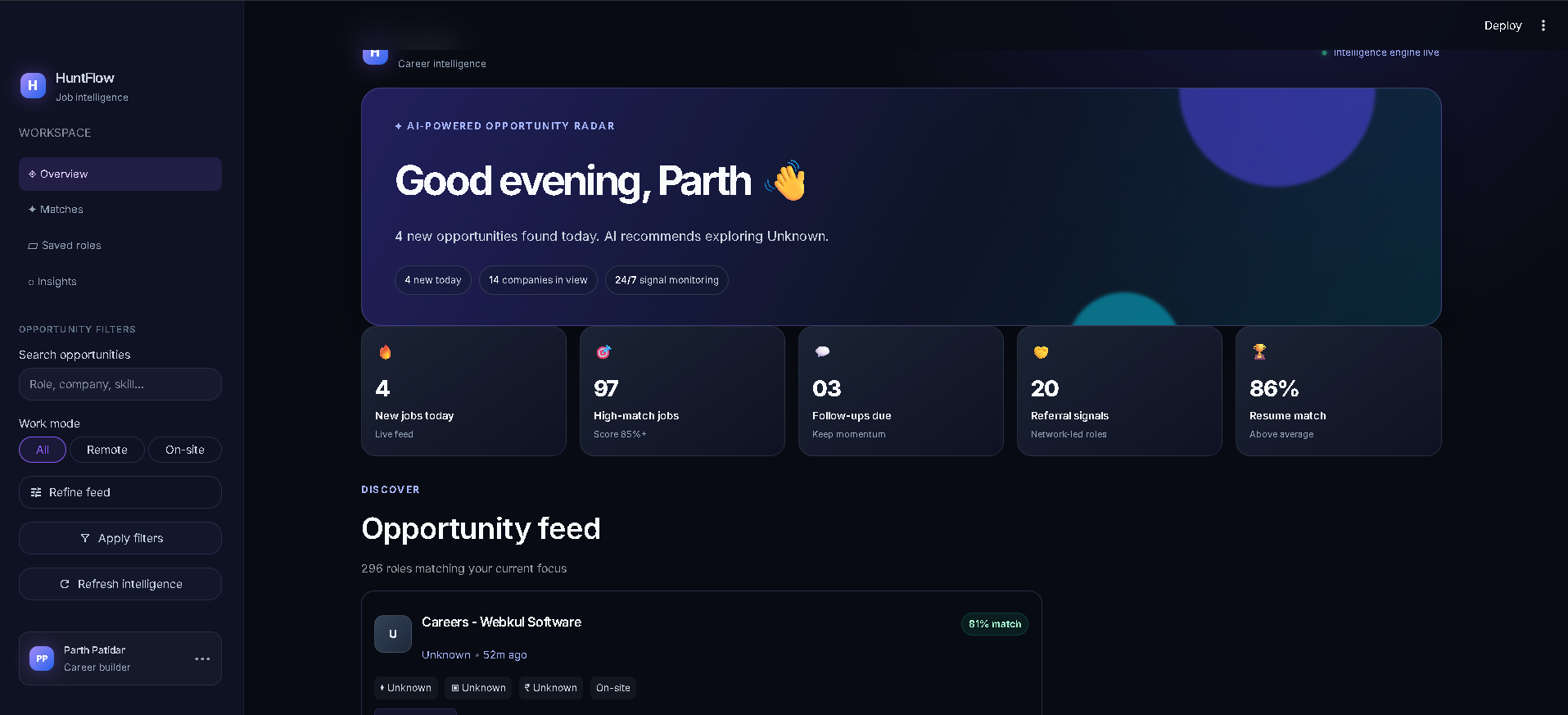
Jobs At One Place aggregates job opportunities into a single interface, helping users discover relevant openings without jumping between multiple websites.
Instead of wasting time searching everywhere, users can focus on evaluating opportunities and preparing for interviews.
The goal is to reduce repetitive work and make job searching more efficient.
How I Built It
The project was built through an iterative development process with GPT-5.6 and Codex acting as development partners rather than simple code generators.
Codex accelerated implementation by helping generate boilerplate, refactor components, troubleshoot issues, improve project structure, and speed up debugging. GPT-5.6 helped with system design decisions, feature planning, architecture discussions, documentation, UI improvements, and explaining technical trade-offs.
I remained responsible for deciding the product direction, integrating features, testing functionality, and refining the overall user experience.
The result is a working application that combines AI-assisted development with hands-on engineering.
Challenges I Faced
The biggest challenge was integrating multiple moving pieces into a cohesive product.
Some of the obstacles included:
- Designing a clean architecture that would remain maintainable.
- Handling inconsistent job data from different sources.
- Improving the user experience while keeping the interface simple.
- Debugging integration issues and ensuring the application remained stable.
- Managing development within the limited time available during Build Week.
Each challenge required multiple iterations, experimentation, and refinement before reaching a working solution.
What I Learned
This project reinforced an important lesson:
AI is not a replacement for software engineering—it is a force multiplier.
The biggest productivity gains came from knowing how to collaborate with GPT-5.6 and Codex: breaking problems into smaller tasks, reviewing generated code critically, iterating quickly, and making informed engineering decisions.
I also gained practical experience in AI-assisted development workflows, project organization, debugging, documentation, and building production-oriented features under time constraints.
What's Next
Jobs At One Place is only the beginning.
Future plans include:
- AI-powered personalized job recommendations.
- Resume matching and ATS scoring.
- Intelligent job alerts.
- Company insights and hiring trends.
- Interview preparation assistance.
- One-click application tracking.
- AI agents that continuously monitor new opportunities.
The long-term vision is to build an intelligent career platform that helps job seekers spend less time searching and more time getting hired.

Log in or sign up for Devpost to join the conversation.