-
-
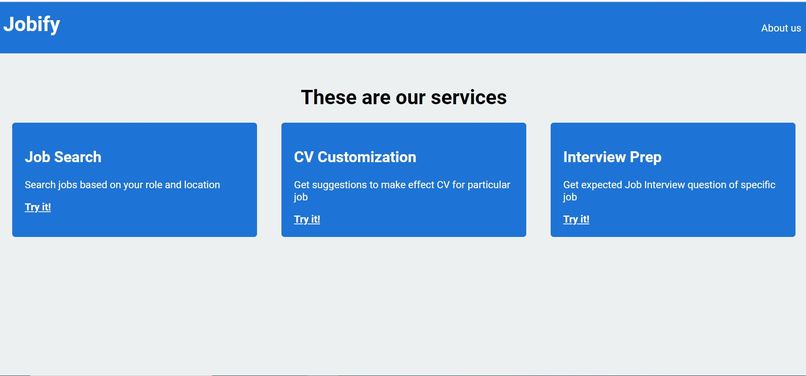
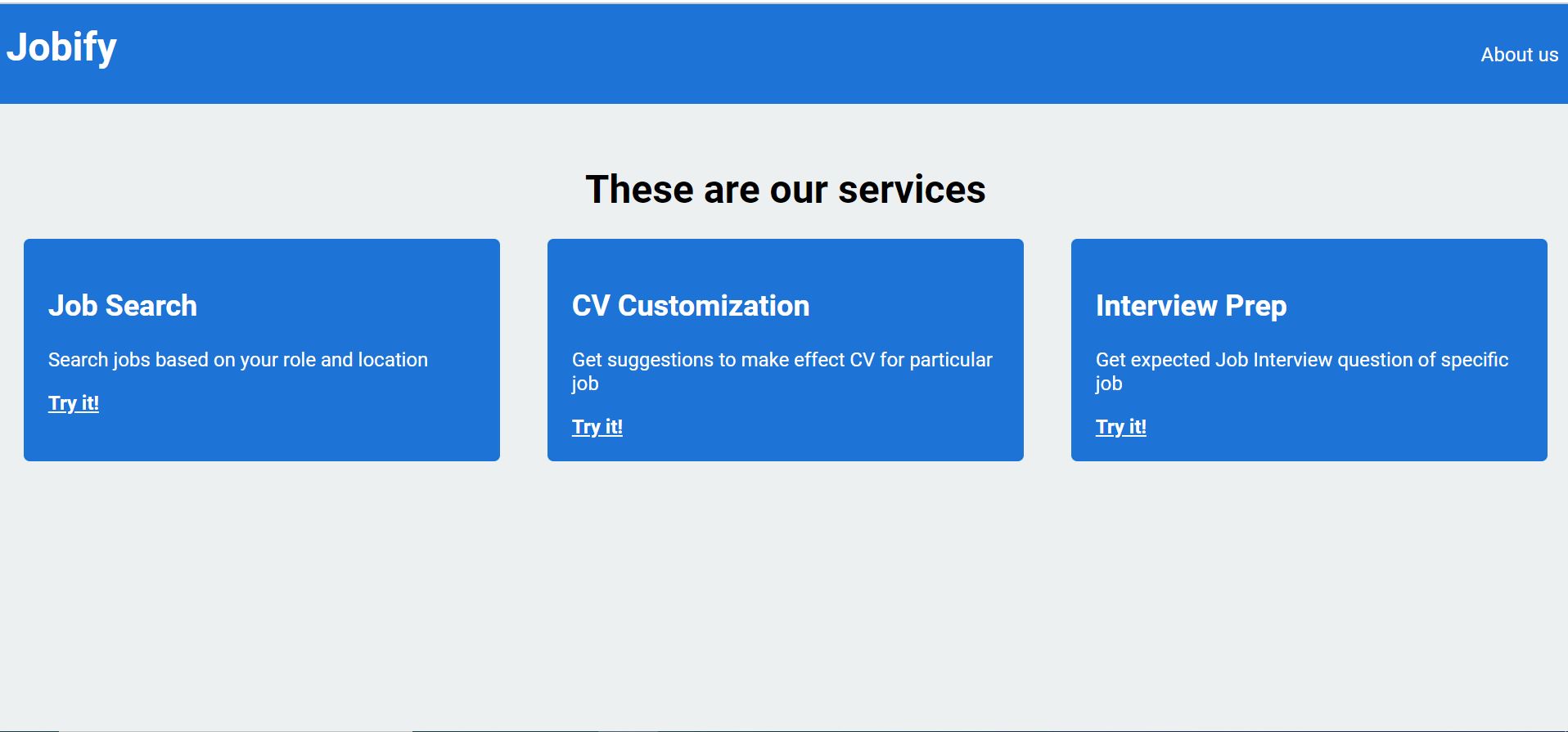
Dashboard
-
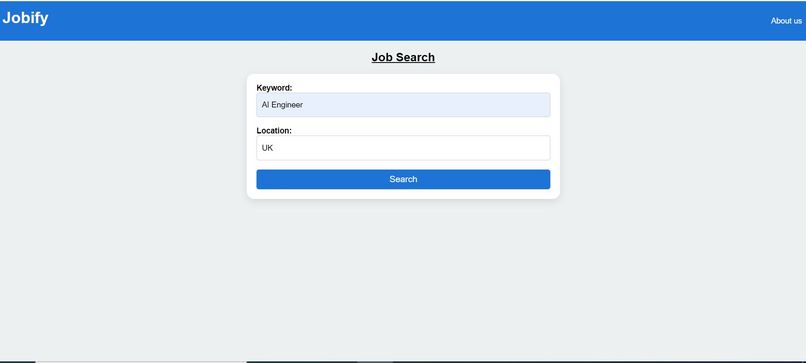
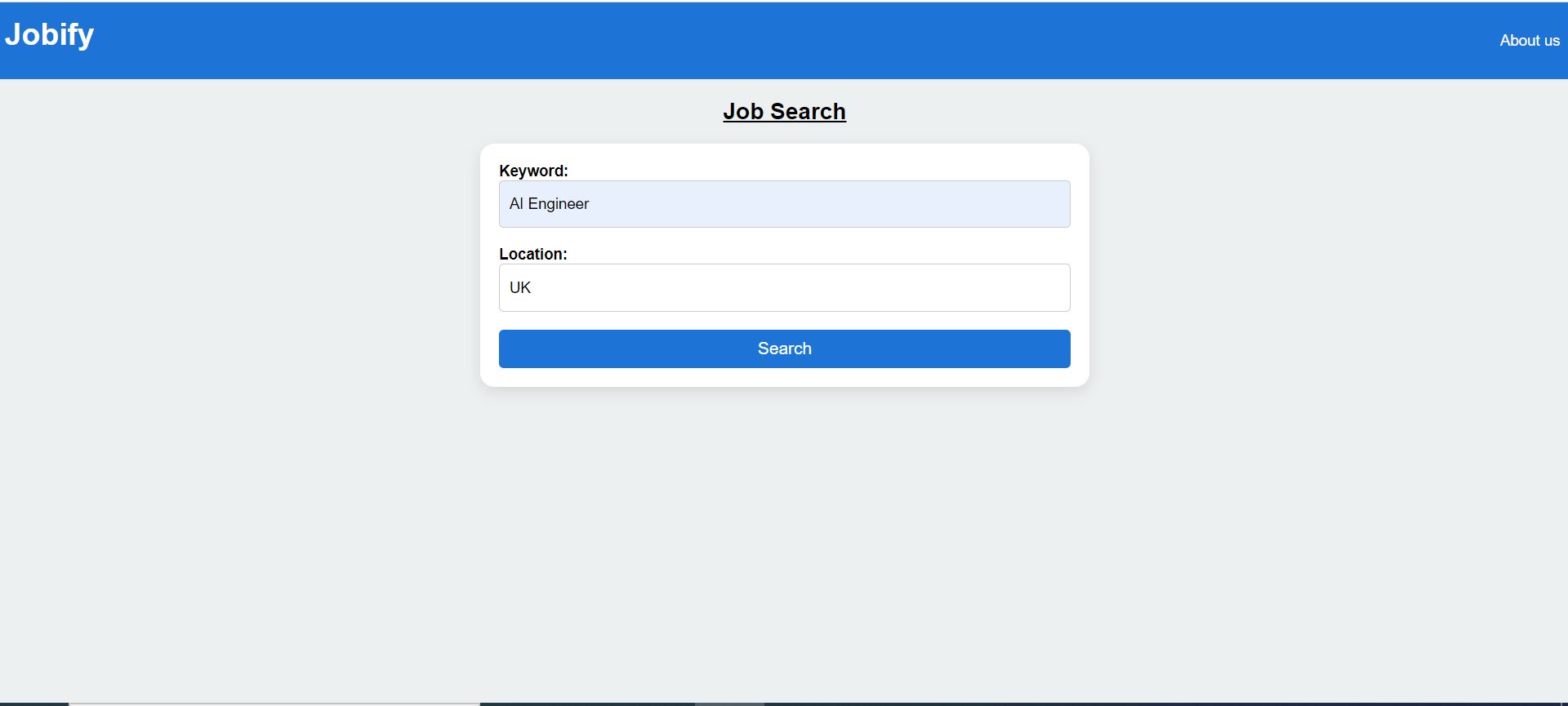
Job search form
-
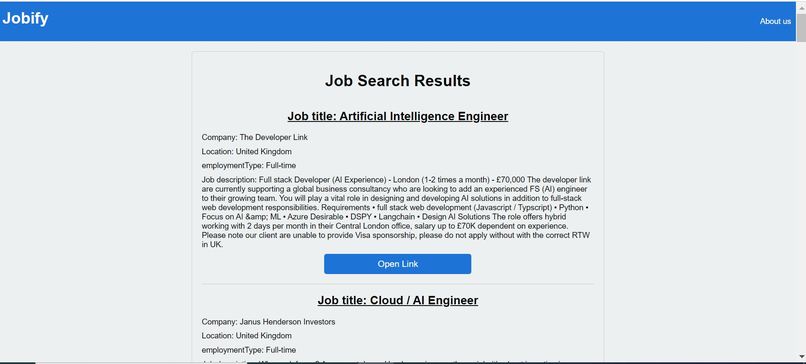
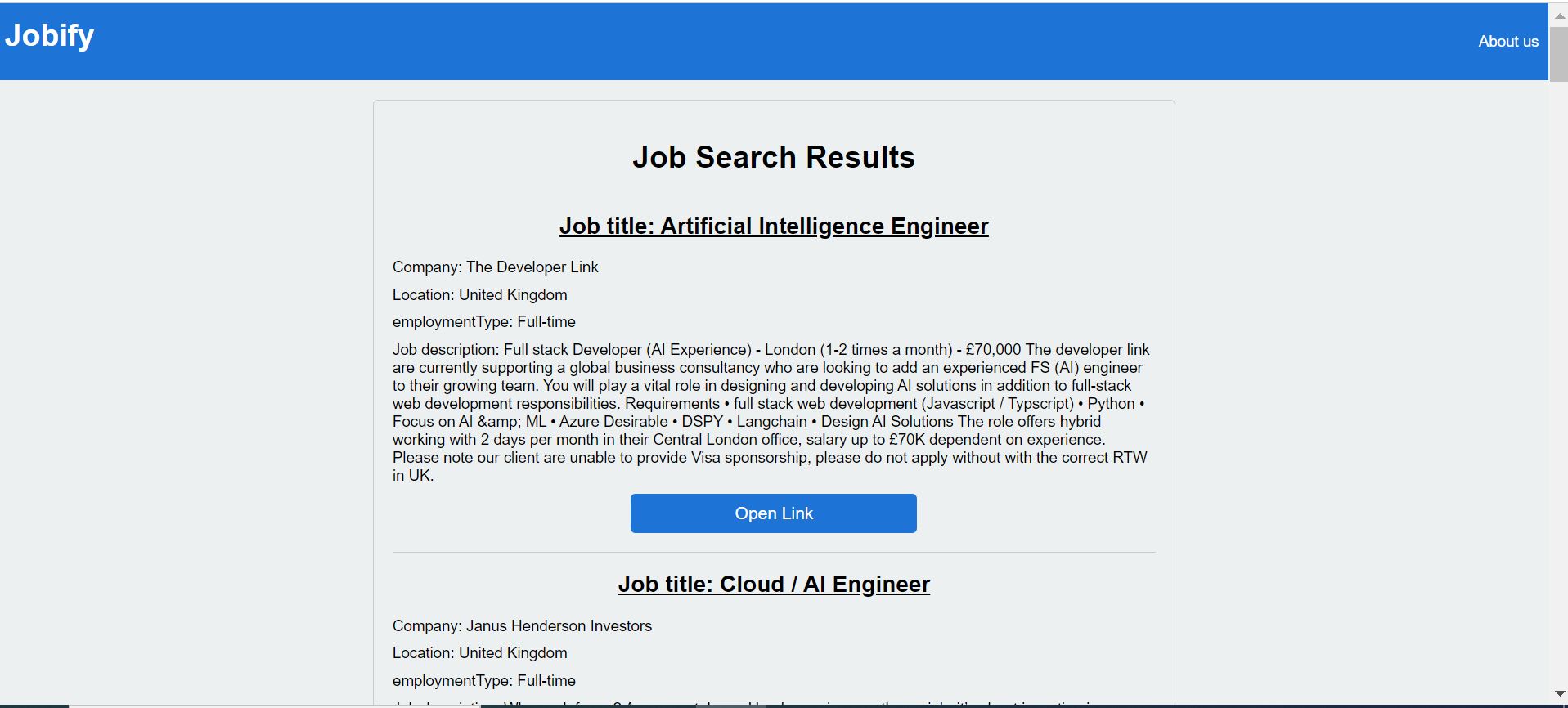
Job search result
-
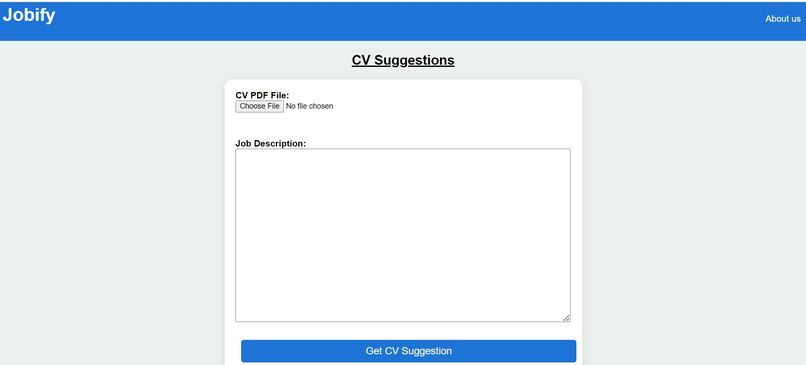
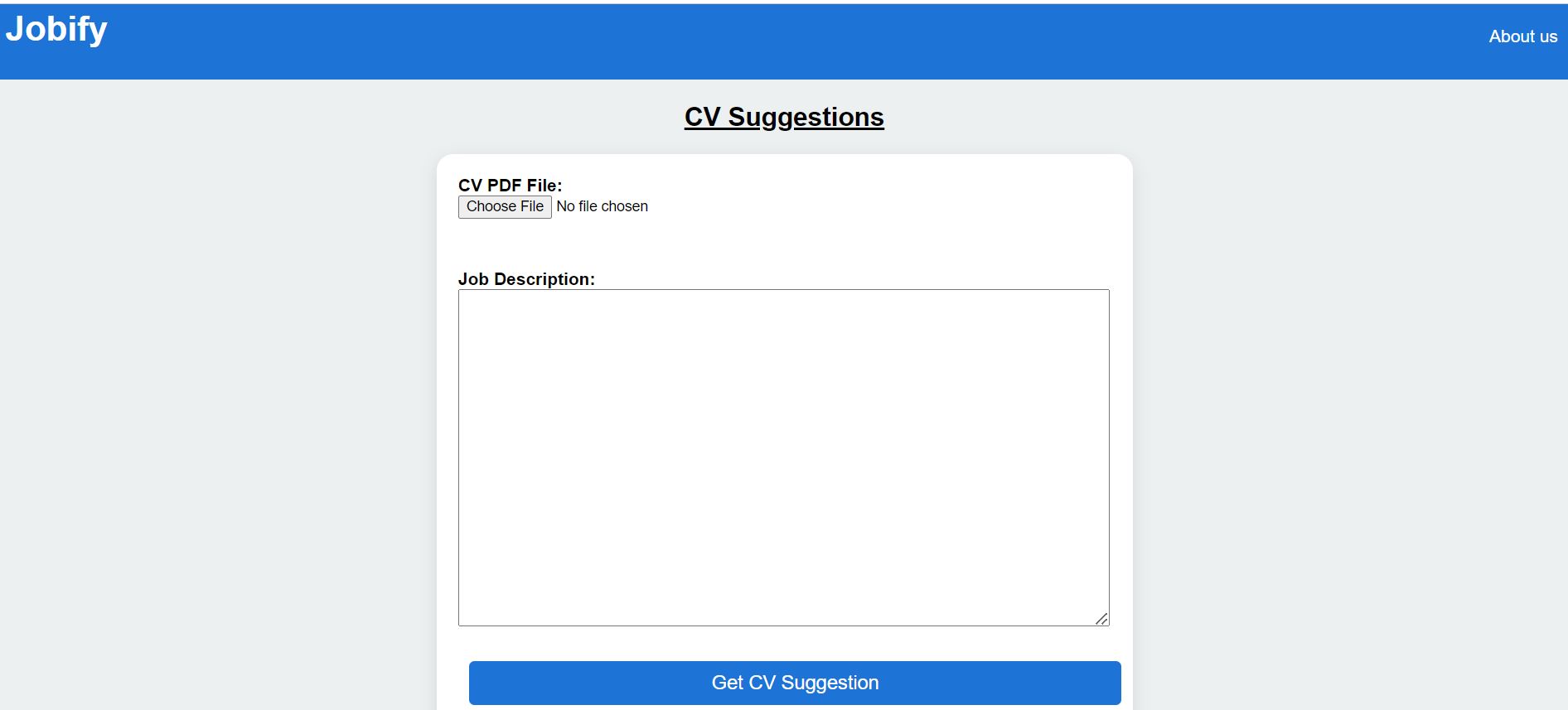
CV customization form
-
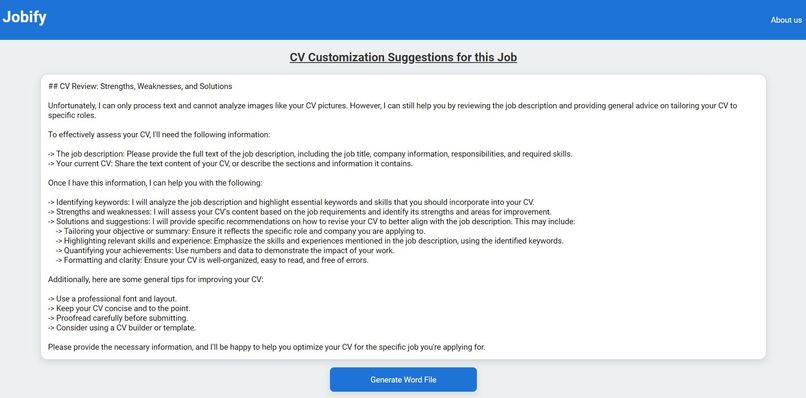
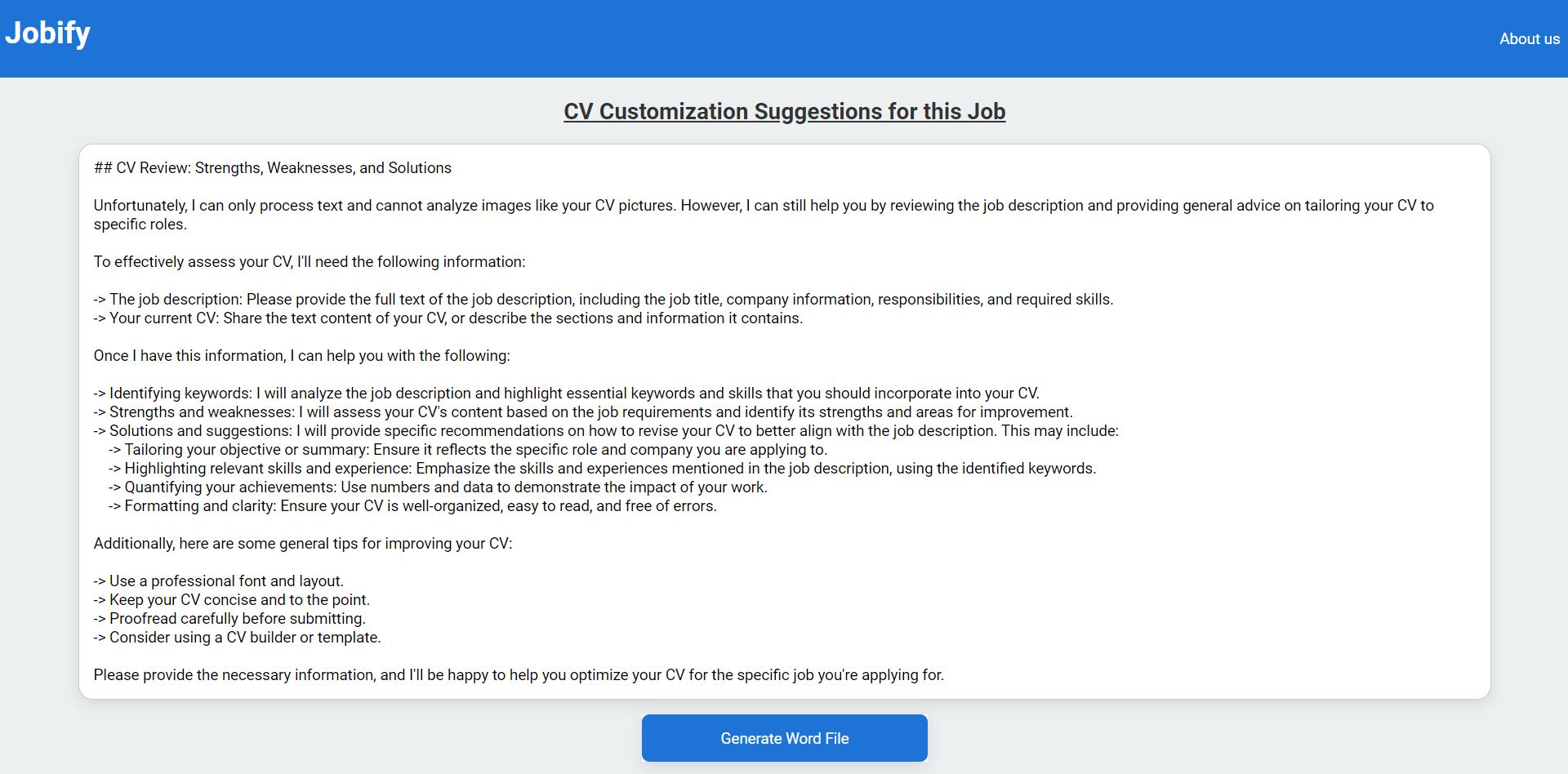
CV customization suggestions for specific job
-
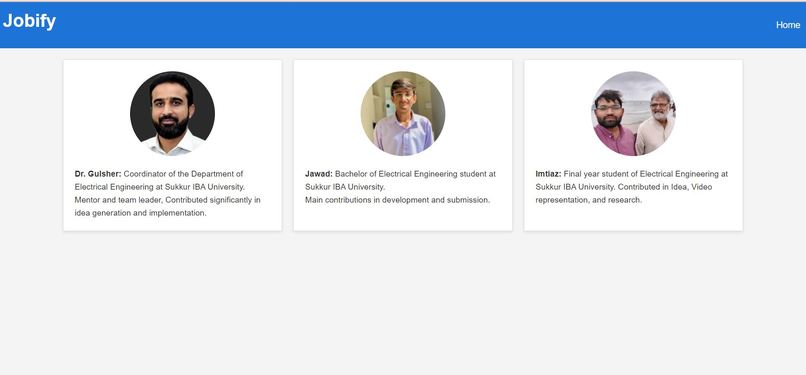
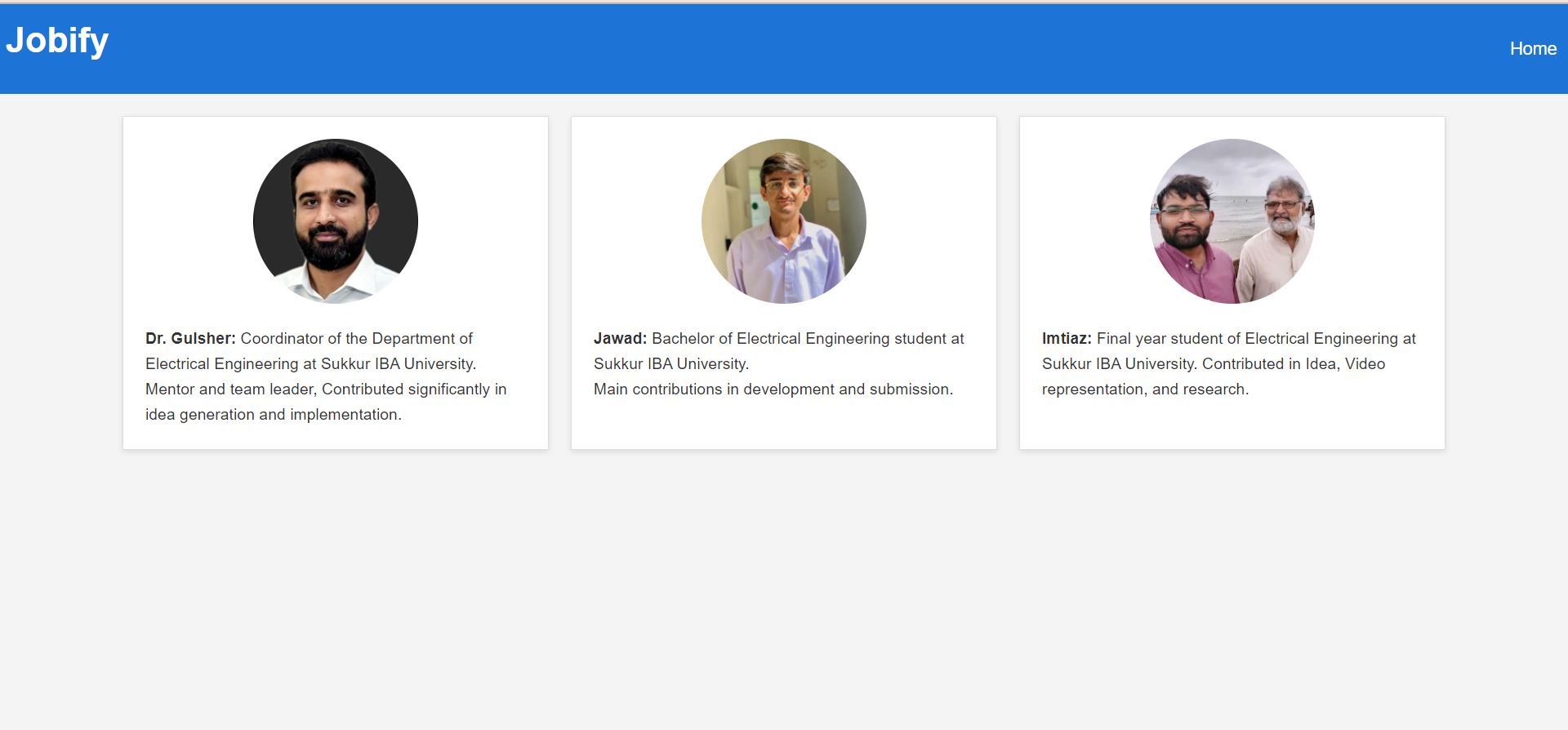
About us
Disclaimer:
Jobify is just simple name for representation of this hackathon project. (Name jobify is not registered with us)
Inspiration:
Navigating the employment landscape poses various challenges, which is why we developed Jobify. For the academic year 2018-2019, specific global statistics on the number of students awarded graduation degrees only in the U.S., the National Center for Education Statistics (NCES) reported for the 2018-19 academic year: Bachelor's degrees: Approximately 1.98 million, Master's degrees: About 820,000, Doctorate degrees: Around 185,000. With trends indicating that the average person now seeks to change jobs every three to four years—a reflection of evolving career aspirations and the pursuit of improved work conditions—there is a clear need for tools that facilitate this transition. Moreover, the automated tracking systems (ATS) employed by many companies reject approximately 75% of resumes before they ever reach a human reviewer, often due to mismatches in keyword alignment. This high rejection rate is a significant barrier, considering that for a single job, the average job seeker applies to about 10 to 15 positions. This process can be both time-consuming and disheartening, as each application requires considerable effort and customization. Additionally, the interview preparation process is particularly daunting; it is time-consuming and causes significant anxiety, especially for students and young professionals who are often navigating their first few interviews. These challenges are further complicated by the difficulty in finding suitable job opportunities that also allow for straightforward applications. By addressing these issues, Jobify aims to streamline the job search and application process, enhance resume suitability for ATS screening, and reduce interview anxiety with dedicated preparation tools, thus providing a comprehensive support system for job seekers.
What it does
Introduction
Jobify is an all-in-one platform designed to simplify and enhance the job search and application process. Created to help users navigate the complexities of finding a job, from application to interview, Jobify streamlines critical steps into a single, user-friendly interface.
Job Search Functionality
At the core of Jobify's job search functionality is an advanced API sourced from RapidAPI, which conducts comprehensive web scraping across multiple job sites, including Google Jobs and other prominent platforms. This approach ensures that users have access to a broad range of job listings without the need to visit multiple websites. Real-time updates mean that job seekers can apply for positions as soon as they are posted, using direct links provided within Jobify. This feature not only enhances user convenience but also significantly boosts the efficiency of the job search process.
CV Customization and Interview Preparation
Jobify incorporates the latest Gemini 1.5 Pro API to offer personalized CV customization suggestions and interview preparation tools. Users begin by uploading their CV along with the job description of the position they are targeting. Python scripts process this data and interact with Gemini API to generate tailored advice. This feature not only saves users time by automating the customization of their CVs to meet specific job requirements but also helps in preparing them for potential interview questions and scenarios relevant to their job applications.
User Experience and Accessibility
We have made every effort to keep Jobify as simple and accessible as possible. Our commitment to a user-friendly design ensures that even those with minimal technical expertise can navigate and utilize the platform effectively. This ease of use, combined with powerful functionality, confirms our confidence in Jobify's performance.
How we built it
Frontend:
For the frontend development of Jobify, we opted for a combination of HTML, CSS, and JavaScript. HTML served as the backbone, providing the structural framework for our web pages. CSS was utilized to enhance the visual presentation, ensuring a polished and attractive user interface. JavaScript was instrumental in adding interactivity to the platform, enabling features such as dynamic content updates and user engagement elements. This choice of technologies allowed us to create a responsive and interactive user interface that delivers a seamless experience across devices.
Backend:
Python, coupled with the Flask web framework, formed the backbone of Jobify's backend infrastructure. Python was chosen for its simplicity, readability, and extensive library support, making it an ideal choice for handling backend logic and API integrations. Flask, known for its lightweight and versatile nature, efficiently served web pages and managed HTTP requests. This combination provided a robust foundation for building and scaling the backend functionalities of Jobify, ensuring smooth operation and reliable performance.
APIs:
In order to provide users with comprehensive job listings and personalized CV customization and interview preparation functionalities, we integrated two key APIs:
- Gemini 1.5 Pro API: Integrated for CV customization and interview preparation functionalities, the Gemini API provided users with real-time feedback and tailored suggestions to enhance their job application materials and interview readiness. This API integration played a crucial role in delivering personalized assistance to users, ultimately improving their chances of securing employment opportunities.
- Job Listing API: Leveraging a comprehensive API from RapidAPI, we were able to scrape real-time job listings from various websites, including Google Jobs. This choice was driven by the need for a wide-reaching and reliable source of job data, ensuring that users have access to the latest opportunities across multiple platforms.
Design Considerations:
Our design philosophy for Jobify was centered on simplicity, efficiency, and user experience (UX). We aimed to create a platform that minimizes the learning curve and maximizes accessibility, ensuring that users, regardless of their technical expertise, can navigate the platform effortlessly. By prioritizing intuitive navigation, clear information presentation, and responsive design principles, we strived to deliver a user-friendly experience that empowers job seekers in their search for employment opportunities.
Challenges we ran into
During the development of Jobify, we faced challenges with integrating multiple APIs seamlessly, ensuring real-time data updates, maintaining user data security, optimizing the user experience, and managing time effectively amidst academic commitments. Living in a developing country brought its own unique hurdles, including electricity load shedding, low internet speeds, and payment method issues which signing up with google cloud. Despite these obstacles, our team persevered through collaboration and innovation, ultimately delivering a successful platform within the allotted timeframe.
What we learned
Throughout the development of Jobify, we achieved several notable accomplishments that we're proud of. These include seamlessly integrating multiple APIs into the platform, implementing robust data security measures, optimizing the user experience based on iterative feedback, delivering the project on time despite time management challenges, and receiving positive feedback from users. These accomplishments highlight our team's dedication and expertise in creating a valuable solution for job seekers.
What's next for Jobify
- Mock Video Interview with AI: Implement mock video interview functionalities enhanced with AI as an interviewer, offering users an immersive practice experience to refine their interview skills and boost confidence.
- Enhanced Job Matching Algorithm: Improve job matching algorithms to deliver personalized recommendations based on users' skills and preferences, ensuring better alignment with their career goals and enhancing job search efficiency.


Log in or sign up for Devpost to join the conversation.