-
-
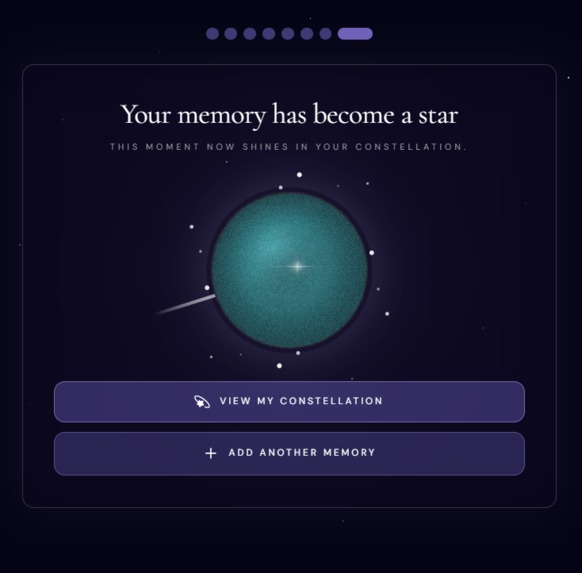
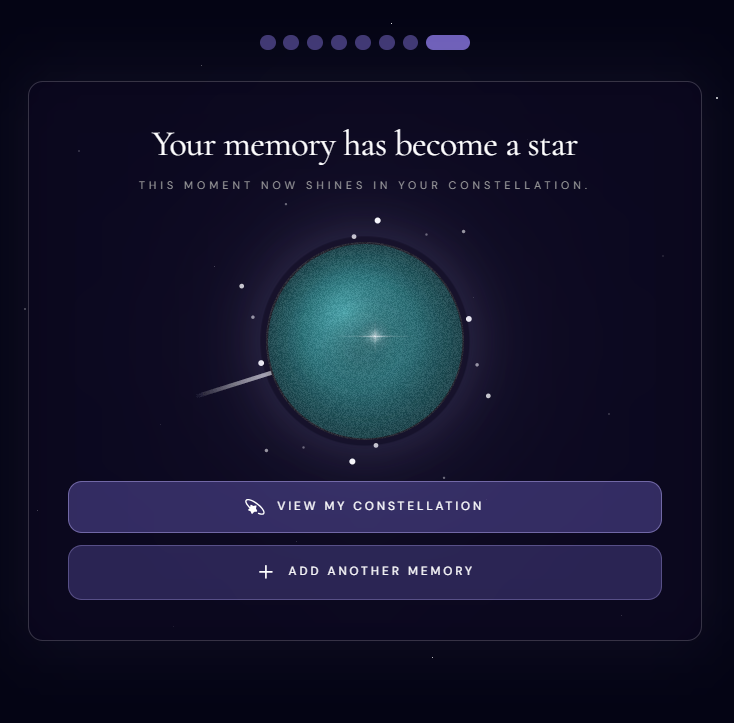
adding a new star
-
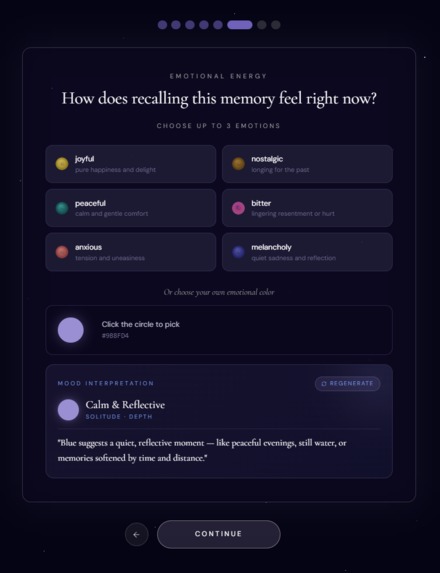
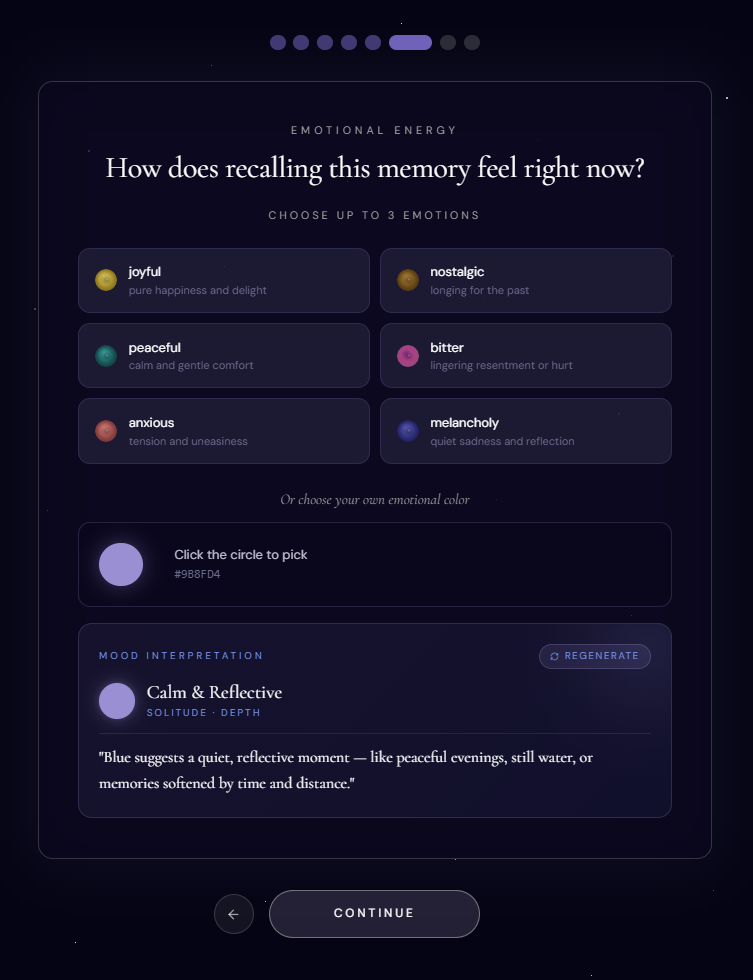
emotions and respectice colors
-
-
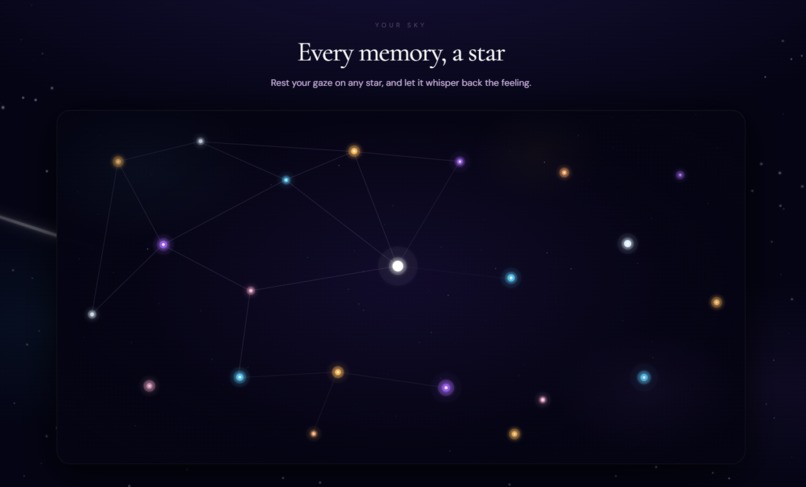
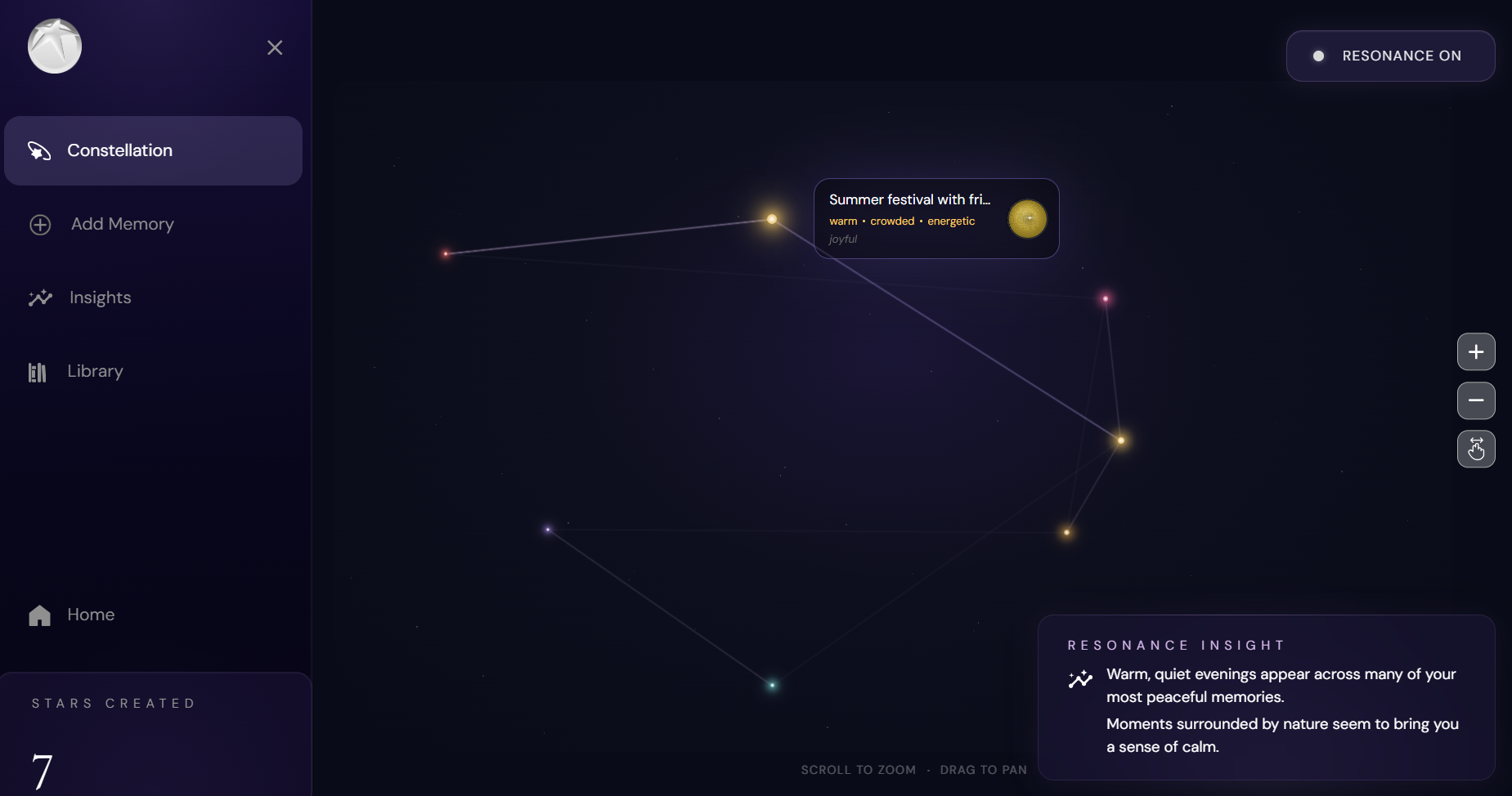
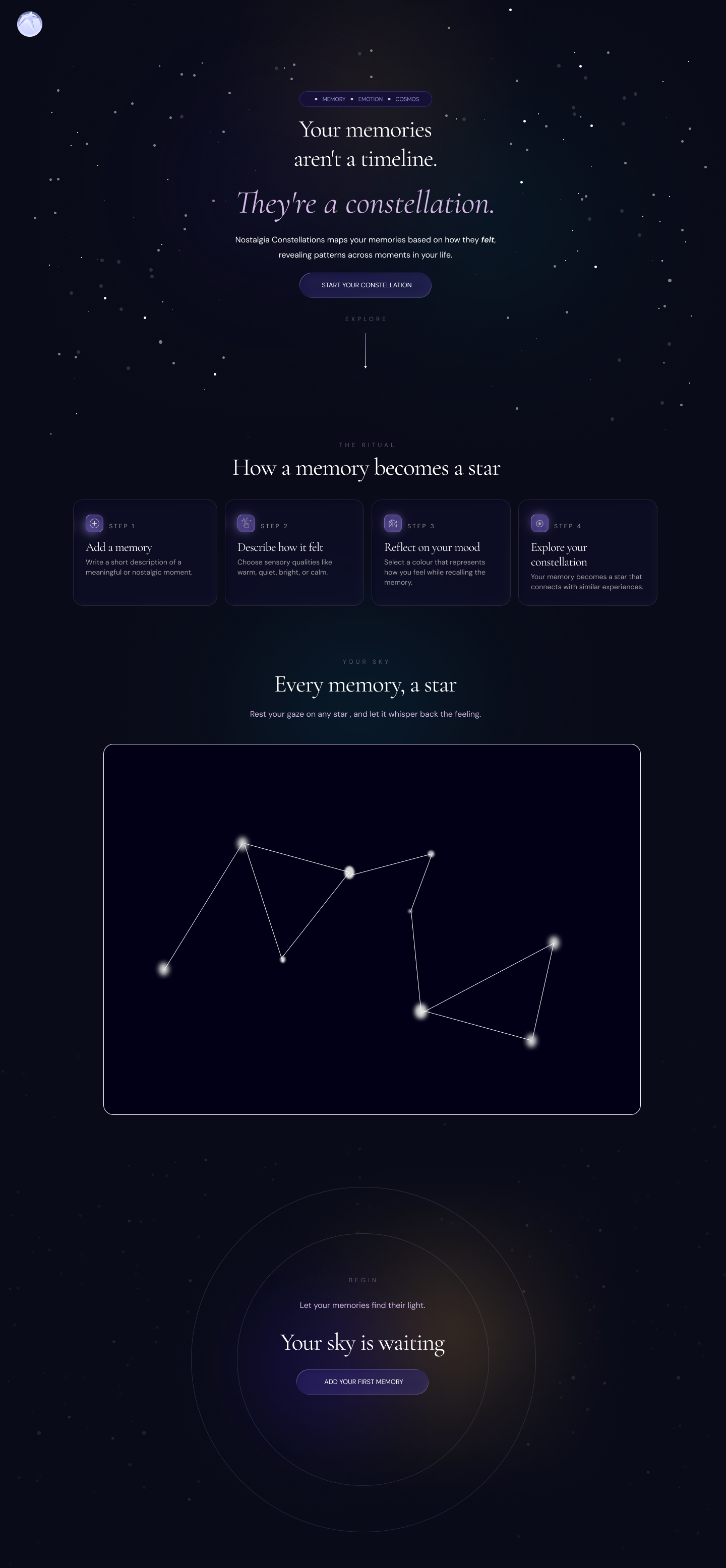
your nostalgia constellation
-
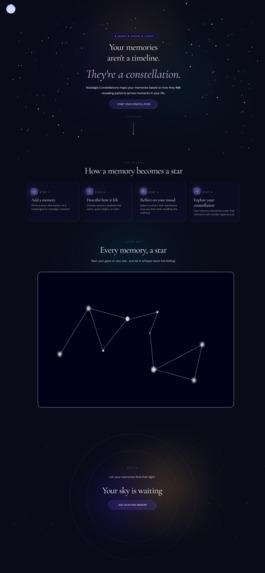
-
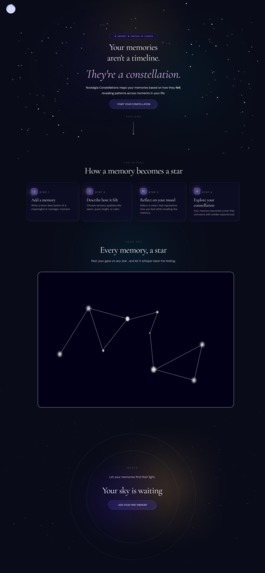
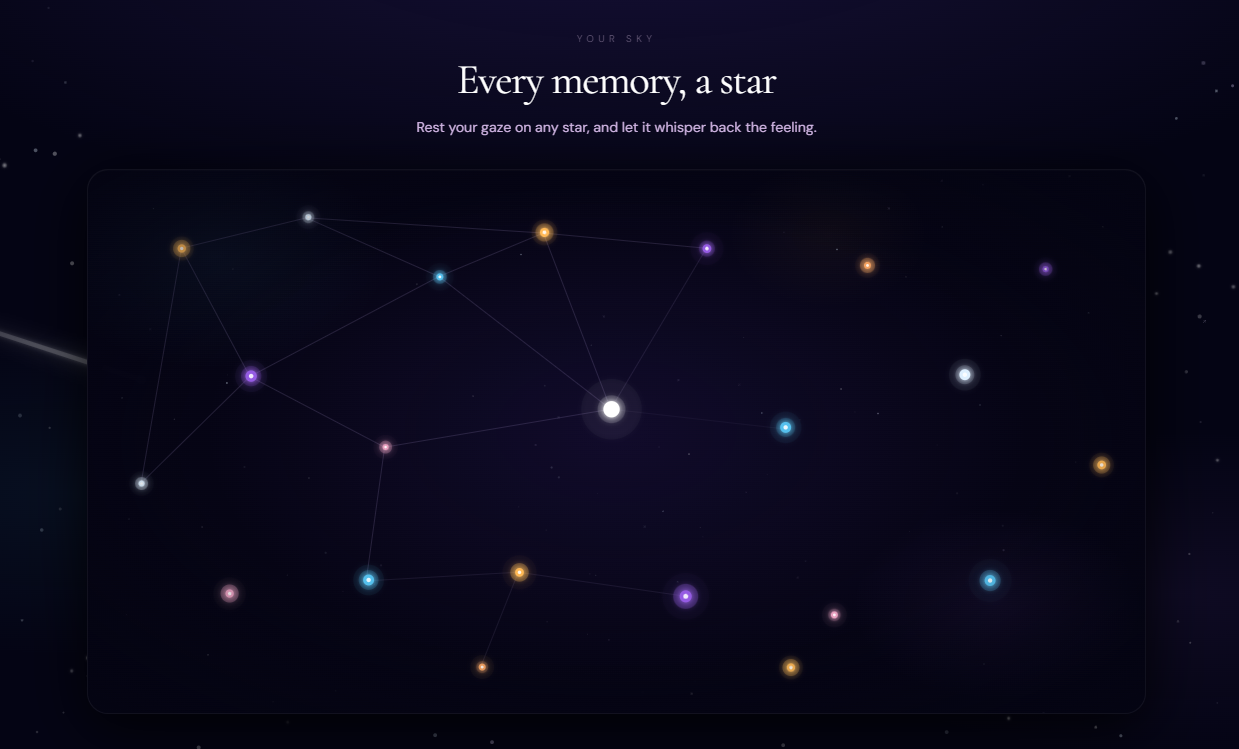
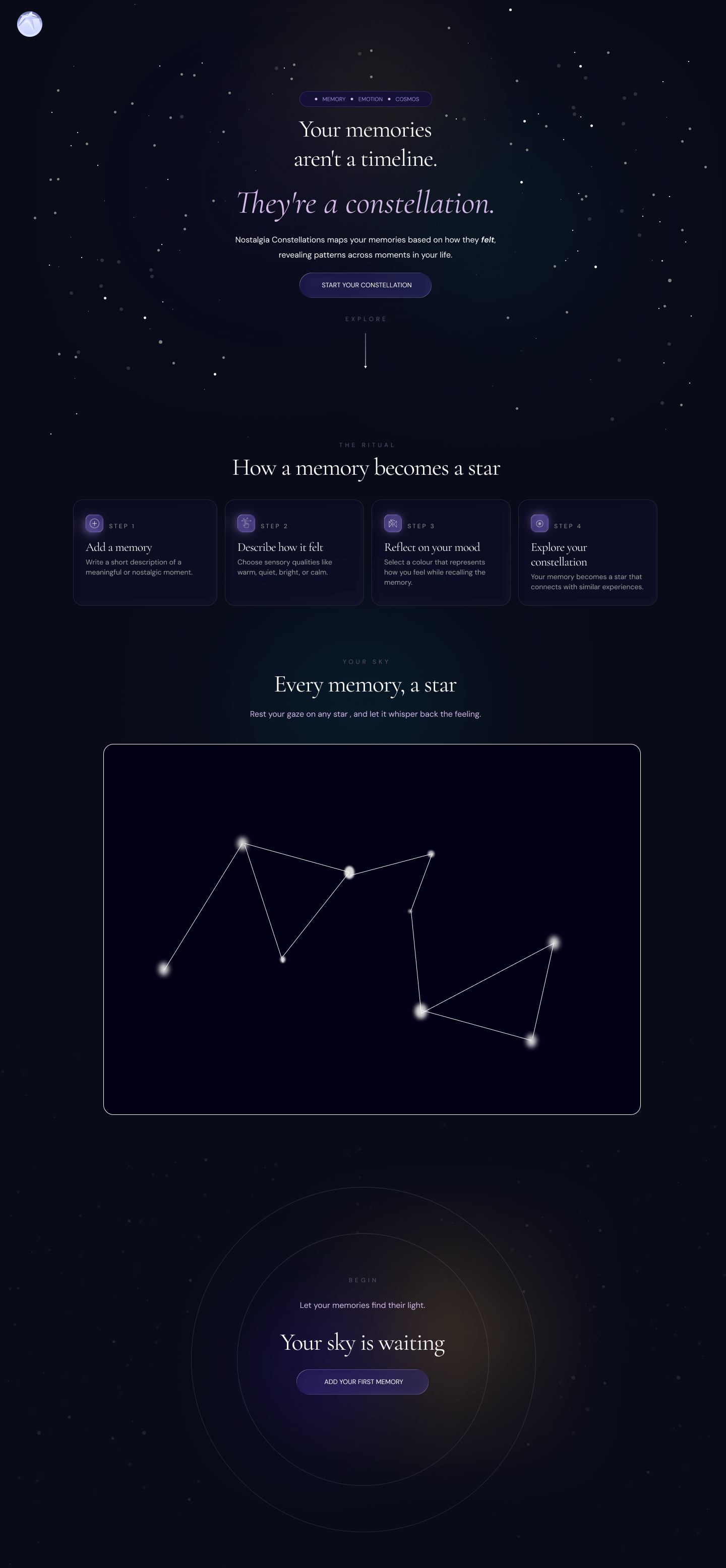
landing page
-
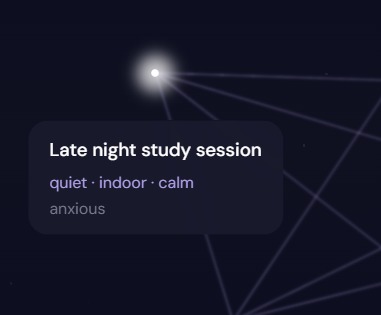
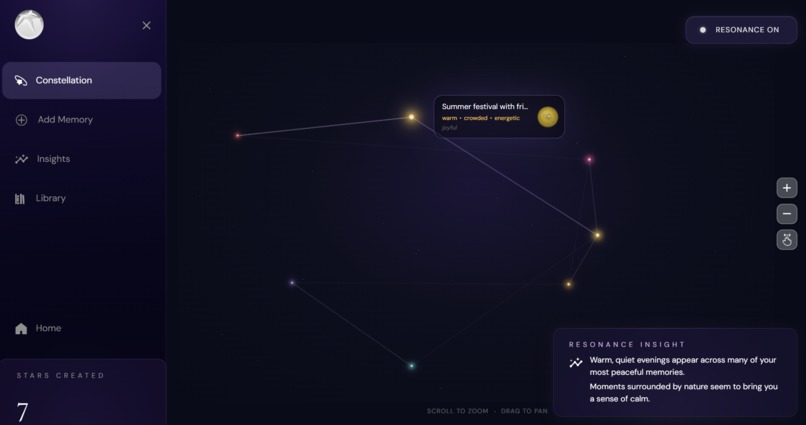
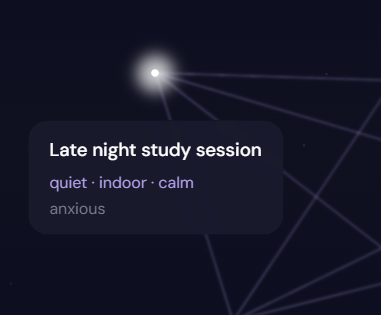
popup page triggered by hover
-
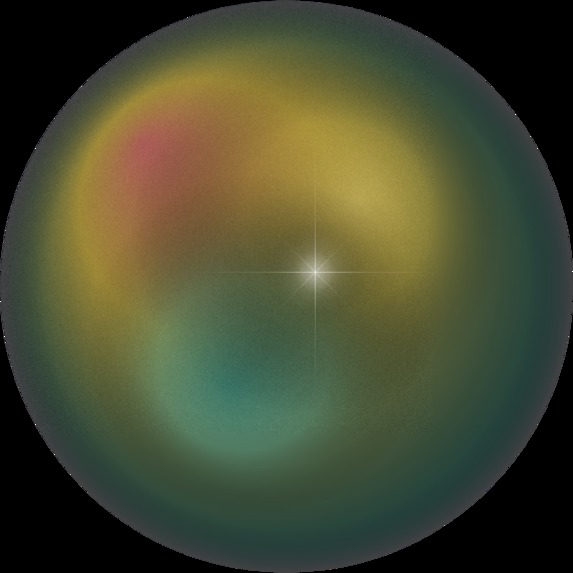
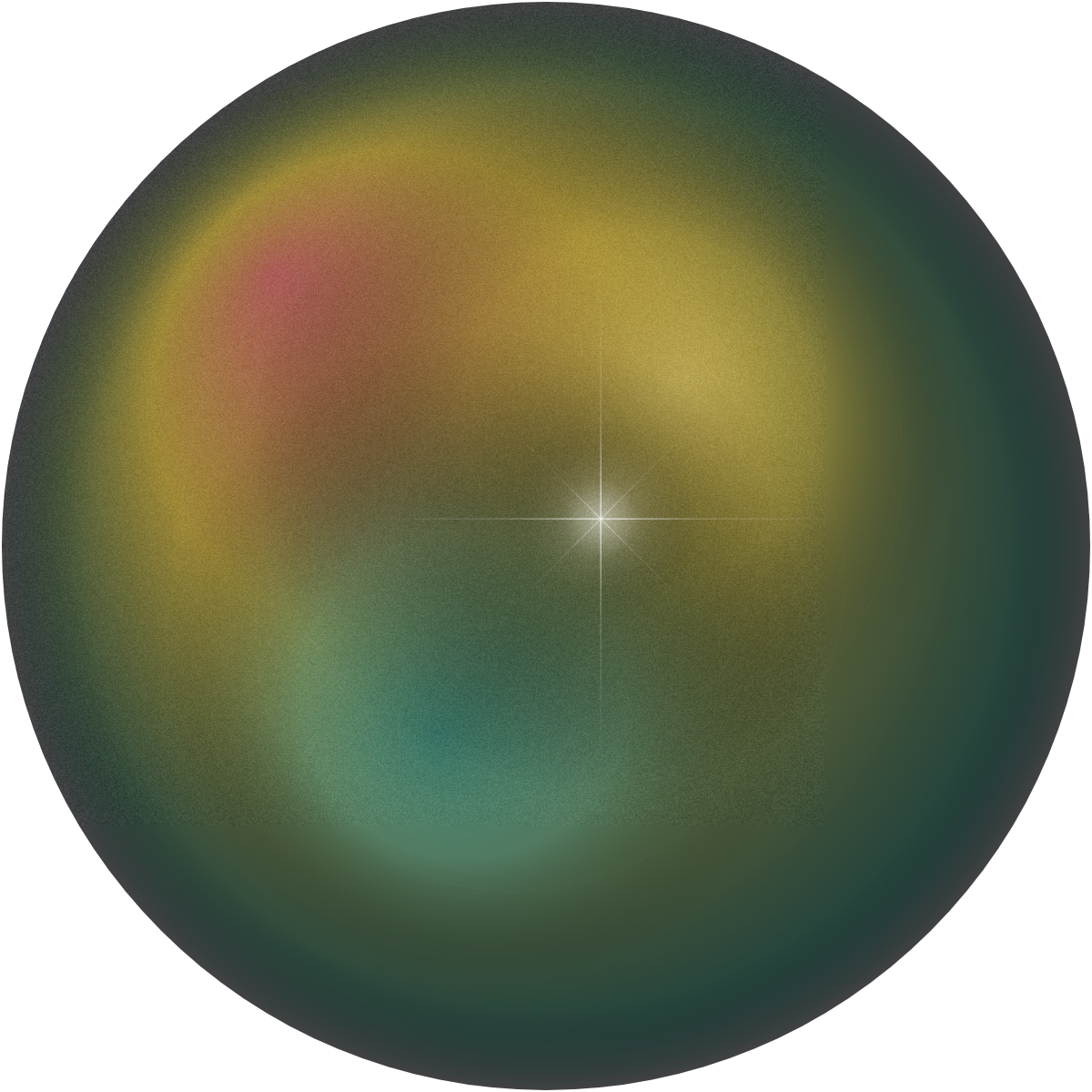
example of a star: three-level emotions
Inspiration
Memories are rarely recalled as a sequence of dates or events. Instead, people often remember moments through sensory cues and emotions—a smell, a song, a place, or the feeling of being with loved ones. However, most tools for recording memories—photo albums, journals, and camera rolls—organize experiences chronologically. This makes it difficult to recognize patterns in the moments that bring comfort, joy, or connection.
We were inspired to design a tool that helps people perceive emotional patterns hidden within their memories. We also drew inspiration from emotional color theory, which explores how colors are associated with different emotional states and can be used to communicate feeling visually. Films like Inside Out demonstrate how emotions can be represented through color and glowing memory orbs, making emotional experiences easy to recognize at a glance.
This inspired our approach of mapping emotions to colored constellation stars, allowing users to quickly perceive emotional patterns in their memories through what we call nostalgic resonance.
What it does
Polaris is a memory visualization tool that transforms personal experiences into a constellation of emotional and sensory signals.
Users capture memories by reflecting on what they are sensing in a moment and tagging sensory cues such as sound, place, weather, and emotions. Each memory becomes a star in a personal galaxy, where visual properties represent emotional meaning:
- Color represents emotion
- Size represents importance
- Brightness represents nostalgia intensity
Inspired by emotional color theory, Polaris maps feelings to star colors (for example, orange for joy or pink for nostalgia). This allows users to visually scan their constellation and quickly perceive emotional patterns across their experiences.
As more memories are added, Polaris reveals clusters, bridges, and recurring sensory patterns between moments, helping users understand which environments, people, or experiences consistently bring comfort or joy.
How we built it
We designed Polaris as an interactive product concept using Figma and Figma Make to rapidly prototype the user experience and visualize how emotional memory data could appear in a constellation interface.
The system captures memories through guided prompts and sensory tagging, generating emotional metadata that powers the constellation visualization. Memories are represented as stars whose visual attributes encode meaning.
We applied emotional color theory to map emotions to star colors, allowing users to quickly perceive emotional patterns in their memory constellation. This approach was partially inspired by the colored memory orbs in Pixar’s Inside Out, which visually represent emotional experiences through glowing spheres.
In Polaris, color communicates emotional tone, star size represents importance, and brightness represents nostalgia intensity. By analyzing shared sensory and emotional tags, the system reveals clusters of similar experiences, bridges between life moments, and recurring signals of nostalgic resonance.
Challenges we ran into
One of the main challenges was working cross-functionally within the same Figma Make environment while designing both the narrative presentation and the interactive interface. Because the project combined storytelling, UX design, and speculative interaction, we had to constantly align the visual design, user flows, and conceptual explanation. We also spent time debugging prototype interactions and refining animations so the constellation visualization behaved in a way that clearly communicated the idea.
Accomplishments that we're proud of
We are proud of achieving a cohesive aesthetic and design vision while translating an abstract concept into an intuitive interface. The constellation visualization, emotional color system, and animated interactions helped make the experience feel immersive and engaging. We were also able to integrate storytelling, UX design, and visual execution into a single polished prototype.
What we learned
Through this project we learned more about designing effective UX flows and structuring interfaces that guide users through complex ideas. We explored practical wireframing, information architecture, and the importance of narrative in product design. We also gained experience using more advanced Figma tools such as Figma Make, presentation tools, and prototyping features to build interactive concepts and communicate them clearly.
What's next for Polaris
In the future, Polaris could expand with additional constellation interactions and insights. For example, star size could represent the importance of a memory, helping users quickly identify pivotal experiences. Features like emotional pattern insights, filters, or constellation naming could further support exploration and reflection. These additions would build on Polaris as a wellbeing tool, helping users better understand the memories that bring them comfort and connection.
Built With
- claude
- css
- figma
- figmamake
- html
- javascript
- react


Log in or sign up for Devpost to join the conversation.