JiJinia Episode 1: LANDFALL
About This Project
Inspiration
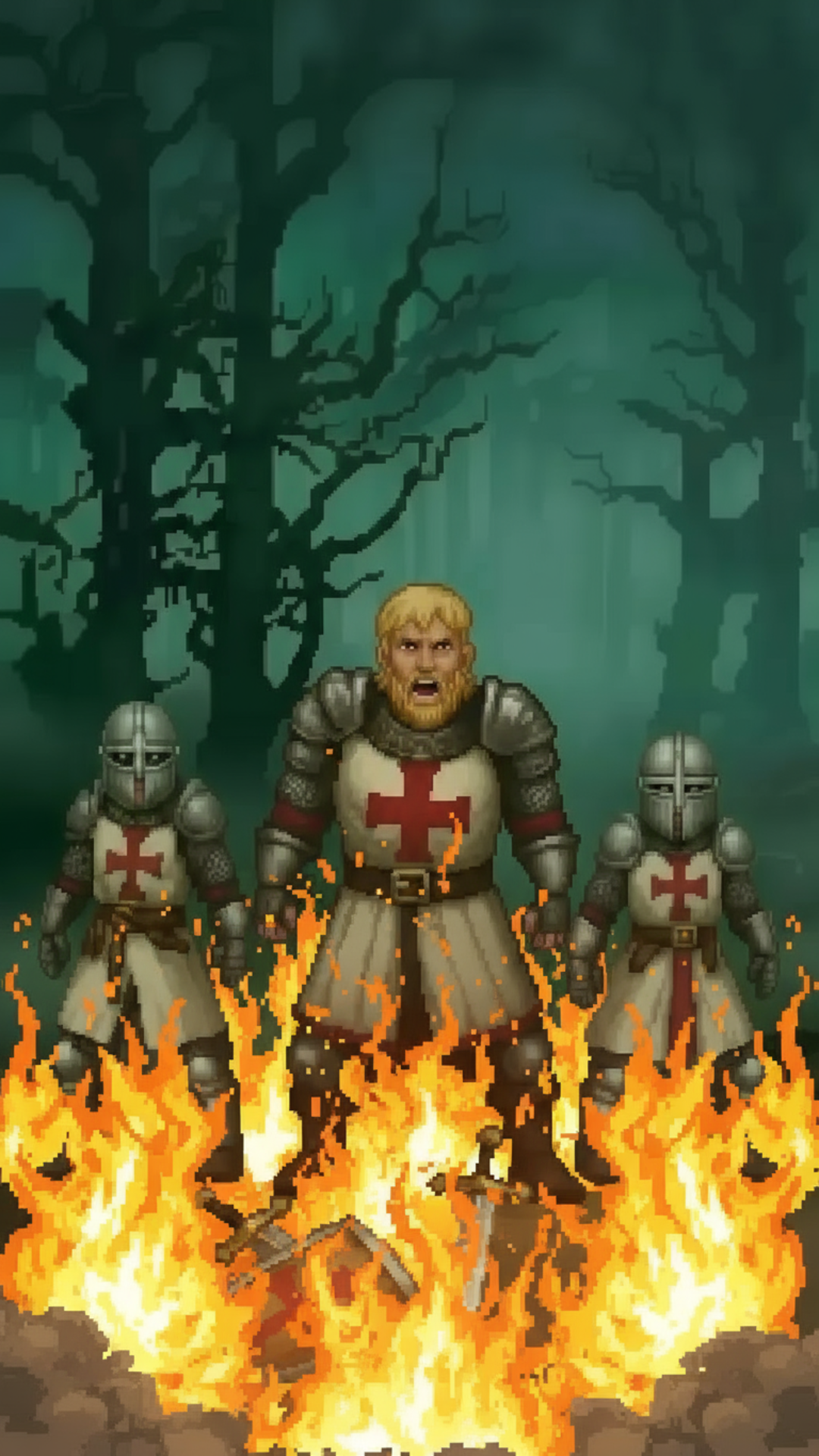
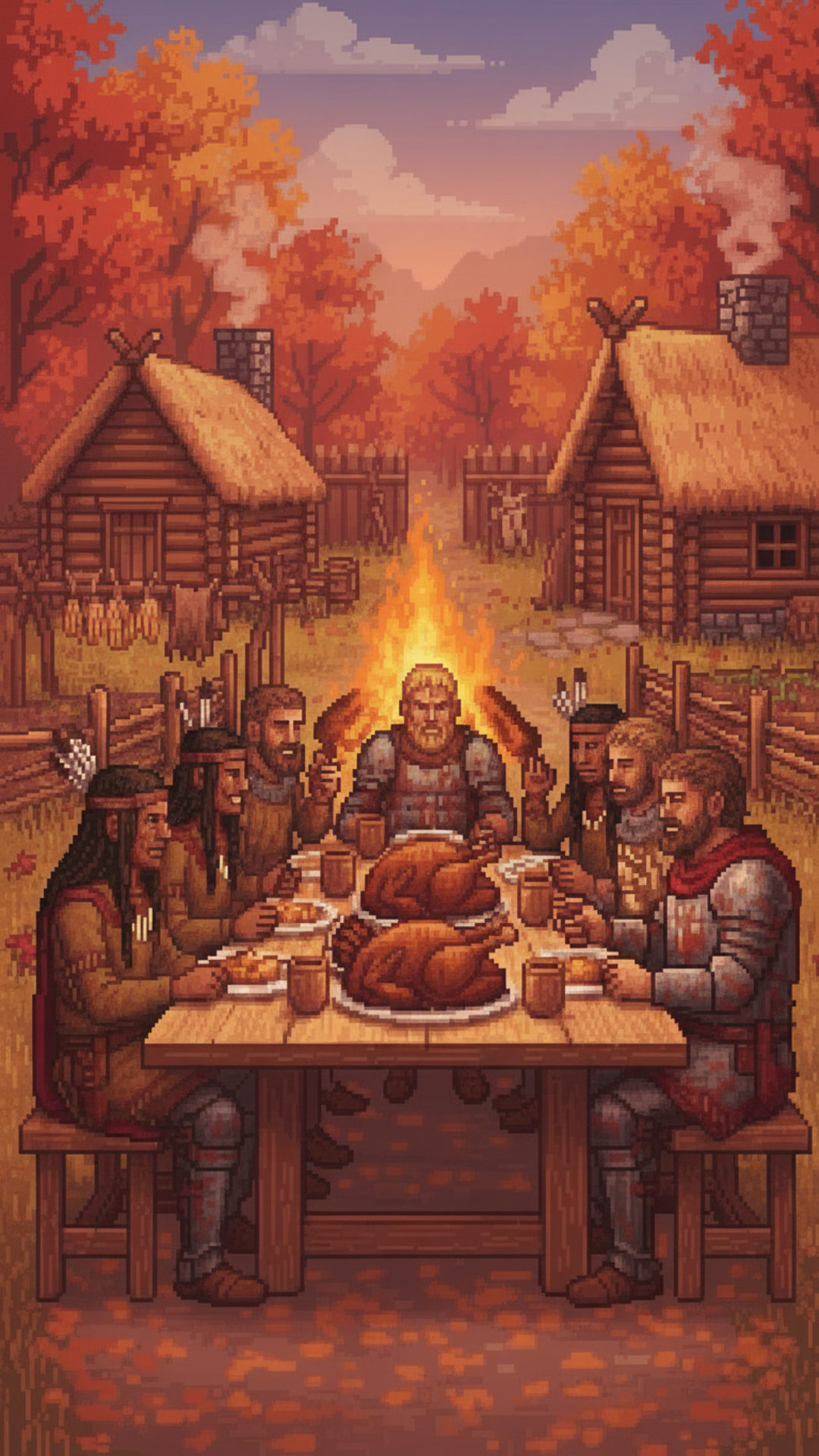
JiJinia emerged from a collision of creative obsessions: What if crusaders landed on shores defended not by conventional armies, but by indigenous peoples wielding wuxia-style magic? What if the entire story unfolded through music first, with visuals serving the songs rather than the other way around?
Traditional episodic storytelling uses music as enhancement. I wanted to flip that—music as primary narrative vehicle, with each 90-120 second song advancing plot, character, and world-building. Episode 1 follows storm-battered crusaders from arrival through failed combat to an uneasy peace brokered by hunger, told across six tightly-constructed tracks.
What I Learned
Constraint breeds creativity. The 90-120 second song mandate forced me to:
- Cut every unnecessary lyric
- Maximize story per second through rapid-fire delivery
- Balance heavy instrumental sections (50%+) with minimal, punchy vocals
- Find the emotional core of each scene and build around it
Workflow optimization is everything. Managing 6 songs with coordinated visuals taught me systematic production:
- Generate instrumental base (200-char prompt limit)
- Cut to exact length before adding vocals
- Layer vocals (1000-char prompt limit)
- Create visuals that serve the narrative beats
- Edit everything in DaVinci Resolve for coherent pacing
How I Built It
Music Production (Suno AI):
- All tracks at 111 BPM (sacred consistency across project)
- Genre: Heavy electronic glitch folktronica
- Mandatory 3-step process: instrumental → cut to length → vocals
- Style prompts engineered for aggressive iconic melodies, minimal lyrics, conversational delivery
Visual Generation:
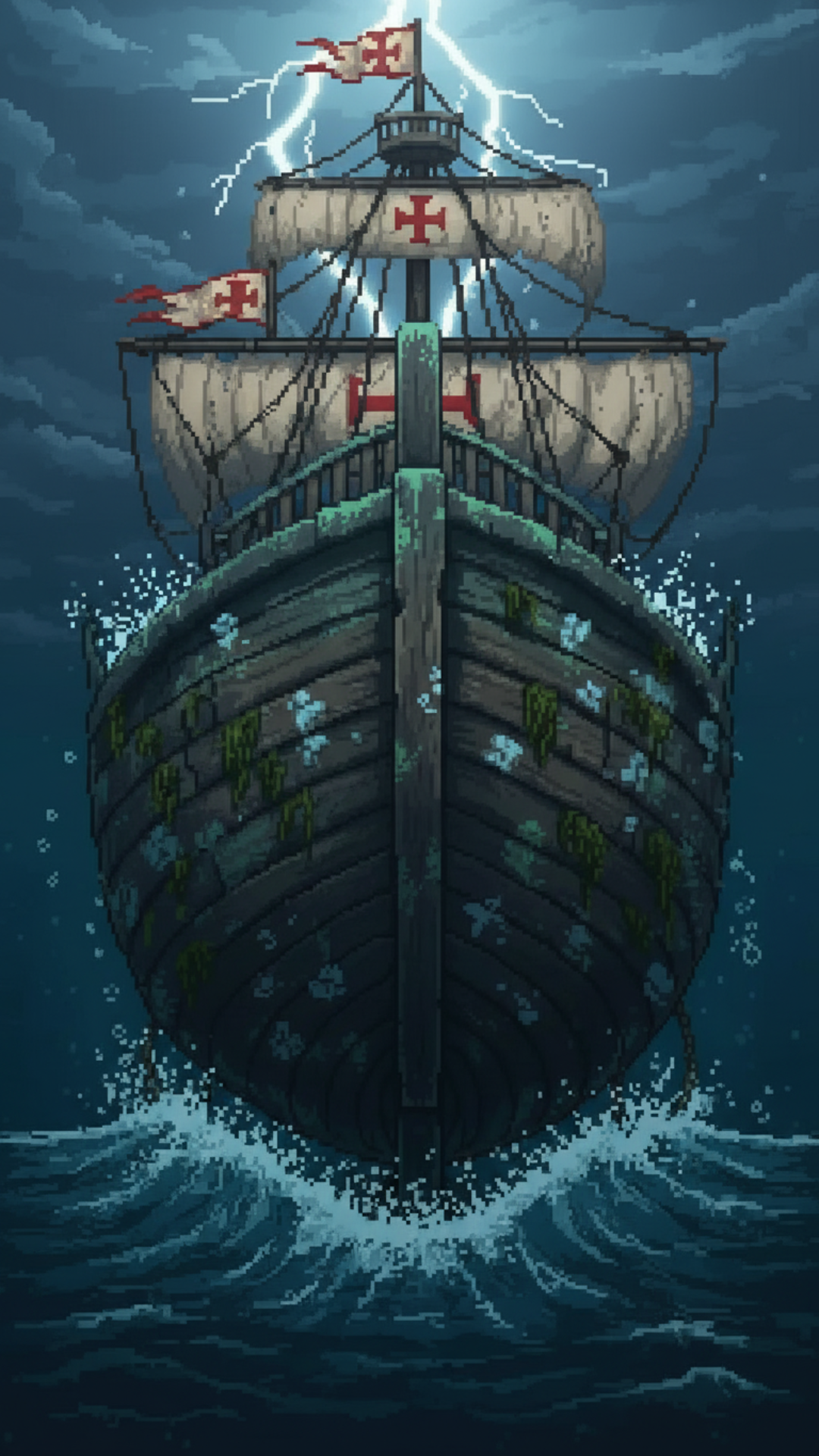
- Kling AI: Primary video generation for atmospheric scenes (storms, beach camps, forest edges)
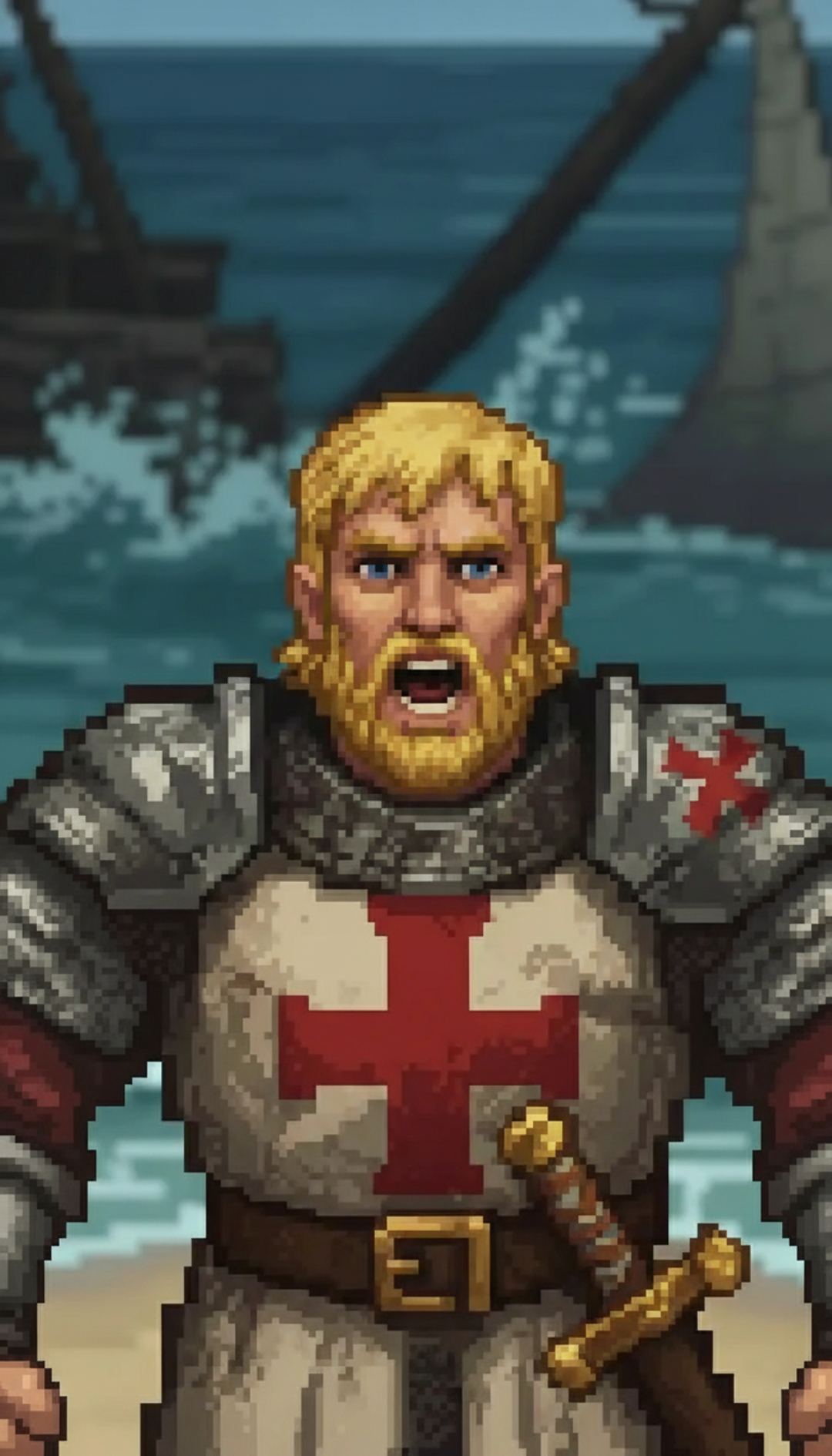
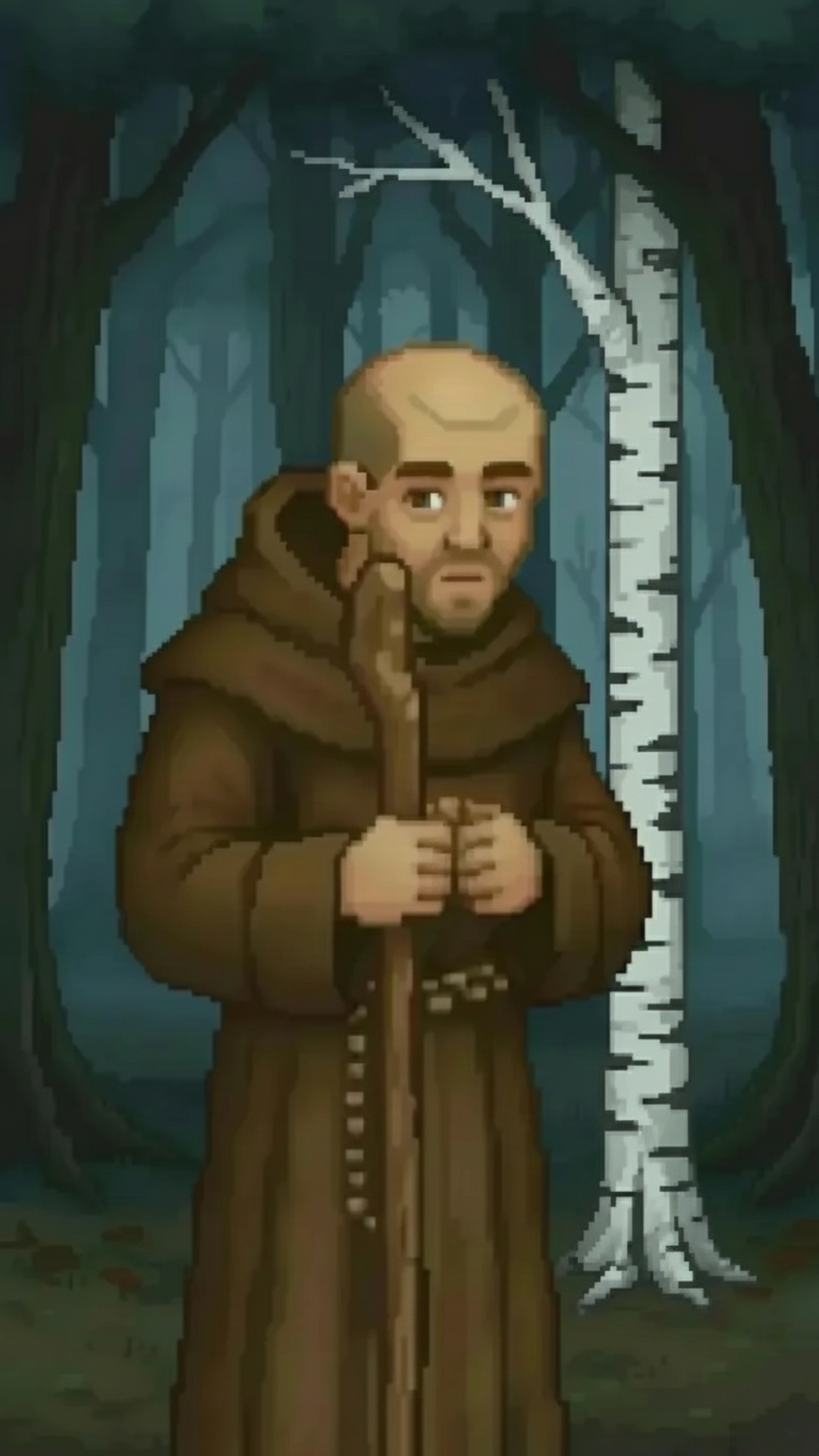
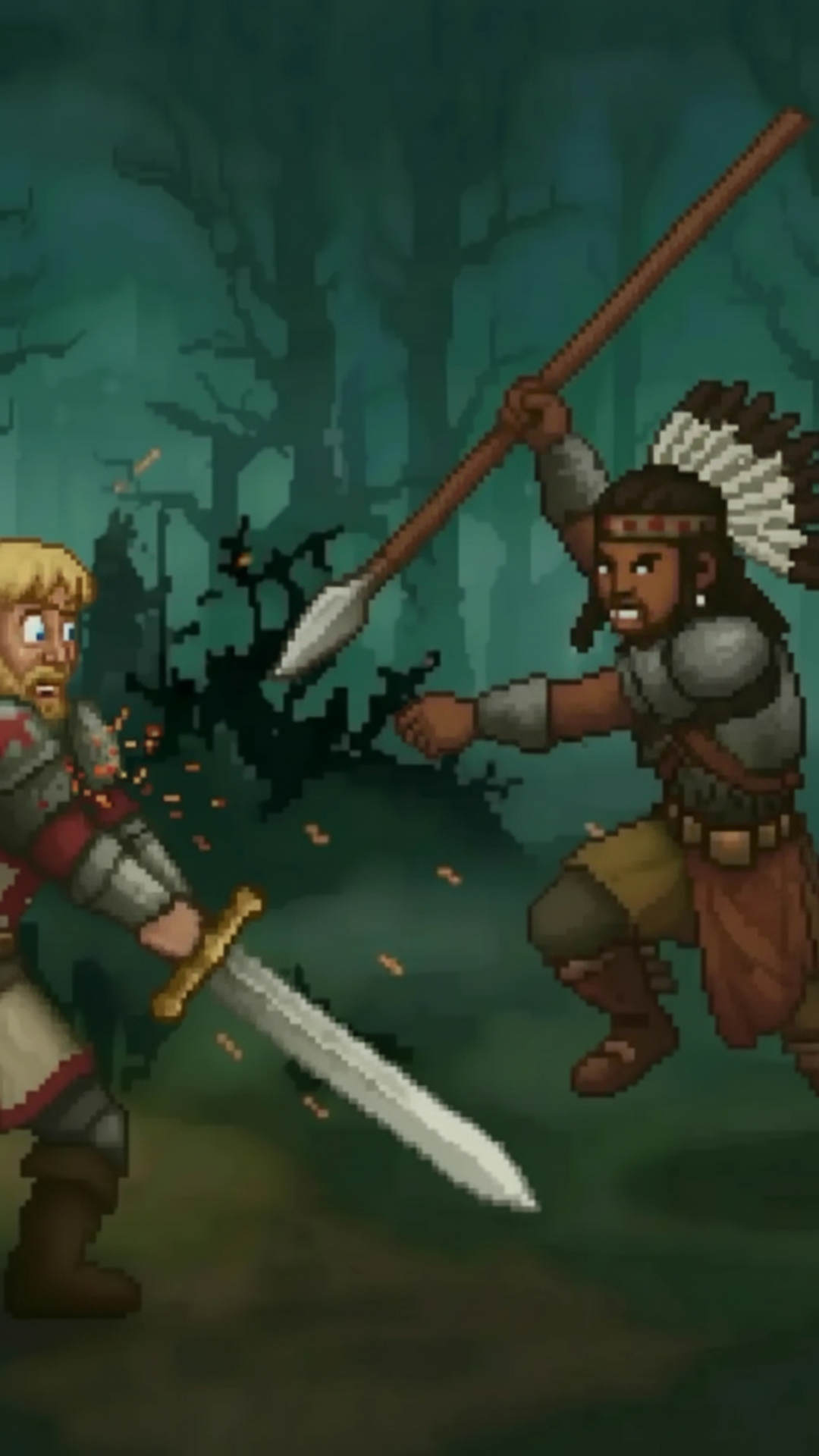
- Nano Banana: All the images to feed those videos
- Prompt engineering for 16-bit pixel RPG aesthetic with atmospheric lighting
Post-Production (DaVinci Resolve Studio 20):
- Audio-reactive effects synced to (mostly) 111 BPM
- Transition timing matched to song structure
- Color grading for consistent medieval fantasy atmosphere
- Frame-precise editing to maintain narrative continuity
Technical Specs:
- Target: 90-120 seconds per song
- 6 songs = ~10 minutes total episode runtime
- Vertical format for modern viewing
- Subtitles for accessibility and narrative clarity (EDIT: I removed them but I do post them for indiviual songs on YT)
Challenges Faced
1. The Time Constraint Puzzle Songs needed to tell complete story beats in under 2 minutes while leaving room for instrumental sections. Solution: Treat lyrics like screenplay dialogue—every word must advance plot or character.
2. Vocal Style Prompts 1000-character limit meant describing genre, energy, delivery, instruments, and emotional arc concisely. Learned to frontload critical info and use bracket tags strategically.
3. Visual-Audio Synchronization Generated video clips rarely matched exact song lengths. Developed workflow using retime controls and optical flow in Resolve to stretch/compress video while maintaining quality.
4. Maintaining Narrative Coherence Six separate AI-generated songs could easily feel disconnected. Solution: (mostly) Consistent BPM, recurring musical motifs, visual through-lines (color palette, character design consistency), and careful episode structure.
5. The "Less Is More" Challenge My instinct was more lyrics, more explanation. The format demanded the opposite: trust the audience, trust the visuals, let music breathe. Most difficult creative lesson but most valuable.
Episode 1: LANDFALL represents the convergence of AI music generation, AI video tools, and traditional editing craft in service of experimental storytelling. It's heavy electronic glitch folktronica meets medieval fantasy meets wuxia magic, told in 10 minutes through 6 songs.
Built With
- claude
- comfyui
- davinci-resolve-studio
- kling
- nano-banana
- suno
