How it all started
As an astrophysicist, I had to travel to some of the most advanced and expensive telescopes in the world. These observatories are often in remote locations, and I was usually traveling alone. When you only have a narrow observing window and millions of dollars of equipment on the line, showing up jetlagged isn’t an option.
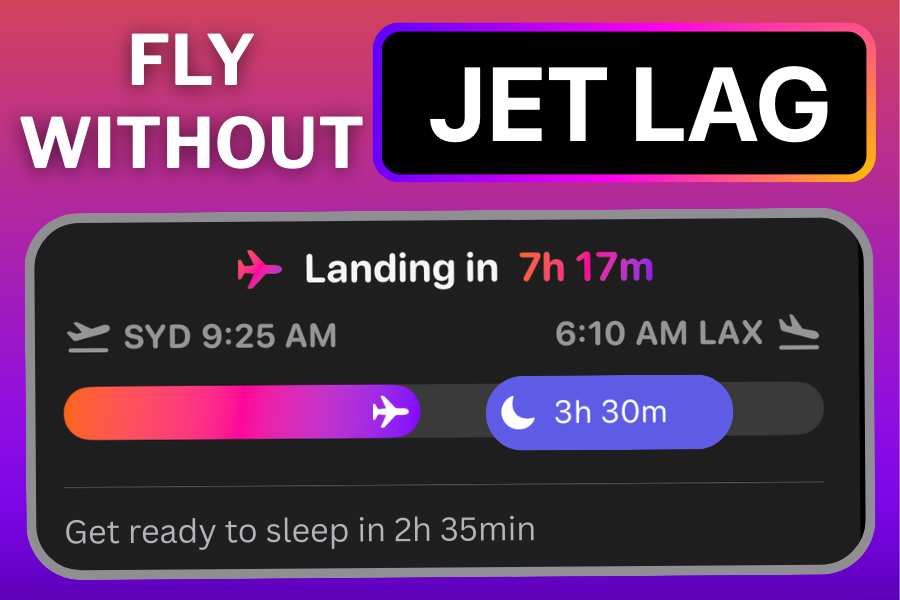
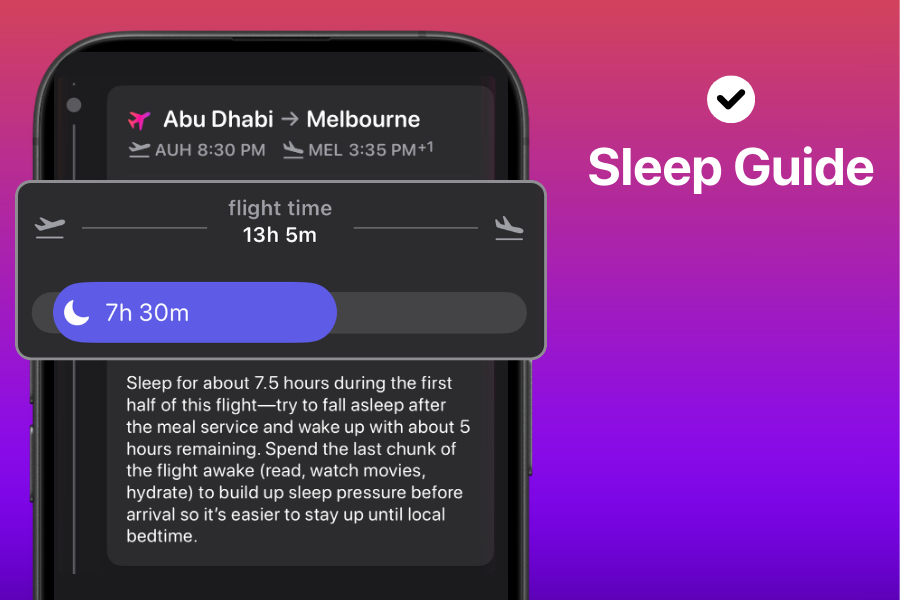
I looked for tools to help, but most “jet lag cures” were vague or not working. I wanted something grounded in circadian science and practical enough for real travel schedules. That gap inspired me to create JetReset: a simple, science-driven way to beat jet lag.
Challenges
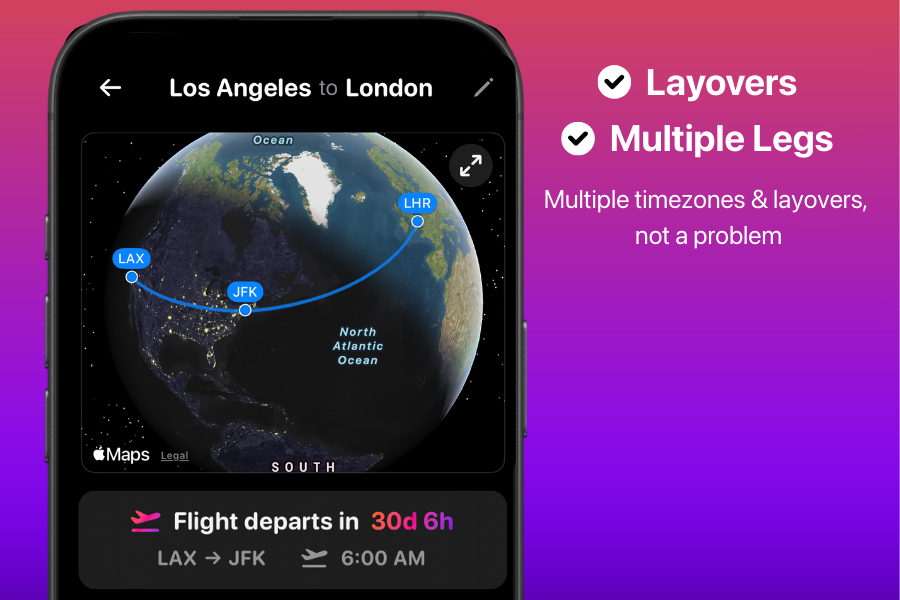
One of the biggest challenges was balancing scientific accuracy with usability. Circadian models are complex, but travelers won’t follow a plan if it feels like homework, so we had to simplify without losing credibility. Multi-leg flights, red-eye departures, and short trips created tricky edge cases that required careful logic to avoid conflicting advice. We also faced the limits of self-reported data, since most users don’t wear sensors, and had to design around uncertainty. Finally, making the app approachable — more like a travel companion than a lab report — required multiple design iterations to get right.
The future
JetReset started as a tool for scientists on tight schedules, but it’s for anyone who wants to arrive ready, that is business travelers, athletes, families, and frequent flyers. The goal is to expand to more people, better integrations and smarter personalization, so anybody can fly without jetlag.

Log in or sign up for Devpost to join the conversation.