-
-
PORTADA
-
GAME1
-
GAME2
-
GAME3

Inspiration
WorldID:952207761299532
My inspiration for this project came from observing how Horizon Worlds allows players not only to build spaces but also to create real social experiences within the metaverse. I wanted to design a game that was not only entertaining but also fostered collaboration, strategy, and genuine interaction between players, without requiring complex controls.
I was inspired by the idea of building something that anyone could quickly understand but that offered enough depth to make the experience competitive, fun, and memorable. I aimed for the game to feel dynamic, have an emotional component, and at the same time offer a clear way to utilize the creative potential of Horizon Worlds in an accessible, intuitive, and visually immersive way.
I was also motivated by the technical challenge: demonstrating that it's possible to build advanced game mechanics using only Horizon's native tools, without external scripts or visual tricks. This project is the result of exploring the platform's limits and transforming them into an experience that invites players to return, compete, and socialize.
What it does
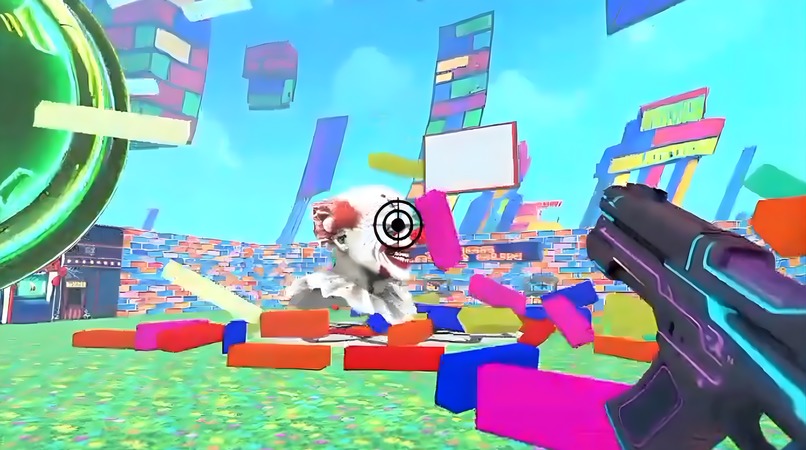
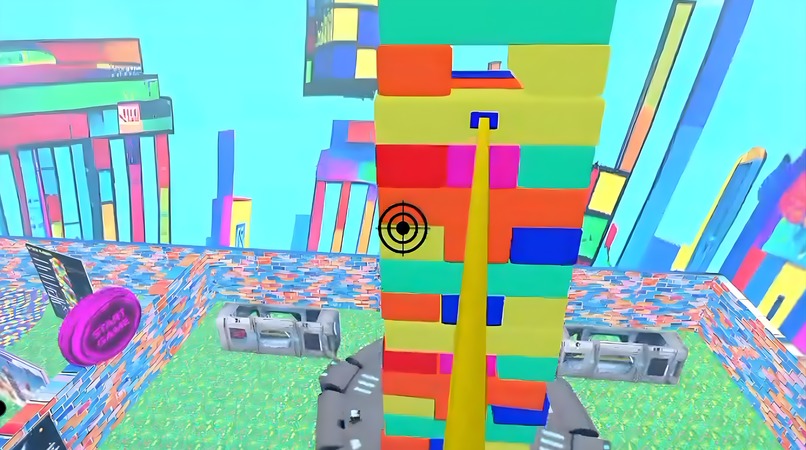
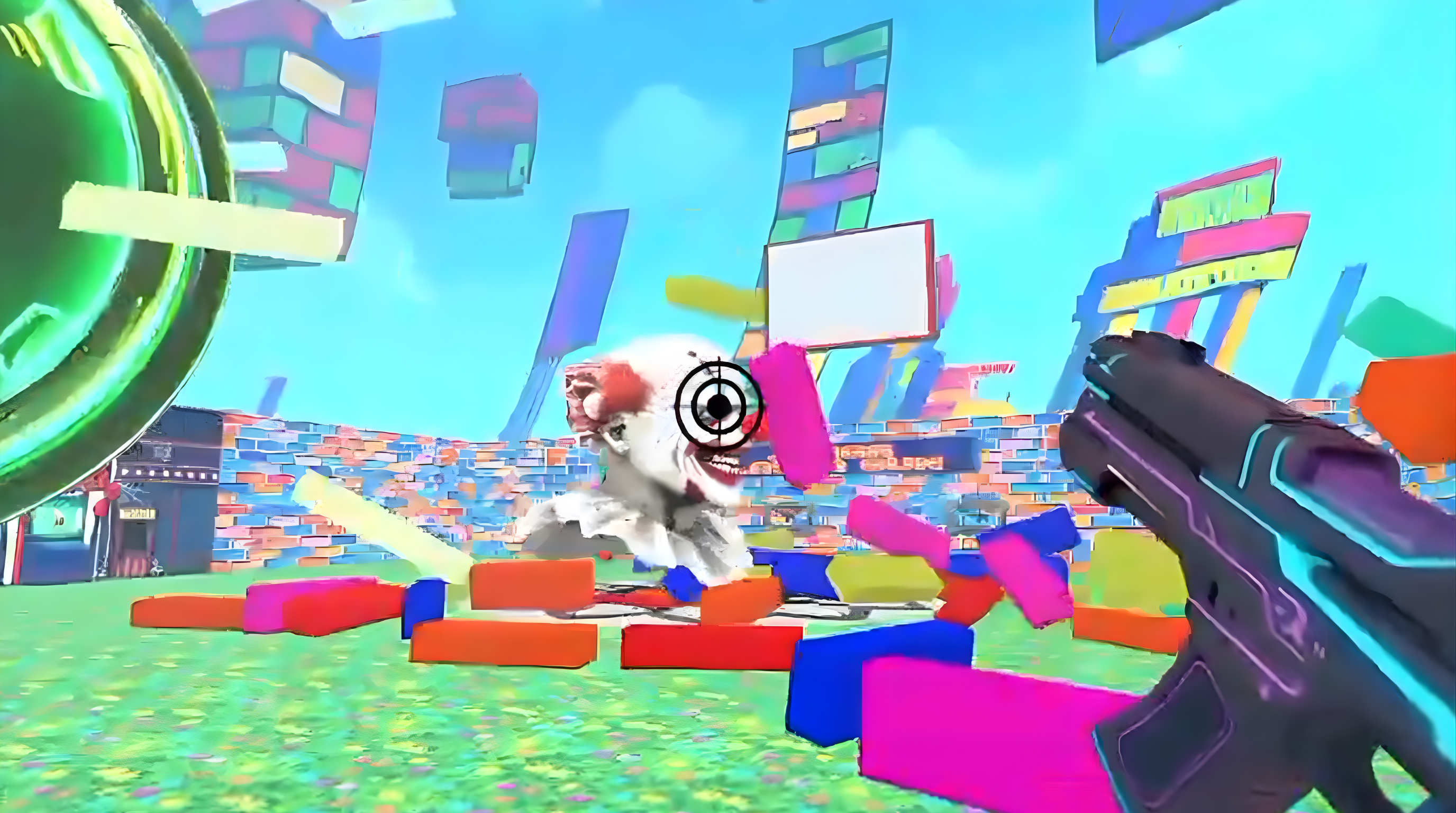
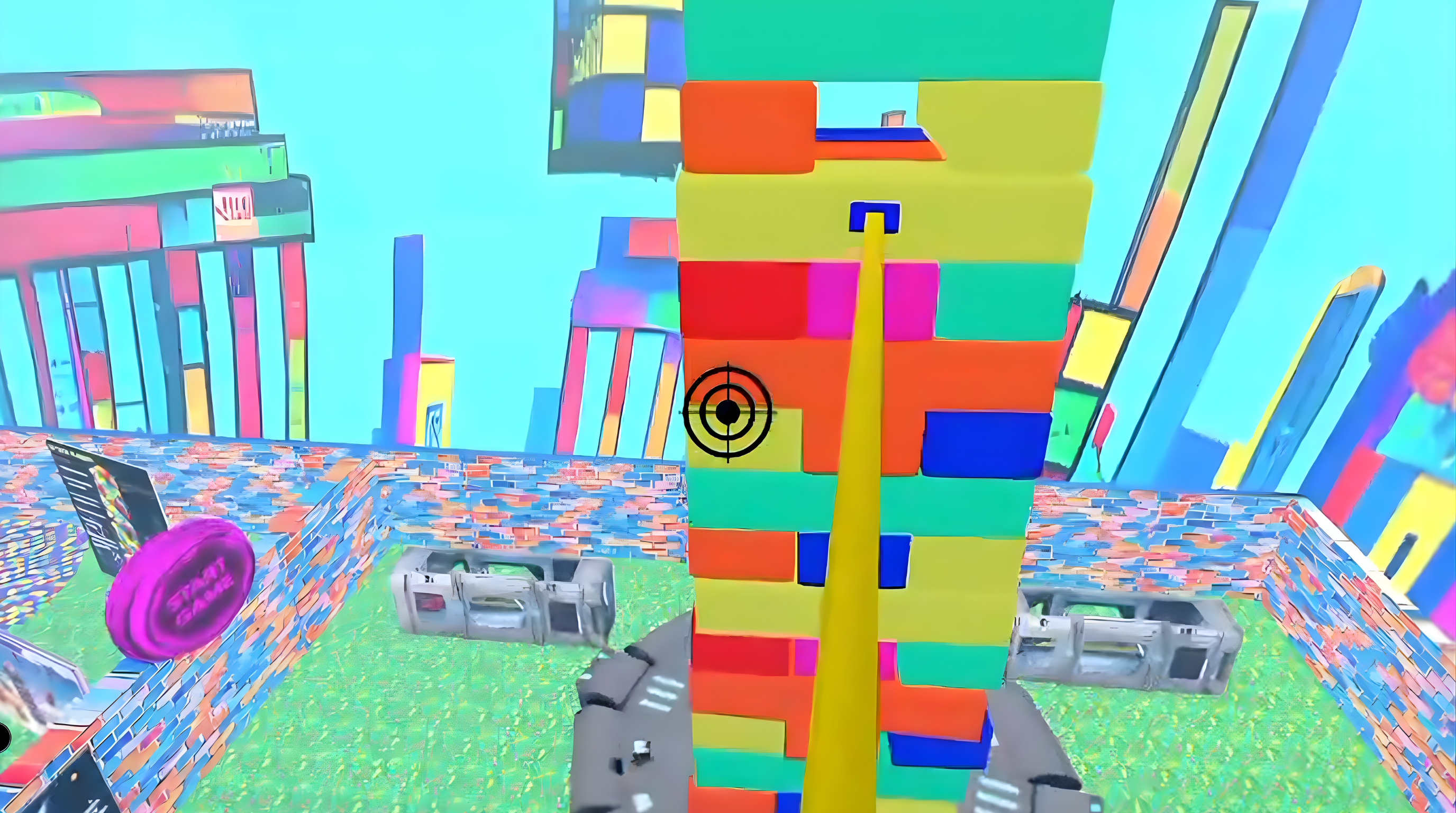
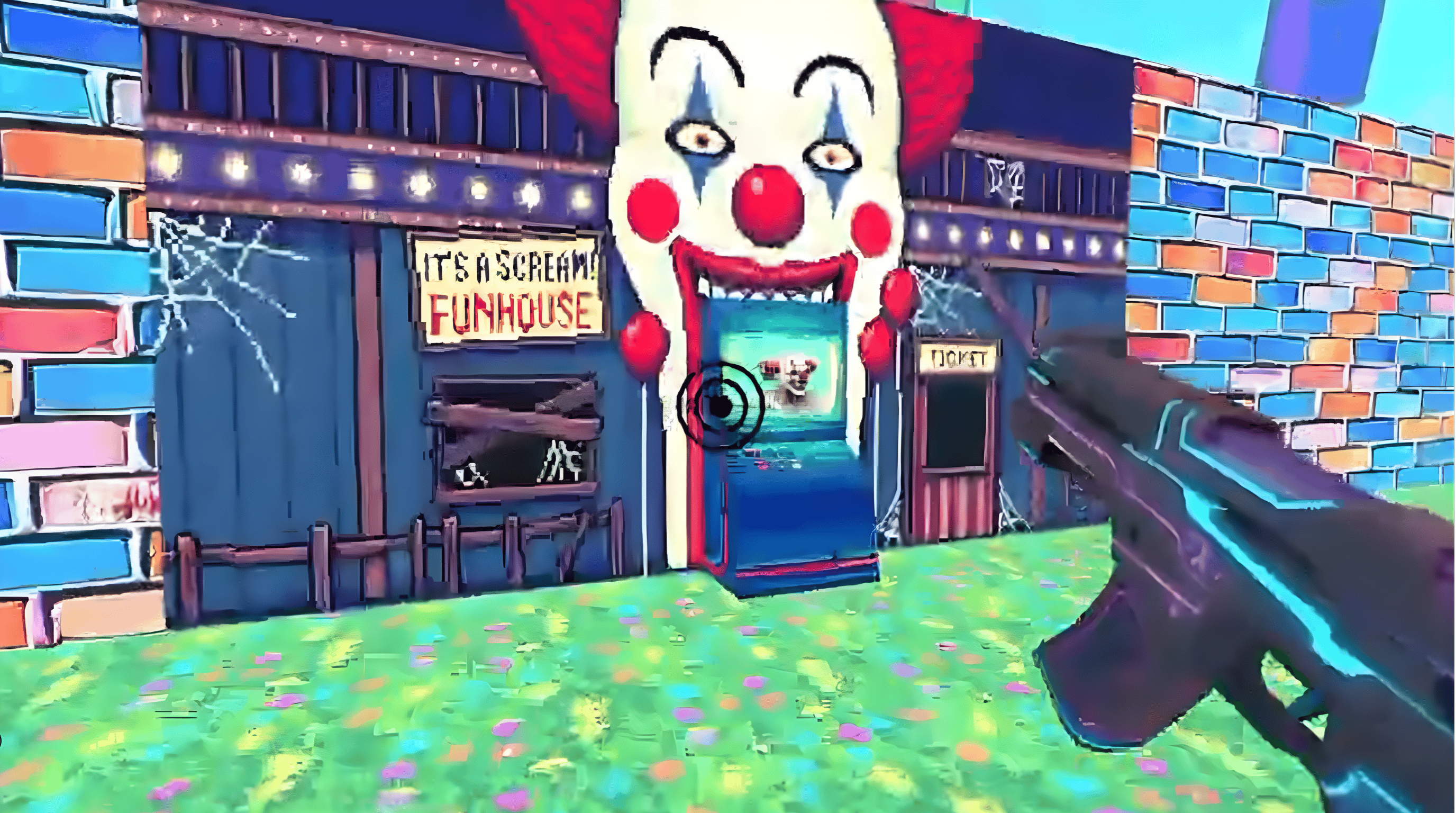
This project is a fully interactive game within Horizon Worlds that allows multiple players to compete or collaborate in real time within an immersive social experience. The main objective is to create a dynamic environment where decisions, reflexes, and strategy directly influence the outcome of the game.
Players interact with physical objects designed with native world physics, making every action realistic, unpredictable, and fun. It's not just a game to win: it's a space for camaraderie, tension, and laughter, where social interaction is as important as the gameplay mechanics.
The experience is designed to be accessible: anyone can jump in, understand the dynamics in a few minutes, and start playing without complex explanations. The games are fast-paced, dynamic, and repeatable, encouraging players to return, challenge friends, or meet new participants within the metaverse. Furthermore, the system tracks progress within each game, and players can experiment with different strategies, adding depth and replayability.
How we built it
We built this project using a combination of Horizon Worlds' native tools, external 3D design, and AI-generated visual support. The game's interactive foundation, logic, and physics were developed directly within Horizon, using visual scripting systems, synchronized variables, and structures optimized for multiplayer environments.
To ensure a polished aesthetic and objects with the precise volume and proportions required for the game mechanics, I designed some of the 3D content in Blender, creating clean and optimized models that could be seamlessly integrated into the world without impacting performance. This was key to achieving a cohesive visual experience with well-sized and physically accurate objects.
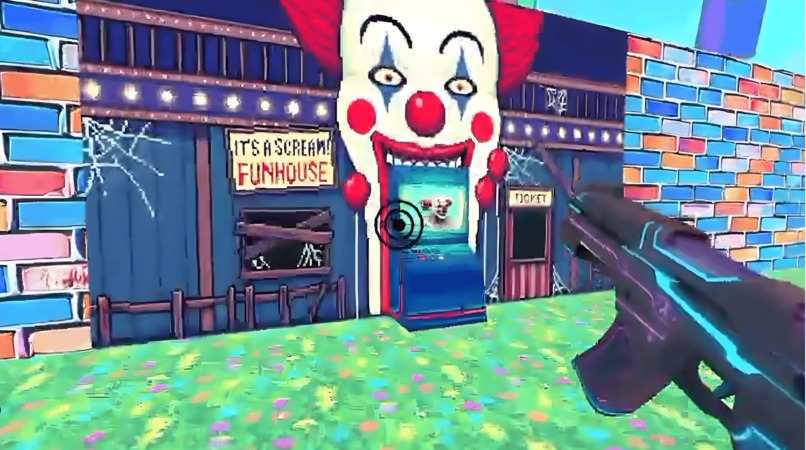
In addition, I used AI-powered image generators during the conceptual design process to create visual references, explore aesthetic ideas, plan the game environment, and decide on interface and signage styles. These references allowed me to accelerate creative decision-making and improve the visual consistency of the world before building each area within Horizon Worlds.
During development, we conducted multiple playtesting sessions with real players to fine-tune the game's pacing, object physics, collisions, visual feedback, and overall balance of each match. Each iteration allowed us to refine mechanics, improve environment stability, and ensure the experience was fun, accessible, and socially engaging.
The final result integrates native game logic, 3D assets prepared in Blender, and AI-assisted visual direction, demonstrating that it's possible to combine external creativity with Horizon Worlds' own multiplayer tools to build an immersive, consistent, and fully functional experience.
Challenges we ran into
One of the biggest challenges of the project was balancing the physical interaction of objects within Horizon Worlds with the stability of the multiplayer environment. Native physics is fun and unpredictable, but it also introduces very specific limitations. In Horizon Worlds, the engine automatically disables object physics when objects are at rest to optimize performance. This directly affected the game mechanics, as some elements needed to maintain a constant physical state even when stationary, so that subsequent interactions would be realistic and not result in jumps or unexpected behavior.
Solving this issue was complex and required multiple strategies: minimal periodic interaction, micro-activations, smooth repositioning, and very fine adjustments to mass, size, and collisions. Each iteration aimed to ensure that objects maintained physical consistency without compromising stability or overloading the world's internal processor. This was one of the longest and most delicate technical challenges of the development.
Another major challenge was the integration of models designed in Blender. The polygonal optimization, scaling, and physical behavior of each asset had to be carefully reviewed to ensure they behaved correctly in Horizon Worlds without compromising performance. This was crucial for guaranteeing natural interactions and maintaining stability in simultaneous matches.
Thanks to a lengthy testing process with different player profiles, iterative physics adjustments, asset reconfiguration, and refinement of the multiplayer logic, we achieved a stable, fun, and socially engaging experience without sacrificing aesthetics or gameplay.
Accomplishments that we're proud of
I'm especially proud of having built a fully functional multiplayer experience within Horizon Worlds, combining interactive physics, synchronized logic, and external assets without compromising performance. Enabling multiple players to interact with real-world objects simultaneously, without stability issues, was one of the project's biggest challenges and one of my greatest achievements.
One of the most significant technical breakthroughs for me was understanding and controlling the behavior of Horizon's physics engine, particularly its tendency to disable the simulation of stationary objects to optimize performance. Finding a stable solution to this behavior, without sacrificing gameplay or smoothness, took time, experimentation, and many iterations. Achieving this was a pivotal moment in development and marked a turning point in the game's quality.
Another achievement I'm particularly proud of is the integration of models designed in Blender within Horizon Worlds. I was able to optimize the polygon structure, proportions, and physical interaction so that objects behaved consistently without compromising performance, demonstrating that it's possible to enhance the visual appeal of the world without breaking its stability.
I'm also pleased to have used generative AI as conceptual support during the creative process. It helped me visualize ideas, explore styles, design references, and plan the environment before building it, accelerating my workflow and improving my ability to make decisions without wasting time in the editor.
But beyond the technical aspects, what I'm most proud of is having created an accessible, fun, and deeply social experience. Testing sessions with real players confirmed that the game is not only stable and functional but also fosters camaraderie, positive tension, laughter, shared strategy, and memorable moments. That human validation is, without a doubt, the most important achievement of the entire project.
What we learned
Throughout development, we learned a great deal about the technical and creative ecosystem of Horizon Worlds. One of the most valuable lessons was precisely understanding how the real-time physics engine works, especially the logic for deactivating stationary objects. This behavior, designed to optimize performance, forced us to thoroughly study the conditions under which objects remain active, how to generate controlled micro-interactions, and how to avoid unpredictable behavior when multiple players interact simultaneously.
We also learned to optimize external models designed in Blender, understanding which polygonal characteristics, scales, and structures allow for good stability in Horizon without compromising performance. Integrating external assets taught us to balance visual detail and simplicity, and to create physical structures consistent with the multiplayer environment.
At the scripting level, the project allowed us to better understand variable synchronization, ownership transfer, gradual readout, and smart triggers, making us aware of how small decisions in the logic can significantly affect the overall performance of the world. We discovered the importance of simplifying complex systems into modular structures that are easy to debug and stable even with multiple simultaneous players.
From a visual and creative standpoint, incorporating AI-powered image generators as conceptual support taught us to accelerate the ideation phase, explore styles, anticipate aesthetic needs, and plan the final environment design before building it within Horizon. This combination of AI and native builds proved highly efficient and useful for making faster and more consistent decisions.
This project taught us that Horizon Worlds is not just a creative tool, but an environment where design, optimization, social interaction, scripting, and art combine to build vibrant and deeply immersive experiences.
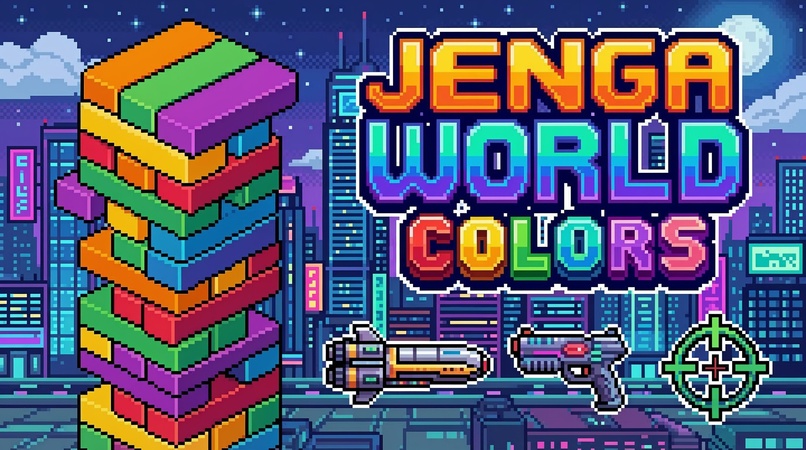
What's next for JENGA WORLD COLORS (952207761299532)
The next step for JENGA WORL is to implement a comprehensive scoring system that transforms each game into a progressive and competitive experience. Each player will earn points based on their performance during the game, and if a player knocks down the tower, their points will reset as a natural penalty, adding tension, strategy, and excitement to every move.
I want these points to have continuity beyond a single session, so I'm developing a persistent inventory that allows players to retain their points even when they leave the world or switch games. This will make the game a truly progressive experience, encouraging players to return, improve, compete, and advance.
Furthermore, I plan to launch an in-game store where players can use their accumulated points to purchase cosmetic items, gifts, special clothing, or even exclusive JENGA WORL-related rewards. I hope this in-game economy will enhance the game's social value, personalization, and exchange, and give long-term meaning to each game.
With these improvements, JENGA WORL will no longer be just a one-off experience and will become a world with evolution, progression and a clear objective for each player, encouraging replayability, social interaction and a sense of belonging within Horizon Worlds.
Personal Note
This project has been much more than a technical experiment within Horizon Worlds for me. I developed it entirely on my own in just one month, while juggling a full-time job of 40 hours per week. It has been an enormous challenge, both creatively and personally, demanding discipline, perseverance, late nights of learning, testing, learning from mistakes, and a lot of fine-tuning.
Creating a world, designing its physics mechanics, building the multiplayer logic, optimizing models, and, on top of all that, achieving high-quality visuals while maintaining a full work schedule has undoubtedly been one of the most intense experiences I've had as a creator within Horizon. But it has been worth it.
If I had had more time, I would have further refined the aesthetic details, the physics balance, the interactive tutorials, and some secondary mechanics. However, I've learned that sometimes the most valuable thing isn't absolute perfection, but rather making something work truly well under real, human, and limited circumstances.
I'm proud to have demonstrated that it's possible to create a complete, stable, and social multiplayer project, even without a team, significant resources, or months' lead time. This work reflects not only my technical skills but also my commitment, perseverance, and passion for continuing to build vibrant experiences within the metaverse.
Built With
- blender
- leonardoia
- performance-horizon


Log in or sign up for Devpost to join the conversation.