-
-

Jaunt app icon
-
-
-
-
-
-
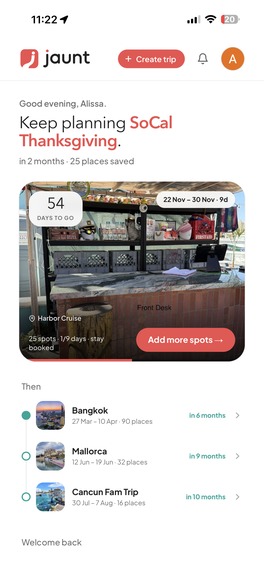
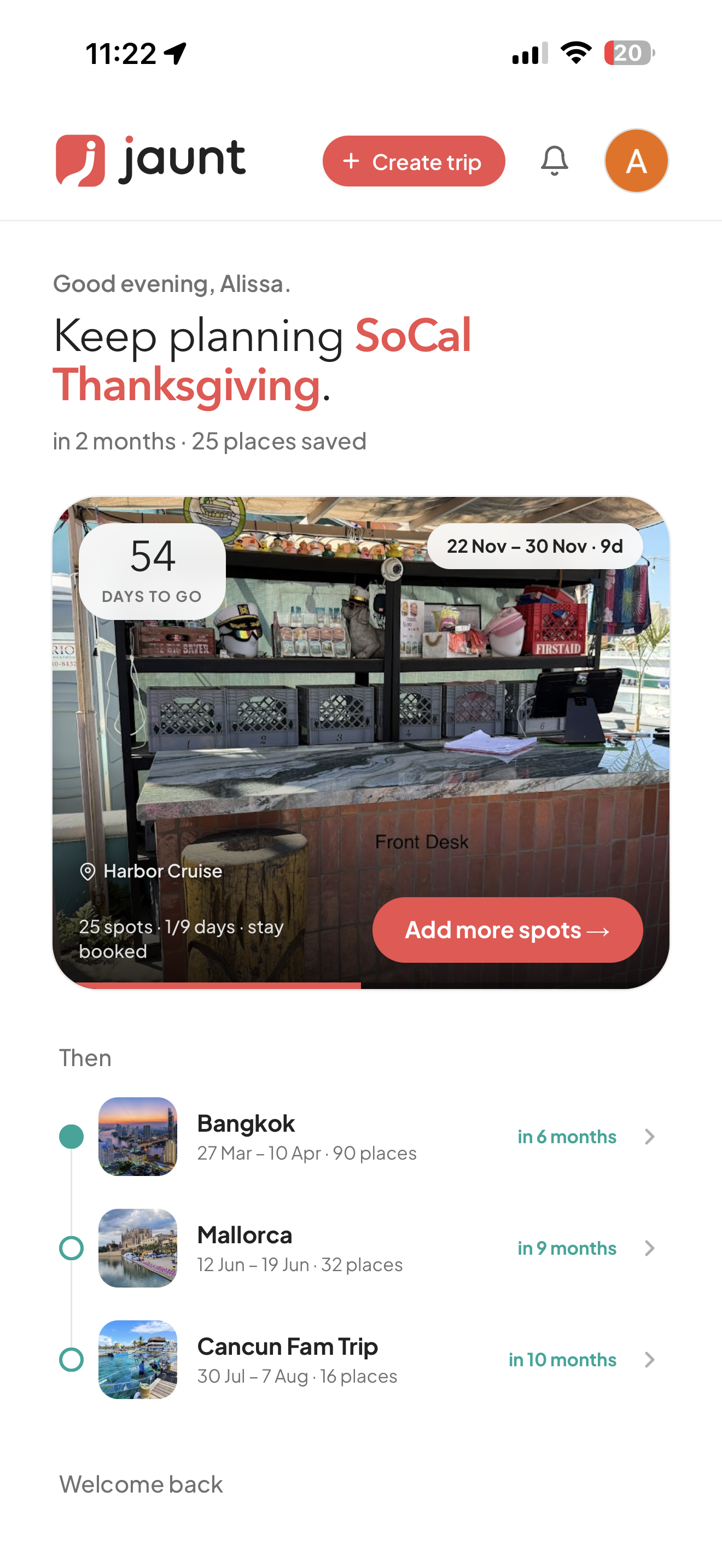
App home screenshot

Inspiration
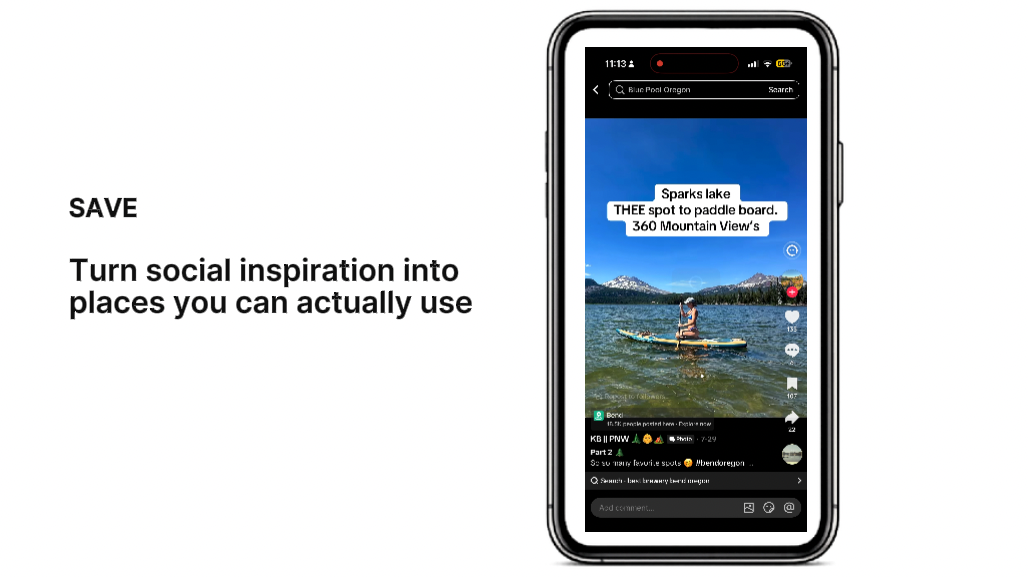
Jaunt started with a problem we had ourselves. We're a husband-and-wife team who love travelling, and like most people now, we find nearly all our travel inspiration on Instagram and TikTok. We were constantly sending each other Reels, saving restaurants, hikes, hotels and random places we wanted to remember. Then we'd actually go on a trip and… never look at any of it again. We realized the problem wasn't finding inspiration. We already had loads of it. The problem was actually using it. So we built Jaunt.
What it does
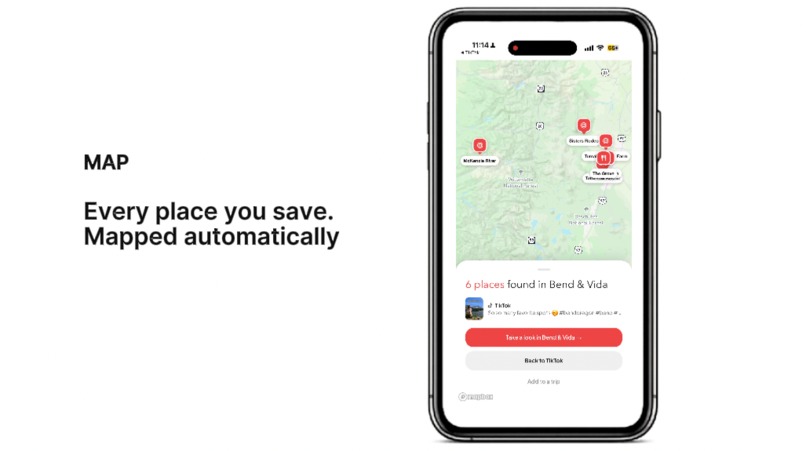
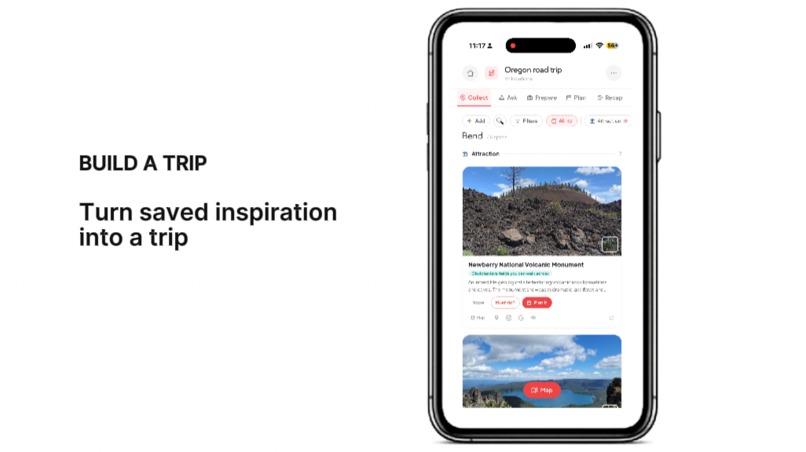
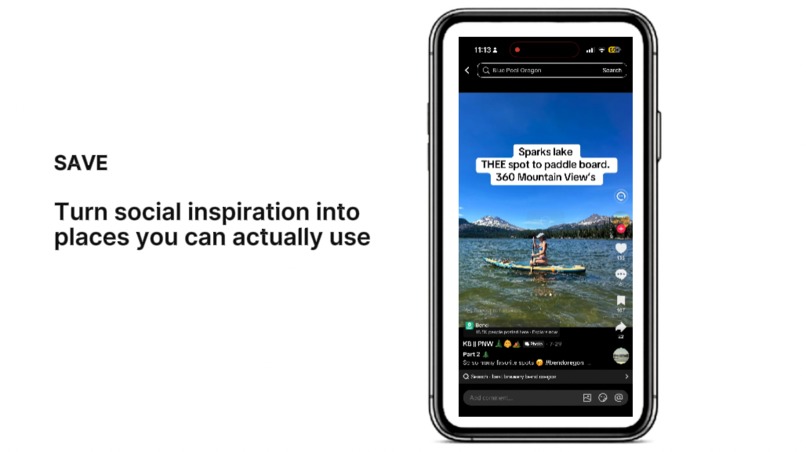
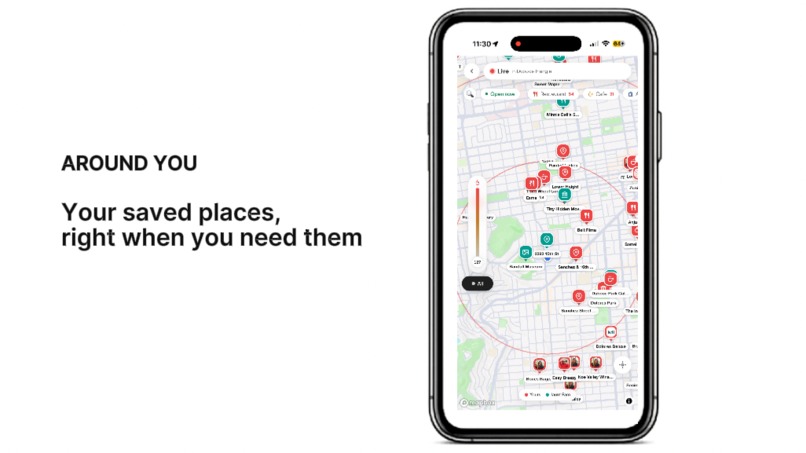
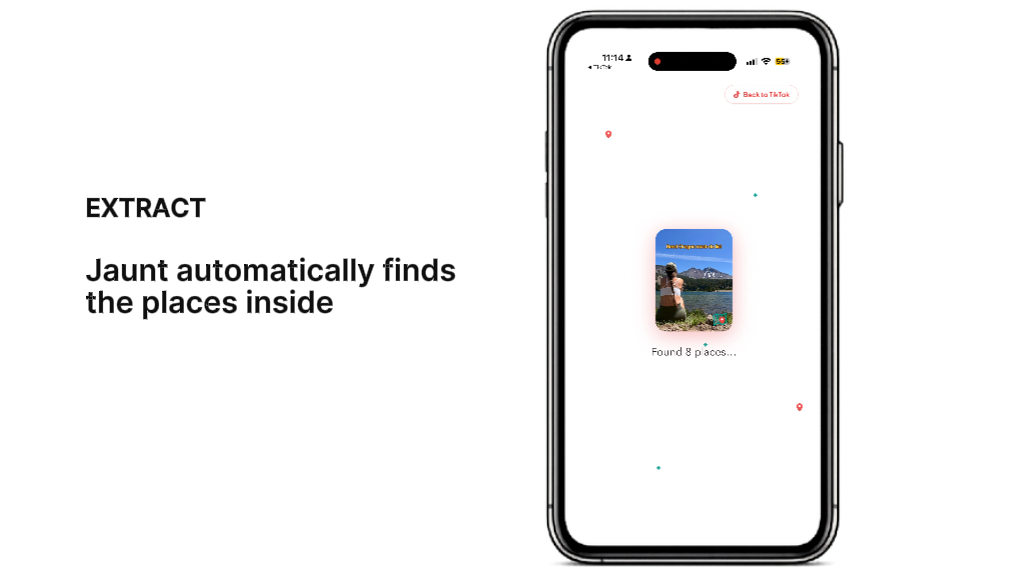
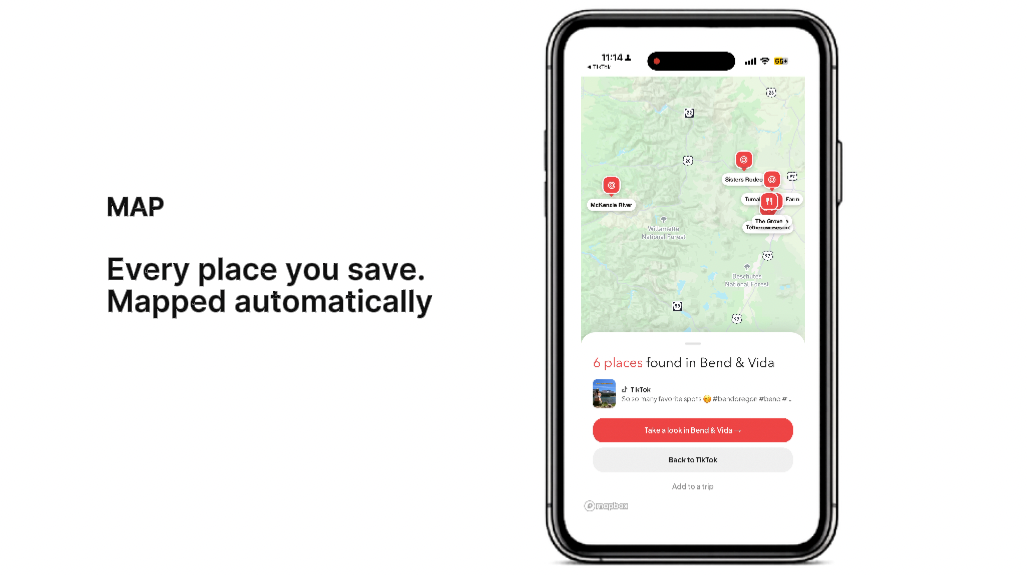
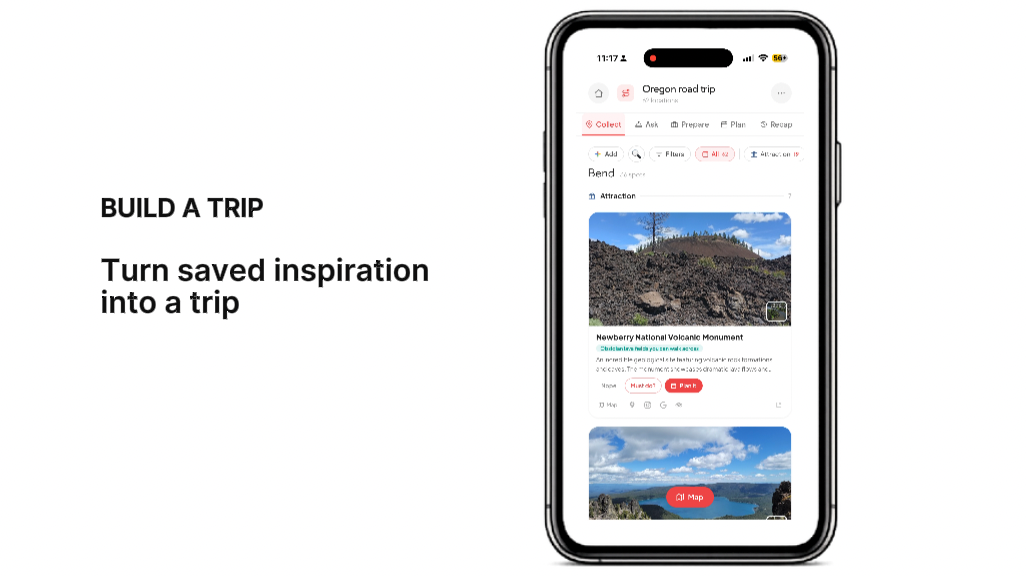
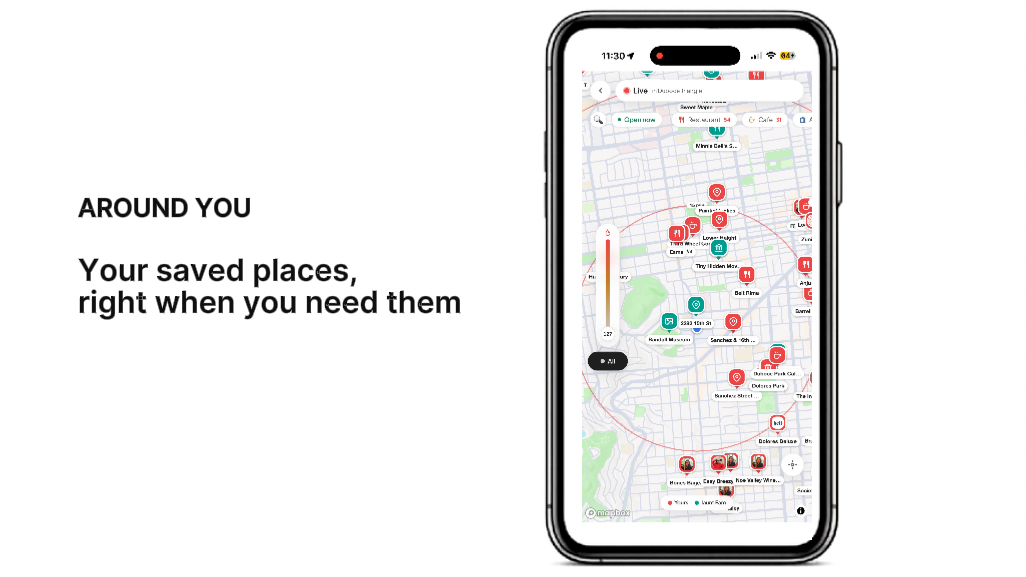
Jaunt turns the travel content you save on social into places and trips you can actually use. If you find a TikTok or Instagram Reel you like, instead of saving it and forgetting about it, you share it to Jaunt. Jaunt uses AI to work out which places are in the post, maps them and automatically organizes them by destination. So suddenly all those random saves become your own map of places you genuinely want to go. When you're ready to take a trip, you can start with the places you've already saved rather than staring at a blank itinerary. You can ask Jaunt questions, get travel tips and recommendations, find more things that fit your trip, and add anything you like straight into your plans. Jaunt then helps work out what makes sense to do together, including travel time between places, and turns it into a day-by-day plan. And because most trips aren't planned alone, you can share a trip with friends or family and plan it together. Everyone can add ideas and build the itinerary collaboratively, rather than having one person do all the planning. You can also send in things like flights, hotel bookings and confirmations, so the boring-but-important stuff is there too. One of our favorite parts is Around You. When you're actually travelling, you can open Jaunt and see the places you've saved nearby. And if you can't remember why on earth you saved something six months ago, you can jump straight back to the original insta/tiktok post.
How we built it
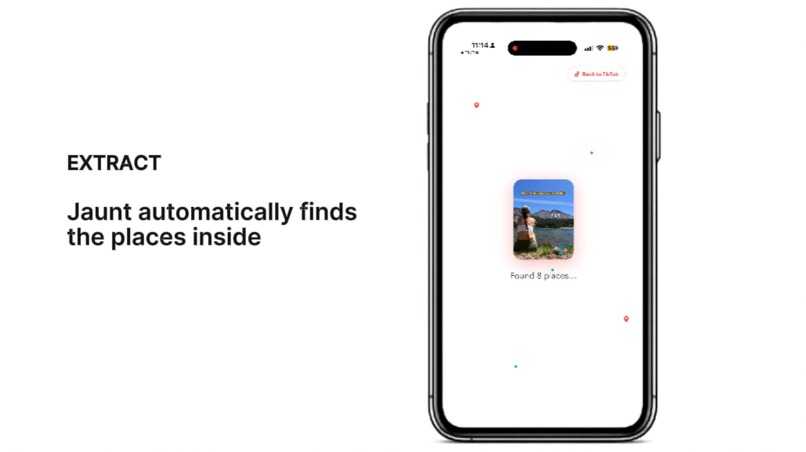
The tricky part wasn't just saving a social post. It was working out how to turn a messy piece of social content into something genuinely useful. A single Reel might contain eight different places. A place might be mentioned in the caption, shown in the video or only make sense from the context. We built Jaunt to extract that information, turn it into real places and then make those places useful across maps, discovery and trip planning. We also spent a lot of time thinking about where AI was actually helpful. We didn't want Jaunt to be another app where you type "plan me three days in Oregon" and get a generic AI itinerary. We think the interesting bit is everything you've already chosen to save. That tells Jaunt something about where you actually want to go. So the AI starts there, then helps you discover more, answer questions and turn it all into a realistic plan. Jaunt+ is our paid tier. Everyone gets their first 10 saves free, then Jaunt+ unlocks unlimited saves and our AI trip-planning tools. We use RevenueCat to power the subscription side of the app.
Challenges we ran into
One of our biggest challenges has been onboarding, because Jaunt asks people to learn a new behavior. Everyone already knows how to hit Save on Instagram or TikTok. With Jaunt, we're asking them to do something slightly different: hit Share and send the post to Jaunt instead. It's a tiny change, but it's also the mechanism that makes the whole product work. So we've spent a lot of time thinking about how to teach that behavior, make the first save feel really easy, and then quickly show why it's worth changing a habit people already have. We want the payoff to be obvious: you share something you like, Jaunt finds the places inside it, and suddenly that Reel isn't just sitting in a saved folder - it's on your map and ready to use. The other challenge has been deciding what not to build. Once you start combining social content, maps, travel and AI, there are about a million directions you can go in. We've kept coming back to a pretty simple question: does this make something you saved more useful? That has helped us get much clearer about what Jaunt should be. The social content is the inspiration, your saved places are the starting point, and AI helps with everything that comes afterwards.
Accomplishments that we're proud of
Honestly, getting Jaunt from an idea we kept talking about at home to a real app that people can download from the App Store is probably the thing we're most proud of. We're a husband-and-wife team, and neither of us had ever developed an app before. We've been figuring it out as we've gone, alongside jobs, kids and normal life. Seeing something that started as "wouldn't it be useful if..." turn into a real, working product has been pretty surreal. We're also proud of how much Jaunt can now do without losing the simplicity of the original idea: find something you love on social, share it to Jaunt, and make it useful. Jaunt can take an unstructured social post, find the places inside it, map and organize them, use those saves as the starting point for a trip, bring in AI recommendations, build plans, let friends and family plan together, and then surface those places again when you're actually travelling. And we've taken it all the way to a real product and business model. Jaunt is live on the App Store, with Jaunt+ subscriptions powered by RevenueCat. For two people who had never built an app before, we're pretty proud of that!
What we learned
One of the biggest things we've learned is that building the technology is only part of building the product. Jaunt relies on a behavior that isn't quite natural yet. People instinctively hit Save on Instagram and TikTok. We need them to hit Share and send it to Jaunt instead. That's only one extra step, but changing an existing habit is a much bigger product challenge than we initially appreciated. It's made us think a lot more about onboarding and how quickly we can show the payoff. The first experience needs to make someone think, "Oh, I get why I'd do this," as soon as they see a Reel turn into actual places on their map. We've also learned just how much is possible now for a tiny team that had never developed an app before. Tools like Railway, Supabase and Vercel have made it possible for us to build, host and scale different parts of Jaunt without needing a huge engineering team or infrastructure setup. A year ago, we wouldn't have known where to start with any of this. And we've learned that people don't really need another source of travel inspiration. They already have plenty of that. They also don't necessarily want AI to plan an entire generic trip for them. The interesting space for us is in between: starting with the things someone has already chosen because they genuinely want to go there, then using AI to help turn that intent into something useful.
What's next for Jaunt
The big one: building our user base! We've built Jaunt, launched it on the App Store, and now we want to get it into the hands of more travellers. Our focus is making it really simple for someone to understand the value of Jaunt from the first time they open it, successfully onboarding them into the new habit of sharing their social saves to Jaunt, and then helping them turn those saves into great trips. We're excited to learn from how real people use it: what makes them come back, which parts they love, where they get stuck, and what we can make simpler. From there, we'll keep improving the product around what our users actually need. We want Jaunt to become something people naturally reach for when they find somewhere they want to go - and again when it's finally time to take the trip. Now we just need to get people jaunting.
Built With
- claude
- fastapi
- groq
- mapbox
- next.js
- postgresql
- python
- react
- react-native
- supabase
- typescript

Log in or sign up for Devpost to join the conversation.