-
-
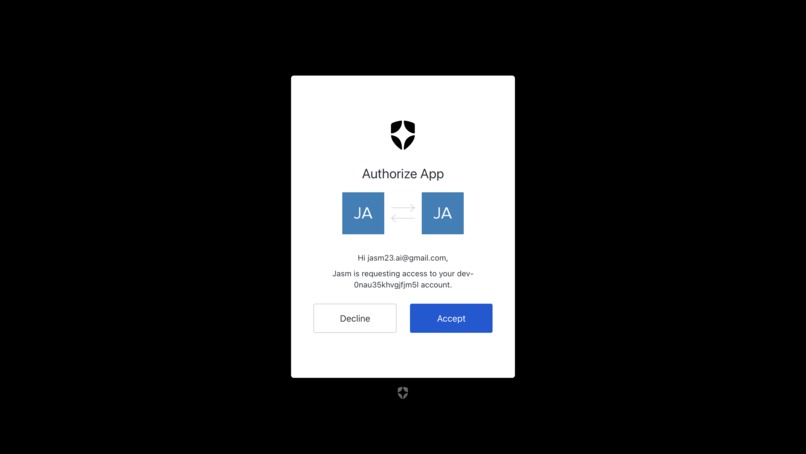
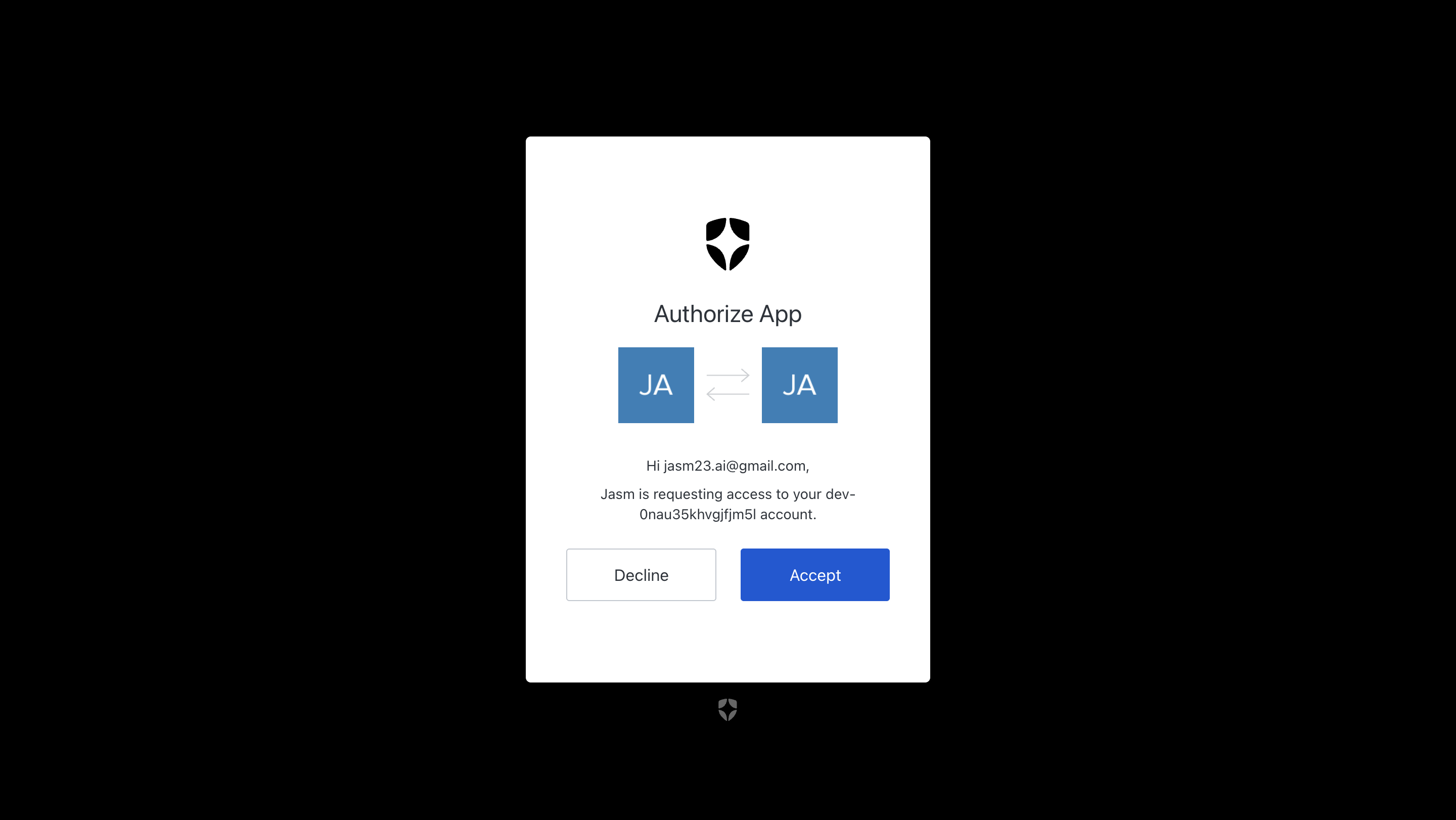
Auth0 login
-
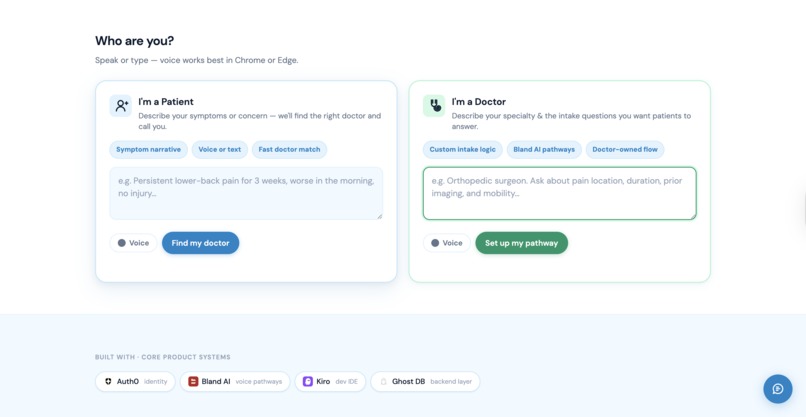
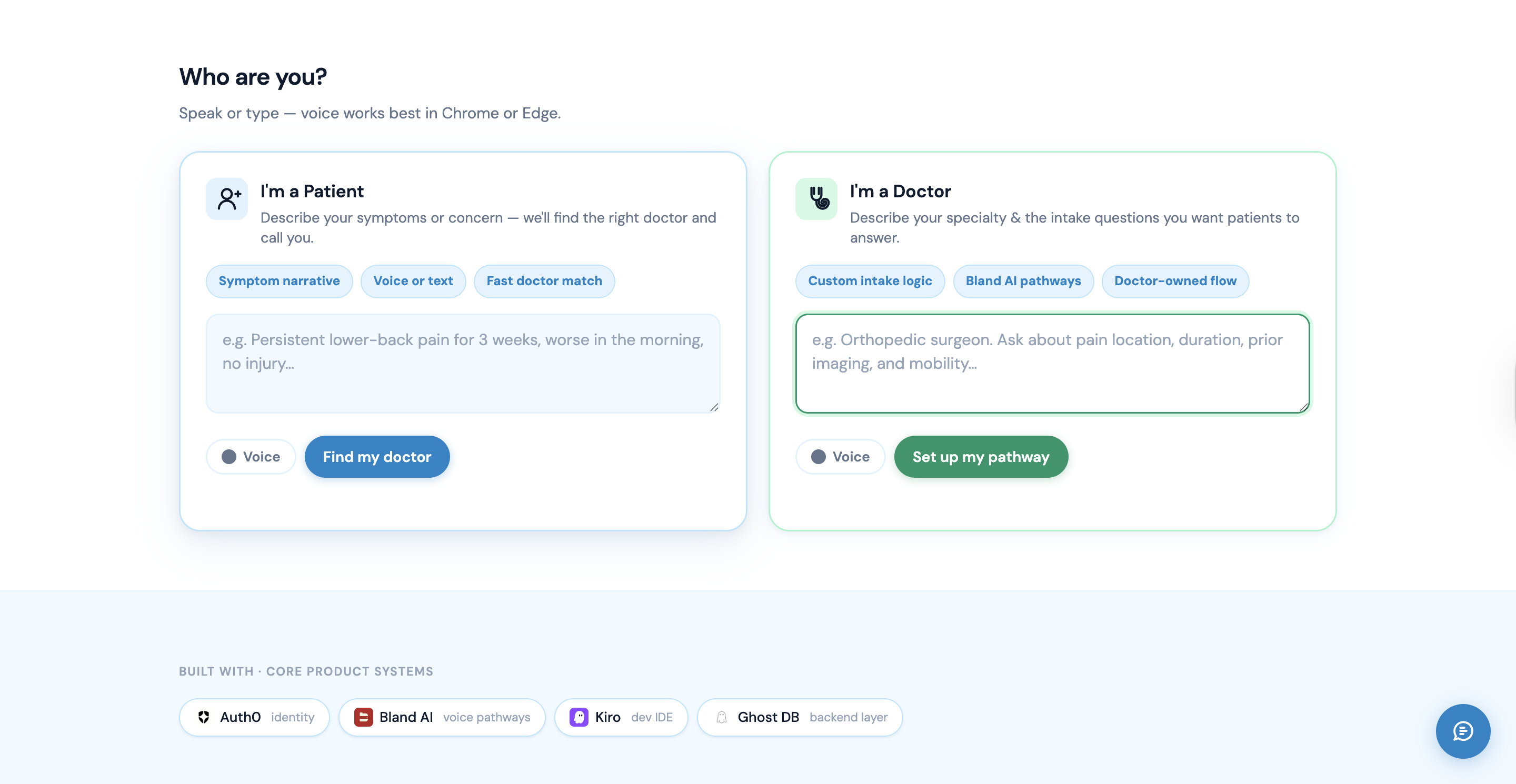
Input Provider
-
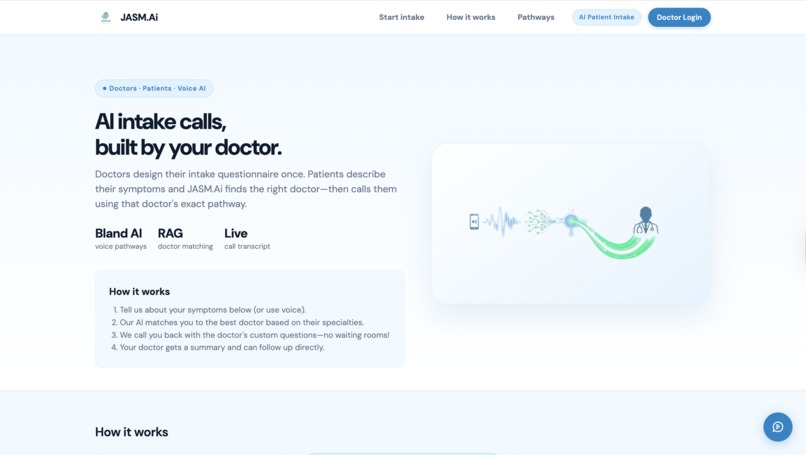
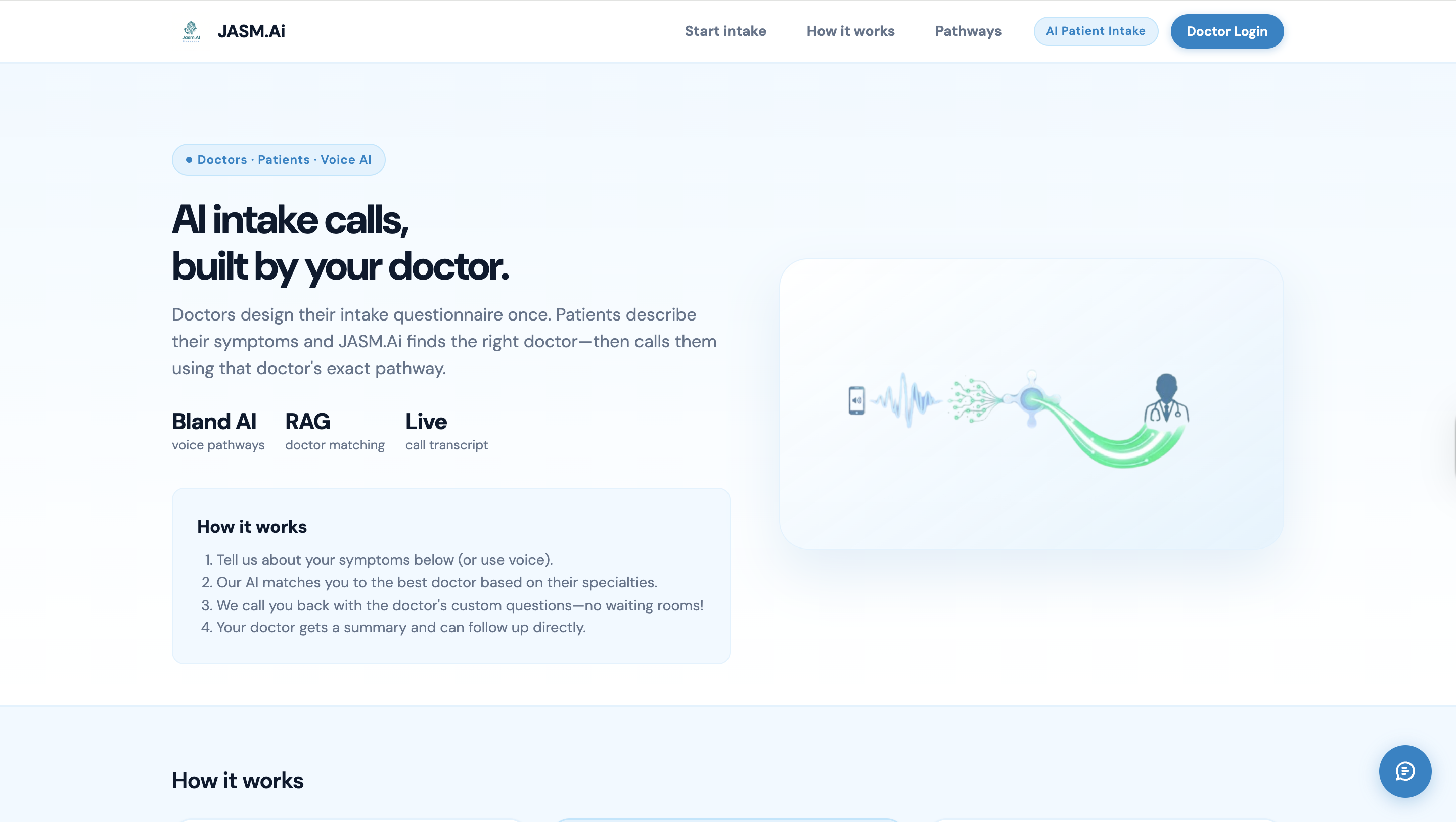
Home Page
-
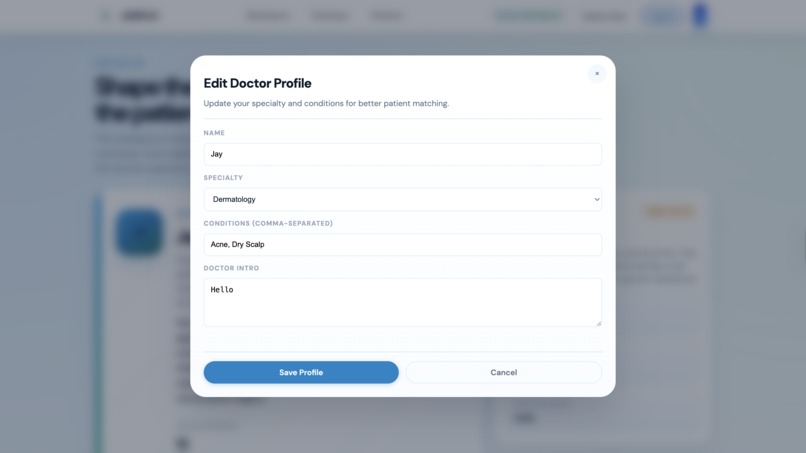
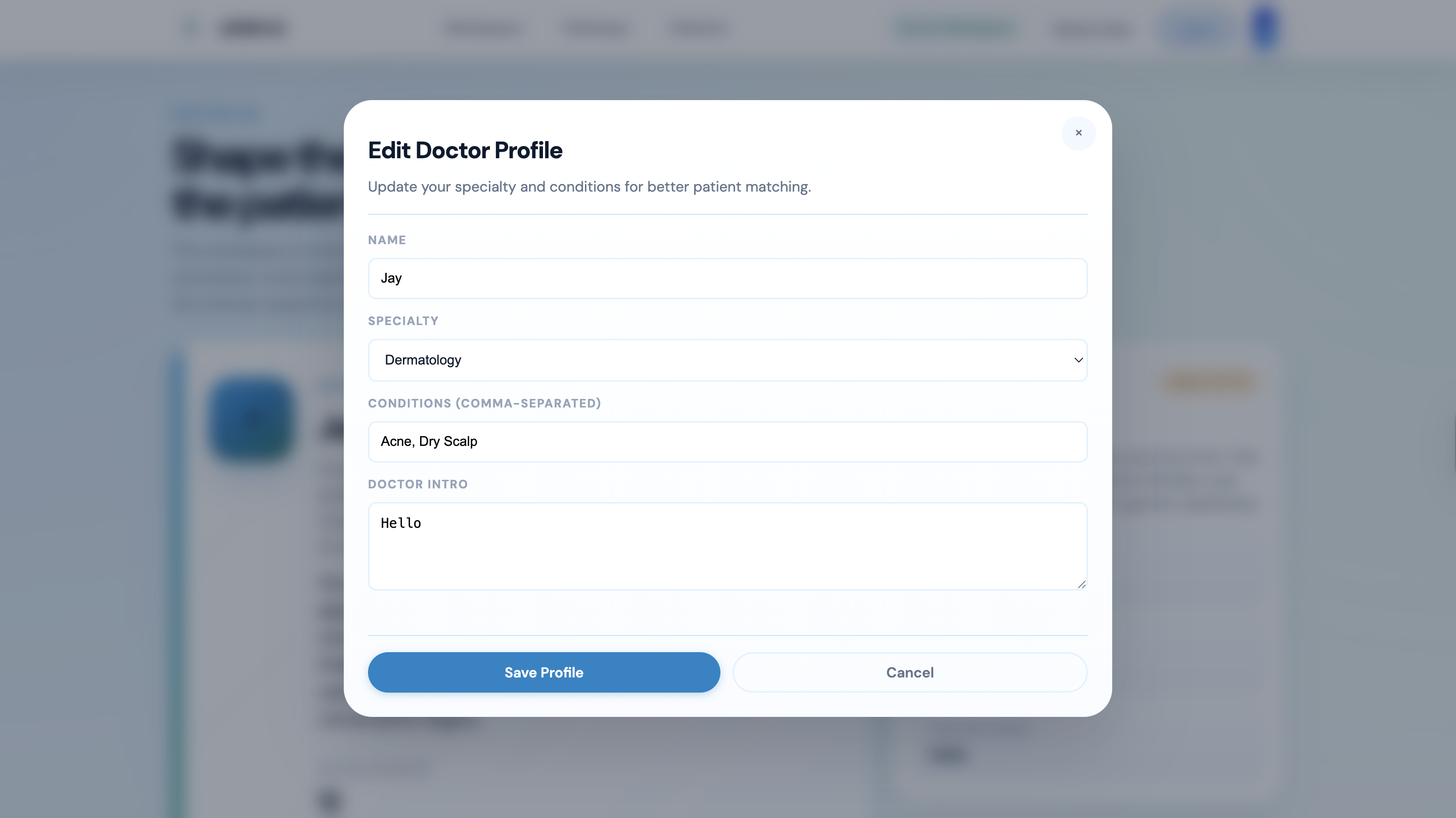
Doctor Portal
-
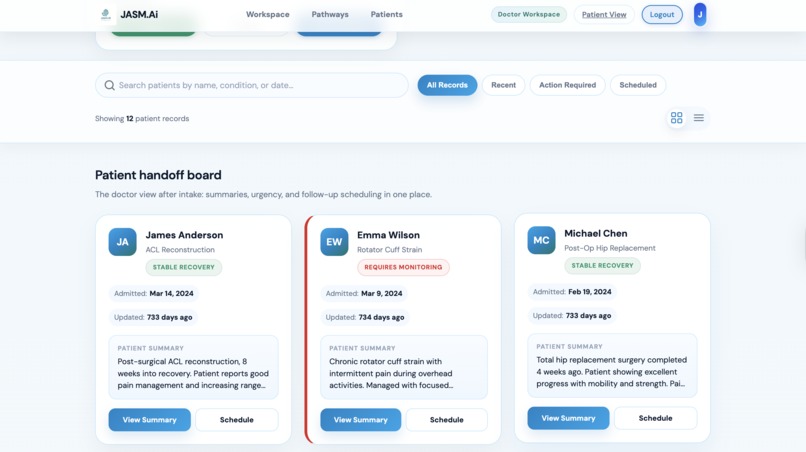
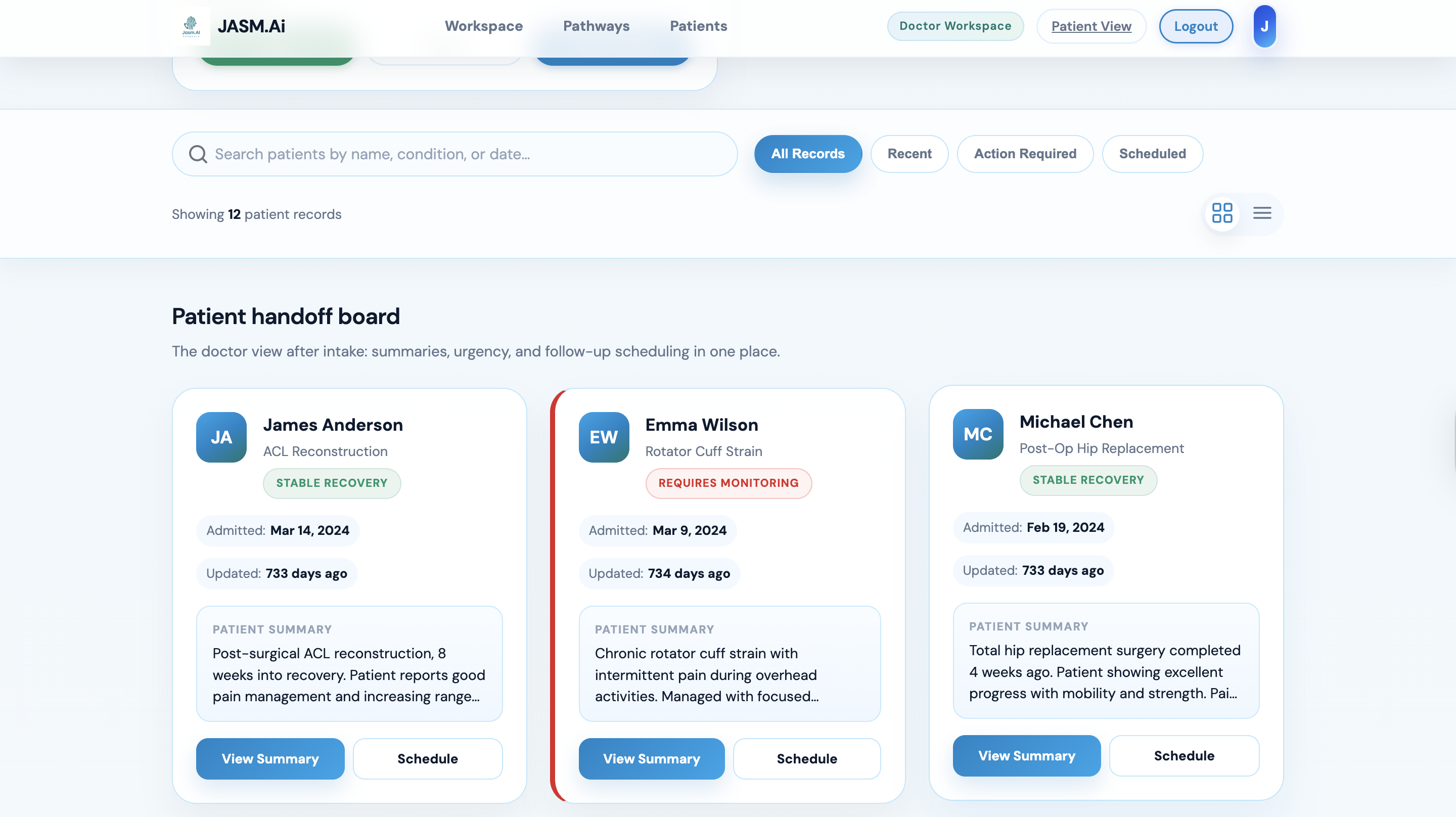
Doctor Dashboard
-
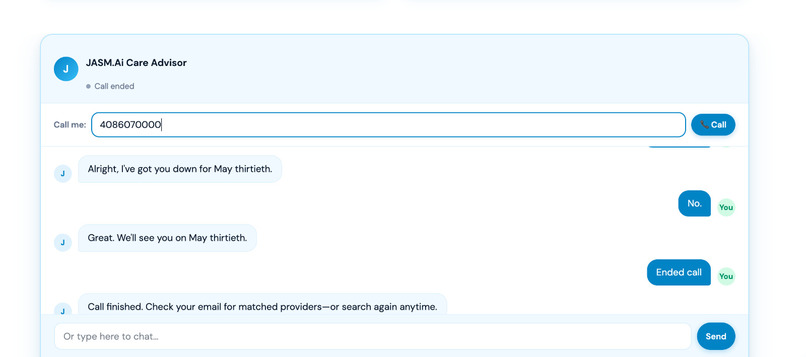
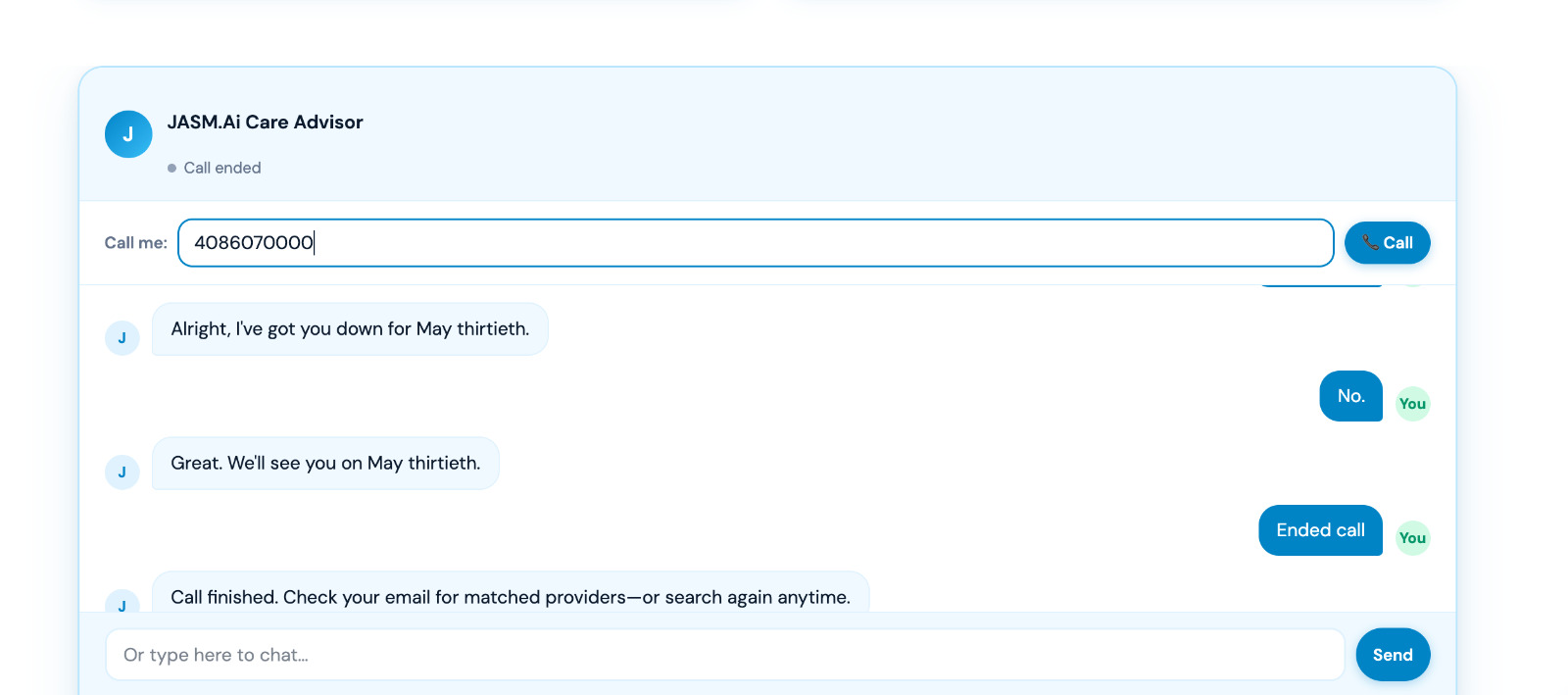
Call Agent
About the Project
Inspiration
Healthcare’s biggest failures often happen before treatment begins. Patients get stuck in phone queues, struggle to explain symptoms clearly, and wait far too long to reach the right provider. At the same time, clinics and care teams lose valuable time to repetitive intake and scheduling work instead of focusing on patient care.
We were especially motivated by how much worse this becomes for multilingual patients. If the “front door” to care is confusing, slow, or language-limited, access breaks down before a visit even starts. That led us to a simple question:
What if the front door to healthcare felt like a natural conversation in your own language?
That idea became JASM.Ai Deepcare.
What It Does
JASM.Ai Deepcare is a multilingual AI voice intake platform that helps patients get to the right care faster while helping providers spend less time on repetitive intake work.
The system is designed as a coordinated three-agent workflow:
- Platform Intake Agent captures the patient’s initial concern in natural conversation.
- Provider Flow Agent asks more specific follow-up questions based on provider context and specialty flow.
- Provider Support Agent converts the conversation into a structured, provider-ready summary.
The long-term goal is not just better intake, but better care coordination. Deepcare is designed to connect intake, provider matching, summaries, and scheduling into one smoother patient journey.
How We Built It
We built Deepcare as a workflow system rather than a generic chatbot.
Our stack centered around a few key technologies:
- Bland AI for the voice-based patient intake and conversational pathway layer
- Auth0 for authentication, doctor identity, and protected access flows
- Kiro as part of our development workflow to move faster on product structure and iteration
- A lightweight frontend and doctor workspace to prototype the clinician-facing experience
We focused on making the experience feel natural for patients while keeping the output useful for providers. Instead of producing only a raw transcript, the system is designed to create a concise, structured summary that a provider can review before the visit.
Challenges We Ran Into
One of the biggest challenges was balancing natural conversation with structured clinical output. Patients speak in nonlinear, human ways, but providers need concise, relevant, and readable information.
We also ran into the challenge of designing for trust. In healthcare, speed is not enough. The system has to feel understandable, respectful, and safe across multiple languages and care contexts.
Another challenge was thinking beyond the conversation itself. The hard part is not only capturing information, but fitting it into a workflow that can eventually support provider review, scheduling, and operational follow-through.
What We Learned
The biggest thing we learned is that healthcare AI is fundamentally a workflow design problem.
Accomplishments We’re Proud Of
We’re proud that JASM.Ai Deepcare feels like more than an AI demo. It represents a coordinated care workflow:
- a patient can speak naturally,
- the system can gather the right context,
- and the provider can receive a cleaner, more actionable summary.
- schedule appointments
We’re also proud that the project is grounded in a real healthcare access problem and that we built it around multilingual support, intake efficiency, and provider workflow impact.
What’s Next
Next, we want to deepen condition-specific intake flows, improve multilingual support, and make provider summaries more customizable by specialty.
We also want to connect the system more directly into scheduling, provider dashboards, and downstream care workflows. Long term, we see JASM.Ai Deepcare becoming an intelligent coordination layer between a patient’s first symptom and a provider’s first informed action.
Built With
- ai
- amazon-web-services
- and-post-call-transcript-webhooks
- api
- auth0
- bland-ai
- blandai
- css
- dynamic-data-injection
- express.js
- ghostdb
- html
- javascript
- kiro
- ngrok
- node.js
- postgresql
- speech
- web


Log in or sign up for Devpost to join the conversation.