Inspiration
What it does
How we built it
Challenges we ran into
Accomplishments that we're proud of
What we learned
What's next for Jarvis
Inspiration
Administrative and scientific teams lose valuable time switching between disconnected systems, documents, meetings, research sources, and repetitive workflows. Jarvis was created to provide a portable operations environment where specialized agents can use reusable skills and secure tools instead of relying on isolated chat responses.
What Jarvis does today
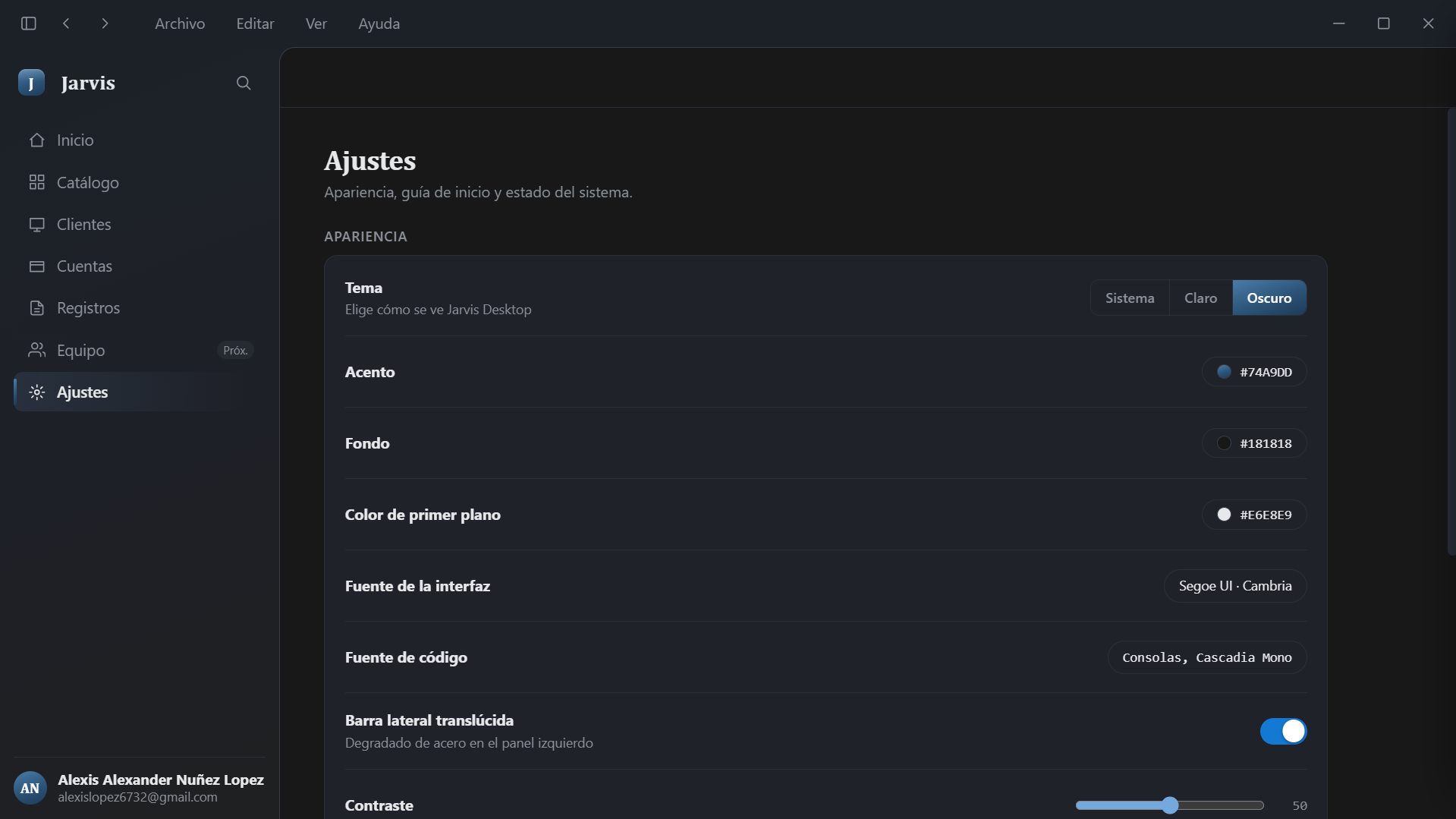
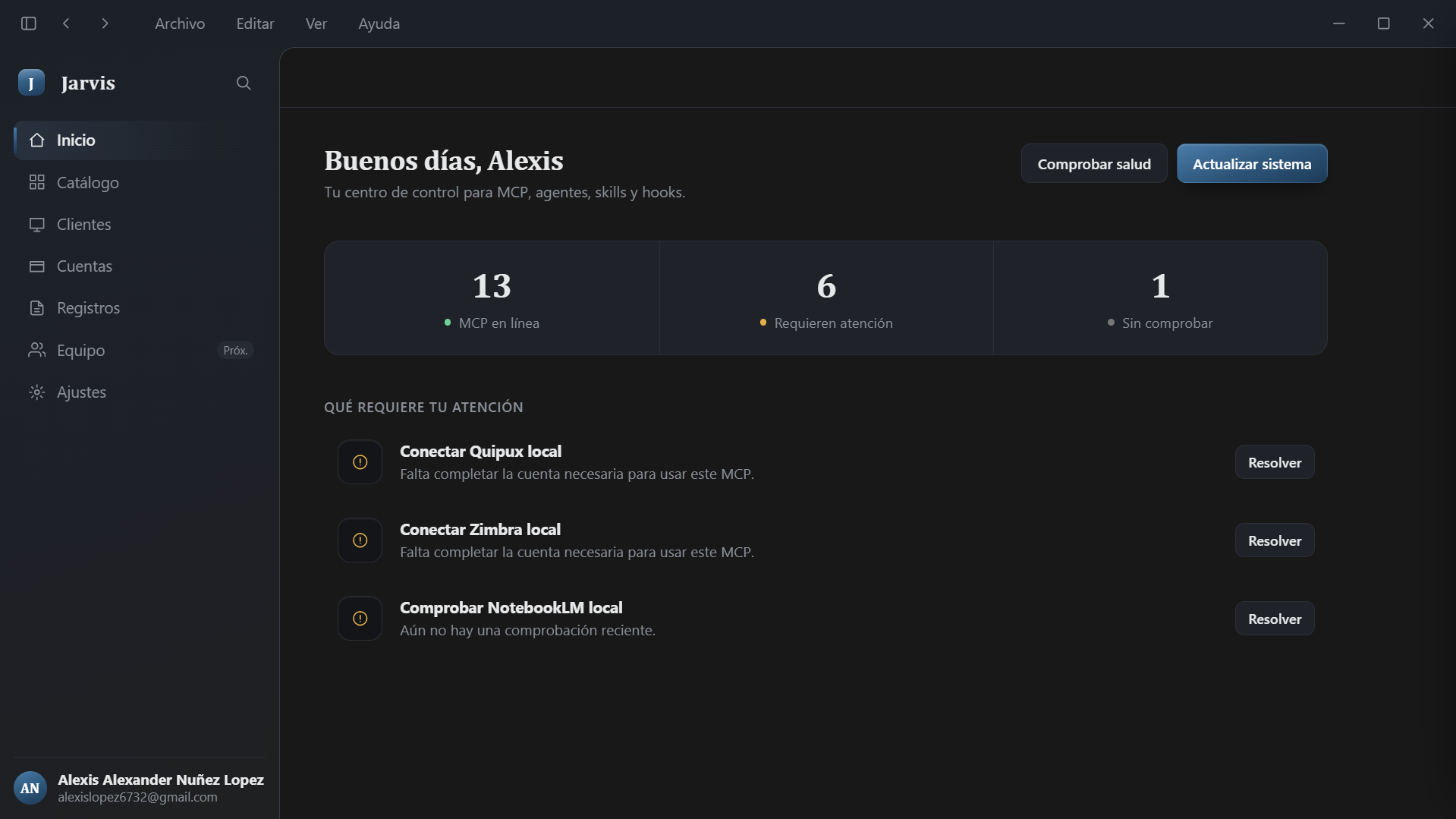
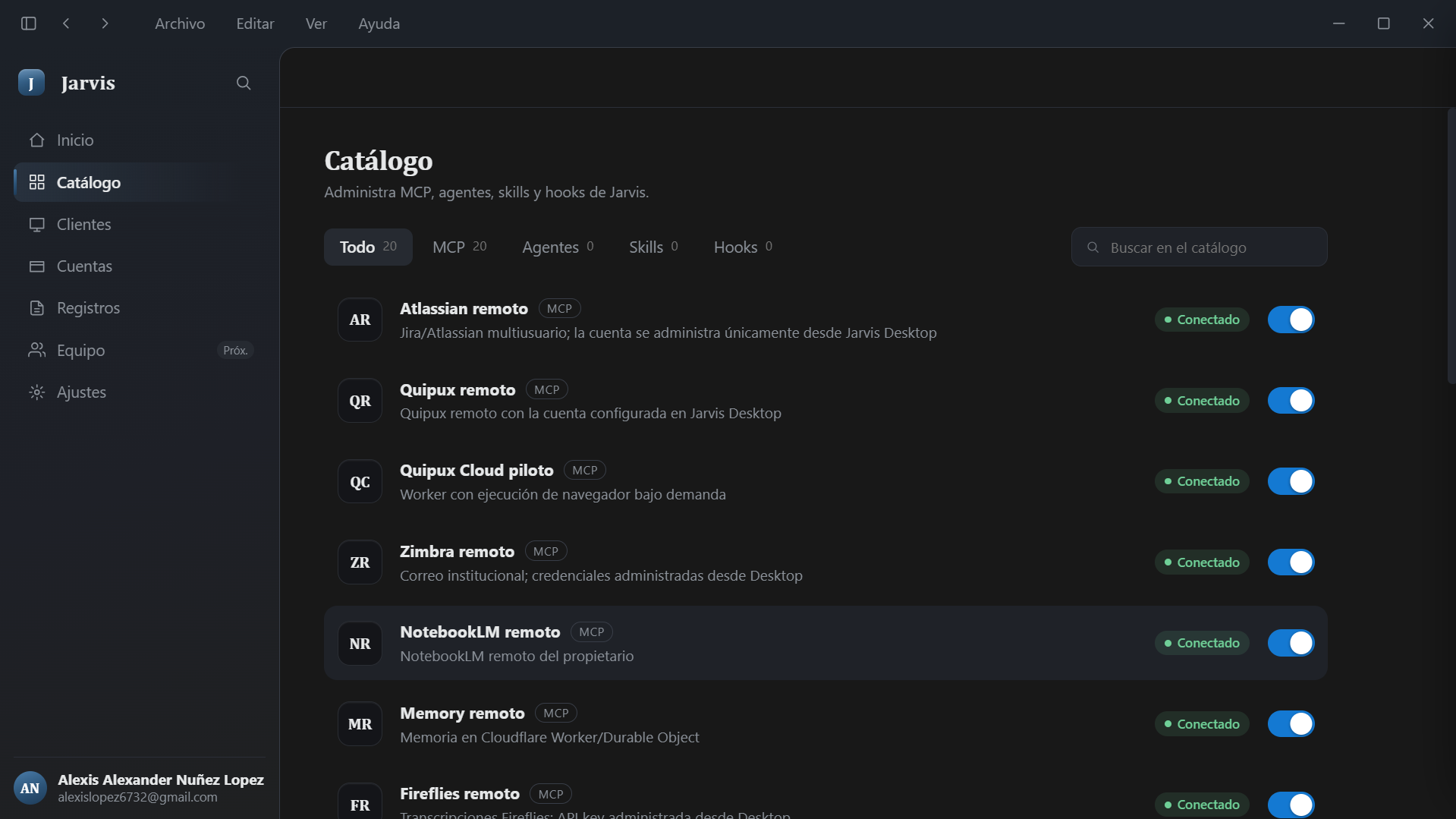
Jarvis currently provides a desktop frontend and a modular control plane for coordinating agents, skills, and Model Context Protocol (MCP) connectors. Its architecture is designed to connect operational systems, institutional knowledge, research services, and browser-based workflows while keeping credentials isolated per user and making sensitive actions explicit.
The current build includes a packaged Windows desktop application and an extensible repository of agents, skills, automation hooks, and MCP integrations for administrative and scientific work.
How we built it
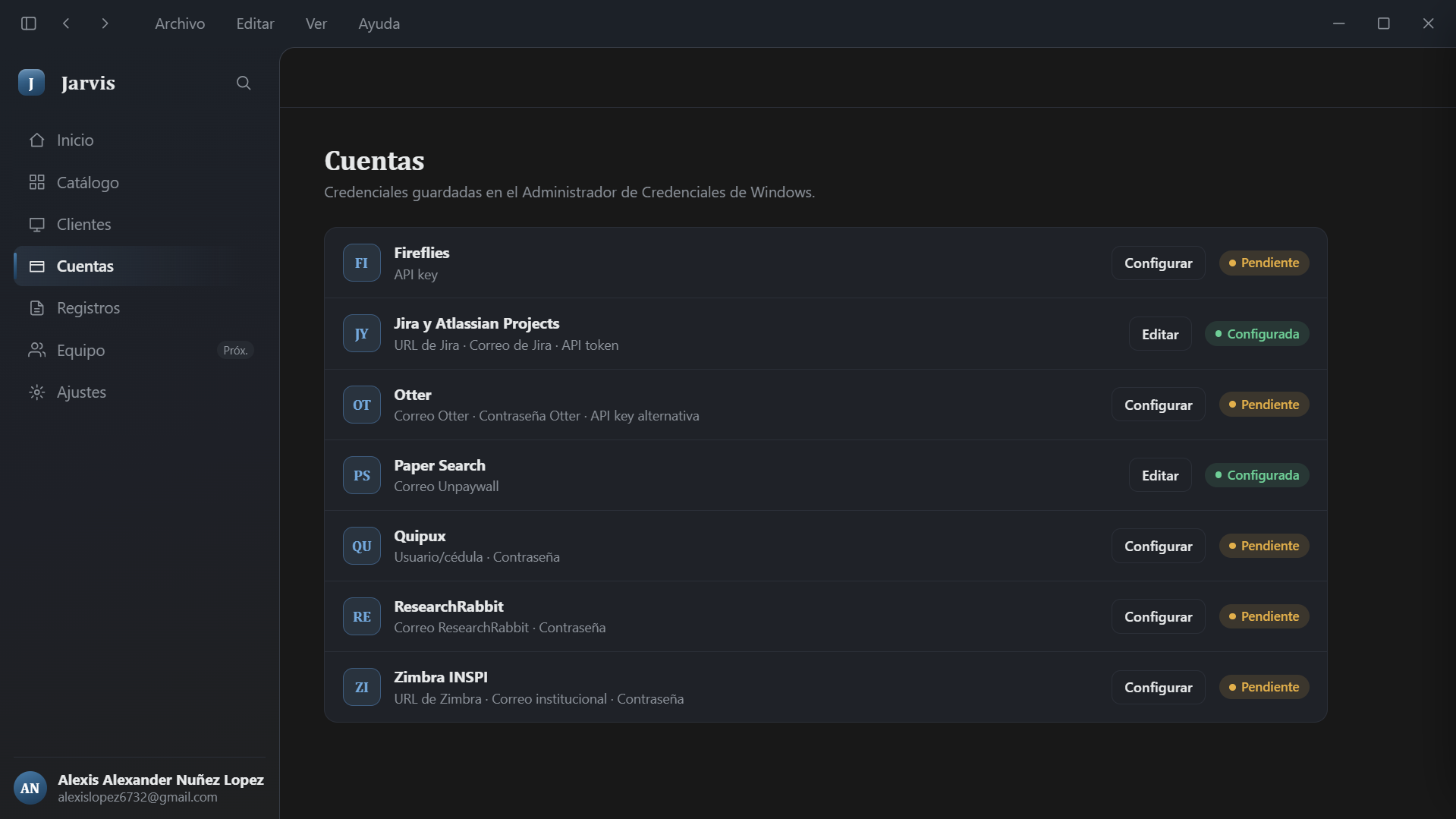
Jarvis combines a Windows desktop interface with a Python control plane, web technologies, MCP services, and authenticated remote connectors. The project separates reusable code from user credentials and data, and uses fail-closed behavior when a required backend or authorization is unavailable.
Gemini has assisted the construction process by supporting architecture analysis, implementation planning, debugging, and documentation. To be precise, the current Jarvis runtime does not yet make a direct call to the Gemini API.
Challenges
The main challenges have been connecting the desktop frontend to real backend services, coordinating local and remote MCP servers, maintaining portable installation across computers, and protecting user-specific credentials. Another challenge is creating a single agent experience that remains useful across very different administrative and scientific domains without hiding uncertainty or bypassing human approval.
What we learned
AI agents become substantially more useful when they can work through well-defined skills and auditable tools. Portability, identity isolation, explicit permissions, and evidence-backed outputs are as important as model intelligence for real operational adoption.
What's next
The next stage is to connect Jarvis directly to the Gemini API as its reasoning and orchestration layer. Gemini will help interpret complex goals and coordinate Jarvis agents, while the agents apply the appropriate skills and MCP tools to execute administrative and scientific tasks. The planned workflow will preserve human approval for consequential actions and produce traceable evidence of the tools and sources used.
This Gemini API integration is the next development milestone; it is not presented as functionality already deployed in the current build.
Built With
- cloudflare
- context
- gemini
- javascript
- mcp
- model
- node.js
- oauth
- playwright
- python
- pywebview

Log in or sign up for Devpost to join the conversation.