-
-

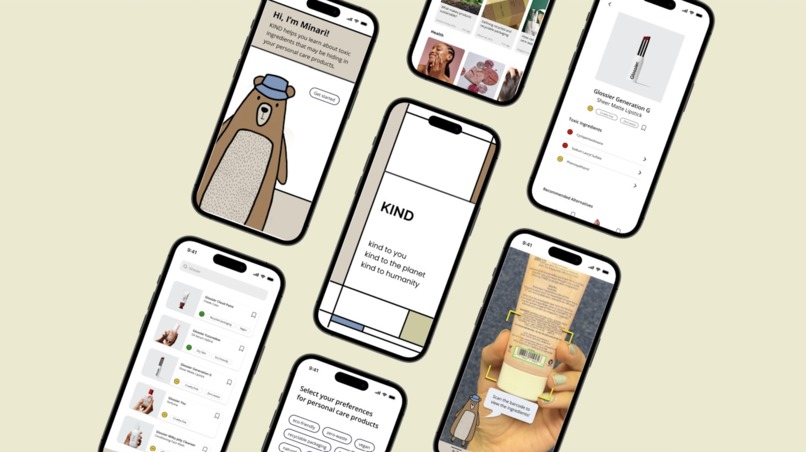
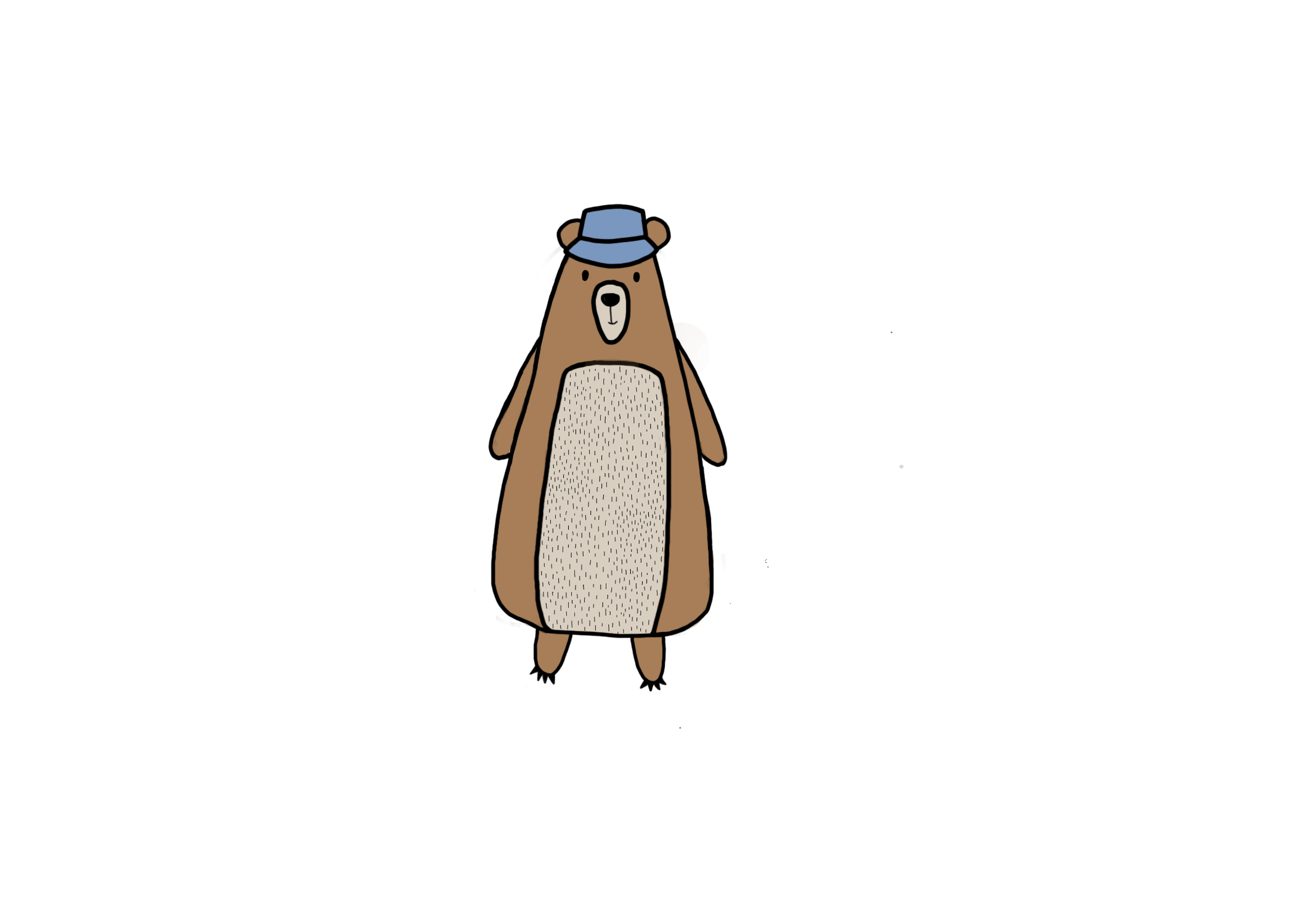
Minari, our interactive app tour guide
-
Inspiration
While people often take actions to improve their physical and mental well-being, they often fail to consider the hidden and unknown risks associated with the beauty, skincare, and personal care products that they use on a daily basis. We wanted to explore this problem space because while it is common knowledge to care about the things your body consumes, the things your body absorbs or reacts to are often overlooked.
After conducting user research, we realized that many consumers are uninformed about the importance of what goes on their skin. The beauty and personal care industries have not made widespread efforts to educate consumers to be mindful of the products they buy and use. Additionally, there are not many existing implementations to educate people on conscious choices or to encourage them to make alternatives. Thus, we identified that this was a niche problem space that we wanted to address.
From synthesizing these insights, we determined that many people felt that not only is this problem not talked about enough, but existing solution implementations, such as the most popular app in the market: Think Dirty Shop Clean, had barriers of inaccessibility such as paid, locked features and a hard-to-use layout.
We sought to create a better app focused on helping people identify particularly harmful ingredients in the personal care products that they consume to help contribute to a healthier lifestyle and reduce the environmental impact they have. The focus of our app was to educate, inform, and assist app users in a friendly manner. Our design goals centered around a platform that was intuitive and fun and encouraged user interaction.
What it does
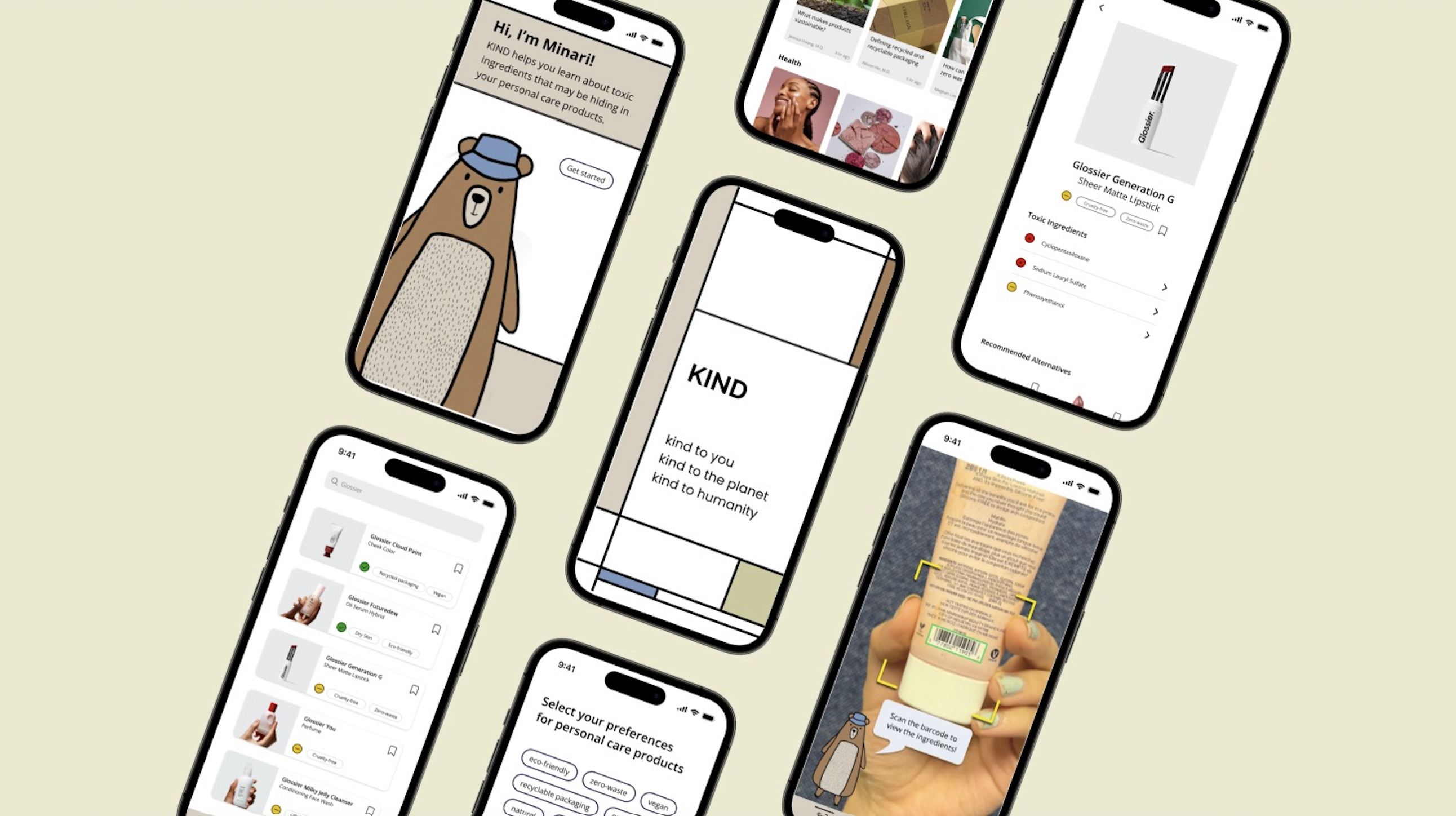
KIND is a mobile application that equips users with knowledge about their personal care products and personalized recommendations. KIND's mission is for users around the world to achieve a happier and healthier lifestyle with more mindful consumption choices.
How we built it
After reframing the problem, we began to build the features of the app that we listed throughout the ideation process and with information from user research. We started with creating wireframes in Figma. Then we moved on to prototypes. We made many changes to the original design in the wireframes. In the final step of the design process, we tested our prototype.
Challenges we ran into
The greatest challenge here was working under limited time constraints with the expectation of flushing out a well-thought-out, high-fidelity prototype. There was a lot of pressure and at times we struggled to agree on priorities given our individual assessment of what was most important to work on. However, by maintaining respect and open communication amongst our team, we navigated potential conflicts by actively listening to each other and aiming to understand, not to be right.
Accomplishments that we're proud of
This journey was rewarding as we went from a large brainstorm of potential ideas to conceptualizing an innovative app we were passionate about. Our team dynamic was collaborative and fun, which fostered a true sense of teamwork and enabled our collective creativity. One strength of this team was our ability to hone down on our individual strengths to maximize total team output, which we believe is what led to our success in this competition. Overall, we were extremely happy to have worked together as a high-functioning team, and with a final app we were proud to stand behind!
What we learned
We learned the importance of refining prototypes as part of the development process. This ultimately enabled us to deliver a high-fidelity prototype that was to the best of our abilities. We did this by continuously conducting user interviews to collect feedback and suggestions. These users' feedback was immensely helpful as they were viewing the project like a real-time new user of our app. We refined our prototype by taking feedback into consideration as well as ideating overarching weak spots identified. We worked hard to create a consistent, clean layout and to make the user journey as intuitive as possible.
What's next for JAM team
In the future, we will offer more options for a customizable user experience such as profile option preferences for more specific demographics.
- With the knowledge of health professionals, we could expand our app with professional verification about specific skin conditions, allergens, sensitivities, skin tones, and more
- We would also add a more detailed and granular rating system to better help users assess the toxicity of each product.
- We would like to make Minari more interactive (different actions) and implement a reward system for people to engage with the app consistently.
Built With
- figma
- photoshop

Log in or sign up for Devpost to join the conversation.