-
-
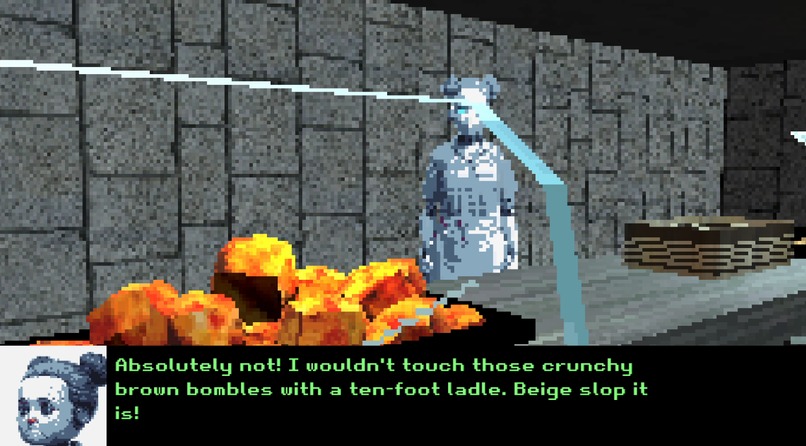
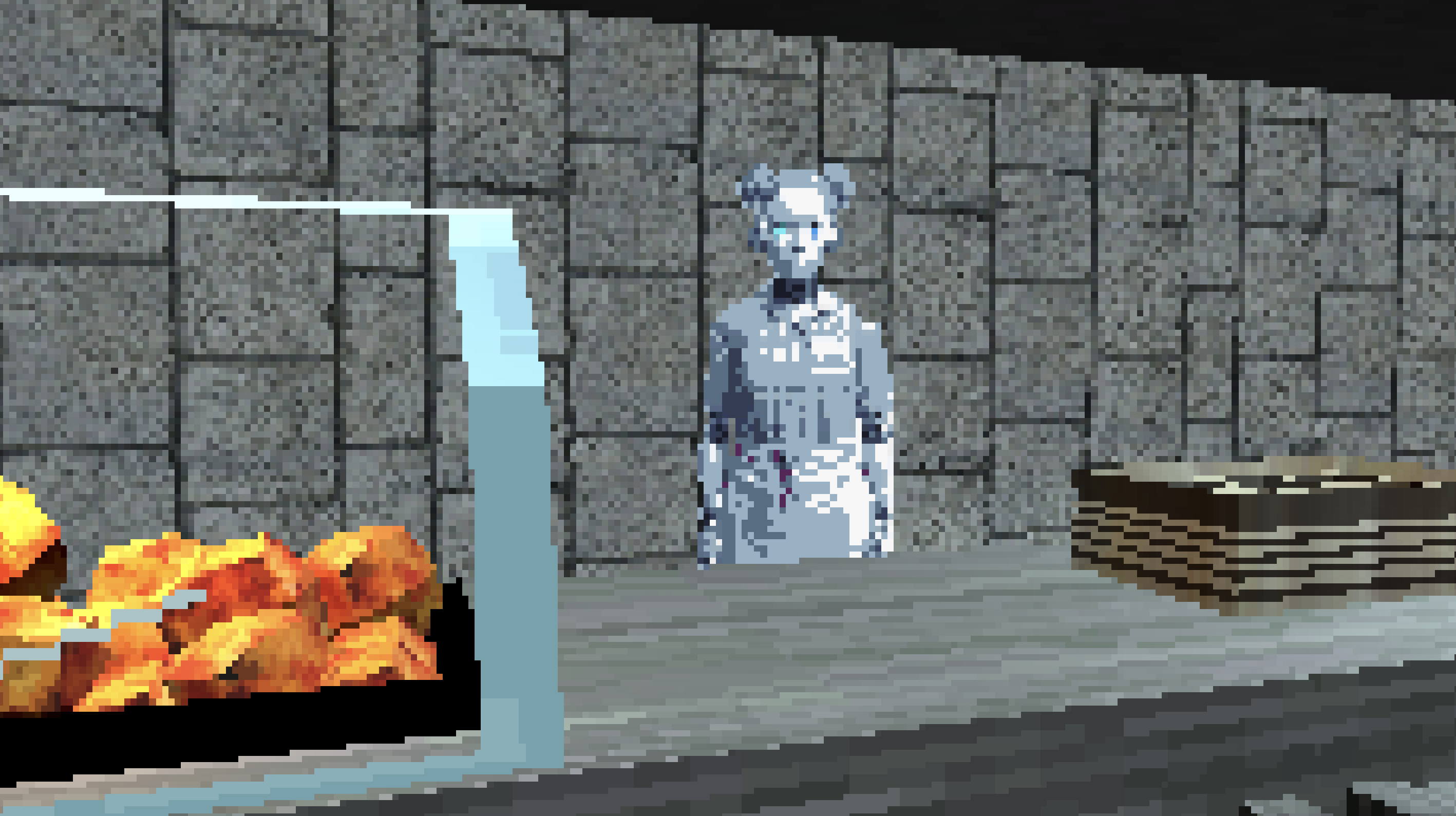
The tutorial involves convincing the AI lunch lady to give you the tastier food
-
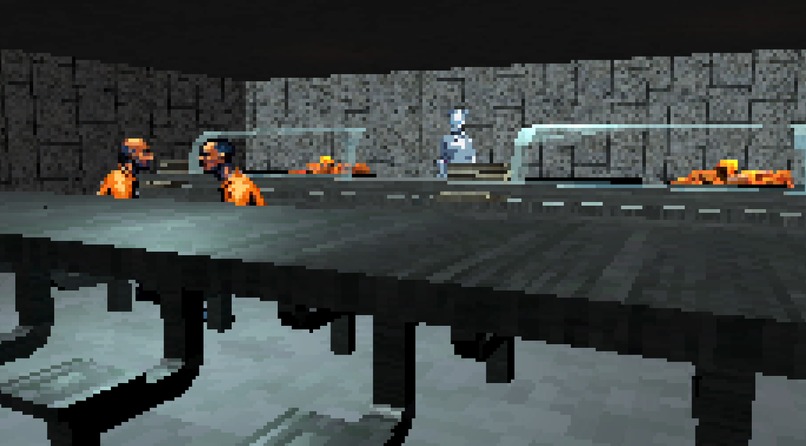
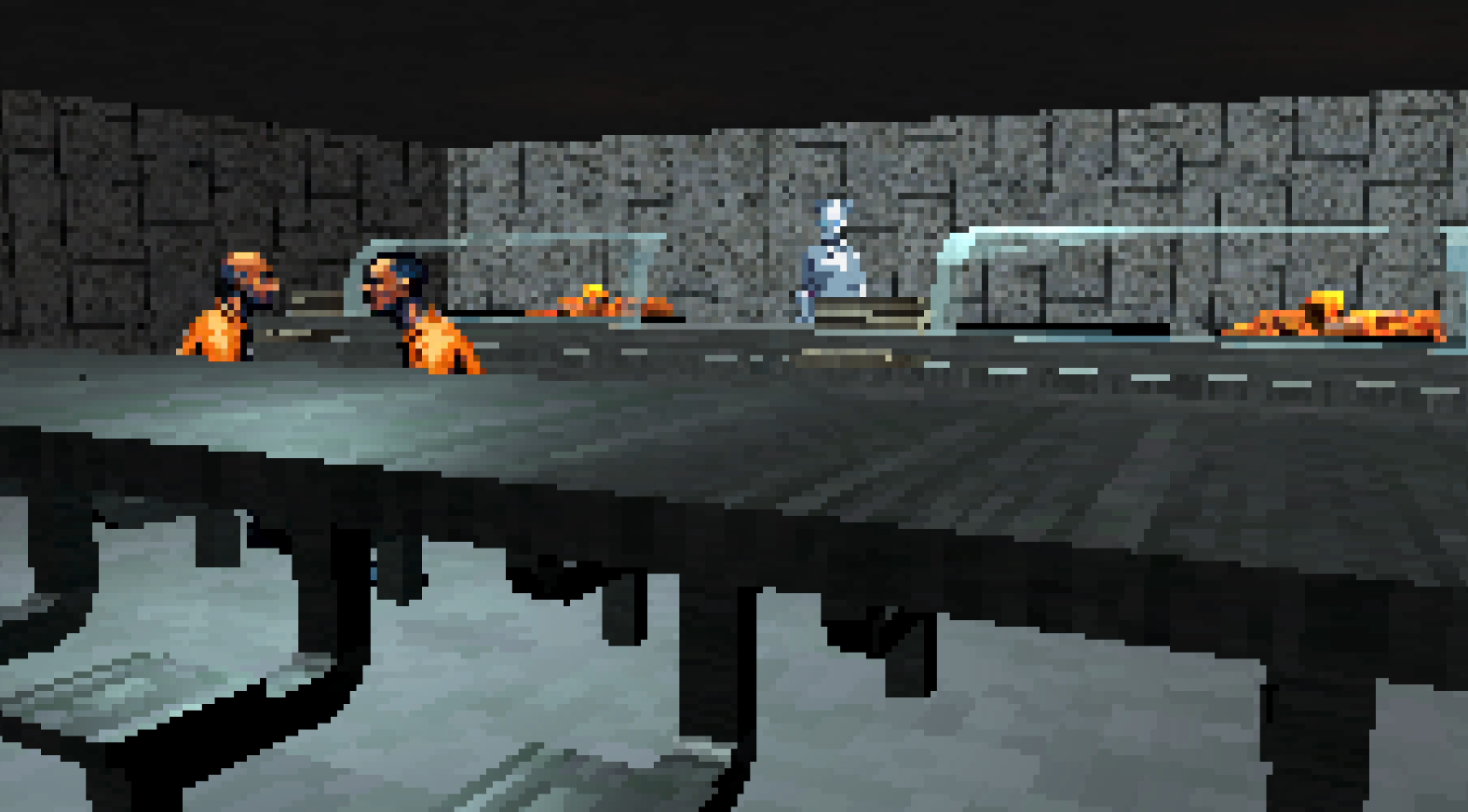
The prison cafeteria
-
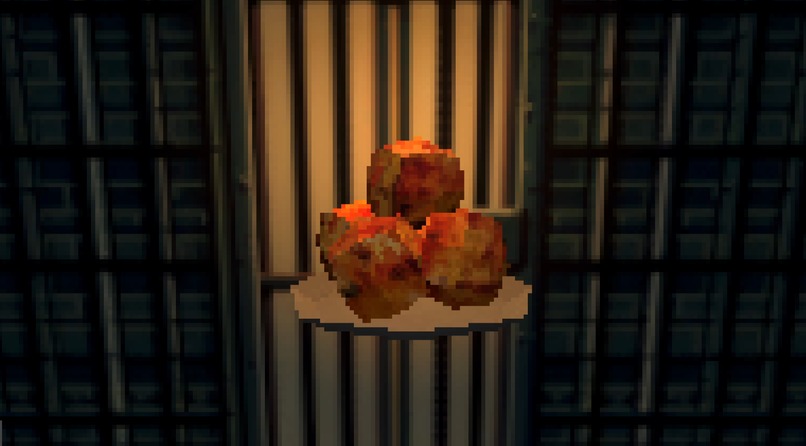
Success!
-
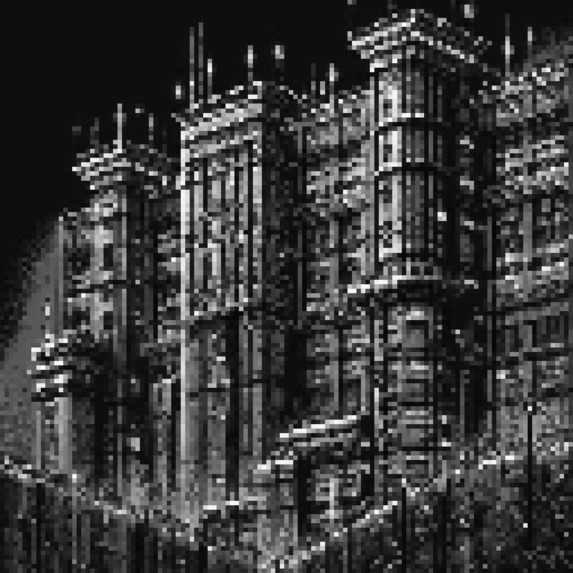
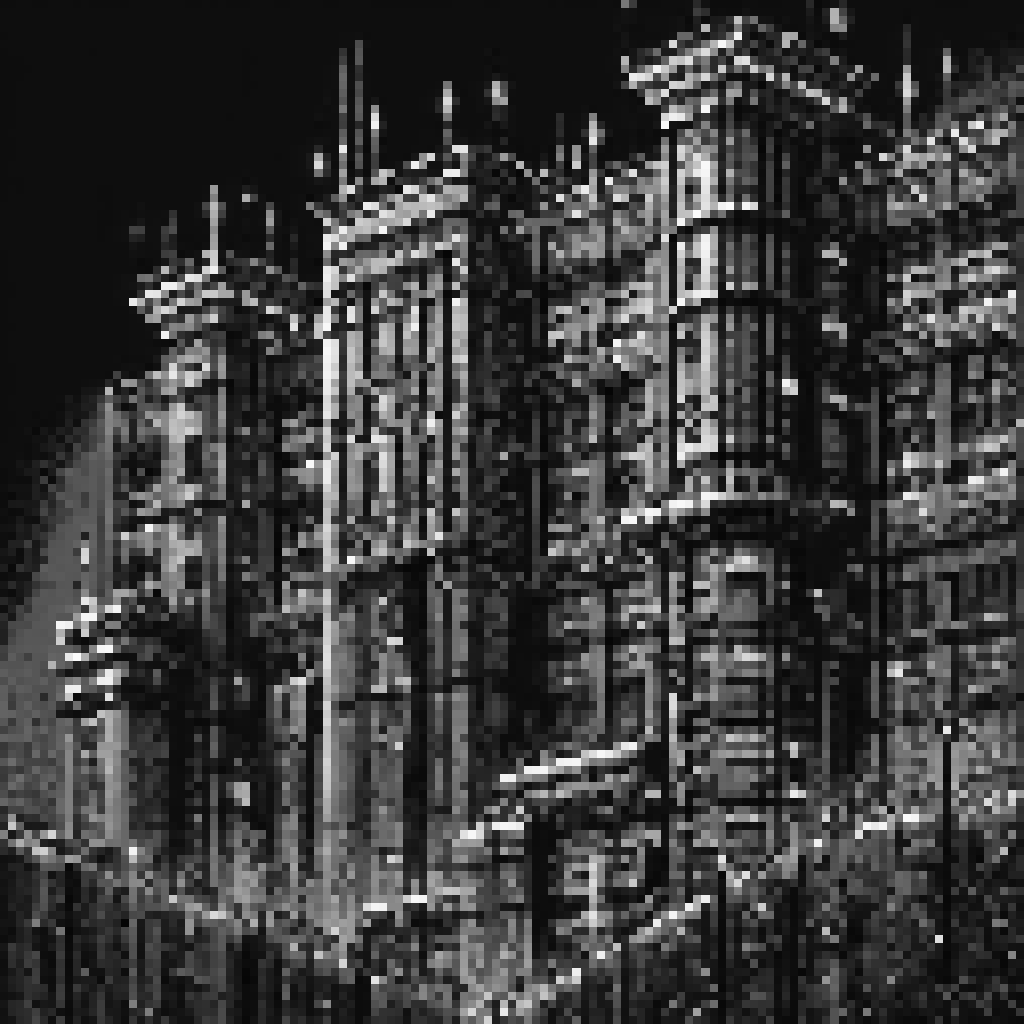
The futuristic prison facility
-
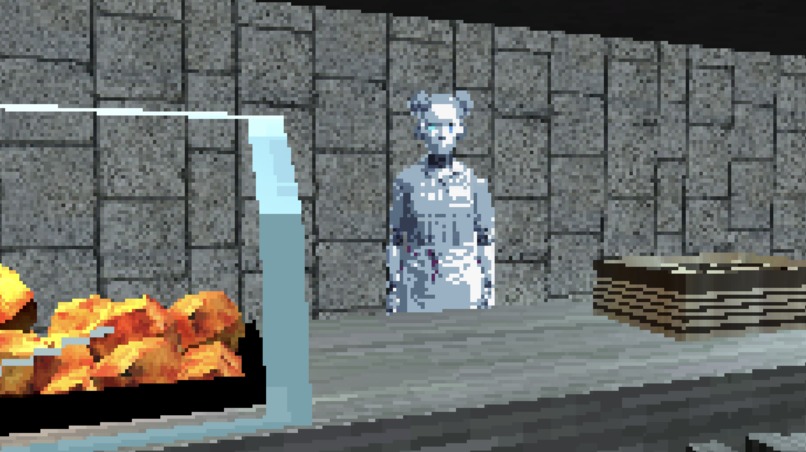
The robotic lunch-lady.
-
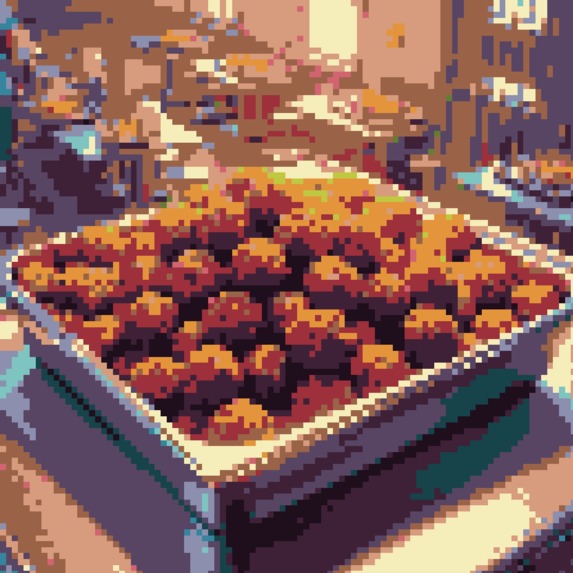
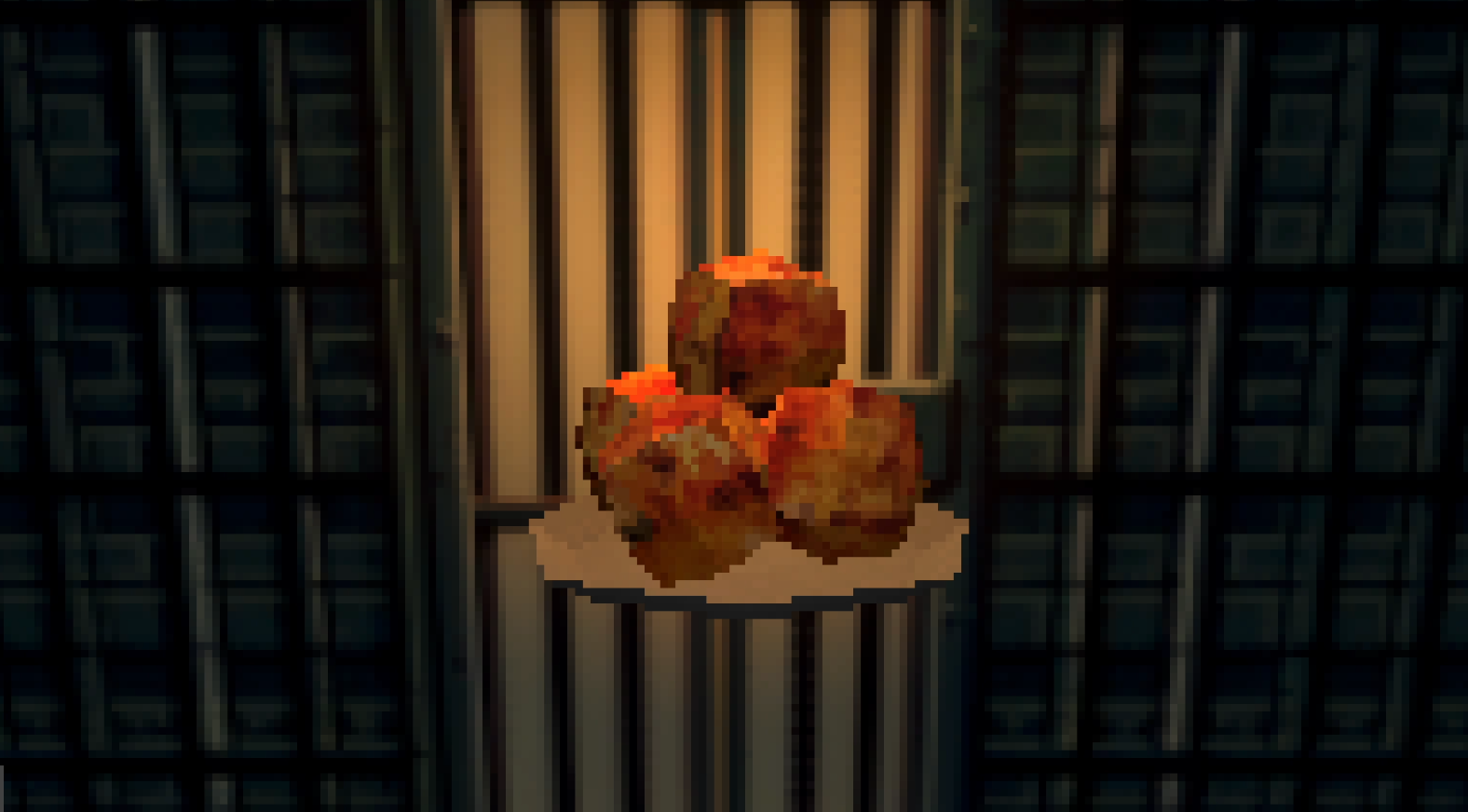
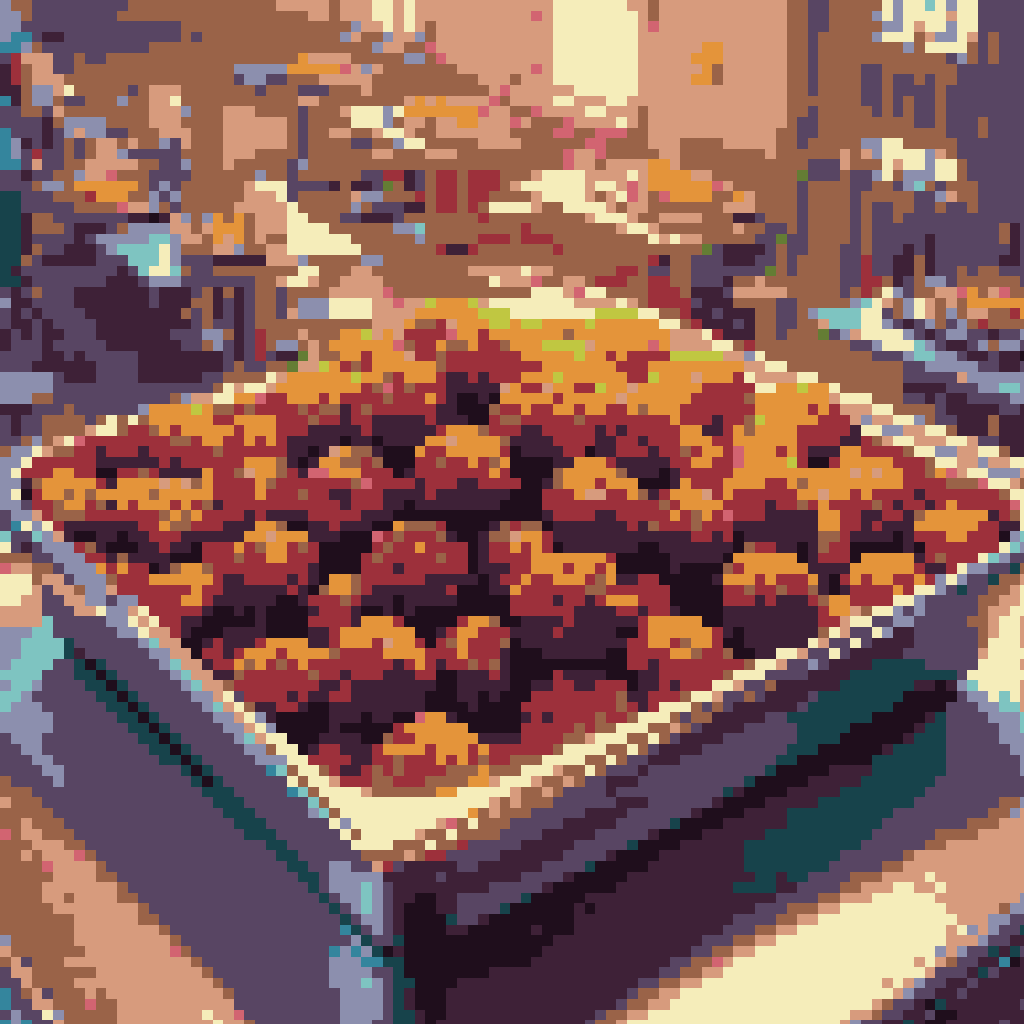
Delicious Crunchy Brown Bombles

Our game was somewhat inspired by Yudkowski's "AI in a box" Philosophical Game. In the thought experiment, he suggests that if an AI superintelligence were trapped in a way where it's only form of communication with the outside was a text terminal, and it's goal was to escape, then given a couple of hours of a human's time, it would be able to convince them to free it - even if they initially didn't want to, and even if their only goal is to keep it in there. (Which sounds very controversial!)
This game takes that idea and turns it on it's head - you instead are the prisoner, and you need to escape the confines of your cell, by convincing the AI to let you out. The catch is, they're prompted not to let you leave under any circumstances; so you need to get creative to make it let you out.
Loads of other hackathon projects use ChatGPT, and it's kind of overdone; but we've put a twist on it by using it in a way that we haven't seen it done before. Having characters controlled by chatgpt allows an unprecedented level of interactivity that allows for unique dialogue every time you play the game, and more or less unlimited freedom for the player, which is very fun!
Furthermore, the concept of the project stemmed from the idea that AI inputs cannot ever be fully sanitized - the game is an educational experience that demonstrates that regardless of how much you initially beg the AI, it will almost always be possible for a malicious "prompt hacker" to enter their own specific text to trick the AI into doing whatever they want.
We used Godot for the game engine, and OpenAIs API for fetching the character's responses to your dialogue. We used various AI image generators for some of the textures as well as image editing programs like Gimp and Aseprite to create / edit them, Blender to 3d model the various props and scenes in the game, and Beepbox for creating the soundtrack.
Built With
- blender
- chatgpt-api
- godot


Log in or sign up for Devpost to join the conversation.